Tag: Nvidia GeForce RTX 5060 Ti

  • How Steam Machines Can Better Utilize 8 GB VRAM

    How Steam Machines Can Better Utilize 8 GB VRAM

    Key Takeaway

    1. The Steam Machine has 8 GB of graphics memory, which may be limited for memory-intensive games.
    2. A custom kernel patch developed by Natalie Vock prioritizes game VRAM, helping improve game performance by reducing the impact of background applications.
    3. The patch currently supports AMD and Intel graphics cards, including those used in the Steam Machine.

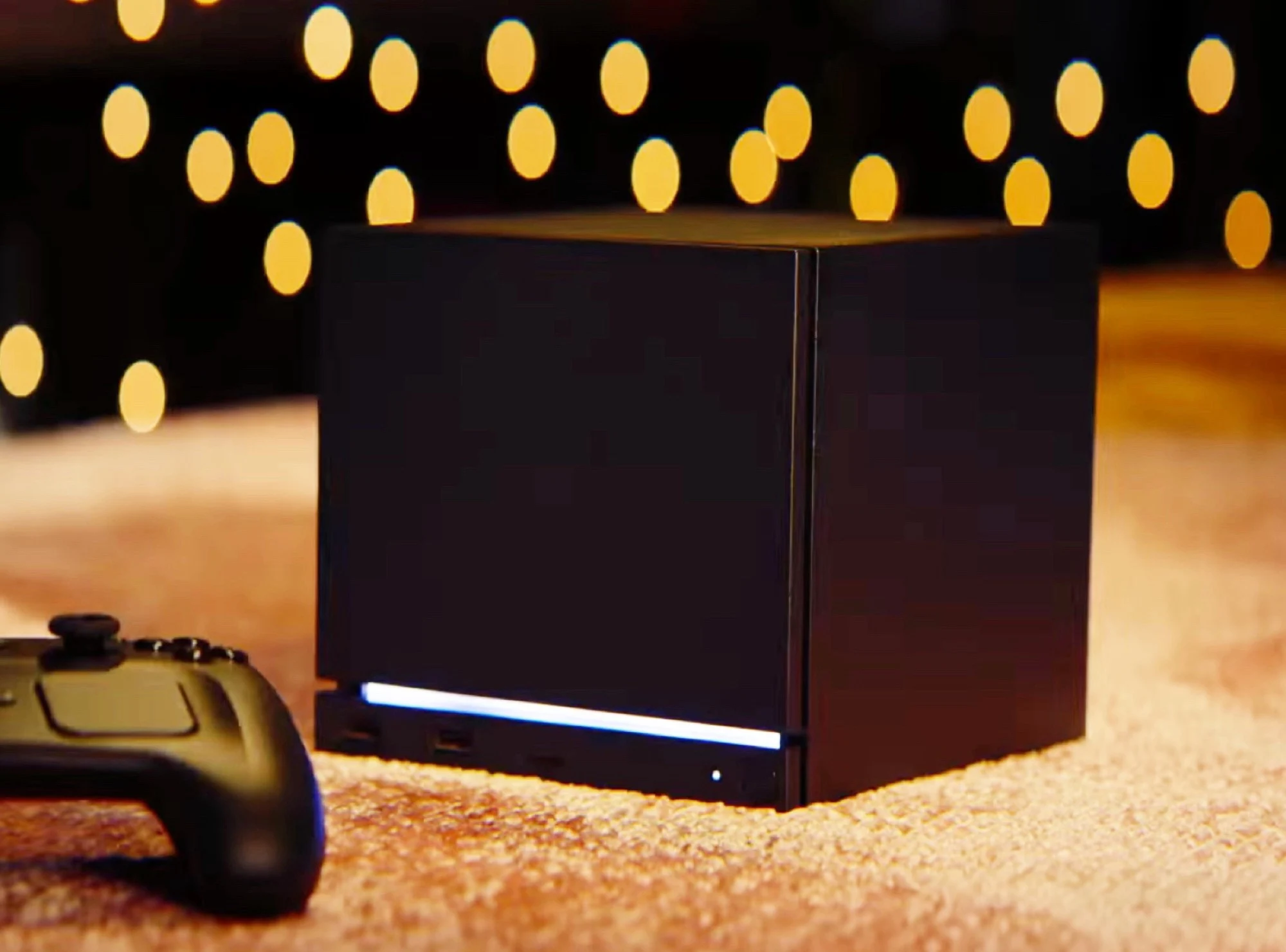
    The Steam Machine, equipped with an Nvidia GeForce RTX 5060 Ti, features only 8 GB of graphics memory, similar to certain gaming laptops in its class. This amount is generally adequate for most modern games if played at a resolution of 1080p, but for more demanding titles, players might need to lower the graphic settings. Nvidia is attempting to mitigate these limitations with AI-compressed textures, yet there’s another simple approach that could help effectively increase available graphics memory.

    Kernel Patch to Improve VRAM Management

    In an innovative move, Natalie Vock, a software engineer working closely with Valve, has created a custom kernel patch aimed at optimizing Linux’s graphics memory handling. The default behavior causes all applications to have equal access to VRAM, which can lead to background apps like Steam, browsers, and Discord consuming significant portions of the memory, leaving less for gaming. This problem is particularly noticeable when VRAM is already constrained, affecting game performance.

    Technical Details of the Solution

    The core idea involves marking the graphics memory used by active games as “protected.” This means that Linux system will prioritize swapping out less important apps from VRAM to regular RAM, saving maximum VRAM for the game. The patch effectively prevents background applications from eating into VRAM, which is essential for preserving gameplay smoothness. For example, in the case of Cyberpunk 2077, instead of only 6.1 GB being available, the patch ensures the game receives the full 8 GB, preventing performance dips due to memory shortage.

    Limitations and Compatibility

    This clever solution mainly works with AMD and Intel GPUs, and it is expected to be compatible with the AMD graphics card of the Steam Machine. It’s important to note that this development is still in the experimental phase, and further technical information can be found at detailed sources like the PixelCluster blog. This approach presents a promising way to maximize graphics performance without costly hardware upgrades, especially in systems constrained by limited VRAM.
    Sources

  • Core i9 Mini PC with RTX 5060 Ti and 64GB RAM for High Performance

    Core i9 Mini PC with RTX 5060 Ti and 64GB RAM for High Performance

    Key Takeaways

    1. The msecore MV10 mini PC is currently available for purchase on Amazon in the US, but not yet in Europe or other regions.
    2. It features an Intel Core i9-14900F processor with a peak clock speed of 5.8GHz, making it suitable for running the latest games smoothly.
    3. The MV10 is equipped with an Nvidia GeForce RTX 5060 Ti GPU with 16GB GDDR7 VRAM and supports DLSS 4.
    4. It offers options for either 32GB or 64GB of DDR5 RAM and comes with a default 4TB M.2 2880 NVMe SSD.
    5. The desktop includes effective cooling with four fans and multiple connectivity options, including WiFi, Gigabit Ethernet ports, and various USB ports.


    The selection of compact desktop computers designed for gaming is quite extensive. Following the review of the Asus ROG NUC 15, msecore has introduced another contender in this area called the MV10. Currently, this mini PC isn’t broadly accessible, but customers in the US can already find the MV10 available for purchase on Amazon. Unfortunately, there’s no news yet regarding its availability in other regions, including Europe.

    Specifications and Performance

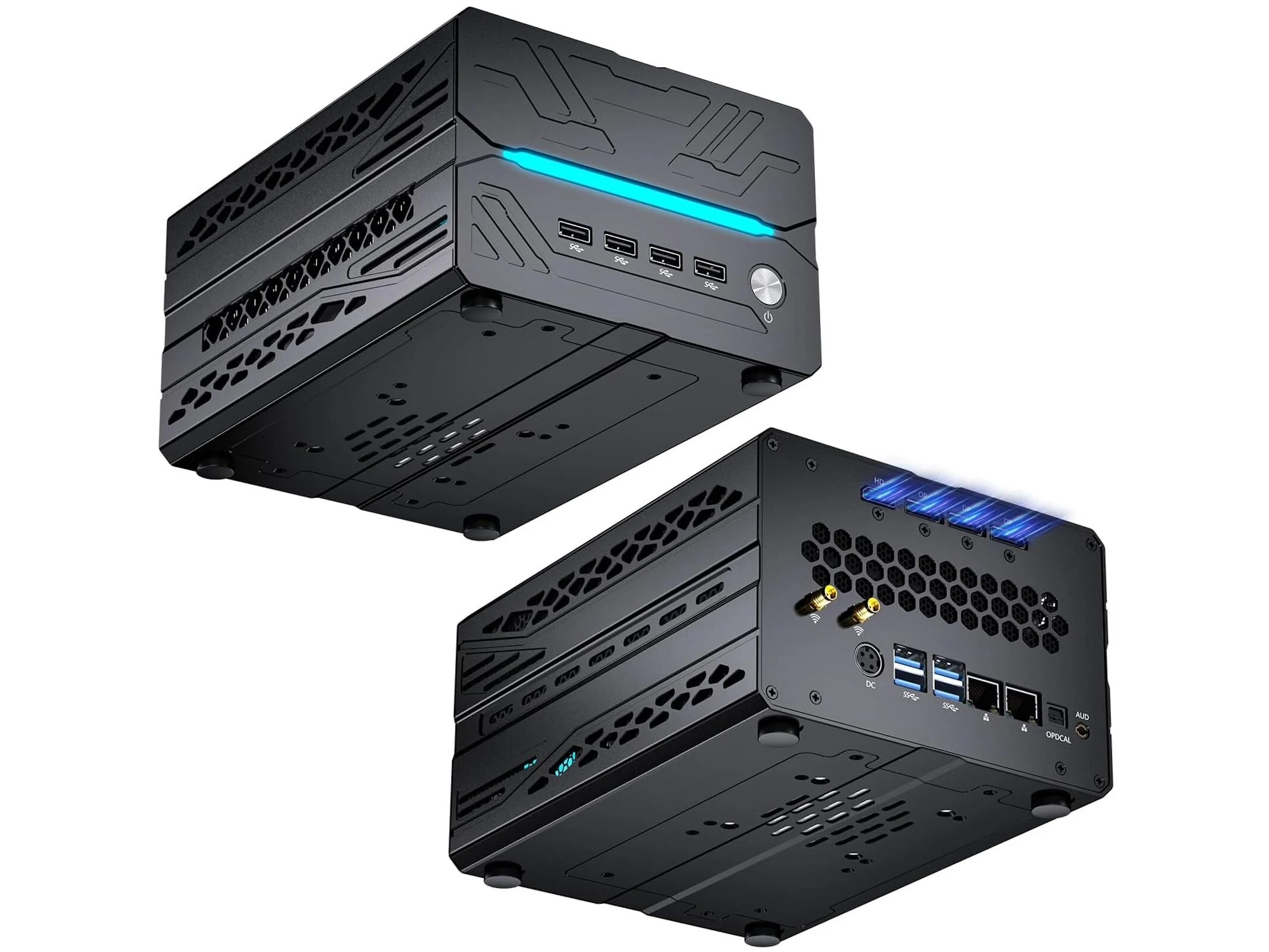
    This mini PC measures approximately 8.6 x 6.6 x 4.5 inches and comes with an Intel Core i9-14900F, which is a high-end processor from 2024. The CPU boasts a peak clock speed of 5.8GHz, making it generally suitable for running all the latest games smoothly. Additionally, the msecore MV10 is equipped with an Nvidia GeForce RTX 5060 Ti featuring 16GB GDDR7 VRAM and supports standard features like DLSS 4. Depending on its setup, the mini PC offers either 32GB or 64GB of DDR5 RAM, while the default M.2 2880 NVMe SSD can hold up to 4TB of data.

    Cooling and Connectivity

    To ensure effective cooling, the desktop is fitted with four fans, addressing the common issue of overheating in powerful mini PCs. For network connections, users can choose WiFi or utilize two Gigabit Ethernet ports located at the back. Moreover, the msecore MV10 mini PC includes four USB 3.2 ports, an optical audio output, four USB 2.0 ports, and a power button conveniently placed on the front.

    Source:
    Link


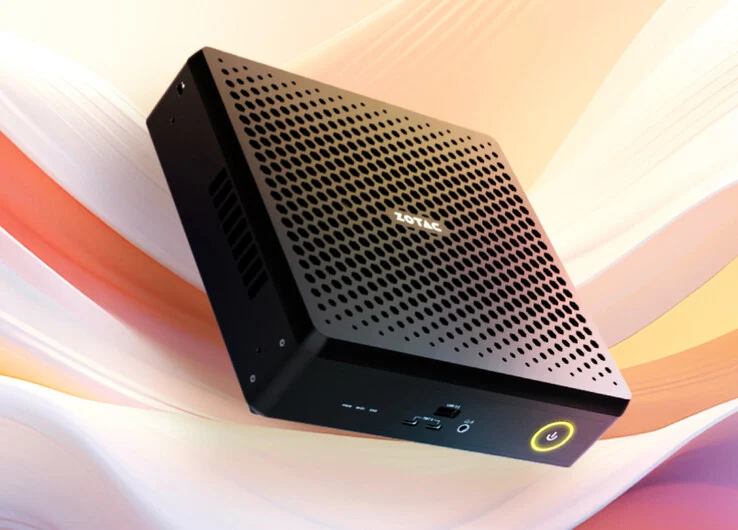
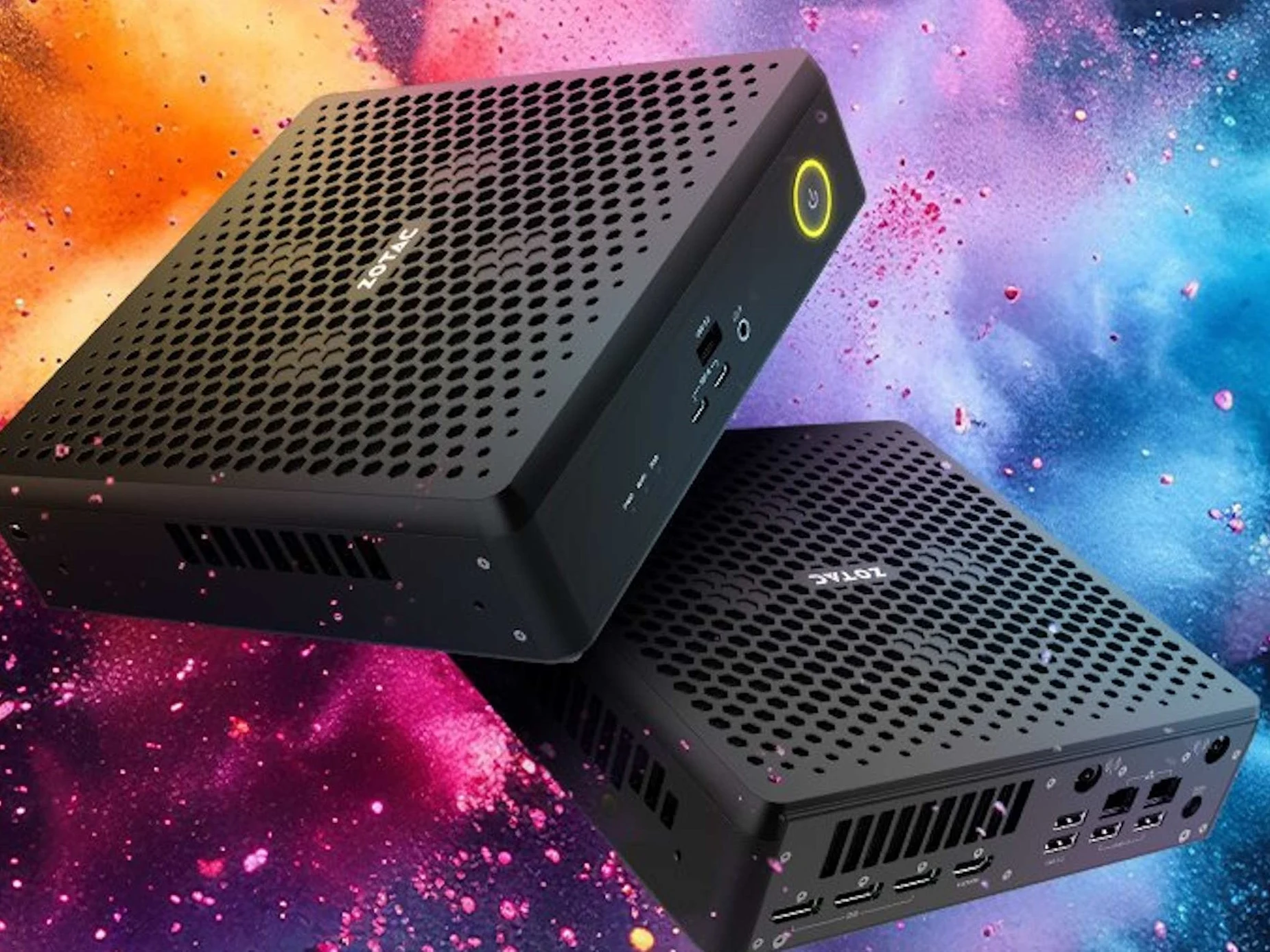
  • Zotac ZBox Magnus EN Mini-PC Launches with RTX 5060 Ti GPU

    Zotac ZBox Magnus EN Mini-PC Launches with RTX 5060 Ti GPU

    Key Takeaways

    1. Zotac has launched the ZBox Magnus EN, featuring Intel’s Core Ultra 7 255HX processor with 20 cores.
    2. The mini-PC includes an Nvidia GeForce RTX 5060 Ti GPU with 16 GB of GDDR7 VRAM, housed in a compact 2.65-litre chassis.
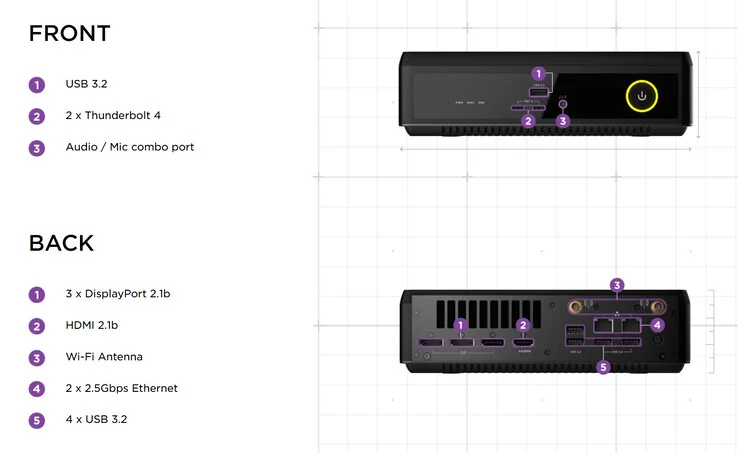
    3. It supports DDR5 RAM and has two M.2 slots for PCIe 4.0 SSDs, along with multiple Thunderbolt 4 and DisplayPort outputs.
    4. The ZBox Magnus EN is priced at approximately $1,966 in China and starts from €1,600 (around $1,865) in Europe.
    5. The Magnus EA model is not yet available, but other Strix Halo mini-PCs are currently on the market.


    Zotac has officially launched the ZBox Magnus EN, which was first shown in May along with the Magnus One and the AMD Strix Halo-based Magnus EA. It’s important to note that the Magnus EA is still not available. However, there are several Strix Halo mini-PCs currently for sale, such as the GMKtec EVO-X2, which we reviewed earlier this year and comes with 64 GB of RAM.

    Specifications Overview

    In contrast to others, the ZBox Magnus EN is powered by Intel’s Alder Lake-HX series, specifically the Core Ultra 7 255HX. This chip has a total of 20 cores and runs at a 55 W TDP. It does include a 4-Core Arc iGPU, which is not very powerful. Fortunately, Zotac has added an Nvidia GeForce RTX 5060 Ti desktop GPU that contains 16 GB of GDDR7 VRAM, all fitting snugly into a compact 2.65-litre chassis.

    Memory and Storage Features

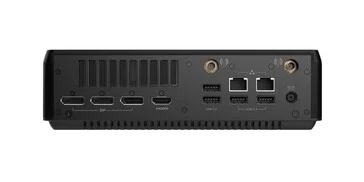
    The ZBox Magnus EN supports either DDR5-5600 SODIMM RAM or DDR5-6400 CSODIMM. It also has two M.2 2280 slots that can handle PCIe 4.0 x4 SSDs. Additionally, this mini-PC is loaded with both front and rear I/O options, featuring two Thunderbolt 4 ports along with three DisplayPort 2.1b outputs. Theoretically, this allows the ZBox Magnus EN to display natively at 4K and 240 Hz without needing to use Display Stream Compression (DSC), but only if paired with a compatible monitor like the MSI MPG 322URX (currently priced at $1,083 on Amazon).

    Pricing and Availability

    In China, the ZBox Magnus EN is being sold as a barebones unit for CNY 13,999 (approximately $1,966). European retailers are also starting to offer the same setup starting from €1,600, which is around $1,865. As of now, there has been no announcements regarding pricing or availability in other regions.

    Source:
    Link


  • Asus Mainboards Deliver 250W PCIe GPUs Without Power Cables

    Asus Mainboards Deliver 250W PCIe GPUs Without Power Cables

    Key Takeaways

    1. Asus has launched motherboards in its BTF line that provide up to 600 watts to compatible graphics cards without needing extra power cables.
    2. A new concept motherboard can deliver 250 watts directly through PCIe 5.0 x16, replacing the standard 75 watts, but requires an additional 8-pin connector.
    3. The new design keeps the power cable less visible, although it doesn’t eliminate the need for it entirely.
    4. The concept motherboard is backward compatible, allowing prototype GPUs to work with older motherboards using standard 8-pin cables.
    5. The release date and availability of the new PCIe connector product remain uncertain, but it indicates potential for future innovations.


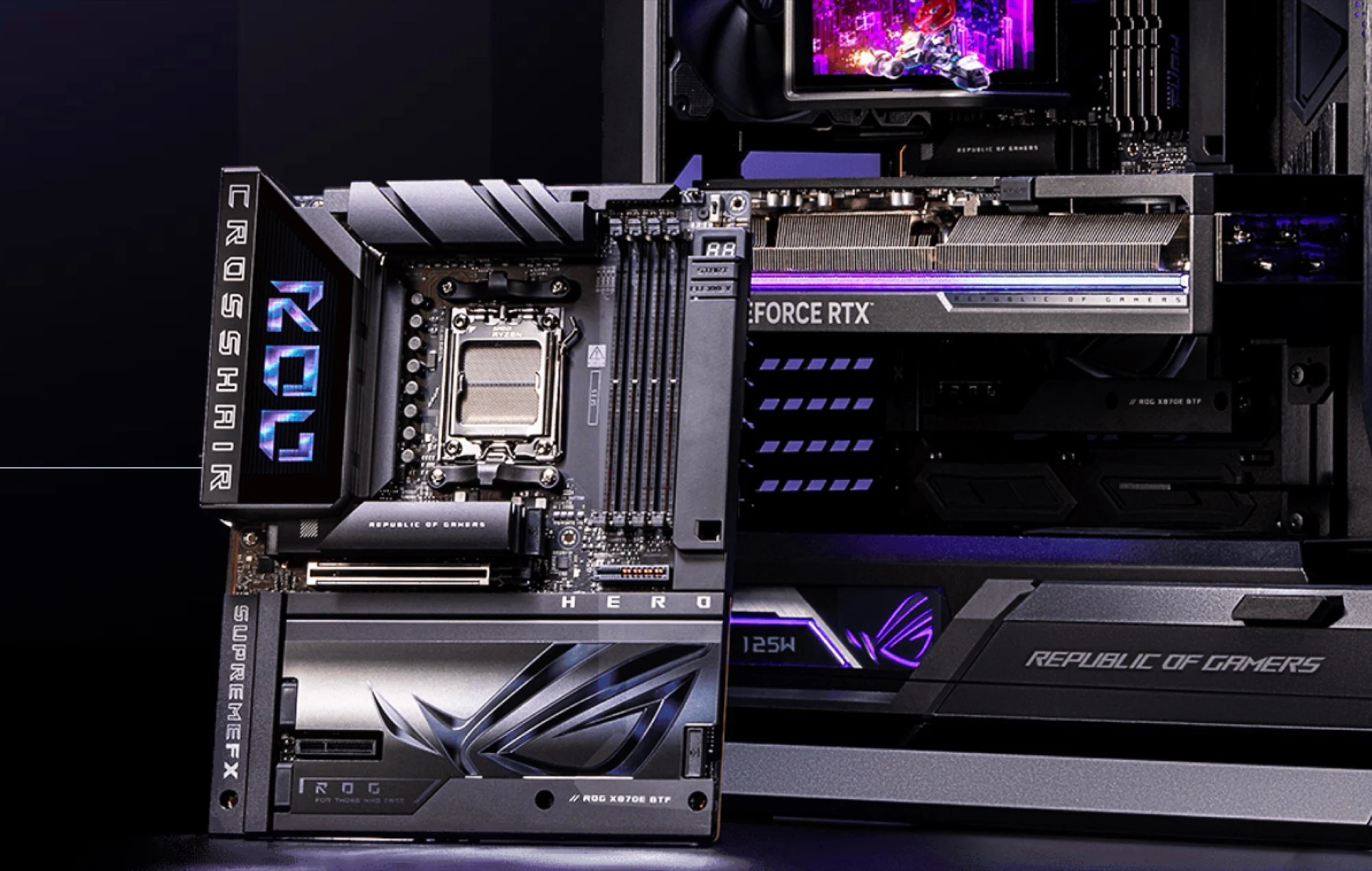
    Asus has already released motherboards in its BTF (Back to the Future) line that can supply compatible graphics cards with up to 600 watts. This means there’s no need for an extra power cable. The method utilizes a special connector located next to the PCIe slot, allowing the GPU power cable to connect directly to the motherboard. However, this setup has the downside of being compatible only with a limited range of Asus products.

    New Power Transfer Method

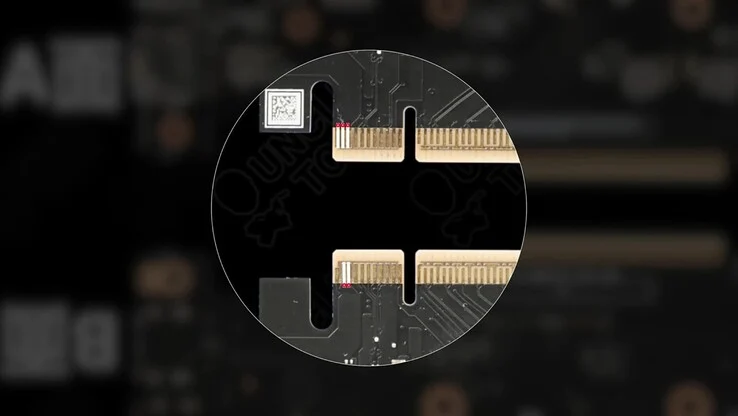
    In response, the company has come up with a concept motherboard capable of delivering up to 250 watts of power directly through PCIe 5.0 x16, replacing the standard 75 watts. Although this motherboard does need an additional 8-pin connector for power, it doesn’t completely get rid of the need for a power cable; instead, it just relocates it to a less visible spot. For context, 250 watts is sufficient to power an Nvidia GeForce RTX 5060 Ti, which is currently priced at $369 on Amazon.

    Compatibility and Future Prospects

    This innovative design is backward compatible, meaning that Asus’s prototype GPUs can still function with older motherboards, although they would need the standard 8-pin power cables in that scenario. At this point, the motherboard remains just a concept, and it’s not yet known if or when a product featuring this updated PCIe connector will be available for purchase. Nevertheless, this concept shows that a feasible solution could be developed without requiring significant alterations to the PCIe connector.

    Source:
    Link


  • PlayStation 5 Pro Performance Compared to RTX 5060 Ti and Radeon 9060 XT

    PlayStation 5 Pro Performance Compared to RTX 5060 Ti and Radeon 9060 XT

    Key Takeaways

    1. The PlayStation 5 Pro matches the gaming performance of mid-range GPUs like the Nvidia GeForce RTX 5060 Ti 16GB and AMD Radeon RX 9060 XT 16GB.
    2. Performance tests were conducted using games such as Black Myth: Wukong, Forza Horizon 5, and Alan Wake 2, showing the PS5 Pro’s capability at 4K 60 fps with upscaling.
    3. The Radeon RX 9060 XT is highlighted as the best GPU choice for PC gamers at a price of $350, while the GeForce RTX 5060 Ti offers faster performance and more features.
    4. Nvidia’s RTX 5060 Ti 16GB is more expensive, and its 8GB variant struggles with demanding games; the RTX 5070 12GB provides better value.
    5. The ideal price for the GeForce RTX 5060 Ti 16GB should be below $400 for optimal value.


    As shown by recent tests from Digital Foundry, the PlayStation 5 Pro can match the gaming performance of some modern mid-range graphics cards, specifically the Nvidia GeForce RTX 5060 Ti 16GB and the AMD Radeon RX 9060 XT 16GB.

    Performance Comparison

    In their analysis, experts compared gameplay using the same graphics settings in titles like Black Myth: Wukong, Forza Horizon 5, and Alan Wake 2. With these conditions, the console’s chip performed comparably to mid-range GPUs, although desktop graphics cards still hold a slight advantage. The basis for the comparison was the console’s graphics mode, which features 4K at 60 frames per second with upscaling. The graphics settings on the PC were adjusted to match. In Alan Wake 2, the console consistently achieves a refresh rate of 30 fps in high-quality mode with ray tracing, although the ray quality is somewhat lower than that found in the PC version.

    Best GPU Choices

    From the viewpoint of PC gamers, the Radeon RX 9060 XT stands out as the superior choice, delivering impressive performance at a recommended retail price of $350. On the other hand, the GeForce RTX 5060 Ti 16GB is generally quicker and comes with more features, allowing it to run Cyberpunk 2077 with path tracing through frame generation.

    Price Points and Value

    That said, Nvidia’s 16GB graphics card is much pricier, while the 8GB variant struggles with demanding games. Digital Foundry mentions that the GeForce RTX 5070 12GB provides better value for its price compared to the GeForce RTX 5060 Ti 16GB. Ideally, the price for the RTX 5060 Ti 16GB ought to be below $400.

    Source:
    Link


  • Zotac Magnus EN75060T: Mini PC with RTX 5060 Ti & 96GB RAM

    Zotac Magnus EN75060T: Mini PC with RTX 5060 Ti & 96GB RAM

    Key Takeaways

    1. Zotac’s Magnus EN75060TC is a customizable mini PC that can be purchased as a barebone unit or with pre-installed OS and storage options.
    2. It features an Intel Core Ultra 7 255H processor with 16 cores and a full desktop Nvidia GeForce RTX 5060 Ti graphics card with 16GB of VRAM.
    3. The system supports up to 96GB of DDR5-5600 RAM and has two M.2 slots for SSD storage, with one slot also supporting SATA SSDs.
    4. Connectivity options include three USB 3.2 ports, two Ethernet ports, WiFi 7, Bluetooth 5.4, two Thunderbolt 4 ports, and the ability to connect up to four monitors.
    5. The mini PC is not yet available for purchase, and alternatives without dedicated graphics cards can be found from brands like Minisforum on Amazon.


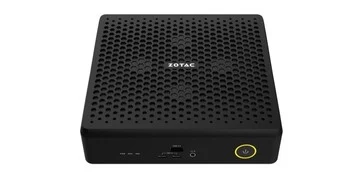
    Zotac has made an announcement about its latest mini PC, the Magnus EN75060TC, after showing it off a few weeks ago. This desktop can be customized with an OS and storage options, or it can be bought as a barebone unit. In that case, users will need to add their own RAM, SSD, and OS. The new Zotac Magnus measures 8.27 x 7.99 x 2.45 inches and is available with an Nvidia GeForce RTX 5060 Ti graphics card.

    GPU and Processor Details

    The GPU offers 16GB of VRAM and, as stated by the company, it’s the full desktop version. The mini PC is equipped with an Intel Core Ultra 7 255H processor that features 16 cores. The system has two memory slots that can hold a total of 96GB of DDR5-5600 RAM. There are also two M.2 2280 slots for SSD storage, both utilizing four PCIe 4.0 lanes, whereas the second slot also supports slower SATA SSDs.

    Connectivity and Power Supply

    Zotac has included a 330W power supply with the new mini PC. For connectivity, it has three USB 3.2 ports that offer speeds of 10Gbit/s. Users can connect through two Ethernet ports that provide 2.5Gbit/s speeds or use WiFi 7, with Bluetooth 5.4 also available. Additionally, it features two Thunderbolt 4 ports and one HDMI port, along with two DisplayPort 1.4a ports, allowing a connection of up to four monitors.

    Availability and Alternatives

    However, the mini PC isn’t available for purchase yet. Customers who do not require a dedicated graphics card can check out different options from Minisforum and other brands available on Amazon. The range of compact systems featuring dGPU is quite limited, but the Asus ROG 760 equipped with an RTX 4060 is currently priced above $1,000 on Amazon.

    Source:
    Link


  • Asus TUF Gaming T500: Laptop CPU Meets Desktop GPU Power

    Asus TUF Gaming T500: Laptop CPU Meets Desktop GPU Power

    Key Takeaways

    1. Custom Motherboard and Processor: The Asus TUF Gaming T500 features a unique custom motherboard with a soldered Intel Core i7-13620H processor, limiting CPU upgrade options.

    2. Performance and Efficiency Cores: The Intel Core i7-13620H has six performance cores that boost up to 4.9GHz and four efficiency cores, providing good mid-range gaming performance.

    3. Upgrade Limitations: Users face challenges with upgrades, as the proprietary CPU cooler and soldered CPU require motherboard and RAM replacement for upgrades.

    4. Standard Graphics Cards: The gaming PC supports standard desktop graphics cards, with the Nvidia GeForce RTX 5060 Ti being the top option available.

    5. Pricing and Configuration Options: The Asus TUF Gaming T500 starts at $1,299, with entry-level models featuring an Intel Core i5-13420H, Nvidia GeForce RTX 5060, 16GB of RAM, and a 512GB SSD.


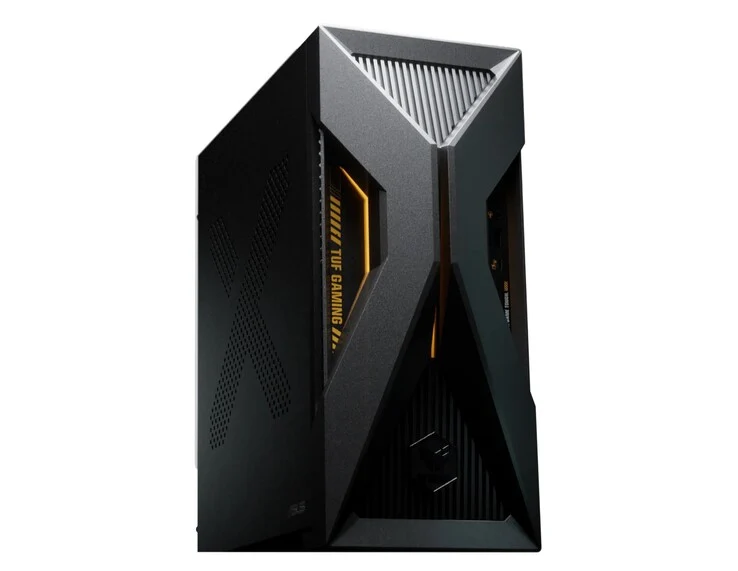
    At first sight, the Asus TUF Gaming T500 might seem like just another gaming PC with a flashy front design. But, taking a peek inside the case shows that this machine is quite unique. Rather than sticking with a common motherboard and desktop processor, Asus has chosen a custom motherboard that features a soldered Intel Core i7-13620H in the top-tier setup.

    Unique Processor Choice

    This processor, which is from 2023, comes with six performance cores that can boost up to 4.9GHz, along with four efficiency cores. Although this chipset is expected to deliver good gaming performance in a mid-range gaming setup even two years post-release, Asus’s choice is puzzling since it restricts users from upgrading the CPU without swapping out the motherboard and RAM. The RAM is in the SO-DIMM format, which is typically found in laptops.

    Limitations on Upgrades

    Additionally, the CPU cooler is also proprietary, meaning if users wish to upgrade the processor, they will have to replace it as well. On a brighter side, Asus does implement standard desktop graphics cards, with the top option being the Nvidia GeForce RTX 5060 Ti 16GB (starting at $489 on Amazon). This gaming tower can support a maximum of 64GB of memory and is available with either 512GB or 1TB of SSD storage. The storage can be expanded through an extra m.2 slot or two SATA ports. The dimensions of the case are about 14 x 11.7 x 6.1 inches, and it features one USB-C port, two USB-A ports with 5Gbit/s speed, and a 3.5mm headphone jack at the front. At the back, there are four additional USB-A 2.0 ports and a Gigabit Ethernet port.

    Pricing and Availability

    The Asus TUF Gaming T500 is priced starting at $1,299, and information regarding pricing and availability in Europe is yet to be announced. The entry-level model includes an Intel Core i5-13420H, Nvidia GeForce RTX 5060, 16GB of RAM, and a 512GB SSD. More information about the configurations can be found on the official product webpage.

    Source:
    Link