
Key Takeaways
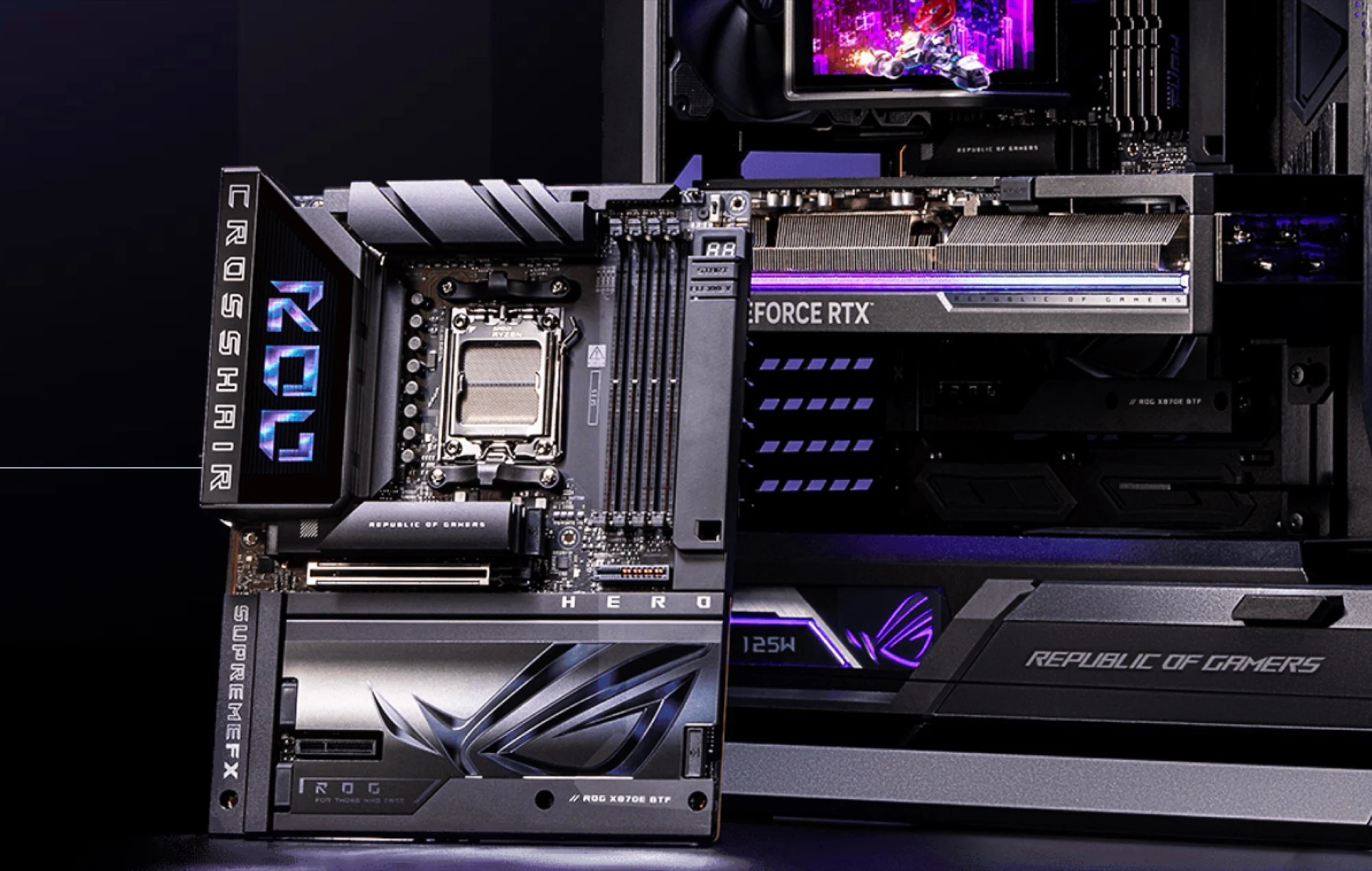
1. Asus has launched motherboards in its BTF line that provide up to 600 watts to compatible graphics cards without needing extra power cables.
2. A new concept motherboard can deliver 250 watts directly through PCIe 5.0 x16, replacing the standard 75 watts, but requires an additional 8-pin connector.
3. The new design keeps the power cable less visible, although it doesn’t eliminate the need for it entirely.
4. The concept motherboard is backward compatible, allowing prototype GPUs to work with older motherboards using standard 8-pin cables.
5. The release date and availability of the new PCIe connector product remain uncertain, but it indicates potential for future innovations.
Asus has already released motherboards in its BTF (Back to the Future) line that can supply compatible graphics cards with up to 600 watts. This means there’s no need for an extra power cable. The method utilizes a special connector located next to the PCIe slot, allowing the GPU power cable to connect directly to the motherboard. However, this setup has the downside of being compatible only with a limited range of Asus products.
New Power Transfer Method
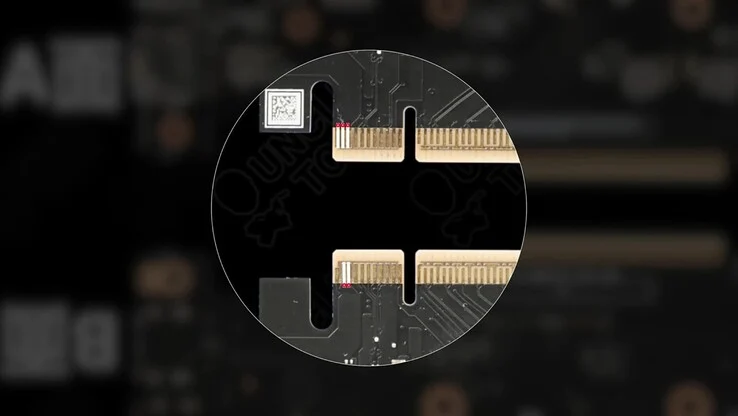
In response, the company has come up with a concept motherboard capable of delivering up to 250 watts of power directly through PCIe 5.0 x16, replacing the standard 75 watts. Although this motherboard does need an additional 8-pin connector for power, it doesn’t completely get rid of the need for a power cable; instead, it just relocates it to a less visible spot. For context, 250 watts is sufficient to power an Nvidia GeForce RTX 5060 Ti, which is currently priced at $369 on Amazon.
Compatibility and Future Prospects
This innovative design is backward compatible, meaning that Asus’s prototype GPUs can still function with older motherboards, although they would need the standard 8-pin power cables in that scenario. At this point, the motherboard remains just a concept, and it’s not yet known if or when a product featuring this updated PCIe connector will be available for purchase. Nevertheless, this concept shows that a feasible solution could be developed without requiring significant alterations to the PCIe connector.
Source:
Link
Leave a Reply