Tag: Core Ultra 7 255HX

  • Zotac ZBox Magnus EN Mini-PC Launches with RTX 5060 Ti GPU

    Zotac ZBox Magnus EN Mini-PC Launches with RTX 5060 Ti GPU

    Key Takeaways

    1. Zotac has launched the ZBox Magnus EN, featuring Intel’s Core Ultra 7 255HX processor with 20 cores.
    2. The mini-PC includes an Nvidia GeForce RTX 5060 Ti GPU with 16 GB of GDDR7 VRAM, housed in a compact 2.65-litre chassis.
    3. It supports DDR5 RAM and has two M.2 slots for PCIe 4.0 SSDs, along with multiple Thunderbolt 4 and DisplayPort outputs.
    4. The ZBox Magnus EN is priced at approximately $1,966 in China and starts from €1,600 (around $1,865) in Europe.
    5. The Magnus EA model is not yet available, but other Strix Halo mini-PCs are currently on the market.


    Zotac has officially launched the ZBox Magnus EN, which was first shown in May along with the Magnus One and the AMD Strix Halo-based Magnus EA. It’s important to note that the Magnus EA is still not available. However, there are several Strix Halo mini-PCs currently for sale, such as the GMKtec EVO-X2, which we reviewed earlier this year and comes with 64 GB of RAM.

    Specifications Overview

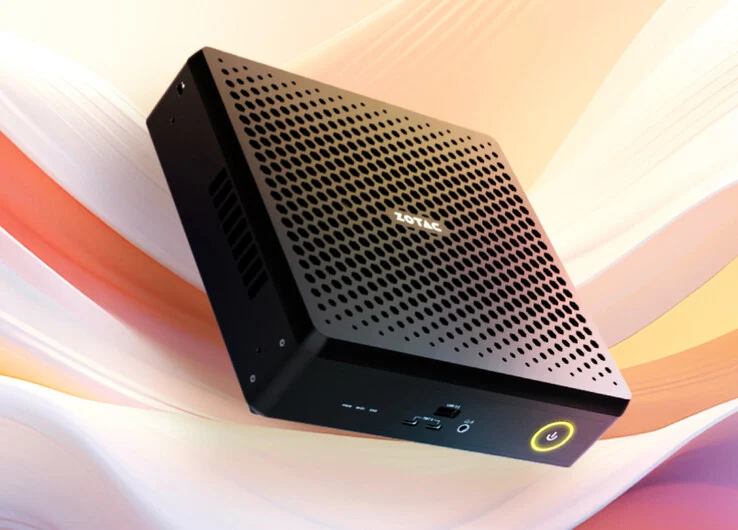
    In contrast to others, the ZBox Magnus EN is powered by Intel’s Alder Lake-HX series, specifically the Core Ultra 7 255HX. This chip has a total of 20 cores and runs at a 55 W TDP. It does include a 4-Core Arc iGPU, which is not very powerful. Fortunately, Zotac has added an Nvidia GeForce RTX 5060 Ti desktop GPU that contains 16 GB of GDDR7 VRAM, all fitting snugly into a compact 2.65-litre chassis.

    Memory and Storage Features

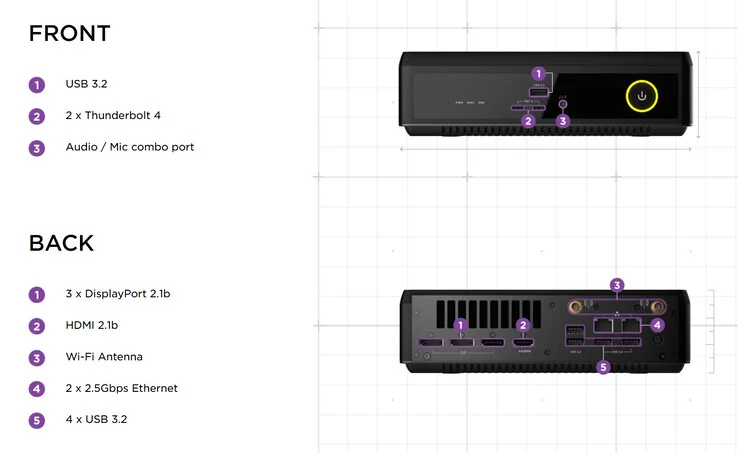
    The ZBox Magnus EN supports either DDR5-5600 SODIMM RAM or DDR5-6400 CSODIMM. It also has two M.2 2280 slots that can handle PCIe 4.0 x4 SSDs. Additionally, this mini-PC is loaded with both front and rear I/O options, featuring two Thunderbolt 4 ports along with three DisplayPort 2.1b outputs. Theoretically, this allows the ZBox Magnus EN to display natively at 4K and 240 Hz without needing to use Display Stream Compression (DSC), but only if paired with a compatible monitor like the MSI MPG 322URX (currently priced at $1,083 on Amazon).

    Pricing and Availability

    In China, the ZBox Magnus EN is being sold as a barebones unit for CNY 13,999 (approximately $1,966). European retailers are also starting to offer the same setup starting from €1,600, which is around $1,865. As of now, there has been no announcements regarding pricing or availability in other regions.

    Source:
    Link


  • Lenovo Legion 7i 16 Gen 10 Beats Ultraportable Laptops with RTX 5060

    Lenovo Legion 7i 16 Gen 10 Beats Ultraportable Laptops with RTX 5060

    Key Takeaways

    1. The Lenovo Legion 7i 16 Gen 10 uniquely combines higher-end Core HX processors with midrange GeForce RTX GPUs like the RTX 5060 and 5070.
    2. The Legion 7 16IAX10 with Core Ultra 7 255HX CPU often outperforms other laptops with the same GPU by up to 20%.
    3. In gaming tests, the Alienware 16 Aurora with Core 7 240H CPU shows a performance lag of 15 to 25% compared to the Legion 7.
    4. The Legion 7 features a higher TGP of 115 W for its GPU, compared to many competitors that have a TGP of 100 W or less.
    5. The powerful CPU and higher TGP contribute to the Legion 7’s superior performance, despite increased power consumption.


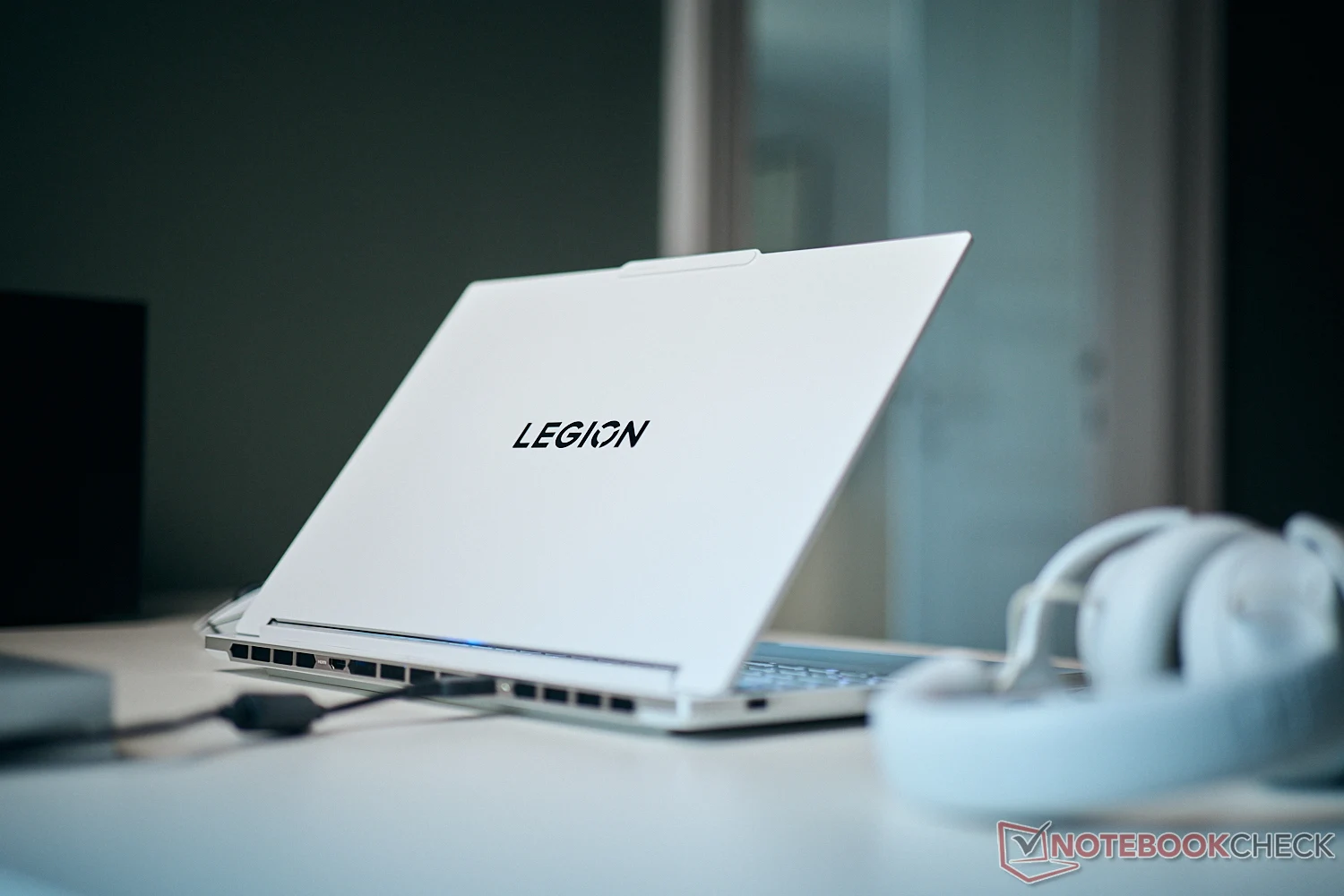
    As a midrange GPU, the mobile GeForce RTX 5060 generally teams up with midrange CPU choices from the Core H series or Ryzen H series. However, the newly launched Lenovo Legion 7i 16 Gen 10 stands out as it’s one of the rare 16-inch gaming laptops that combines higher-end Core HX processors with only midrange GeForce RTX GPUs like the RTX 5060 or 5070. This unique pairing has resulted in some intriguing performance outcomes in gaming scenarios.

    Performance Comparison

    Our comparison charts below reveal that the new Legion 7 16IAX10, equipped with the Core Ultra 7 255HX CPU and GeForce RTX 5060 graphics, frequently outperforms most other laptops featuring the same GPU in our database, sometimes by as much as 20 percent. For instance, the Alienware 16 Aurora with the Core 7 240H CPU lags behind by approximately 15 to 25 percent when playing popular games like Cyberpunk 2077 or Assassin’s Creed Shadows.

    Higher TGP Advantage

    In addition to having a significantly faster CPU, the Lenovo’s GPU also aims for a higher TGP of 115 W, while many other ultrathin 16-inch gaming laptops, including the previously mentioned Alienware, often maintain a TGP of only 100 W or less. These distinctive features for an ultralight gaming laptop enable the Lenovo to surpass the performance of most other 16-inch laptops equipped with the same RTX 5060 graphics, even though this comes with a trade-off of increased power consumption.