Category: Computers

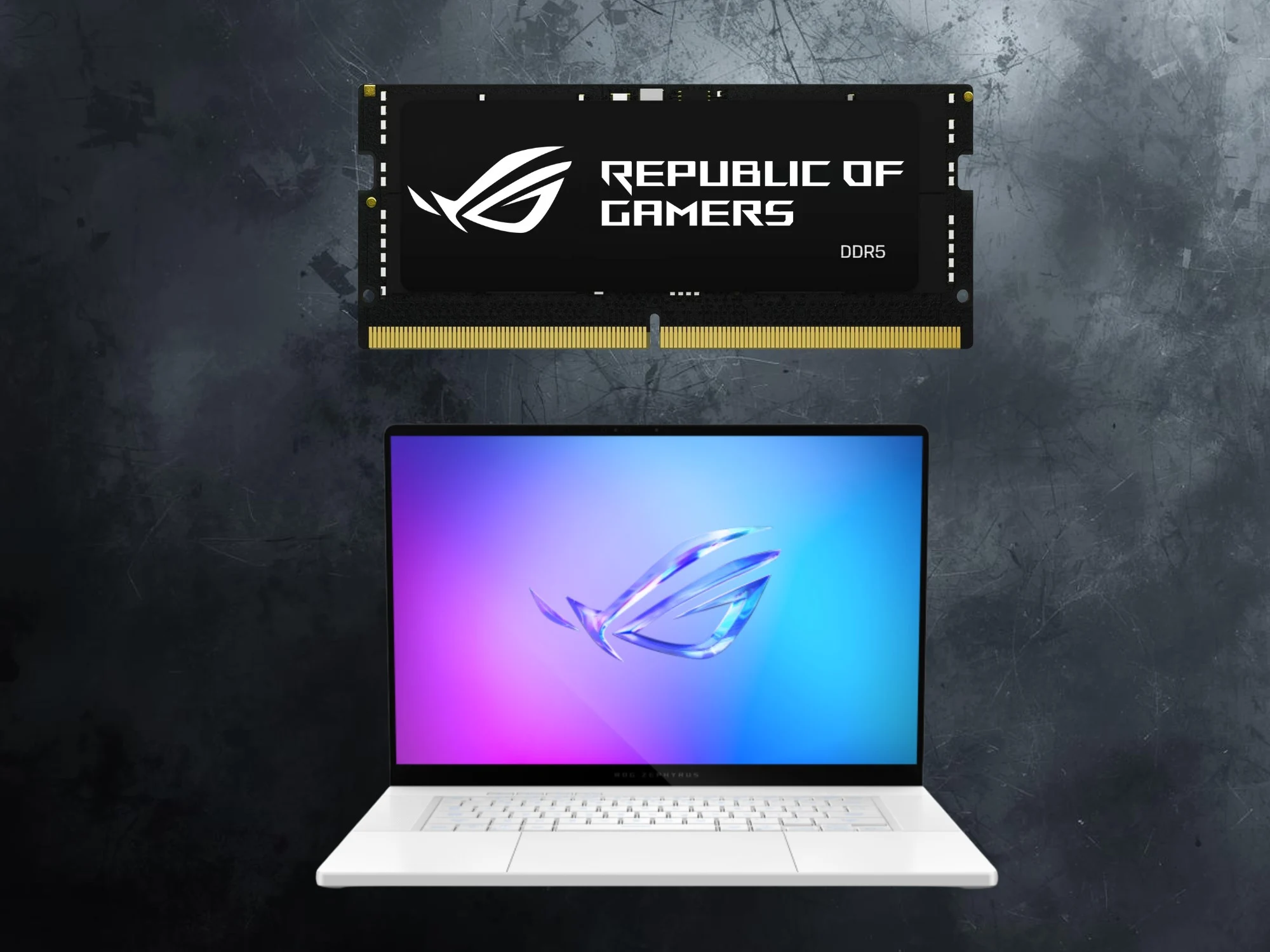
  • Asus to Produce DDR5 RAM to Address Memory Shortage and Costs

    Asus to Produce DDR5 RAM to Address Memory Shortage and Costs

    Key Takeaways

    1. Asus and other companies are facing increased laptop prices due to a serious memory shortage.
    2. Major memory producers like Samsung, Micron, and SK Hynix are focusing on AI data centers, impacting supply for other hardware sectors.
    3. High memory prices are affecting gaming laptops and components, making new PC builds more expensive for consumers.
    4. CMXT, a new Chinese memory producer, could provide alternative solutions but faces regulatory and production challenges.
    5. There are concerns that Asus may raise prices for its DDR5 RAM, disappointing consumers hoping for a resolution to the memory shortage by 2028.


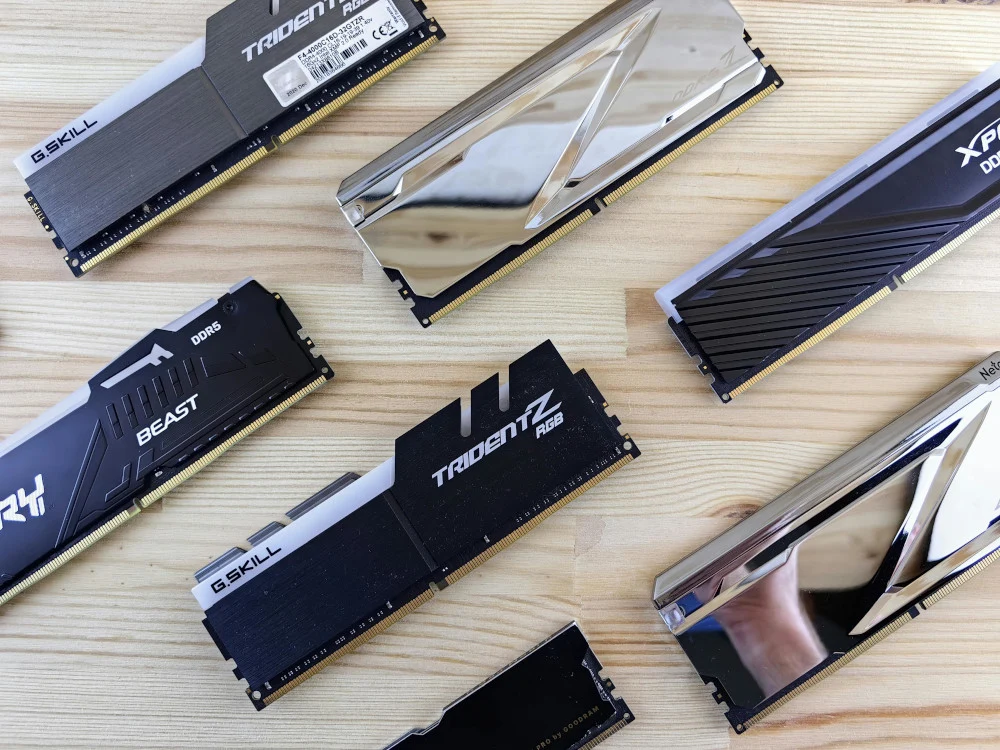
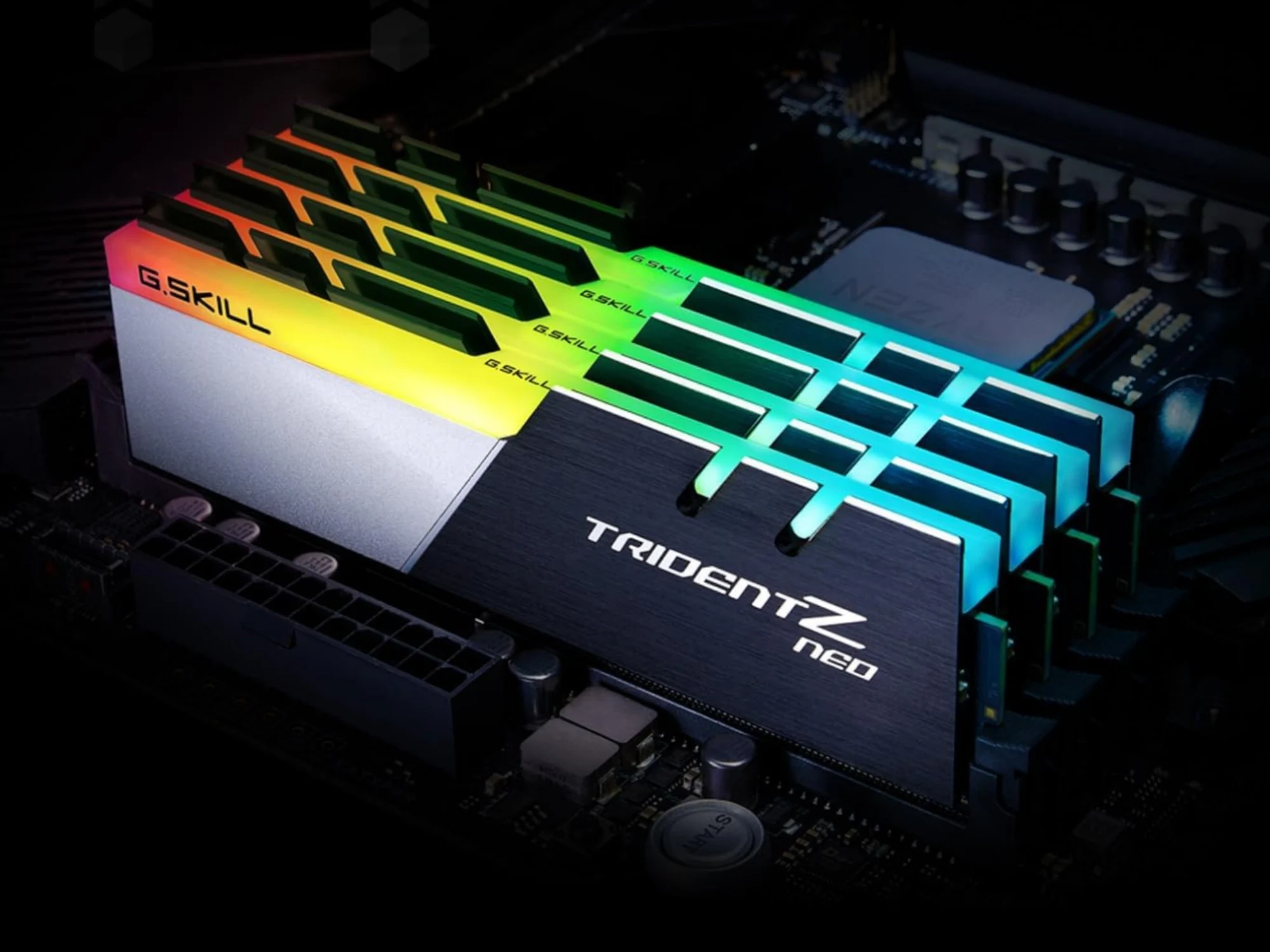
    Asus, along with other companies like Dell and Framework, is gearing up to increase laptop prices due to a serious shortage of memory. However, it might soon compete with firms like Samsung, Micron, and SK Hynix to prevent costs from soaring. As reported by Sakhtafzarmag, a Persian IT publication, the Taiwanese firm is considering opening DRAM production facilities in 2026.

    Memory Prices Soar

    The prices of DDR4 and DDR5 RAM have been climbing rapidly after the three major memory producers shifted their attention to AI data centers. Even though Asus is a significant player in the hardware sector, it is not being prioritized when it comes to the limited supply of components. This situation means that Asus has to either pass the increased costs onto customers or take more extreme measures.

    Impact on Gaming Laptops

    If Asus manages to find a solution, popular gaming laptops like the ROG Zephyrus G16 could see improvements. The company also offers a broad selection of desktops and parts, which are now at risk due to high memory prices. Their reliance on VRAM might also result in elevated costs for GPUs, causing potential buyers to think twice about assembling new PCs.

    According to Wccftech, Sakhtafzarmag has accurately anticipated important changes in the technology industry. However, some experts doubt whether Asus can start producing its own memory quickly. They might still need to purchase modules from leading DRAM manufacturers, which would limit any potential benefits.

    New Competitors in the Market

    CMXT, a Chinese memory producer, has emerged as a possible solution. Recently, it surprised many analysts by introducing its own LPDDR5X and DDR5 RAM. In theory, this company could offer a crucial alternative to larger competitors like Samsung and SK Hynix.

    Unfortunately, CMXT has its own hurdles to overcome in order to create enough inventory to make a difference. Among these challenges are stringent U.S. regulations regarding equipment imports, which have hampered its ability to produce large volumes of chips efficiently.

    Consumer Concerns

    Naturally, Asus might also opt to sell its DDR5 RAM at inflated prices, which would not be what customers are hoping for. Buyers are looking for any indication that the memory shortage won’t extend until 2028, as SK Hynix has predicted.

    Source:
    Link


  • Reddit User Wins $6,000 in Free Samsung 9100 PRO SSDs Due to Error

    Reddit User Wins $6,000 in Free Samsung 9100 PRO SSDs Due to Error

    Key Takeaways

    1. A Reddit user received an unexpected delivery of two boxes of Samsung 9100 PRO 2TB NVMe SSDs, valued at over $6,000, instead of the two SSDs they ordered.
    2. The user humorously considered how to manage the surplus SSDs, thinking about creating a NAS or selling them.
    3. Amazon customer support confirmed that the user could keep the extra SSDs due to a regulation from the U.S. Federal Trade Commission.
    4. Other Reddit users suggested checking the authenticity of the drives and shared their own experiences with unrequested bulk items.
    5. Some skeptics questioned whether the event was a marketing ploy due to recent price increases in memory products.


    A fortunate Reddit user has hit the jackpot, or rather, a massive haul of NAND Flash memory. An unanticipated delivery from Amazon gifted this Redditor with two complete boxes of Samsung 9100 PRO 2TB NVMe SSDs, valued at over $6,000.

    Christmas Surprise

    User 1trollzor1 shared their amazing tale just before Christmas on the r/pcmasterrace subreddit regarding their Amazon order. Initially, the Redditor thought they were getting two Samsung 9100 PRO 2 TB SSDs, which are known for their speed and reliability, priced at $250 each.

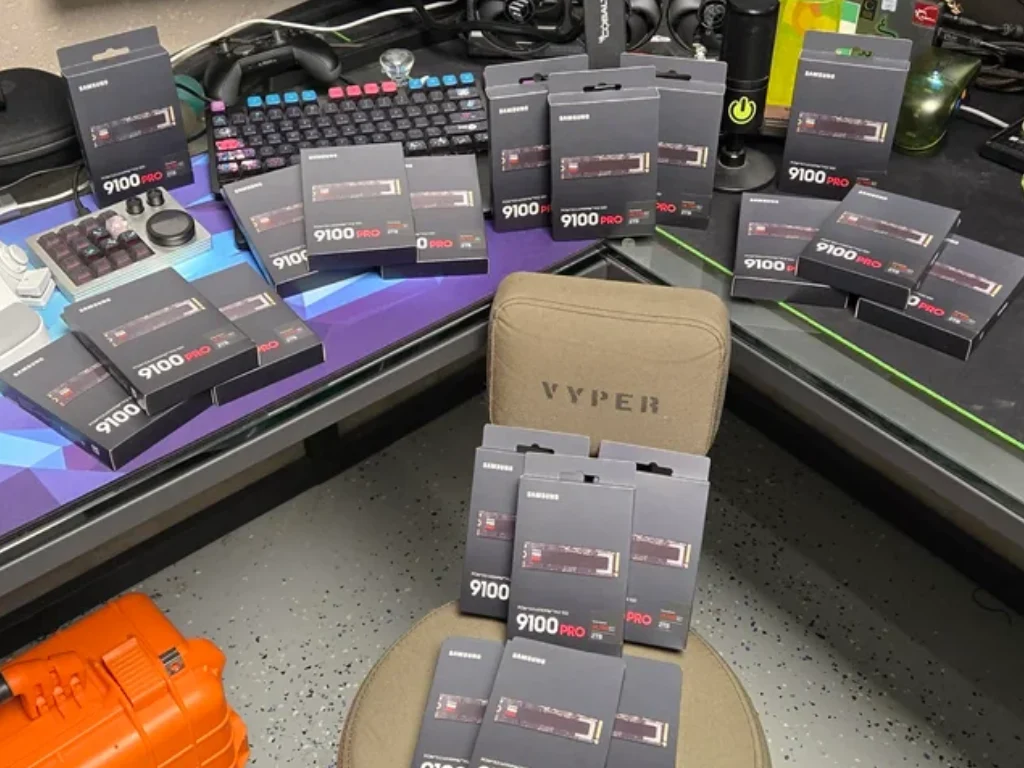
    To his surprise, he ended up with two entire boxes filled with Samsung 9100 PRO 2TB NVMe SSDs, worth an impressive $6,000. He shared a picture showing a collection of 9100 PRO NVMes on his gaming chair and desk, captioned, “Brothers, I have been blessed.”

    A Windfall of Storage

    It seems the user was gearing up to enhance their PC when they were surprised with an abundance of SSDs. They humorously expressed their dilemma, saying, “My steak is too juicy and my lobster too buttery. Whatever will I do?”

    Now, the Redditor is unsure how to handle the surplus of SSDs he received for free. He considered several options, like creating a 9100 PRO all-SSD NAS for personal use or selling the large stockpile to finance new ventures.

    Confirming the Good Fortune

    Feeling a bit guilty about this unexpected bounty, the user contacted Amazon customer support to ask whether he should keep the SSDs or send them back.

    Amazon’s customer support assured him that he could keep the extra Samsung 9100 PRO NVMes. This is due to a regulation enacted by the U.S. Federal Trade Commission, which indicates that recipients do not have to pay for or return items they didn’t order.

    What could’ve turned into a logistical nightmare for the Redditor became a remarkable win, making his Christmas even brighter.

    In the subreddit, other users advised him to check the authenticity of the drives with Samsung’s Magician software. On the other hand, some reminisced about their own experiences with receiving unrequested bulk items.

    However, there are skeptics who wonder if this might be a marketing ploy or a staged event, especially with recent price hikes in high-capacity memory and RAM due to supply chain troubles and manufacturers focusing on more profitable enterprise clients.

    Source:
    Link


  • Aoostar AG03 eGPU Dock Launches with OCuLink and 80 Gbps USB4

    Aoostar AG03 eGPU Dock Launches with OCuLink and 80 Gbps USB4

    Key Takeaways

    1. The Aoostar AG03 features two USB 4 v2 or Thunderbolt 5 ports, offering up to 80 Gbps bandwidth.
    2. One Thunderbolt 5 port supports up to 140 W PD, ideal for gaming handheld setups.
    3. The AG03 has a built-in 800 W power supply but can supply a maximum of 500 W to the connected GPU.
    4. The design remains similar to the AG02, with no M.2 slot support and an x16 PCIe 4.0 x4 slot for desktop GPU installation.
    5. The AG03 is priced at CNY 1,499 (approximately $213) and is currently available only in China.


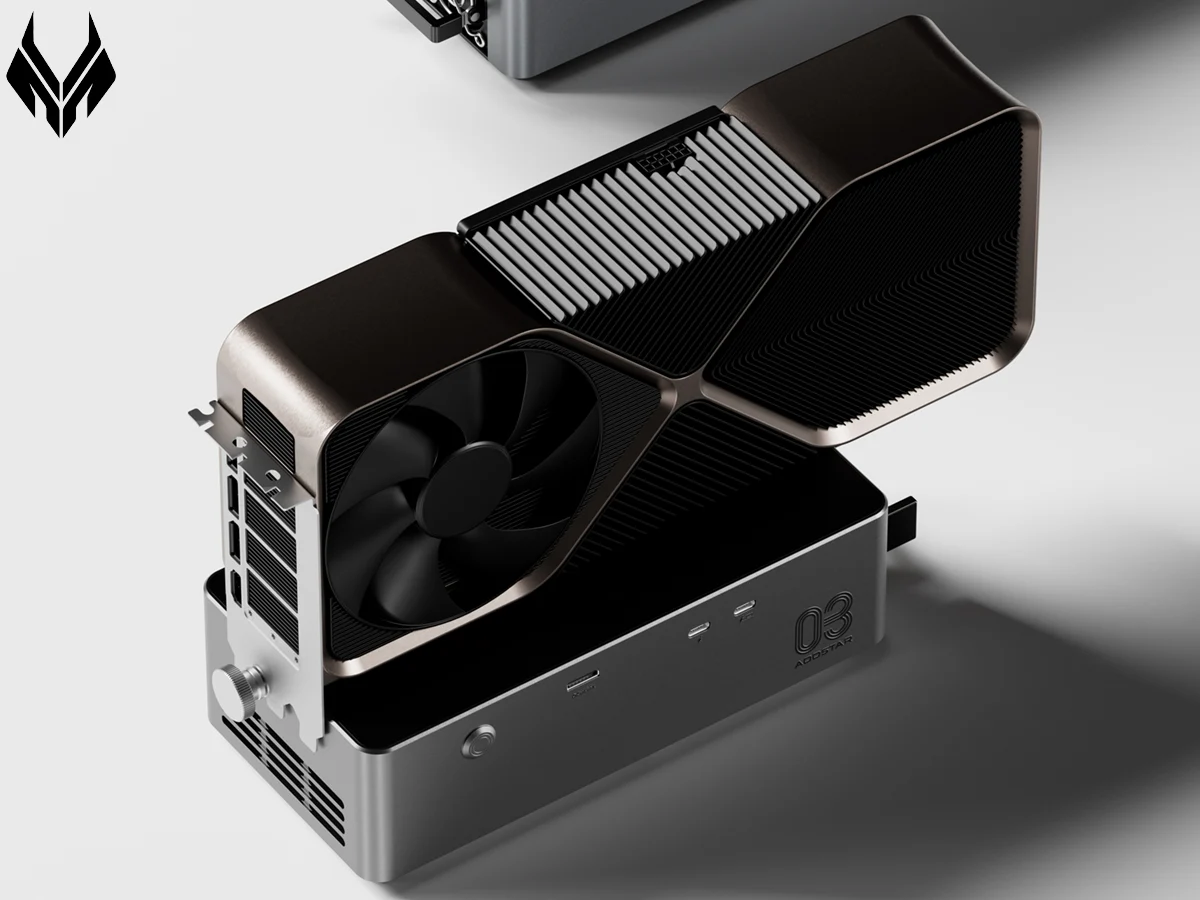
    Aoostar has released an improved version of its external GPU dock, called the Aoostar AG03. This new model mainly upgrades from the AG02 by including two USB 4 v2 or Thunderbolt 5 ports. The v2 ports are capable of providing up to 80 Gbps bandwidth, which is a step up from the standard USB4 port on the older version.

    Enhanced Power Features

    In addition to the increased bandwidth, one of the Thunderbolt 5 ports supports up to 140 W PD, making it very useful for gaming handheld setups (Silkland TB5 4-feet cable curr. $29.99 on Amazon). The second port can deliver up to 27 W of power, and like its predecessor, the AG03 includes an OCuLink port. However, the PCIe interface for installing a desktop GPU has not changed; it still features an x16 slot with PCIe 4.0 x4 support.

    Specifications and Performance

    Another important feature of the new eGPU dock is the maximum GPU power it can supply through its built-in PSU. The Aoostar AG03 comes with a built-in 800 W power supply but is limited to providing up to 500 W to the connected desktop GPU. By comparison, the previous model could deliver up to 600 W of maximum GPU power, likely due to the new USB4 v2 ports. Other than this, not much is different in the new external GPU dock; it keeps the same design and still lacks M.2 slot support, which some other eGPU docks offer. However, one of the Thunderbolt 5 ports does allow for connecting external drives to the setup.

    Pricing and Availability

    The Aoostar AG03 has been launched in China with a price of CNY 1,499, roughly $213. The company has not yet announced when the eGPU dock will be available in other markets around the world.

    Source:
    Link


  • HP or Lenovo Reserve RAM from Suppliers, Report Claims

    HP or Lenovo Reserve RAM from Suppliers, Report Claims

    Key Takeaways

    1. HP and Lenovo have secured RAM supply deals with Samsung, SK Hynix, and Micron through 2026 amid a RAM crisis driven by high AI demand.
    2. Smaller PC manufacturers and DIY builders may struggle to negotiate similar supply agreements, worsening their situation in the RAM shortage.
    3. Lenovo has increased its memory stockpile by 50%, but still expects RAM price increases in 2026.
    4. TrendForce predicts DRAM and SSD prices will account for 23% of production costs for high-end laptops in 2026, with significant price variations expected.
    5. If Lenovo or HP maintain their RAM allocations, they may be less affected by price swings, but consumer benefits remain uncertain.


    If the reports are accurate, HP or Lenovo have managed to secure deals with Samsung, SK Hynix, and Micron to ensure a steady RAM supply through 2026. With the current RAM crisis driving memory prices up due to the high demand from AI, this decision seems reasonable. It’s somewhat reassuring that at least one major PC brand is locking in a portion of RAM supply, especially after OpenAI took an estimated 40% for itself.

    Pricing Challenges Ahead

    However, the situation regarding computer memory is already quite grim, which means this news might not be beneficial for everyone. Smaller PC manufacturers likely won’t be able to negotiate similar supply agreements with RAM producers, and independent builders or DIY fans have almost no options to fall back on. In response to the RAM shortage, for instance, Maingear introduced a Bring Your Own RAM initiative. Last month, it was reported that Lenovo had boosted its memory stockpile by 50%, but they are still anticipating price increases in 2026. If Lenovo is indeed the key player who secured this RAM deal with the three manufacturers, it paints a bleak picture for PC pricing, ranging from budget to premium segments in 2026.

    Future Predictions

    TrendForce, who highlighted this report from Yicai Global, estimates that DRAM and SSD prices will constitute 23% of the production costs for high-end laptops in 2026, with more significant price variations expected in the second quarter of that year. If Lenovo or HP truly obtained an exclusive RAM allocation extending into next year, those brands might be shielded from the worst price swings anticipated in the PC memory market. However, only time will tell how long this protection will endure or whether consumers purchasing those laptops will benefit from any potential savings. As a top source for laptop and PC news and reviews, we will certainly keep a close watch on how this situation unfolds, but the outlook isn’t very promising.

    Source:
    Link


  • Starlink in Russia’s Target: New Anti-Satellite Weapon Threatens Space

    Starlink in Russia’s Target: New Anti-Satellite Weapon Threatens Space

    Key Takeaways

    1. Starlink provides crucial intelligence support to Ukrainian forces, challenging Russian military operations in Ukraine.

    2. Russia is reportedly developing a new weapon intended to disable Starlink satellites by scattering small pellets in orbit.

    3. The proposed weapon could have catastrophic consequences, potentially disabling multiple satellites simultaneously and being difficult to detect.

    4. The unintended effects of this weapon might create long-term dangers in orbit, impacting not only Starlink but also other satellites and space travel.

    5. Analysts have mixed opinions on the threat, with some viewing it as a reckless idea and others recognizing it as a credible danger aligned with Russia’s strategic interests.


    Starlink has been a constant challenge for Russian military operations in Ukraine, offering Ukrainian forces a crucial edge in intelligence. Reports from two NATO countries indicate that Russia is working on a new weapon designed to disable Elon Musk’s Starlink satellites. This information was initially revealed by the Associated Press.

    Potential Devastation

    The consequences of this weapon could be catastrophic. It aims to scatter hundreds of thousands of minuscule pellets within the orbits of the satellites. Such an attack could disable multiple Starlink satellites simultaneously. Because of their small size, these pellets would be difficult to spot on radar, making it impossible to confirm whether Starlink satellites were affected by such an assault.

    Long-Term Impacts

    Nevertheless, the unintended consequences of deploying this weapon could be far more severe than the harm to the Starlink network itself. Orbiting at roughly 340 miles above Earth, SpaceX satellites are positioned higher than manned space stations like the ISS. Numerous research satellites operate at lower altitudes. As these tiny projectiles gradually descend, they could render these orbits dangerous for an extended time, potentially hindering space travel as we currently understand it.

    Varied Perspectives

    Analysts hold differing views about this threat. Some characterize the initiative as a hazardous thought experiment. Given that Russia has heavily invested in its own space programs, the idea of deploying a reckless weapon that could render the orbital environment unusable for all appears nonsensical.

    On the other hand, figures like the commander of the Canadian Space Division see this as a credible danger. In light of prior reports regarding Russia’s plans for nuclear weaponry in space, this type of system seems to align with the broader strategy of the country. Russia perceives Starlink as a significant threat, as it plays a vital role in Ukrainian communication and targeting efforts.

    Source:
    Link


  • GH9 Mini PC with Intel Core i9, 32GB RAM & Stunning Design

    GH9 Mini PC with Intel Core i9, 32GB RAM & Stunning Design

    Key Takeaways

    1. Unique prism-like design allows for vertical or horizontal placement.
    2. Powered by Intel Core i9-12900HK processor with 14 cores, delivering robust performance.
    3. Priced at $659, includes 32GB RAM and 1TB SSD, with upgrade options available.
    4. Supports three monitors with DisplayPort, HDMI, and Thunderbolt 4 connections; can connect to external graphics cards.
    5. Features USB 3.2, two Ethernet ports (up to 2.5Gbps), WiFi 6, and Bluetooth 5.0 for versatile connectivity.


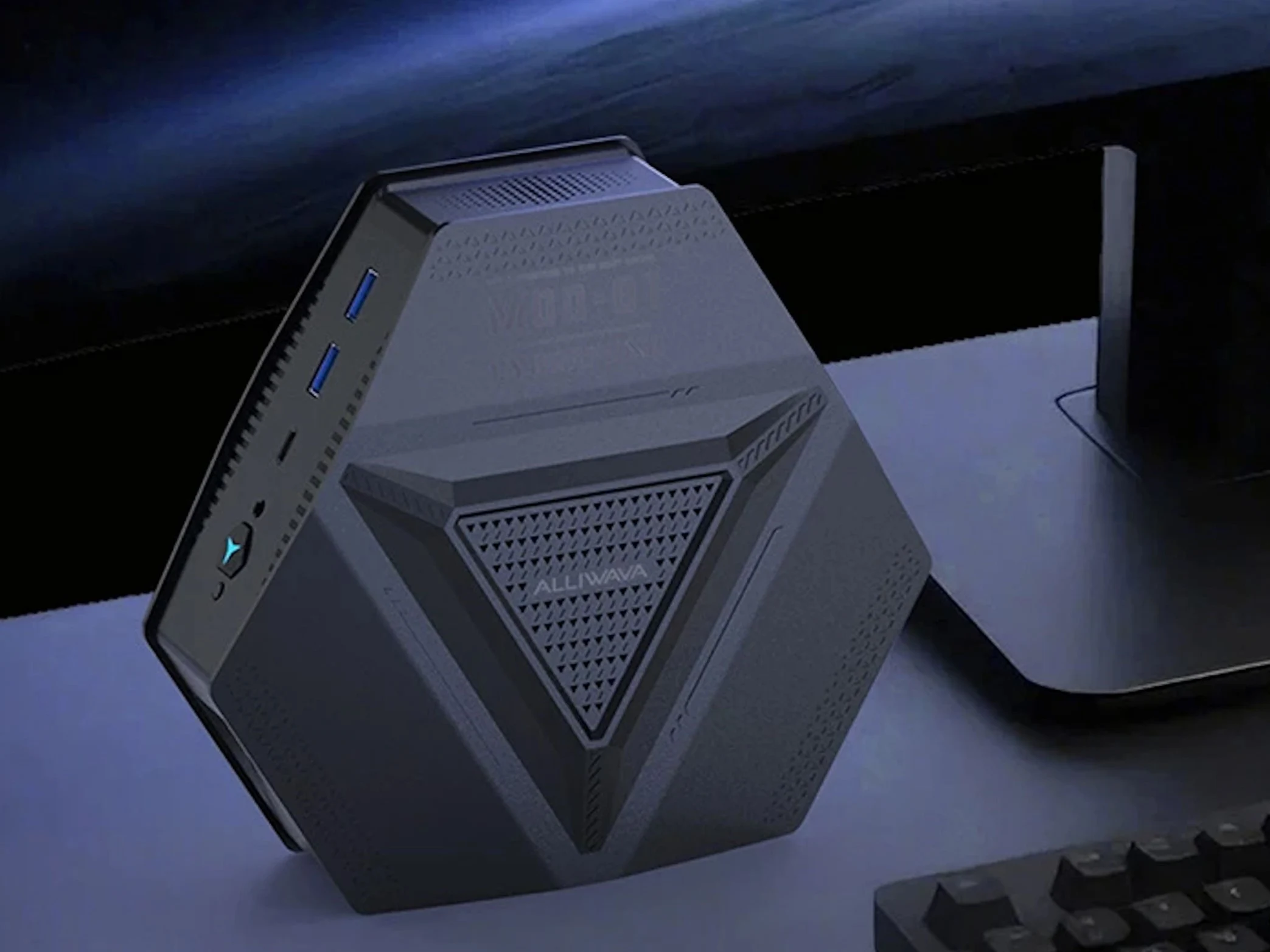
    The GH9 is a fresh mini PC available on Geekbuying and Amazon, showcasing a rather unique design. Its chassis resembles a prism with an uneven hexagonal base, allowing the GH9 to be placed either vertically or horizontally. The Intel Core i9-12900HK processor, although launched in January 2022, still boasts impressive power. However, it’s worth noting that the GH9 lacks a dedicated graphics card; the integrated GPU should manage older or less demanding games adequately. Overall, the CPU comprises a total of 14 cores, ensuring robust performance.

    Pricing and Specifications

    On Amazon, the mini PC is priced at $659, which includes 32GB of RAM and a 1TB SSD. The M.2 2280 SSD connects through PCIe 4.0, enabling rapid data transfer speeds. An important feature is that the SSD can be swapped out, and users can upgrade the memory to 64GB if needed. This device supports running three monitors at once thanks to its DisplayPort, HDMI, and Thunderbolt 4 connections. The Thunderbolt 4 port can also connect an external graphics card, although it may face bandwidth constraints. Additionally, the GH9 comes equipped with USB 3.2 ports and two Ethernet ports that can reach up to 2.5Gbps. For wireless connectivity, it supports WiFi 6 and Bluetooth 5.0.

    Connectivity Features

    In terms of connectivity options, the GH9 stands out with its multiple ports and capabilities. It has been designed to cater to a variety of setups, making it versatile for different user needs. Whether for gaming, work, or streaming, this mini PC offers sufficient support for demanding tasks. Its compact design does not compromise on performance, making it an appealing choice for those seeking a powerful yet space-saving solution. The integration of modern wireless technology further enhances its usability, ensuring seamless connections across devices.

    Source:
    Link


  • Samsung Boosts DDR4 RAM Production Amid Ongoing Price Shortage

    Samsung Boosts DDR4 RAM Production Amid Ongoing Price Shortage

    Key Takeaways

    1. DDR5 RAM prices are high, leading buyers to consider older DDR4 options despite their increased costs.
    2. Samsung plans to continue DDR4 RAM production until 2026 but does not expect price reductions or improved supply.
    3. Samsung’s strategy focuses on enterprise clients, with NCNR agreements ensuring stable pricing and supply for DDR4.
    4. Competitor SK Hynix will also produce DDR4 RAM, but prices are expected to remain high; outdated gaming PCs may benefit.
    5. Industry experts believe the memory shortage may not last long, with potential price stabilization in about six months.


    With the prices of DDR5 RAM skyrocketing, many buyers have turned back to older memory options for some relief. Although these older components are also pricier, some PC builders are ready to make compromises regarding performance. As reported by DigiTimes, Samsung has decided to keep producing DDR4 RAM until 2026. Unfortunately, this new plan is not expected to result in lower prices or a better supply for customers.

    Sales Trends and Production Adjustments

    The Taiwanese site notes that demand for older memory components remains robust. This has led Samsung to adjust its strategies to maximize profits. However, similar to its specialized DDR5 chips, the focus remains on enterprise clients and server setups. It is said that the company has already entered into a Non-Cancellable, Non-Returnable (NCNR) agreement with a specific customer.

    This contract guarantees a consistent supply of DDR4 RAM at a predetermined price, protecting Samsung from fluctuations in the market. This arrangement helps alleviate worries that demand from AI data centers might decrease. Regrettably, Samsung does not plan to ease the memory shortage by increasing its production output.

    Competitors and Market Dynamics

    Another key player in the market, SK Hynix, will also continue to produce DDR4 RAM in their factories. However, buyers in urgent need should expect prices to stay at historic highs. On a brighter note, gaming PCs that are somewhat outdated might find a chance for revival.

    One upside is that Intel’s 12th-14th generation CPUs can work with motherboards compatible with older memory types. Some gamers might be exploring online marketplaces for second-hand components. Meanwhile, companies are reacting to the situation by launching new products. ASRock has recently introduced its H610M Combo micro-ATX motherboard, which accommodates both DDR4 and DDR5 memory.

    Market Outlook and Gamer Resilience

    Not every source in the industry sees the memory shortage as a long-term concern. Edward Crisler, a public relations manager at Sapphire, advised gamers against panic-buying. During an episode of The Hardware Unboxed Podcast, he suggested that prices could stabilize within six months. Crisler also praised gamers for their ingenuity, noting how they have historically adapted by making the best use of older hardware during tough times.

    Source:
    Link


  • DIY DDR5 RAM: Modders Tackle Global Memory Shortage

    DIY DDR5 RAM: Modders Tackle Global Memory Shortage

    Key Takeaways

    1. The global DRAM and NAND crisis may persist until 2027, worsening the memory shortage.
    2. Manufacturers are focusing on DDR4 RAM and may increase profits by using older technologies.
    3. Modders are exploring DIY RAM creation as a potential cost-saving strategy.
    4. DIY RAM involves sourcing a PCB and memory ICs, with Chinese vendors offering DDR5 PCBs.
    5. Current DIY RAM costs are similar to market prices, but potential future savings could be significant.


    There has been much discussion about the continuing global DRAM and NAND crisis, and recent reports indicate that things may become even worse. According to IDC, the latest market analysis shows that the memory shortage might “last well into 2027.”

    Manufacturers and Profit

    While there is a renewed focus on DDR4 RAM, manufacturers may exploit the situation to boost their profits, even if it means relying on outdated memory technology. On the other hand, modders are considering a different strategy to cut RAM costs in their systems.

    The DIY RAM Concept

    They are now proposing the idea of creating their own RAM sticks. Essentially, this is akin to upgrading GPUs by adding extra VRAM onto the board. However, making your own memory sticks involves sourcing a PCB board with a traced layout and memory ICs.

    As noted by Pro Hi-Tech, these essential components are not hard to find. Chinese vendors are already providing DDR5 PCBs that are ready for soldering. Nonetheless, this DIY method might not lead to significant savings for users, at least not right now. Pro Hi-Tech and Viktor “Vik-On” estimate that a 16 GB stick would cost approximately 12,000 rubles, which is about $151.

    Cost Comparison

    In comparison to the current market prices, this estimated cost is not drastically lower than what typical 16 GB DDR5 sticks are selling for (like the Transcend 16GB DDR5 5600 MHz priced at $169.99 on Amazon). However, considering how unstable the memory market is, this DIY method could eventually result in more substantial savings in the near future.

    Source:
    Link


  • Ubiquiti UniFi Travel Router: Simplify Hotel WiFi Logins

    Ubiquiti UniFi Travel Router: Simplify Hotel WiFi Logins

    Key Takeaways

    1. The UniFi Travel Router connects to a user’s UniFi network, providing a familiar WiFi experience while traveling.
    2. It requires an external power source via USB Type-C and can connect to a network through Ethernet or WiFi.
    3. The router can share hotel WiFi across multiple devices, simplifying the login process for users.
    4. It uses 802.11ac WiFi (WiFi 5) on both 2.4 and 5 GHz bands, which is efficient for travel but lacks the capabilities of advanced access points.
    5. The UniFi Travel Router will launch on December 29, priced at $79.


    Just before the year wraps up, Ubiquiti has unveiled yet another product. The UniFi Travel Router aims to function like a typical router and links to a user’s UniFi network, offering a familiar WiFi experience while on the go. No matter where you are, Ubiquiti strives to maintain a consistent networking atmosphere. Users can take along other devices that typically connect to the UniFi network while traveling.

    Power and Connectivity

    However, this new gadget isn’t a complete travel router. It needs an external power source through USB Type-C along with a network link, which can be achieved via an Ethernet cable or WiFi. You can also connect a 5G modem using USB (multi uplink) if needed.

    Additionally, a small status screen conveniently shows specific information. Users can set up the UniFi Travel Router using a smartphone via Bluetooth. Thus, this travel router mainly targets individuals who already have a UniFi network. For different needs, a standard 5G router with a battery might be a more suitable option.

    Hotel WiFi Sharing

    One interesting aspect is its ability to share hotel WiFi across multiple devices. This feature eliminates the need to register each device individually. Usually, hotel WiFi redirects users to a captive portal, which sometimes only requires a T&C agreement. Regardless, the Ubiquiti travel router is designed to take care of this pesky login process itself, allowing guests and all their devices to connect right away.

    For more complicated captive portals, users will have to pull out their smartphone. The captive portal will then be redirected so it can be manually solved. Ubiquiti notes that WPA Enterprise and Passpoint are not supported, but hotels generally don’t use such networks for their guests.

    Technical Specifications

    Internally, the router links devices using 802.11ac WiFi (WiFi 5, 2×2) on both the 2.4 and 5 GHz bands. While this isn’t the most recent standard, it should help in lowering power use and is likely enough for travel. Nonetheless, the UniFi Travel Router doesn’t match the technical capabilities of real access points, but it only needs up to 5 watts of power.

    The UniFi Travel Router is set to launch on December 29 with a price tag of $79 at Ubiquiti’s official online store.

    Source:
    Link


  • Intel x Nvidia Serpent Lake Leaks: Strix Halo Rival with RTX iGPU

    Intel x Nvidia Serpent Lake Leaks: Strix Halo Rival with RTX iGPU

    Key Takeaways

    1. Intel and Nvidia are collaborating on Hammer Lake APUs, combining Intel’s CPU chiplets with Nvidia’s RTX GPU chiplets for enhanced iGPU performance.
    2. Hammer Lake may be Intel’s first architecture to feature a “Unified Core” design, aiming for high performance metrics.
    3. Nvidia RTX iGPUs are not expected for Hammer Lake; those will debut with Intel’s Serpent Lake, which targets AMD’s Strix Halo APUs.
    4. Serpent Lake will use Titan Lake architecture and could support 16X LPDDR6 memory, with Nvidia’s RTX Rubin GPU architecture for integrated graphics.
    5. Intel’s partnership with Nvidia generates excitement for future products, including Intel Panther Lake chips and potential advancements in lightweight laptops and gaming consoles.


    In September 2025, it was noted that Intel and Nvidia seemed to be collaborating on Hammer Lake APUs for both desktops and laptops. These APUs are projected to incorporate Intel’s CPU chiplets alongside Nvidia’s RTX GPU chiplets, aiming for exceptional iGPU performance. A recent leak from RedGamingTech indicates that Hammer Lake might be the inaugural Intel CPU architecture to host a “Unified Core” design, which sets ambitious performance targets.

    Lack of Nvidia RTX iGPUs

    However, RGT does not mention any potential Nvidia RTX iGPUs for the Intel Hammer Lake. Instead, powerful RTX iGPUs are said to be launched with Intel’s Serpent Lake. This new series is described as Intel’s counter to AMD’s Strix Halo and Zen 6 Medusa Halo APUs, suggesting that Serpent Lake chips will include a robust CPU along with an even better Nvidia RTX GPU chiplet.

    CPU and GPU Details

    For the CPU, Intel is reportedly going to utilize the Titan Lake architecture, improved with Griffin Cove P-cores and Golden Eagle E-cores. The SoC tile, which contains the LP E-cores, might also rely on technologies from Intel Titan Lake.

    As for the GPU chiplet, Intel is said to be teaming up with Nvidia to implement the RTX Rubin GPU architecture, or something very similar, for the integrated graphics. The iGPU may be constructed on the TSMC N3P process node, which is anticipated.

    Memory and Future Expectations

    Furthermore, the leaker points out that the Serpent Lake APUs could also support 16X LPDDR6 memory.

    Lastly, RGT mentions that the collaboration between Intel and Nvidia on Serpent Lake appears to resemble the previously rumored Nova Lake-AX. Although there’s been little news on Nova Lake-AX for some time, it was considered Intel’s solution to AMD Strix Halo, featuring 8 P-cores, 16 E-cores, and a substantial 384 EU Xe3P iGPU. Thus, Intel might replicate this configuration in Serpent Lake, substituting the Nova Lake P/E-cores with Titan Lake ones and the Intel Arc iGPU with an Nvidia RTX variant.

    No matter the outcome, the partnership between Intel and Nvidia has us quite thrilled. We can only hope that Intel doesn’t abandon the Arc iGPUs. The latest versions of Arc iGPUs, such as the Arc 140V, are strong contenders and fare well against AMD’s offerings. With the forthcoming launch of Intel Panther Lake chips, featuring the next-gen Arc iGPUs, we are looking forward to exciting developments in upcoming Intel-based lightweight laptops and handheld gaming consoles.

    Source:
    Link