Tag: DDR4 RAM

  • DDR4 RAM Prices Surge Faster Than DDR5 Amid Memory Shortage

    DDR4 RAM Prices Surge Faster Than DDR5 Amid Memory Shortage

    Key Takeaways

    1. DDR4 RAM prices are rising rapidly, increasing more than double the rate of DDR5 memory.
    2. The gap between spot and contract prices for DDR4 is 172%, while for DDR5 it is 76%, indicating unsustainable pricing trends.
    3. RAM manufacturers are hesitant to enter long-term contracts with smaller clients, affecting the overall DRAM market.
    4. Production has shifted away from DDR4, with companies like Samsung focusing on DDR5 and high-bandwidth memory for AI data centers.
    5. AMD’s AM4 CPUs and compatible motherboards are popular but have seen price increases due to high demand.


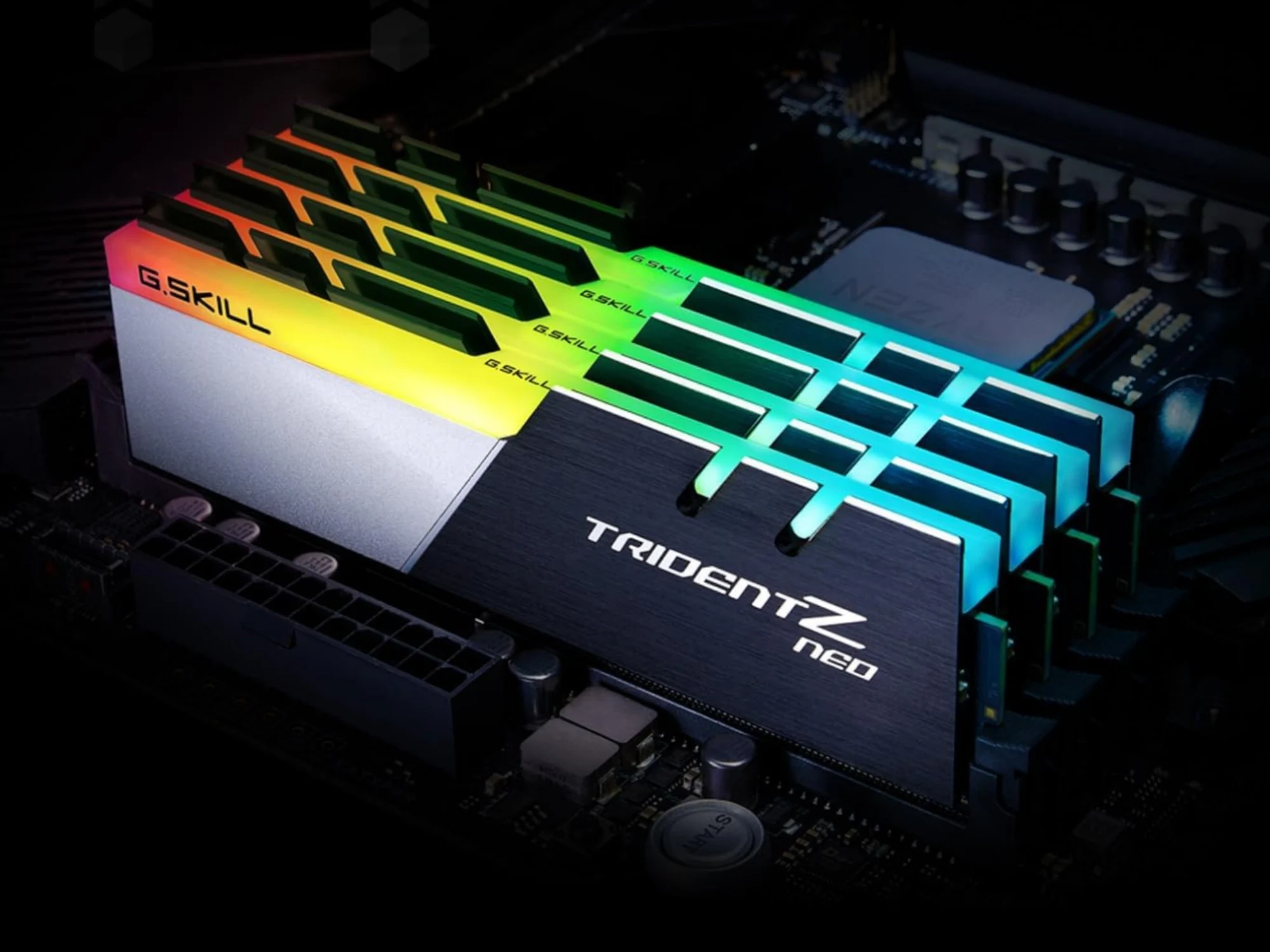
    With memory prices skyrocketing, many users are turning to the older DDR4 RAM as a substitute. However, shoppers are discovering that the financial savings aren’t as great as they had hoped. A recent analysis from Ctee reveals that the price of these older memory modules is increasing more than double the rate of DDR5 memory.

    Current Market Insights

    According to Wccftech, a Taiwanese website, recent data from Goldman Sachs highlights trends in the DRAM market. The report indicates that the difference between current market prices and contract prices is growing wider. Currently, DDR4 spot prices are 172% higher compared to the contracts made with companies like Samsung or SK Hynix. Conversely, DDR5 spot prices show a substantial, yet smaller, difference of 76%.

    Goldman Sachs suggests that the gap between spot and contract prices is not sustainable. RAM manufacturers are reluctant to engage in reasonable long-term contracts with smaller clients. Once adjustments are made, the impacts will extend to all devices and components that depend on DRAM. Rising memory prices have already contributed to more expensive laptops and GPUs.

    Shifts in Production

    Another reason DDR4 RAM may not be the best choice is that factories have moved away from producing these modules. Samsung initially planned to concentrate on DDR5 and high-bandwidth memory that AI data centers require. Although the company has currently halted those plans, the surplus stock is now intended for servers that depend on the older tech.

    In some situations, creating a system with DDR4 RAM can still prove to be a more budget-friendly choice. With tighter budgets, gamers might settle for lower-performance desktops. Intel fans can take advantage of 13th and 14th-gen CPUs, which support DDR4 memory. ASRock recognized a chance with the new H610M Combo motherboard that can support both generations of RAM.

    AMD’s Position in the Market

    AMD’s AM4 CPUs, like the Ryzen 7 5700X, along with compatible motherboards, are also popular options. Unfortunately, the processor’s price has risen due to increased demand.

    Even with their resourcefulness, consumers might find it difficult to avoid the ongoing memory shortage.

    Source:
    Link


  • Ryzen 7 5800X3D vs Core Ultra 9 285K: Gaming Performance Test

    Ryzen 7 5800X3D vs Core Ultra 9 285K: Gaming Performance Test

    Key Takeaways

    1. The AMD Ryzen 7 5800X3D remains a top-performing gaming CPU, closely competing with Intel’s latest flagship, the Core Ultra 9 285K.
    2. At 1080p/Medium settings, the Ryzen 7 5800X3D achieved an average of 188 FPS, almost matching the performance of the Ryzen 5 9600X.
    3. Even at 1080p/Ultra settings, the Ryzen 7 5800X3D held strong against CPUs like the Core i5-14600K, with an average FPS of 151.
    4. There is a suggestion for AMD to reintroduce AM4 CPUs like the Ryzen 7 5800X3D, as DDR4 RAM prices are more affordable compared to DDR5.
    5. Reintroducing the Ryzen 7 5800X3D would provide gamers with a solid and cost-effective alternative in a challenging market for memory and SSDs.


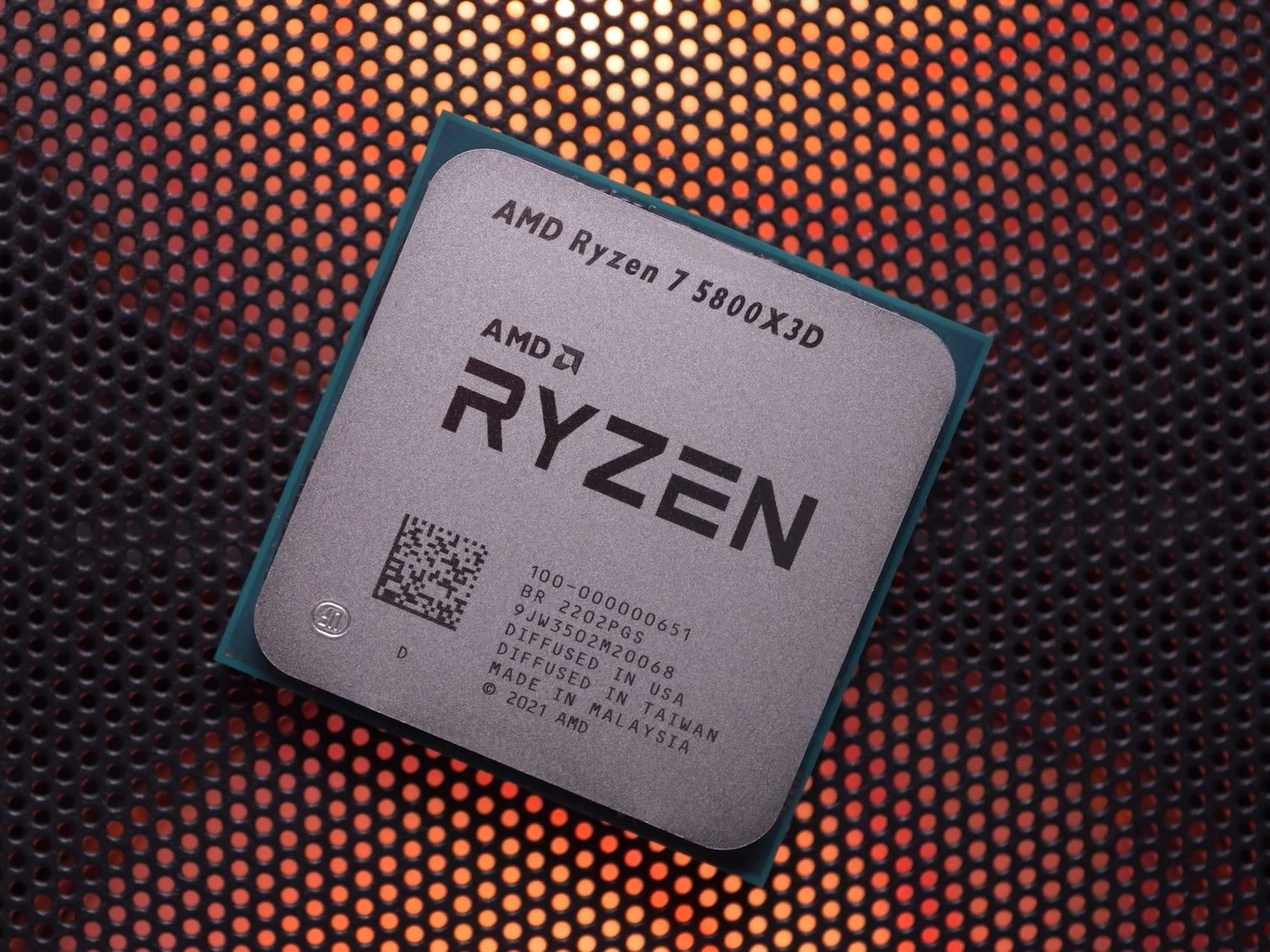
    When we took a look at the AMD Ryzen 7 5800X3D back in 2022, it was the quickest gaming CPU available. It even outperformed the much pricier Core i9-12900K, which is Intel’s top 12th-gen CPU. Fast forward to today, and the Ryzen 7 5800X3D’s performance remains quite relevant. Actually, testing from Hardware Unboxed shows that the Ryzen 7 5800X3D is only a few percentage points behind Intel’s latest flagship, the Core Ultra 9 285K.

    Performance at 1080p/Medium

    In the 14 games that HU tested at 1080p/Medium settings, the Ryzen 7 5800X3D achieved an average of 188 FPS, along with a 1% Low of 151. This means the CPU was nearly on par with the Ryzen 5 9600X and was just a tad behind the Core Ultra 9 285K (which you can find on Amazon). The Ryzen 7 9800X3D, on the other hand, was noticeably faster, boasting a 35% higher average FPS compared to the Ryzen 7 5800X3D.

    Performance at 1080p/Ultra

    The findings were similar at 1080p/Ultra, where the Ryzen 7 5800X3D still held its ground against the Core i5-14600K and the Ryzen 5 9600X. For example, while the Core i5-14600K and Ryzen 5 9600X had an average FPS of 153, the Ryzen 7 5800X3D closely matched this performance with an average of 151 FPS.

    In simpler terms, even with recent games like Battlefield 6, the Ryzen 7 5800X3D can keep pace with the newest CPUs. This is excellent news for those who are already using this processor or are planning to build a new system with it.

    Potential Reintroduction of AM4 CPUs

    As pointed out by HU, it would be beneficial for AMD to bring back AM4 CPUs like the Ryzen 7 5800X3D. Due to the current shortage in RAM supply, the prices of DDR4 RAM modules, although still high, are much more reasonable compared to DDR5 RAM kits. Since the latest Zen 5 and Intel Arrow Lake chips only work with DDR5, building a PC with the newest Intel/AMD CPUs has become quite costly for everyday gamers.

    Thus, bringing back the Ryzen 7 5800X3D would offer consumers a solid and affordable alternative to the latest CPUs. This is particularly crucial now, as the memory and SSD market may worsen in the future, and improvements might not come until 2028.

    Source:
    Link


  • Samsung Boosts DDR4 RAM Production Amid Ongoing Price Shortage

    Samsung Boosts DDR4 RAM Production Amid Ongoing Price Shortage

    Key Takeaways

    1. DDR5 RAM prices are high, leading buyers to consider older DDR4 options despite their increased costs.
    2. Samsung plans to continue DDR4 RAM production until 2026 but does not expect price reductions or improved supply.
    3. Samsung’s strategy focuses on enterprise clients, with NCNR agreements ensuring stable pricing and supply for DDR4.
    4. Competitor SK Hynix will also produce DDR4 RAM, but prices are expected to remain high; outdated gaming PCs may benefit.
    5. Industry experts believe the memory shortage may not last long, with potential price stabilization in about six months.


    With the prices of DDR5 RAM skyrocketing, many buyers have turned back to older memory options for some relief. Although these older components are also pricier, some PC builders are ready to make compromises regarding performance. As reported by DigiTimes, Samsung has decided to keep producing DDR4 RAM until 2026. Unfortunately, this new plan is not expected to result in lower prices or a better supply for customers.

    Sales Trends and Production Adjustments

    The Taiwanese site notes that demand for older memory components remains robust. This has led Samsung to adjust its strategies to maximize profits. However, similar to its specialized DDR5 chips, the focus remains on enterprise clients and server setups. It is said that the company has already entered into a Non-Cancellable, Non-Returnable (NCNR) agreement with a specific customer.

    This contract guarantees a consistent supply of DDR4 RAM at a predetermined price, protecting Samsung from fluctuations in the market. This arrangement helps alleviate worries that demand from AI data centers might decrease. Regrettably, Samsung does not plan to ease the memory shortage by increasing its production output.

    Competitors and Market Dynamics

    Another key player in the market, SK Hynix, will also continue to produce DDR4 RAM in their factories. However, buyers in urgent need should expect prices to stay at historic highs. On a brighter note, gaming PCs that are somewhat outdated might find a chance for revival.

    One upside is that Intel’s 12th-14th generation CPUs can work with motherboards compatible with older memory types. Some gamers might be exploring online marketplaces for second-hand components. Meanwhile, companies are reacting to the situation by launching new products. ASRock has recently introduced its H610M Combo micro-ATX motherboard, which accommodates both DDR4 and DDR5 memory.

    Market Outlook and Gamer Resilience

    Not every source in the industry sees the memory shortage as a long-term concern. Edward Crisler, a public relations manager at Sapphire, advised gamers against panic-buying. During an episode of The Hardware Unboxed Podcast, he suggested that prices could stabilize within six months. Crisler also praised gamers for their ingenuity, noting how they have historically adapted by making the best use of older hardware during tough times.

    Source:
    Link