Key Takeaways
1. DDR5 RAM prices are high, leading buyers to consider older DDR4 options despite their increased costs.
2. Samsung plans to continue DDR4 RAM production until 2026 but does not expect price reductions or improved supply.
3. Samsung’s strategy focuses on enterprise clients, with NCNR agreements ensuring stable pricing and supply for DDR4.
4. Competitor SK Hynix will also produce DDR4 RAM, but prices are expected to remain high; outdated gaming PCs may benefit.
5. Industry experts believe the memory shortage may not last long, with potential price stabilization in about six months.
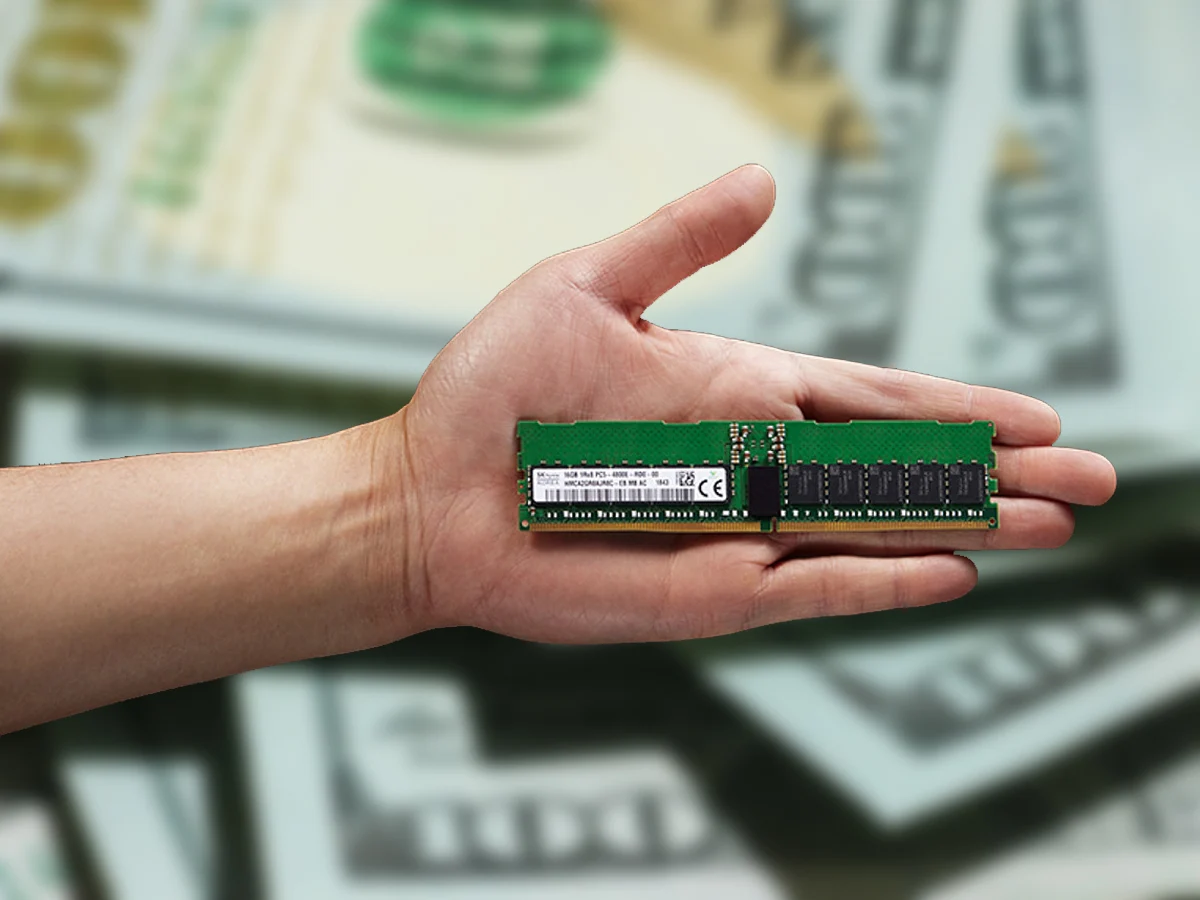
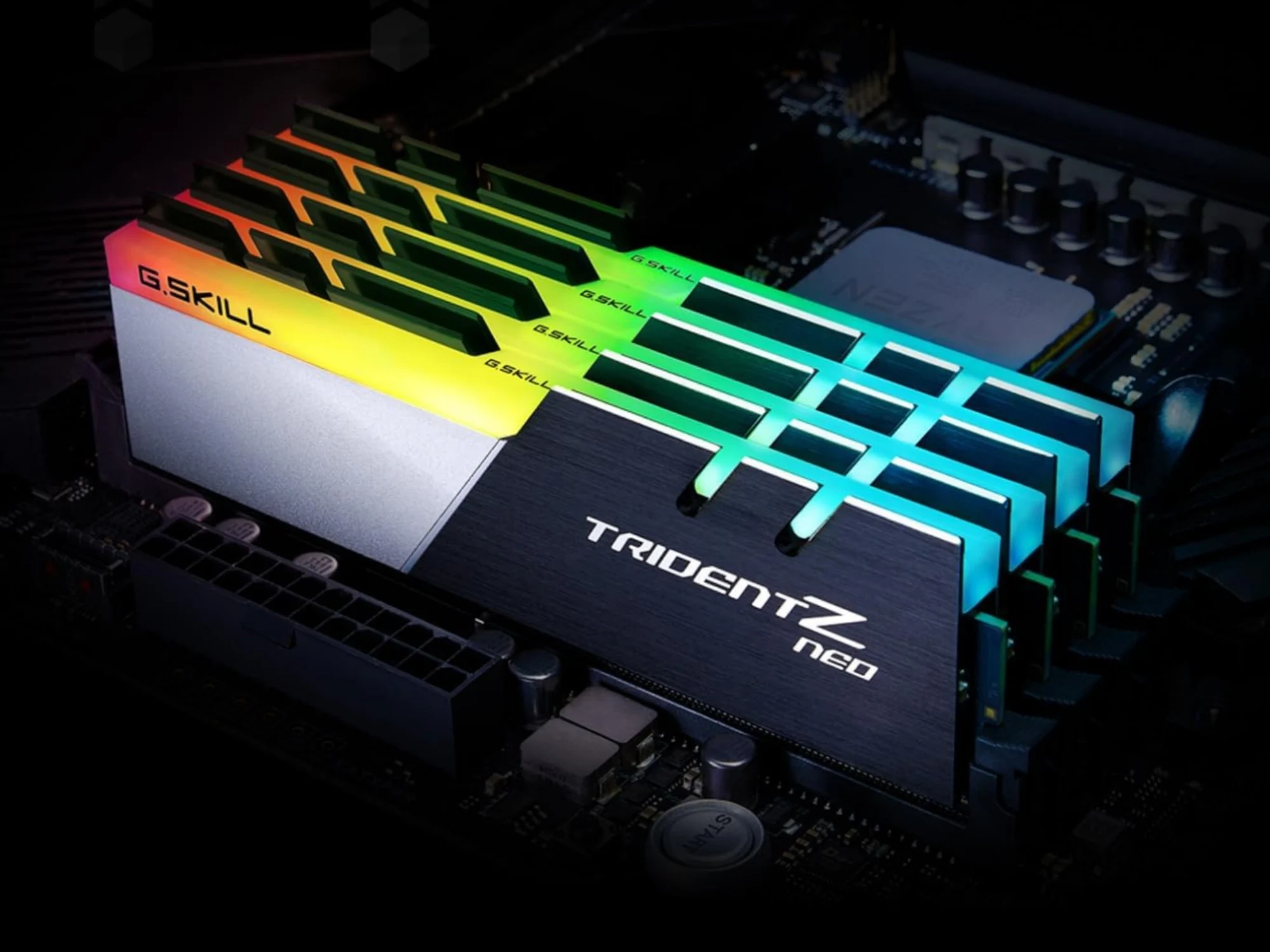
With the prices of DDR5 RAM skyrocketing, many buyers have turned back to older memory options for some relief. Although these older components are also pricier, some PC builders are ready to make compromises regarding performance. As reported by DigiTimes, Samsung has decided to keep producing DDR4 RAM until 2026. Unfortunately, this new plan is not expected to result in lower prices or a better supply for customers.
Sales Trends and Production Adjustments
The Taiwanese site notes that demand for older memory components remains robust. This has led Samsung to adjust its strategies to maximize profits. However, similar to its specialized DDR5 chips, the focus remains on enterprise clients and server setups. It is said that the company has already entered into a Non-Cancellable, Non-Returnable (NCNR) agreement with a specific customer.
This contract guarantees a consistent supply of DDR4 RAM at a predetermined price, protecting Samsung from fluctuations in the market. This arrangement helps alleviate worries that demand from AI data centers might decrease. Regrettably, Samsung does not plan to ease the memory shortage by increasing its production output.
Competitors and Market Dynamics
Another key player in the market, SK Hynix, will also continue to produce DDR4 RAM in their factories. However, buyers in urgent need should expect prices to stay at historic highs. On a brighter note, gaming PCs that are somewhat outdated might find a chance for revival.
One upside is that Intel’s 12th-14th generation CPUs can work with motherboards compatible with older memory types. Some gamers might be exploring online marketplaces for second-hand components. Meanwhile, companies are reacting to the situation by launching new products. ASRock has recently introduced its H610M Combo micro-ATX motherboard, which accommodates both DDR4 and DDR5 memory.
Market Outlook and Gamer Resilience
Not every source in the industry sees the memory shortage as a long-term concern. Edward Crisler, a public relations manager at Sapphire, advised gamers against panic-buying. During an episode of The Hardware Unboxed Podcast, he suggested that prices could stabilize within six months. Crisler also praised gamers for their ingenuity, noting how they have historically adapted by making the best use of older hardware during tough times.
Source:
Link