Tag: Intel Nova Lake

  • Intel Nova Lake Leak Shows Multiple Chips with Large Cache Sizes

    Intel Nova Lake Leak Shows Multiple Chips with Large Cache Sizes

    Key Takeaway

    1. Intel’s Nova Lake desktop chips will feature significant cache sizes, some surpassing AMD’s Ryzen X3D models, with multiple SKUs ranging from 22-core to 52-core configurations.
    2. Several Nova Lake chips will include a big last-level cache (bLLC), positioning them as direct competitors to AMD’s Ryzen X3D lineup.
    3. The lineup includes new processor prefixes (e.g., Core Ultra DX9, DX7, D9, D7) with varying core counts and power ratings, which may cause confusion among buyers.
    4. There is conflicting information regarding the power consumption (TDP) of the Core Ultra SKUs, with estimates ranging from 125W to 175W, pending further clarification.

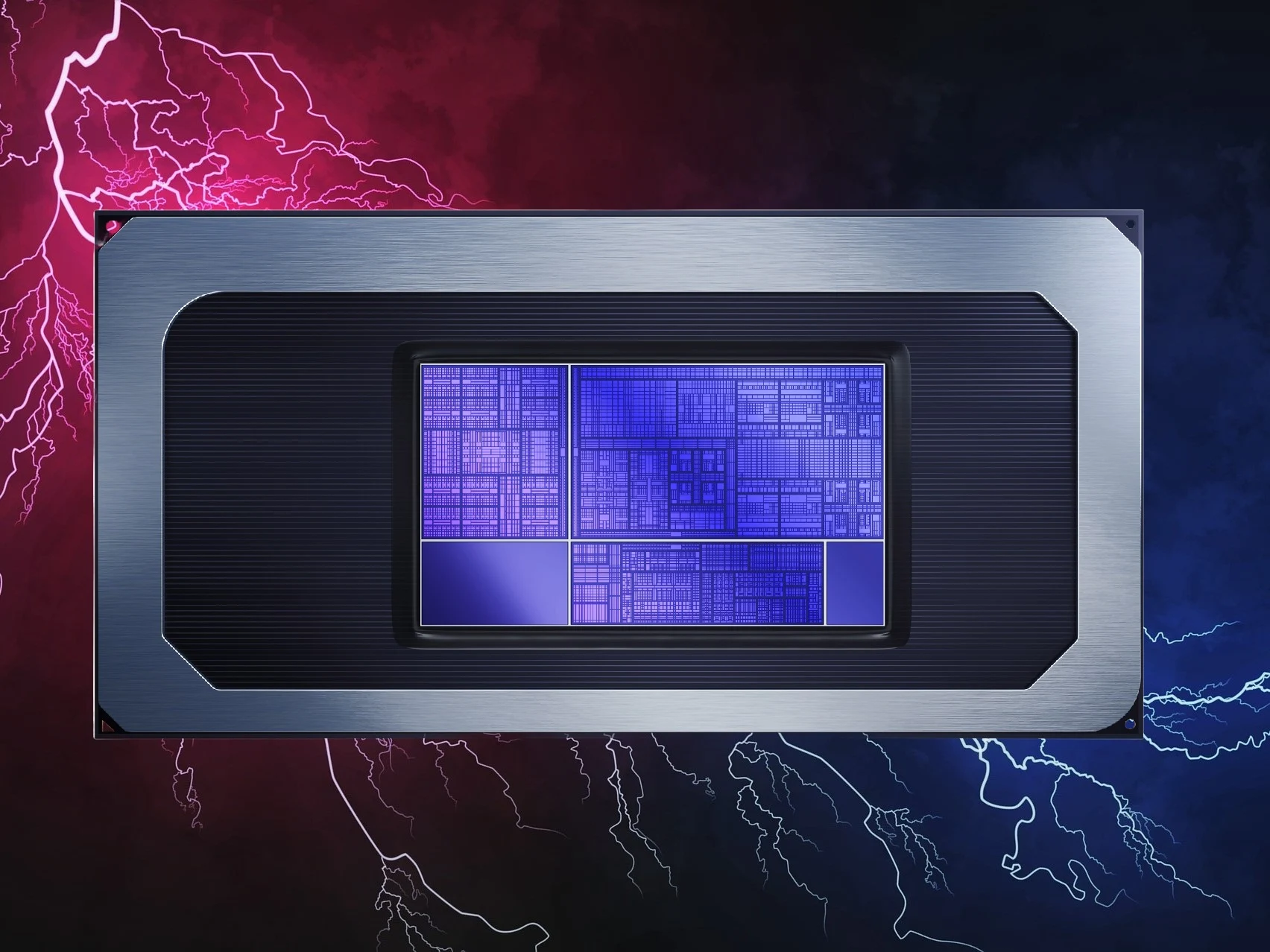
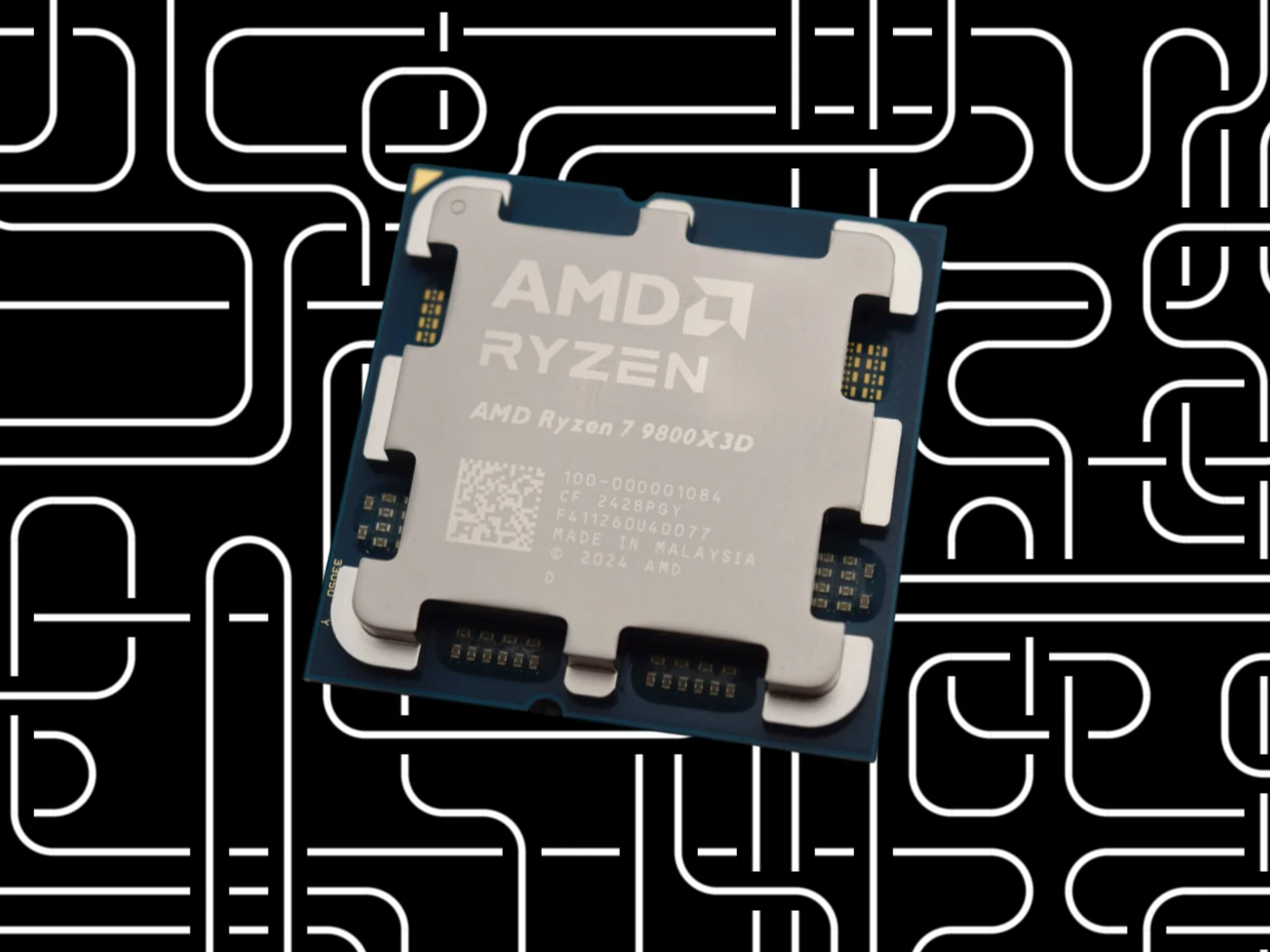
    Recently, a leak hints that intel could be releasing at least 12 nova lake desktop CPUs. Among these, three are supposed to come with a big last-level cache, called bLLC, making them direct competitors against AMD’s Ryzen X3D series. A known source of intel leaks, Jaykihn, explains exactly how much cache these chips will have, even for those without the bLLC feature. Interestingly, some of these processors will beat the newly announced Ryzen 9 9950X3D2 Dual Edition, particularly in cache size. It will be fascinating to see if this extra cache will give them a gaming performance edge.

    Different Models and Naming Conventions

    According to Jaykihn, the flagship with 52 cores will be branded as Core Ultra DX9 4xx. Meanwhile, a 44-core version will carry the name Core Ultra DX7 4xx. Simpler models like the 28-core and 24-core will be called Core Ultra D9 4xx and Core Ultra D7 4xx. The lowest-tier 22-core model will simply be called Core Ultra 4xx with no special prefixes. This creates a lineup with three Core Ultra 9 SKUs that feature bLLC and two Core Ultra 7 SKUs, all with different core counts. For first timers, this might be confusing because, apart from D, the letters ‘K’, ‘F’, and ‘KF’ are now all part of Intel’s CPU naming language. It’s a bit tricky to keep track of what each letter means, especially with new additions like D.

    Power Consumption and Performance Specs

    However, there’s some conflicting info about how much power these chips will use. One leak from Videocardz mentions that the Core Ultra DX9 and DX7 models will draw about 175 Watts. But Jaykihn’s table suggests they might start at just 125 Watts. The top-tier Core Ultra 5 SKU is said to have a TDP of 125 Watts, while a non-DX Core Ultra X9 with bLLC is limited to 65 Watts. Because these are still early leaks, more details should be available as Nova Lake’s release date gets closer. Until then, it remains to be seen how these power figures will affect real-world performance and efficiency.

    Final Thoughts

    Overall, intel’s upcoming nova lake lineup is shaping up to be impressive with its diverse models and cache configurations. The variation in core counts and power ratings indicates they are aiming to cover a broad market segment. Whether the extra cache will truly excel in gaming or other tasks remains to be tested once the processors are officially released. Fans and tech enthusiasts will definitely want to keep an eye out for more updates in the coming weeks.

    Sources
  • Intel’s Nova Lake Brings IPC Gains, Could Beat Zen 6 in 2023

    Intel’s Nova Lake Brings IPC Gains, Could Beat Zen 6 in 2023

    Key Takeaway

    1. Next-gen Intel Core Ultra and AMD Zen 6 CPUs are delayed until 2027, but are expected to feature more cores, higher clock speeds, and IPC improvements.
    2. Intel Nova Lake CPUs may outperform AMD Zen 6 in IPC uplift, while AMD may have faster clock speeds.
    3. Intel’s upcoming chips could potentially surpass AMD in all categories, including gaming and multi-threaded workloads, with possible improvements in cache sizes and architectural design.

    Upcoming CPU Releases from Intel and AMD

    The latest rumors and leaks about the upcoming Intel Nova Lake and AMD Zen 6 processors have significantly delayed the official launches to 2027. These new chips are expected to boast more cores, faster clock speeds, and considerable IPC improvements, which might result in massive boosts in performance compared to the current CPUs.

    Performance Expectations and Comparisons

    According to leaker HXL (@9550Pro) on social media, the Intel Nova Lake CPUs could potentially surpass AMD Zen 6 in terms of IPC improvements from one generation to the next, specifically citing the IPC uplift of the Coyote Cove P-cores. Meanwhile, HXL suggests that AMD Zen 6 might sport higher clock speeds than Intel Nova Lake, creating an interesting flip in who holds the performance crown. It’s noteworthy that this is a change from the previous generation, where Intel’s 14th-gen processors were pushing such insane clock speeds as 6 GHz right out of the box.

    Specs and Potential Market Impact

    With up to 52 cores and higher clocks, Intel’s Nova Lake Core Ultra 400 desktop CPUs might outshine AMD in all categories, especially with better IPC uplift. Rumors also hint at some chips having large Last Level Cache (bLLC), which could diminish AMD’s gaming edge with their X3D series. Additionally, Intel’s recent architectural improvements seen in Arrow Lake Refresh Core Ultra 200S Plus processors have led to notable performance increases over the original Core Ultra 200 Arrow Lake chips, hinting that such upgrades could be applied to Nova Lake as well.

    Future of high-end desktop computing

    In conclusion, it’s not unlikely that Intel’s Nova Lake lineup will dominate many areas, from gaming single-core workloads to heavily threaded applications. Some industry insiders, like SiliconFly, have even proclaimed that Zen 6 is already ready, but Nova Lake CPUs might quickly catch up to Apple’s M5 chips in single-core performance and outperform them in multi-core tasks.

  • Intel Nova Lake Power Consumption Leak: 496W PL2, 854W PL4

    Intel Nova Lake Power Consumption Leak: 496W PL2, 854W PL4

    Key Takeaways

    1. The flagship Intel Nova Lake-S processor may draw over 700 W during full multi-core use, with a PL2 power limit exceeding 400 W.
    2. Power limit specifications for Nova Lake-S include PL1 at 150 W, PL2 at 496 W, PL3 at 498 W, and PL4 at 854 W.
    3. Conflicting reports exist, with some leakers suggesting the power limits may not apply to the 52-core model but rather to the 42-core variant.
    4. Intel’s upcoming processors, including Nova Lake, are expected to have significantly higher power requirements compared to previous generations.
    5. Official announcements regarding Intel’s next-gen processors are still months away, so leaked specifications should be viewed with caution.


    Thanks to a steady stream of leaks and rumors, we’re learning quite a bit about Intel’s upcoming Nova Lake desktop processors, particularly their expected power limits. Recently, it was reported that the flagship 52-core Nova Lake-S could draw over 700 W during full multi-core use. Additional reports have indicated that the PL2 power limit for these Nova Lake-S chips also exceeds 400 W.

    Power Limit Specifications Revealed

    Leaker HXL has shared a table with details about the PL1, PL2, PL3, and PL4 power limits for Nova Lake-S. According to the leaker, these numbers apply to the dual-compute-tile Nova Lake-S K-series models, which feature up to 52 cores.

    From the leaked power limit data, it’s evident that the dual-compute-tile Intel Nova Lake desktop CPUs require significant power. The PL1 is set at 150 W, while PL2, PL3, and PL4 are 496 W, 498 W, and 854 W respectively. This makes the high-end Intel Core Ultra 400 series look extremely power-hungry. For example, the Intel Arrow Lake Core Ultra 9 285K has a PL1 of 125 W and a PL2 of 250 W. Meanwhile, the notorious 14th-gen Core i9-14900K, which runs at 6 GHz, shares the same PL1 and PL2 values as the Core Ultra 9 285K.

    Conflicting Information from Other Leakers

    However, another leaker, Jaykihn, has disputed HXL’s claims, referring to the leaked Nova Lake power limits as “outdated,” a sentiment echoed by UNIKO’s Hardware. More intriguingly, Jaykihn suggests that these figures may not pertain to the flagship 52-core Core Ultra 9 but rather to the 42-core Core Ultra 7 Nova Lake SKU, which includes 14 P-cores, 24 E-cores, and 4 LP E-cores.

    In essence, it’s possible that Intel has adjusted, maybe even reduced, the power limits for the Core Ultra 7 variant to align more closely with our expectations for Arrow Lake CPUs.

    That being said, it’ll be several months before we hear any official announcements regarding the next-gen Intel processors. Therefore, it’s wise to approach the leaked Nova Lake specifications, including power limits, with caution.

    Source:
    Link


  • Intel Nova Lake PL2 Power Limit Leaks for Core Ultra 400 CPUs

    Intel Nova Lake PL2 Power Limit Leaks for Core Ultra 400 CPUs

    Key Takeaways

    1. The Intel Nova Lake desktop CPU can draw over 700 W at full load, featuring 52 cores, which is significant for its market segment.
    2. The PL2 power limit for Nova Lake CPUs is expected to be higher than 400 W, particularly for models with dual compute tiles.
    3. Nova Lake CPUs will have a higher core count compared to Arrow Lake, increasing energy demands, making a 400+ W PL2 reasonable.
    4. High power limits do not align with average user needs for energy-efficient CPUs, as seen with the Ryzen 7 9800X3D and Core Ultra 9 285K.
    5. If Intel can maintain acceptable power limits for mainstream Nova Lake-S Core Ultra 5 CPUs while ensuring performance, concerns over high PL2 for 48/52-core models may lessen.


    We recently shared that the leading Intel Nova Lake desktop CPU, featuring 52 cores, can draw over 700 W when fully loaded. This number is truly astonishing, especially since Nova Lake is not aimed specifically at the high-end desktop (HEDT) market. We also pointed out that the PL2 power limit for the Nova Lake Core Ultra 400 CPUs will be lower but still noteworthy.

    Power Limit Insights

    Kopite7kimi suggests that even a PL2 of 400 W is merely a “conservative lower limit,” as Nova Lake CPUs equipped with dual compute tiles will need more than 400 W at full capacity. This represents a significant increase compared to the Core Ultra 9 285K.

    Intel’s official specifications indicate that the Core Ultra 9 285K has a PL2 of 250 W. Clearly, the CPU can draw much higher power under extreme conditions, as we’ve demonstrated in our assessments. Essentially, the Intel Nova Lake desktop CPUs will have a PL2 exceeding 60% compared to the 24-core flagship from Intel Arrow Lake.

    Core Count and Energy Needs

    It’s important to highlight that Nova Lake-S processors are set to have a substantial increase in core count over Arrow Lake. For instance, the top-tier Core Ultra 400 chip is anticipated to boast an impressive 52 cores. Naturally, powering this many cores simultaneously demands considerable energy, making the 400+ W PL2 reasonable.

    However, this high PL2 doesn’t align with the needs of the average user who seeks an energy-efficient CPU that performs adequately. Take the Ryzen 7 9800X3D as an example; it’s considered the top gaming CPU while also being one of the most power-efficient options available. The same can be said for the Core Ultra 9 285K. Even though the chip has seen a decline in gaming performance, it remains remarkably fast in multi-core applications, showing up to 64% more energy efficiency compared to the Core i9-14900K in multi-core tasks.

    Looking Ahead

    If Intel can guarantee that its mainstream Nova Lake-S Core Ultra 5 desktop CPUs, featuring 18, 24, and 28 cores, operate within acceptable power limits while delivering solid performance, the 400+ W PL2 for the 48/52-core models may not be a concern.

    Source:
    Link


  • AMD Zen 6 vs Intel Nova Lake: Gaming Battle with 288MB V-Cache

    AMD Zen 6 vs Intel Nova Lake: Gaming Battle with 288MB V-Cache

    Key Takeaways

    1. AMD Zen 6 CPUs may feature up to 144 MB of 3D V-Cache, a significant increase from the previously expected 96 MB.
    2. Intel’s Nova Lake CPUs could offer up to 288 MB of last-level cache, potentially giving Intel an advantage in gaming performance.
    3. Both AMD and Intel’s high cache options are expected to come with high price tags, especially for models with 288 MB of cache.
    4. The performance comparison between AMD Zen 6 and Intel Nova Lake will depend on factors like per-core IPC improvements and clock speeds.
    5. Current performance metrics for both CPU lines have not been disclosed, leaving the competition outcome uncertain.


    The AMD Zen 6 CPUs were earlier thought to have 96 MB of 3D V-Cache, which is a 50% rise from the 64 MB found in the Ryzen 7 9800X3D. With a possible 10%+ boost in single-core IPC, it seemed like AMD Zen 6 would hold onto its gaming title. Nonetheless, Intel Nova Lake might bring up to 288 MB of last-level “bLLC” cache, possibly giving Intel the upper hand in gaming.

    AMD’s Surprise Move

    Recent leaks suggest AMD may have something special up its sleeve. According to leaker HXL, the Zen 6 CPUs may feature a single 3D V-Cache die with 144 MB, rather than the previously speculated 96 MB. This means that Zen 6 X3D models could potentially offer 144 MB of last-level cache, while versions with dual 3D V-Cache dies might provide a whopping 288 MB of additional L3 cache.

    Cache Comparison with Intel

    The 3D V-Cache setup for Zen 6 CPUs aligns with the Intel Nova Lake CPUs. Reports indicate that NVL-S desktop chips featuring dual-bLLC could also offer 288 MB of last-level cache. However, such a substantial increase in L3 cache might come with a hefty price tag. So, prepare to shell out some serious money if you’re interested in Zen 6 or Nova Lake CPUs with 288 MB of last-level cache.

    Even with pricing concerns, having 288 MB of extra L3 cache is significant for gaming. The Ryzen 7 9800X3D already demonstrates the impact of a 64 MB section of 3D V-Cache on gaming performance. Therefore, we can anticipate that both Intel Nova Lake and AMD Zen 6 CPUs with this extra L3 cache will provide outstanding gaming experiences.

    The Final Showdown

    At this point, it’s hard to determine which company will take the lead since Intel and AMD haven’t disclosed any performance metrics yet. If both Intel Nova Lake and AMD Zen 6 have the same amount of last-level cache, the outcome of the gaming performance clash will hinge on factors like per-core IPC improvements and clock speeds.

    Source:
    Link


  • Intel Nova Lake Specs Leak: 52 Cores, 15% IPC Uplift, High Price

    Intel Nova Lake Specs Leak: 52 Cores, 15% IPC Uplift, High Price

    Key Takeaways

    1. Intel’s Nova Lake CPUs may feature dual bLLC (Last-Level Cache), offering significant cache improvements beyond initial expectations.
    2. The Coyote Cove P-cores in Nova Lake are expected to provide a 15% IPC performance boost over Arrow Lake’s P-cores.
    3. High-end Nova Lake CPUs with dual-bLLC could be priced at $1,200 or more, significantly higher than the previous Arrow Lake flagship.
    4. The price increase is justified by Nova Lake’s higher core count (52 vs. 24) and larger cache (288 MB bLLC) compared to competitors.
    5. Pricing details for Nova Lake CPUs should be viewed with caution, as market conditions can change rapidly.


    It’s become widely known that Intel’s upcoming desktop architecture, Nova Lake, will include a significant Last-Level Cache, also known as bLLC. Earlier reports indicated that this impressive 144 MB bLLC might only appear in one SKU, with slim chances for dual-bLLC options.

    Dual-bLLC Possibilities

    However, the latest from RedGamingTech suggests that Intel may actually launch Nova Lake CPUs featuring dual-bLLC, which would provide an extraordinary quantity of L3 cache. Additionally, it seems that more Nova Lake SKUs could come equipped with the bLLC than was initially anticipated, based on insights shared by Haze2K1 on X.

    Intel’s Nova Lake CPUs

    The new Intel Nova Lake CPUs with bLLC are said to be as follows:

    Within a recent video discussing Razer Lake, Titan Lake, and other topics, RedGamingTech stated that Nova Lake’s Coyote Cove P-cores are expected to deliver a 15% IPC performance boost compared to Arrow Lake’s Lion Cove P-cores. The leaker hinted that the Arctic Wolf E-cores on Nova Lake also perform well, although no specific IPC figures were provided.

    Pricing Insights

    On the downside, the anticipated pricing for the flagship or high-end Nova Lake-S desktop CPUs featuring dual-bLLC may be quite steep. Reports from RGT indicate that the dual-chiplet 52-core and 42-core Nova Lake-S CPUs, equipped with 288 MB of bLLC, could potentially be priced at $1,200 or more.

    To put this in context, the Arrow Lake flagship Core Ultra 9 285K launched with an MSRP of $589 in 2024. Therefore, the Core Ultra 9 400 Nova Lake-S SKU, featuring 288 MB of bLLC, could be priced over twice that amount.

    Justifying the Price Increase

    This price increase seems reasonable, considering the NVL-S flagship appears to have more than double the cores (52 vs 24) and 288 MB of bLLC, which is likely to be quite costly. For comparison, AMD’s latest Ryzen 7 9800X3D only offers 64 MB of 3D V-Cache. Even Intel’s lower-end Core Ultra 5 400K CPUs, featuring 144 MB of bLLC, reportedly provide 225% more last-level cache.

    As is often seen with CPU and GPU pricing, fluctuations can occur rapidly. Thus, as RGT also points out, the proposed pricing for Nova Lake should be regarded as mere speculation and not something to rely on entirely.

    We’ll have to observe how much impact such a vast cache buffer will have on the Nova Lake chips and their pricing. Until more information is available, it’s wise to treat the details shared here with a healthy dose of skepticism.

    Source:
    Link


  • Intel Nova Lake Expected to Feature 144 MB of bLLC

    Intel Nova Lake Expected to Feature 144 MB of bLLC

    Key Takeaways

    1. Intel’s Core Ultra 5 435K will feature 8 Performance cores and 12 Efficient cores with bLLC technology to compete with AMD’s Ryzen X3D CPUs.
    2. The Nova Lake architecture is expected to include 144 MB of bLLC, potentially allowing for overclocking through a direct connection to the Integrated Heat Spreader (IHS).
    3. Intel is not planning a dual-BLLC SKU, while AMD is rumored to develop the Ryzen 9 9950X3D2 with a 3D V-cache tile offering up to 192 MB of L3 cache.
    4. Nova Lake is projected to deliver up to a 60% performance improvement over Arrow Lake in multi-threaded tasks.
    5. The Nova Lake platform will debut an integrated Neural Processing Unit (NPU) and low-power island with LPE cores.


    Rumors regarding Intel’s response to AMD’s Ryzen X3D CPUs are gaining traction as we approach the anticipated launch of Nova Lake next year. It seems that the Core Ultra 5 435K (which is a tentative name) will be the only model equipped with 8 Performance cores and 12 Efficient cores, featuring bLLC (Big Last Level Cache), Intel’s answer to the 3D V-cache. The well-known Intel insider, Jaykihn, has provided additional insights into this situation.

    Details on bLLC Implementation

    The Nova Lake architecture is expected to incorporate 144 MB of bLLC. The method of implementation may resemble that of the Clearwater Forest server chips, utilizing a Foveros Direct 3D interconnect. This design could enable users to overclock their processors since the CPU tile will have a direct connection to the Integrated Heat Spreader (IHS).

    Current Developments and Competitors

    At this time, Intel is not pursuing a dual-BLLC SKU. Conversely, AMD is rumored to be developing the Ryzen 9 9950X3D2, which will feature a 3D V-cache tile across both CCDs, offering as much as 192 MB of L3 cache. Intel’s cautious strategy is reasonable given that Nova Lake represents the first consumer-oriented CPU to showcase this technology.

    Performance Expectations

    In terms of performance, Nova Lake is projected to deliver a significant boost, potentially up to 60% improvement over Arrow Lake in multi-threaded tasks. It will also mark the debut of an Intel desktop platform featuring an integrated Neural Processing Unit (NPU) and a low-power island with LPE cores, akin to those used in Panther Lake.


    Source:
    Link


  • Intel Nova Lake Ryzen X3D Equivalent Launching with 28 Cores

    Intel Nova Lake Ryzen X3D Equivalent Launching with 28 Cores

    Key Takeaways

    1. Intel’s upcoming Nova Lake desktop CPUs include the high-end Core Ultra 9 model with 52 CPU cores (16P + 32E + 4 LPE).
    2. Some CPUs may feature a new bLLC (additional layer of Last-Level Cache), similar to AMD’s 3D V-cache, but not all models will have this upgrade.
    3. The Core Ultra 5 445K (8 P-cores and 16 E-cores) is expected to be the only model with bLLC, while the Core Ultra 5 435K (8 P-cores and 12 E-cores) will also support it.
    4. The release of the Core Ultra 5 245K is anticipated first, with Core Ultra 7 and 9 models launching a quarter later.
    5. Nova Lake CPUs will introduce new Coyote Cove P-cores and Arctic Wolf E-cores for improved gaming performance, with a new NPU and production using TSMC’s N2 node.


    A recent leak has revealed six upcoming Intel Nova Lake desktop CPUs, with the high-end Core Ultra 9 model featuring a remarkable total of 52 CPU cores (16P + 32E + 4 LPE). Some of these CPUs are speculated to include a 3D V-cache similar to AMD’s, although this will be presented as an additional layer of Last-Level Cache. However, not every model will benefit from this upgrade, as noted by the leaker OneRaichu on X.

    Specifications Breakdown

    The sole Intel Nova Lake CPU expected to feature the bLLC will be the version with 8 P-cores and 16 E-cores, which is likely the Core Ultra 5 445K based on the leak mentioned earlier. Another reliable source, @Haze2K1 (thanks to Videocardz), indicates that the Core Ultra 5 435K, which includes 8 P-cores and 12 E-cores, will also support bLLC. It’s important to remember that the names of these CPUs are not final and could change as the launch date approaches.

    Comparisons to AMD

    This strategy mirrors AMD’s method used with the Ryzen 7 5800X3D, making it an excellent test for the bLLC design while keeping the higher-end Core i7 and Core i9 models untouched. Raichu also mentioned that the Core Ultra 5 245K might be the first to launch, with the Core Ultra 7 and 9 models anticipated to follow a quarter later.

    New Features on the Horizon

    In addition to the new Coyote Cove P-cores and Arctic Wolf E-cores, which aim to boost gaming performance alongside the bLLC feature, the Intel Nova Lake desktop processors are expected to come with a fresh NPU. Notably, the CPU tile will be produced using TSMC’s N2 node, deviating from Intel’s own 18A node. Other components, including the GPU tile, IOD, and IMC, will be created using older Intel and TSMC nodes.

    Source:
    Link


  • AMD Zen 6 IPC Leak: Exciting 3D V-Cache Boosts Performance

    AMD Zen 6 IPC Leak: Exciting 3D V-Cache Boosts Performance

    Key Takeaways

    1. Upcoming CPU Releases: AMD Zen 6 and Intel Nova Lake are set to be the leading desktop CPU designs, expected around 2026.

    2. Performance Improvements: Intel’s Nova Lake may achieve a 10% boost in single-core performance and up to 60% in multi-core performance compared to Arrow Lake-S CPUs, while Zen 6 is expected to have a 7 to 9% uplift in Floating Point IPC.

    3. Enhanced Cache Features: Zen 6 is rumored to support increased 3D V-Cache, potentially reaching 96 MB or more, with configurations that could allow up to 240 MB of L3 cache.

    4. Gaming Focus: Zen 6 is particularly aimed at gamers, with features like boost clocks exceeding 6 GHz and improved 3D V-Cache for better gaming performance.

    5. Current Options: AMD’s existing Zen 5 processors, like the Ryzen 5 9600X, are available at good prices for those who need upgrades before Zen 6 is released.


    AMD Zen 6 and Intel Nova Lake are likely going to be the leading new desktop CPU designs set to release around 2026. Intel’s Nova Lake is said to feature as much as 56 cores, new P/E cores, a low-power core island, and additional enhancements. On the other hand, AMD is gearing up for Zen 6, which promises significant upgrades, such as possibly astonishing boost clocks, increased core counts, and a state-of-the-art TSMC fabrication process.

    Performance Expectations

    Leaked information suggests that Intel’s Nova Lake might deliver a 10% boost in single-core performance and as much as 60% improvement in multi-core performance compared to Arrow Lake-S CPUs. Unfortunately, we don’t have similar details for Zen 6 yet, as leaks on its performance have been limited.

    Early IPC Insights

    Moore’s Law Is Dead has filled this void by disclosing initial IPC (Instructions Per Cycle) figures for Zen 6. According to a source within AMD, retail Zen 6 CPUs are expected to provide a 7 to 9% uplift in Floating Point (FP) IPC compared to Zen 5.

    However, the source warned MLID that this number is “NOT the final claimed IPC that will consider gaming and other PPC uplift”. Therefore, the leaker suggests that the ultimate IPC enhancement, which includes gains from gaming and other tasks, might reach or surpass 10%.

    Cache and Gaming Focus

    We have previously noted that Zen 6 could support more than just 12-core CCDs; it is also expected to feature increased 3D V-Cache. An AMD source for MLID has confirmed that Zen 6 will include 96 MB of 3D V-Cache. The source also indicated that Zen 6 CPUs could utilize multiple layers of 3D V-Cache, allowing for configurations like 240 MB of L3 cache if AMD opts for two layers of 3D V-Cache.

    Zen 6 is said to be particularly aimed at gaming. Features like boost clocks exceeding 6 GHz and enhanced 3D V-Cache align well with AMD’s supposed strategy. Consequently, those looking to upgrade next year can anticipate notable improvements in gaming performance from generation to generation.

    Current Options

    If the wait is too long, many of AMD’s current-generation Zen 5 processors are available at attractive prices. For example, the 6-core Ryzen 5 9600X, which has shown impressive performance in our evaluations, is currently a great deal on Amazon.

    In conclusion, please keep in consideration that the information shared by MLID remains unverified until AMD officially announces Zen 6. Since Zen 6 is at least a year away, it’s unlikely that AMD will provide any definitive information in the near future.

    Source:
    Link


  • Intel to Introduce Higher Cache SKUs in Nova Lake Lineup

    Intel to Introduce Higher Cache SKUs in Nova Lake Lineup

    Key Takeaways

    1. Intel’s new Nova Lake Core Ultra 400 series processors will have many cores but will not support hyperthreading.
    2. At least two models in the Nova Lake series are expected to feature larger cache memory, similar to AMD’s X3D lineup.
    3. The processors may include configurations with eight P-cores and either 16 or 12 E-cores, along with four LP-E cores.
    4. Both processors are likely to have a thermal design power (TDP) of 125W, which may place them in the Core Ultra 5 range.
    5. Intel is rumored to be working on introducing 3D stacked cache technology to its mainstream consumer products, although these details remain unconfirmed.


    Intel is developing its new Nova Lake Core Ultra 400 series processors, which are anticipated to feature a high number of cores but will not include hyperthreading. Recently, Intel has been missing high cache options like AMD’s X3D lineup, but this may change soon. A recent leak suggests that at least two models in the Nova Lake series will offer larger cache memory.

    Details from the Leak

    The information was shared by Haze on X on June 16, indicating that the Nova Lake series includes two specific models equipped with bLLC, or ‘big Last Line Cache.’ This means there will be at least two types in the lineup that offer more cache memory, comparable to AMD’s X3D CPUs. One of these processors is reported to have an eight P-core and 16 E-core setup, while the other is predicted to come with an eight P-core and 12 E-core arrangement.

    Processor Specifications

    Both processors are expected to include four LP-E cores and a thermal design power (TDP) of 125W. Currently, the exact amount of bLLC or L3 cache in these CPUs remains uncertain. However, given the 125W TDP, they might belong to the Core Ultra 5 range. Recent leaks indicate that the Nova Lake series will incorporate the following models and core counts:

    AMD began shipping its X3D chips with the Ryzen 5000 series, which quickly became popular among gamers. The Ryzen 7 7800X3D established itself as one of the top gaming CPUs available. With its rumored bLLC processors, Intel appears to be working towards introducing 3D stacked cache to mainstream consumer products. Nevertheless, it’s important to highlight that these are merely rumors since Intel has not released any official announcements yet.

    Source:
    Link