1. Early benchmarks of the AMD Ryzen 9 9950X3D2 show promising performance with a 5.13 GHz boost and a maximum power draw of 220W, but are preliminary and may not reflect final results.
2. The CPU achieved notable scores in 7-Zip and Cinebench tests under air cooling, with temps around 76-96°C.
3. AMD claims a 13% performance improvement in some tasks, potentially boosting gaming performance due to increased L3 cache.
4. Full performance insights await real-world testing and official release around April 22.
Introduction to the Ryzen 9 9950X3D2
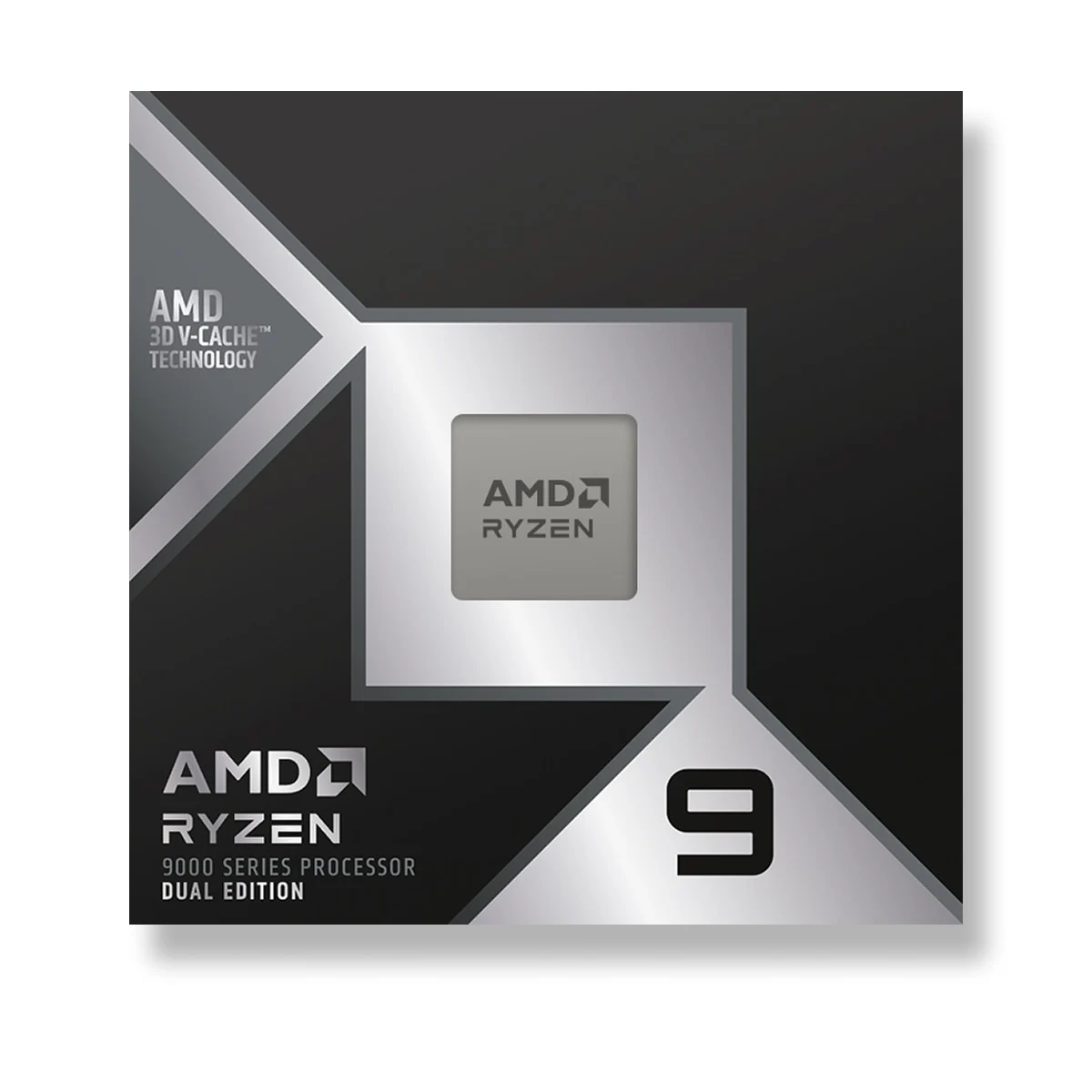
AMD is getting ready to launch their new Ryzen 9 9950X3D2 cpu, that they announced last month. There’s still about a week left before it hits the market for everyone to buy, but some early testers already started to try it out. The first benchmark results are now available, but it’s still early days to see exactly how well it performs. Since not all details about these tests are known yet, we gotta wait for more extensive tests to get a true picture of its capabilities.
Benchmark Tests and Hardware Used
The benchmarks come from user Stoikov on HWBOT, showing results in 7-Zip, Cinebench 2026 (single and multi-core), and Cinebench R23 scores. The testing setup involved an air cooler, 32 GB of DDR5 RAM, a Radeon RX 7900 XTX graphics card, and an Asus ROG Strix B850-A Gaming WIFI motherboard. These scores are preliminary, meaning they should not be taken as final or definitive. But they do give a glimpse into what we might expect from this processor when fully optimized.
Performance Results in Different Benchmarks
In the 7-Zip test, the 9950X3D2 achieved 227,919 MIPS, with the CPU clocking up to 5.13 GHz and temperatures hitting 96 degrees Celsius. For the Cinebench 2026, the single-core score was 746, running at 5.4 GHz with 76 Degrees C, while the multi-core score was 9,246 at 96 Degrees C, with a maximum clock speed of 5.19 GHz. The Cinebench R23 multi-core result was 38,579 points, with similar temperatures of 95 Degrees C and a maximum clock speed of 5.19 GHz. When it comes to power usage, the CPU hit 220W during the Cinebench R23 test. In CPU-Z, the TDP was listed as 200W, which lines up with AMD’s official rating.
Preliminary Nature of the Benchmarks
These scores are early results and shouldn’t be regarded as the final or most accurate performance indicators. Many other Ryzen 9 9950X3D benchmarks might outperform these numbers, but those tests usually involve more advanced cooling methods. AMD has claimed about a 13% performance increase for the 9950X3D2 in some tasks, mainly thanks to its larger L3 cache which could boost gaming performance significantly. However, we still need actual real-world tests, which are expected to be available around April 22, the official launch date of this processor.