
Key Takeaways
1. Intel’s Core Ultra 5 435K will feature 8 Performance cores and 12 Efficient cores with bLLC technology to compete with AMD’s Ryzen X3D CPUs.
2. The Nova Lake architecture is expected to include 144 MB of bLLC, potentially allowing for overclocking through a direct connection to the Integrated Heat Spreader (IHS).
3. Intel is not planning a dual-BLLC SKU, while AMD is rumored to develop the Ryzen 9 9950X3D2 with a 3D V-cache tile offering up to 192 MB of L3 cache.
4. Nova Lake is projected to deliver up to a 60% performance improvement over Arrow Lake in multi-threaded tasks.
5. The Nova Lake platform will debut an integrated Neural Processing Unit (NPU) and low-power island with LPE cores.
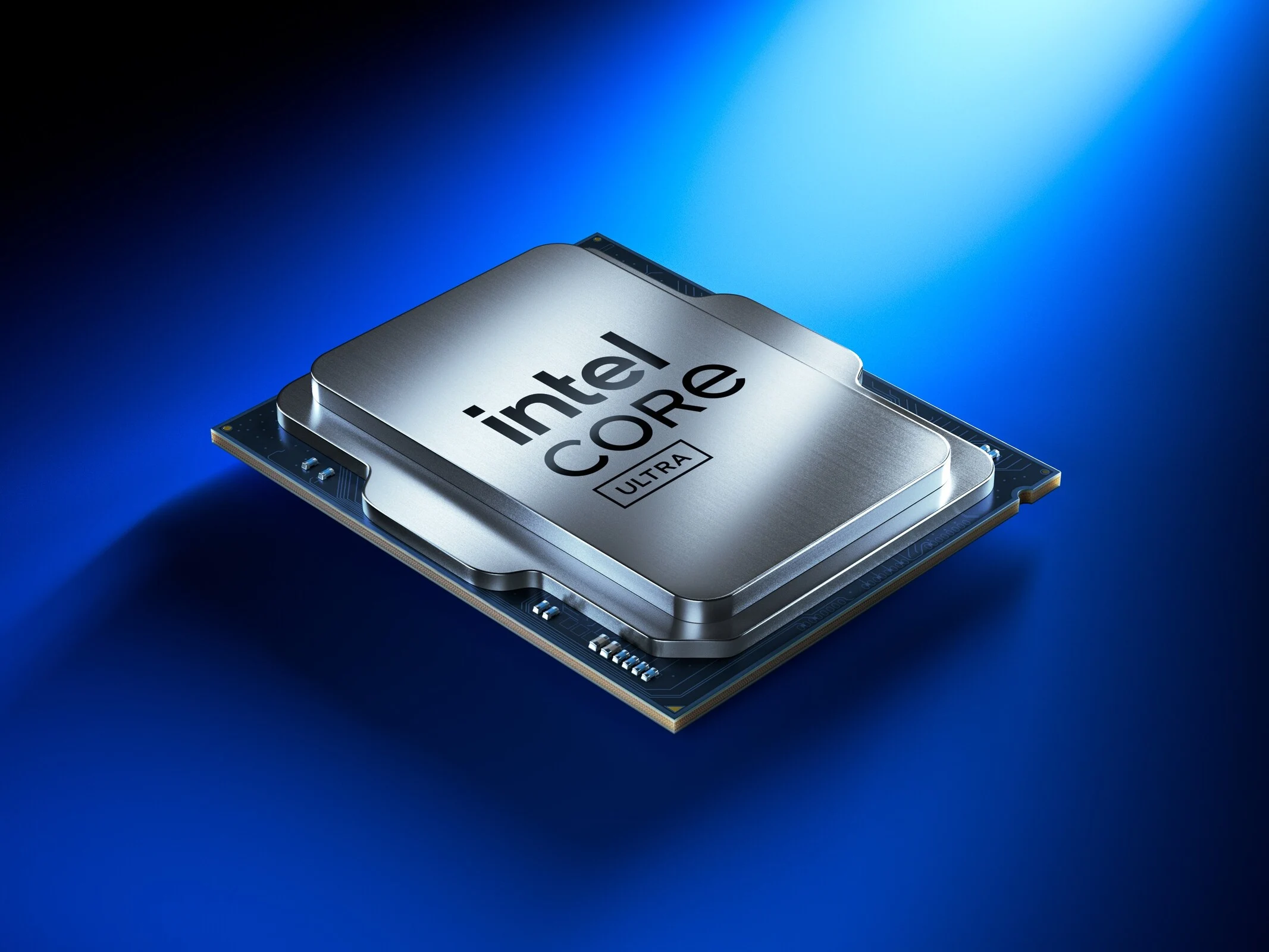
Rumors regarding Intel’s response to AMD’s Ryzen X3D CPUs are gaining traction as we approach the anticipated launch of Nova Lake next year. It seems that the Core Ultra 5 435K (which is a tentative name) will be the only model equipped with 8 Performance cores and 12 Efficient cores, featuring bLLC (Big Last Level Cache), Intel’s answer to the 3D V-cache. The well-known Intel insider, Jaykihn, has provided additional insights into this situation.
Details on bLLC Implementation
The Nova Lake architecture is expected to incorporate 144 MB of bLLC. The method of implementation may resemble that of the Clearwater Forest server chips, utilizing a Foveros Direct 3D interconnect. This design could enable users to overclock their processors since the CPU tile will have a direct connection to the Integrated Heat Spreader (IHS).
Current Developments and Competitors
At this time, Intel is not pursuing a dual-BLLC SKU. Conversely, AMD is rumored to be developing the Ryzen 9 9950X3D2, which will feature a 3D V-cache tile across both CCDs, offering as much as 192 MB of L3 cache. Intel’s cautious strategy is reasonable given that Nova Lake represents the first consumer-oriented CPU to showcase this technology.
Performance Expectations
In terms of performance, Nova Lake is projected to deliver a significant boost, potentially up to 60% improvement over Arrow Lake in multi-threaded tasks. It will also mark the debut of an Intel desktop platform featuring an integrated Neural Processing Unit (NPU) and a low-power island with LPE cores, akin to those used in Panther Lake.
Source:
Link