
Key Takeaways
1. The Intel Nova Lake desktop CPU can draw over 700 W at full load, featuring 52 cores, which is significant for its market segment.
2. The PL2 power limit for Nova Lake CPUs is expected to be higher than 400 W, particularly for models with dual compute tiles.
3. Nova Lake CPUs will have a higher core count compared to Arrow Lake, increasing energy demands, making a 400+ W PL2 reasonable.
4. High power limits do not align with average user needs for energy-efficient CPUs, as seen with the Ryzen 7 9800X3D and Core Ultra 9 285K.
5. If Intel can maintain acceptable power limits for mainstream Nova Lake-S Core Ultra 5 CPUs while ensuring performance, concerns over high PL2 for 48/52-core models may lessen.
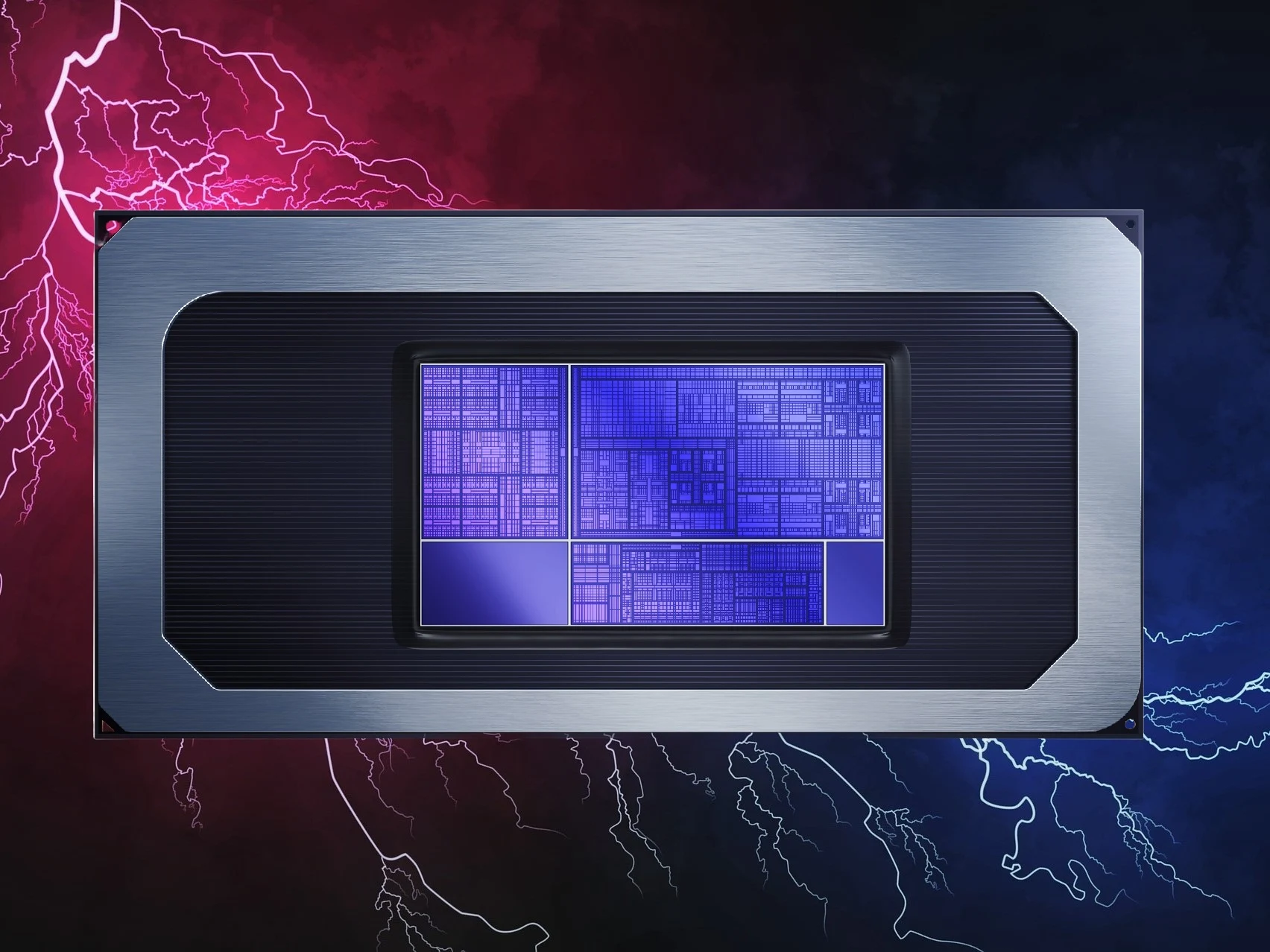
We recently shared that the leading Intel Nova Lake desktop CPU, featuring 52 cores, can draw over 700 W when fully loaded. This number is truly astonishing, especially since Nova Lake is not aimed specifically at the high-end desktop (HEDT) market. We also pointed out that the PL2 power limit for the Nova Lake Core Ultra 400 CPUs will be lower but still noteworthy.
Power Limit Insights
Kopite7kimi suggests that even a PL2 of 400 W is merely a “conservative lower limit,” as Nova Lake CPUs equipped with dual compute tiles will need more than 400 W at full capacity. This represents a significant increase compared to the Core Ultra 9 285K.
Intel’s official specifications indicate that the Core Ultra 9 285K has a PL2 of 250 W. Clearly, the CPU can draw much higher power under extreme conditions, as we’ve demonstrated in our assessments. Essentially, the Intel Nova Lake desktop CPUs will have a PL2 exceeding 60% compared to the 24-core flagship from Intel Arrow Lake.
Core Count and Energy Needs
It’s important to highlight that Nova Lake-S processors are set to have a substantial increase in core count over Arrow Lake. For instance, the top-tier Core Ultra 400 chip is anticipated to boast an impressive 52 cores. Naturally, powering this many cores simultaneously demands considerable energy, making the 400+ W PL2 reasonable.
However, this high PL2 doesn’t align with the needs of the average user who seeks an energy-efficient CPU that performs adequately. Take the Ryzen 7 9800X3D as an example; it’s considered the top gaming CPU while also being one of the most power-efficient options available. The same can be said for the Core Ultra 9 285K. Even though the chip has seen a decline in gaming performance, it remains remarkably fast in multi-core applications, showing up to 64% more energy efficiency compared to the Core i9-14900K in multi-core tasks.
Looking Ahead
If Intel can guarantee that its mainstream Nova Lake-S Core Ultra 5 desktop CPUs, featuring 18, 24, and 28 cores, operate within acceptable power limits while delivering solid performance, the 400+ W PL2 for the 48/52-core models may not be a concern.
Source:
Link
Leave a Reply