Category: Computers

  • “4TB DDR5 RAM Kit for AI Servers Launches at $77,000”

    “4TB DDR5 RAM Kit for AI Servers Launches at $77,000”

    Key Takeaways

    1. Nemix launched a 4TB DDR5 RAM kit priced around $70,800 to $76,999, targeting high-end users.
    2. The kit includes 16 x 256GB ECC RDIMMs operating at 6400 MT/s with a CAS latency of 52.
    3. The high price is due to the memory density, server-grade features, and the current market conditions for RAM.
    4. This RAM kit is not suitable for gamers, as consumer-grade motherboards typically support fewer RAM sticks.
    5. Growing demand for specialized memory is driven by AI data centers and enterprise needs, despite tightening DRAM supply.


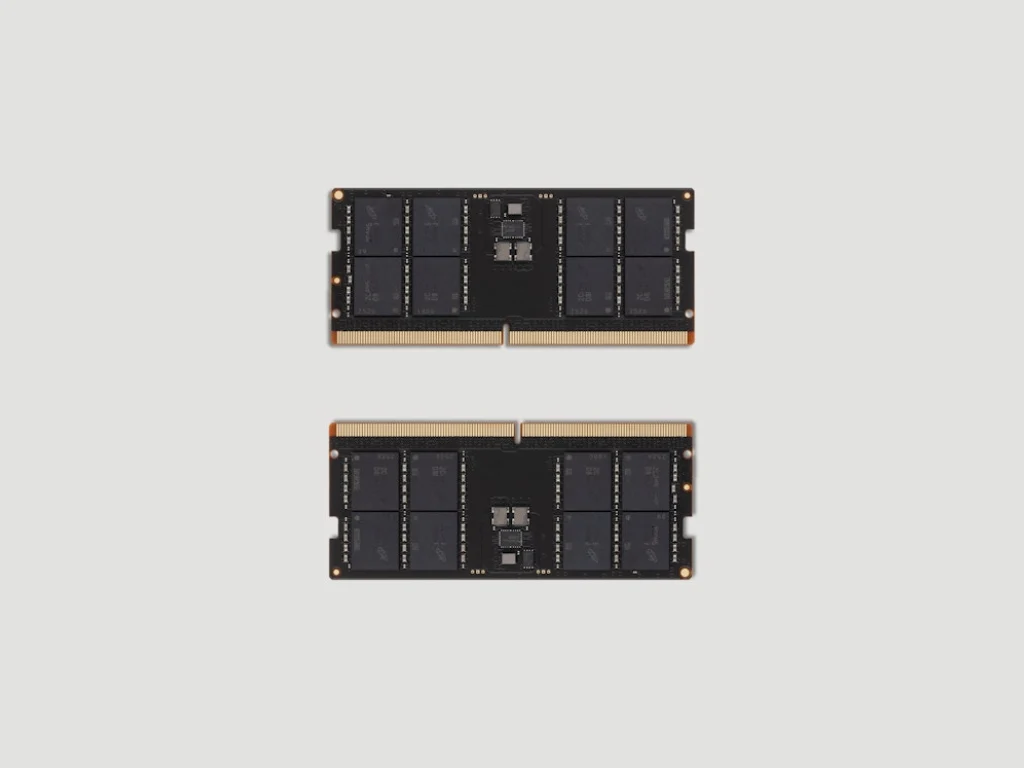
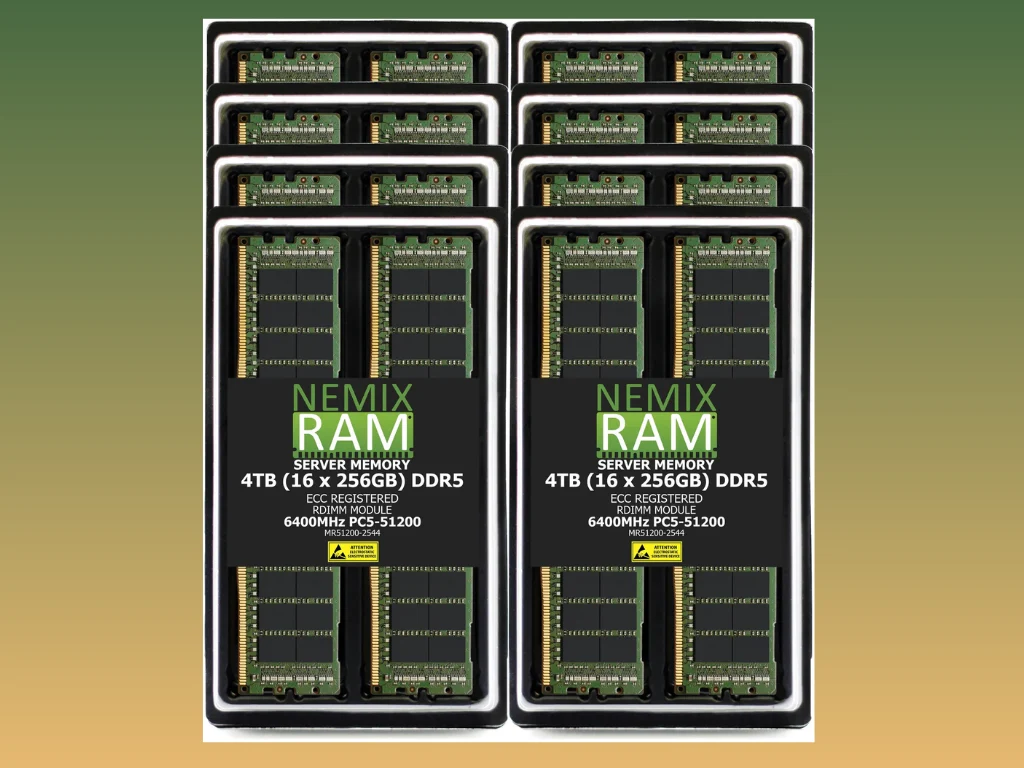
    While many gamers likely won’t be using ultra-high-capacity memory any time soon due to the current costs, a new RAM kit has emerged in the market. However, this isn’t exactly a budget-friendly option. This latest DDR5 RAM kit is from NEMIX, an American company that focuses on memory and storage solutions for government agencies and big tech companies. They have revealed an impressive 4 TB DDR5 memory kit that includes 16 individual 256GB ECC RDIMMs, with a staggering price tag of $76,999.

    Kit Specifications

    The 4TB DDR5 RAM kit from Nemix features modules that operate at a high speed of 6400 MT/s and have a CAS latency of 52. The starting price is approximately $70,800, though some listings have inflated the cost to $76,999.99.

    This positions Nemix’s RAM kit firmly within the reach of serious AI data centers, government initiatives, hyperscale data centers, and high-end workstation users who require top-notch bandwidth and performance without compromises.

    Why the High Price?

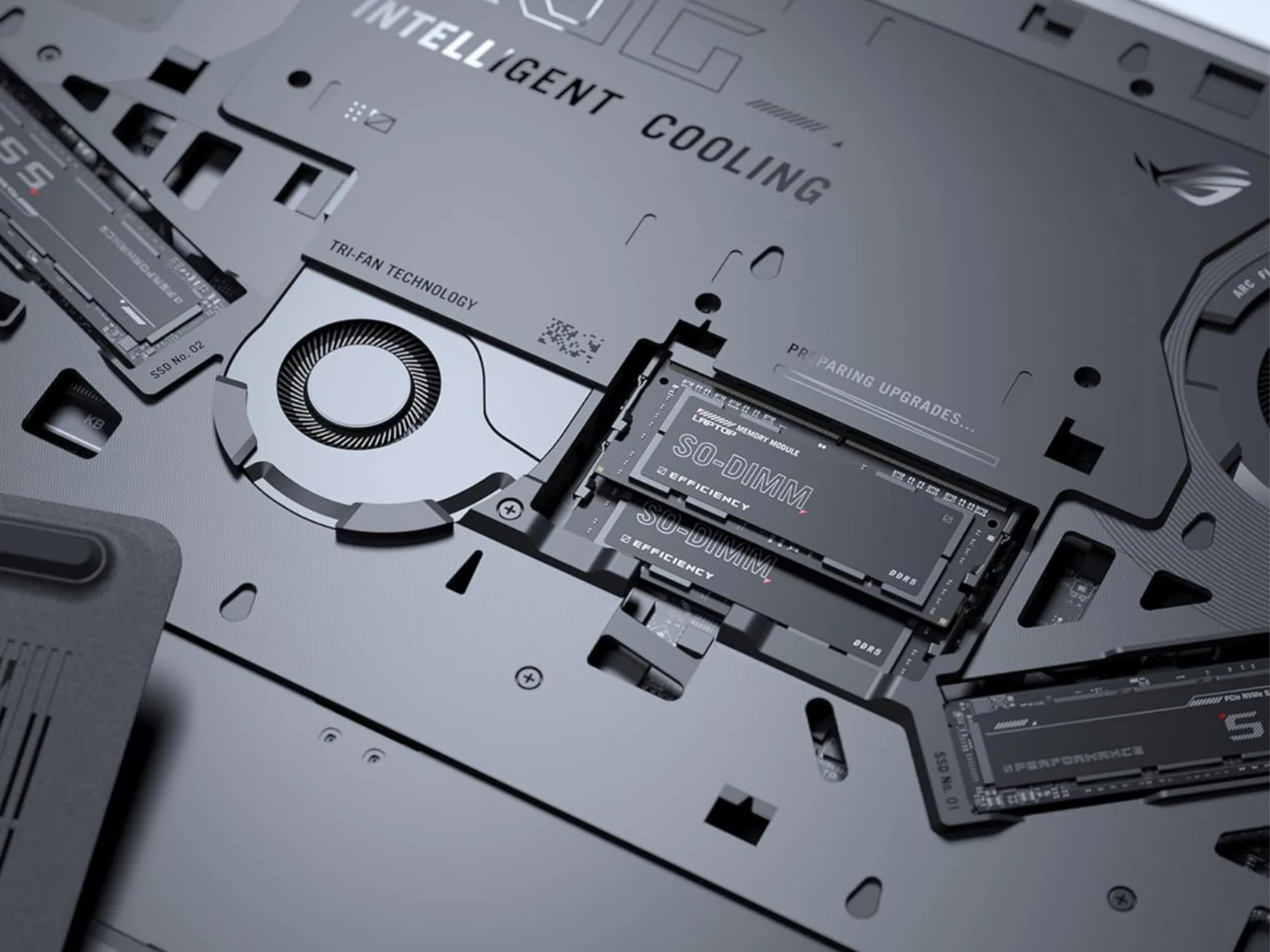
    Following the recent price hikes in RAM and storage, one might wonder why this kit is so pricey. The answer lies in the combination of the high density of the memory chips used and the significant amount of memory involved, along with features like ECC that make them fit for server-grade applications. These RAM kits come in various configurations, from 1Rx8 to 4Rx4, ensuring stable performance even under heavy loads.

    To give some context, these RAM kits are priced around $17–$18 per GB, which is nearly double the cost of consumer-grade DRAM, which can still be found for under $10/GB for similar memory modules, despite worsening supply conditions.

    Not for Gamers

    Naturally, Nemix’s 4TB DDR5 RDIMMs aren’t designed for gaming enthusiasts due to their relatively high CAS latency. Even if someone could afford them, no consumer-grade motherboard supports 16 RAM sticks, as most PCs typically have a limit of 4. For additional context, workstation-class PCs equipped with Threadripper CPUs can accommodate up to 8 DIMM slots. With multiple RAM kits appearing to be unavailable on their website, it seems that AI data centers, enterprise users, and hyperscalers are quickly purchasing these kits, even as DRAM supply becomes tighter.

    This highlights the growing demand for specialized memory to fulfill the ever-expanding requirements of data-heavy computations, even at a hefty price of almost $77,000 per kit.

    Source:
    Link


  • Anker Launches New 6-in-1 Compact Nano USB-C Hub at 5Gbps

    Anker Launches New 6-in-1 Compact Nano USB-C Hub at 5Gbps

    Key Takeaways

    1. The Anker Nano USB-C Hub (6-in-1, 5Gbps) is now available for purchase in the UK for £29.99.
    2. It features six ports, including USB-C and USB-A ports with 5 Gbps data transfer speeds.
    3. The hub has SD and TF card slots with a UHS-1 speed of 104 Mb/s.
    4. It includes a USB-C upstream port that provides up to 85W power and a data transfer rate of 10 Gbps.
    5. The HDMI port supports resolutions up to 4K@60Hz, and the device is compact and lightweight.


    A new accessory from Anker, the Nano USB-C Hub (6-in-1, 5Gbps), is now available for purchase in the UK. This small device seems to be the same removable hub that comes with the larger Anker Nano Docking Station (13-in-1, Triple Display, Built-In Removable Hub), which is currently priced at $149.99 on the Anker Store.

    Features and Ports

    The Anker Nano USB-C Hub, known by the model number A83C3, includes six ports in total. On one of the longer sides, you will find a 7.5W USB-C port and a 4.5W USB-A port, both capable of data transfer speeds up to 5 Gbps. Alongside these ports are SD and TF 3.0 card slots, which have a UHS-1 speed of 104 Mb/s. On the other edge, there is a USB-C upstream port that can provide up to 85W to power the host device, along with a data transfer rate of 10 Gbps.

    Additional Ports and Specifications

    Located on one of the shorter edges are the last two ports. The first one is a 100W USB-C PD input, while the other is an HDMI port that can support resolutions up to 4K@60Hz. This accessory is compact, measuring 41.9 x 80.0 x 11.9 mm (approximately 1.6 x 3.1 x 0.5 inches) and weighs 36.1 g (around 1.3 oz), featuring a sleek dark metallic gray finish.

    In the UK, you can currently get the Anker Nano USB-C Hub (6-in-1, 5Gbps) from the brand’s Amazon store for £29.99. It remains unclear when this accessory will be available in other parts of Europe or in markets like North America.

    Anker via Amazon

    Source:
    Link


  • Acemagic Launches Tank M1A Pro Plus Mini PC with 128GB RAM

    Acemagic Launches Tank M1A Pro Plus Mini PC with 128GB RAM

    Key Takeaways

    1. The Acemagic M1A Pro+ mini PC is available for pre-sale starting at $2,499, with a special discount code M1APRO100 to reduce the price to $2,399 until January 10, 2026.
    2. It features the AMD Ryzen AI Max+ 395 APU and the Radeon 8060S GPU, offering performance comparable to the RTX 4070 Laptop GPU for gaming.
    3. The mini PC comes with 128GB of LPDDR5x RAM, designed for efficient AI task management.
    4. It includes three M.2 PCIe 4.0 slots for storage, each supporting up to 4TB SSDs, along with multiple connectivity ports.
    5. The M1A Pro+ supports WiFi 7, Bluetooth 5.4, quad-display output, and features a sleek, futuristic design with a three-fan cooling system.


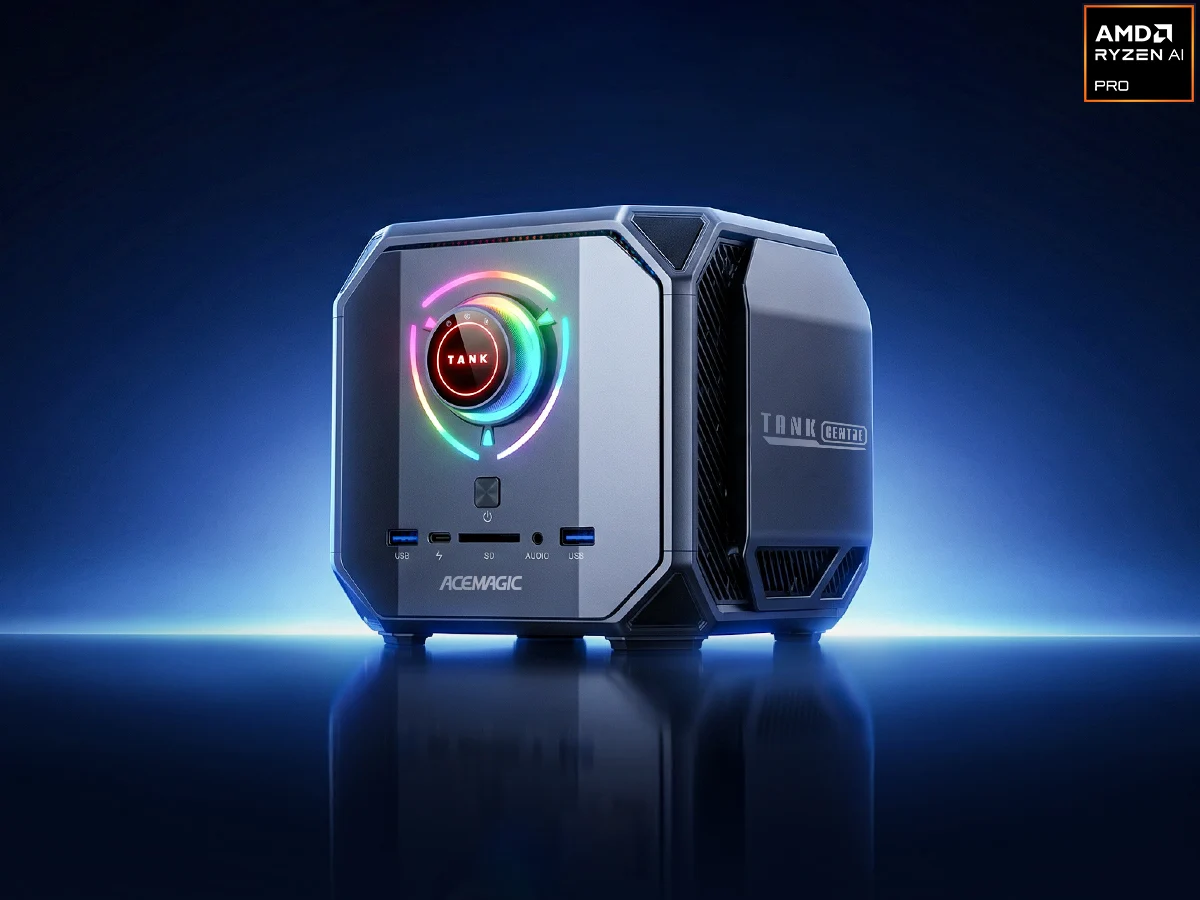
    Acemagic recently revealed an exciting new mini PC, the M1A Pro+, back in early December 2025. This system is now available for pre-sale, with a starting price of $2,499. For those eager to pre-order, there’s a special discount code you can use.

    Special Discount Available

    Using the code M1APRO100, you can get a $100 discount, bringing the pre-sale price down to $2,399. This discount will be available until January 10, 2026, so if you’re interested, now’s a good time to act. The mini PC itself is a powerful Strix Halo system, equipped with the AMD Ryzen AI Max+ 395, which is currently the best option in its lineup.

    Impressive Performance Specs

    The AMD APU includes the Radeon 8060S, the leading integrated GPU from the company, and it performs comparably to the RTX 4070 Laptop GPU for gaming. With a whopping 128GB of LPDDR5x RAM, Acemagic claims that this mini PC can manage AI tasks with great efficiency.

    In terms of storage options, the AMD mini PC offers three M.2 PCIe 4.0 slots, each capable of supporting a 4TB SSD (the WD_BLACK SN850X is currently priced at $402.99 on Amazon). It also has an array of connectivity ports, making it versatile for various uses.

    Connectivity and Design Features

    For wireless capabilities, the Acemagic M1A Pro Plus includes WiFi 7 and Bluetooth 5.4. Other notable features include support for quad-display output, a sleek design that feels quite futuristic, and a cooling system with three fans. Don’t forget to take a look at the images attached below to get more insights about the mini PC.

    Source:
    Link


  • Affordable Lenovo ThinkPlus 190W Power Bank with Built-in Cable

    Affordable Lenovo ThinkPlus 190W Power Bank with Built-in Cable

    Key Takeaways

    1. The Lenovo ThinkPlus 190W power bank can charge three devices at once with multiple port options: one USB Type-C, one USB-A, and an integrated USB-C cable.
    2. It delivers up to 140W through the USB-C port and integrated cable, with a total output of 190W when used together, and 145W when all ports are in use.
    3. The power bank supports 100W self-charging, allowing for quick recharging of its 20,000mAh capacity.
    4. It features a built-in display that shows charging details, internal battery level, and operational temperature.
    5. Launched in China for approximately $37 (CNY 259), there is no news on its international availability yet.


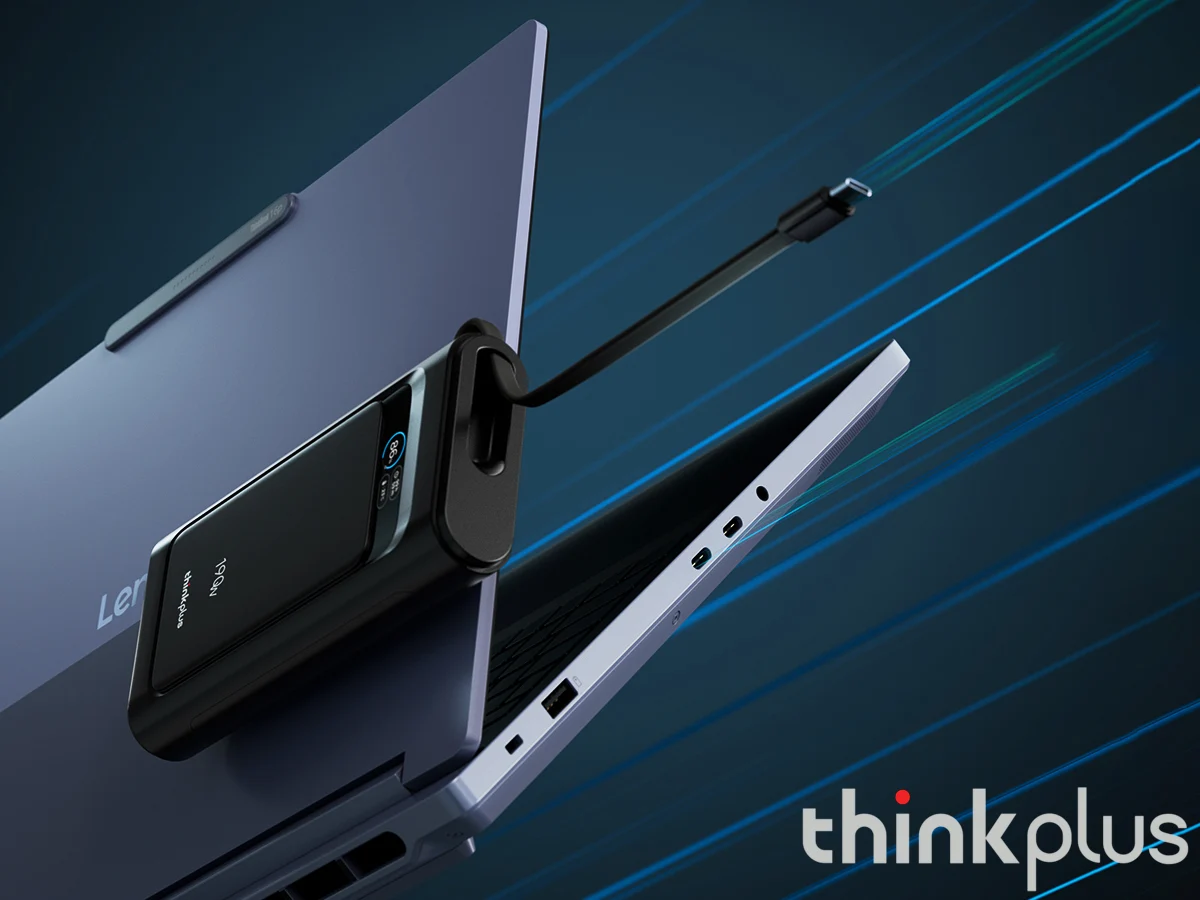
    The Lenovo ThinkPlus accessory collection has expanded with the introduction of a new 190W power bank. This portable charger comes in both Black and White colors and is capable of charging three devices simultaneously. It includes one USB Type-C port, one USB-A port, and has an integrated USB-C cable.

    Powerful Charging Options

    Among the ports, the USB-C cable and the USB-C port can deliver up to 140W of power, while the USB-A port provides a maximum of 30W. When the integrated USB-C cable is used alongside the USB-C port, the total output can hit 190W. However, if all three ports are being utilized at the same time, the combined output will be 145W.

    Quick Recharging and Capacity

    Lenovo emphasizes that this power bank supports 100W self-charging, making it possible to recharge the internal battery quickly (160W Anker Prime charger currently priced at $115.99 on Amazon). This ThinkPlus portable charger boasts a capacity of 20,000mAh, which is sufficient to recharge most smartphones multiple times.

    Additional Features and Availability

    A standout feature of the ThinkPlus 190W power bank is its built-in display. This screen provides essential charging details, such as the power output for each port, the internal battery level, and the operational temperature.

    Moreover, the power bank has a compact design and supports key charging standards like PPS, PD 3.0, and QC 3.0. Lenovo has launched this ThinkPlus portable charger in China for CNY 259, which is approximately $37. There has been no official announcement regarding its international release, as Lenovo typically does not extend its ThinkPlus accessories beyond the Chinese market.

    Source:
    Link


  • Minisforum DEG2 Launches as OCuLink and TB5 eGPU Dock Worldwide

    Minisforum DEG2 Launches as OCuLink and TB5 eGPU Dock Worldwide

    Key Takeaways

    1. The new DEG2 eGPU dock features two Thunderbolt 5 ports, offering 80 Gbps bandwidth, while retaining OCuLink connectivity.
    2. The DEG2 does not include a built-in power supply unit (PSU) but provides a metal brace and screws for securing an external PSU.
    3. It introduces an M.2 2280 slot for SSDs, along with 2.5 Gigabit LAN and USB Type-A ports for expanded connectivity options.
    4. The retail price of the DEG2 is $299, currently available for pre-order at $239.90, with shipping starting in January 2026.
    5. The DEG2 outperforms the original DEG1 with significant design updates while maintaining the same 64 Gbps bandwidth for graphics cards through PCIe 4.0 x4.


    Minisforum is wrapping up the year by launching its much-anticipated successor to the DEG1 eGPU dock, which is currently priced at $99 on Amazon. The original DEG1, released over a year and a half ago, featured an OCuLink 4i connector alongside a 16-pin PCIe 4.0 connector, all within dimensions of 270 x 175 x 41 mm. With an impressive bandwidth of 64 Gbps, it outperformed Thunderbolt 4 and USB4 eGPU docks and included a 24-pin connector for connecting ATX or SFX power supplies.

    Changes in Design

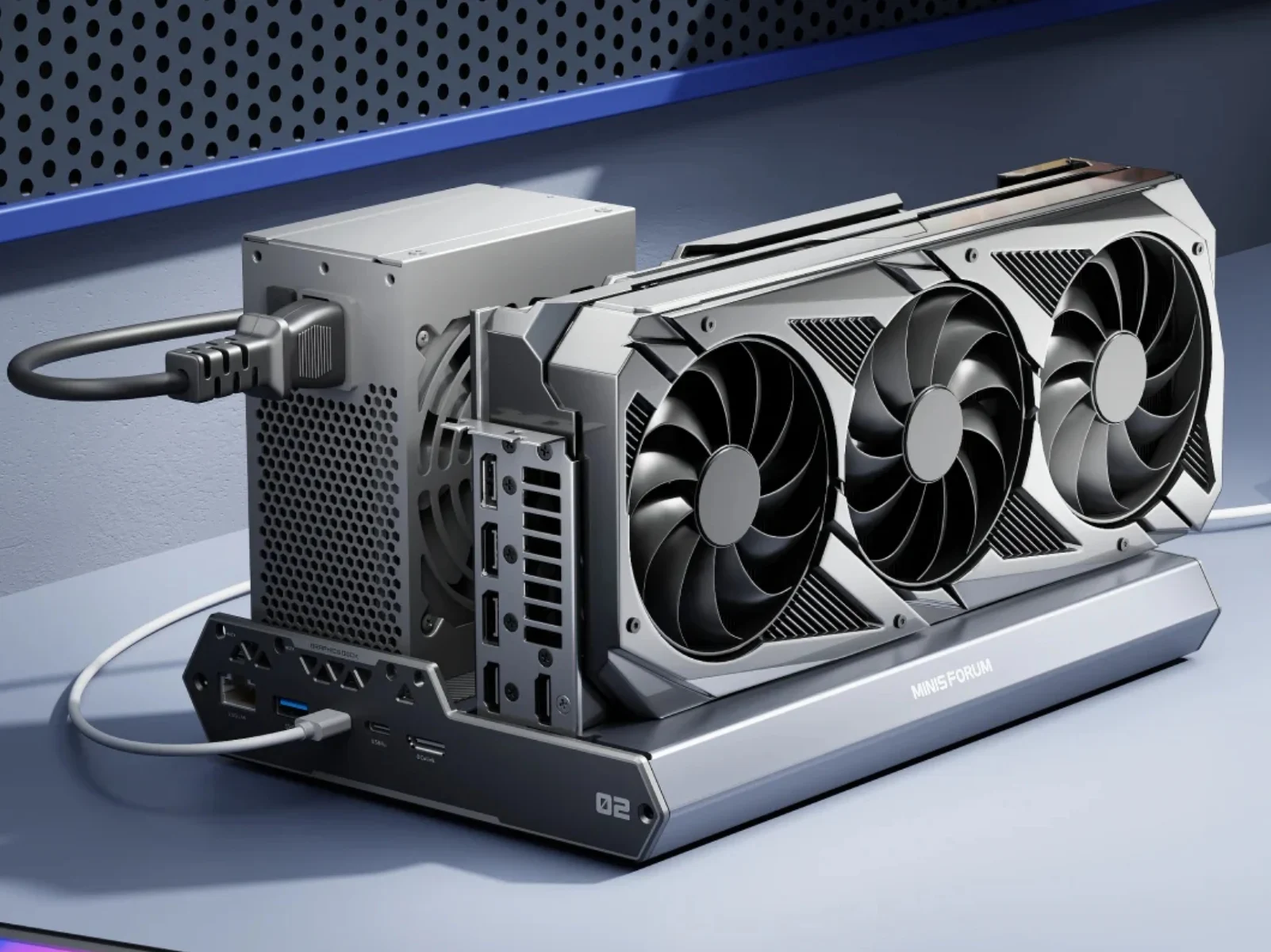
    The DEG2 sticks to this design philosophy but does not come with a built-in power supply unit (PSU). Instead, Minisforum has provided screws to secure a PSU, preventing the graphics card from moving with a metal brace included in the package. While these features are also present in the DEG1, the DEG2 incorporates some significant updates.

    New Features

    For starters, the DEG2 introduces two Thunderbolt 5 ports without losing OCuLink connectivity, unlike the Peladn Link S-3. As per Minisforum, both Thunderbolt 5 ports offer a bandwidth of 80 Gbps, while still providing the same 64 Gbps to graphics cards through PCIe 4.0 x4 as with OCuLink. Additionally, one of the Thunderbolt 5 ports supports charging up to 140 W, while the other tops out at just 30 W.

    Expansion Options

    Moreover, the DEG2 features several expansion possibilities that were not available in the DEG1. As illustrated in the image below, Minisforum has added an M.2 2280 slot for an SSD, along with 2.5 Gigabit LAN and USB Type-A ports located on both ends. The retail price of the Minisforum DEG2 is $299 in the US, but it is currently available for pre-order at $239.90, with shipping expected to begin in January 2026 in various regions. At the moment, Minisforum is also offering its latest eGPU dock in markets like Australia, Canada, Japan, South Korea, and across the Eurozone too.

    Source:
    Link


  • Hubble Captures Stunning Image of Galaxy Pair in Long-Distance Relationship

    Hubble Captures Stunning Image of Galaxy Pair in Long-Distance Relationship

    Key Takeaways

    1. Arp 4 consists of two galaxies: MCG-02-05-050 (larger) and MCG-02-05-050a (smaller) in the constellation Cetus.
    2. MCG-02-05-050 features blue, fragmented spiral arms and a faint central disk, while MCG-02-05-050a has bright, distinct spiral arms.
    3. The galaxies appear close together but are actually very far apart: MCG-02-05-050 is 65 million light-years away, and MCG-02-05-050a is 675 million light-years away.
    4. The smaller galaxy MCG-02-05-050a is ten times further from Earth than MCG-02-05-050, suggesting a chance visual effect rather than true proximity.
    5. The name “Arp” comes from the Atlas of Peculiar Galaxies, created by astronomer Halton Arp in the 1960s, with studies advanced by the Hubble Space Telescope.


    Arp 4 is a pair of galaxies found in the constellation Cetus, which is also known as The Whale. This duo includes a larger galaxy named MCG-02-05-050 and a smaller companion galaxy called MCG-02-05-050a.

    Visual Characteristics

    In the provided image, MCG-02-05-050 is recognizable by its blue, fragmented spiral arms along with a faint disk at the center. Its companion, MCG-02-05-050a, can be seen in the upper left corner and is notable for its bright and distinct spiral arms.

    Distance Between Galaxies

    When observed from Earth, these galaxies seem to be in close proximity. However, they are actually quite far apart. MCG-02-05-050 is located about 65 million light-years from our planet, while its smaller counterpart, MCG-02-05-050a, is situated at a distance of 675 million light-years away.

    In fact, MCG-02-05-050a is ten times further away from us than MCG-02-05-050. This information suggests that the smaller galaxy might actually be the bigger one of the pair. The reason they appear so close together is merely a chance visual effect, not a true spatial relation.

    Historical Context

    The designation “Arp” is derived from the Atlas of Peculiar Galaxies, a catalog created by the astronomer Halton Arp in the 1960s. Since the launch of the Hubble Space Telescope, the exploration of the galaxies in this catalog has been significantly advanced.

    Source:
    Link


  • Lenovo May Delay Laptop Launches as Memory Prices Surge 45% in 2026

    Lenovo May Delay Laptop Launches as Memory Prices Surge 45% in 2026

    Key Takeaways

    1. Laptop manufacturers are facing rising memory prices, which could disrupt plans for new models at CES 2026.
    2. Companies are urgently securing DRAM supplies from major suppliers like Samsung, Micron, and SK Hynix to maintain prices.
    3. Projected increases in DDR5 RAM costs could reach 45% by the end of 2026, significantly impacting laptop manufacturing expenses.
    4. The AI sector’s demand for NAND memory is driving up SSD prices, contributing to overall cost pressures in laptop production.
    5. Some companies, like Maingear, are adapting by encouraging customers to provide their own memory modules, but this may not lead to substantial savings.


    CES 2026 is set to showcase a new wave of laptops for work and gaming from well-known brands like Lenovo and HP. However, the rising prices of memory could potentially disrupt their plans. A recent article in the Korean business paper, Chosun Biz, indicates that delays could be one of the solutions.

    Pricing Pressures

    To keep the MSRPs of their products from rising, laptop manufacturers are making urgent efforts to obtain more DRAM. According to sources from Chosun Biz, several companies have made preliminary agreements with major suppliers such as Samsung, Micron, and SK Hynix. Nevertheless, this might not stop DDR5 RAM costs from jumping a staggering 45% by the end of 2026.

    Supply Chain Challenges

    The situation worsens with the AI sector dominating the NAND market, leading to pricier SSDs that heighten the anxiety surrounding costs. TrendForce is cited in the report, projecting that memory and storage expenses could make up to 23% of the overall laptop manufacturing costs. An insider disclosed that one company is considering increasing the prices of its premium devices by as much as 30%.

    Before this memory crisis, PC sales were on the rise, largely due to mandatory Windows 11 updates. However, this trend may soon reverse in 2026, as consumers might shy away from Lenovo laptops and options from their competitors. As the decline in sales becomes apparent, delaying product launches could be a way forward.

    Industry Reactions

    Other brands like Dell and Framework have already communicated upcoming price increases. Still, different companies are responding in various ways to the surge in memory costs. Asus was rumored to be looking into manufacturing its own DDR5 RAM but later refuted that.

    Manufacturers lacking direct connections to the top three memory providers find themselves in a particularly risky position. For instance, Maingear, a U.S.-based company, is now suggesting that customers send in their own memory modules for custom builds. However, unless older parts are reused, this approach won’t offer significant savings to buyers.

    Source:
    Link


  • Lenovo Should Simplify ThinkPad X1 Carbon Options for Clarity

    Lenovo Should Simplify ThinkPad X1 Carbon Options for Clarity

    Key Takeaways

    1. Initial model of the Lenovo ThinkPad X1 Carbon Gen 13 had limited options, featuring only an OLED display and an Intel Lunar Lake processor.
    2. In 2025, Lenovo expanded the model lineup to include six different display options and introduced a sturdier Aluminum chassis for 5G versions.
    3. There are now 15 processor options available, including Intel Lunar Lake and Intel Arrow Lake series.
    4. Some new choices may not provide clear advantages, leading to confusion among customers regarding the best options.
    5. Lenovo should consider simplifying the selection process to reduce confusion for potential buyers.


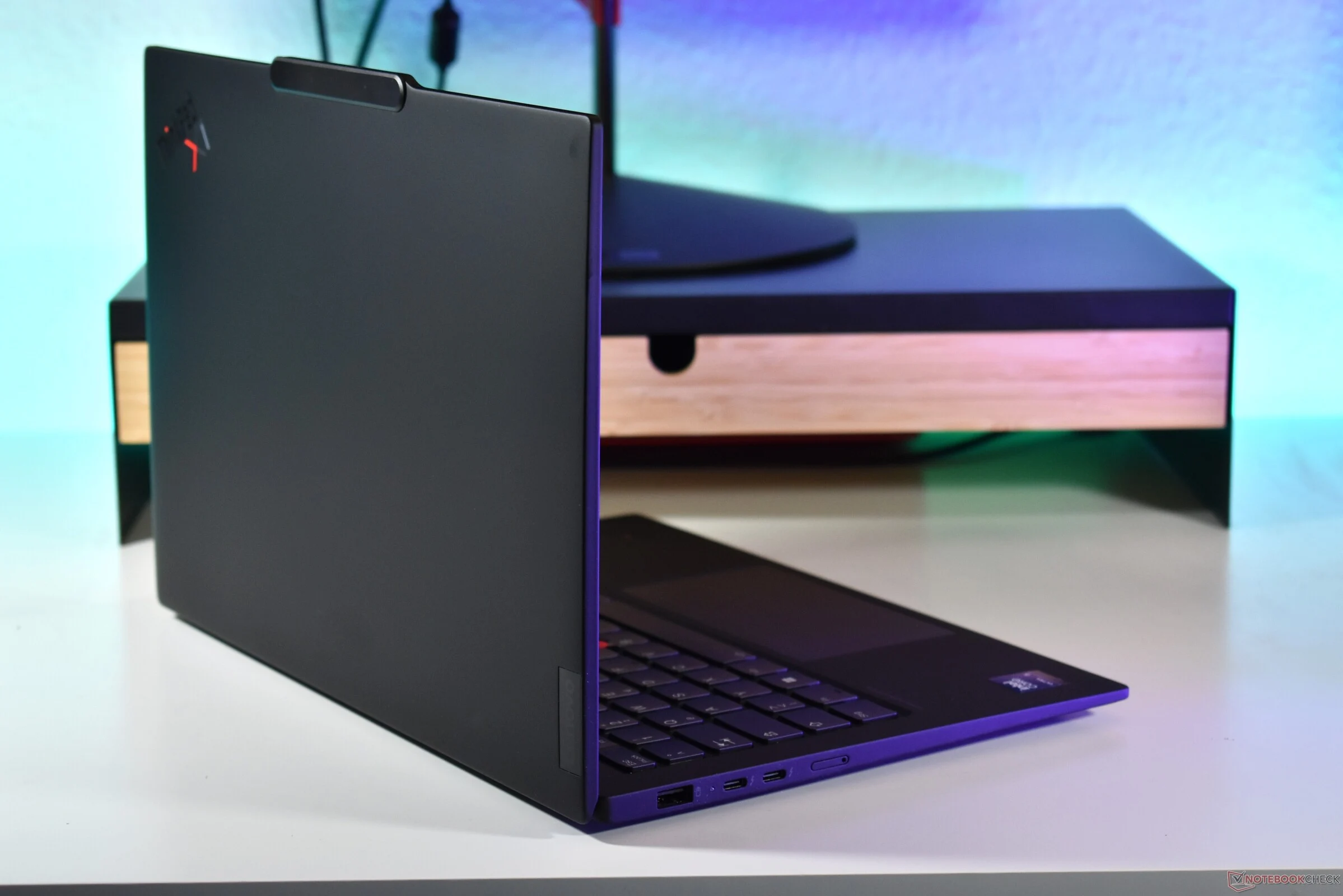
    When we initially examined the Lenovo ThinkPad X1 Carbon Gen 13 (available on Amazon) in December 2024, it was straightforward: there was essentially just one model to choose from, which featured an OLED display, an Intel Lunar Lake processor, and a lightweight Magnesium body. At that time, the limited choices were a downside, as there were no energy-efficient IPS screens offered, nor was 5G connectivity available for users wanting to be mobile.

    Expanded Options in 2025

    As 2025 unfolded, Lenovo made significant changes by introducing a wider array of options. They added multiple display choices, totaling six different screens now, and also introduced a sturdier Aluminum chassis for the 5G versions, along with a plethora of new processors. According to Lenovo’s specifications, there are now a whopping 15 processors available for this compact, high-end business laptop. This includes the complete range of Intel Lunar Lake (Core Ultra 200V), Intel Arrow Lake U (Core Ultra 200U), and Intel Arrow Lake H (Core Ultra 200H).

    Confusion Over Choices

    This variety might seem excessive, especially since some choices aren’t particularly advantageous. We recently evaluated the version of the Lenovo ThinkPad X1 Carbon Gen 13 that comes with the Intel Arrow Lake U, and it’s evident that this is a less favorable option compared to Lunar Lake, except for the unique 64 GB variant that only Arrow Lake U offers. Moreover, for customers, it’s not always clear which chassis they will receive: while the lightweight Magnesium models do not support 5G, there are instances where you might receive the heavier Aluminum option even if you didn’t choose 5G.

    In summary, Lenovo ought to streamline the available options and simplify the decision-making process, as the current situation is merely perplexing.

  • Core Ultra 9 285H vs. Core Ultra 7 255H: Minimal Benefits

    Core Ultra 9 285H vs. Core Ultra 7 255H: Minimal Benefits

    Key Takeaways

    1. The performance difference between the Core Ultra 7 255H and Core Ultra 9 285H is minimal, averaging just a 6% speed increase for the 285H.
    2. In some cases, laptops with the Core Ultra 7 can outperform those with the Core Ultra 9 due to factors like design and cooling systems.
    3. The higher cost of the Core Ultra 9 285H is often not justified by its performance advantages in most scenarios.
    4. Availability issues complicate the choice for consumers, as the Core Ultra 7 is sometimes harder to find in certain regions.
    5. The Lenovo Yoga Pro 9 16 G10 is mainly offered with the Core Ultra 9, making Core Ultra 7 options less accessible and often more expensive than necessary.


    The Core Ultra 7 255H and Core Ultra 9 285H are among Intel’s top-performing H-series processors in the mobile Arrow Lake series. In practice, though, the difference between these two CPUs is merely a few hundred MHz, meaning the performance gap is not significant. After testing over two dozen laptops with these processors, it’s clear that choosing the Core Ultra 9 285H often doesn’t justify the additional cost in most situations.

    Performance Comparison

    The chart below reveals that laptops equipped with the Core Ultra 9 285H are just 6 percent quicker on average than those with the Core Ultra 7 255H. This slight difference means that in certain instances, machines running the Core Ultra 7 can actually outperform those with the Core Ultra 9, as seen with the Lenovo Yoga Pro 9 16IAH G10 compared to the MSI Prestige 16 AI Evo. This indicates that the laptop’s design and cooling system may have a bigger impact on performance than the CPU model itself in this specific case.

    Availability Issues

    While choosing the Core Ultra 7 255H seems like an obvious choice for most consumers, it’s not always straightforward. For instance, the Lenovo Yoga Pro 9 16 G10 is primarily sold with the Core Ultra 9 CPU in the United States, making it challenging to find cheaper Core Ultra 7 options based on the model or region. As a result, these laptops end up being pricier than they should be, considering their performance-to-cost ratio is relatively low.

  • Laptop Prices to Rise Again as DDR5 RAM Costs Surge

    Laptop Prices to Rise Again as DDR5 RAM Costs Surge

    Key Takeaways

    1. Framework is raising laptop prices due to increased costs from suppliers, specifically for DDR5 memory modules.
    2. This is the third price adjustment in two weeks, with a significant spike in memory prices occurring earlier in December.
    3. Customers are encouraged to buy their own DDR5 memory modules from other sources to save money.
    4. Framework is updating its online tools to help customers find compatible memory options and avoid compatibility issues.
    5. Future price increases may occur, and the company is committed to being transparent about ongoing RAM shortages and their impact on pricing.


    The rising prices of memory and RAM in the tech world are putting pressure not only on customers but also on laptop makers. Recently, Framework, a company famous for its modular and easily repairable laptops, shared news of another price ‘adjustment’ on DDR5 memory modules. This is the third time in just two weeks that they’ve changed prices, with the last change happening only a week ago. The company has even suggested that customers should consider purchasing their own DDR5 memory modules or look online for better offers or discounts.

    Latest Updates from Framework

    In the recent update (Dec 24th) on the Framework Blog, the company revealed that it is raising the prices of its laptops due to increased costs from suppliers, which are being calculated as a weighted average. The new rates include a fee of $10 per gigabyte for 8GB, 16GB, and 32GB modules, while 48GB sticks are priced slightly higher. This comes after a 50% spike in memory prices at the start of December, which led the company to stop selling individual memory modules to prevent scalping.

    Framework is encouraging customers to purchase their DIY Edition laptops and to provide their own memory modules if they find better prices elsewhere. The company is also planning to update its online configurators to feature a direct link to PCPartPicker. To help avoid compatibility issues, they have compiled a knowledge base of tested memory modules.

    Consumer Perspective

    In comparison to regular retail prices, Framework’s rates still come out cheaper. The company has made it clear that it is merely passing on the necessary costs from its suppliers and distributors, stating that they are not making any profit from these adjustments.

    This announcement about price increases comes during a time of ongoing global RAM shortages and disruptions in the supply chain, alongside rising demand from enterprises for servers and AI data centers that require large amounts of high-capacity memory.

    Framework’s actions are impacting its operations, as the company has been open about the challenges they face and is advising customers to search for their own RAM and find better deals if possible.

    Future Considerations

    Framework warns that additional price increases may happen, possibly as soon as January. Storage prices have also seen significant rises and are likely to follow the same trend as memory modules.

    Overall, Framework is trying to position itself as a trustworthy player in the laptop industry by being open about the serious RAM and memory issues, potentially earning goodwill from cost-conscious consumers while promising to reduce prices when supplier costs stabilize.

    Source:
    Link