
Key Takeaways
1. Higher DDR5 RAM prices could lead to more laptops with 8GB of RAM and a lower price-to-performance ratio.
2. Mid-range laptops are likely to feature more 8GB options, while models with 16GB or more will still meet user needs.
3. Premium laptops with 32GB or 64GB of DDR5 are expected to have higher prices, while budget models may struggle with reduced specifications.
4. Consumers are pushing for streamlined options without unnecessary software, but Windows’ increasing memory requirements pose a challenge.
5. The impact of high DDR5 RAM prices extends beyond laptops, affecting smartphone manufacturers and other tech devices.
Higher DDR5 RAM prices could significantly affect the market for several years. A recent report from TrendForce indicates that manufacturers might start producing more laptops with 8GB of RAM. However, consumers might have to deal with a lower price-to-performance ratio.
Price Increases and Consumer Choices
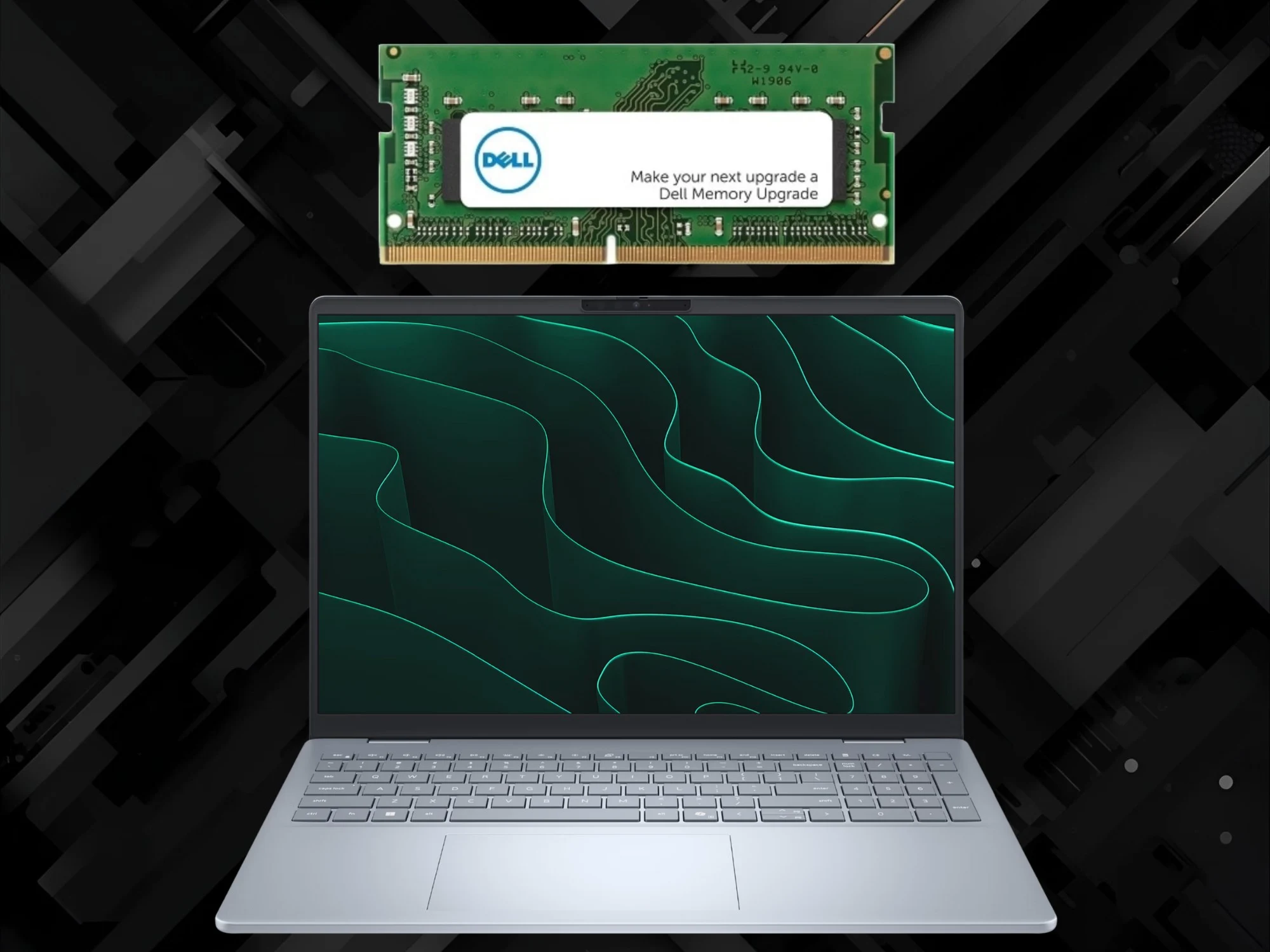
Big names like Dell and Framework have already raised the costs of memory upgrades. Because of this, it becomes harder to attract buyers with discounts on these devices. Downgrading specifications is not the best solution, but it might be the only way to keep prices manageable.
Changes in Mid-Range Models
TrendForce points out that the most significant shifts could happen with mid-range laptops. Models with 16GB or more memory can meet most user needs. The report forecasts that 8GB laptops will be much more prevalent in this price range. Those worried about performance might have to look at pricier options.
Premium Models and Budget Constraints
Luxury business or gaming laptops featuring 32GB or 64GB of DDR5 memory will likely see higher MSRPs. On the other hand, manufacturers are limited in how they can adjust budget laptops. Reducing their specifications could leave these affordable models struggling with even simple tasks on Windows 11.
Another challenge for manufacturers involves laptops that come with soldered DRAM. Specifically, ultrathin models would require redesigns to change their configurations.
Consumer Demands for Streamlined Options
To make way for less powerful laptops, buyers are urging vendors to remove unnecessary software. Sadly, many resource-heavy background processes are inherent to Windows. Every new iteration of the Microsoft operating system has used more memory, which has become an obvious problem now.
Although shoppers are feeling the sting of higher prices, it might not be until Q2 2026 that all laptops experience price increases. Some vendors are better equipped for the challenges ahead with larger reserves of components. Others may be willing to take losses, hoping the situation improves.
Broader Implications in Tech
With high demand from AI data centers, laptops using DDR5 RAM aren’t the only devices at risk. The TrendForce report also explains how smartphone manufacturers will adjust their inventories.
Source:
Link
Leave a Reply