
Key Takeaways
1. The ThinkPad P1 16 Gen 8 features a new tandem OLED touchscreen with exceptional brightness levels.
2. It can reach 600 nits in SDR mode and up to 1500 nits in HDR mode, outshining many competitors.
3. The tandem OLED display eliminates the halo effect often seen in mini-LED laptops, enhancing HDR content quality.
4. The high HDR brightness may not be necessary for the primary professional users of the workstation.
5. Lenovo may use this advanced panel in future premium multimedia and gaming laptops where HDR is more relevant.
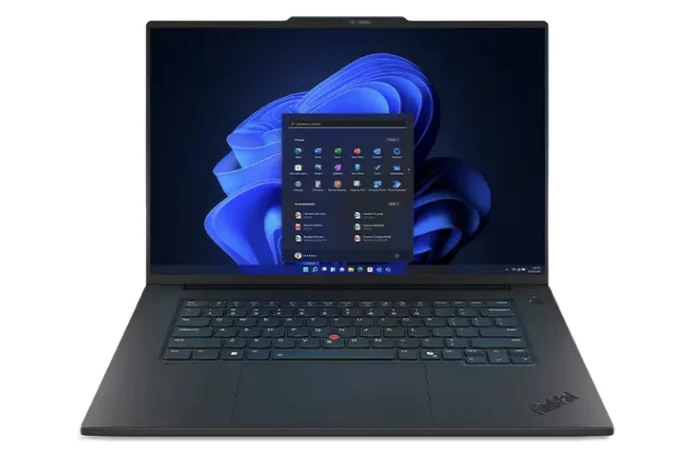
The ThinkPad P1 16 Gen 8 might appear just like its predecessor, the ThinkPad P1 16 Gen 7, but it comes with some noteworthy upgrades. A standout feature is the new tandem OLED touchscreen, which provides several advantages over standard OLED displays, notably its remarkable brightness levels. In fact, the ThinkPad P1 16 Gen 8 can achieve 600 nits in SDR mode and an impressive 1500 nits in HDR mode, a fact we verified using our independent X-Rite colorimeter.
Brightness Comparison
At 600 nits, this Lenovo workstation outshines many IPS or OLED multimedia laptops, which typically max out between 400 and 500 nits. When HDR is turned on, the maximum brightness of 1500 nits surpasses that of even high-end gaming laptops with mini-LED technology, such as the Razer Blade 18. Furthermore, the tandem OLED display does not experience the halo effect commonly seen in mini-LED laptops, resulting in HDR content looking exceptionally vivid on the ThinkPad P1 16 Gen 8.
Target Audience Consideration
However, having such a high HDR brightness feature on a mobile workstation feels a bit odd, since professionals who are the main users may not require such elevated brightness levels. It’s likely that Lenovo will incorporate this same panel option in some of their premium multimedia and Legion gaming laptops down the line, where HDR functionalities could be seen as a more valuable selling point.
Leave a Reply