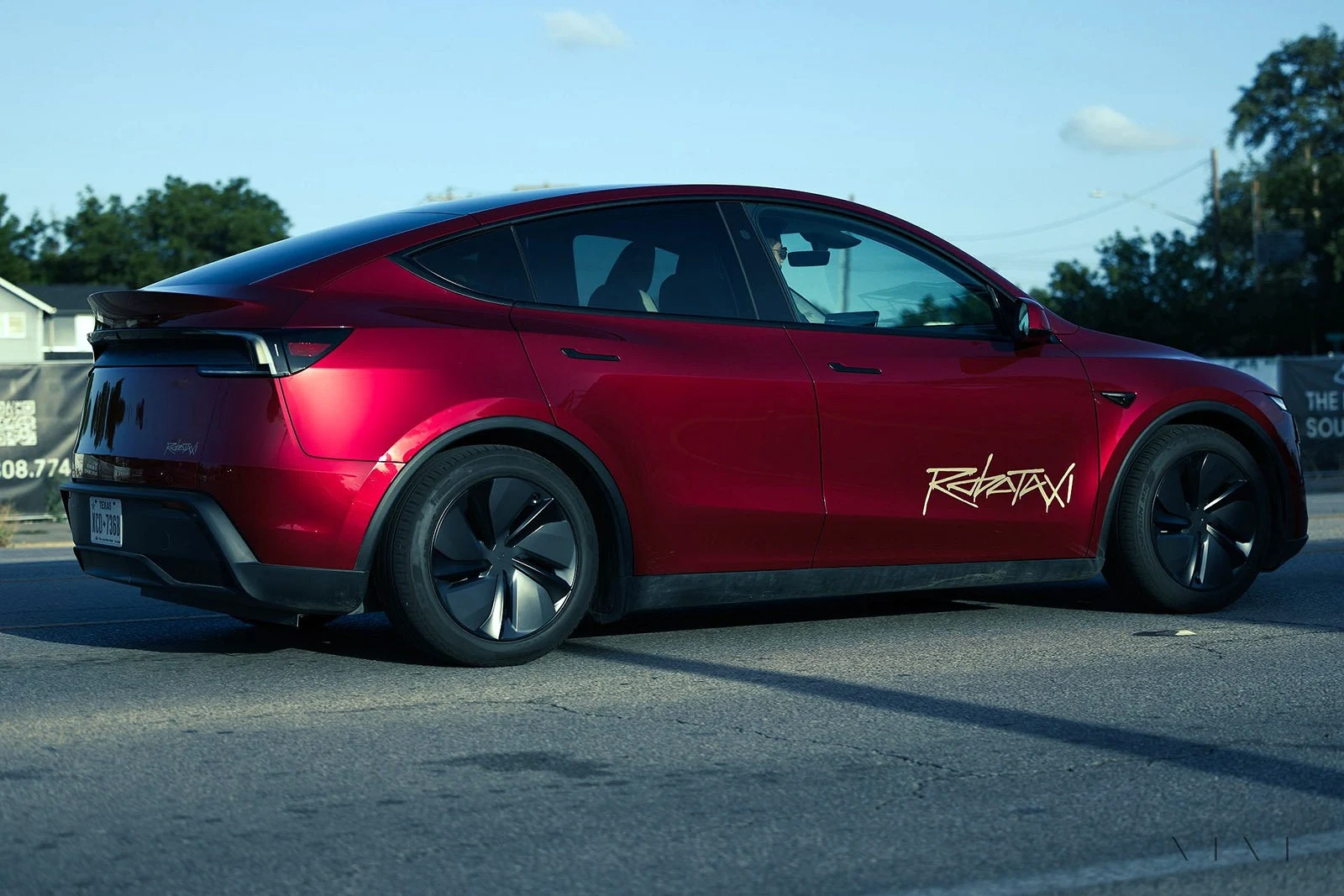
Category: EV vehicles

  • Tesla Model Y Financing Deals and Free Upgrades Available Now

    Tesla Model Y Financing Deals and Free Upgrades Available Now

    Key Takeaways

    1. Tesla has launched a new financing deal for the Model Y at a rate of 3.49%, down from 4.99%.
    2. The minimum down payment for the Model Y has been reduced to 5%, from the previous 15%.
    3. Customers can use the federal tax credit as part of their down payment for the Model Y.
    4. Tesla offers complimentary upgrades for customers purchasing inventory Model Y vehicles, including free color options and wheel upgrades.
    5. The new financing promotion is available for buyers with strong credit who ordered the Model Y on or after July 17, with no specified end date.


    It didn’t take much time after the last financing promotion for the Model Y before Tesla kicked off a new one. Even though demand is expected to remain strong this quarter, especially with the federal tax credit for the Model Y ending on September 30, the company aims to boost sales further.

    Previous Offers and Extensions

    Tesla had previously provided a 1.99% APR deal for the Model Y, which was originally set to end on June 16. However, it was extended until the end of last month, likely to help bolster their sales figures for the quarter.

    New Financing Deal

    Now that we are just past the first half of the month, Tesla is rolling out a new financing deal for the Model Y at a rate of 3.49%. This is a decrease from the 4.99% interest rate that has been in effect since the start of July.

    This promo financing is available for buyers with strong credit who ordered the Model Y on or after July 17. Notably, Tesla has not specified an end date for this offer, simply labeling it as “for a limited time.”

    Down Payment and Financing Terms

    Additionally, the minimum down payment has been lowered to just 5%, down from the standard 15%. Tesla has also stated that customers who qualify for the tax credit can apply it as part of their down payment on the Model Y. The financing terms range from 3 to 5 years, although the 72-month financing option does revert back to a 5% APR. Meanwhile, leasing for the Model Y now starts at only $349.

    Inventory Model Y Vehicles

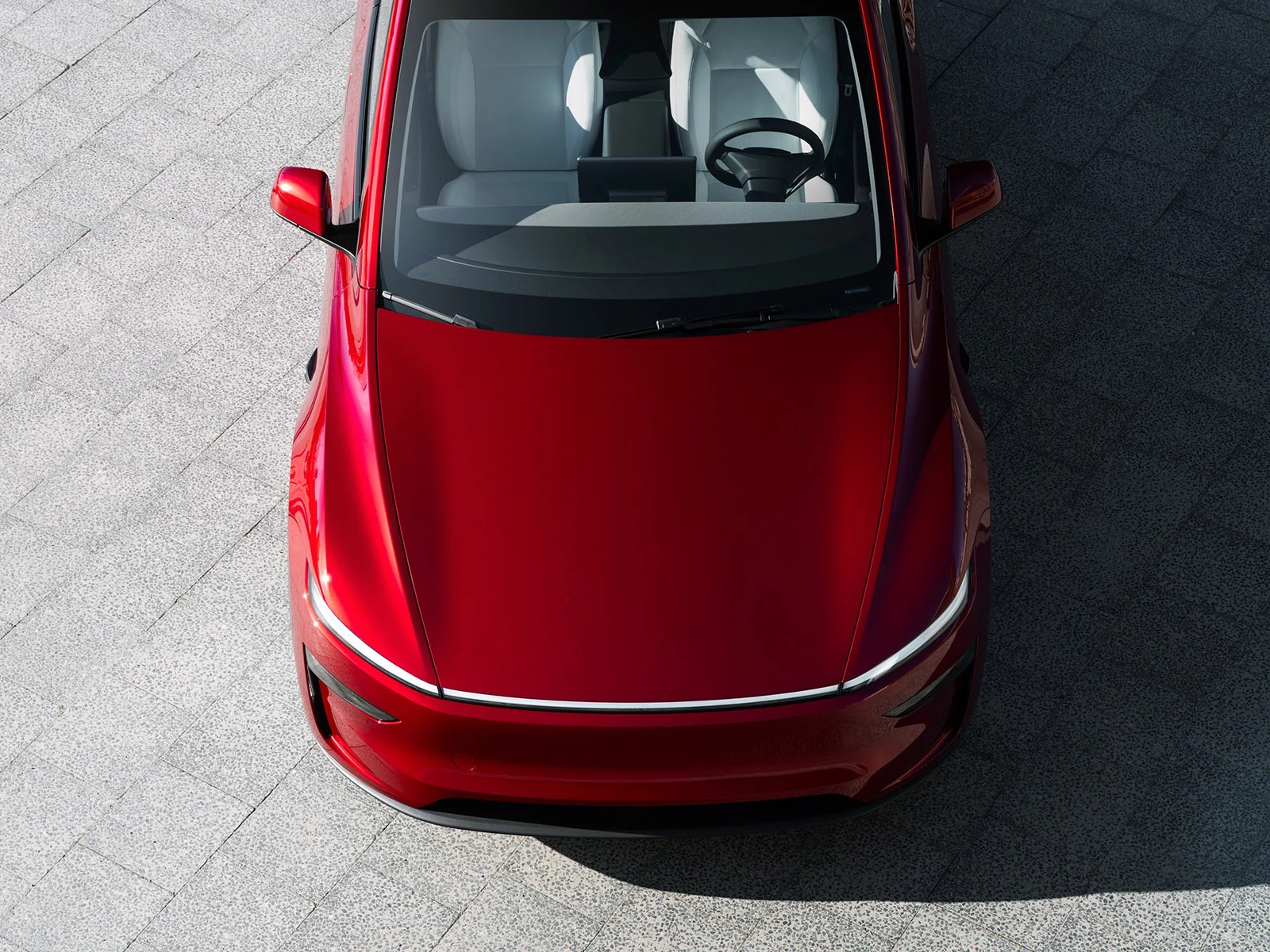
    Tesla has also launched an interesting promotion for their inventory Model Y vehicles. Customers who order a Model Y that is already in stock will receive one complimentary upgrade.

    Checking Tesla’s inventory shows that these free upgrades can differ by vehicle, including free color options that typically cost extra, along with 20″ wheel upgrades. There are also some free interior upgrades, providing various choices for buyers.

    Some colors for the Model Y, like Ultra Red or Quicksilver, are priced at $2,000, as are the 20” Helix 2.0 Wheels. This represents the maximum discount that Tesla is offering for an inventory Model Y with these features.

    For example, a Long Range RWD Model Y in Quicksilver can now be purchased for $37,490 instead of $39,490 after considering the tax credit. However, the new upgrade promotions cannot be combined, meaning you can’t get both a free color and free 20″ wheels at the same time.

    Source:
    Link

  • Model 3: Free Supercharging & 0% APR Financing with FSD

    Model 3: Free Supercharging & 0% APR Financing with FSD

    Key Takeaways

    1. Tesla has reintroduced 0% APR financing for the Model 3, with leases starting at $299/month and a 5% down payment required.
    2. The $7,500 federal tax credit for electric vehicles is set to expire on September 30, prompting Tesla to boost demand with new promotions.
    3. Buyers can only access the 0% APR financing if they purchase or transfer the Full Self-Driving (FSD) feature; otherwise, the rate is 2.49%.
    4. Customers who buy a Model 3 from July 17 onward will receive 18 months of free Supercharging, offering potential savings.
    5. Inventory Model 3s now include one complimentary upgrade option, such as free color or larger wheels, along with the same 18-month free Supercharging offer.


    Tesla has unveiled several new offers for the Model 3 that are intended to last for a short period, although there is no specific end date mentioned in the details.

    Financing and Leasing Options

    The 0% APR financing option for the Model 3 sedan from last quarter has returned, with leases starting at $299 per month. This zero-interest financing is available for terms of up to 60 months and requires only a 5% down payment. Buyers can also apply their federal tax credit of $7,500, if they qualify.

    This tax credit is set to expire on September 30, so Tesla is clearly pushing hard with promotions to boost demand before the government eliminates all electric vehicle subsidies.

    New Incentives for Buyers

    As Tesla expands its Robotaxi ride-share platform for current owners, it has also found a way to attract Model 3 buyers to opt for the Full Self-Driving (FSD) feature. The 0% APR financing rate is only available if they purchase FSD or transfer it from a previous vehicle. If not, the interest rate remains a low 2.49%, similar to the current promotion for the Model Y.

    Since many Tesla enthusiasts are now leaning towards the new 2026 Model Y instead of the Model 3, the company is adding another appealing benefit to the financing offer. Buyers who purchase a Model 3 from July 17 onward can enjoy free Supercharging for the first 18 months, which could result in significant savings based on how much they drive.

    Additional Offers and Discounts

    These terms are even more favorable compared to the similar offer Tesla launched in Canada a few weeks ago, which only provided Canadian customers with one year of free Supercharging.

    Additionally, Tesla is now extending the same complimentary upgrade option on inventory Model 3s that it has for the Model Y. Model 3 units listed in their inventory now come with one upgrade at no charge, whether it’s a free color or larger wheels.

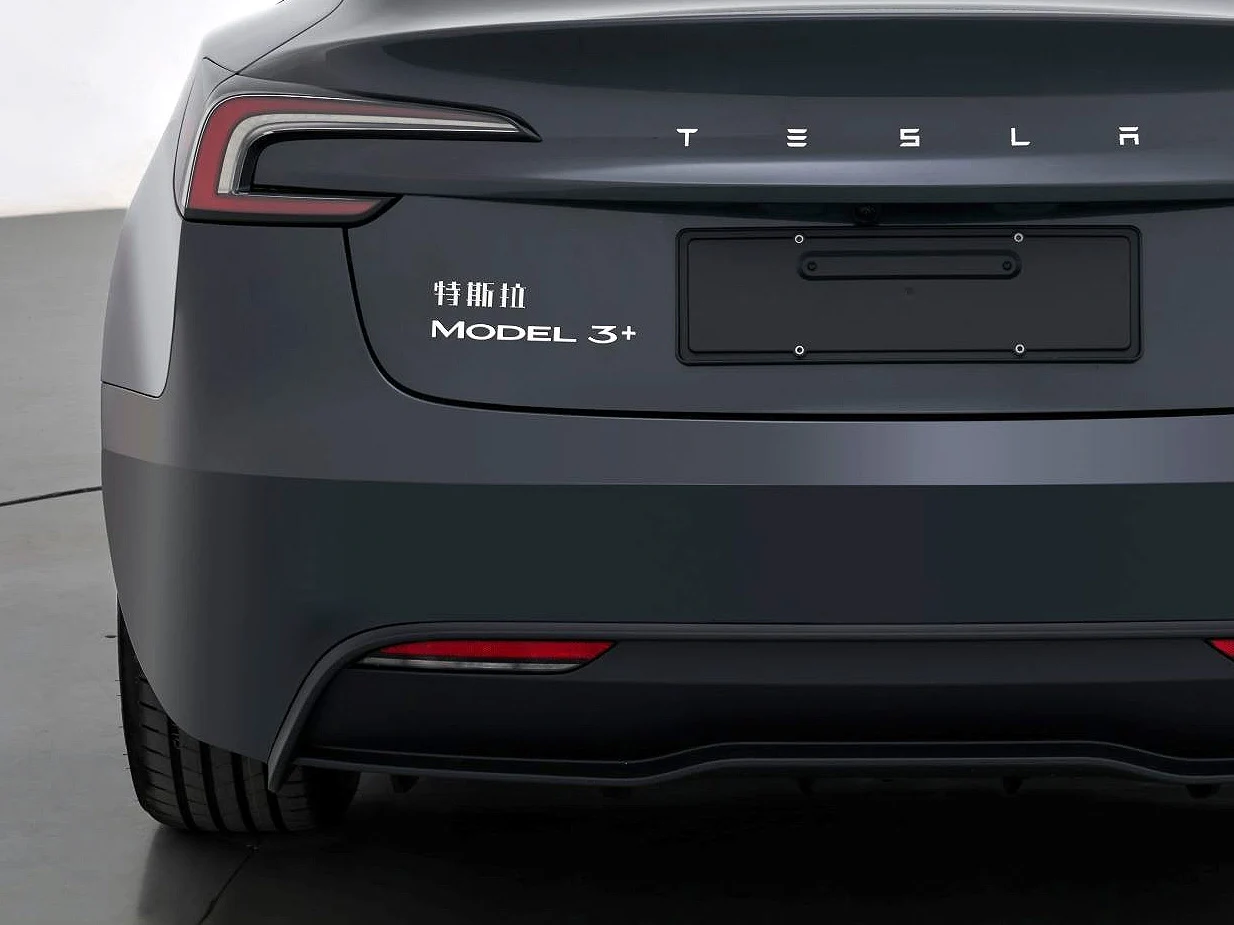
    For example, a fully equipped Model 3 Long Range Rear-Wheel Drive with a premium black and white interior and the larger 19″ Nova Wheels is priced at $44,990, which is $2,000 less than its usual price, matching the aggressive pricing of the Ultra Red color.

    However, unlike the Model Y inventory, we didn’t find any interior upgrades available for the current Model 3 options, just free colors and wheels. The 18-month free Supercharging offer also applies to these inventory Model 3 vehicles.

    Source:
    Link

  • Hyundai Ups Its Game Against Tesla with 48V System Upgrade

    Hyundai Ups Its Game Against Tesla with 48V System Upgrade

    Key Takeaways

    1. Hyundai is set to become the first major car manufacturer to transition its entire fleet from a 12V to a 48V electrical system by 2029.
    2. The shift to a 48V system is necessary for advanced vehicle features like autonomous driving and multimedia systems.
    3. Hyundai is revamping its vehicle electronics supply chain, focusing on a comprehensive 48V architecture rather than partial implementations.
    4. The company aims to create cost savings by developing 48V components that can be used for both vehicles and humanoid robots.
    5. Hyundai’s robotics division, expanded through the acquisition of Boston Dynamics, is also focusing on 48V systems for its humanoid robots.


    Hyundai is on track to be the first major car manufacturer to transition its entire fleet from the outdated 12V low-voltage system to a more modern 48V architecture.

    Upcoming Robot Competitors

    This change will also include Hyundai’s forthcoming humanoid robot competitors, which are being developed through its acquisition of Boston Dynamics.

    Hyundai, similar to Tesla with the Cybertruck, has recognized that the traditional 12V low-voltage system, which has powered vehicle electronics since the 1950s, is inadequate. Advanced features such as autonomous driving assistance, multimedia systems, and drive-by-wire capabilities demand a higher voltage to function effectively.

    Benefits of the 48V System

    Tesla has indicated that switching from a 12V to a 48V system allowed them to significantly reduce wiring and provide sufficient power for the motors used in rear-wheel steering. While the Cybertruck and certain other models utilize a 48V low-voltage system, they only apply it where it is practical.

    For example, the Cybertruck employs a lower voltage converter for its audio amplifiers, and in case the 48V battery fails, a standard 12V jump starter kit can be utilized.

    Hyundai’s Ambitious Plans

    In contrast, Hyundai is requesting its suppliers to completely revamp vehicle electronics to support a comprehensive 48V architecture. Understanding that this is a monumental task that can’t be completed quickly, the company intends to gradually build a 48V electronics supply chain by 2029. This approach aims to reduce the costs associated with this significant transition.

    Tesla also aimed for a similar outcome by making its 48V architecture manual publicly available for other automakers, hoping that as adoption grows, prices for these components will decrease. However, rather than partnering with Tesla or Chinese manufacturers, Hyundai is choosing to independently pursue this path to protect its supplier network. “The key is to maintain the hardware and software ecosystem for four years while slightly reducing profitability and changing the SDV and electrical component standard voltage,” revealed an insider.

    Robotics Division Expansion

    Following its acquisition of Boston Dynamics, Hyundai has established a substantial robotics division that is working on humanoid robots similar to Tesla’s Optimus, which also operates on a 48V system. The company aims to achieve additional cost savings by creating 48V electrical and electronic components that can be used interchangeably in both vehicle and robot production.

    Source:
    link

  • Tesla Model Y Robotaxi Ride Prices Expand Beyond Waymo Areas

    Tesla Model Y Robotaxi Ride Prices Expand Beyond Waymo Areas

    Key Takeaways

    1. Tesla has expanded its robotaxi service area beyond Waymo’s in Austin and raised ride fares by 65%, from $4.20 to $6.9.
    2. The new fare is a fixed price for rides, aimed at testing the Robotaxi app and payment system rather than generating profit.
    3. Tesla’s robotaxi service currently covers about 7% of Waymo’s area, with plans for further expansion to cities like San Francisco.
    4. Future two-seater Cybercabs may lower the cost per mile to around 25 cents, making the service more competitive.
    5. Cybercabs will use wireless charging and automatic cleaning, indicating advanced features for the Robotaxi platform in the future.


    The Tesla Robotaxi ride-share service has now expanded its reach beyond Waymo’s area in Austin, where it is currently running a pilot program.

    Price Increase

    In just three weeks since launching, Tesla has significantly increased the size of the geofenced robotaxi service area and, in a rather cheeky move, has also raised the ride fare. The cost of a robotaxi ride has jumped by an eye-catching 65%, soaring from $4.20 to the new price of $6.9.

    Elon Musk often includes the number 420 as a fun Easter egg, and with Tesla fans urging him to play with the number 69 ahead of the Robotaxi launch, this new fare might just be a playful joke—similar to the shape of the expanded service area on the map.

    Testing the Waters

    This $6.9 charge is a fixed price, no matter how many miles are traveled. The purpose of this pricing is not to recover operational costs or generate profit for Tesla, but mainly to test the Robotaxi app and its payment system.

    Currently, the Tesla Robotaxi platform covers about 7% of Waymo’s overall service area in the US, with plans to expand to San Francisco and other cities by year-end. This growth will necessitate Tesla to establish more realistic pricing soon, allowing for a fair comparison of its Robotaxi service with other ride-share options in the market.

    Future Prospects

    Elon Musk has stated that when the two-seater Cybercabs begin robotaxi service next year and are produced in larger quantities, the cost per mile could potentially drop to as low as 25 cents, making them highly competitive.

    However, the Cybercab won’t be able to utilize Superchargers or a Tesla wall connector; instead, they will be charged wirelessly on special pads and cleaned automatically by robots. This hints at exciting developments ahead for the Robotaxi platform, extending beyond its current trial in Austin.

    Source:
    link

  • Google Maps Now Available on Rivian R1T and R1S for Better Navigation

    Google Maps Now Available on Rivian R1T and R1S for Better Navigation

    Key Takeaways

    1. Rivian is integrating Google Maps into the R1T and R1S vehicles to improve navigation and address user complaints about the current system.
    2. Users have reported issues with Rivian’s existing navigation software, including inefficient routing and inaccurate ETAs.
    3. The update (version 2025.22) will replace the Mapbox platform, providing enhanced navigation features and real-time data from Google Maps.
    4. New features include tappable points of interest and satellite imagery, accessible with a Connect+ subscription.
    5. The update also introduces the Launch Cam feature for performance tracking and improvements in ride comfort and roll control for second-generation models.


    Rivian drivers have been experiencing some challenges with the standard navigation system found in the R1T and R1S electric vehicles. Many have been requesting a superior option or a complete overhaul, and Rivian has finally responded. The company has revealed that it will now be integrating Google Maps into their vehicles, which will provide more precise estimated times of arrival (ETAs), dependable navigation, and a host of features from Google Maps, including satellite imagery.

    Navigation Complaints

    Rivian’s current Mapbox-based software has drawn several complaints from users regarding navigation. Many posts on the Rivian subreddit highlight frustrations with inefficient routing, incorrect ETAs, and insufficient traffic updates. With the rollout of update version 2025.22 for both the first (2022 to 2024) and second-generation (2025) R1T and R1S electric vehicles, Google Maps will be fully incorporated into the Rivian navigation system, effectively replacing the Mapbox platform.

    Enhanced User Experience

    “This collaboration offers drivers the best of both worlds: leading mapping technology and updated data from Google Maps, combined with Rivian’s design and core EV-friendly features. Customers can look forward to high-quality navigation along with the Rivian user interface and essential functionalities like range on arrival estimates, charging scores, and choosing charging stops,” reads the official announcement regarding the update.

    The new features include tappable points of interest (POIs), allowing users to touch on locations of interest on the map to learn more about them. Additionally, the satellite imagery feature from Google Maps will also be part of this update, but users will need the Connect+ subscription to access it.

    Exciting New Features

    Moreover, the update introduces features such as the Launch Cam for the second-generation tri-motor and quad-motor models. This feature lets users capture Launch mode from five different camera angles while also providing live telemetry overlays detailing peak G-force, reaction times, 0-60 mph times, and quarter-mile performance. The second-generation vehicles will also benefit from new control software designed to enhance ride comfort and improve roll control during cornering maneuvers.

    Source:
    link

  • Recycling Tesla Car Batteries for Autonomous Transport Robots

    Recycling Tesla Car Batteries for Autonomous Transport Robots

    Key Takeaways

    1. Daedong Robotics has launched the RT100, an agricultural robot powered by repurposed Tesla vehicle batteries, highlighting innovative recycling practices.
    2. Poen specializes in upcycling EV batteries by testing and remanufacturing decommissioned Tesla battery cells into new packs for the RT100.
    3. The RT100 can follow farmers, assist in harvesting, and navigate uneven terrain with a load capacity of 300 kg and a speed of 5 mph.
    4. AI functionality allows the RT100 to respond to voice commands through the Daedong app, enhancing its usability in agricultural tasks.
    5. Companies like Redwood Materials demonstrate that over 95% of valuable materials from EV batteries can be recycled, promoting sustainability in energy solutions.


    Decommissioned batteries from older Tesla vehicles are now being repurposed to power autonomous transport robots used in agriculture.

    Innovations in Agricultural Robotics

    Daedong Robotics, known for its automated lawnmowers akin to the well-known Segway Navimow in the United States, has launched the RT100. This compact robot is designed for agricultural tasks and is powered by used battery cells sourced from Tesla cars. This initiative not only showcases recycling practices but also highlights the potential for reusing electric vehicle batteries.

    Collaboration for Sustainable Energy

    The RT100 features replaceable battery modules supplied by Poen, a company specializing in upcycling EV batteries. Poen tests individual cylindrical LG cells from decommissioned Tesla packs and disassembles those that still have enough capacity. They repair and remanufacture these cells into new battery packs, providing an economical power source for Daedong’s agricultural robots.

    Smart Functionality in the Field

    The RT100 follows farmers around, adjusting its loading bed to assist in collecting harvested fruit, then transports the produce to unload before heading back. With a 4×4 drivetrain, it is capable of navigating uneven ground and can easily maneuver in tight orchard spaces.

    The RT100 has a maximum load capacity of approximately 300 kg, or 662 pounds, and can reach speeds of five miles per hour. Additionally, it features AI functionality that allows it to respond to voice commands from its operator through the dedicated Daedong app.

    Recycling for a Greener Future

    According to Redwood Materials, a leading force in battery recycling and led by Tesla co-founder JB Straubel, more than 95% of valuable materials like lithium, nickel, and cobalt can be recovered after an electric vehicle battery pack’s life has ended.

    Like the collaborative efforts of Daedong and Poen, Redwood is also involved in EV battery upcycling initiatives. They are working on projects such as creating an energy storage system for local grids using old EV battery cells, demonstrating the practicality of these recycling efforts.

    Source:
    Link

  • Tesla Launches in New Country to Boost Sales Amid Challenges

    Tesla Launches in New Country to Boost Sales Amid Challenges

    Key Takeaways

    1. Tesla is planning to open its first showroom in Mumbai, with potential deliveries starting in August.
    2. The company faces significant challenges due to high import taxes (70%) on cars manufactured abroad, which could raise prices for Indian consumers.
    3. Previous discussions about building a local factory in India did not progress, increasing reliance on exports.
    4. Tesla is exploring the Indian market without full commitment, assessing potential demand before long-term investment.
    5. India’s growing awareness of environmental issues and advancements in electric vehicle technology could influence Tesla’s success in the market.


    For a number of months, Tesla has been seeing a steady drop in sales, and the company led by Elon Musk is on the lookout for new markets globally. India, home to more than one billion people, is a promising market, if the people there show interest in Tesla’s vehicles.

    Tesla’s Plans for India

    Bloomberg News has reported that the electric and self-driving car maker is planning to open its first showroom in Mumbai, with deliveries potentially starting as soon as August. Additionally, Tesla announced this initiative on social media, particularly on X, where they created an Indian account and shared a photo of the Mumbai skyline with the text: “Coming soon.”

    Challenges Ahead

    However, entering this market poses significant challenges for the American firm. It’s important to note that the pricing dynamics are quite different, influenced by lower wages and wealth levels in India compared to the US. To complicate matters, Tesla will need to export cars that are already manufactured, facing a hefty 70% import tax, as reported by Reuters. This could lead to Tesla’s prices soaring, making them less accessible for many Indians.

    Future Considerations

    Moreover, it’s worth mentioning that Tesla had previously initiated talks with Indian officials about constructing a factory locally. Unfortunately, those discussions did not progress. Establishing a factory in India would have helped mitigate several challenges, like the import taxes that will now apply.

    Consequently, many uncertainties linger regarding this situation. It’s plausible that Tesla intends to explore the Indian market before committing to a long-term operation. Additionally, India is currently witnessing rapid advancements in this sector along with an increasing awareness of environmental concerns. Therefore, it will be essential to keep a close eye on the outcomes of this venture to determine if it succeeds, helping the company to flourish, or if it ends up being another setback that could jeopardize its future.

    Source:
    Link

  • Xiaomi Reaches 300,000 Cars in Just 15 Months of Production

    Xiaomi Reaches 300,000 Cars in Just 15 Months of Production

    Key Takeaways

    1. Xiaomi has delivered over 300,000 cars in about 15 months since launching the SU7.
    2. The shipping time for the last 200,000 vehicles (232 days) was similar to the first 100,000 (230 days).
    3. Xiaomi currently offers two models: the SU7 sedan and the YU7 SUV, with significant pre-orders for the YU7.
    4. Plans to expand into Extended-Range Electric Vehicles (EREVs) are in the works.
    5. Xiaomi aims to enter the European market, having achieved all automotive success in China so far.


    Xiaomi has been active in the Automotive Division since April 2024, and they are now stating that they have delivered over 300,000 cars in the approximately 15 months since the SU7 was introduced.

    Shipping Timeline

    Interestingly, the time it took to ship the last roughly 200,000 vehicles is about the same as the time it took to reach the first 100,000. It took 232 days for the former, while the latter was achieved in 230 days.

    Xiaomi credits this rapid growth to the improvement of its car business infrastructure, which has apparently “exploded” to meet the high demand for its vehicles.

    Current Models

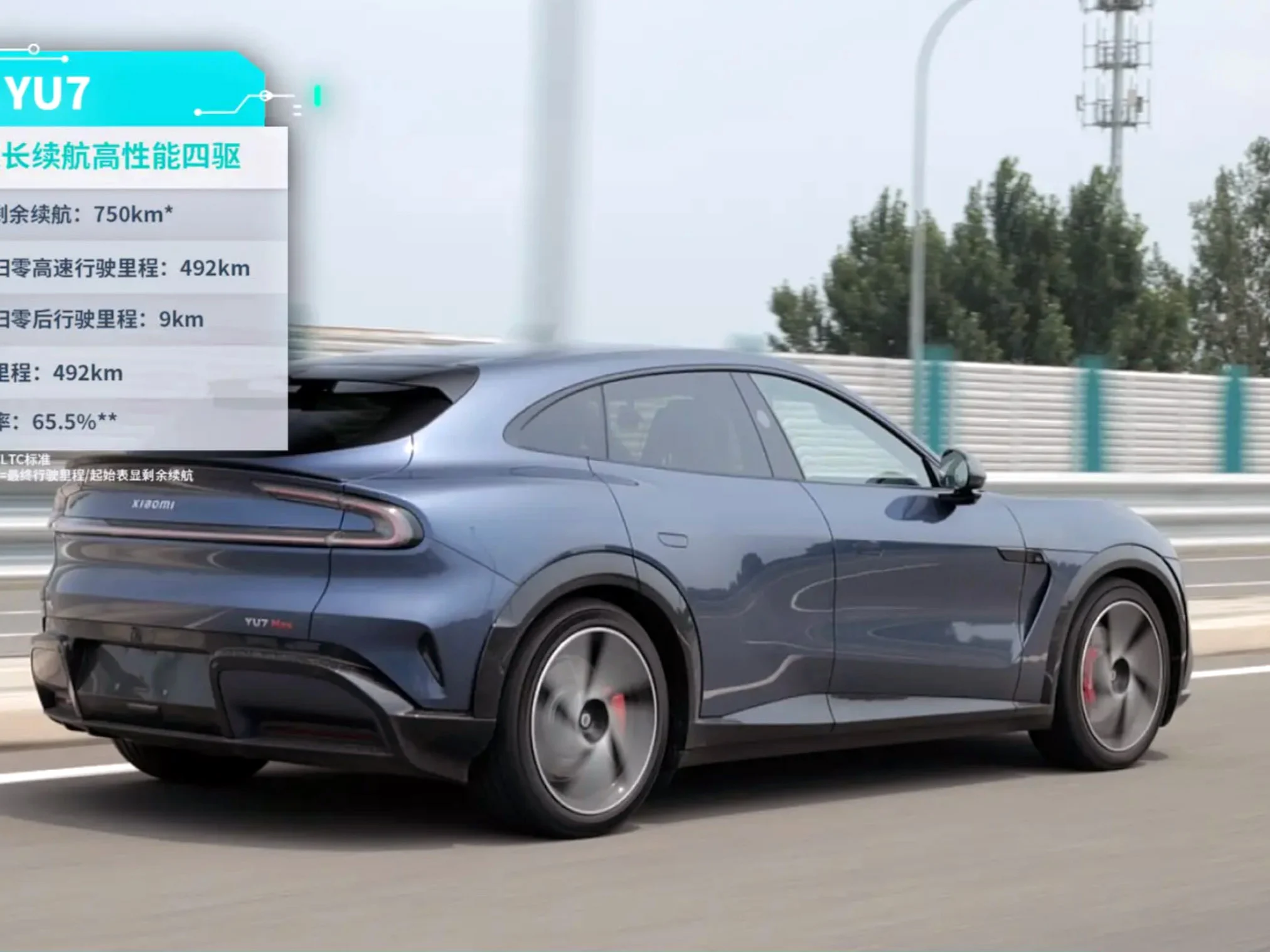
    At this moment, Xiaomi offers only two models: the SU7 sedan and the YU7 SUV.

    Both of these vehicles come in various versions, with the SU7 Ultra being the most well-known. This performance model is so popular that it can now be selected in Gran Turismo 7.

    In addition, Xiaomi claims to have received at least 240,000 pre-orders for the YU7.

    There are also reports of an Ultra version of the YU7, as well as a new, larger SUV model.

    Future Plans

    So far, all of Xiaomi’s cars have been electric vehicles (EVs), but they supposedly have plans to expand into Extended-Range Electric Vehicles (EREVs) soon.

    Lastly, all of Xiaomi’s automotive achievements have taken place in China, but it looks like they are aiming to enter the European market in the near future.

    Source:
    Link

  • PM2.5 Pollution from EV Charging May Raise Lung and Heart Risks

    PM2.5 Pollution from EV Charging May Raise Lung and Heart Risks

    Key Takeaways

    1. PM2.5 particles are smaller than 2.5 micrometers and can penetrate deeper into the body, making them more harmful than PM10 particles.
    2. Children living in high PM2.5 areas experience slower lung development, leading to smaller lungs by age 18.
    3. PM2.5 is linked to approximately 2,800 hospital admissions for heart and lung diseases and about 6,700 emergency visits for asthma each year in California.
    4. Research from UCLA found that PM2.5 levels at fast-charging EV stations were significantly higher than in urban areas without these stations.
    5. Power cabinets at level 3 EV chargers are a major source of PM2.5 emissions, with levels exceeding 300 micrograms per cubic meter, unlike level 1 and level 2 chargers that produce lower emissions.


    PM2.5 is a term that describes tiny particles that are 2.5 micrometers or smaller in size. While both PM2.5 and PM10 can harm health, PM2.5 is considered more dangerous because it can go deeper into the body.

    Impact on Children’s Health

    A study from the California Air Resources Board showed that kids who live in high PM2.5 areas have slower lung development. By the time they reach 18, their lungs are smaller than those of kids from areas with lower PM2.5 levels. Furthermore, PM2.5 is linked to around 2,800 hospital admissions for heart and lung diseases and approximately 6,700 emergency visits for asthma annually in California. There are also other health issues connected to PM2.5.

    Findings from UCLA Researchers

    A recent investigation by researchers at UCLA analyzed daily PM2.5 levels at fast-charging EV stations, finding concentrations between 7.2 and 39 micrograms per cubic meter. These figures are considerably higher than those recorded in urban areas without these charging stations, which were between 3.6 and 12.4 micrograms per cubic meter.

    To make their study reliable, the researchers checked air quality at urban locations like gas stations, not only in residential neighborhoods. They evaluated air quality at 50 EV charging stations across 47 cities in Los Angeles County.

    Source of Emissions

    The researchers discovered that PM2.5 levels near power cabinets reached over 300 micrograms per cubic meter at times. This indicates that power cabinets, which convert alternating current to direct current in level 3 chargers, are a main source of emissions. In contrast, level 1 and level 2 EV chargers use AC power and do not require power cabinets, resulting in lower PM2.5 emissions.

    Source:
    Link

  • Tesla Model Y Price Cut: Navigating Canada Tariffs as Delays Grow

    Tesla Model Y Price Cut: Navigating Canada Tariffs as Delays Grow

    Key Takeaways

    1. Tesla has cut the price of the Model Y in Canada by CA$20,000, reducing it from CA$84,990 to CA$64,990.
    2. Delivery times for the Model Y have increased, with customers facing waits from a few weeks to September-October.
    3. The price drop and delivery delays may be influenced by a 25% tariff imposed on US goods by Canada.
    4. Tesla plans to import Model Y units from its Berlin Gigafactory to avoid high import tariffs and regain market share.
    5. European car imports to Canada do not face tariffs, while vehicles from Tesla’s Giga Shanghai factory incur a 100% tariff.


    Tesla has made a significant change to the price of the Model Y in Canada, slashing it by a remarkable CA$20,000. This reduction brings the price down from CA$84,990 (which is about 62,025 US dollars) to CA$64,990. In the US, the same Model Y Long Range RWD model has a starting price of $48,990, which is more than 20% lower than the Canadian price.

    Delivery Delays

    Alongside this major price cut, there’s been a noticeable increase in delivery times. Customers now face a wait that stretches from a few weeks to the September-October timeframe. To help ease the waiting period, Tesla has also introduced a new color option for the Model Y called Diamond Black, which was previously only available in the US.

    Tariffs Impacting Prices

    The significant price drop and the extended delivery time suggest that tariffs might be influencing these changes. Canada imposed a 25% reciprocal tariff on US goods following similar actions taken by the Trump administration. This tariff had previously caused Tesla to raise its prices in Canada back in May.

    Since then, Tesla has been managing to sell vehicles at prices prior to the tariffs, but that advantage is fading fast. The combination of a steep 25% price hike due to tariffs and Elon Musk’s controversial political stance in Canada has led to a sharp decline in sales in the region.

    Importing from Europe

    To regain some market share, Tesla is expected to start importing Model Y units from a factory that will only incur transportation fees, avoiding high import tariffs. The Berlin Gigafactory, which produces only Model Ys, appears to be the best option to navigate around the tariff issues in Canada.

    Interestingly, European car imports to Canada do not face tariffs, thanks to the CETA trade agreement signed between Canada and the EU. In contrast, vehicles imported from the Giga Shanghai factory now face a 100% tariff, while those from Giga Texas or Fremont have a 25% tariff due to reciprocal trade measures.

    The Trump administration has announced plans to escalate tariffs to 35%, with an additional 35% if Canada retaliates, which would make importing from the US even more impractical.

    This situation explains Tesla’s strategy to shift imports from Europe to bypass the newly established tariff barriers, resulting in longer wait times for Canadian customers awaiting their new Model Y as the company works to stabilize inventory levels and reduce delivery delays.

    Source:
    Link