
Key Takeaways
1. Tesla’s Robotaxi platform expansion will be closely evaluated ahead of the earnings announcement on July 23, with a focus on the upcoming significant Full Self-Driving (FSD) release.
2. The Model Y robotaxis in Austin use unique FSD software that differs from the version available to regular Tesla owners, with plans for careful integration in the future.
3. The “unsupervised” FSD used by the robotaxis operates without driver input and is classified as Level 4 autonomous vehicle software by the Austin transportation department.
4. Tesla employs geofencing for its Robotaxi operations to ensure regulatory compliance and safe navigation, while conducting extensive testing before merging the robotaxi software with the public FSD version.
5. Tesla emphasizes the advantages of its camera-only FSD system over competitors and plans to enhance the robotaxi software with a fourfold increase in parameters, focusing on efficient memory use for improved algorithm processing.
Ahead of Tesla’s earnings announcement on July 23, the expansion of its Robotaxi platform is set to be closely examined. Elon Musk has promised a “step change improvement” for the next significant Full Self-Driving (FSD) release, drawing from experiences gained through operating the driverless ride-sharing service.
Unique Software for Robotaxis
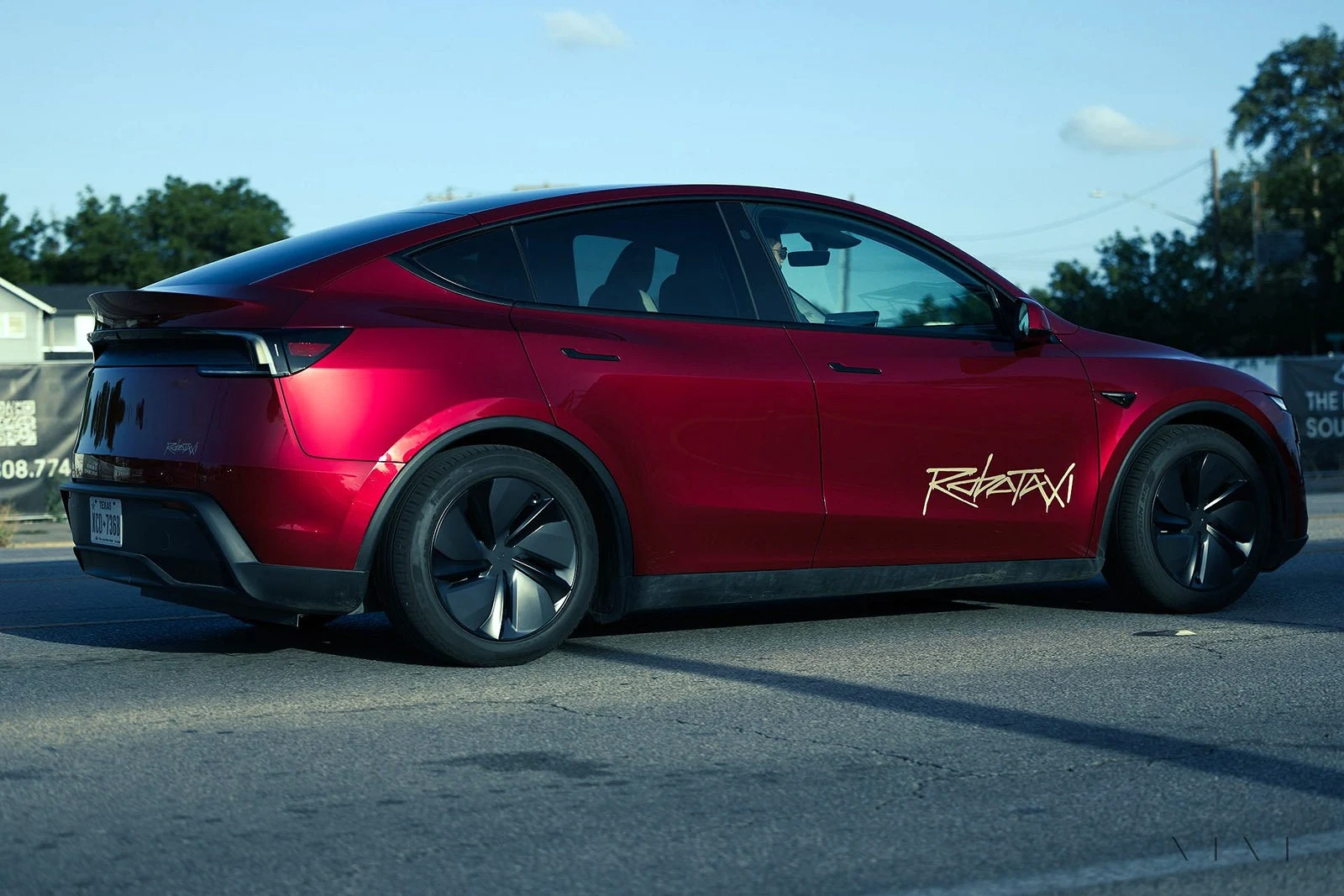
Tesla has modified a small fleet of Model Y vehicles to operate as robotaxis in Austin. While these units are equipped with factory hardware, their FSD software differs from what is available to regular Tesla owners. Musk stated that Tesla plans to integrate the separate FSD software used by the robotaxis with the commercial version currently employed in its other vehicles, but this will be done cautiously.
Unsupervised FSD Explained
Tesla has labeled the FSD branch utilized by its robotaxi fleet during the pilot phase in Austin as “unsupervised” FSD. This is distinct from the Full Self-Driving (Supervised) designation given to the paid driver assistance feature. The term “unsupervised” indicates that it does not require any driver input or attention. The transportation department in Austin has classified this system as Level 4 autonomous vehicle software, meaning it can operate without human intervention.
Regulatory Challenges and Testing
To achieve the necessary regulatory approvals, Tesla operates its Model Y robotaxi quite differently from the FSD versions accessible to the general public. For instance, Tesla has geofenced the operational area for its Robotaxi platform, similar to Waymo, to verify that the “unsupervised” vehicles navigate routes in the same manner as its other cars. This explains the variety of Tesla validation vehicles equipped with additional camera setups seen driving around Austin before the launch of the Robotaxi service.
Before merging the robotaxi FSD with the version available to the public, Tesla aims to conduct more tests to ensure a seamless transition. Musk emphasized, “We need to validate that improvements for Austin don’t cause regressions elsewhere.”
Safety Measures and Future Plans
Tesla takes pride in the advantages of its camera-only FSD system compared to the geofenced methods and extra sensors, like LiDAR, used by competitors such as Waymo. However, in Austin, Tesla continues to employ geofencing for enhanced safety and regulatory compliance. The company wants to ensure that the performance of its robotaxis within this controlled environment aligns with the behavior of Tesla vehicles outside of mapped areas.
The merging of the robotaxi software with the general FSD version is set to take place later this year. Musk hinted at a fourfold increase in parameters and emphasized a “super frugal use of memory bandwidth, caching exactly what is needed” to facilitate the processing of additional algorithms.
Source:
Link
Leave a Reply