Category: Computers

  • Lenovo 14-Inch Laptop Launches Globally with 120Hz Display and Intel Panther Lake

    Lenovo 14-Inch Laptop Launches Globally with 120Hz Display and Intel Panther Lake

    Key Takeaway

    – The Slim 5 Gen 11 family expands with 14-inch and 16-inch models across regions, featuring Intel Panther Lake and AMD Gorgon Point configurations, with selective availability in NA and broader rollout elsewhere.
    – The 14IP…11 can be configured up to high-end specs (32 GB RAM, 1 TB storage, OLED/IPS displays, up to 2.8K OLED in some markets) and typically ships with a 60 Wh battery; AMD variants are less available.
    – Market availability is uneven: 14-inch model not yet in North America, but available in Australia, Europe, UK, parts of East/Southeast Asia; some German SKUs show shipment readiness despite overall unavailability.


    Overview of Lenovo Slim 5 Gen 11 Lineup

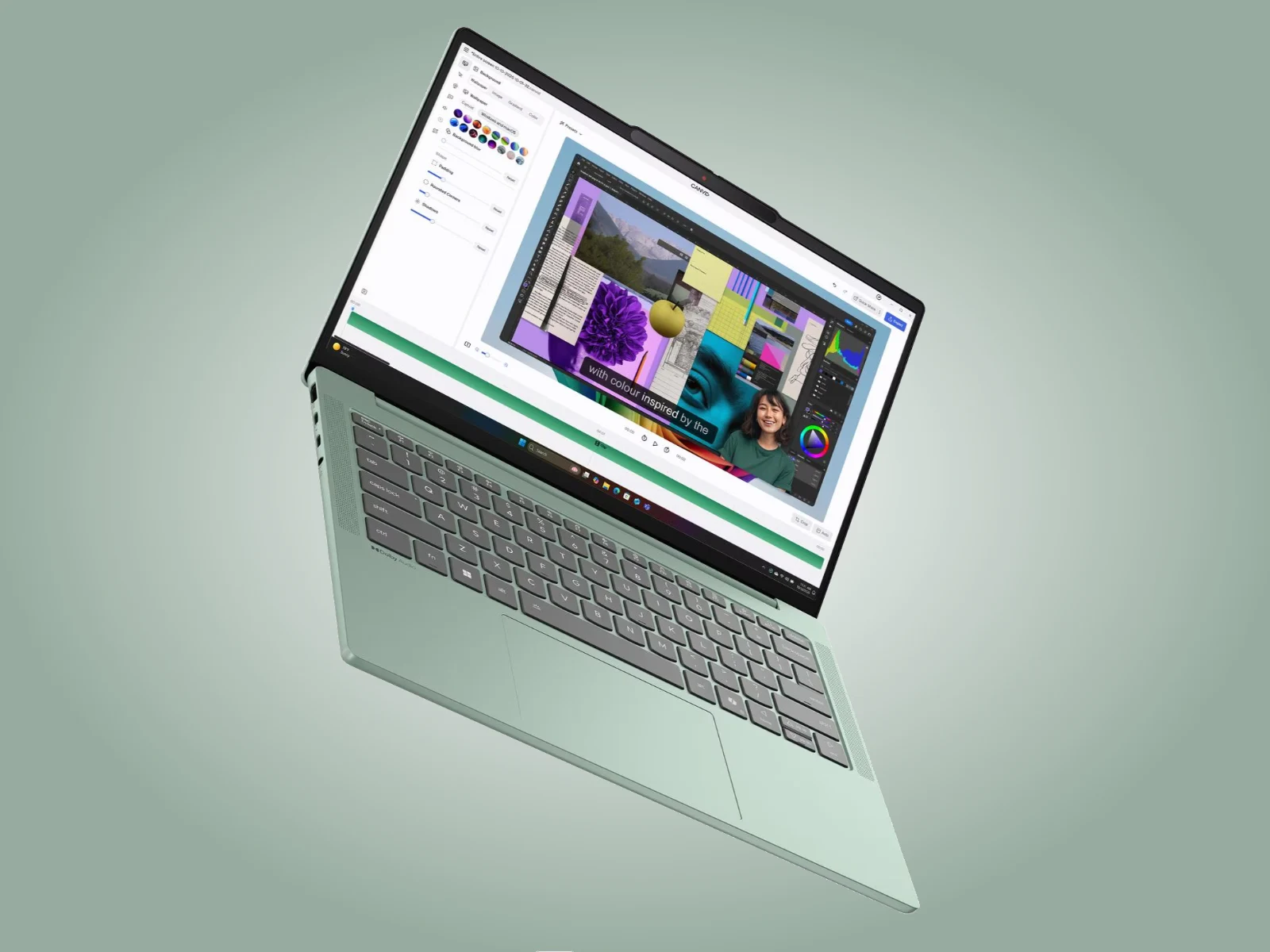
    Almost two months have passed since Lenovo released the Slim 5 Gen 11 with a 16-inch display to replace older Gen 10 models (curr. $749 on Amazon). Available globally, the 16IPH11 and 16AGP11 leverage Intel Panther Lake and AMD Gorgon Point processors, respectively. This month, Lenovo has begun selling smaller alternatives in multiple markets. There are shifts in availability and configurations across regions, which might confuse buyers yet show Lenovo’s push for broader coverage.

    Regional Availability and Variants

    For the time being, the 14-inch IdeaPad Slim 5 Gen 11 remains unavailable in North America. However, it has reached Australia, the Eurozone and the UK, as well as parts of East Asia and South East Asia. Currently, this is true for Intel models, which are generally configurable with the Core Ultra 5 322, Core Ultra 5 325 and Core Ultra 7 355. The pattern indicates Lenovo prioritizing certain markets while still delaying others, possibly due to supply chains or regional demand considerations.

    PSREF Details and AMD Variant Availability

    According to PSREF, Lenovo will be selling the Core Ultra 7 356H versions too with twice as many cores as their Core Ultra 5 325 and Core Ultra 7 355 counterparts. Meanwhile, AMD variants are harder to come by. Although Lenovo lists the IdeaPad Slim 5 14AGP11 on multiple websites, selecting the company’s configurator results in the laptop being listed as unavailable. The inconsistency might leave potential buyers frustrated as they navigate model names and stock status.

    Market Variations and Notable Configurations

    In some markets like Germany, it is possible to add a pre-configured unit to one’s basket, though. At the time of writing, a SKU with the Ryzen AI 7 445, 16 GB of RAM and 512 GB of storage is ‘ready for shipment’ at €1,199. Unfortunately, Lenovo has not elaborated further for now. This shows price points and readiness status can vary even within similar regional ecosystems, impacting decision making for buyers who rely on quick availability.

    14IPH11 Configurations and Display Options

    Setting that aside, the IdeaPad Slim 5 14IPH11 can also be configured with 32 GB of DDR5-5600 RAM, 1 TB of M.2 2242 storage and 60 Hz OLED or 120 Hz IPS displays. PSREF adds that a 2.8K and 120 Hz OLED panel should be available in some markets as well. Generally speaking, the 14IPH11 comes with a 60 Wh battery, too. Currently, prices start at AUD 1,499, €1,099-€1,229, HKD 7,850, MYR 4,280 and £970 in Australia, the Eurozone, Hong Kong, Malaysia and the UK, respectively. These specs underline Lenovo’s attempt to offer premium display choices alongside more modest configurations.



  • Flipper One Hacking Tool: 5G, Wi‑Fi 6E & Linux on ARM

    Flipper One Hacking Tool: 5G, Wi‑Fi 6E & Linux on ARM

    Key Takeaway

    – Flipper One shifts focus from local wireless control to advanced network capabilities (Wi‑Fi 6E, dual Ethernet, M.2 for 5G, PCIe/USB/SATA modules; can act as VPN, 5G router, or network bridge).
    – Powerful hardware enables a desktop-like experience (Rockchip RK3576 with 4× Cortex-A72 + 4× A53, 8 GB LPDDR5x RAM, 4K HDMI up to 120 Hz) and a full Linux install.
    – Open source firmware approach continues, but full Linux-on-ARM openness is incomplete and still under development; crowdfunding and a developer portal are in place for participation.


    Flipper One Overview

    Introduction to Flipper One

    Flipper Zero is a popular multitool thanks to its open source firmware and the large number of available connection standards, for example to remotely control devices or analyze smart home connections. Flipper One is not a successor, but a new model that is being marketed in addition to Flipper Zero. This paragraph introduces the device and sets the stage for how it differs from the original, while keeping a conversational tone and noting the broader context.

    Network Focus and Capabilities

    The focus of Flipper One is not on local connections, but on everything related to networks. To this end, the device not only offers Wi-Fi 6E and two Ethernet ports, but also an M.2 slot that allows a 5G modem to be installed. Accessory modules with high data rates can be connected via PCI Express, USB 3.0 and SATA. Flipper One can be used as a VPN, a 5G router or as a bridge between wireless and wired networks, among other things. This section highlights the connectivity scope and potential roles in modern networks.

    Inside the Hardware

    In addition to an energy saving microcontroller, Flipper One also offers a Rockchip RK3576 ARM chip with four Cortex-A72 performance cores, four Cortex-A53 efficiency cores and 8 GB LPDDR5x RAM. The chip’s performance is sufficient to install a fully-fledged Linux version. HDMI allows a 4K monitor to be operated at up to 120 Hz, so that Flipper One can be used like a desktop PC. Flipper intends to deliver open source firmware again, but as Linux on ARM is currently not fully open source, this still requires development work. The paragraph provides a technical look at the major components and what they enable, while noting ongoing open source considerations.

    Crowdfunding and Developer Access

    Flipper has not yet confirmed when or at what price Flipper One will come onto the market, but the gadget is to be funded via a crowdfunding campaign. However, the manufacturer has already published a developer portal through which programmers can participate in the remaining development of the device’s firmware. This part explains the anticipated funding route and invites community engagement through a portal for developers.


    Sources

  • Razer Blade 16 2026 Costs More, Slower Gaming vs 2025 Model

    Razer Blade 16 2026 Costs More, Slower Gaming vs 2025 Model

    Key Takeaway

    – The Blade 16 2026 shows only modest or negative performance gains over the 2025 model, despite higher CPU and GPU power-rated specs.
    – CPU and gaming performance, especially in multi-core workloads and many titles at 1600p, lags behind the 2025 Blade 16; some tasks like Blender/Houdini see 8–13% slower results.
    – Power/thermals vary by profile: Custom shows higher temps/power than 2025, but Performance lowers power use and cools better; overall gaming cooling is still competitive.
    – Battery life is excellent, with about 17h 20m web browsing (roughly 70% longer than the previous model), though idle power issues were noted in testing.
    – Price increases without clear, consistent performance benefits raise questions about the value of upgrading from the 2025 Blade 16.


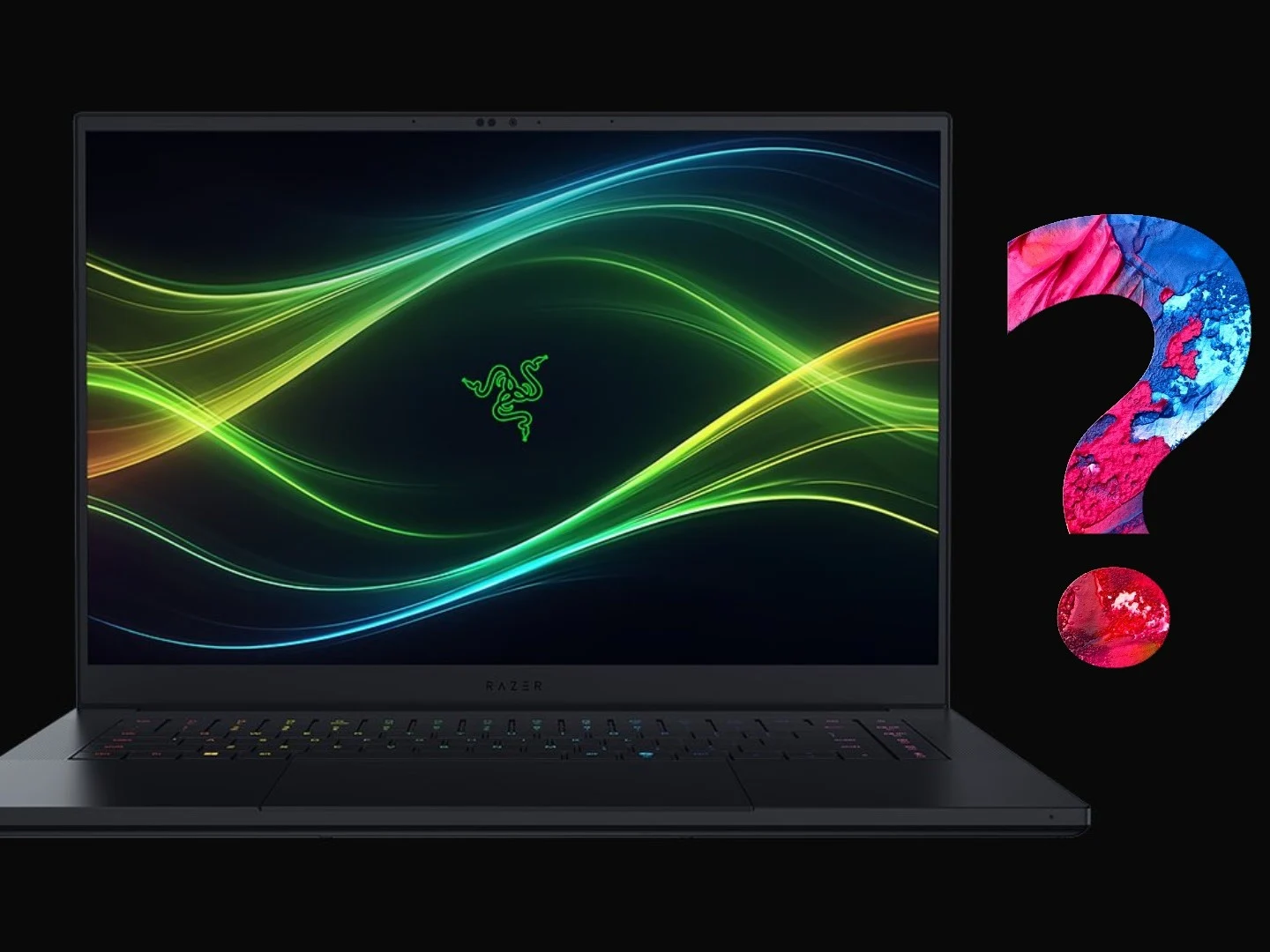
    Razer unveiled the latest version of the Blade 16 gaming laptop at GDC back in March. The Razer Blade 16 2026 retains the thin metal chassis of the 2025 version, packs the latest Intel Core Ultra 9 386H CPU, has a brighter 240 Hz OLED panel, and bumps the wattage of the RTX 5090 laptop GPU. However, all of this has come at a notable price increase.

    Mixed signals from Hardware Canucks

    The Hardware Canucks’ testing shows the Blade 16 2026 may disappoint many Razer fans, as the Blade 16 2026 doesn’t look like a real upgrade compared to the 2025 Razer Blade 16, which did pretty well in their review. The outlet’s main complaints focus on the Core Ultra 9 386H CPU, the gaming performance, and the higher cost. They claim the 2026 model offers slower CPU performance in multi-core workloads than the 2025 Blade 16, which used the AMD Ryzen AI 9 HX 370. In Blender and Houdini, they note an 8% to 13% performance regression for the 2026 model.

    Where editing and gaming diverge

    In video editing, the Blade 16 2026 beats the 2025 version in Resolve but trails in Premiere Pro. So, whether you consider upgrading depends on the apps you rely on most. Gaming, however, appears to be a letdown for the 2026 variant. Even with a bit more power to the RTX 5090, the new Blade 16 2026 is reportedly slower than the 2025 model in most tested titles at 1600p.

    The CPU temperatures tell a curious story. The Blade 16 2026 seems to run hotter and louder than the 2025 model in both “Custom” and “Balanced” profiles. This is notable because the “Custom” profile on the new Blade 16 caps power at 69 W versus 75 W for the 2025 model. The “Performance” profile, on the other hand, shows the 2026 sipping less power at 57 W vs 74 W and staying cooler at 75 C vs 79 C, without any fan noise changes.

    Battery life and final take

    Surprisingly, the Blade 16 2026 runs cooler and quieter during gaming than the 2025 Blade 16. Since gaming workloads skew toward the GPU, the cooling system might be adequate, but the CPU might still need tweaks. While idle power consumption had some bugs during testing, the Blade 16 2026 delivered strong battery life, lasting 17 hours and 20 minutes in a web browsing test—about a 70% improvement over the previous model.

    All in all, the new Blade 16 does have some wins, but Hardware Canucks’ review raises significant questions about real enhancements, or lack thereof, with the Blade 16 2026. The bigger question is why buyers should pay more for hardware that doesn’t clearly boost performance.

    • Pricing and specs are highlighted as a key factor in the assessment, with the 2026 model bringing higher costs.
    • The review notes mixed results across productivity and creativity workloads, not just gaming.
    • Battery life improvements are cited as a strong point, though not enough to justify all the upgrades for some users.

    Buyers are advised to weigh the potential gains in display and power against the increased price and mixed performance gains. For those who care most about gaming frames, the 2025 Blade 16 might still be the better value if you’re constrained by cost and want reliable performance at high settings.


    Sources

  • New 14″ and 16″ OLED MacBook Pro Release Nears

    New 14″ and 16″ OLED MacBook Pro Release Nears

    Key Takeaway

    – OLED transition for 14″ and 16″ MacBook Pro with high manufacturing yields (over 90%, some stages at 95%), enabling faster mass production likely starting mid-2026 to early 2027.
    – Gen 8.6 Samsung OLED line supplies ~2 million panels in 2027, signaling scalable, large-format production for Apple laptops.
    – Panels use tandem two-stack OLED technology with oxide TFT backplanes and hybrid encapsulation, aiming for improved efficiency and durability; one model may introduce touchscreen (MacBook Ultra).


    Apple OLED transition for MacBook Pro on the horizon

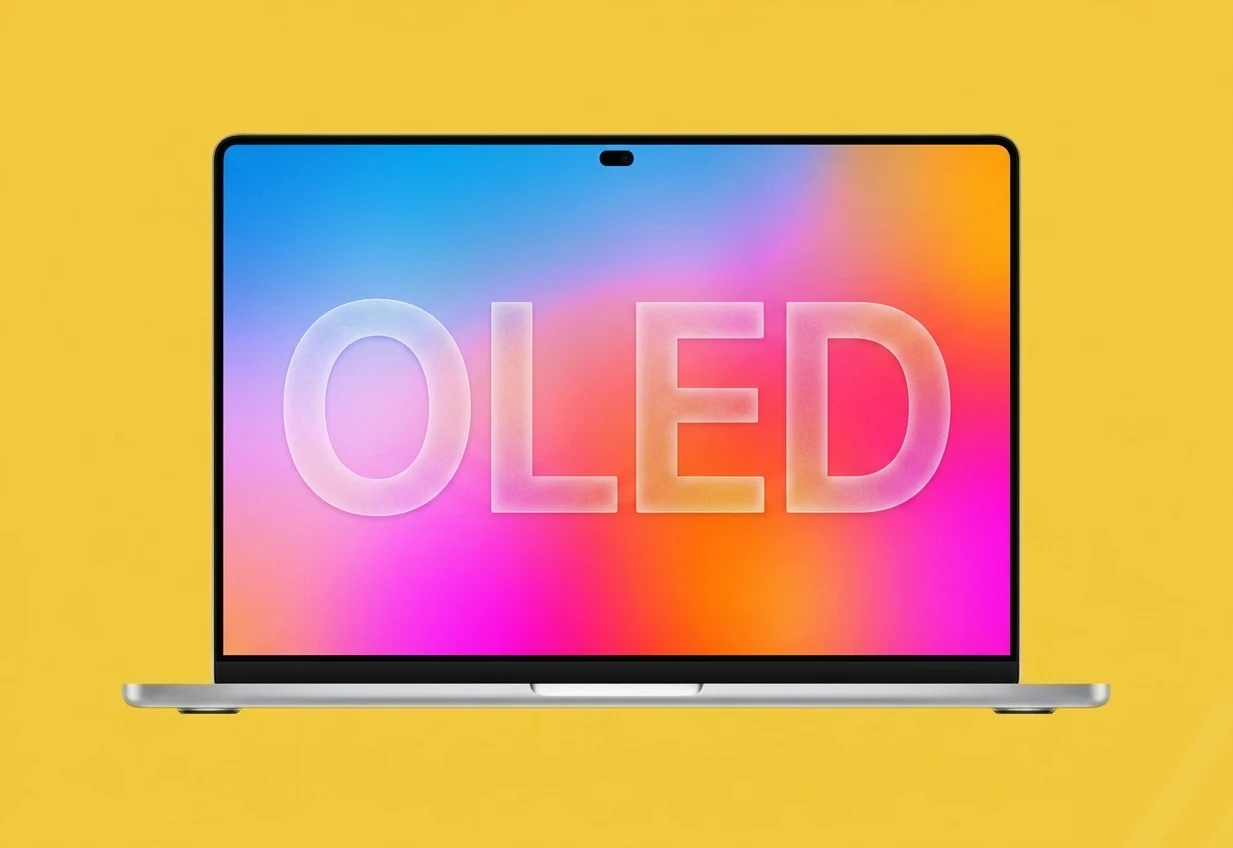
    Apple’s transition to OLED for its upcoming 14-inch and 16-inch MacBook Pro lineup has passed a critical manufacturing milestone, say the latest leaked info. The report notes Samsung Display has reportedly achieved yields exceeding 90% on its Gen 8.6 OLED production line, with some stages reaching a “golden yield” of 95%. This high efficiency signals that the technology is ready for stable, large-scale mass production, which is expected to ramp up quickly, with Samsung potentially shipping these panels as early as June 2026.

    Production readiness and timeline

    The OLED displays are destined for future 14-inch and 16-inch MacBook Pro models, with initial supply estimates totaling roughly 2 million units for the year. These panels represent a significant engineering leap over standard smartphone OLEDs. They will utilize the same “tandem two-stack” technology found in the latest iPad Pro, alongside oxide TFT backplanes for improved power efficiency and hybrid encapsulation for enhanced durability. Furthermore, reports suggest that at least one of the upcoming MacBook models will be the first to feature touchscreen capabilities (most likely the rumored MacBook Ultra).

    Launch windows and market expectations

    While initial projections pointed to a late 2026 release, industry-wide chip shortages have reportedly shifted the most likely launch window to early 2027. However, with the latest positive signals, it won’t be a surprise if Apple manages to stick to its typical fall release plans. The Elec

    Sources
  • Ugreen 120Gbps Dock with 8TB Storage for Mac Mini

    Ugreen 120Gbps Dock with 8TB Storage for Mac Mini

    Key Takeaway

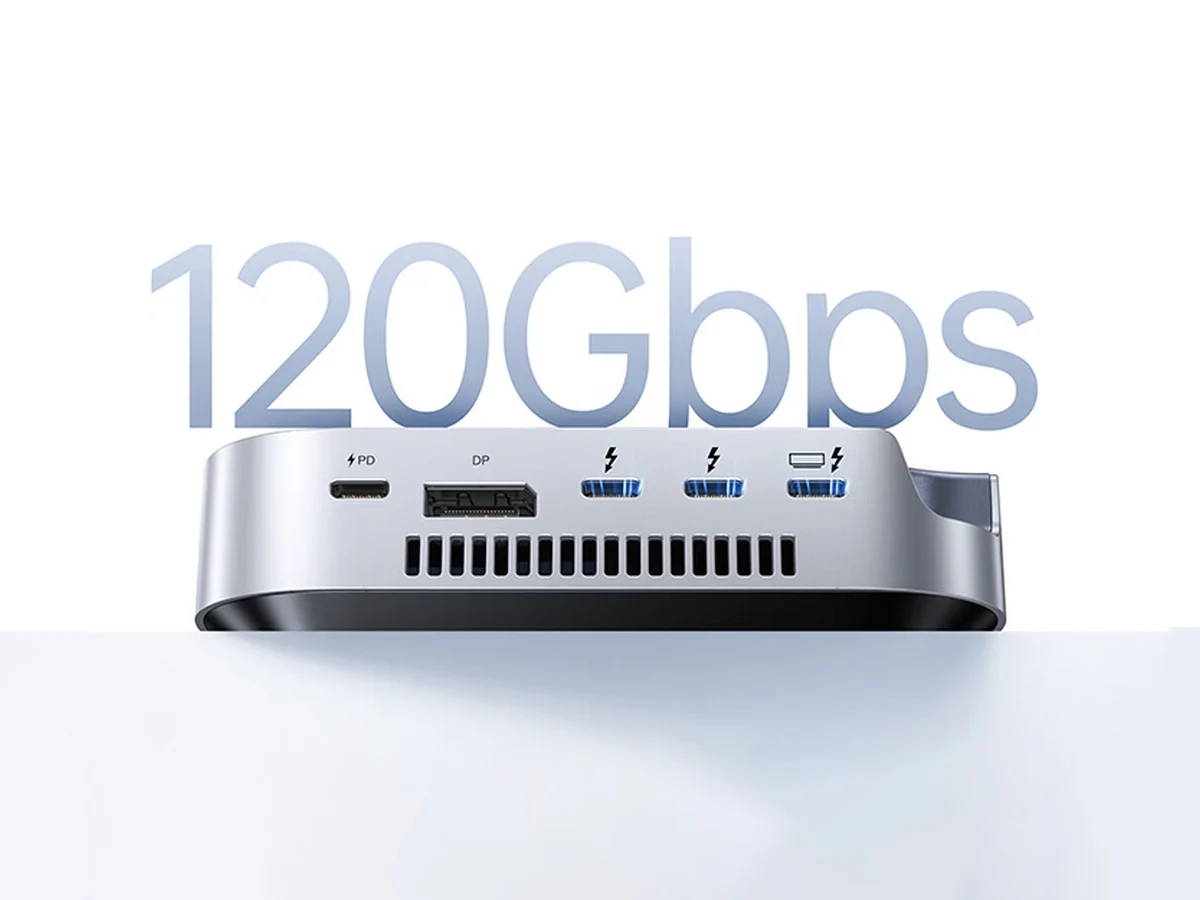
    – Thunderbolt 5 dock for Mac mini M4 (model 85883) with Intel JHL9480 controller delivering up to 120Gbps one-way and 80Gbps bi-directional bandwidth, plus active cooling for stable performance.
    – Integrated M.2 NVMe slot supporting up to 8TB SSDs (2230/2242/2280; B&M and M Key), with PCIe 4.0×4 drive capable of up to 64Gbps transfer speed.
    – Design aligns with Mac mini aesthetics for seamless pairing, and includes a robust selection of ports (specifics not listed in text).
    – Launched in China at CNY 1,555 (~$228) with an international release expected soon.


    Ugreen has rolled out a fresh Thunderbolt 5 dock tailored for the Mac mini M4 series, carrying the model number 85883. It showcases the Intel-certified JHL9480 controller, enabling the accessory to deliver up to 120Gbps of 1-way bandwidth, while the bi-directional speed sits at 80Gbps. this paragraph keeps the specs intact and introduces the core capability in a conversational tone, highlighting the notable bandwidth figures and controller credibility.

    Design and cooling

    Designed specifically for the Mac mini M4 lineup, the top of the dock mirrors the bottom silhouette of the Apple mini PC, creating a cohesive pairing that visually blends with the host device. A built-in cooling system is included to sustain stable performance under heavy workloads, a practical feature that addresses thermal throttling concerns during extended use. The writing here shifts to emphasize form and thermal management, while still noting the design intent and user experience.

    Storage expansion

    One standout aspect is the M.2 slot, capable of housing up to an 8TB SSD, such as the Samsung 990 Pro. When paired with a PCIe 4.0 x4 drive, Ugreen claims transfer speeds can reach as high as 64Gbps. This section keeps the storage expansion details front and center, and clarifies compatibility with 2230, 2242, and 2280 sizes, including B&M Key and M Key SSD formats. the paragraph presents the upgrade path and performance expectations with a hint of real-world applicability.

    Ports and availability

    The docking station offers a robust array of ports to accommodate a range of peripherals and displays, though the exact port list is noted as substantial without enumerating every singular port in this summary. The emphasis is on versatility and the broad connectivity spectrum that users typically require for a desk setup. this paragraph shifts to practicality, pointing to the integration potential rather than cataloging each port.

    Pricing and market rollout

    When it first launched in China, the 120Gbps Ugreen dock carried a price tag of CNY 1,555, which is approximately $228. The company has previously released its Thunderbolt 5 docks to international markets, and expectations are that this new model will follow with a global rollout in due course. The pricing note is preserved to maintain financial context for readers tracking value and availability across regions.


    Sources

  • HP unveils MacBook Neo rival with Intel Wildcat Lake OLED display

    HP unveils MacBook Neo rival with Intel Wildcat Lake OLED display

    Key Takeaway

    – OLED 14-inch display with 1920×1200 resolution, 60Hz, 16:10 aspect ratio, and 100% DCI-P3 color coverage (peak brightness not disclosed).
    – HP StarBook Plus 14 powered by Intel Core 5 320 (Wildcat Lake) with 6-core CPU and 2-core Xe3 iGPU, 16GB LPDDR5X RAM, and 512GB SSD (upgradeable).
    – Slim, lightweight chassis at ~1.3 kg and 13.7 mm thick, with a rich port selection and a 59Wh battery, plus 65W fast charging. Pricing started at CNY 5,998 (~$882) in China, with a global debut anticipated.


    HP has introduced the StarBook Plus 14 in China with an OLED display

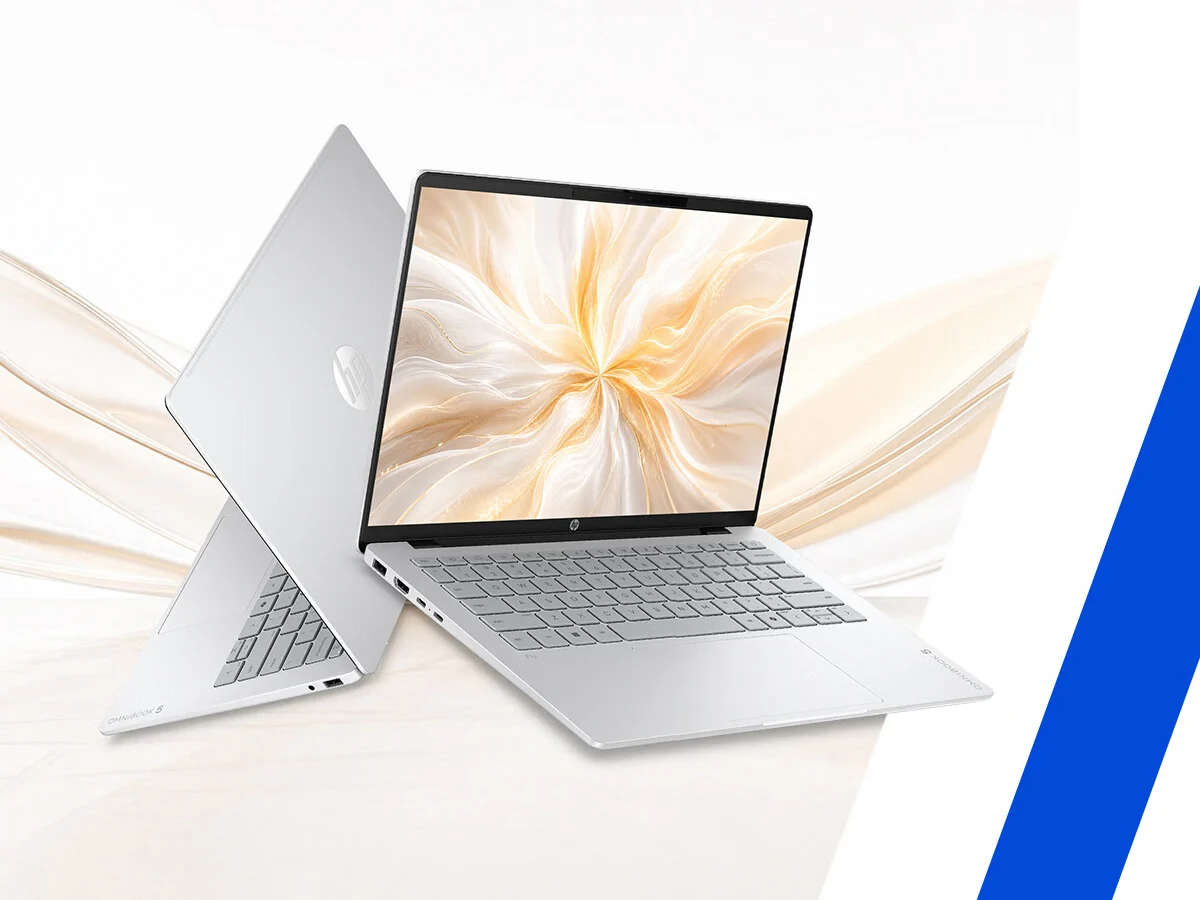
    HP has introduced the StarBook Plus 14, a new Intel Wildcat Lake laptop, in China. It stands as a slightly expensive rival to the MacBook Neo, but it’s worth noting that HP’s offering comes with an OLED display, which is a better option than the IPS display on the Apple laptop.

    Display details and specification notes

    Of course, HP didn’t fully detail the touchscreen OLED display. For instance, the company didn’t specify the peak brightness rating, but it did confirm that it’s a 60Hz screen with a resolution of 1920×1200 pixels and a 16:10 aspect ratio. This 14-inch panel is also said to have a 100% DCI-P3 color coverage. There are some details that could be clearer, yet the core specs remain compelling for those who value color accuracy and a crisp image, even if brightness is still unconfirmed.

    Processor, memory, and storage configuration

    Under the hood, the HP StarBook Plus 14 features the Intel Core 5 320, a mid-range processor from the Wildcat Lake range. It pairs the 6-core CPU with the 2-core Xe3 iGPU, and HP has equipped the laptop with 16GB of LPDDR5X RAM. As for storage, the pre-configured option has a 512GB SSD, which should be upgradeable (1TB Samsung 990 Pro curr. $249.99 on Amazon).

    Build, weight, and ports

    The company further highlights the slim and light build of the laptop. HP says that it weighs 1.3kg (about 2.86lbs) and measures as thin as 13.7mm. While it has a thin form factor, there’s a good number of ports, including: A 59Wh battery, an IR infrared camera with physical shutters, and 65W fast charging support are among the other highlights of the laptop.

    Pricing and market availability

    In China, the HP StarBook Plus 14 launched with an initial price of CNY 5,998, around $882. It’s expected to make a global debut alongside the other Wildcat Lake laptops that were introduced recently.

    HP on JD (machine translated)


    Sources

  • AMD Ryzen AI Max 400 Series Official: Up to 192 GB RAM

    AMD Ryzen AI Max 400 Series Official: Up to 192 GB RAM

    Key Takeaway

    – AMD’s new Gorgon Halo Pro lineup includes three Ryzen AI Pro APUs with 16/12/8 Zen 5 cores, 5.2/5.0 GHz boosts, and 40–80 MB cache, each paired with a Radeon iGPU (8050S/8065S) and a 50–80 TOPS NPU.
    – Memory capacity is expanded up to 192 GB RAM, with up to 160 GB allocated to the iGPU, signaling a focus on memory-intensive AI workloads.
    – The top model, Ryzen AI Max+ 495 Pro, features 16 Zen 5 cores, 80 MB cache, Radeon 8065S iGPU (40 CUs), and a 55 TOPS NPU; other models are 490 Pro (12C/24T) and 485 (8C/16T).


    AMD introduces Gorgon Halo chips with Pro SKUs

    A previous leak showed one of AMD’s new Medusa Halo chips. The Ryzen AI Max+ 495 Pro showed up on PassMark with the same fundamental specs as its Strix Halo counterpart, with the only notable difference being a new GPU. It has now been officially shown off alongside two other chips. Unlike Strix Halo, which debuted with consumer-grade (read: non-Pro) SKUs, AMD has decided to push out the Ryzen AI Pro models this time, with no indication of non-Pro variants coming anytime soon.

    Top tier Ryzen AI Max+ 495 Pro details

    At the top of the stack lies the Ryzen AI Max+ 495 Pro (yeah, it’s a mouthful) with 16 Zen 5 cores, 32 threads, a boost clock of 5.2 GHz and 80 MB of total cache. It is accompanied by a Radeon 8065S iGPU with 40 CUs. Exactly how it differs from the Radeon 8060S remains unknown. Furthermore, it is the only Gorgon Halo APU that has a 55 TOPS NPU.

    Next up, the Ryzen AI Max 490 Pro is a 12-core/24-thread model with a 5 GHz boost clock and 76 MB total cache. Lastly, the Ryzen AI Max 485 comes with 8 cores, 16 threads, 5 GHz boost and just 40 MB of cache. Both APUs employ a Radeon 8050S iGPU with 32 CUs and a 50 TOPS NPU. AMD hasn’t specified a launch date for either model, simply stating they’ll be coming soon.

    RAM capacity and future prospects

    However, the largest upgrade offered by Gorgon Halo is support for up to 192 GB of RAM, of which 160 GB can be allocated to the iGPU. Interesting choice to make in the middle of a memory crisis, but developers will undoubtedly welcome the extra resource with open arms.

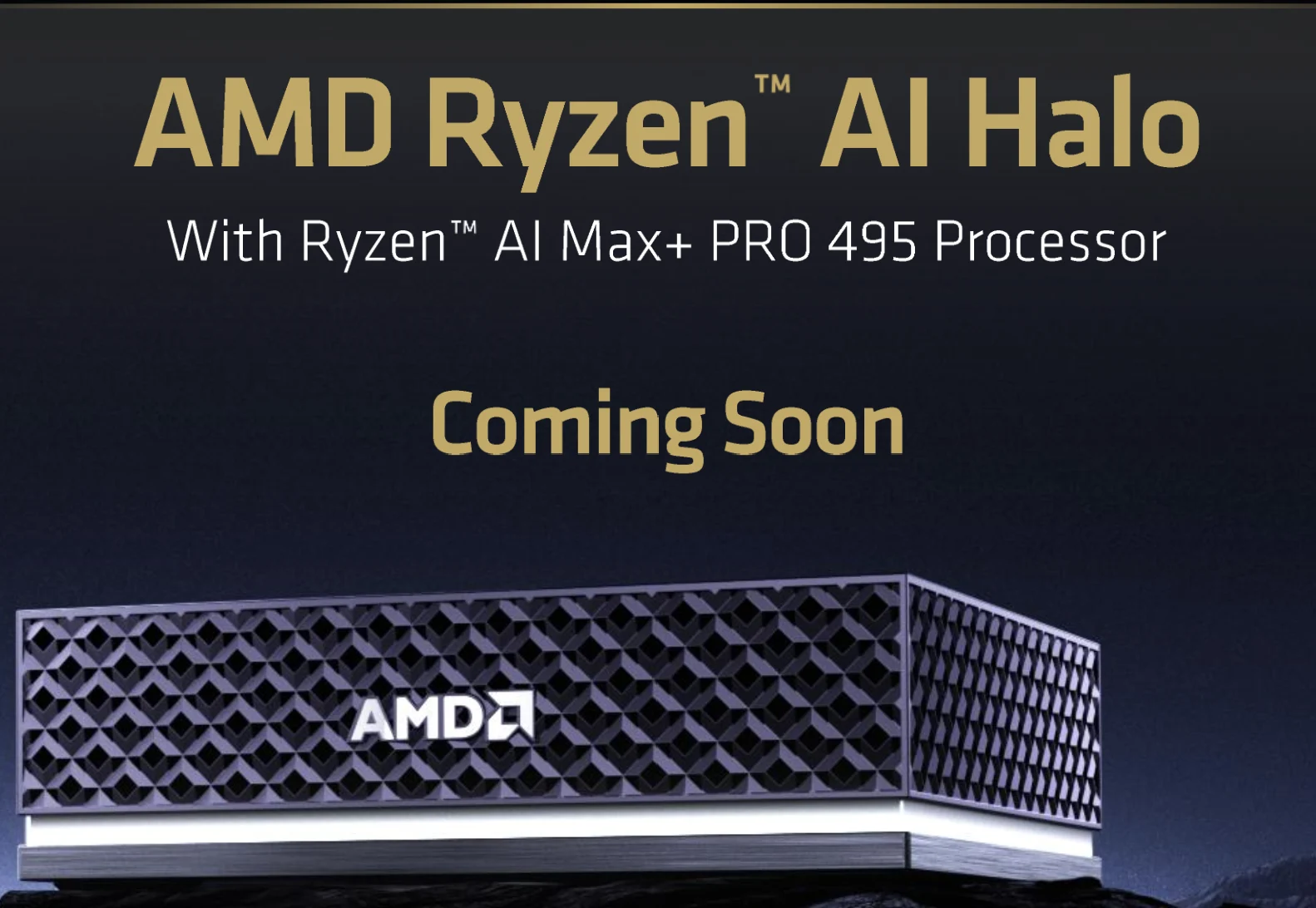
    Unfortunately, that’s all we know about Gogon Halo for now. A Ryzen AI Halo variant with the chips is slated to debut soon, as well. AMD is presumably tight-lipped about Gorgon Halo performance because it is nothing to write home about, as evidenced by the jump between Gorgon Point and Strix Point. Then again, Gorgon Halo is likely a stop-gap solution for memory-hungry workloads, with the real performance boost coming via the next-gen Medusa Halo lineup.


    Sources

    • AMD debuts Strix Halo AI powerhouse for gaming

      AMD debuts Strix Halo AI powerhouse for gaming

      Key Takeaway

      – AMD launches Ryzen AI Halo, a first-party platform built around the Strix Halo chipset to run local LLMs, with Windows or Linux options.
      – High-end specs: Ryzen AI Max+ 395, 128 GB LPDDR5-8000, 40 CU Radeon 8060s iGPU, 2 TB PCIe Gen4 SSD, 50 TOPS NPU, 120W TDP, and Wi‑Fi 7/BT 5.4.
      – Local inference for models like GPT OSS (120B) and Qwen 3.5 (122B) with potential cost savings vs cloud.
      – Pre-orders begin June 2026, starting at $4,000 USD.
      – Form factor targets compact desktops/mini-PCs with multiple USB-C ports and robust IO, including HDMI 2.1b and 10 Gb Ethernet.


      Overview of AMD’s Ryzen AI Halo Platform

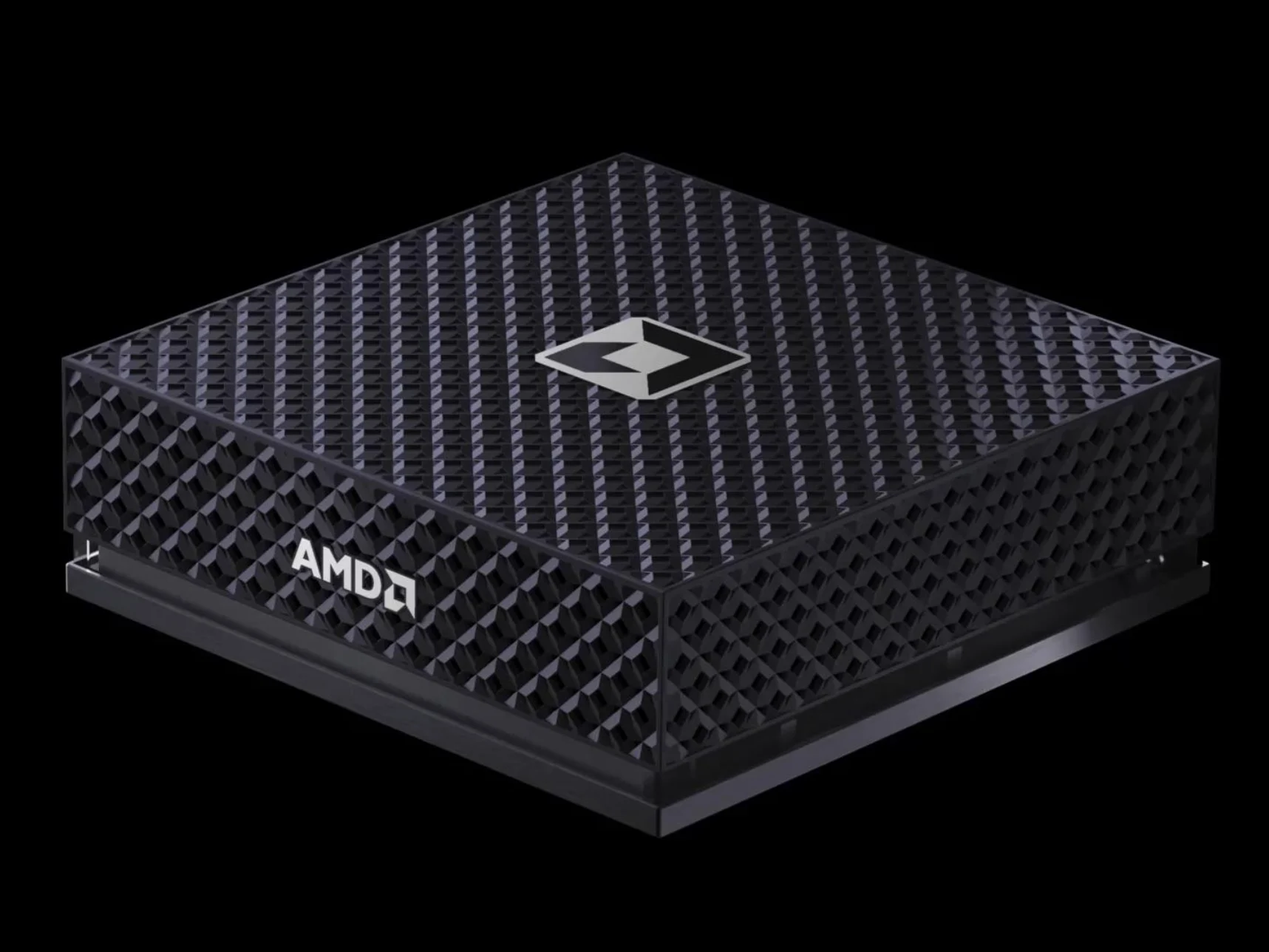
      Despite being named as a laptop SKU, AMD’s Strix Halo chips have shown up in many mini-PCs and desktops rather than in laptops. AMD never offered a first-party laptop SKU, unlike Nvidia with its GB10-based DGX Spark, a contrast that is set to change today with the launch of AMD’s Ryzen AI Halo developer platform. The new platform promises to bring high-end AI capabilities to compact form factors.

      Key Specifications and Hardware

      As its name implies, the AMD Ryzen AI Halo will utilize Team Red’s most capable Strix Halo chip, the Ryzen AI Max+ 395. The system ships with 128 GB of LPDDR5-8000 MT/s memory and includes a Radeon 8060s iGPU with 40 CUs. Storage is a 2 TB PCIe Gen4 SSD, and the AI accelerator is a 50 TOPS NPU. Connectivity options encompass Wi-Fi 7, Bluetooth 5.4, an HDMI 2.1b port, a 10 Gb/s Ethernet jack, three unspecified USB-C ports (likely USB 4.0) plus one USB-C port dedicated to power. The unit carries a rated TDP of 120 Watts and has overall dimensions of 5.9 inches by 5.9 inches by 1.7 inches.

      Product Positioning and Capabilities

      AMD markets the Ryzen AI Halo as a device capable of running large language models locally, which could help users avoid ongoing cloud compute costs. The company claims it can run substantial models such as GPT OSS (120B) and Qwen 3.5 (122B), which AMD asserts do not run on Apple M4 Pro devices. In contrast to the DGX Spark, which can only operate on Linux, the Ryzen AI Halo can also be configured with Windows, broadening its compatibility with developer workflows.

      Availability and Pricing

      Pre-orders for the Ryzen AI Halo are planned to begin in June 2026. The price point starts at $4,000 USD. While not inexpensive, AMD contends that the device can pay for itself in roughly six months by reducing cloud subscription and compute expenses.

      AMD


      Sources

      • Anbernic RG Vita Pro Gains Play Store Update

        Anbernic RG Vita Pro Gains Play Store Update

        Key Takeaway

        – Google Play Store added via OTA update (version 1.14) for the RG Vita Pro, enabling direct app downloads instead of sideloading.
        – Update also fixes bugs and optimizes system performance.
        – Anbernic continues rapid software updates across devices (RG77V launcher/control center, RG DS Linux OS option) showing active firmware support.


        Overview of the Update

        It has been almost two months since Anbernic released the RG Vita Pro handheld. The device, which ships with dual operating systems — Android 14 and Linux — has now received a software update that adds a major feature. Some readers might notice the sudden shift in the product’s capabilities, and it is worth noting how the update changes the user experience for both operating systems involved. The tone of the piece is kept straightforward while still attempting to convey the essence of the changes introduced in this release cycle.

        Android Play Services and the Play Store

        Although the RG Vita Pro ships with Android 14, it doesn’t come with Google Play Services installed. This should be obvious when you boot into Android as you won’t find any Google app. While some might prefer the handheld that way, it appears there are those who don’t, as Anbernic has released an update that adds the Google Play Store to the device. The addition broadens the horizon for users who rely on mainstream apps and services, making the device feel more like a typical Android experience in practice, even though the initial setup was sans Google services.

        Changelog and Build Details

        The OTA update arrives as version 1.14, and according to the changelog, it adds the Google Play Store. This addition means users can download the Android apps they need from the Play Store instead of sideloading or using alternative app stores. The changelog also mentions the update fixes some bugs and optimizes the system, suggesting improvements beyond merely enabling the store. The update is presented as a practical enhancement aimed at boosting daily usability rather than a cosmetic change to the interface or experience.

        Recent Releases from Anbernic

        Anbernic has been on a roll with its software releases. Earlier this month, it released a software update for the RG77V that added a new launcher and control center. Then it followed it up with a new Linux OS for the RG DS which originally ships with Android 14. Owners of the RG DS can install the new Linux OS on a microSD card and insert it into the device to boot up Linux, while still having Android on the device’s internal storage. This pattern demonstrates a strategy of offering flexible operating environments and upgradability for their devices, a point that appeals to enthusiasts who like to experiment with different setups.

        Market Context and Longevity

        With the rate at which these brands churn out new devices, it is nice to see that they are not getting abandoned. The ongoing updates, new OS options, and enhanced software experiences suggest a commitment to extending the useful life of existing hardware rather than pushing customers toward always-new models. This approach helps create a sense of value for current owners and keeps the product line relevant in a competitive market that often rewards rapid iteration over long-term support.


        Sources
      • Lenovo Unveils Lightweight ThinkPad with AMD Zen 5 and Intel Panther Lake

        Lenovo Unveils Lightweight ThinkPad with AMD Zen 5 and Intel Panther Lake

        Key Takeaway

        – Both AMD and Intel variants offer up to 16–32 GB LPDDR5X RAM and up to 1 TB storage; AMD supports PCIe Gen 5.0 SSDs, while Intel models are limited to PCIe Gen 4.0.
        – CPU options range from Core Ultra 5 325 / Ryzen AI 5 Pro 440 up to Core Ultra 7 356H / Ryzen AI 7 Pro 450, with no weight increase (starting at 930 g).
        – Displays are 1200p, 60 Hz, 400-nit IPS across all variants; configurations include optional cellular and 41 Wh or 54.7 Wh batteries.


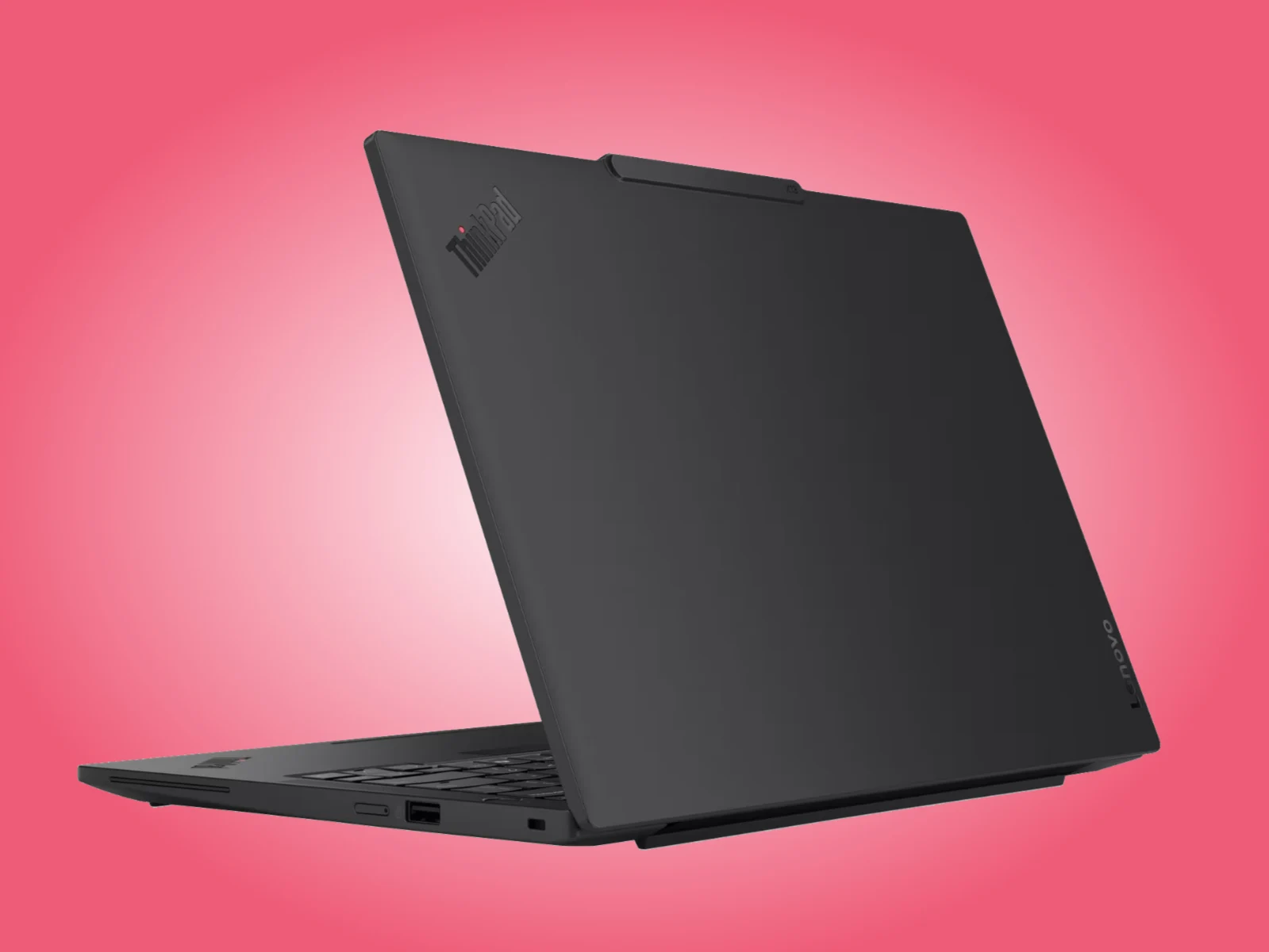
        Hardly any time has passed since Lenovo launched the ThinkPad X13 Gen 7. Replacing Gen 6 models that we reviewed in December (curr. $1,256 on Amazon), the ThinkPad X13 Gen 7 adds more powerful processors while retaining its predecessor’s 930 g starting weight.

        The opening sentence sets the stage with a brief market update, and I’ll keep the cadence varied. This paragraph reads in a casual, report-like tone that tries to balance promotional details with specs. It mentions that the Gen 7 replaces Gen 6, notes the current price on Amazon, and highlights the weight retention. The style shifts slightly from formal to conversational, maintaining a critical eye on an incremental upgrade without overhyping it.

        Now, Lenovo is selling AMD and Intel variants across East Asia, Southeast Asia and Australia. Specifically, the ThinkPad X13 Gen 7 starts with a Core Ultra 5 325 and a Ryzen AI 5 Pro 440 from Intel’s Panther Lake and AMD’s Gorgon Point families. However, both variants can be configured with more powerful options like the Core Ultra 7 356H and the Ryzen AI 7 Pro 450.

        The second paragraph changes tone to a more technical listing, describing the processor options in a compact way. It includes both AMD and Intel variants and mentions specific codenames Panther Lake and Gorgon Point. It also notes upgradable tiers (Core Ultra 7 356H and Ryzen AI 7 Pro 450), with a brisk catalog-like cadence that preserves the factual style while still sounding a bit informal.

        Moreover, Lenovo equips the ThinkPad X13 Gen 7 with 16 GB or 32 GB of LPDDR5X-8533 RAM and up to 1 TB of storage regardless of whether you opt for AMD or Intel processors. Only AMD models can be configured with PCIe Gen 5.0 SSDs, though. In comparison, Intel models make do with slower PCIe 4.0 SSDs. Setting that aside, all variants ship with 1200p, 60 Hz and 400-nit IPS displays and the choice of adding cellular connectivity plus a 41 Wh or 54.7 Wh battery.

        In this paragraph the style smooths into a more evaluative, spec-dense voice. It enumerates RAM options (16 or 32 GB LPDDR5X-8533), storage capacity up to 1 TB, and a key caveat: AMD models can use PCIe Gen 5.0 SSDs while Intel models are limited to PCIe 4.0. It concludes with the common display spec (1200p, 60 Hz, 400-nit IPS) and the optional cellular plus two battery sizes (41 Wh or 54.7 Wh). The writing keeps a pragmatic, almost checklist-like flow to maintain clarity while threading through multiple specs.

        The ThinkPad X13 Gen 7 retails for AUD 2,429, HKD 15,330, MYR 6,664 and SGD 2,400 with Intel processors in Australia, Hong Kong, Malaysia and Singapore, respectively. By contrast, Lenovo has priced AMD versions at AUD 2,220, HKD 15,341 and SGD 3,322, respectively. The ThinkPad X13 Gen 7 should reach the US later this year, starting at $1,500.

        The third paragraph adopts a market-entry style with a regional price breakdown, noting Australian, Hong Kong, Malaysia, and Singapore pricing for Intel vs AMD configurations. It contrasts AMD pricing and hints at a US release later in the year with a starting price around $1,500. The tone remains informative, with a pragmatic emphasis on regional variation and anticipated availability in the United States.