Category: Computers

  • Lenovo Unveils New 14-Inch ThinkPad Worldwide Launch Soon

    Lenovo Unveils New 14-Inch ThinkPad Worldwide Launch Soon

    Key Takeaway

    – ThinkPad E14 Gen 8 now available with Intel processors in several regions (Australia, Hong Kong, Malaysia, Singapore) and listed in Europe and the US as “coming soon.”
    – Offers a range of processors (Core Ultra 5/7) with up to 32 GB DDR5 RAM, 1 TB M.2 storage, and battery options up to 64 Wh.
    – Display options include up to 2.8K (1800p) at 120 Hz with 500-nit brightness and 100% sRGB, all IPS.


    ThinkPad E14 Gen 8 Launch Details and Availability

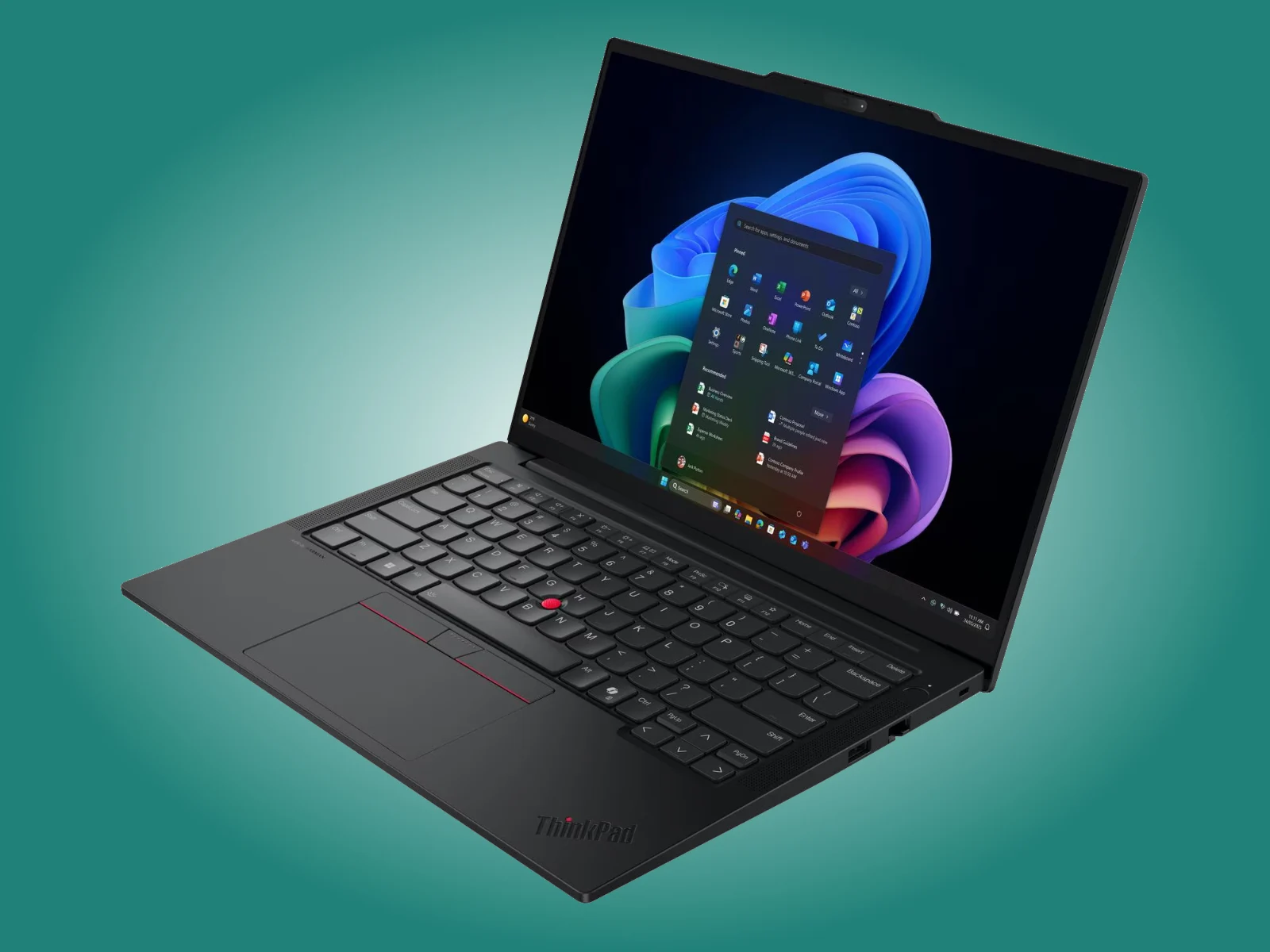
    Yesterday, we reported that Lenovo had launched the ThinkPad E14 Gen 8 globally with AMD Zen 5 processors. Currently, Lenovo is not selling this version of its new budget 14-inch ThinkPad directly. In the meantime, Intel-powered alternatives have started popping up on some of its regional websites.

    Regional Availability and Listings

    For instance, the ThinkPad E14 Gen 8 with Intel processors is now officially available in Australia, Hong Kong, Malaysia and Singapore. Also, retailers have started listing the same laptop in Europe and the US. However, the ThinkPad E14 Gen 8 is earmarked as ‘coming soon’ on Lenovo’s European and North American websites.

    Specifications and Configurations

    The ThinkPad E14 Gen 8 surpasses the Gen 7 models that we reviewed in November (curr. $1,299 on Amazon) with a choice between Core Ultra 5 322, Core Ultra 5 325, Core Ultra 5 336H, Core Ultra 7 355 and Core Ultra 7 356H processors. Additionally, the new laptop can be configured with up to 32 GB of DDR5-5600 RAM, 1 TB of M.2 2242 storage and a 48 Wh or 64 Wh battery.

    Display Options

    Moreover, Lenovo offers the laptop with up to a 1800p (2.8K), 120 Hz and 500-nit display that covers 100% sRGB colour space coverage. All display options are IPS-based, though. The ThinkPad E14 Gen 8 starts at AUD 1,817, HKD 10,880, MYR 5,469 and SGD 2,104 in Australia, Hong Kong, Malaysia and Singapore, respectively. Meanwhile, retailers have listed the laptop for €1,639 in the Eurozone and $2,320 in the US, albeit with differing specifications.


  • Lenovo Debuts RTX 5070 12GB Gaming Laptop with 165Hz OLED Display

    Lenovo Debuts RTX 5070 12GB Gaming Laptop with 165Hz OLED Display

    Key Takeaway

    – Legion 5i Gen 11 15IAX11 now officially released with OLED 15.3″ display (2560×1600, 165 Hz, 100% DCI-P3, up to 1,100 nits HDR) and 1.93 kg body.
    – Availability: sold in Australia, France, Germany, Hong Kong, Ireland, Malaysia, Singapore, UK; coming soon in North America.
    – Config options: Core Ultra 7 251HX or Core Ultra 9 290HX Plus (Euro variant may use Core 7 245HX); GPUs up to GeForce RTX 5070 12 GB or RTX 5060 8 GB; RAM 16/32 GB DDR5-5600; 80 Wh battery.


    Lenovo Legion 5i Gen 11 15IAX11 debut and specs

    Yesterday, we reported that Lenovo had finally acknowledged the existence of the Legion 5 15IAX11. Added to its PSREF website, the laptop first appeared on Amazon in late March with a pair of unreleased components. Not only are the Intel Core Ultra 7 251HX and Nvidia GeForce RTX 5070 12 GB now official, but Lenovo has started selling the Legion 5 15IAX11, too.

    Global availability and market positioning

    Currently we can find the Legion 5i Gen 11 15-inch (15IAX11) being sold across Australia, France, Germany, Hong Kong, Ireland, Malaysia, Singapore and the UK. Meanwhile, Lenovo states that the laptop is ‘coming soon’ in North America. Setting that aside, the new Legion 5i departs from the Legion 5i 15IRX10 that we reviewed last year in a few areas (curr. $1,619 on Amazon).

    Display, build, and dimensions details

    For instance, the 15IAX11 moves to a 15.3-inch display to match other Legion 5i Gen 11 models. A 2,560 x 1,600 OLED panel, the display also delivers a 165 Hz refresh rate with 100% DCI-P3 colour space coverage and 500 nits peak brightness, which rises to 1,100 nits when viewing HDR Content. This larger display sits within a 1.93 kg housing that measures 344 x 244.5 x 18.95-19.95 mm, compared to 1.9 kg and 344.9 x 255.35 x 19.95-21.54 mm for OLED versions of the Legion 5i 15IRX10.

    Battery and processor options

    Moreover, Lenovo equips the 15IAX11 with an 80 Wh battery and a choice between Core Ultra 7 251HX or Core Ultra 9 290HX Plus processors in most markets. A cheaper Core 7 245HX variant is available in Europe, though. Currently, these processors can be complemented by the GeForce RTX 5060 (8 GB) or the GeForce RTX 5070 (12 GB), as well as 16 GB or 32 GB of DDR5-5600 RAM.

    Pricing and regional configurations

    Pricing starts at AUD 3,279 in Australia, SGD 3,002 in Singapore, MYR 9,019 in Malaysia and HKD 23,361 in Hong Kong. Meanwhile, the same laptop has reached the UK for £1,636 and the Eurozone for €1,918-€2,209, but only when configured with the Core 7 245HX. For reference, doing so prevents one from configuring a GeForce RTX 5070 12 GB. Please see Lenovo’s website for more details.

    • Lenovo Australia, France, Germany, Hong Kong, Ireland, Malaysia, Singapore & UK


  • Galaxy S27 Pro display size revealed: compact S27 Ultra without S Pen?

    Galaxy S27 Pro display size revealed: compact S27 Ultra without S Pen?

    Key Takeaway

    – Galaxy S27 Pro rumored to feature a 6.47–6.5-inch display, targeting a balance between large screen real estate and one-handed usability.
    – Expected design changes include a redesigned back camera layout with three cameras (dropping the S26 Ultra’s 3x zoom sensor).
    – Launch window anticipated no earlier than February 2027, marking Samsung’s first major flagship shake-up since the S20 Ultra and Note era.


    The rumor mill is buzzing around Samsung’s next big thing, and it looks like the Galaxy S27 Pro will be a tad smaller than the top-tier S27 Ultra. This insight comes from a well-known Samsung tipster who claims the S27 Pro will sport a 6.47-inch display, a size that could appeal to users who crave performance without a monstrous screen. The idea of a slightly compact flagship isn’t new, but this particular dimension might strike a sweet spot for one-handed use and pocketable convenience. The timing of this leak suggests the company is balancing screen real estate with practicality as it gears up for a major unveiling in the near future.

    Display and design shifts

    In line with industry trends, the Galaxy S27 Pro is reportedly taking its cues from other premium models by offering a display near 6.5 inches. This mirrors expectations set for rivals like Apple’s forthcoming iPhone 18 Pro family, which traditionally arrives in multiple sizes. The proposed nearly-6.5-inch panel could be the market’s compromise between immersive viewing and everyday usability, ensuring the phone remains comfortable to wield with one hand while delivering a big-screen experience for media and gaming. Whether Samsung will implement curved edges or a punch-hole camera remains to be confirmed, but the emphasis on display size is clear.

    Camera and performance expectations

    Leaks hint at a redesigned camera layout for the S27 Pro, potentially moving away from the Galaxy S26 Ultra’s tiny 3x optical zoom sensor and replacing it with a triple-camera array on the back. This would mark a shift in the flagship’s photography approach, aligning more closely with rivals that prioritize versatile focal lengths and improved overall imaging. You might expect upgrades in software processing, sensor quality, and video capabilities, though exact specifications are still under wraps. The focus on photos and videos aligns with Samsung’s ongoing strategy to bolster snapping capabilities on its high-end devices.

    Launch window and market context

    Despite these whispers, there’s still a considerable lead time before the Galaxy S27 Pro, alongside the S27 Ultra, officially arrives. Rumors place their debut no earlier than February 2027, a timeline that gives Samsung ample room to refine features and determine final specifications. This period will likely see continued chatter about the flagship lineup, with comparisons to upcoming devices in the Pixel and iPhone ecosystems heating up conversations among enthusiasts and mainstream buyers alike. The broader market context remains dynamic, with each brand pursuing capture of both premium and practical user needs.

    All told, the Galaxy S27 Pro is shaping up as Samsung’s first notable pivot in flagship strategy since the Galaxy S20 Ultra era and the subsequent evolution of the Note series. The device seems poised to blend a slightly smaller screen with meaningful camera and design updates, setting the stage for a competitive leap in 2027.


    Sources

  • Boox Poke 7 and Poke 7 Pro E Ink Readers Redesign Preview

    Boox Poke 7 and Poke 7 Pro E Ink Readers Redesign Preview

    Key Takeaway

    – Poke 7 and Poke 7 Pro share a similar design with a 6-inch, 300 ppi monochrome display and an upgraded front light, both using tempered glass.
    – The devices run Android 11; Poke 7 has 2GB RAM while Poke 7 Pro has 3GB RAM, with 32GB of base storage and support for up to 2TB via microSD.
    – Both models use an unnamed Qualcomm octa-core processor, share the same 1,500mAh battery, thickness (6.7mm), and weight (165g); Poke 7 Pro is priced higher and, at launch, White-only.


    Boox Unveils Poke 7 Series A Day Early

    the first thing that jumps out is that the Poke 7 series isn’t supposed to launch until May 21, yet Boox has decided to unveil the new ereaders a day early. this introduction marks a shift in how they present the lineup, especially since the newer generation now sits alongside the Poke 6 and a cheaper Poke 6s in past wording. readers should note that the timing is unusual and potentially strategic.

    Device lineup and shared design

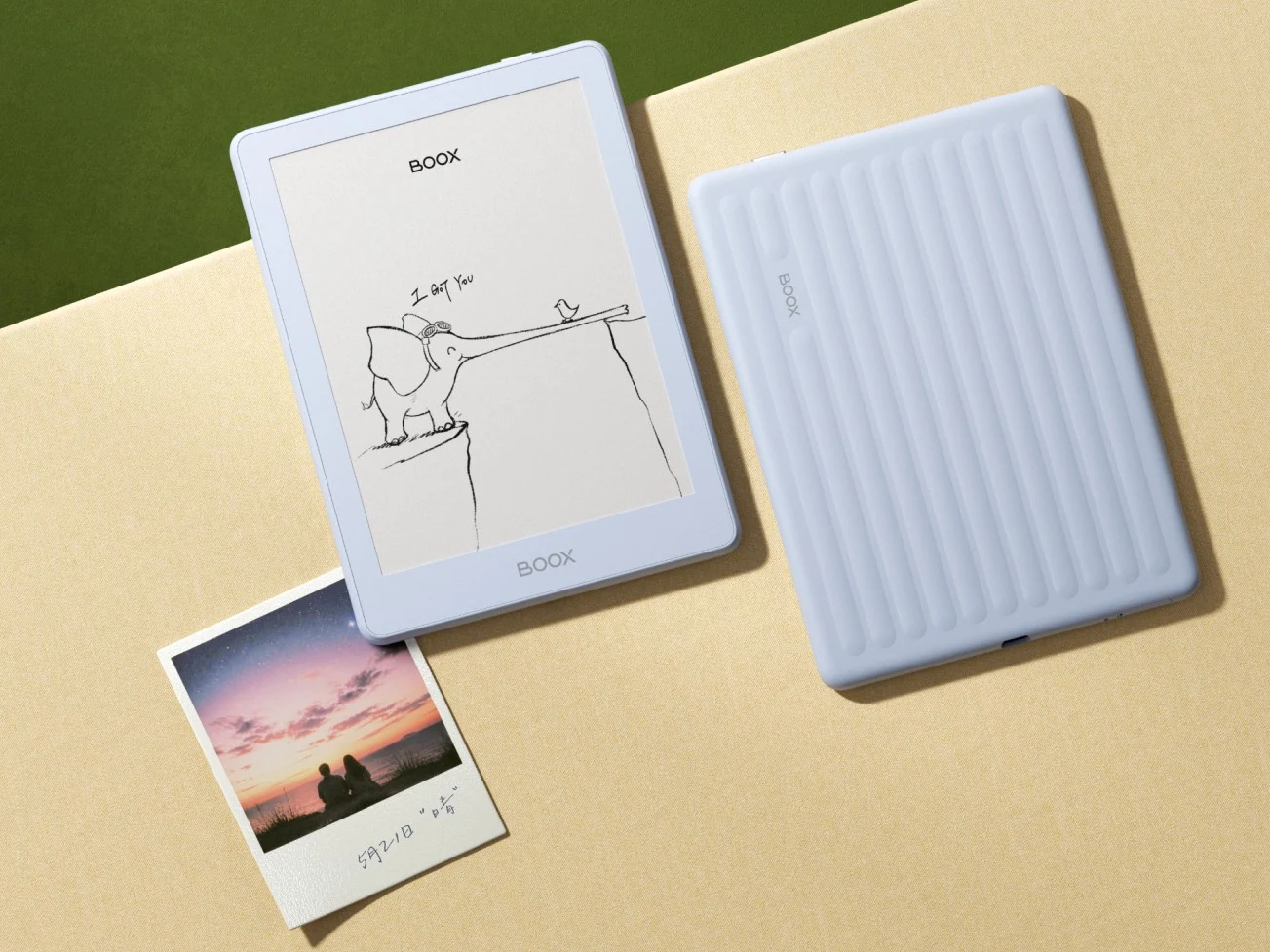
    the Poke 7 and Poke 7 Pro share several features and can even pass for the same device as they have an identical design, which could confuse buyers who expect distinct silhouettes. both ereaders showcase a 6-inch monochrome display at 300 ppi with an improved front light, and the display remains flush under tempered glass, signaling a premium feel despite the grayscale tech.

    internals and storage

    boox says the two devices are powered by an unnamed Qualcomm octa-core processor, though specifics werent disclosed, and while the standard Poke 7 comes with 2GB of RAM, the Poke 7 Pro steps up to 3GB. both units pack 32GB of storage and support microSD expansion up to 2TB via a card slot at the bottom, offering plenty of room for libraries and documents.

    Software and hardware measurements

    the Poke 7 and Poke 7 Pro ship with Android 11 out of the box, mirroring their predecessors, which might influence app compatibility and performance expectations. in terms of size, they share the same 1,500mAh battery capacity, thickness of 6.7mm, and weight of 165g, suggesting similar ergonomics and daily handling for long reading sessions.

    pricing, colors, and launch caveats

    the Boox Poke 7 is priced at ¥1199 (~$176/€152) with color options in Blue, White, and Sand, while the Poke 7 Pro costs ¥1399 (~$205/€177) and is available in White only. product listings on the Boox site indicate buyers who order either model will receive a free case and a stand, though prices shown on those pages currently appear as placeholders. until the official May 21 release, there’s potential for listing corrections.

  • Xiaomi Poco Tablet Launch: 120 Hz Display & HyperOS 3 Worldwide

    Xiaomi Poco Tablet Launch: 120 Hz Display & HyperOS 3 Worldwide

    Key Takeaway

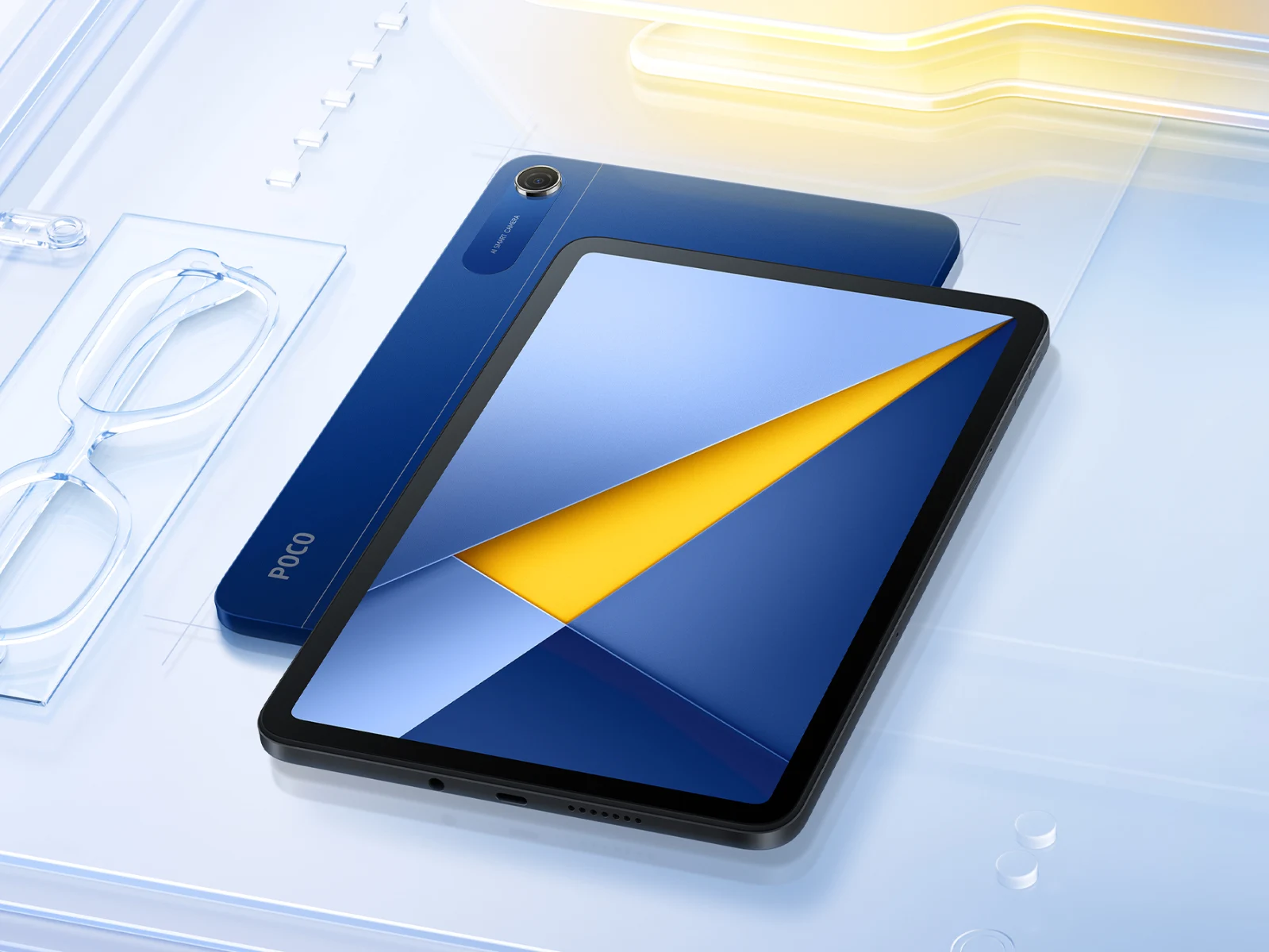
    – Poco Pad C1 is effectively a Redmi Pad 2 9.7 with a global release and new Poco branding, available in blue and black.
    – Key specs: 9.7-inch 120 Hz IPS display, Snapdragon 6s Gen 2 4G, 7,600 mAh battery with 18 W charging, and dual low-res cameras.
    – Memory/storage options: up to 6 GB RAM (LPDDR4X) and up to 128 GB UFS 2.2 storage, with HyperOS 3 out of the box.
    – Availability and pricing: global release confirmed; exact price is not yet announced.


    Overview

    Xiaomi has just started selling the Redmi Pad 9.7 in Europe. At the same time, the company has quietly confirmed the existence of a new Poco-branded alternative. For context, the Poco Pad C1 initially emerged in April before reappearing earlier this month at the Federal Communications Commission (FCC) in the US. The information here keeps the original pricing and specifications as they appeared, avoiding any nonessential additions.

    Global Release and Colours

    Now, Xiaomi has added the same tablet to its global website. By extension, it has confirmed that the Poco Pad C1 will receive a global release in a choice of blue and black colours. The listing has revealed all key hardware specifications in the process, and this paragraph maintains the same details that appeared in the source while adjusting to a fresh paragraph style. The Poco Pad C1 is essentially a Redmi Pad 2 9.7 in all but name, mirroring how the Poco Pad M1 was to the Redmi Pad 2 Pro (curr. $299 on Amazon).

    Specifications

    As such, the Poco Pad C1 features a 9.7-inch and 120 Hz IPS display within a 226.51 x 147.97 x 7.4 mm housing that weighs 406 g. Also, Xiaomi includes a Snapdragon 6s 4G Gen 2 chipset, a 7,600 mAh battery that supports 18 W wired charging and a pair of relatively low-resolution cameras. The Poco Pad C1 will run HyperOS 3 out of the box with up to 6 GB of LPDDR4X RAM and 128 GB of UFS 2.2 flash storage at its disposal. Pricing remains unknown for now. Please see Xiaomi’s website for more details, with the original emphasis retained where numbers and names appear.

    Availability

    The article notes that Xiaomi has made the Poco Pad C1 available on its global site and hints at a forthcoming international rollout. The language mirrors the source’s structure, and the pricing is described as currently unknown, preserving the factual state as reported. For readers, the key takeaways are the 9.7-inch display, the 120 Hz refresh rate, 406 g weight, and the 7,600 mAh battery paired with 18 W charging, along with the HyperOS 3 software base and storage/RAM options.


    Sources

  • Steam hardware controversy: Valve hardware price and purpose divide players

    Steam hardware controversy: Valve hardware price and purpose divide players

    Key Takeaway

    – The debate centers on price versus value: can a Steam Machine justify a high price with modest performance, or is a traditional PC/console still a better deal?
    – Core appeal lies in a living-room, SteamOS experience with easy access to a user’s Steam library and minimal setup, rather than raw power.
    – Game compatibility and anti-cheat issues on Linux (via Proton) remain a major risk for mainstream multiplayer titles, affecting broad appeal.
    – Audience split: it may mainly attract existing Steam users rather than drawing new PC or console players.
    – Overall success hinges on achieving the right balance of price and broad game compatibility to satisfy both PC enthusiasts and living-room users.


    A heated debate about the Steam Machine has erupted on Reddit. In a thread titled “RANT: Steam gamers hate Valve hardware,” more than 170 comments were posted within five hours. The community is split into two camps. Thread creator u/Ayzuki criticizes what they see as many PC gamers reflexively dismissing Valve hardware. Instead of discussing the actual concept, the debate often comes down to whether a self-built gaming PC would be more powerful or cheaper.

    Different Perspectives emerge

    For many users, the Steam Machine is interesting less because of its price or raw performance and more because of its concept: a living-room PC with SteamOS and direct access to the user’s Steam library – without driver hassle or hours of optimization. Some would apparently be willing to pay a little more for that experience or accept some performance trade-offs. In this context, many also point to the Steam Deck, which is not the most powerful handheld compared with rivals such as the Asus ROG Ally X or Lenovo Legion Go but remains one of the most popular devices of its kind thanks to its ease of use and Steam integration.

    Price as a defining issue

    For the other side, however, the Steam Machine will ultimately stand or fall with its price. According to current rumors, the console could cost more than $1,000. If Valve actually charges a high three-digit or even four-digit price, the overall package would have to offer more than just a compact PC with SteamOS and 4K support. That is where many objections come in: users familiar with hardware could potentially build a more powerful living-room PC for similar money – or simply stick with a traditional console.

    Game compatibility concerns

    There is also the question of game compatibility. Valve has made major progress with Proton and the Steam Deck, but some popular multiplayer titles still have problems running on Linux, mainly because of anti-cheat systems. Fortnite, Apex Legends and Valorant are among the affected games. Some users therefore doubt that the Steam Machine will be attractive enough for mainstream gamers if many major online games do not run or only work with limitations.

    Audience and purpose

    The target audience is also controversial. Supporters see the Steam Machine as a simple bridge between console and PC. Others, however, question who exactly is supposed to buy the device: PC enthusiasts tend to already have more powerful hardware, while console gamers are often firmly tied into the PlayStation, Xbox or Nintendo ecosystems. In the end, the Steam Machine could primarily appeal to existing Steam fans – in other words, the very group that already uses gaming PCs or handhelds anyway.

    Conclusion and outlook

    Overall, the discussion shows less outright dislike of Valve hardware than a fundamental divide within the Steam community. While one side judges the Steam Machine by classic PC standards such as price and performance, the other primarily sees it as a convenient living-room solution for an existing Steam library. Whether Valve can reconcile both expectations will likely depend above all on price and game compatibility.

    Sources
  • GMKtec AMD-Powered Gaming Mini PC with OCuLink Port

    GMKtec AMD-Powered Gaming Mini PC with OCuLink Port

    Key Takeaway

    – EVO-X3 is teased as an upgraded version of EVO-X2 with a larger chassis and new I/O, including an OCuLink port, high-speed USB4 ports, and WiFi 7.
    – Likely powered by Ryzen AI Max+ 495 (rumored), suggesting a noticeable performance boost over the EVO-X2’s Ryzen AI Max+ 395.
    – Dual PCIe 4.0 slots for expanded storage and overall emphasis on high-end connectivity and expansion at a premium price.


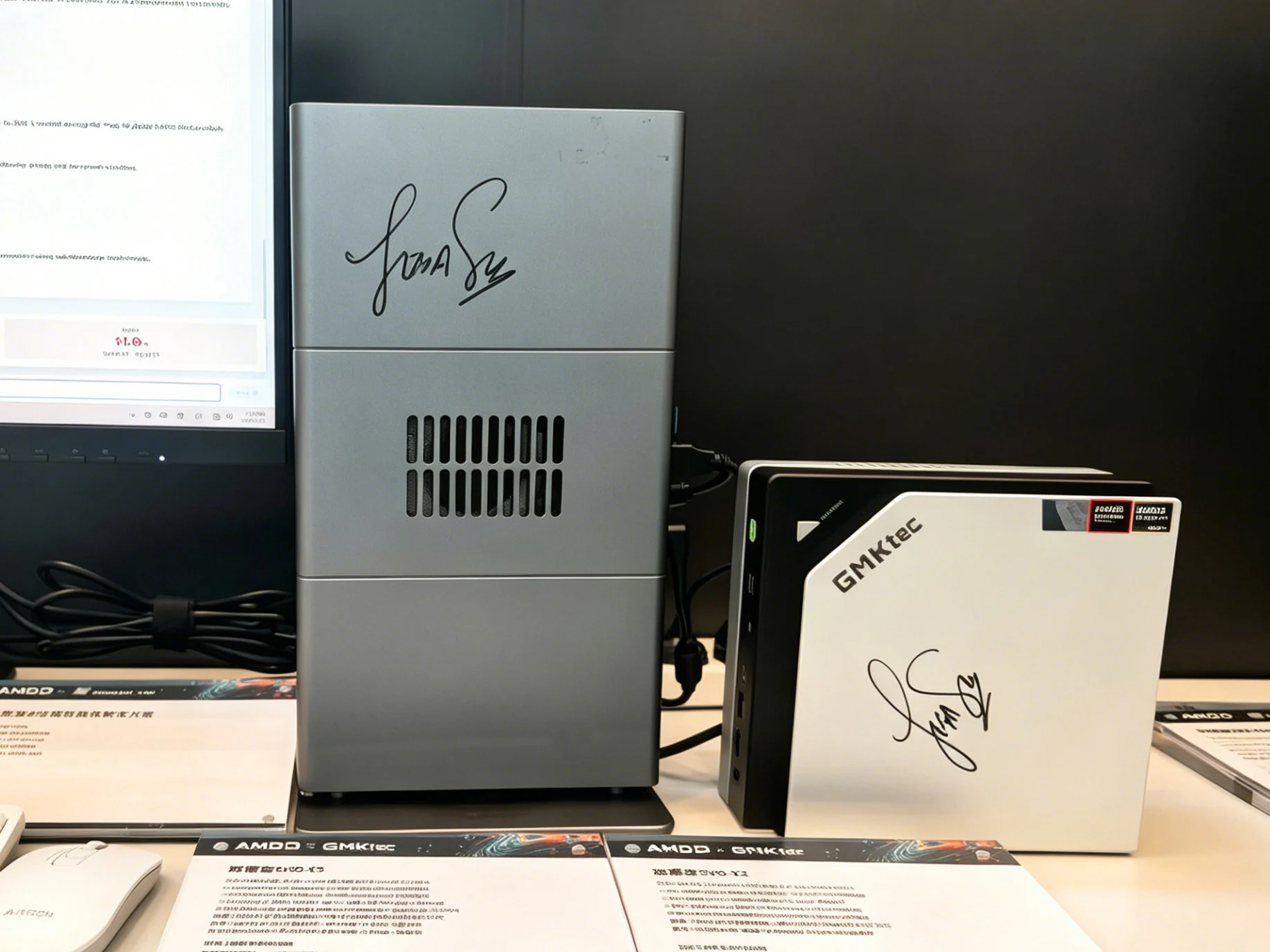
    GMKtec has shown off a new mini PC named EVO-X3 during the AMD AI Developer Day 2026 in China, with only one image released and limited details shared. The official blog hinted that it would be an upgraded version of the EVO-X2, suggesting improvements on the previous model rather than a complete rebuild.

    Overview and teased upgrade

    GMK EVO-X2 previously arrived as one of the early mini PCs to feature the top-end Ryzen AI Max+ 395 APU, which included the Radeon 8060S iGPU. This integrated graphics solution was reported to rival the gaming performance of Nvidia RTX 4070 Laptop GPU in certain scenarios, a claim that impressed enthusiasts seeking compact power. The EVO-X3 is expected to continue that tradition by offering an enhanced processing unit, with speculation pointing toward the Ryzen AI Max+ 495 as a possible core.

    Possible specs and features

    In official communications, GMKtec confirmed the EVO-X3 will include an OCuLink port, a feature missing from the current EVO-X2. Additionally, the device is promised to come with high-speed USB4 ports, WiFi 7, and dual PCIe 4.0 expansion slots to support extra storage. The existence of these elements signals a focus on connectivity and expansion, aligning with expectations for a future-proof mini PC.

    The photographed render shows a larger chassis for the EVO-X3 relative to the EVO-X2, implying improved cooling, space for higher-end components, or both. Pricing remains undisclosed, but it’s noted that the EVO-X2 launched at a higher price due to its premium internals, and GMKtec has previously increased the EVO-X2 price after global availability.

    Design and positioning

    The single image teased by GMKtec depicts a design shift toward a more substantial enclosure, which could reflect enhanced thermals and potential performance headroom. While it’s common for mini PCs to trade compactness for greater cooling, the EVO-X3’s prospective upgrades suggest GMKtec is targeting power users who demand sustained performance from a compact form factor.

    • OCuLink port inclusion signals an emphasis on fast external connections.
    • WiFi 7 readiness points to better wireless performance in dense environments.
    • Dual PCIe 4.0 slots offer expandable storage options for demanding workloads.

    Market expectations

    The EVO-X3’s arrival comes amid a crowded field of compact workstations and gaming mini PCs. If the EVO-X3 pairs the rumored Ryzen AI Max+ 495 with robust cooling and enhanced IO, it could appeal to professionals and enthusiasts who want a capable box for content creation, AI workloads, or portable game streaming. Pricing remains a key variable that will influence its reception among buyers who already saw the EVO-X2 fluctuate in cost after introduction.

    Sources
  • Jupiter 2 Mini PC: 10Gbps Network Port, 60 TOPS Performance

    Jupiter 2 Mini PC: 10Gbps Network Port, 60 TOPS Performance

    Key Takeaway

    – Robust developer-focused mini PC with AI capability: Spacemit K3 SoC (eight A100 cores) offering up to 60 TOPS AI performance and RVA23 support, suitable for local AI workloads.
    – Strong connectivity and expansion: SFP+ 10 Gbps, Gigabit Ethernet, WiFi 6, Bluetooth 5.2, UFS, M.2 2280 SSD over PCIe 3.0 x4, USB-C with 4K60 DP Alt Mode, and optional cellular module.
    – Flexible display and power options: eDP 2.5K@90Hz, USB-C DP Alt Mode 4K60, USB PD or 12V with ATX pins; Fedora and Ubuntu 26.04 supported.


    Overview

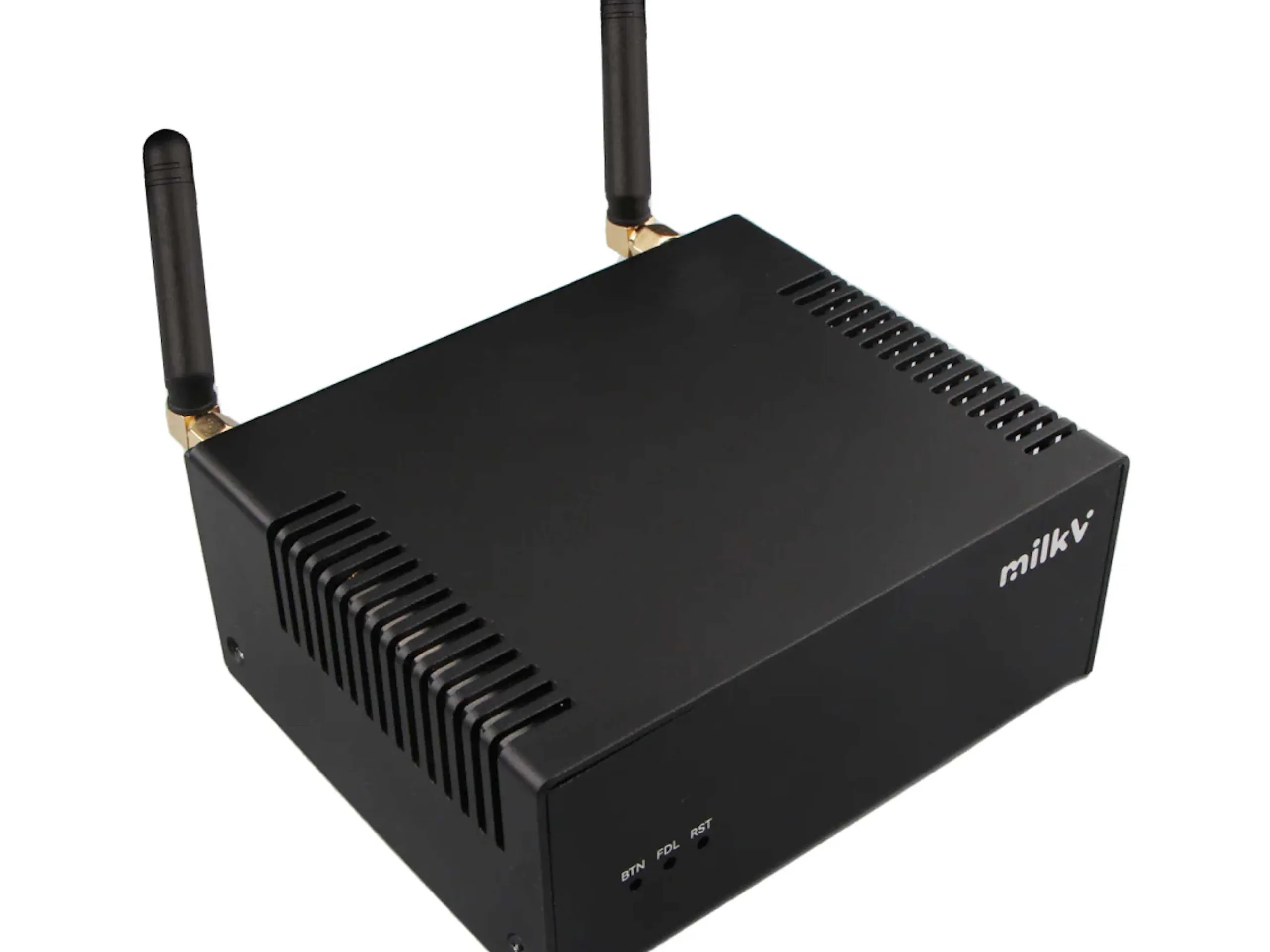
    The Jupiter2 is a new mini PC from Milk-V. It is currently available for pre-order from Arace for $300. Customers will therefore still need some patience. “Customers” is already a useful keyword here, since this is unlikely to be a system for typical consumers and is instead more of a developer platform for the RISC-V architecture.

    Processor and AI

    The SoC is a Spacemit K3, which has eight A100 compute cores. AI performance is listed at up to 60 TOPS, which means AI applications should also be able to run locally. The SoC supports the RVA23 instruction set.

    Networking and storage

    The configuration is fairly solid, and the networking in particular is very strong. SFP+ supports network connectivity at up to 10 Gbps, which means roughly 1.2GB can be transferred per second. Gigabit Ethernet is also included, while WiFi 6 and Bluetooth 5.2 are supported as well. UFS storage can be used, and an M.2 2280 SSD can be installed. It is connected via four PCIe 3.0 lanes.

    Ports and expansion

    There is an eDP port that can output 2.5K content at up to 90Hz. There is also a USB-C port, which supports 4K60 output via DisplayPort Alt Mode. A SIM card slot is available, and a cellular module can be added later. The system offers two USB 3.2 Gen 1 ports in USB-C form and four USB 2.0 Type-A ports. Power can be supplied via USB PD or 12 volts, in which case two ATX pins are used. Fedora and Ubuntu 26.04 are also supported as operating systems.

    Arace, Milk-V


    Sources

  • Intel Panther Lake Mini PC with eGPU under $600: Cyberpunk 2077 at 50 FPS

    Intel Panther Lake Mini PC with eGPU under $600: Cyberpunk 2077 at 50 FPS

    Key Takeaway

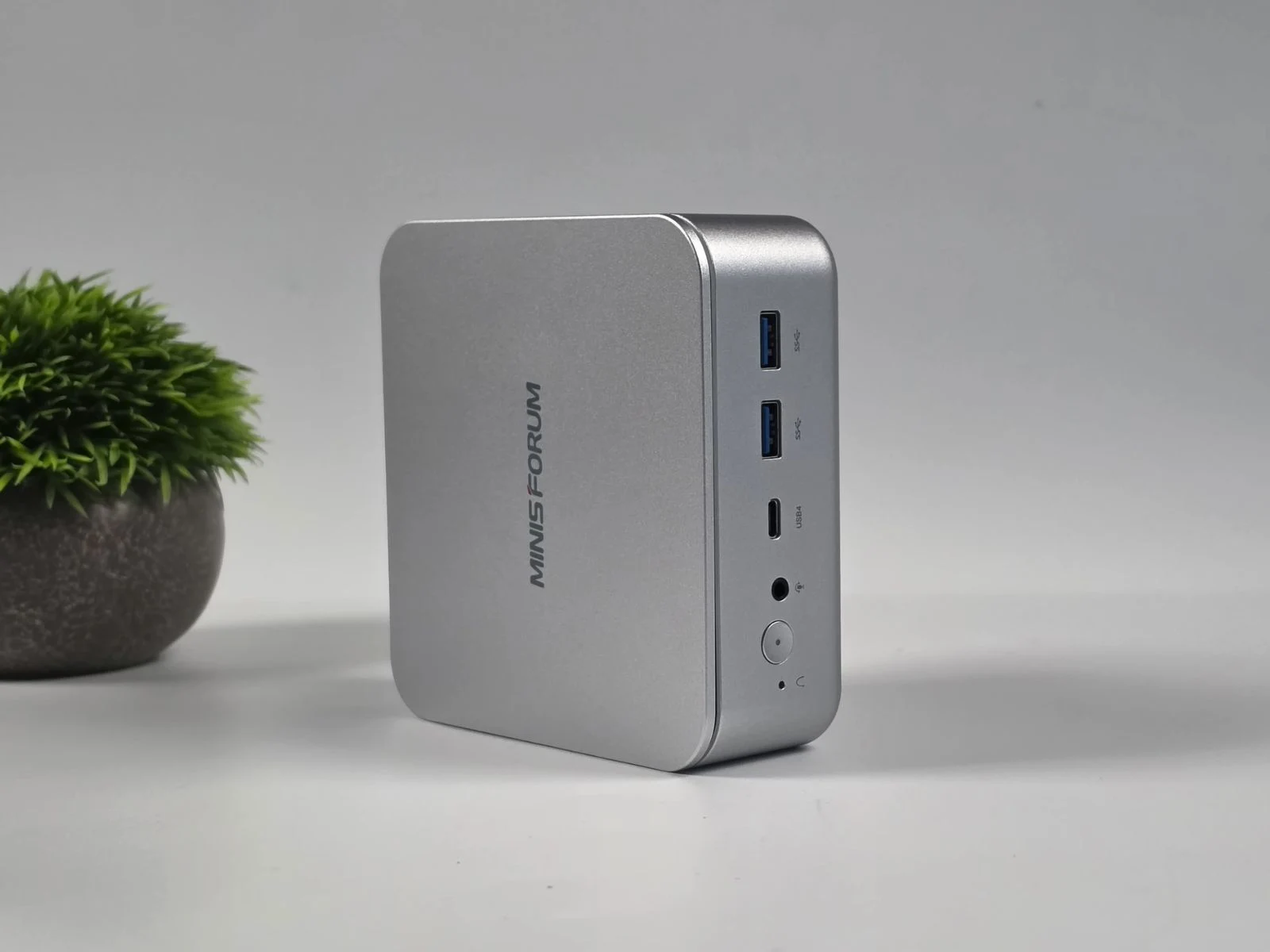
    – The Minisforum M2 pairs an Intel Core Ultra 7 356H with dual NVMe slots, Wi-Fi 7, and PCIe 4.0 storage for about $575, but it uses a standard iGPU with only four Xe cores (not a higher-end XeDG solution).
    – In synthetic CPU/GPU benchmarks, it scores around 2,696 (single) / 15,073 (multi) in Geekbench 6 and about 3,273 in 3DMark Time Spy, lagging behind higher-tier chips like Ryzen AI 9 HX 470.
    – In gaming tests at 1080p, Cyberpunk 2077 runs ~45–50 FPS using XeSS/FSR tweaks; enabling 4X Frame Generation can exceed 100 FPS but may introduce artifacts, with balance/quality trade-offs recommended.
    – 1080p Crimson Desert stays ~25–30 FPS (up to ~70 FPS with 2X frame gen, but ghosting occurs); Red Dead Redemption 2 results were reported but not specified in detail.


    Minisforum M2 Overview and Pricing Details

    Minisforum M2 could very well be one of the most affordable bare-bones Intel Panther Lake mini PCs on the market, featuring the Intel Core Ultra 7 356H, two M.2 2280 NVMe SSD slots (PCIe 4.0 x4), Wi-Fi 7, and Bluetooth 5.4, costing around $575. But don’t get confused by the Intel Panther Lake branding, as the processor uses the standard Intel Graphics iGPU instead, featuring only four Xe graphics cores.

    Previous Claims and Onboard Graphics Considerations

    In our previous reporting of the device, we had reported that, to counter the weak iGPU, Minisforum has included a USB4 port for connecting an eGPU dock. However, the question still remains as to how the Minisforum M2 performs on its own in terms of gaming, without any external graphics power.

    ETA Prime’s Test and RAM Configuration

    YouTube channel ETA Prime might have an answer, as they recently tested the Minisforum M2 mini PC in their latest video. The affordable Intel Panther lake mini PC was equipped with 32 GB of DDR5-5600 RAM in a quad-channel configuration, meaning it used two 16 GB modules.

    CPU and Graphics Benchmarks

    In Geekbench 6, it scored 2,696 in single-core and 15,073 in multi-core performance. Compare that to the AMD Ryzen AI 9 HX 470, which has median scores of 2,963 and 15,813, respectively, according to the Notebookcheck database.

    GPU and Gameplay Performance

    Moreover, in GPU-based benchmarks like 3DMark Time Spy, the HX 370 scored noticeably higher at 4,138 compared to the Core Ultra 7 356H’s 3,273.

    Cyberpunk 2077 Testing and Settings

    In terms of gaming, the first game on the test bench was Cyberpunk 2077, for which the YouTuber chose the Steam Deck preset but manually switched the upscaler from FSR to XeSS Balanced. At this point, the game ran between 45 and 50 FPS and was easily playable without any hiccups.

    Frame Generation Experiments

    They also tried a 4X Frame Generation Override using Intel Graphics Software, since Cyberpunk 2077 has not yet been updated to natively support Intel’s multi-frame generation multipliers. This resulted in over 100 FPS in-game, as the YouTuber also turned off XeSS scaling and switched back to native 1080p.

    A Balanced Recommendation and Visual Quality Trade-offs

    In the end, the YouTuber did say that changing the multiplier to 3X or switching XeSS scaling back to the “Quality” preset would be the ideal way to go, as it would help alleviate visual artifacts and ensure a much smoother, more stable experience.

    Crimson Desert and Frame Generation Effects

    Next up, they tested Crimson Desert at 1080p with XeSS set to Balanced, and it ran between 25 and 30 FPS. With a 2X frame generation multiplier, the frame rate did go up to 70 FPS; however, it also caused a lot of in-game ghosting.

    Other Titles

    They also tested Red Dead Redemption 2 later in the video, which you can watch linked down below.


    Sources

  • Ugreen Slim Charger with Smart Charging Feature Released

    Ugreen Slim Charger with Smart Charging Feature Released

    Key Takeaway

    – Ultra-compact 45W GaN charger with a single USB-C port, pocket-friendly footprint and lightweight design.
    – Smart charging with dynamic power delivery (0–20% up to 45W, then trickle charging 80–100%), plus broad fast-charging protocol support.
    – ThermalGuard temperature control and safety protections (overvoltage, overcurrent, short circuit) with a metal-coated shell.
    – Priced at $39.99 with upcoming Prime Day discounts hinted for June 2026; available via Ugreen store and Amazon.


    Ugreen’s Nexode Air 45W Charger Slim Arrives in the US

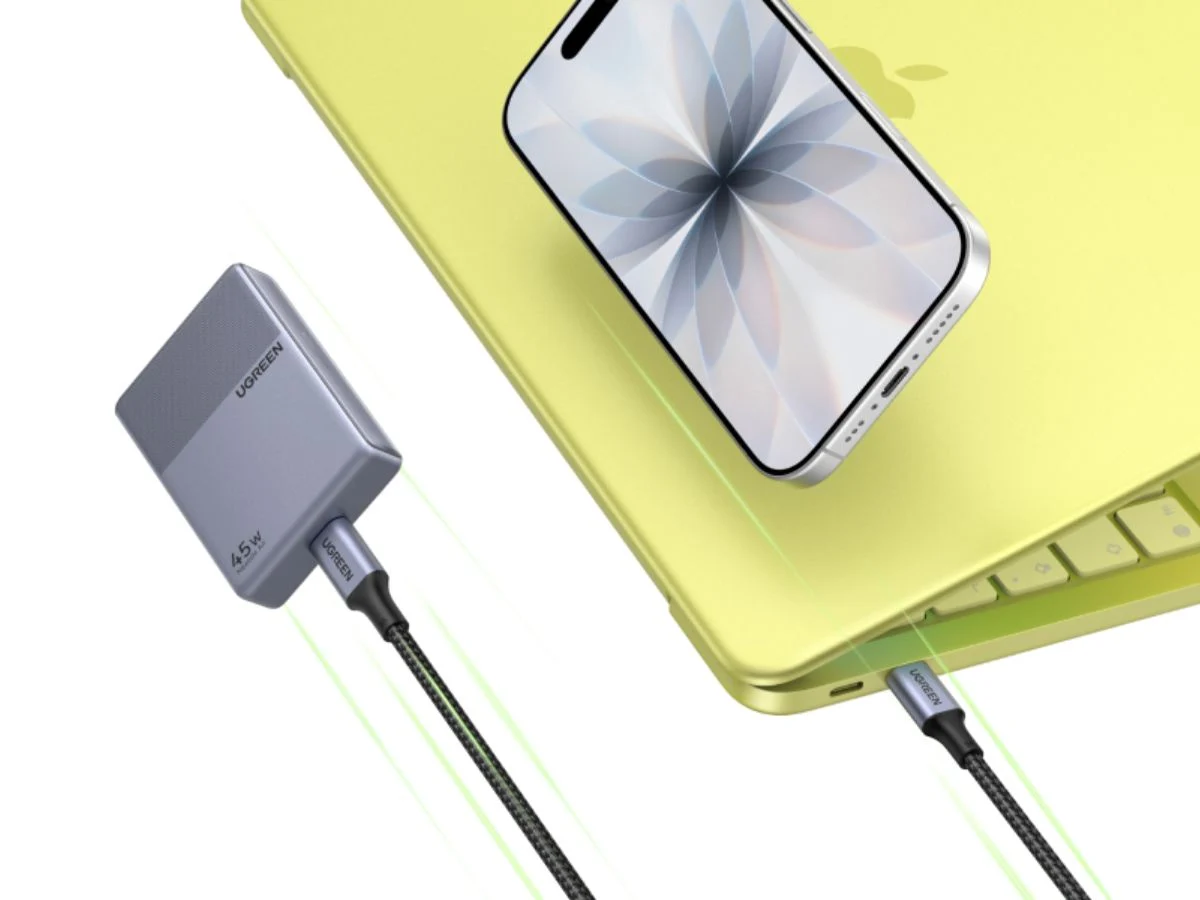
    Ugreen has released the new Nexode Air 45W Charger Slim in the US. This biscuit-shaped accessory is designed to fit in your pocket. It has launched alongside other products like the Ugreen Nexode Air 65W GaN Charger. The text keeps its concise vibe while shifting styles, and you can feel the casual tone wobble a bit as it describes the compact device. It mentions pocket-friendliness and launch timing without getting too technical, leaving readers with a quick first impression that this is meant for travelers and smartphone lovers.

    Design and Specifications

    In its design notes, the Nexode Air 45W Charger Slim packs a single USB-C port on one side. The maximum power output of 45W should allow you to charge a MacBook Neo to 34% or an iPhone 17 to 70% in half an hour. It offers smart charging with power management that ramps down from 0-20% to trickle charging between 80-100%, ensuring efficient battery care. The paragraph tries to summarize the tech details with a nod to the various fast charging protocols it supports, keeping it approachable for everyday users who might just want to know if it can juice their devices quickly.

    Safety and Build

    Ugreen’s Nexode Air 45W Charger Slim features ThermalGuard temperature control technology to prevent overheating. Other safety features protect against issues like overvoltage, overcurrent, and short circuit. This GaN charger has a metal-coated shell, measuring 61 x 40 x 11.7 mm (~2.40 x 1.57 x 0.46 inches) and weighing approximately 53 g (~1.87 oz). The paragraph uses a practical tone to convey sturdiness and safety, leaning on familiar terms that readers can picture when imagining a tiny charging brick that stays cool under use.

    Availability and Pricing

    You can now buy the Ugreen Nexode Air 45W Charger Slim at the brand’s online store or via its storefront for $39.99. However, it is worth noting that the company has hinted at an upcoming discount on the model for Prime Day in June 2026. The writing keeps the price mention direct and unembellished, signaling affordability while hinting at sales events that might influence a decision to buy sooner rather than later.


    Sources