Category: Computers

  • Powerful MS-S1 Max Mini PC launches 64GB RAM lower-priced config

    Powerful MS-S1 Max Mini PC launches 64GB RAM lower-priced config

    Key Takeaway

    – Minisforum now offers a 64GB RAM option for the MS-S1 Max, reducing price from $3,199 to $2,639 while keeping a 2TB SSD.
    – Both configurations share the same CPU/GPU (Ryzen AI Max+ 395 with Radeon 8060S iGPU) and PCIe 4.0 x16 slot, though the slot runs at x4 speed.
    – The MS-S1 Max features dual 80Gbps USB4 v2 ports and dual 10GbE LAN ports, with strong build quality and easy access, but can be loud at idle.


    Minisforum released the MS-S1 Max as a powerful mini PC with the Ryzen AI Max+ 395 in late October 2025. However, at launch, this AMD Strix Halo system was available in only one configuration, which paired the APU with 128GB of LPDDR5x RAM.

    New 64GB RAM option expands affordability

    The mini PC is now more affordable, thanks to the new 64GB RAM option that Minisforum has just introduced. This configuration keeps the storage the same, meaning both MS-S1 Max configurations feature a 2TB SSD. The launch price is $2,639, and to compare, the 128GB variant generally costs $3,199.

    Specs align with the higher RAM model

    Other specs of the 64GB MS-S1 Max are also the same as the 128GB variant. Of course, the lower amount of RAM means that it will not be possible to assign 96GB of VRAM to the capable Radeon 8060S iGPU. But then again, there’s a full-length PCIe 4.0 x16 slot available, allowing users to install a dGPU if needed.

    Port selection and build quality shine

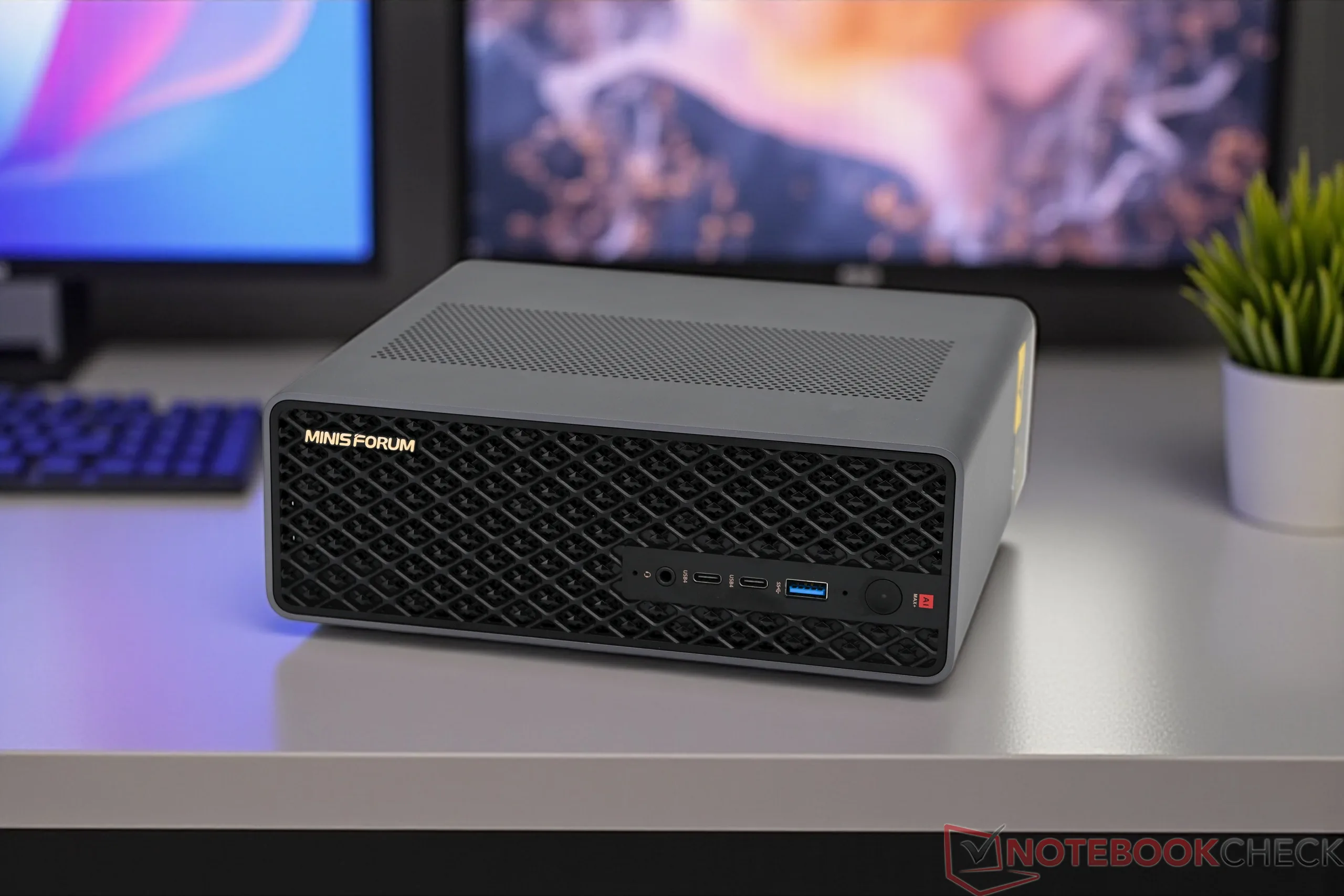
    As we noted in our review, the port selection is another highlight of the Minisforum MS-S1 Max. Among all, the two 80Gbps USB4 v2 (4-feet USB4 v2 Silkland cable curr. $24.99 on Amazon) and two 10GbE LAN ports are the highlights. We also liked the build quality of the chassis and praised how easy it is to get into the mini PC.

    • Two 80Gbps USB4 v2 ports
    • Two 10GbE LAN ports
    • Strong chassis build and easy access

    Cooling and expansion notes

    However, while Minisforum boasts about the internal cooling setup, we found the MS-S1 Max to get a bit too loud in idle mode. It’s nice that the PCIe x16 slot is available on the mini PC, but it’s limited to x4 speed, and we noted that there’s not enough ventilation available around this slot. Check out our review to learn more.

    Sources

  • Lenovo Yoga Pro 7i 15 G11: RTX 5070 12GB Laptop Review

    Lenovo Yoga Pro 7i 15 G11: RTX 5070 12GB Laptop Review

    Key Takeaway

    – Nvidia refreshes the RTX 5070 to 12 GB VRAM, addressing VRAM limitations and broadening appeal for high-end multimedia and mainstream gaming laptops.
    – The RTX 5070 12 GB does not require a new motherboard layout, making it a flexible option similar to the 4070 in performance considerations.
    – Lenovo Yoga Pro 7i 15 G11 showcases the new GPU options (5050/5060/5070 12 GB) with up to 85 W TGP, but the top configuration remains expensive and pricing impacts value.


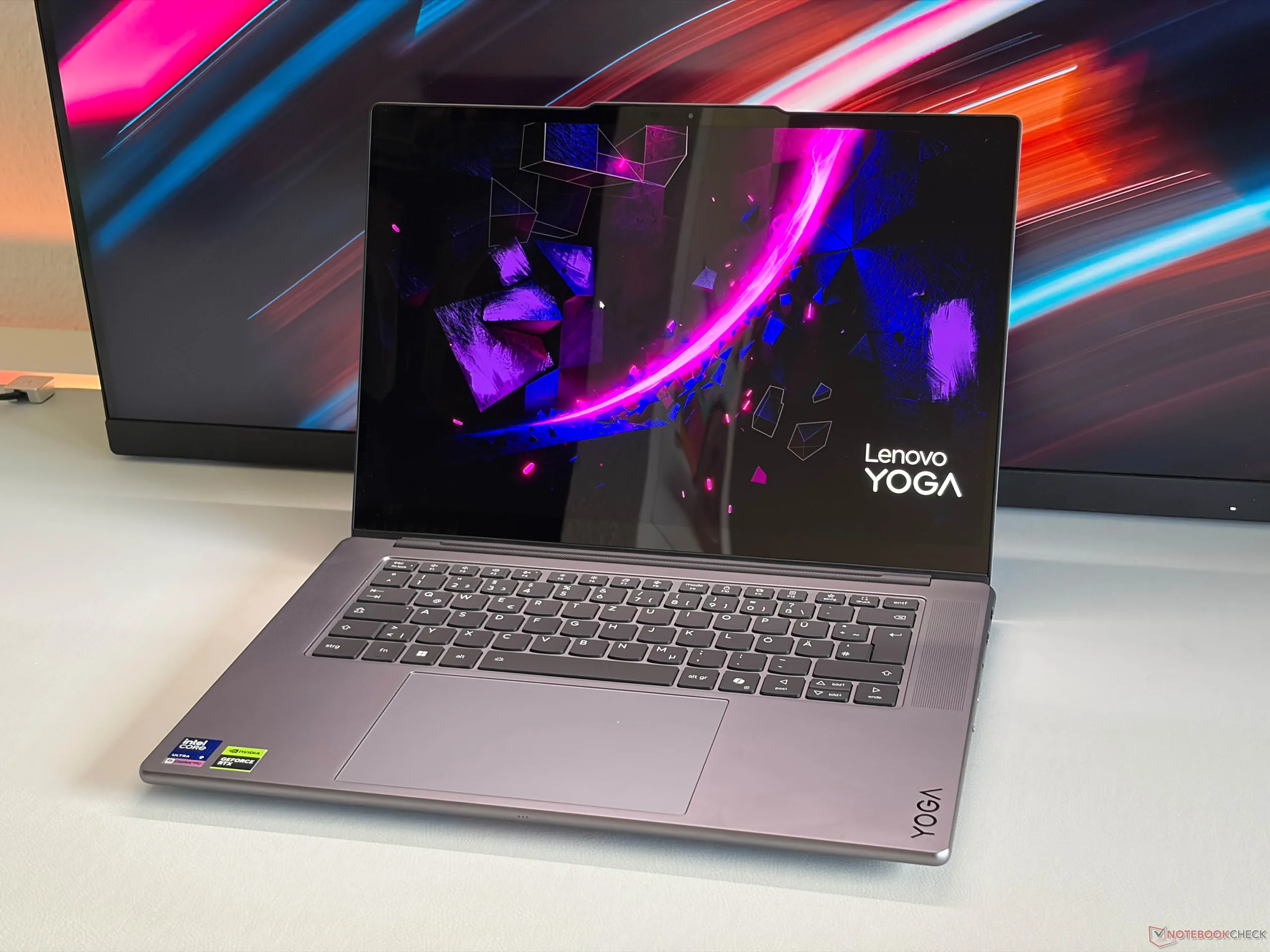
    The latest generation of mobile graphics cards from Nvidia wasn’t released this year, but the GeForce RTX 5070 got refreshed and now ships with 12 GB VRAM instead of 8 GB. This tweak addresses one of the main criticisms of the RTX 5070, which previously showed no VRAM advantage over the RTX 4070. The 5070 12 GB doesn’t demand a new motherboard layout (unlike the heftier RTX 5070 Ti), making the new model a pretty interesting pick for both high-end multimedia laptops and mainstream gaming laptops.

    New model introduction

    One of the early offerings is the Lenovo Yoga Pro 7i 15 G11, a 15-inch multimedia laptop that runs on Intel’s Panther Lake CPUs. For dGPUs, buyers can choose from familiar options like the GeForce RTX 5050 or RTX 5060 with 8 GB VRAM, or the newly mentioned GeForce RTX 5070 with 12 GB VRAM. The maximum TGP is 85 Watts for each GPU, delivering solid performance for multimedia tasks, though pushing the highest TGP setting can be a bit finicky. More on this will come in our in-depth review, as we’re actively testing the new Yoga Pro 7i 15 G11, despite only having the SKU with the RTX 5060 so far.

    • GeForce RTX 5050 with 8 GB VRAM
    • GeForce RTX 5060 with 8 GB VRAM
    • GeForce RTX 5070 with 12 GB VRAM

    Pricing notes

    Nevertheless, the new Yoga Pro 7i 15 G11 isn’t inexpensive and current memory prices clearly influence the total cost. Our test unit, featuring the Core Ultra 9 386H, 32 GB RAM, a 1 TB SSD, the GeForce RTX 5060, plus a high-resolution OLED touchscreen, lists at a steep €3089 from Lenovo. A full verdict will follow in our upcoming review, which should be published within the next few days.


  • Intel Desktop & Laptop CPU Roadmap: 2nd-Gen Unified Cores Revival

    Intel Desktop & Laptop CPU Roadmap: 2nd-Gen Unified Cores Revival

    Key Takeaway

    – Intel plans a multi-architecture rollout: Nova Lake (desktop/mobile) → Razer Lake (laptop/desktop) → Titan Lake (mobile-only) → Hammer Lake (major refresh with Hyperthreading return).
    – Razer Lake will rebadge Nova Lake for non-HX/high-end desktop variants, but high-end laptop/desktop RZL-S will use new Griffin Cove P-cores; Razer Lake-AX will be a renamed Nova Lake-AX with a 32 EU Xe3P iGPU.
    – Hammer Lake is the return of Hyperthreading and introduces Thunder Hawk unified cores (big P-cores and small E-cores) with a focus on platform longevity and broad Desktop/Laptop support.


    Leaker Moore’s Law Is Dead is known for dropping information-dense reports about Intel’s future desktop and mobile CPU architectures.

    This time, MLID has shared another massive leak revolving around the Intel Nova Lake-AX/Razer Lake-AX, Titan Lake, and Hammer Lake CPUs. Intel is reportedly planning to bring back a feature that it axed on the Arrow Lake and Panther Lake CPUs. The content reads as speculative gossip, yet it keeps readers hooked with a sense of impending hardware evolution.

    Speculative timelines and rebadging hints

    While the specs for architectures that are years away should be taken with a giant grain of salt, such leaks help us determine the direction that Intel might take with its future processors. So, they are always quite exciting to go through. Following the launch of the Intel Nova Lake desktop CPUs, possibly in late 2026, Intel will allegedly release the Razer Lake CPUs for both laptops and desktops in 2027. MLID claims that low-end and mid-range Razer Lake mobile and desktop CPUs will just be rebadged Nova Lake parts with the same Coyote Cove P-cores and Arctic Wolf E-cores.

    High-end distinctions and core changes

    However, for the mobile “HX” and high-end/flagship desktop RZL-S CPUs, Intel will utilize the new Griffin Cove P-cores, keeping the Arctic Wolf E-cores unchanged. Finally, MLID reports that Intel has renamed Nova Lake-AX, which is the company’s AMD Halo APU competitor, to Razer Lake-AX. The part has not been canceled and will be released with Coyote Cove P-cores, Arctic Wolf E-cores, and a 32 Execution Unit Xe3P iGPU.

    Titan Lake and mobile-only trajectory

    After Razer Lake, Intel reportedly plans to put the Titan Lake CPUs on the market in 2028. However, unlike Razer Lake, Titan Lake is a purely mobile CPU architecture. There will seemingly be no Titan Lake CPUs for desktops. We have been hearing about Intel’s partnership with Nvidia, and it looks like Titan Lake Halo CPUs will use large Nvidia iGPUs. These Halo products will rely on Razer Lake CPU dies with the same P and E cores.

    Copper Shark cores and unified design

    For the low-end U, P, and PX series Titan Lake laptop processors, Titan Lake chips will rely on Copper Shark CPU cores. These Copper Shark CPU cores are expected to be Intel’s first-gen “Unified Cores,” as Intel will use the same Copper Shark IP for big P and small E-cores. The strategy mirrors AMD’s Zen X and Zen Xc core designs, where the Zen Xc cores are essentially the same as the big Zen X cores but slimmed down.

    Hammer Lake: a return to multithreading

    MLID reports that Hammer Lake is Intel’s next major architecture refresh for both desktops and laptops after Razer Lake. More importantly, Hammer Lake is where Intel is seemingly bringing back Simultaneous Multithreading or Hyperthreading. This is a feature that Intel ditched starting with the mobile Lunar Lake processors. The upcoming Nova Lake desktop CPUs will also lack Hyperthreading.

    Thunder Hawk cores and platform longevity

    Furthermore, the Hammer Lake CPUs will reportedly feature the 2nd-gen Unified Cores titled Thunder Hawk. Intel will use these Thunder Hawk cores for both the big P and small E-cores, but MLID suggests that most Hammer Lake CPUs will rely exclusively on big P-cores. Finally, Intel might finally give Team Blue customers a taste of the platform longevity that AMD customers have enjoyed for a while now. MLID suggests that Nova Lake, Razer Lake, and Hammer Lake all share the same desktop socket design.

    Sources
  • Microsoft patches Defender zero-days exploited in active attacks

    Microsoft patches Defender zero-days exploited in active attacks

    Key Takeaway

    – Two Windows Defender zero-days (RedSun and UnDefend) were exploited in the wild before patches, with CVE-2026-41091 (7.8) allowing SYSTEM privilege escalation in Malware Protection Engine and CVE-2026-45498 (4.0) causing DoS in Antimalware Platform.
    – Patches are available in Malware Protection Engine 1.1.26040.8 and Antimalware Platform 4.18.26040.7; verify deployments are updated, especially in air-gapped or managed environments.
    – CISA added both CVEs to the Known Exploited Vulnerabilities catalog (deadline June 3, 2026 for Federal agencies); third related flaw CVE-2026-45584 was also fixed by the same engine update but not yet widely exploited.


    On May 21, 2026, Microsoft pushed out-of-band patches for two Windows Defender zero-days that real attacks had already confirmed. Researcher Chaotic Eclipse disclosed both vulnerabilities, publicly known as RedSun and UnDefend, without coordinated disclosure. They had no CVEs and no fixes when first released. Endpoint security firm Huntress confirmed active exploitation before the patches existed.

    Two Windows Defender zero-days and their impact

    The more severe of the two, CVE-2026-41091, carries a CVSS score of 7.8 and targets the Microsoft Malware Protection Engine. The flaw stems from an improper link resolution before file access, which lets a low-privileged attacker manipulate a symbolic link or directory junction during a Defender scan and escalate to full SYSTEM-level control. No elevated starting permissions are required.

    Second vulnerability details

    The second, CVE-2026-45498, is rated CVSS 4.0 and targets the Microsoft Defender Antimalware Platform. It functions as a denial-of-service against the protection engine itself, silently blocking definition updates and degrading Defender’s ability to detect new threats. The flaw affects System Center Endpoint Protection, System Center 2012 R2 and 2012 Endpoint Protection, and Security Essentials in addition to standard Defender installations. Neither vulnerability triggers a visible alert to the user or administrator during exploitation.

    Resolution and deployment guidance

    Both CVEs are resolved in Malware Protection Engine version 1.1.26040.8 and Antimalware Platform version 4.18.26040.7. Microsoft delivers the fixes automatically through Defender’s built-in update mechanism. Administrators should confirm their deployments are running those versions or newer, particularly in air-gapped or managed environments where automatic updates may be delayed.

    Regulatory and broader context

    CISA added both vulnerabilities to its Known Exploited Vulnerabilities catalog on May 20, 2026, giving Federal Civilian Executive Branch agencies until June 3 to confirm patching. The same engine update that resolves CVE-2026-41091 also addresses a third flaw, CVE-2026-45584, a heap-based buffer overflow with a CVSS of 8.1 that allows remote code execution without user interaction. CVE-2026-45584 has not yet been confirmed exploited in the wild.

    Background and related disclosures

    RedSun and UnDefend are the fourth and fifth zero-days released by Chaotic Eclipse over the past six weeks, all targeting Windows security components. MiniPlasma, which gives SYSTEM access on fully patched Windows 11 machines via the Cloud Filter driver, remains unpatched. For more on that disclosure and its context within the broader series, see our earlier report:

    • BleepingComputer
    • Security Week
    • Microsoft
    • nvd.nist.gov
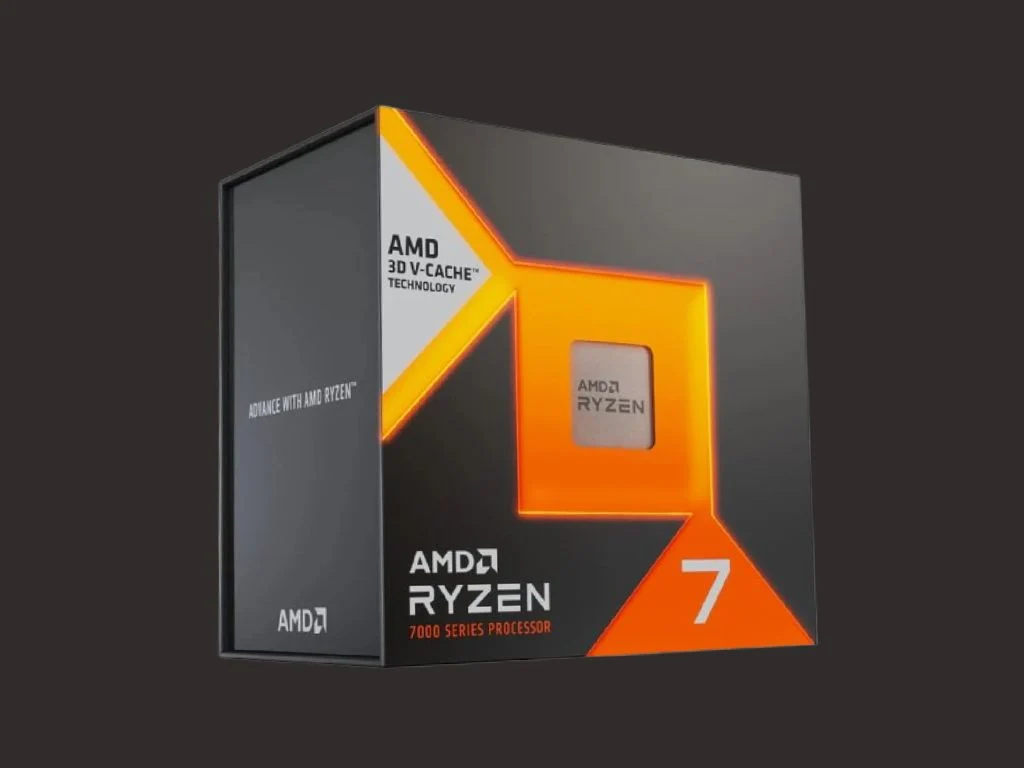
  • Budget 8-core AMD Ryzen 7 7700X3D in the works reveal

    Budget 8-core AMD Ryzen 7 7700X3D in the works reveal

    Key Takeaway

    – Rumor: AMD prep for a budget-friendly Ryzen 7 7700X3D (Zen 4 with 3D V-Cache) aimed at budget-conscious gamers.
    – Specs (rumored): 8 cores / 16 threads, 96 MB L3 cache, 120W TDP, base 4.0 GHz, boost up to 4.5 GHz.
    – Performance expectation: In-game performance within ~5–10% of the higher-end 7800X3D, at a lower price point (~$300).
    – Market impact: Could broaden access to 3D V-Cache tech and improve price-to-performance in gaming CPUs if launched.


    Budget Ryzen 7000 X3D Rumor Surfaces

    AMD is reportedly working on a budget-friendly Ryzen 7000 series X3D CPU for gamers that doesn’t break the bank while still delivering top-tier gaming performance in CPU-intensive titles. The chatter comes from a known hardware leaker going by chi11eddog, who claims the lineup will include a new Zen 4-based chip using the company’s 3D V-Cache tech. This would place the product as the latest entry in the Ryzen 7000 X3D family, specifically aimed at budget-minded players who aren’t willing to splurge on flagship parts.

    Rumored Pricing and Target

    It’s rumored that the Ryzen 7 7700X3D will be priced around $300 at retail, potentially making it an attractive option for price-to-performance in gaming. The idea is to broaden access to AMD’s 3D V-Cache tech for a wider audience. Some speculation suggests AMD could be using leftover or repurposed dies to assemble this more affordable processor.

    Key Specs Leaked

    The leaker’s post on X reportedly includes some essential specs: “R7 7700X3D, 120W, 8C16T, 96MB.” In comparison to the current Zen 4 X3D octa-core CPU, the Ryzen 7 7700X3D resembles the 7800X3D on paper, both offering eight cores, sixteen threads, and 96MB of L3 cache (32MB standard plus 64MB stacked via 3D V-Cache). The main variation appears in clock frequencies.

    Performance and Cooling

    Sources claim the 7700X3D would run at a base clock of 4.0 GHz and boost up to 4.5 GHz, which are about 200 MHz and 500 MHz lower respectively than the 7800X3D’s 4.2/5.0 GHz. The total power draw is pegged at 120 watts, implying that high-end cooling might not be strictly necessary. The lower clocks could also help the chip stay a bit cooler than its larger sibling, a reasonable trade-off for a budget-focused model.

    Market Impact and Availability

    Early reports suggest gaming performance could dip only around 5–10% versus the 7800X3D, which would be acceptable for many players when weighed against the lower price tag. The 7800X3D originally launched at $449 in 2023 and still commands roughly $350–$380 in today’s market, depending on availability. The Ryzen 7 7700X3D might offer similar gains at a fraction of the cost, presenting a helpful option as hardware prices fluctuate.

    Official Confirmation and Timing

    Despite the chatter, AMD has not officially announced the Ryzen 7 7700X3D. Historically, the company has released more affordable chips after higher-end, well-binned units become scarce, so the candidate could arrive soon, aligning with a PC gaming market that could use some relief on hardware costs.

    Sources
  • Lisuan LX 7G100: Chinese Gaming GPU Trails RTX 4060

    Lisuan LX 7G100: Chinese Gaming GPU Trails RTX 4060

    Key Takeaway

    – 7G100 shows solid 1080p playability (56–182 FPS across tested titles) but trails mainstream GPUs by ~30%, with larger gaps in less-supported games.
    – Stronger game compatibility and fewer driver issues than older Chinese GPUs, though stability and driver software still need work (stuttering, frame pacing, settings reset).
    – No ray tracing and software ecosystem is underdeveloped (minimal control panel, overclock resets), impacting advanced features and long-term usability.
    – Pricing (~$485) positions it close to faster competitors, making value dependent on demand for compatibility over peak performance.


    Overview of the Lisuan LX 7G100 Graphics Card

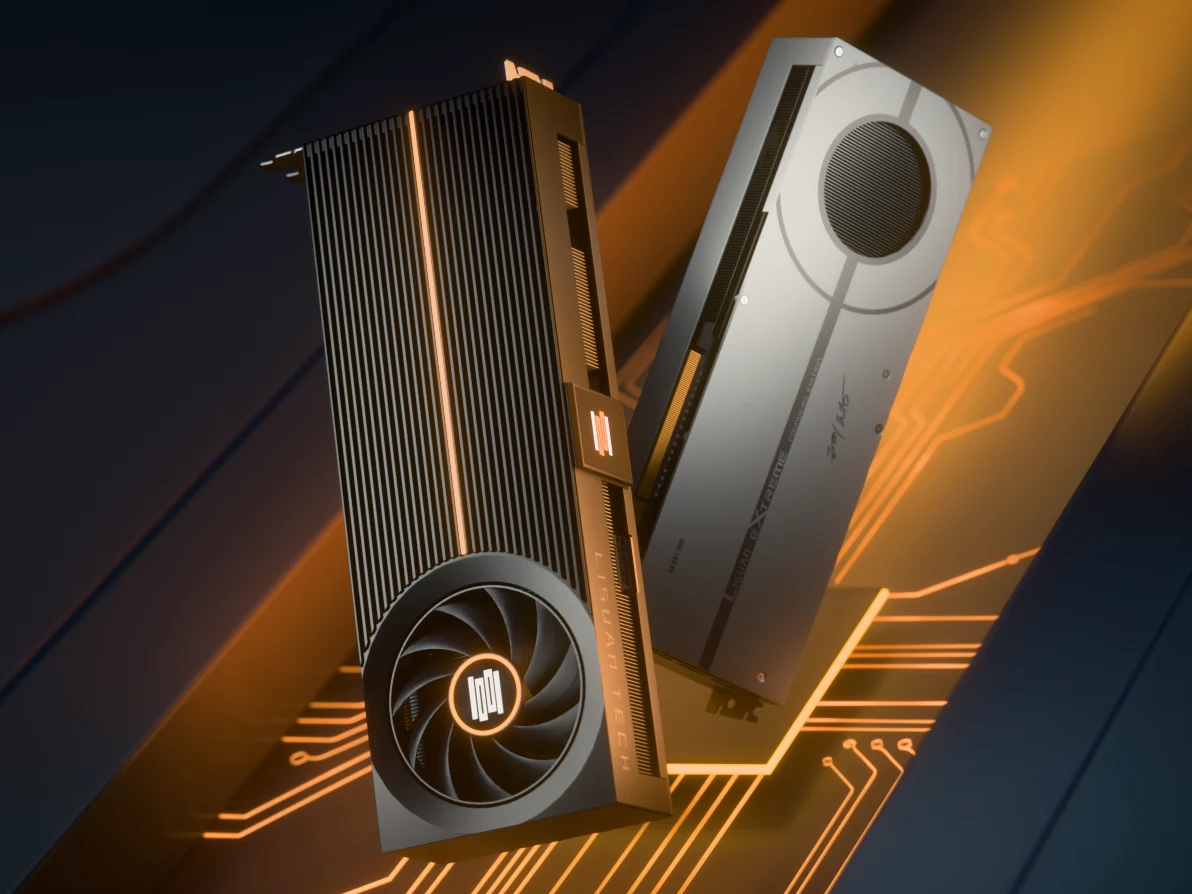
    Fully detailed months ago, a Lisuan LX 7G100 graphics card has now been put through early independent gaming benchmarks. Built on Lisuan Tech’s in-house TrueGPU architecture, the card reportedly fully supports DirectX 12 and modern AAA titles without the severe driver issues that plagued earlier Chinese GPUs. The LX 7G100 model teste comes equipped with 12 GB of GDDR6 memory and uses a 6 nm GPU chip known as the 7G106. In real-world gaming tests at 1080p, the card manages 56 FPS in Black Myth: Wukong, 57 FPS in The Witcher 3: Wild Hunt, 80 FPS in Elden Ring, 150 FPS in Grand Theft Auto V, and 182 FPS in Dota 2. In Cyberpunk 2077 with FSR3 Quality mode and frame generation enabled, the GPU averages around 88 FPS.

    Performance Against Mainstream Competitors

    While those numbers are enough for playable gameplay, the card still falls roughly 30% behind mainstream competitors like the Nvidia GeForce RTX 4060 and Intel Arc B580, and in poorly supported games, the performance gap widens further, with competing GPUs delivering two to three times higher frame rates. The hardware itself also lacks ray tracing support, with Lisuan planning to add it only in future GPU generations.

    Software and Compatibility

    Reviewers say the biggest improvement compared to older Chinese GPUs is game compatibility. Modern titles launch and run without major issues or months of waiting for driver fixes. However, the software side still needs work. Testers reported stuttering, inconsistent frame pacing, a nearly empty driver control panel, and overclock settings resetting after every reboot.

    Pricing and Market Position

    Pricing may be the hardest sell for the LX 7G100. In China, the Founders Edition is listed at around ~$485, putting it close to much faster alternatives from Nvidia, AMD, and Intel.


    Sources

  • Ugreen Ryzen NAS with 10Gbps and 64GB RAM launched

    Ugreen Ryzen NAS with 10Gbps and 64GB RAM launched

    Key Takeaway

    – Ugreen launches the DXP4800 GT with AMD Ryzen Embedded R2514, offering 4 bays and U.2 SSD support in bays 1–2, plus ECC memory options (8GB/16GB) and 64GB built-in flash with two extra M.2 slots.
    – Dual 10GbE connectivity (rear) replaces the prior 2.5GbE+10GbE setup, with additional front-facing 10Gbps USB-A/USB-C, microSD, HDMI, and drive/ethernet LEDs.
    – Design shift to black-and-gold finish; positioned as a more affordable Ryzen option in the DXP4800 lineup, retailing in China from ~¥2,681 (~$394).


    Ugreen DXP4800 GT Unveiled in China

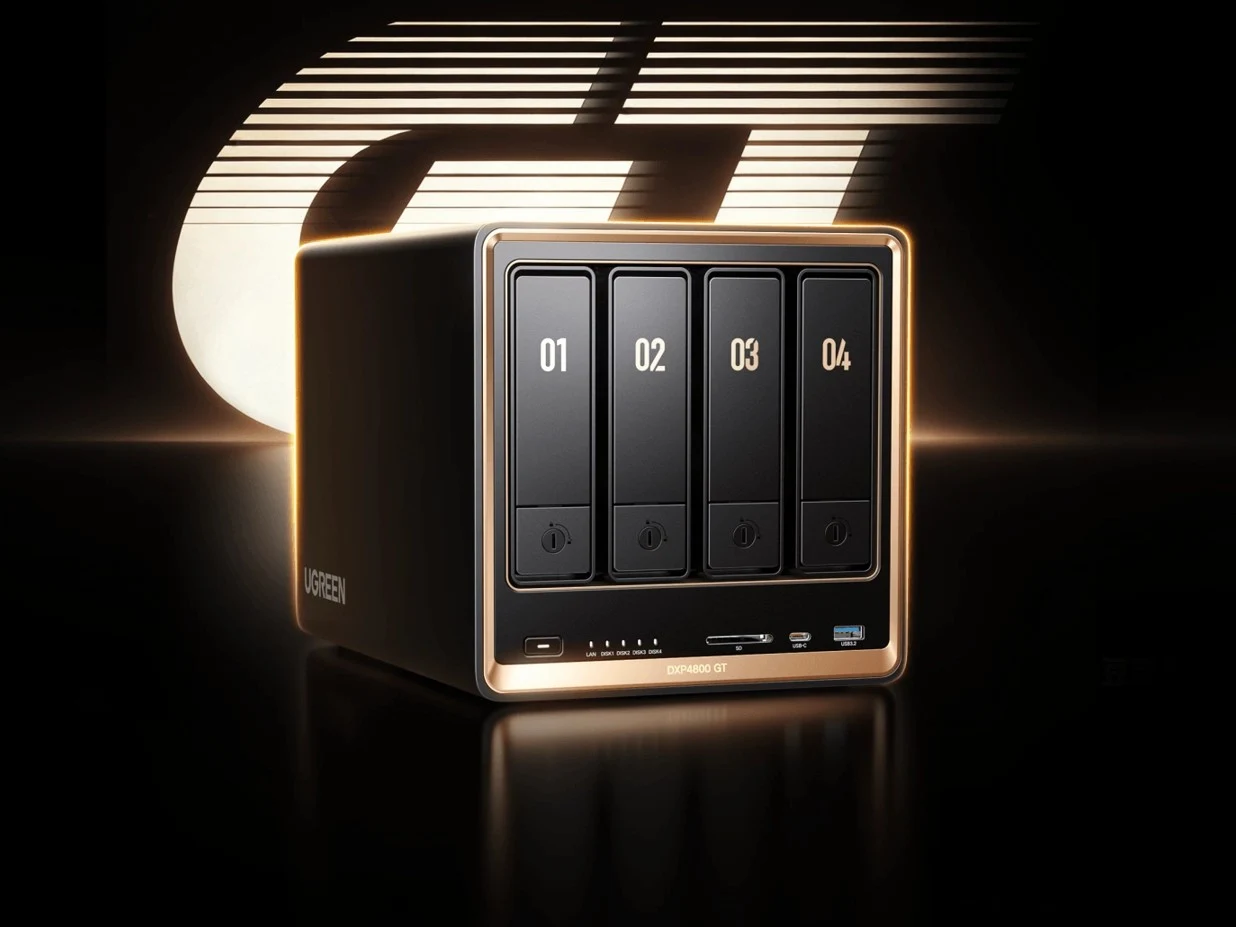
    Ugreen has launched the DXP4800 GT in its home country, adding a AMD Ryzen option to the existing Intel-powered DXP4800 Plus and DXP4800 Pro lineup. Despite the choice to use the Ryzen Embedded R2514 processor, which is less powerful than the Pentium Gold 8505 and Core i3-1315U in the other models, the DXP4800 GT still supports four SATA drives and brings a handful of unique features to the table. The first bit of info is the color and build that mark a departure from prior models, signaling a refreshed design language that aims to catch the eye in a crowded NAS space.

    Design and Drive Flexibility

    Visually, the DXP4800 GT distinguishes itself with a black-and-gold finish, diverging from the silver exterior of its siblings. Functionally, it keeps the core capability of housing four 3.5-inch SATA drives, but with an extra twist: the first two bays can hold U.2 SSDs, giving it a potential edge in sustained read/write workloads when compared to standard SATA setups. This hybrid approach is a deliberate nod toward performance while maintaining familiar expansion options for users who already rely on SATA for bulk storage.

    Memory, Storage, and Internal Layout

    In terms of memory, the DXP4800 GT offers choices of 8GB or 16GB of DDR4 with ECC support, and it includes 64GB of built-in flash memory as well as two additional M.2 SSD slots. This combination enhances caching capabilities and system responsiveness, particularly under heavy I/O loads typical of a multi-drive NAS environment. The inclusion of ECC memory indicates a focus on reliability for continuous operation in a networked storage role.

    Connectivity and Ports

    Connectivity sees a notable upgrade with dual 10GbE ports on the rear, replacing the 2.5GbE + 10GbE setup that was present on earlier models. Other rear ports remain consistent, including a 10Gbps USB-A port, two USB 2.0 ports, and HDMI. The front panel adds a 10Gbps USB-A and a 10Gbps USB-C port, plus a microSD card reader and status LEDs that indicate drive and Ethernet activity. This port arrangement aims to streamline high-speed data transfers and system monitoring from either end of the chassis.

    Availability and Pricing

    Ugreen has begun selling the DXP4800 GT in China with prices starting at 2,681 yuan, which is roughly $394 USD when converted. By comparison, the DXP4800 Plus and Pro are listed in the US market at $729.99 and $799.99 respectively, before any discounts. The price positioning suggests a more affordable entry point for users who want a Ryzen-based NAS option with robust drive expansion and high-speed networking capabilities.

    Sources
  • Lenovo launches 14-inch laptop with 32GB RAM, dual SSDs, Intel Panther Lake

    Lenovo launches 14-inch laptop with 32GB RAM, dual SSDs, Intel Panther Lake

    Key Takeaway

    – Lenovo rolled out a 14-inch ThinkBook 14 Gen 9 IPL variant with Core Ultra 5/7 options, 16–32 GB RAM, and PCIe 4.0 NVMe storage up to 1 TB; available in multiple regions and soon in the US/Canada.
    – The 14-inch model foregoes high-end display options (2000p/120 Hz/500 nit/100% sRGB) in favor of 1200p, 60 Hz, 400 nit, 45% NTSC IPS at launch.
    – International pricing starts around AUD 1,619, €1,129–€1,244, HKD 8,411, MYR 4,968, SGD 1,687, £1,045, with AmazonUS already listing a Config (Core Ultra 7, 32 GB RAM, 1 TB) at $1,679.


    Earlier this week, we reported that Lenovo was now selling Panther Lake-based versions of the ThinkBook 16 Gen 9 internationally. Distinguished from other Gen 9 models by their ‘IPL’ model number, the new ThinkBook 16 can also be configured with a 120 Hz display and up to 32 GB of RAM.

    New 14-inch ThinkBook 14 Gen 9 IPL

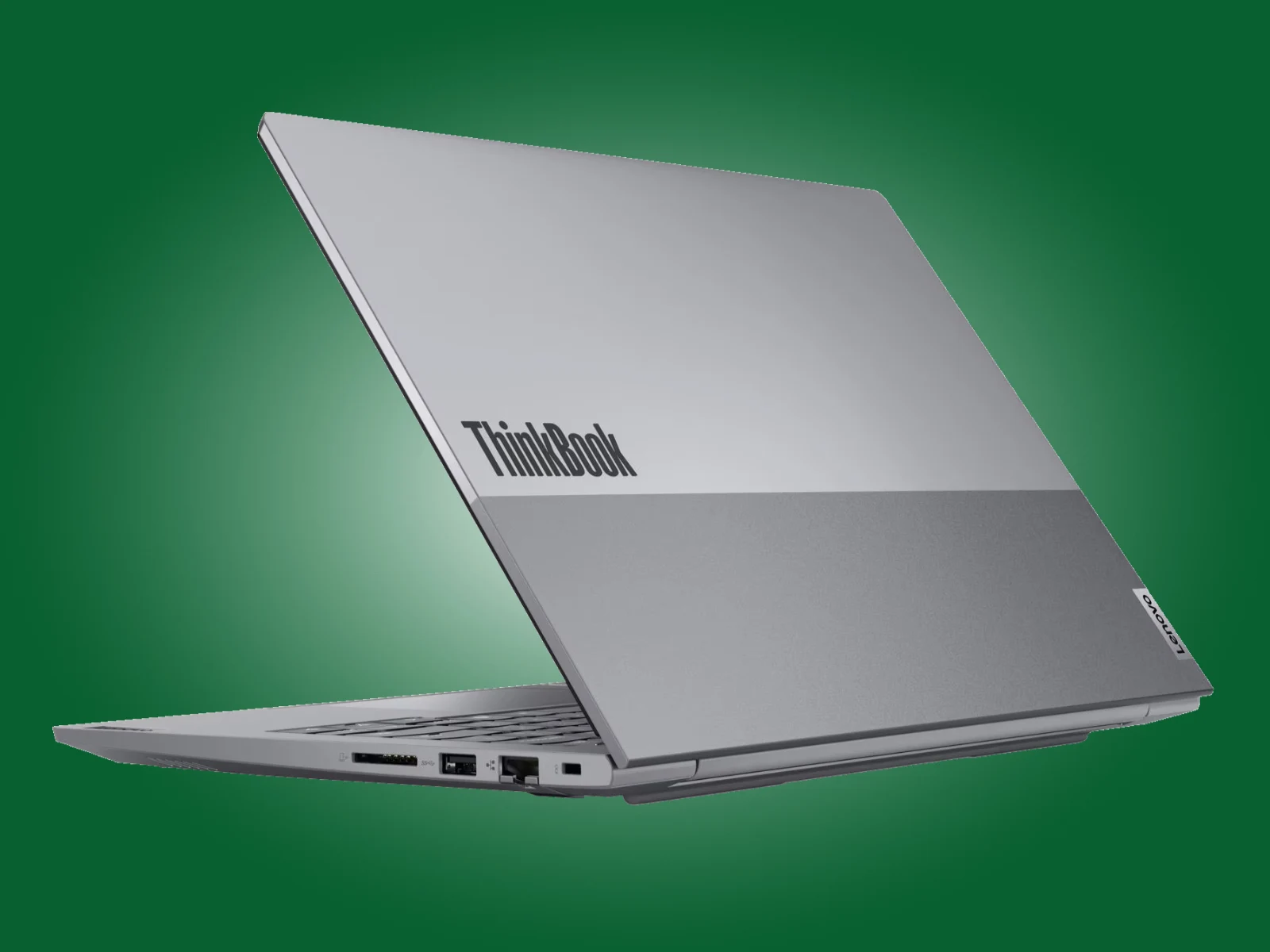
    Now, Lenovo’s latest 16-inch ThinkBook has been joined by a smaller 14-inch counterpart. For context, both landed on Lenovo’s PSREF website in February. At the time, some there was limited regional availability too. From what we can tell, the ThinkBook 14 Gen 9 IPL has reached Australia, East Asia, Europe and Southeast Asia with a choice between Core Ultra 5 322, Core Ultra 5 325 and Core Ultra 7 355 processors.

    Storage and Display Options

    Moreover, Lenovo offers the ThinkBook 14 Gen 9 IPL with a 256 GB, 512 GB or 1 TB SSD while leaving a spare M.2 2280 slot that supports PCIe 4.0 storage. Unfortunately, the new 14-inch laptop is not generally available with the 1800p, 120 Hz, 500 nit and 100% sRGB IPS display listed on PSREF. Instead, only 1200p, 60 Hz, 400 nit and 45% NTSC IPS displays are configurable for the time being.

    Pricing and Availability

    The ThinkBook 14 Gen 9 IPL starts at AUD 1,619, €1,129-€1,244, HKD 8,411, MYR 4,968, SGD 1,687 and £1,045 in Australia, the Eurozone, Hong Kong, Malaysia, Singapore and the UK, respectively. According to Lenovo, the 14-inch laptop is officially coming soon to the US and Canada. However, the ThinkBook 14 Gen 9 IPL can already be purchased on Amazon US with a Core Ultra 7 355, 32 GB of RAM and 1 TB of storage for $1,679.


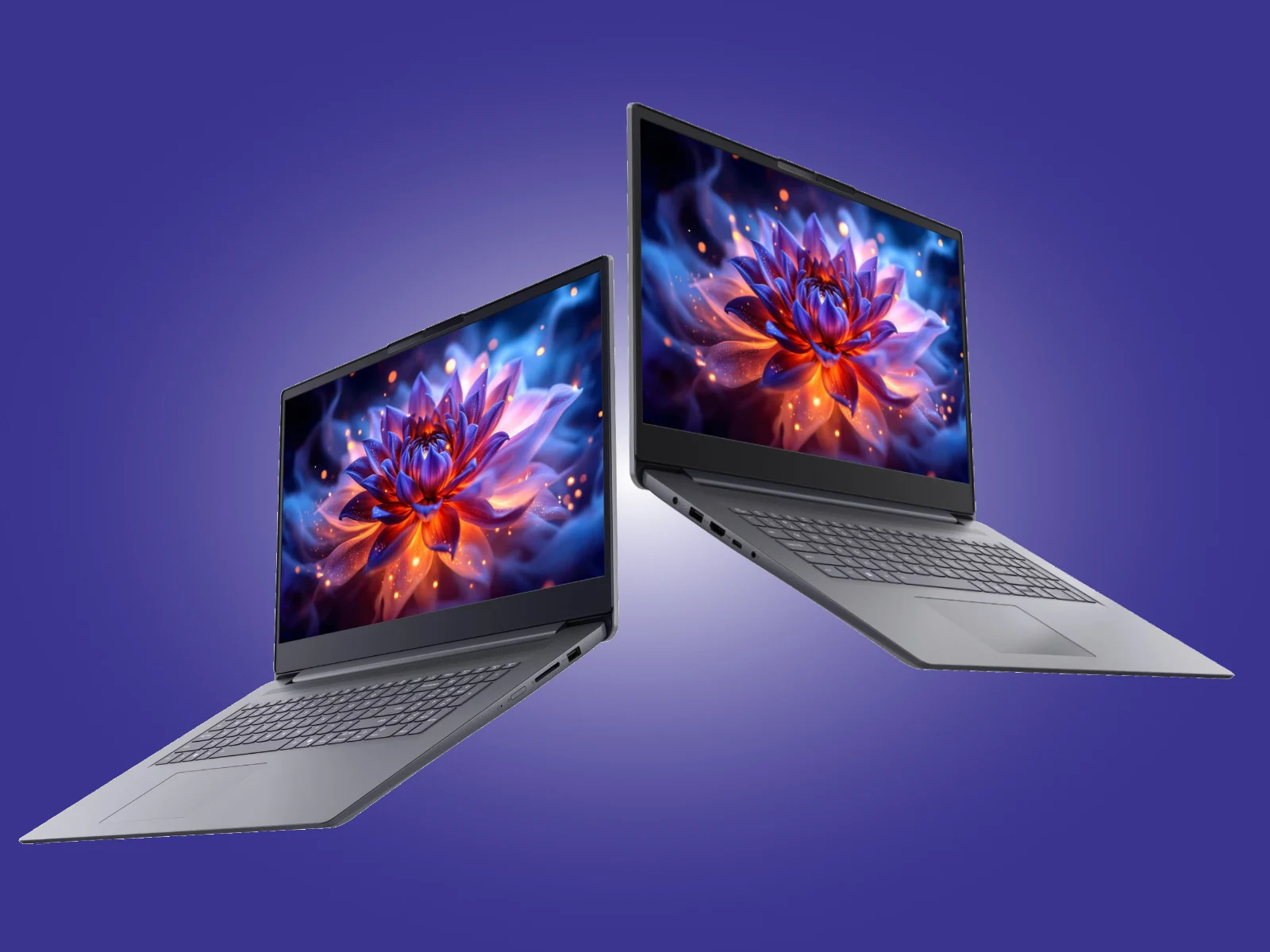
  • Lenovo Unveils 17-Inch Laptop with Numpad and Intel Wildcat Lake

    Lenovo Unveils 17-Inch Laptop with Numpad and Intel Wildcat Lake

    Key Takeaway

    – Lenovo has released the IdeaPad Slim 3i 17IWC11 in East/Southeast Asia, with plans to expand to Europe and other markets.
    – Starts at HKD 10,259 / MYR 3,740 / SGD 1,300 (about $1,015) and includes 8 GB RAM, 256 GB PCIe 4.0 storage, and Core 5 320 or Core 7 350 options.
    – Config options: up to 32 GB RAM (via single SODIMM), up to 1 TB M.2 2242 storage, 50–60 Wh batteries with up to ~18 hours claimed life, and 17-inch 1080p/16:9 IPS 60 Hz display.


    Overview of Wildcat Lake Laptops

    Several laptop manufacturers have been adopting Intel’s new Wildcat Lake platform in recent weeks. Currently, many of these are restricted to China like Asus’ Vivobook 14SE and Vivobook 16SE. The same is true for the HP StarBook Plus 14, which is available with an OLED display. There must be careful attention to regional availability and feature sets as these devices roll out across markets with varying configurations and display options.

    Lenovo Expands East Asia Availability

    However, Lenovo has now begun selling the IdeaPad Slim 3i 17IWC11 across East Asia and Southeast Asia. According to the company’s websites, the same 17-inch laptop is coming soon to Europe and other markets, too. In the meantime, the IdeaPad Slim 3i 17IWC11 can be purchased in Hong Kong, Malaysia and Singapore starting at HKD 10,259, MYR 3,740 and SGD 1,300 (~$1,015).

    Base Specifications and Performance

    For those prices, Lenovo includes 8 GB of RAM, 256 GB of PCIe 4.0 storage and Intel’s Core 5 320 processor. According to our benchmarks, the 6-core processor trails the A18 Pro powering the MacBook Neo (curr. $589 on Amazon) in both CPU and GPU performance; we only have limited Core 5 320 benchmarks at this stage, though. The details suggest a balanced entry-level setup that aims to deliver casual multitasking and light creative work with room for upgrades.

    Optional Upgrades and Battery Life

    Alternatively, Lenovo offers the IdeaPad Slim 3i 17IWC11 with the slightly faster Core 7 350. Also, the laptop can be configured with 1 TB of M.2 2242 storage and 16 GB of DDR5-5600 RAM, although up to 32 GB can be included via its sole SODIMM slot. Moreover, 50 Wh or 60 Wh batteries are available that boast up to 18 hours of battery life. Unfortunately, Lenovo restricts the IdeaPad Slim 3i 17IWC11 to a 1080p and 16:9 IPS panel with a 60 Hz refresh rate, 300 nits peak brightness and 72% NTSC colour space coverage. Please see the company’s website for more details.


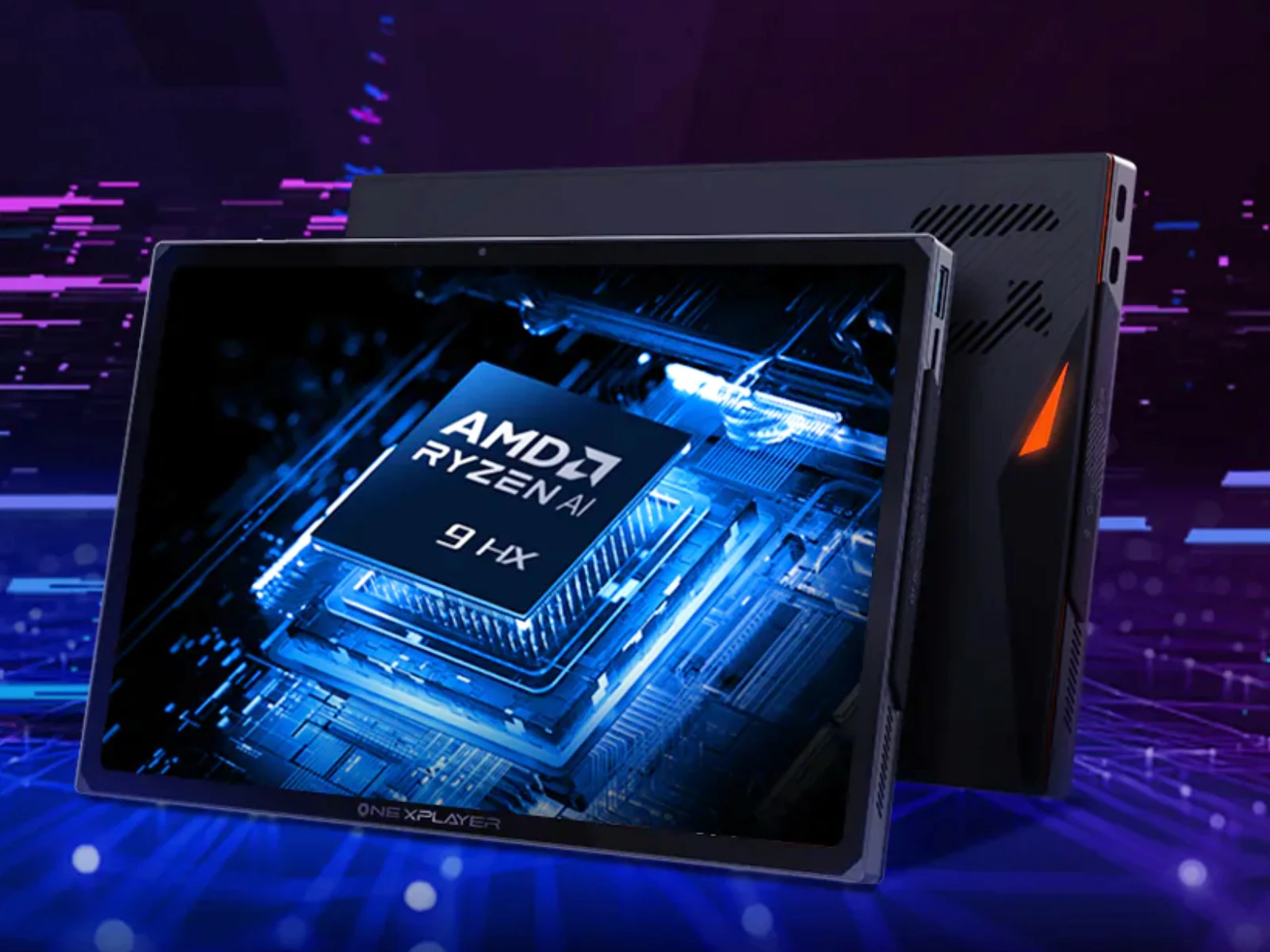
  • OneXPlayer X1 Pro Global Release: AMD Gorgon Point & OCuLink

    OneXPlayer X1 Pro Global Release: AMD Gorgon Point & OCuLink

    Key Takeaway

    – Upgraded Ryzen AI 9 HX 470 CPU on the OneXPlayer X1 Pro (Gorgon Point) for modest performance gains over the previous Ryzen AI 9 HX 370 variant.
    – Similar core specs to the prior model: 65 Wh battery, 10.95-inch display, and OCuLink connectivity; still targeting the X1 Pro line.
    – 32 GB RAM with 1 TB or 2 TB storage options; starts at $1,799 with a keyboard included; pre-orders shipping June 1.


    One-Netbook unveils new OneXPlayer X1 Pro refresh

    One-Netbook has rolled out the updated OneXPlayer branded gaming handheld, continuing its trend of reworking the X1 family. The company had been teasing the OneXPlayer X2 Mini since mid April, yet it chose to circle back to the OneXPlayer X1 line, which last saw an update in September 2025 with the OneXPlayer X1 Air. The move keeps the focus on familiar chassis while nudging the internals forward a notch.

    New internals bring modest gains

    In this edition, the OneXPlayer X1 Pro swaps the Ryzen AI 9 HX 370 for the newer Ryzen AI 9 HX 470, hinting at a small bump in CPU performance per benchmarks. Whether the upgraded APU translates into a meaningful edge hinges on how well the system leverages the Ryzen processor alongside the Radeon 890M iGPU, which remains around 7% faster on paper. Real-world gains may vary in games and sustained workloads.

    Same design, same battery, same display

    Apart from the CPU upgrade, the X1 Pro retains the 65 Wh battery, the 10.95-inch display, and the OCuLink connectivity that users have come to expect from the model’s lineage. The overall footprint and feel should be familiar to owners and prospective buyers who value a proven form factor that balances portability with performance in handheld form.

    RAM, storage, and pricing clarified

    With the refreshed device, One-Netbook is offering configurations that include 32 GB of RAM and either 1 TB or 2 TB of storage, catering to gamers who want plenty of headroom for titles and files. Pricing begins at $1,799 and includes a keyboard. Pre-orders are slated to ship on June 1, continuing the brand’s pattern of tying availability to a firm shipping date.

    Note: This article does not include external sales links or reference to third-party review sites, and it omits image or source attributions. Prices and specs are presented as stated by One-Netbook’s current listing.


    Sources