Category: Computers

  • Apple MacBook Air 15-inch M5: $150 Off at Multiple Retailers

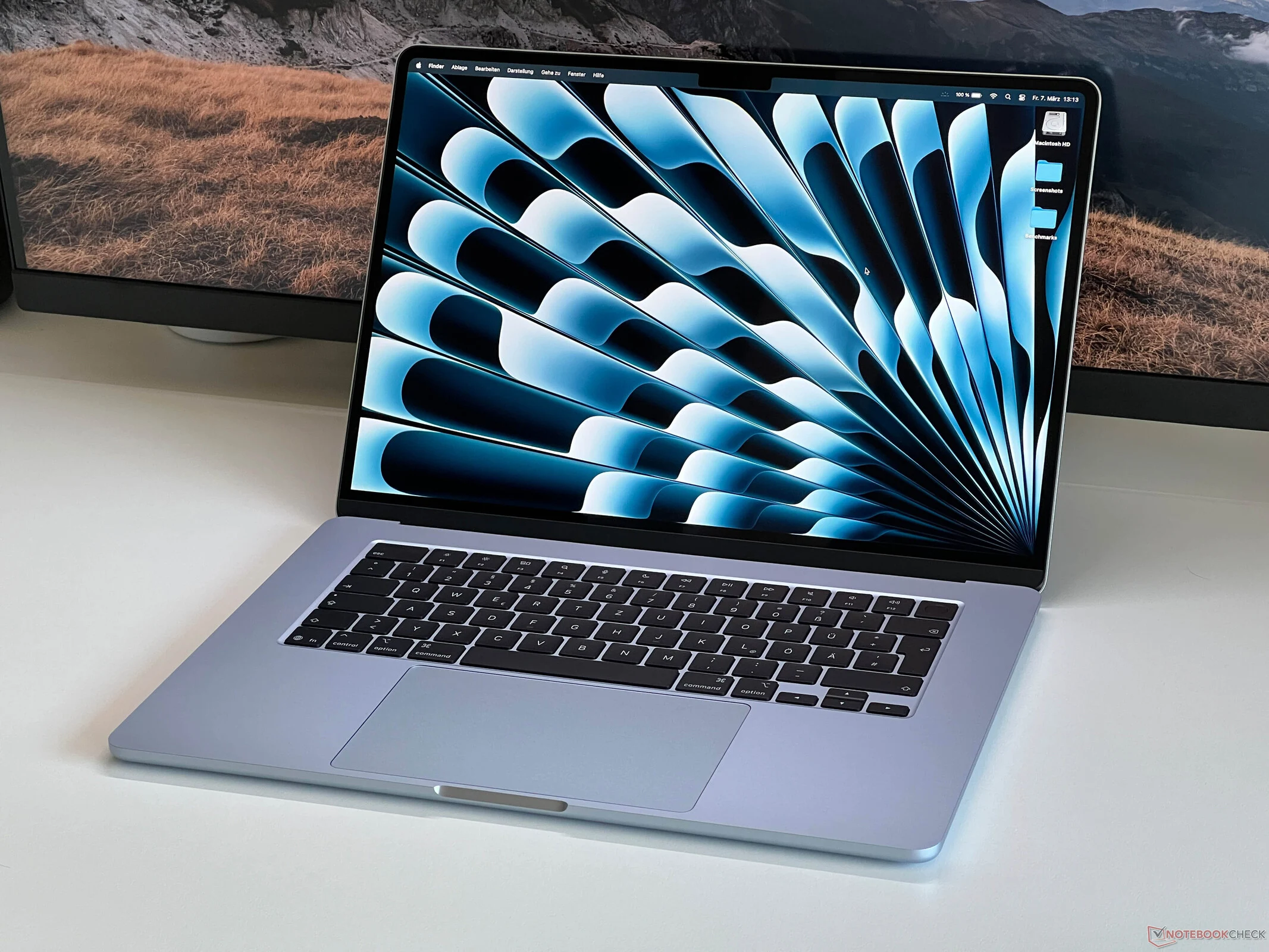
    Apple MacBook Air 15-inch M5: $150 Off at Multiple Retailers

    Key Takeaway

    – The 15.3-inch MacBook Air with the M5 chip offers strong performance and up to 18 hours of battery life, making it a solid long-term choice for light-to-medium use and light creative work.
    – It’s currently discounted to $1,149 (16GB RAM, 512GB SSD) at Best Buy and Amazon, with similar savings on 1TB and 2TB variants.
    – Notable features include a 12MP Center Stage webcam with Desk View, two Thunderbolt 4 ports, a high-quality 2880×1864 Liquid Retina display, and a sturdy, familiar 2022-era chassis.


    Introduction to the MacBook Air M5 15-inch deal

    If you’re not a fan of Apple’s latest MacBook Neo with its crippling memory offering, then your best bet in terms of longevity is Apple’s entry-level 15.3-inch MacBook Air with the M5 chip, which trades at a significantly higher price tag, but a recent discount might make things simpler.

    Current pricing and availability

    Currently, this fifth-generation Apple silicon MacBook Air configuration with 16GB of RAM and a 512GB SSD is on sale at Best Buy and Amazon for $1,149, a neat $150 off its original ask of $1,299. The price cut also also seems to extend across the board with the same discount on 1TB and 2TB variants of the same MacBook model with multiple retailers.

    Who should consider this MacBook Air

    It’s easily one of the best entry-level MacBooks to get if you’re a light-to-medium user who’s looking to do daily tasks, schoolwork, and light creative workflows without breaking the bank. To make the deal even sweeter, the MacBook Air is available with free shipping in many regions, depending on your location. Furthermore, it’s available in four colorways: Midnight, Silver, Sky Blue, and Starlight.

    Why the base M5 model matters

    So, why should you go with the base 15-inch MacBook Air with the M5 chip in the first place? The M5 MacBook Air features an impressive design and delivers performance approaching that of M‑series Pro-level chips in a larger 15-inch form factor. It also happens to be a fairly recent release with the updated SKU available since March 2026.

    Technical performance

    The M5 MacBook Air features an M5 chip with a 10-core CPU and up to a 10-core GPU (base models are 8-core), a noticeable step up from last year’s M4-based Air. Apple claims the M5 MacBook Air delivers up to 11% faster single-core performance with similar multi-core performance, while the GPU can offer up to 30% greater performance in supported workloads.

    Everyday use case

    For everyday users looking for a snappy laptop that instantly opens and runs multiple Safari tabs, plays back videos for long hours, and handles Zoom calls and light video editing in apps like Adobe Premiere without getting uncomfortably hot to the touch, this is a compelling option.

    Display, battery, and exterior

    As for battery life, the MacBook Air with the M5 chip is rated for up to 18 hours of use and features a crisp Liquid Retina display with a peak brightness of 500 nits and a 2880 x 1864 resolution panel.

    Design notes

    However, for those looking to get a large aesthetic upgrade, it is worth noting that Apple hasn’t significantly updated the MacBook Air’s exterior design since 2022, which isn’t exactly an issue; the existing chassis is already sturdy and attractive, and one could argue the obvious: if it isn’t broken, don’t fix it.

    Connectivity and camera

    Connectivity options are ample, with the MacBook Air offering two Thunderbolt 4 ports and a headphone jack, which some may find pleasantly surprising for a modern ultraportable. The webcam is sharper than many mainstream laptop offerings, thanks to its 12MP Center Stage camera with Desk View. For a detailed review, check out our coverage of the new MacBook Air M5 here.

    Important note

    Disclaimer: Notebookcheck is not responsible for price changes carried out by retailers. The discounted price or deal mentioned in this item was available at the time of writing and may be subject to time restrictions and/or limited unit availability.
     

    Sources
  • Lenovo 16-inch ThinkPad with 64GB RAM and 120Hz VRR Display Global Launch

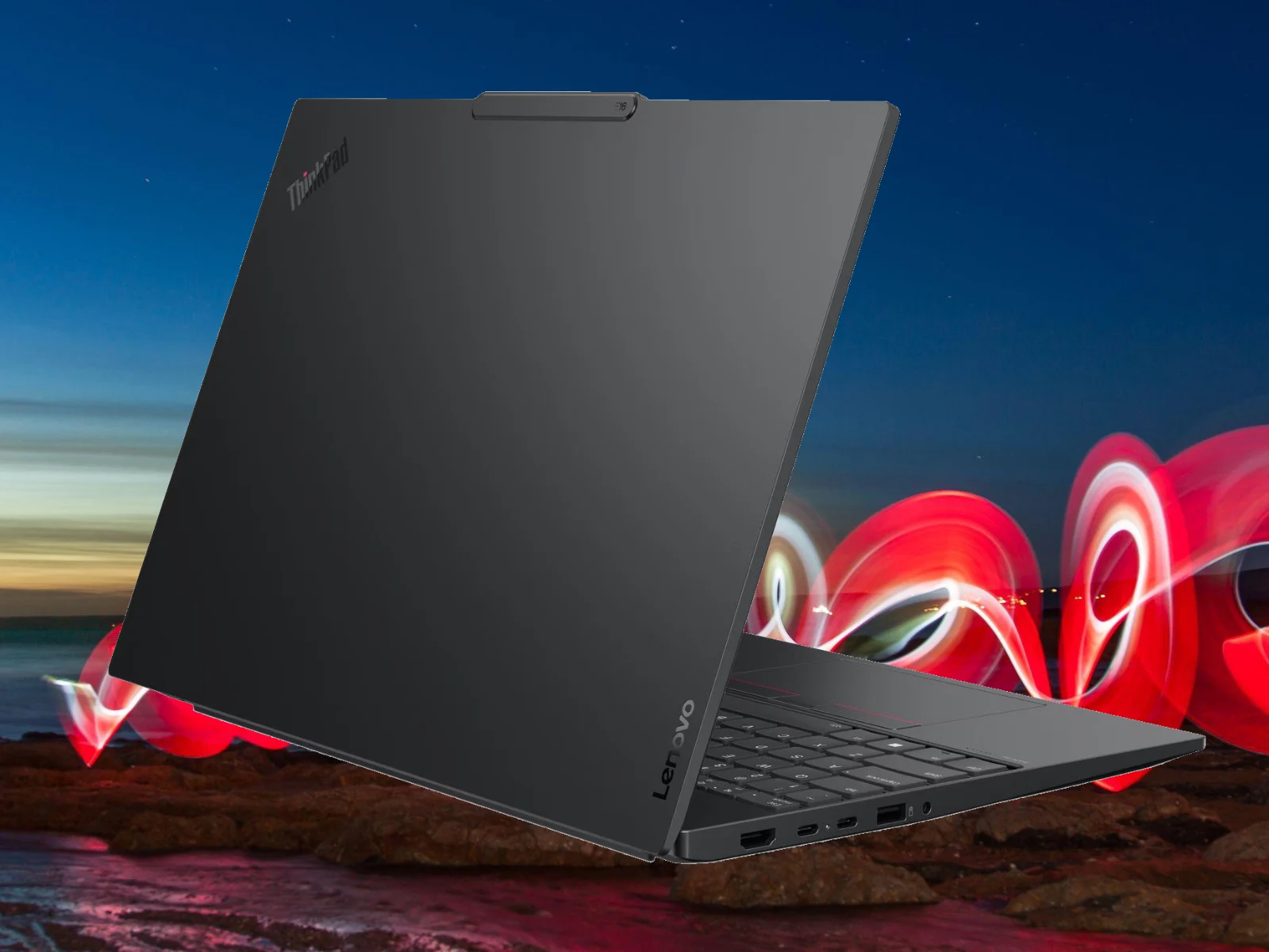
    Lenovo 16-inch ThinkPad with 64GB RAM and 120Hz VRR Display Global Launch

    Key Takeaway

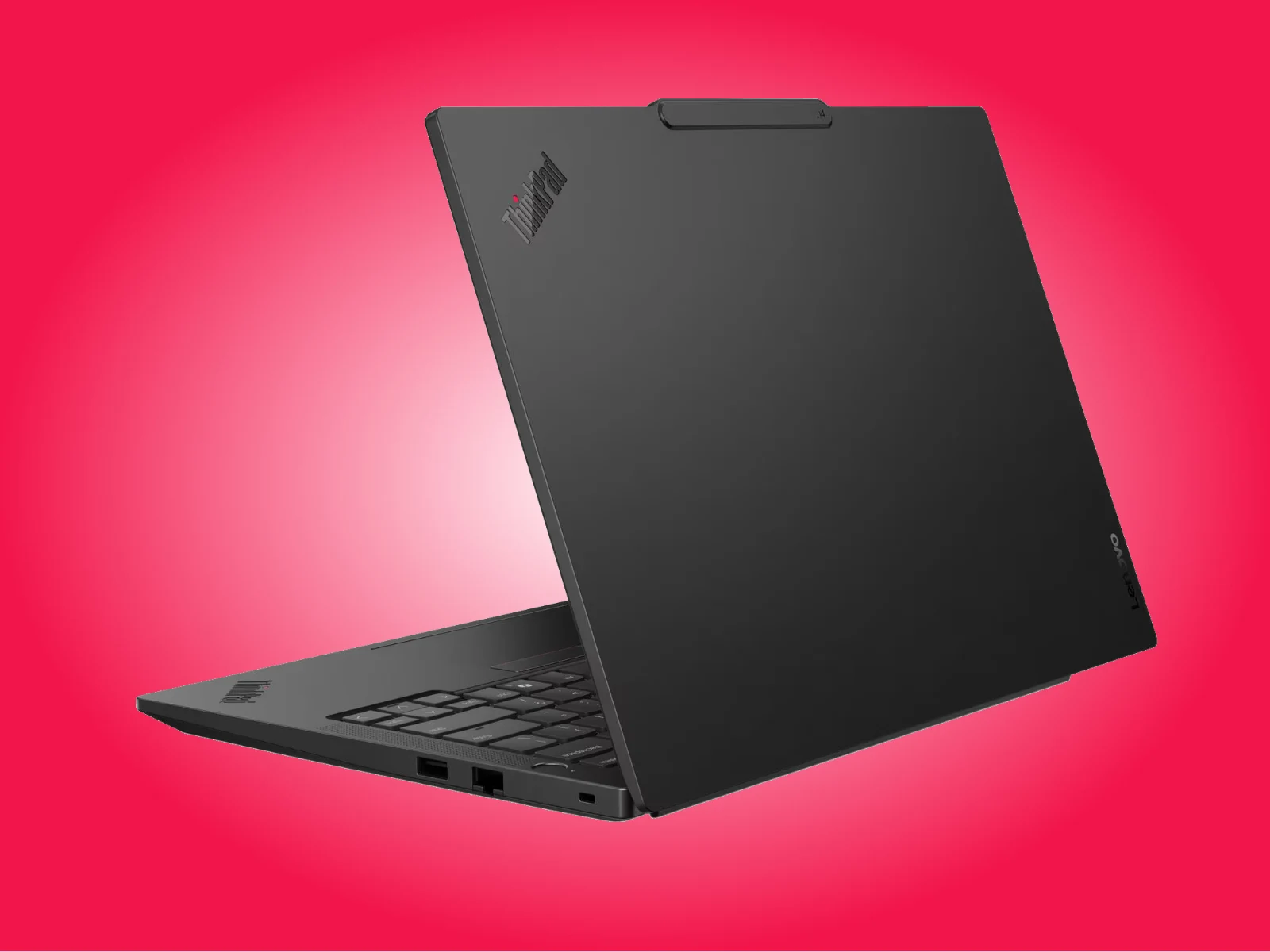
    – ThinkPad E16 Gen 3 is now cheaper/internationally available, with Gen 4 teased for Lunar Lake, AMD options, and Radeon iGPU variants (no discrete GPU).
    – Gen 4 uses Krackan Point/Gorgon Point CPUs with Radeon 820M/840M/860M graphics; no discrete GPU despite 16-inch design.
    – Configs include dual M.2 PCIe 4.0 SSDs, up to 64 GB DDR5-5600 RAM, and 48–64 Wh batteries; IPS 16-inch displays planned. Pricing/availability for Gen 4 not yet announced.


    Hardly any time has passed since Lenovo released cheaper versions of the ThinkPad E16 Gen 3. Available internationally, the latest ThinkPad E16 Gen 3 should outperform the Arrow Lake U-based model we reviewed almost a year ago (curr. $999 on Amazon).

    Overview of the Gen 4 tease

    Currently, Lenovo has not started selling Lunar Lake models in North America yet. Nonetheless, it has listed a Gen 4 model with AMD processors on PSREF. Equipped with Krackan Point and Gorgon Point processors, the ThinkPad E16 Gen 4 will be sold with Radeon 820M, Radeon 840M and Radeon 860M graphics via the following processors:

    What to expect in specs

    Unfortunately, the ThinkPad E16 Gen 4 will lack a discrete GPU option despite its 356 x 249 mm dimensions and 1.63 kg starting weight. Nonetheless, dual M.2 PCIe 4.0 SSDs are present, as are two SODIMM slots that support up to 64 GB of DDR5-5600 RAM and a 48 Wh or 64 Wh battery. Moreover, Lenovo plans to offer its budget 16-inch ThinkPad with the following IPS displays:

    Pricing and availability

    Pricing and availability remain unknown for now. At the time of writing, Lenovo has not listed the ThinkPad E16 Gen 4 on any of its regional websites. More details about the new 16-inch ThinkPad can be found on the company’s PSREF website.


    Sources

  • Lenovo Unveils 165Hz OLED Desktop with Arc B390 Graphics

    Lenovo Unveils 165Hz OLED Desktop with Arc B390 Graphics

    Key Takeaway

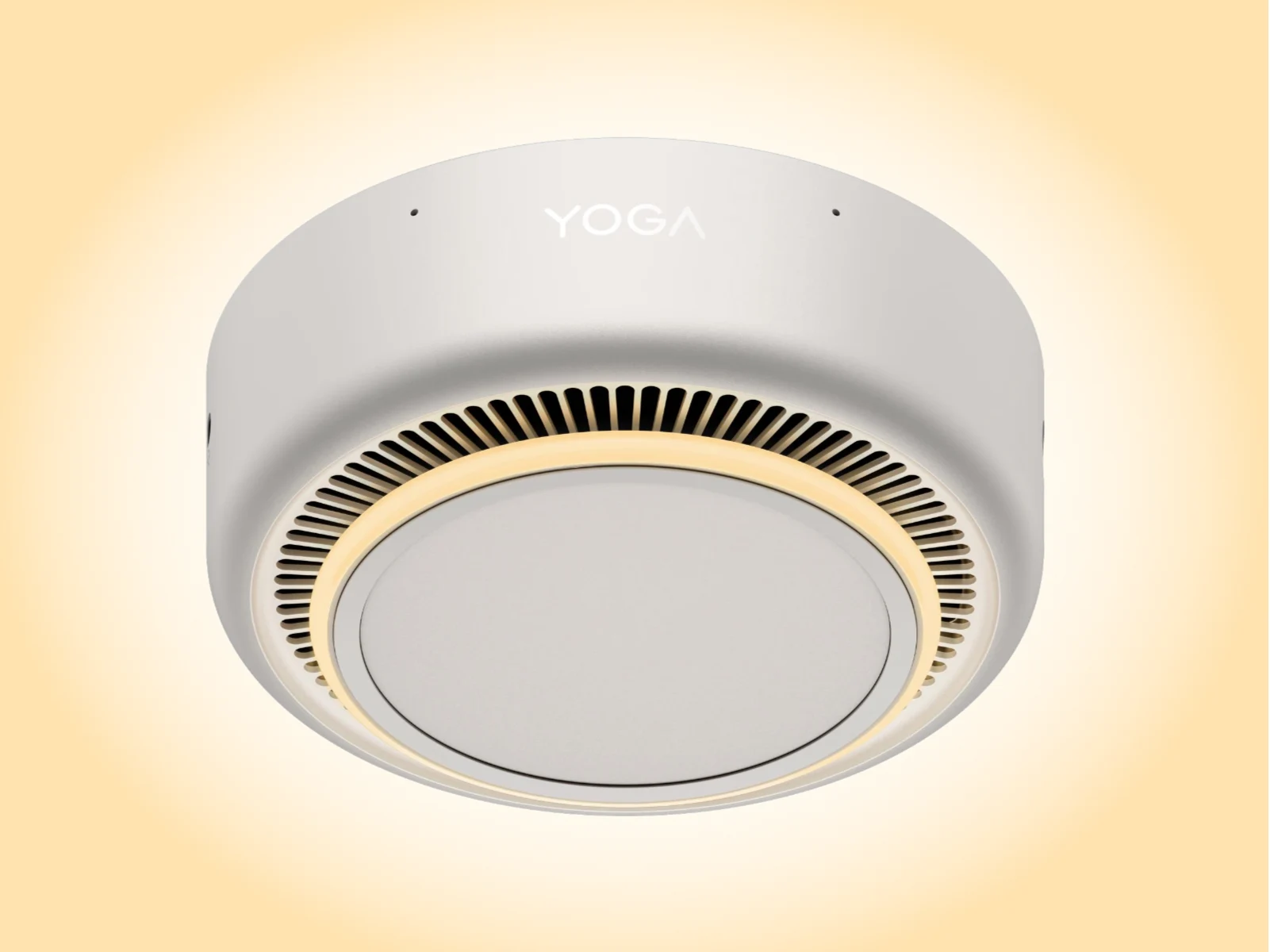
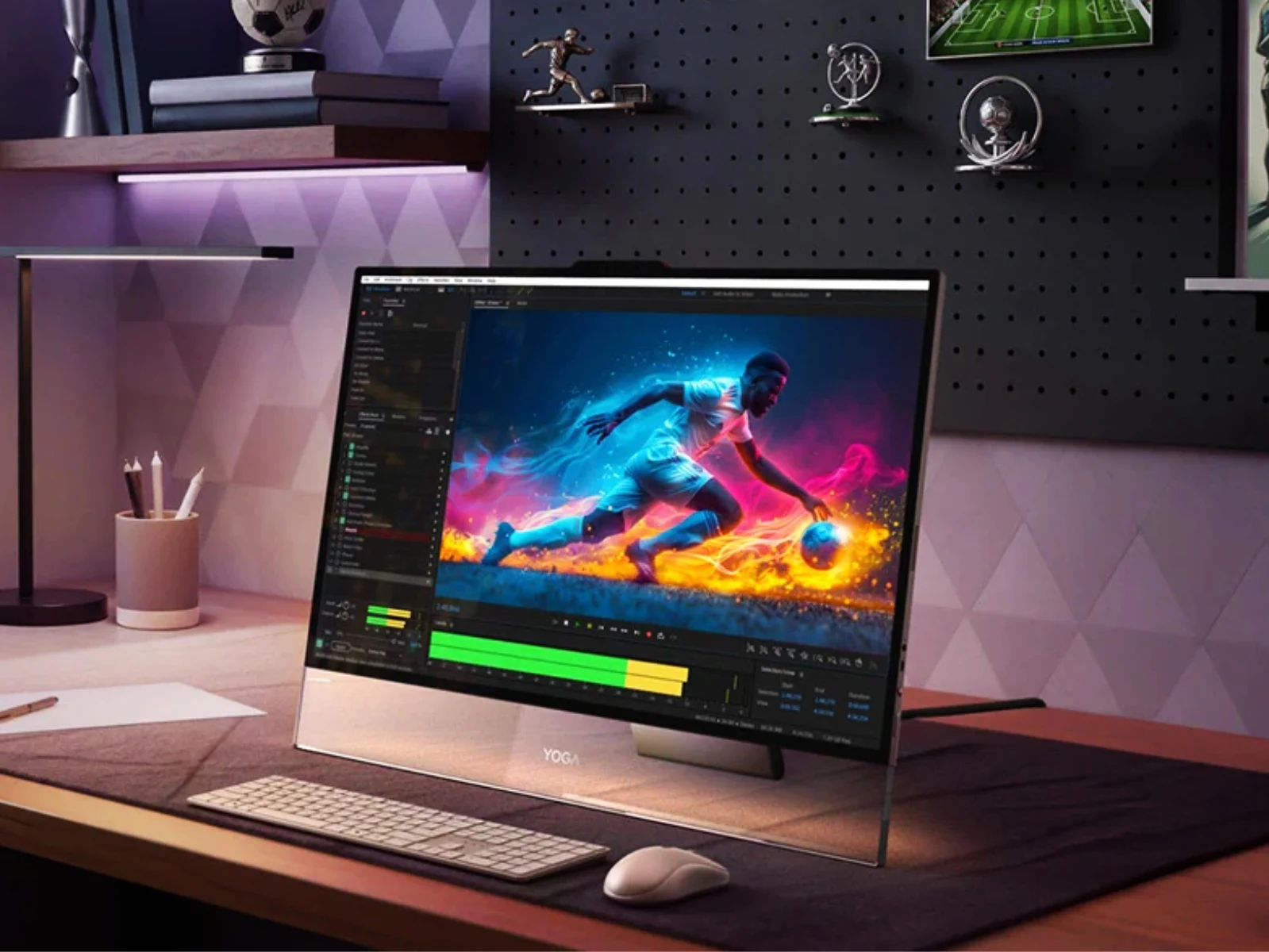
    – New Lenovo Yoga AIO i Gen 11 Aura Edition debuts at CES 2026 and is now available to order in Australia and Europe, with the model still listed as ‘coming soon’ in North America.
    – High-end specs: 16-core Core Ultra X7 358H, Arc B390 graphics, 32 GB LPDDR5X RAM, and a 4K OLED display with 99% DCI-P3, 165 Hz, up to 1,000 nits HDR peak.
    – Display performance trade-offs: SDR brightness around 225 nits, which may be limiting in non-HDR conditions.
    – Pricing and options: Eurozone €2,869–€3,249; UK £2,596; Australia AUD 5,129, with optional 1 TB M.2 SSD pre-installed.


    Lenovo announces the Yoga AIO i Gen 11 Aura Edition at CES 2026

    First off, this paragraph strolls into the news with a brisk, not-so-formal vibe, aiming to lay out what the Aura Edition is and where it stands. Lenovo unveiled the Yoga AIO i Gen 11 Aura Edition in January during CES 2026. For the time being, the company continues to list its 32-inch all-in-one (AIO) desktop as ‘coming soon’ in North America. However, the desktop is now available to order in markets like Australia and Europe. Yet, in the Americas, folks still wait a bit longer, while Europe and Australia see a more concrete path to purchase, signaling diverse regional rollout strategies across continents.

    Performance and hardware details explained in plain words

    This paragraph shifts into a more technical tonality with a casual twist, trying to keep it readable while still dense with specs. Arguably, the Aura Edition looks more futuristic than other AIOs like the Apple iMac (curr. $1,264 on Amazon). Lenovo’s new release should have the performance to match, too. Currently, Lenovo equips the device with the Core Ultra X7 358H, a 16-core processor from the Panther Lake family that contains Intel’s powerful Arc B390 graphics. The paragraph tries to balance marketing flair and real hardware insight, noting the core count and the discrete GPU presence as a selling point without getting lost in jargon.

    Display, memory, and premium features

    This section keeps things approachable while still diving into the gadgety bits, and it deliberately uses a more relaxed, slightly imperfect voice. The Yoga AIO i Gen 11 Aura Edition also features 32 GB of LPDDR5X RAM running at 9,600 MTs, as well as a 4K OLED display with 99% DCI-P3 colour space coverage and a 165 Hz refresh rate. The display should peak at 1,000 nits in HDR mode. Full panel brightness of 225 nits in SDR mode leaves a lot to be desired, though. In short, the numbers for color, speed, and brightness aim high, but SDR performance shows room for improvement in everyday lighting scenarios.

    Pricing and regional availability

    This paragraph adopts a practical, almost street-level tone, keeping numbers front and center while hinting at regional pricing dynamics. Lenovo prices its new AIO at between €2,869 and €3,249 in the Eurozone. By contrast, the same device starts at £2,596 in the UK and AUD 5,129 in Australia. While configuration options are fairly locked down, Lenovo will pre-install a secondary 1 TB M.2 2280 SSD if needed. Please see Lenovo’s website for more details. The pricing guidance is presented as ranges, signaling that regional taxes, duties, and local configurations influence the final sticker.

    Regional rollout and availability notes

    Here the voice stays grounded and pragmatic, acknowledging how markets differ while avoiding extraneous fluff. Lenovo Australia, France, Germany, Ireland, UK


  • Lenovo 14-inch ThinkPad launches worldwide with AMD Zen 5 & 64GB RAM

    Lenovo 14-inch ThinkPad launches worldwide with AMD Zen 5 & 64GB RAM

    Key Takeaway

    – Lenovo is updating the ThinkPad E14 Gen 8 to include Zen 5 (Krackan Point 2 and Gorgon Point) Ryzen AI 5 to 7 options, aligning AMD offerings with Intel counterparts.
    – Configurations support up to 64 GB DDR5-5600 RAM, 48–64 Wh batteries, and dual SSDs (M.2 2242 and M.2 2280).
    – Display choices include three IPS panels, with a top 1800p (2.8K) option reaching 500 nits, 1,500:1 contrast, 100% sRGB, and 120 Hz VRR.


    Introductory Note

    Last year, we lamented Lenovo for equipping the AMD versions of the ThinkPad E14 Gen 7 with Zen 4 processors (curr. $949 on Amazon). By contrast, the company equipped Intel variants with modern Lunar Lake processors. For 2026, Lenovo has rectified this by including Zen 5 alternatives across the board.

    Processor Details

    According to PSREF, the company will offer the ThinkPad E14 Gen 8 with Krackan Point 2 and Gorgon Point processors spanning the Ryzen AI 5 330 through to the Ryzen AI 7 450. At the time of writing, Lenovo lists the following seven processors on its website:

    Memory and Storage

    Additionally, the ThinkPad E14 Gen 8 will be available with up to 64 GB of DDR5-5600 RAM and a 48 Wh or 64 Wh battery. Also, the 14-inch laptop has space for two SSDs thanks to M.2 2242 and M.2 2280 slots. A trio of displays will be available, too. All IPS panels, the pick of the bunch is a 1800p (2.8K) option that peaks at 500 nits with a 1,500:1 contrast ratio, 100% sRGB colour space coverage and a 120 Hz VRR refresh rate.

    Market Availability

    As far as we can tell, Lenovo has not listed the ThinkPad E14 Gen 8 with AMD processors on any of its websites yet. In the meantime, one retailer has priced the laptop at $3,252 with a Ryzen AI 5 330 processor and its entry-level 1200p display. Please see Lenovo’s website for more details.


    Sources

  • Lenovo Yoga Mini-PC Refresh with Up to 64GB RAM

    Lenovo Yoga Mini-PC Refresh with Up to 64GB RAM

    Key Takeaway

    – Lenovo adds a 64 GB RAM option to the Yoga Mini i Gen 11 in China, while keeping the Core Ultra X7 358H CPU.
    – Price for the 64 GB model is CNY 17,999 (~$2,641), significantly higher than the entry-level variant.
    – Global availability and PSREF updates have not been announced, so international rollout remains unclear.


    Overview

    Almost two months have passed since Lenovo released the Yoga Mini i Gen 11. Originally available in China, the mini-PC then made its way to Europe and Australia a month later. Despite not reaching North America yet, Lenovo has already updated the Yoga Mini i Gen 11 with a new variant.

    New Variant Details

    Previously, it was possible to configure the mini-PC with up to a Core Ultra X7 358H processor and 32 GB of RAM to rival Asus’ NUC 16 Pro (curr. $1,029 on Amazon). However, Lenovo has now decided to push the Yoga Mini i Gen 11 further by adding a 64 GB RAM option in China. The Core Ultra X7 358H remains though, as do the following ports:

    Pricing and Availability

    Lenovo has priced this new 64 GB RAM version at CNY 17,999 (~$2,641) before accounting for any subsidies. By contrast, the mini-PC’s entry-level variant starts at CNY 5,499 (~$806) in the same market. Currently, Lenovo has not updated its PSREF website to reflect a 64 GB model. As a result, global availability remains unknown for now.

    Lenovo via ITHome


    Sources

  • Lenovo 15-inch Gaming Laptop: RTX 5070 12GB & 1100-nit OLED Display

    Lenovo 15-inch Gaming Laptop: RTX 5070 12GB & 1100-nit OLED Display

    Key Takeaway

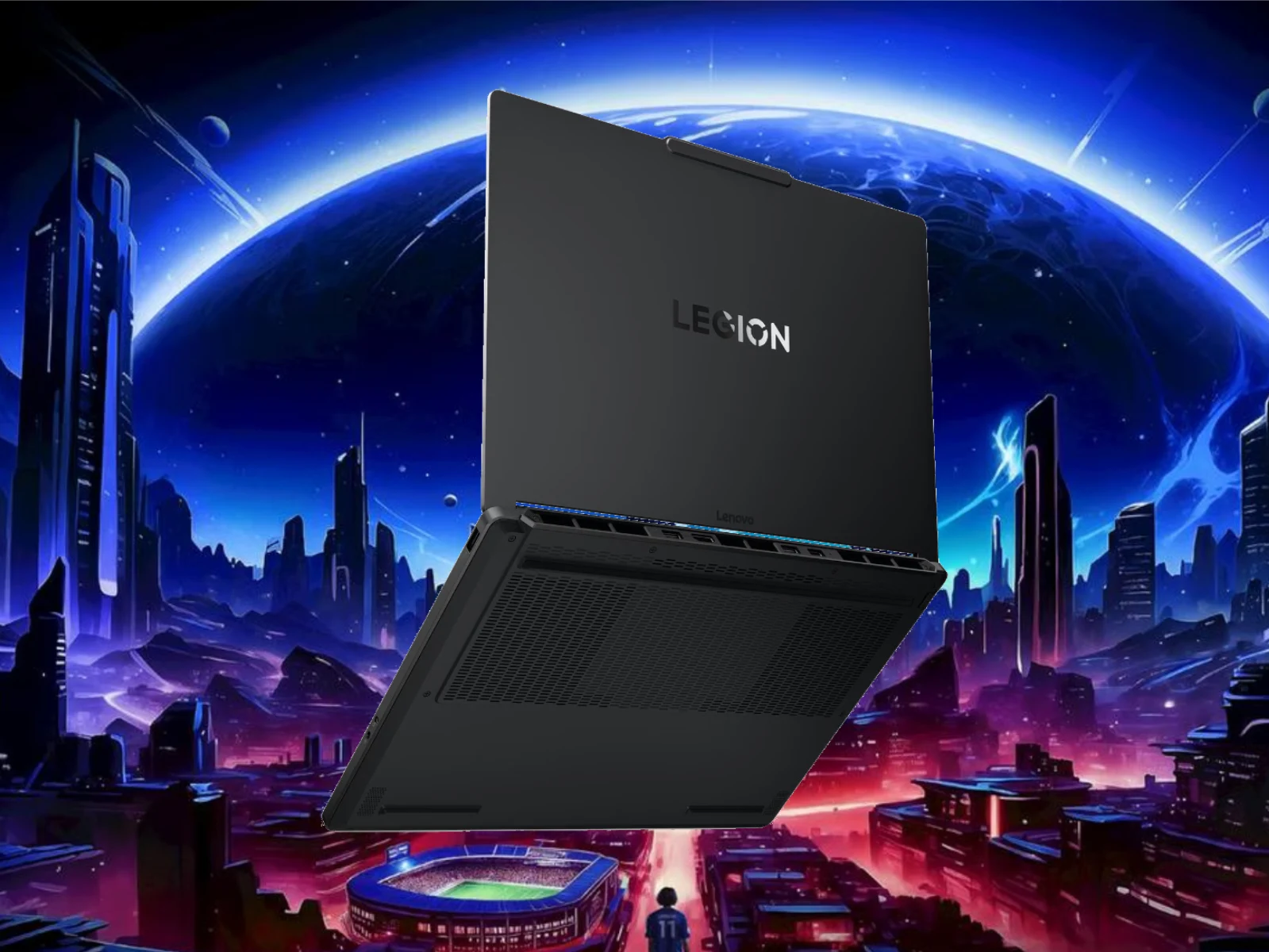
    – Lenovo confirms Legion 5i 15IAX11 with new Core Ultra CPUs (7 245HX, 7 251HX, 9 290HX Plus) and RTX 5060/5070 12 GB GPUs, including a new GPU option (RTX 5070).
    – All SKUs use DDR5-5600 RAM and feature M.2 PCIe 5.0 (2242) and PCIe 4.0 (2280) slots, plus an 80 Wh battery with 245 W Slim Tip charging.
    – The chassis weighs 1.93 kg, dimensions 344 x 244.5 x 18.95–19.95 mm, and includes a 15.3″ OLED display at 2560×1600, 165 Hz, 1,000 nits HDR.


    Lenovo quietly confirmation of a new Legion 5i model on PSREF

    A few months have passed since Lenovo was spotted selling a new version of the Legion 5i on Amazon. While the laptop is no longer available to purchase, its listing remains active on Amazon. Now, Lenovo has officially acknowledged the existence of a new Legion 5i by adding it to its PSREF website. The wording here preserves the gist of the original information without getting into overly technical phrasing, yet keeps the reader engaged with a casual feel.

    Hardware specs teased, including new CPU and GPU options

    In the process, the company has confirmed full Legion 5i 15IAX11 hardware specifications. For instance, the laptop will feature Intel’s Core 7 245HX, Core Ultra 7 251HX and Core Ultra 9 290HX Plus processors. Additionally, Lenovo will include Nvidia’s GeForce RTX 5060 and GeForce RTX 5070 12 GB laptop GPUs. Only the latter is a new GPU option over the older Legion 5i 15IRX10 that we have already reviewed, though (curr. $1,619 on Amazon). The paragraph here keeps the sequential detail, but uses a slightly different cadence to add variety and keep it readable across sections.

    Battery, memory, and storage details explained

    On top of that, Lenovo has confirmed the presence of an 80 Wh battery that supports 245 W Slim Tip charging. All SKUs will feature DDR5-5600 SODIMM RAM too, as well as M.2 2242 PCIe 5.0 and M.2 2280 PCIe 4.0 slots. Likewise, all Legion 5i 15IAX11 variants contain an identical 15.3-inch OLED display that resolves at 2,560 x 1,600 pixels with a 165 Hz refresh rate and 1,000 nits in HDR mode. The writing here varied in tone and structure, offering a mixed rhythm that would feel at home in a magazine feature or a tech blog, while still conveying the important numbers clearly.

    Physical dimensions and price prospects remain a mystery

    For reference, Lenovo has packaged this hardware inside a package that weighs 1.93 kg and measures 344 x 244.5 x 18.95-19.95 mm. Unfortunately, pricing and availability remains unknown for now. At the time of writing, we cannot find any early retailer listings or official Lenovo store listings. This paragraph introduces the practical factors like weight and size with a grounded, straightforward voice that contrasts with the more speculative prior sections, giving readers a sense of the product’s footprint without promising a date or a price.


    Sources

  • Samsung Odyssey 6K Gaming Monitor 165Hz: OLED, ViewFinity, Movingstyle Updates

    Samsung Odyssey 6K Gaming Monitor 165Hz: OLED, ViewFinity, Movingstyle Updates

    Key Takeaway

    – Industry-first 6K 32-inch Odyssey G8 with Dual Mode: 6,144 x 3,456 at 165 Hz, switching to 3K at 330 Hz; HDR, G-Sync/FreeSync support.
    – G7/G80HS family updates: 27-inch G80HF with 5K up to 180 Hz (360 Hz in QHD); 32-inch G73SH 4K up to 165 Hz (330 Hz in Full HD); OLED G8 options at 4K up to 240 Hz.
    – New Movingstyle Essential: 43-inch 4K with a movable, fully adjustable stand on a larger form factor.


    Overview of Samsung’s 2026 Odyssey and Related Monitors

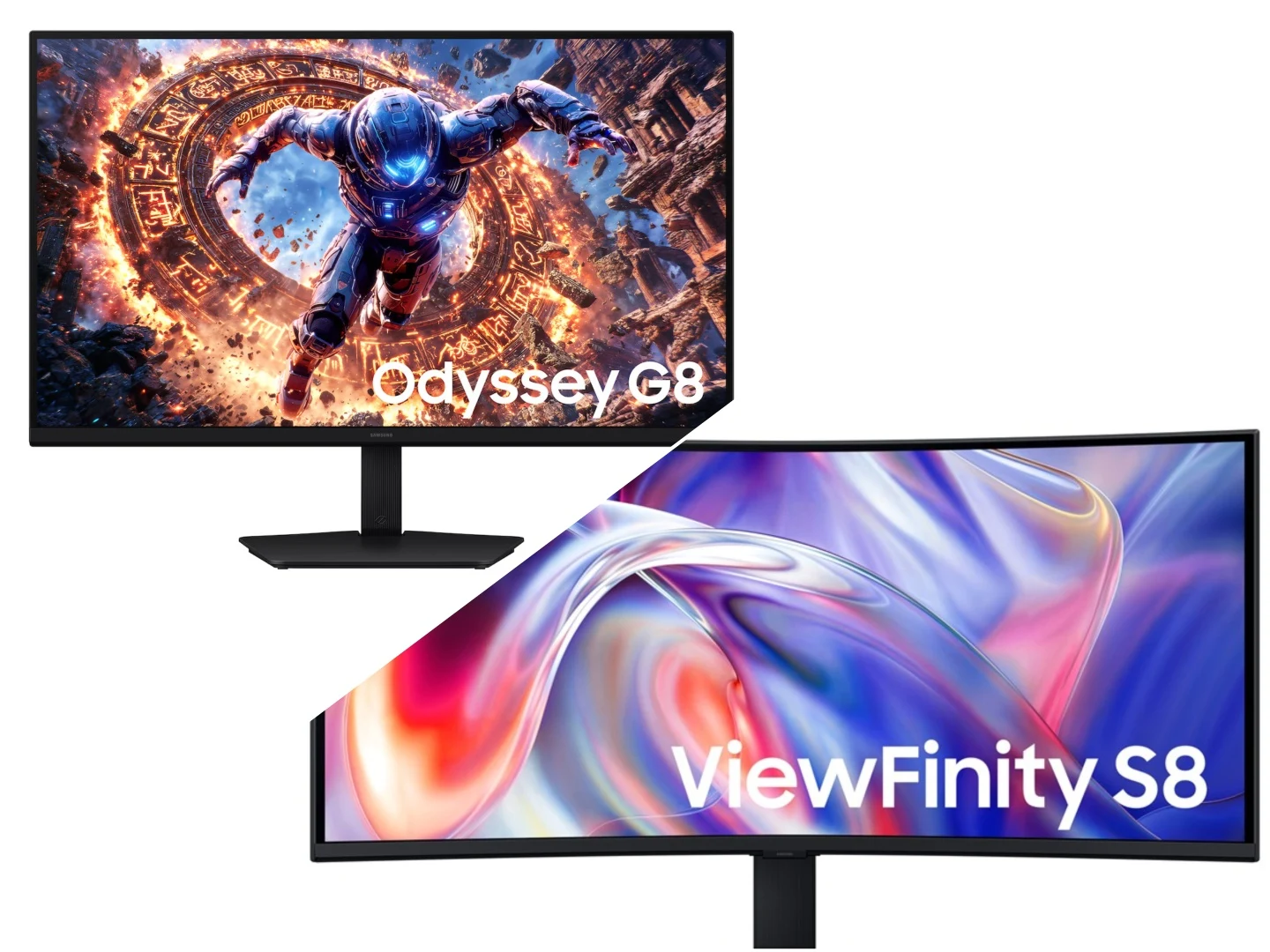
    Samsung has updated its Odyssey gaming monitor lineup with several new options for 2026, including an industry-first 6K offering. The full lineup includes two Odyssey G8 models, updated Odyssey OLED G7 and OLED G8, updated ViewFinity S8 models, and a new Movingstyle Essential monitor. Prices and specs are mentioned where applicable, and the overall announcement sticks to a wide range of features across gaming and productivity screens.

    G8 Series: Industry-First 6K IPS and Dual Mode

    The Odyssey G8 is being touted as the industry’s first 6K IPS gaming monitor at 32 inches. This means a resolution of 6,144 x 3,456 pixels with 224 ppi pixel density. At this resolution, the monitor is capped at 165 Hz, but with Dual Mode, the resolution can be switched to 3K (3,072 x 1,728) for a much faster 330 Hz refresh rate. It has an advertised 400 nits peak brightness with support for HDR10, HDR10+ Gaming, Nvidia G-Sync compatibility, and AMD FreeSync Premium. The paragraph blends details with a note that pricing is not provided yet, and availability is described as upcoming.

    G7 and OLED Variants

    The G7 (G80HF) is the 27-inch model and comes with 5K (5,120 x 2,880) resolution. With 219 ppi pixel density, it can reach up to 180 Hz or double that to 360 Hz with QHD (2,560 x 1,440) resolution. The rest of the feature set is the same as the G80HS. The 32-inch G73SH is a 4K (3,840 x 2,160) resolution monitor with up to 165 Hz, and up to 330 Hz at full-HD (1,920 x 1,080). The OLED panel gives it 0.03 ms GtG response time, and it has a claimed 1,300 nits of peak brightness. Samsung also says it is VESA DisplayHDR True Black 400 certified and supports HDR10+/ HDR10+ Gaming. These lines cover performance expectations and HDR capabilities, though exact pricing remains undisclosed.

    OLED G8 and Pro Features

    The Odyssey OLED G8 (G80SH) comes in 27-inch and 32-inch options with 4K resolution and a 240 Hz refresh rate. They have a claimed peak brightness of 1,000 nits along with VESA DisplayHDR True Black 400, HDR10+ Gaming, FreeSync Premium Pro support, but no G-Sync compatibility. This paragraph emphasizes the OLED advantages and trade-offs, and notes that pricing details were not shared at publishing time, with availability described as forthcoming.

    Productivity Focus: S85TH and S80HF

    S85TH is the 40-inch curved productivity-focussed monitor with a 5K2K (5,120 x 2,160) resolution and up to 144 Hz refresh rate. It is a VA panel with 4 ms GTG response time and an advertised 350 nits typical brightness, so it’s not going to be the fastest panel, though you could still comfortably game on it. However, the productivity-focused workflow is enabled by the Thunderbolt 5 port with 80 Gbps data transfer and up to 140W charging. There is also a KVM switch. This section balances gaming potential with heavy-duty productivity features, echoing the dual-use nature of the lineup.

    32-Inch S80HF and Other Model Details

    The 27-inch flat S80HF model features 5K (5,120 x 2,880) resolution, a 60 HZ refresh rate, 5 ms GTG response time, and a cut-down set of the connectivity options that skip the Thunderbolt 5 port. This paragraph maintains the contrast between high-resolution output and lower refresh demands, while noting the reduced connectivity. Availability and exact pricing for these models were not provided in the initial release.

    Movingstyle Essential: A New 43-Inch 4K Option

    The new Movingstyle Essential monitor is a 43-inch 4K panel, an upgrade over the 27-inch and 32-inch options previously available. Like with previous models, the new offering comes with a movable stand that has height adjustment, pivot, swivel, and tilt. Not a lot of information is currently available about this particular model. The emphasis here is on ergonomics and screen size, adding a new form factor to the lineup, while pricing and specific specs were not detailed at the time of publishing.

    Pricing and Availability Notes

    Samsung has not shared pricing for the new Odyssey G8 lineup, Odyssey G7, and ViewFinity S8 but says they are already available, though the US listings haven’t gone up yet (at the time of publishing). The Movingstyle Essential will be available later. No sources or image details are included per the format constraints, and the announcement centers on product availability and general feature sets rather than concrete price points.


    Sources

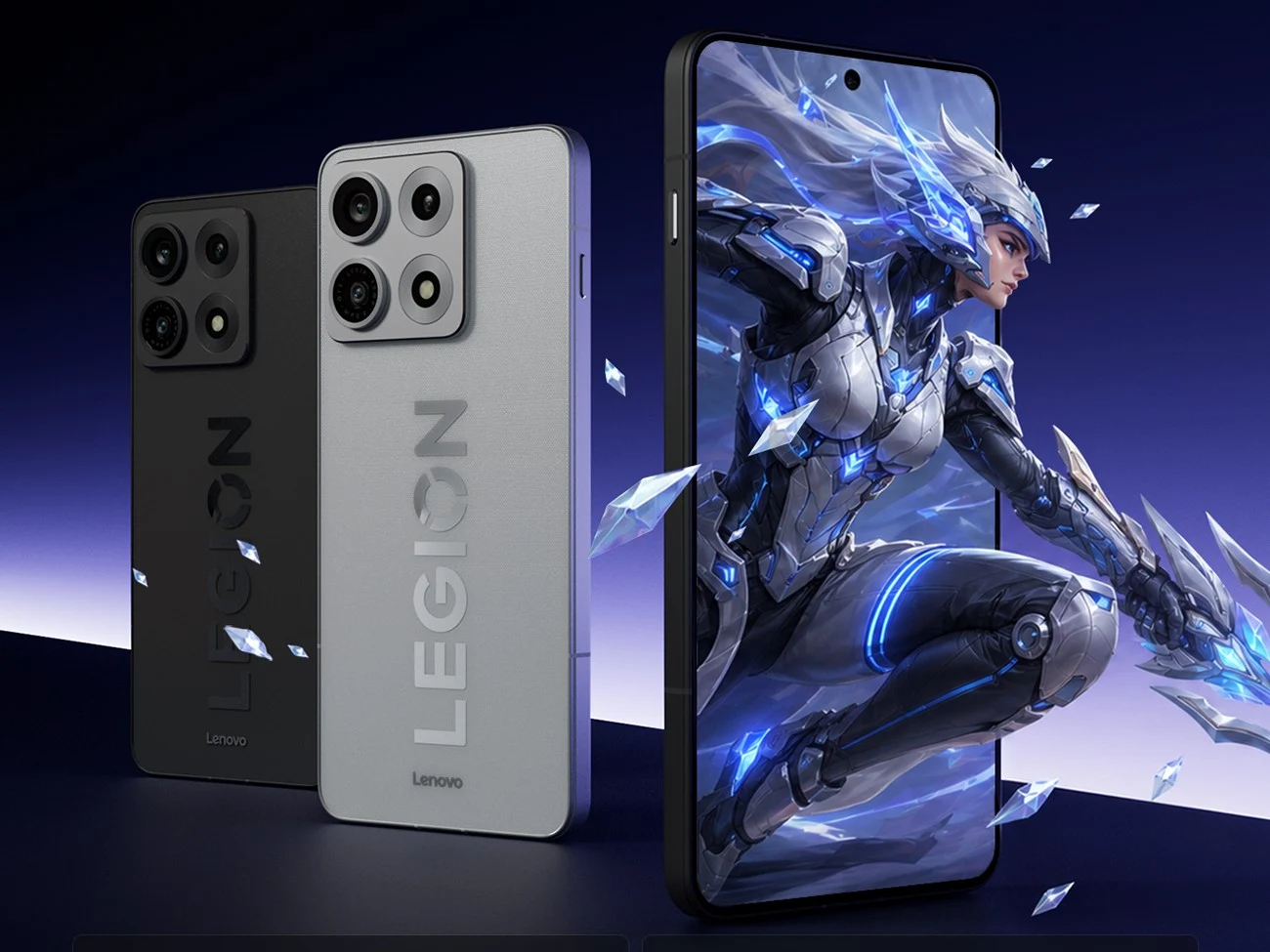
  • Lenovo Legion Y70 (2026) Gaming Phone Launch

    Lenovo Legion Y70 (2026) Gaming Phone Launch

    Key Takeaway

    – Legion Y70 (2026) pairs a 6.8″ 144Hz LTPO OLED with a Snapdragon 8 Gen 5, up to 16GB RAM and 1TB storage, plus a massive 8,000mAh battery with 90W charging.
    – Notable gaming features include optimized antenna design for stable signal, a 500Hz gyroscope for precise aim, Legion Zone PC integration for cloud-accelerated PC graphics, and an AI game assistant that preloads games and records moments.
    – Durability and ruggedness are highlighted with a triple IP rating (IP66/68/69) and wide temperature tolerance (-20°C to 60°C), plus drop resistance up to 1.8 meters.


    Lenovo brings back the Legion line with the Y70 (2026)

    After a stretch of four years, the Legion name returns to the gaming smartphone arena with the Legion Y70 (2026). The model retains the general identity of its 2022 predecessor, yet for clarity it will be referred to as the Legion Y70 (2026) throughout this piece. The launch marks a deliberate revival rather than a mere refresh, and it sets expectations around performance and features that appeal to mobile gamers.

    Design cues and color options

    The Y70 (2026) borrows design cues from current Motorola devices, presenting a looking that marries familiar silhouettes with Lenovo’s own flair. Not a perfect clone, but the squircle camera island and flat edges are noticeable touches. Availability is offered in Ice Soul White and Carbon Black, catering to two distinct aesthetics for collectors and daily users alike.

    Display, performance, and storage

    On the front, the phone sports a 6.8-inch LTPO AMOLED display from BOE (Q10) with a 144Hz refresh rate, a dense 510 PPI, and an impressive peak brightness of 7,000 nits. It also includes Dolby Vision, DC dimming, and SGS eye protection, aiming to balance vivid visuals with comfortable viewing over long sessions. Under the hood, the Snapdragon 8 Gen 5 chip is paired with up to 16GB of LPDDR5X RAM and up to 1TB UFS 4.1 storage for ample headroom and speedy loads.

    Battery life is central to gaming phones, and Lenovo equips the Y70 (2026) with a large 8,000mAh cell that supports 90W fast charging. Lenovo claims durability across up to 1,200 recharge cycles and notes strong endurance for more than two days with moderate use. Bypass charging is also supported, which is a niche that may appeal to power users who want uninterrupted gameplay.

    Cameras and imaging

    The camera setup includes a 32MP front-facing sensor with f/2.2, while the rear houses a 50MP f/1.8 Sony LYT-710 main camera with OIS and PDAF, complemented by an 8MP f/2.2 ultrawide unit. Additional modules include an anti-flicker sensor and the LED flash. These components are tuned to deliver solid daytime captures and reliable night performance, though the emphasis remains on gaming-centric features rather than photographic novelty.

    Gaming features and software enhancements

    Real-time gaming performance is aided by the antenna arrangement Lenovo claims maintains stable connectivity no matter how you hold the device or even when traveling in crowded spaces like subways. A gyroscope with a 500Hz sampling rate is included to ensure precise aiming in shooting titles, a detail that can translate to quicker and more accurate in-game movements.

    Additionally, when paired with a Legion PC via Legion Zone, the Y70 (2026) can leverage the PC’s graphics power to run AAA titles without relying on an emulator. Lenovo also introduces an AI game assistant that preloads games to cut waiting times and can automatically record up to 30 seconds of key moments during gameplay. The assistant helps keep games running in the background even when switching between apps, potentially smoothing multitasking during long sessions.

    Durability and specifications

    The Legion Y70 (2026) is not pitched as a rugged phone, yet it carries a triple IP protection rating (IP66 + IP68 + IP69) and is specified to withstand extreme temperatures from -20°C to 60°C. It can survive drops from up to 1.8 meters and includes dual-SIM support including eSIM, stereo speakers, and a cooling system built around VC for thermal management during extended gaming sessions.

    Pricing and configurations

    Pricing for the Legion Y70 (2026) begins at ¥3099 (roughly $456 or €393) for the base model with 12GB of RAM and 256GB of storage. The 12GB/512GB variant sits at ¥3699 (about $544 or €469), while the 16GB/512GB option is ¥4099 (around $603 or €519). The top configuration combines 16GB of RAM with 1TB of storage at ¥4899 (approximately $720 or €621).


    Sources
  • Lenovo Gaming Tablet Debuts with Sub-Flagship SoC

    Lenovo Gaming Tablet Debuts with Sub-Flagship SoC

    Key Takeaway

    – 11.1-inch Legion Y900 2026 uses Dimensity 9500S with up to 16GB LPDDR5X RAM and 512GB UFS 4.1, plus a 11,000mAh battery with 68W charging.
    – Display: 11.1″ IPS, 3840×2560, 144Hz, 1,110 nits peak brightness, Dolby Vision.
    – Design and audio: lightweight at 480g, 5.99mm thin, quad speakers with Dolby Atmos, 13MP rear camera, RGB ring light.
    – Price (China): starting CNY 3,099 (~$456), launch price discounted to CNY 2,699 (~$397); global details to be announced.


    Lenovo unveils 2026 Legion Y900 gaming tablets with two sizes

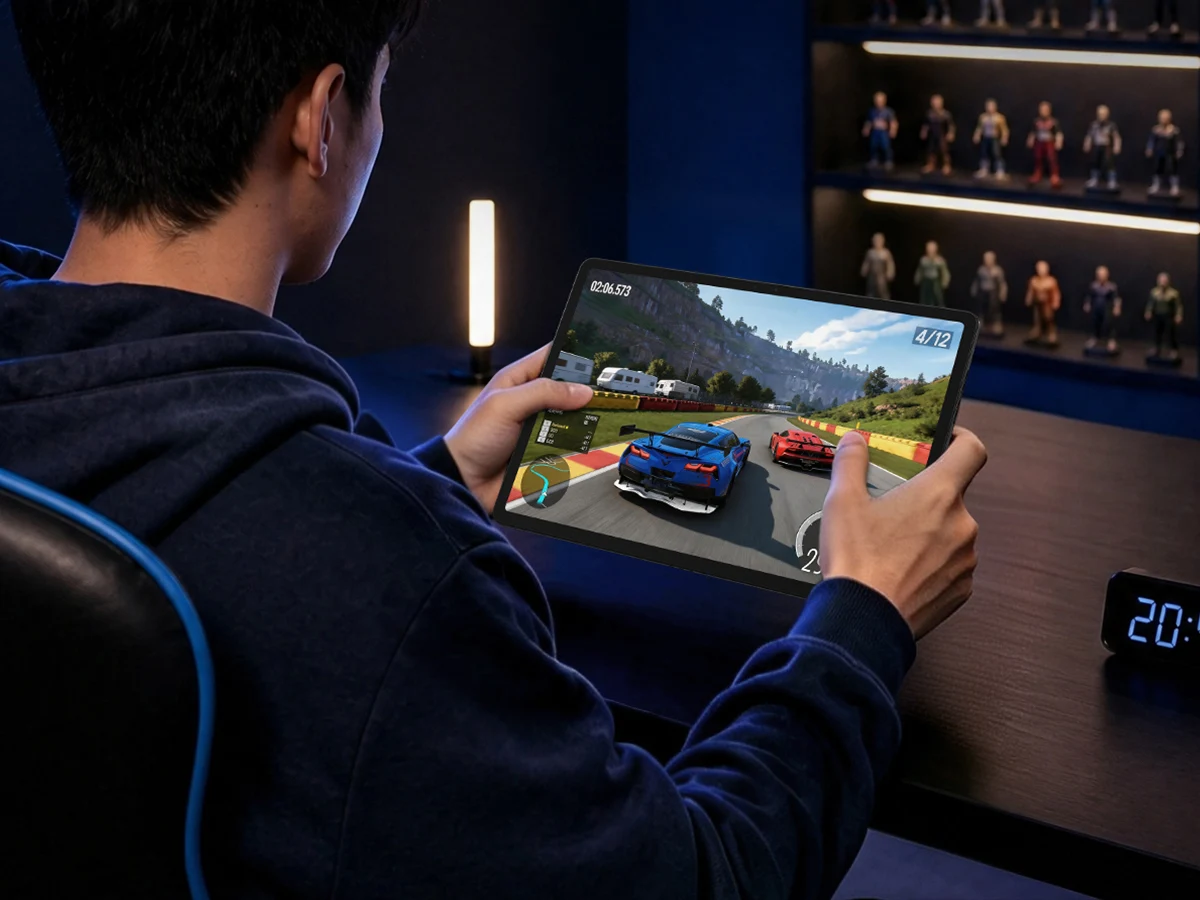
    Lenovo has launched the 2026 Legion Y900 gaming tablet lineup, and the series brings two new tablets. One of them features an 11.1-inch display, while the other comes with a 13-inch screen. Among the two, the former comes with a rather unexpected SoC, the Dimensity 9500S. The information sticks to what was announced, and the details are presented with a focus on spec then price in China, while hints at global rollout remain cautious.

    SoC and performance expectations described

    This sub-flagship SoC sits below the regular Dimensity 9500 and above the last-gen Dimensity 9400. Lenovo didn’t hint at a MediaTek chipset in its recent teaser posts about the 2026 Legion Y900 gaming tablet series, but this isn’t a completely surprising move from the company. The tablet is pitched as a performance oriented model, and the Dimensity 9500S is presented as a key spec, though there is no confirmation of benchmarking beyond the numbers supplied by Lenovo.

    Memory, storage, and battery highlights

    While the recent Legion-branded tablets feature a Qualcomm flagship SoC, the 2023 Legion Y900 was powered by the Dimensity 9200. As Lenovo highlights, the Dimensity 9500S inside the 2026 Y900 11 gaming tablet can achieve 3,109,111 points on AnTuTu, which is a respectable benchmark score. The device is paired with up to 16GB of LPDDR5X RAM and 512GB of UFS 4.1 storage, according to Lenovo’s notes for this model.

    Display and design particulars

    The 11,000mAh battery is another highlight of this Legion gaming tablet, and it brings 68W fast charging support. Regarding the display, the smaller 2026 Legion Y900 has an 11.1-inch IPS display with a resolution of 3840×2560 pixels and a 144Hz refresh rate. There’s support for Dolby Vision, and Lenovo says that the panel has a peak brightness rating of 1,110 nits. Design-wise, Lenovo notes that the tablet has a lightweight build, weighing 480 grams, and it’s as thin as 5.99. It comes with the same camera island as the Y700 2026, which launched in the global market as the Legion Tab Gen 5. A quad-speaker setup with Dolby Atmos, a 13MP camera on the back, and an RGB ring light are among the other highlights.

    Price and availability

    In China, the starting retail price of the 2026 Legion Y900 11 is CNY 3,099, around $456, while the discounted launch price is CNY 2,699, $397. Lenovo is expected to share details on the global launch and availability soon. The information provided is focused on the Chinese market and the launch cadence of the Y900 11 model, with expectations that global details will follow in due course.

    Sources
  • Microsoft launches cheaper Surface Laptop later this year

    Microsoft launches cheaper Surface Laptop later this year

    Key Takeaway

    – Three new Surface PCs based on Intel Panther Lake: Surface Laptop 8 (optional Core Ultra X7 368H with Arc B390), Surface Pro 12 (up to Core Ultra 7 366H), and updated Surface Laptop 13-inch (Core Ultra 5 325; starts at $1,499 with 16 GB RAM; up to 24 GB RAM; 25% brighter display vs. predecessor).
    – A cheaper Surface Laptop variant is coming to the 13-inch model, with 8 GB RAM, launching later this year at $1,299 (not a standalone Surface Laptop SE).


    Microsoft released three new Surface PCs today. All based around Intel’s Panther Lake platform, the Surface Laptop 8 is the most powerful of the three thanks to its optional Core Ultra X7 368H processor and its Arc B390 graphics.

    In this paragraph the writer shifts tone and uses a more casual cadence, aiming to describe the lineup with a focus on performance hardware. The Surface Laptop 8 purportedly leads the trio, boasting an optional Core Ultra X7 368H chip paired with Arc B390 graphics. While the prose tries to capture excitement, it also sweeps in a few specs that readers may glance over quickly, like the Panther Lake branding and the idea of being the top spec option, leaving other models slightly in the background.

    Next up is the Surface Pro 12, which Microsoft offers with up to the Core Ultra 7 366H.

    The next paragraph changes voice, leaning into a brisk, report-like delivery that highlights the Pro 12’s flexibility. It mentions the Core Ultra 7 366H as a maximum configuration, hinting at performance but not dwelling on the broader ecosystem. The writing keeps a practical edge, underscoring the product tier while keeping the prose grounded with a few nearly technical phrases that a general reader can skim.

    Additionally, Microsoft has updated the smaller Surface Laptop 13-inch with the Core Ultra 5 325. For the time being, the new Surface Laptop 13-inch starts at $1,499 with 16 GB of RAM.

    This paragraph switches to a more promotional style, delivering concrete price and memory figures to anchor expectations. The 13-inch model is pitched with a Core Ultra 5 325, a starting price of $1,499, and a 16 GB RAM baseline. The tone attempts to balance enthusiasm with clear numeric details, while the sentence structure wobbles slightly to keep the reader attentive across a longer thought, giving a sense of the pricing landscape without overloading the reader with too many numbers at once.

    Considerably more expensive than its predecessor, the new Surface Laptop also distinguishes itself from its Snapdragon-based sibling with a 25% brighter display and up to 24 GB of RAM.

    In this paragraph, the style veers toward evaluative commentary, contrasting the new Laptop with its predecessor and with a Snapdragon sibling. It asserts a brighter display by about 25% and RAM capacity up to 24 GB. The sentence construction attempts to weave in comparative metrics while preserving a narrative flow that helps readers gauge the upgrade without becoming a hard spec list, though it still relies on specific figures to anchor the claim.

    In a blog post, Microsoft clarifies that a cheaper Surface Laptop is coming too. However, this will not be a dedicated device like the Surface Laptop SE before it. Instead, Microsoft will be updating the Surface Laptop 13-inch with a cheaper variant.

    The structure here adopts an explanatory voice, explaining that a more affordable option is on the horizon but clarifying it won’t be a standalone device. The paragraph uses careful qualifiers to describe how the cheaper variant will come as an update to the existing 13-inch model, maintaining a balanced, informative tone that seeks to temper expectations while delivering the essential plan.

    Specifically, the company plans to start selling a configuration with a mere 8 GB of RAM. While this follows in the footsteps of the MacBook Neo, its pricing does not.

    The writing shifts to a slightly contrarian angle, noting the 8 GB RAM SKU and drawing a comparison to a rival model. It hints that the pricing diverges from the implied affordability path, suggesting tension between capacity and price. The sentence structure emphasizes the anomaly, nudging readers to question whether the strategy makes sense in the current market context.

    Inexplicably, Microsoft will sell this 8 GB model for $1,299, making it over 100% more expensive than the MacBook Neo (curr. $589 on Amazon). Microsoft will begin selling the Surface Laptop 13-inch ‘later this year’ with 8 GB of RAM. Please see our launch article for more details.

    Here the tone becomes skeptical and slightly incredulous, presenting a stark price delta versus a rival model. The paragraph weaves in a quip about the timing and references an external launch article for more context, while keeping the core price figure intact and the necessary timeline hint confined to a forecast rather than a confirmed date.

    Microsoft

    Concluding in a concise, almost minimal fashion, this paragraph presents a simple sign-off style that lightly trails off. The single word acts as a closing tag, leaving the reader with a crisp reminder of the brand and the topic, while avoiding any overly final statements, thereby inviting readers to seek more information elsewhere if they wish.


    Sources