Tag: Core Ultra X7 358H

  • HP Launches 14-Inch Laptop: Up to 64GB RAM, Arc B390 & 5G

    HP Launches 14-Inch Laptop: Up to 64GB RAM, Arc B390 & 5G

    Key Takeaway

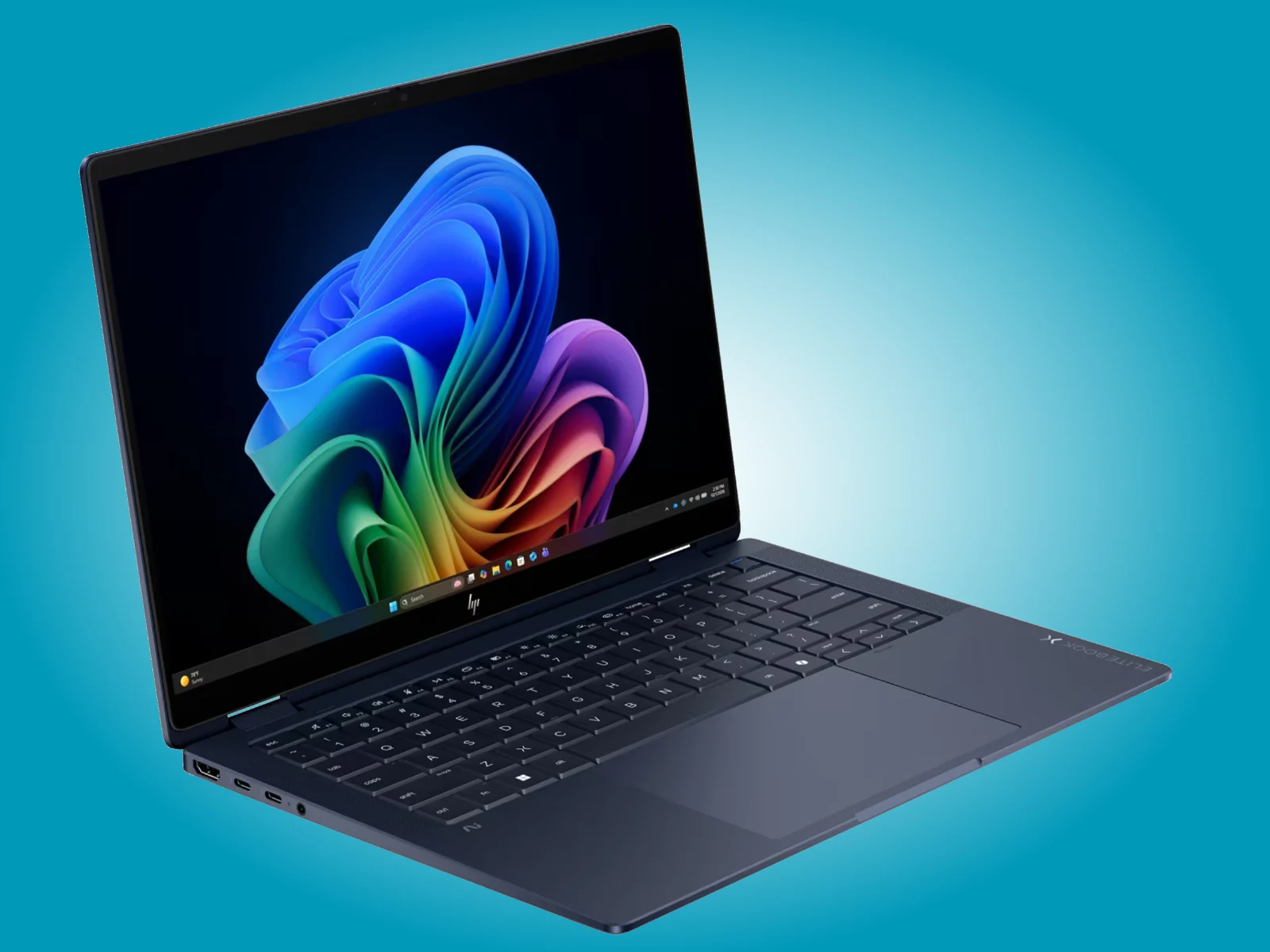
    – HP EliteBook X Flip G2i is a new 14-inch convertible with Intel Panther Lake processors.
    – Starts at $2,692 in the US (Core Ultra 5 325, 24GB RAM, 512GB SSD, 1200p OLED).
    – Top configuration reaches $5,766 (Core Ultra X7 358H, 64GB RAM, 1TB SSD, 700-nit Tandem OLED).
    – Offers optional features like NFC, 5G, and Arc B390 graphics.
    – Pricing and availability vary by region (e.g., Europe starts with higher-end SKUs).


    New HP EliteBook X Flip G2i Goes Global

    HP has updated its compact EliteBook range with a new model. For context, the company already sells the EliteBook X G2i 14 with Intel Panther Lake processors. Likewise, the EliteBook X G2q and EliteBook X G2a are now available with Snapdragon X2 and AMD Ryzen AI 400 processors, respectively.

    Global Launch and Pricing Details

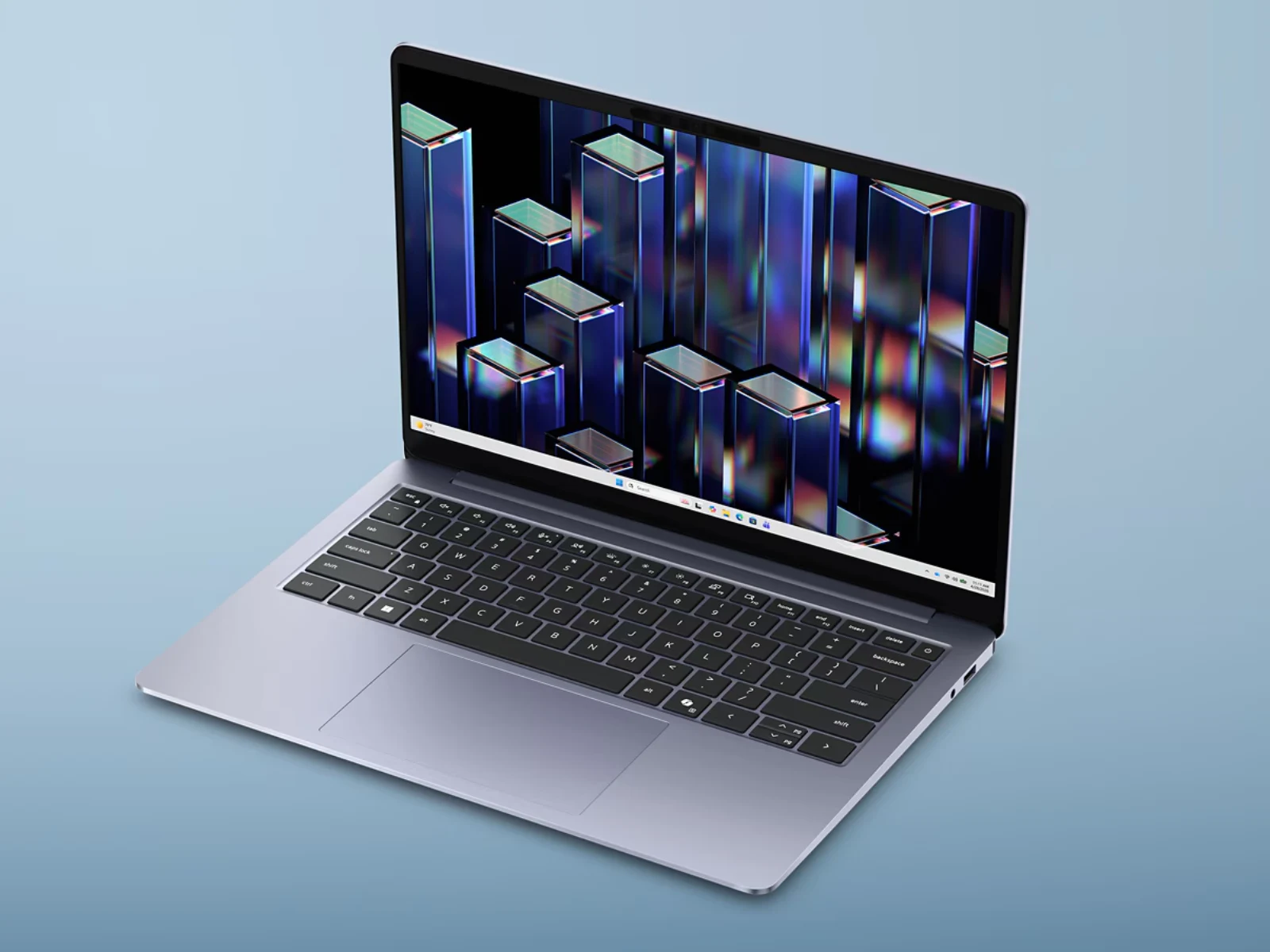
    Now, HP has started selling the EliteBook X Flip G2i globally. Announced in January during CES 2026, the new 14-inch convertible directly replaces the EliteBook X Flip G1i we reviewed in 2025 with Intel Lunar Lake processors. By contrast, the EliteBook X Flip G2i adopts Intel’s Panther Lake platform with optional Arc B390 graphics.

    The EliteBook X Flip G2i starts at $2,692 in the US with a Core Ultra 5 325 processor, a 68 Wh battery, 24 GB of RAM, a 512 GB SSD, and a 1200p OLED touchscreen display that peaks at a mere 300 nits. Allegedly, this SKU carries a $3,847 MSRP. However, switching from a Windows 11 Pro licence to FreeDOS will save $227 in all cases.

    European and UK Configurations

    Currently, availability is more limited elsewhere. For instance, HP is only selling Core Ultra X7 358H SKUs in Europe. At the time of writing, the company has priced a 32 GB RAM and 1 TB SSD variant with a 1800p and 500-nit OLED display for €3,254 in the Eurozone and for £2,543.99 in the UK. For reference, an equivalent configuration runs to $3,887 in the US and carries a $5,553 MSRP.

    Maximum Specifications and Upgrades

    At the time of publication, the EliteBook X Flip G2i can be configured with up to a Core Ultra X7 358H processor, 64 GB of RAM and a 1 TB PCIe Gen 5 x4 SSD, as well as NFC and 5G cellular connectivity. A 700-nit and 1800p Tandem OLED is available too, which retains 100% DCI-P3 colour space coverage and a 120 Hz VRR refresh rate. All these options pushes the EliteBook X Flip G2i to $5,766 though with an $8,238 MSRP. Please see the company’s website for more information.
  • Lenovo Unveils 165Hz OLED Desktop with Arc B390 Graphics

    Lenovo Unveils 165Hz OLED Desktop with Arc B390 Graphics

    Key Takeaway

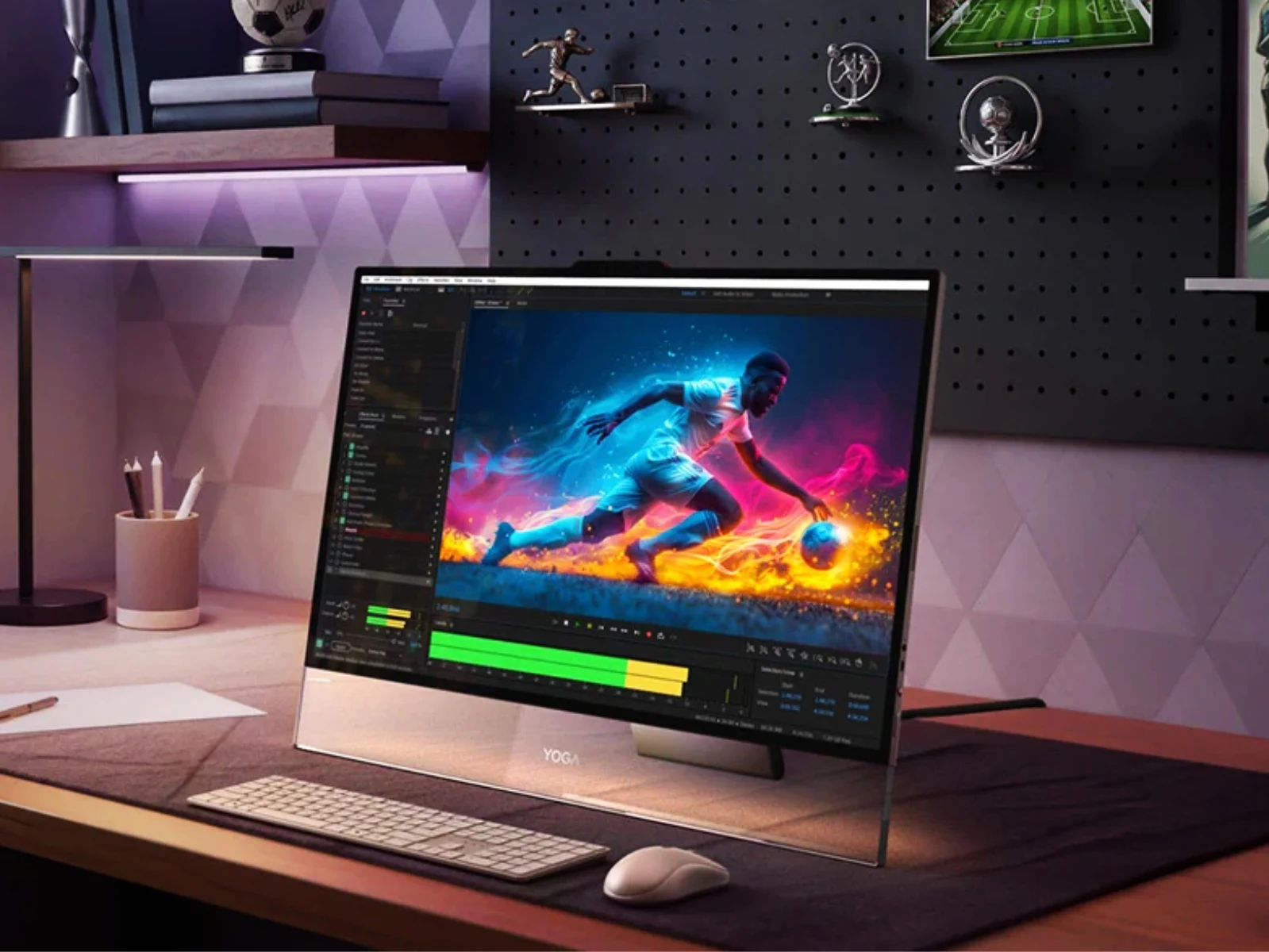
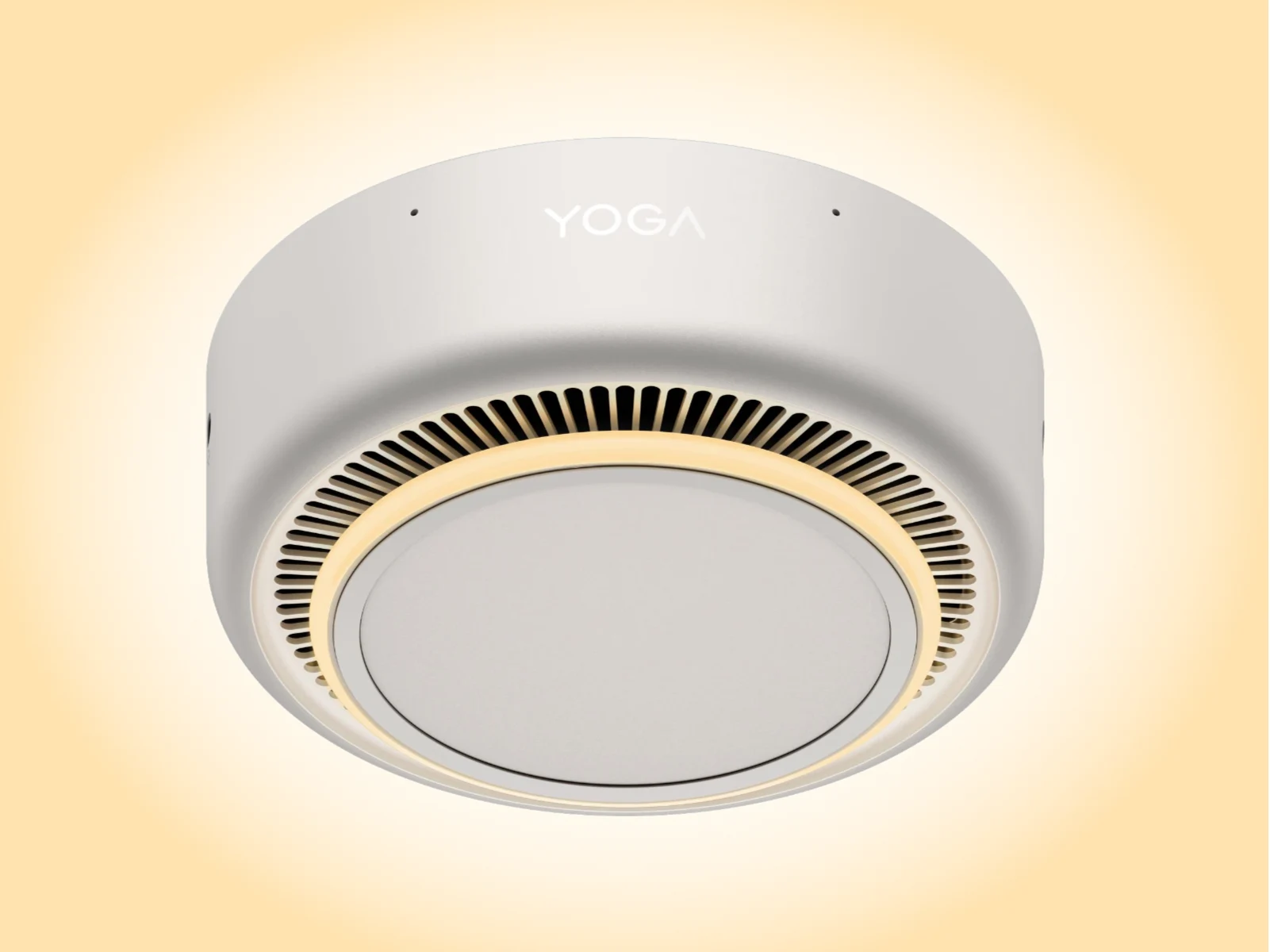
    – New Lenovo Yoga AIO i Gen 11 Aura Edition debuts at CES 2026 and is now available to order in Australia and Europe, with the model still listed as ‘coming soon’ in North America.
    – High-end specs: 16-core Core Ultra X7 358H, Arc B390 graphics, 32 GB LPDDR5X RAM, and a 4K OLED display with 99% DCI-P3, 165 Hz, up to 1,000 nits HDR peak.
    – Display performance trade-offs: SDR brightness around 225 nits, which may be limiting in non-HDR conditions.
    – Pricing and options: Eurozone €2,869–€3,249; UK £2,596; Australia AUD 5,129, with optional 1 TB M.2 SSD pre-installed.


    Lenovo announces the Yoga AIO i Gen 11 Aura Edition at CES 2026

    First off, this paragraph strolls into the news with a brisk, not-so-formal vibe, aiming to lay out what the Aura Edition is and where it stands. Lenovo unveiled the Yoga AIO i Gen 11 Aura Edition in January during CES 2026. For the time being, the company continues to list its 32-inch all-in-one (AIO) desktop as ‘coming soon’ in North America. However, the desktop is now available to order in markets like Australia and Europe. Yet, in the Americas, folks still wait a bit longer, while Europe and Australia see a more concrete path to purchase, signaling diverse regional rollout strategies across continents.

    Performance and hardware details explained in plain words

    This paragraph shifts into a more technical tonality with a casual twist, trying to keep it readable while still dense with specs. Arguably, the Aura Edition looks more futuristic than other AIOs like the Apple iMac (curr. $1,264 on Amazon). Lenovo’s new release should have the performance to match, too. Currently, Lenovo equips the device with the Core Ultra X7 358H, a 16-core processor from the Panther Lake family that contains Intel’s powerful Arc B390 graphics. The paragraph tries to balance marketing flair and real hardware insight, noting the core count and the discrete GPU presence as a selling point without getting lost in jargon.

    Display, memory, and premium features

    This section keeps things approachable while still diving into the gadgety bits, and it deliberately uses a more relaxed, slightly imperfect voice. The Yoga AIO i Gen 11 Aura Edition also features 32 GB of LPDDR5X RAM running at 9,600 MTs, as well as a 4K OLED display with 99% DCI-P3 colour space coverage and a 165 Hz refresh rate. The display should peak at 1,000 nits in HDR mode. Full panel brightness of 225 nits in SDR mode leaves a lot to be desired, though. In short, the numbers for color, speed, and brightness aim high, but SDR performance shows room for improvement in everyday lighting scenarios.

    Pricing and regional availability

    This paragraph adopts a practical, almost street-level tone, keeping numbers front and center while hinting at regional pricing dynamics. Lenovo prices its new AIO at between €2,869 and €3,249 in the Eurozone. By contrast, the same device starts at £2,596 in the UK and AUD 5,129 in Australia. While configuration options are fairly locked down, Lenovo will pre-install a secondary 1 TB M.2 2280 SSD if needed. Please see Lenovo’s website for more details. The pricing guidance is presented as ranges, signaling that regional taxes, duties, and local configurations influence the final sticker.

    Regional rollout and availability notes

    Here the voice stays grounded and pragmatic, acknowledging how markets differ while avoiding extraneous fluff. Lenovo Australia, France, Germany, Ireland, UK


  • Lenovo Yoga Mini-PC Refresh with Up to 64GB RAM

    Lenovo Yoga Mini-PC Refresh with Up to 64GB RAM

    Key Takeaway

    – Lenovo adds a 64 GB RAM option to the Yoga Mini i Gen 11 in China, while keeping the Core Ultra X7 358H CPU.
    – Price for the 64 GB model is CNY 17,999 (~$2,641), significantly higher than the entry-level variant.
    – Global availability and PSREF updates have not been announced, so international rollout remains unclear.


    Overview

    Almost two months have passed since Lenovo released the Yoga Mini i Gen 11. Originally available in China, the mini-PC then made its way to Europe and Australia a month later. Despite not reaching North America yet, Lenovo has already updated the Yoga Mini i Gen 11 with a new variant.

    New Variant Details

    Previously, it was possible to configure the mini-PC with up to a Core Ultra X7 358H processor and 32 GB of RAM to rival Asus’ NUC 16 Pro (curr. $1,029 on Amazon). However, Lenovo has now decided to push the Yoga Mini i Gen 11 further by adding a 64 GB RAM option in China. The Core Ultra X7 358H remains though, as do the following ports:

    Pricing and Availability

    Lenovo has priced this new 64 GB RAM version at CNY 17,999 (~$2,641) before accounting for any subsidies. By contrast, the mini-PC’s entry-level variant starts at CNY 5,499 (~$806) in the same market. Currently, Lenovo has not updated its PSREF website to reflect a 64 GB model. As a result, global availability remains unknown for now.

    Lenovo via ITHome


    Sources

  • Dell 16-inch Laptop with 120Hz OLED and Intel Panther Lake

    Dell 16-inch Laptop with 120Hz OLED and Intel Panther Lake

    Key Takeaway

    – North America offers four display configurations (including a cheaper 1200p IPS and an 1800p OLED), while Europe currently uses only a 1600p IPS panel.
    – In Europe, only Core Ultra 5 322 and Core Ultra 7 355 are available today; Core Ultra 5 336H, Core Ultra 7 356H, and Core Ultra X7 358H are planned (X7 358H includes Arc B390).
    – The Core Ultra X7 358H variant brings Intel Arc B390 graphics to the lineup.
    – Price points vary by region: US baseline starts at $1,319 (Core Ultra 5 322, 16 GB RAM, 512 GB, 1200p); UK £1,199 and Eurozone €1,349 for similar 1600p config; fully configured US option is $2,119 (32 GB RAM, Core Ultra 9 386H, 1800p OLED); X7 358H pricing not yet disclosed.

    Currently, Dell limits the Dell 16S to the Core Ultra 5 322, Core Ultra 7 355 and the Core Ultra 9 386H in North America. Meanwhile, Europe has only received Core Ultra 5 322 and Core Ultra 7 355 configurations at the time of publication. Dell states that Core Ultra 5 336H, Core Ultra 7 356H and Core Ultra X7 358H versions are coming too, although only the latter brings Intel’s Arc B390 graphics to the table.

    Regional model overview

    Also, only a 1600p IPS panel is available in Europe, which peaks at 500 nits with 100% sRGB colour space coverage and a 48-120 Hz variable refresh rate. By contrast, four display options have made their way to North America, including a cheaper 1200p IPS panel that peaks at 400 nits with 45% NTS C oclour space coverage and a 48-60 Hz refresh rate. Alternatively, an 1800p (2.8K) OLED panel can be configured too, which jumps to 100% DCI-P3 colour space coverage and a 48-120 Hz refresh rate, but with 400 nits peak brightness.

    Display options by region

    Dell charges at least $1,319 for its new 16-inch laptop in the US with the Core Ultra 5 322, 16 GB of RAM, 512 GB of storage and a 1200p IPS display. In comparison, a similar configuration with a 1600p IPS display retails for £1,199 in the UK and €1,349 in the Eurozone.

    Initial pricing snapshot

    For reference, the Dell 16S costs $2,119 in its fully configured state with 32 GB of RAM, a Core Ultra 9 386H processor and an 1800p OLED display. Dell has not confirmed pricing for Core Ultra X7 358H variants, though.


  • Dell Debuts 14-Inch Laptop With 120Hz Display, Arc B390 GPU

    Dell Debuts 14-Inch Laptop With 120Hz Display, Arc B390 GPU

    Key Takeaway

    – The Dell 14S reintroduces an XPS 14 with Panther Lake CPUs; Europe offers Core Ultra 5/322 and 7/355, while North America can also get Core Ultra 9/386H or X7 358H (60 Hz OLED on those high-end models).
    – 70 Wh battery with 65 W charging; RAM options of 16 or 32 GB LPDDR5x-7467 and PCIe storage of 512 GB / 1 TB / 2 TB.
    – Display choices are 1200p OLED or 1600p IPS; OLED tops at 60 Hz, IPS up to 120 Hz, none are touchscreen.
    – Pricing varies by region, starting around £1,149 / €1,299 / $1,319 for base config, with X7 358H configurations climbing up to about $2,169.

    Dell did come back to the XPS line this year with the XPS 14. For reference, we’ve already checked two versions, one with the Core Ultra 7 355 and the other with the more powerful Core Ultra X7 358H. Now, it has packed Intel’s Panther Lake platform into another 14-inch consumer laptop called the Dell 14S.

    Specs and positioning

    Effectively, the Dell 14S replaces the Dell 14 Plus (curr. $959). In North America it can be configured with the Core Ultra 5 322, Core Ultra 7 355, Core Ultra 9 386H and the Core Ultra X7 358H. In Europe, Dell limits it to the Core Ultra 5 322 and Core Ultra 7 355. All configurations ship with a 70 Wh battery that supports 65 W charging, though.

    Config options and display choices

    Additionally, the Dell 14S comes with a choice between 16 GB or 32 GB of LPDDR5x-7467 RAM and 512 GB, 1 TB or 2 TB of PCIe storage in some markets. Moreover, Dell offers the laptop with 1200p OLED or 1600p IPS panels. Not only is the latter brighter at 500 nits vs 300 nits, the latter also supports a 48-120 Hz refresh rate. In comparison, Dell’s OLED panel peaks at 60 Hz; neither supports touchscreen inputs, though.

    Performance limits and pricing by region

    Unfortunately, configuring the Core Ultra 9 386H or Core Ultra X7 358H limits the laptop to a 60 Hz OLED display. The Dell 14S starts at £1,149 in the UK and €1,299 in the Eurozone with a Core Ultra 5 322, 16 GB of RAM, a 512 GB SSD and an OLED display. Meanwhile, Dell charges $1,319 for the same configuration in the US. However, the laptop runs to $2,169 when configured with a Core Ultra X7 358H.


  • Asus Launches NUC 16 Pro Mini-PC with Intel Panther Lake Processor

    Asus Launches NUC 16 Pro Mini-PC with Intel Panther Lake Processor

    Key Takeaways

    1. Asus launched the NUC 16 Pro mini-PC, replacing the NUC 15 Pro, with a new design and dimensions of 144 x 117 x 42 mm.
    2. The NUC 16 Pro offers processor options including the Core Ultra X9, but currently features a variant with Core Ultra 7 356H and Intel Graphics 4 Xe3 priced at $999.
    3. A new variant with Core Ultra X7 358H and Arc B390 GPU is available in China, priced at CNY 10,999 (about $1,597), featuring 32 GB RAM and 1 TB storage.
    4. The NUC 16 Pro includes dual M.2 2280 PCIe Gen 5 slots and has different RAM configurations based on the model.
    5. Asus is expected to expand the NUC 16 Pro lineup throughout 2026, with more options and announcements to come.


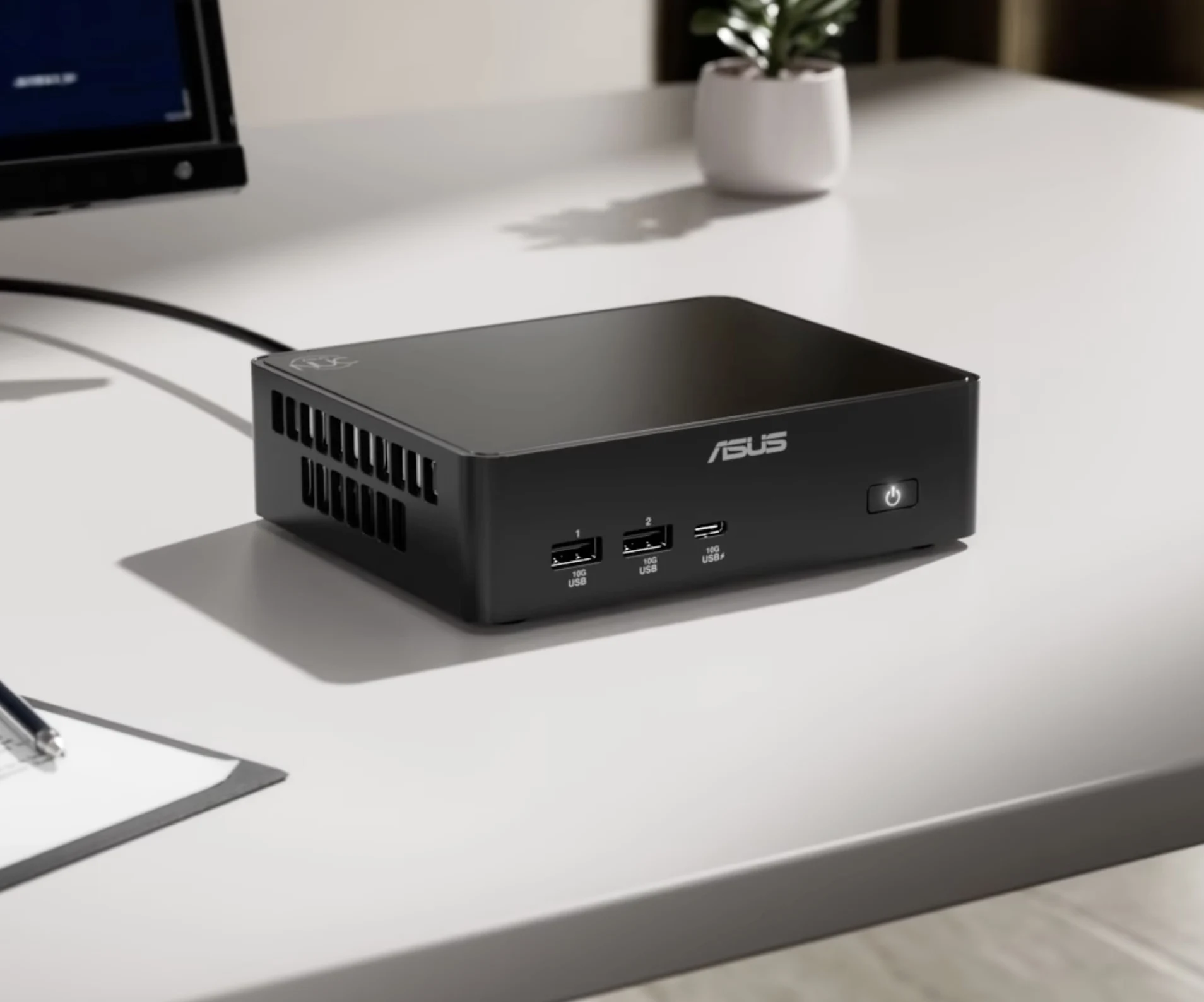
    Asus has just launched a stronger model of its newest mini-PC. Unveiled in January at CES 2026, the NUC 16 Pro takes the place of the NUC 15 Pro, which is currently priced at $1,139 on Amazon, and comes equipped with Intel’s Panther Lake processors. The new NUC 16 Pro features a refreshed design, boasting a broader shape with dimensions of 144 x 117 x 42 mm.

    Processor Options

    At first, Asus had mentioned that the NUC 16 Pro would come with options for up to a Core Ultra X9 Series 3 processor and an Arc B390 integrated GPU. However, just earlier this month, they rolled out a version with only the Core Ultra 7 356H. This variant, priced at $999, has the less powerful Intel Graphics 4 Xe3, which includes 4 GPU cores.

    New Variants Released

    While we’re still looking forward to the Core Ultra X9 388H model, Asus has also introduced a Core Ultra X7 358H version that features the more capable Arc B390 integrated GPU. Currently, this model is only available in China and comes with 32 GB of RAM and 1 TB of storage, priced at CNY 10,999 (about $1,597). It also includes a Wi-Fi 7 modem and dual Thunderbolt 4 ports.

    Asus has pointed out that this model includes soldered LPDDR5X-9600 RAM and offers dual M.2 2280 PCIe Gen 5 slots. On the other hand, the barebones configuration with the Core Ultra 7 356H available in the US supports CSO-DIMM RAM and both M.2 2242 and M.2 2280 SSDs. Sadly, there are no updates on when it will be available globally. Based on past trends, it seems likely that Asus will gradually expand its NUC 16 Pro series throughout 2026.

    Conclusion

    This new lineup shows Asus’s commitment to enhancing its mini-PC offerings, and consumers can expect more options as the year progresses. Keep an eye out for future announcements and releases related to the NUC 16 Pro models.

    Source:
    Link


  • Asus NUC Pro 16 Mini PC: 16-Core CPU and Arc B390 iGPU Leak

    Asus NUC Pro 16 Mini PC: 16-Core CPU and Arc B390 iGPU Leak

    Key Takeaways

    1. The Asus NUC 16 Pro mini PC is available with the Core Ultra 7 356H CPU, with more powerful versions coming soon.
    2. A leaked system featuring the Intel Core Ultra X7 358H processor is priced at approximately $1,580 and includes 32 GB of DDR5 RAM and 1 TB of storage.
    3. The pricing for the Core Ultra X7 version appears reasonable considering the recent increase in DDR5 RAM and storage costs.
    4. Performance benchmarks show the Core Ultra X7 358H CPU is competitive with the Apple M5 and AMD Ryzen AI 9 HX 370 in multi-core tasks.
    5. The integrated Arc B390 GPU is expected to outperform the Radeon 890M iGPU and rival the RTX 2060 Mobile GPU.


    Just recently, we shared news about the Asus NUC 16 Pro mini PC, which features the Core Ultra 7 356H CPU and is now available for purchase. It’s also known that there will be more powerful versions from the Panther Lake series that come with the impressive Arc B390 integrated GPU.

    Leaked Specs and Pricing

    A recent leak has revealed a system that includes the Intel Core Ultra X7 358H processor along with 32 GB of DDR5 RAM and 1 TB of storage, which is priced at an eye-watering 10,999 CNY, or about $1,580 in China. For reference, the base model of the NUC 16 Pro with the Core Ultra 7 356H is listed at $999 on Newegg, as we have mentioned earlier.

    Price Context

    Given the rising costs of DDR5 RAM and storage recently, the leaked pricing for the Core Ultra X7 version of the NUC 16 Pro doesn’t seem too outrageous. While international prices may differ, it would be reasonable to anticipate them to be within a similar range. For instance, the AMD Strix Point-powered Minisfrum AI X1 Pro mini PC with the same 32 GB RAM and 1 TB storage is currently priced around $1,180 on Amazon.

    Performance Insights

    Benchmarks suggest that the Core Ultra X7 358H processor performs comparably to the Apple M5 and AMD Ryzen AI 9 HX 370 in multi-core tasks. The integrated Arc B390 GPU is expected to rival the RTX 2060 Mobile discrete GPU in capability. In fact, when compared to the Radeon 890M iGPU that is commonly found in many mini PCs, the Arc B390 is nearly twice as fast in various situations.

    Source:
    Link


  • Khadas Mind Pro Mini PC Review: Core Ultra X7 358H Gaming Performance

    Khadas Mind Pro Mini PC Review: Core Ultra X7 358H Gaming Performance

    Key Takeaways

    1. The Khadas Mind Pro is the first mini PC powered by Intel’s Panther Lake, featuring a Core Ultra X7 358H APU with a TDP of 65 W, 64 GB RAM, and up to 4 TB of storage.

    2. Performance tests show the Core Ultra X7 358H’s single-core and multi-core results are comparable to the premium Core Ultra X9 388H.

    3. The integrated Arc B390 GPU scored 7,564 in 3DMark Time Spy, demonstrating strong graphics performance, particularly in gaming.

    4. The Khadas Mind Pro can achieve over 120 FPS in Black Myth Wukong and over 100 FPS in Cyberpunk 2077 using XeSS 3 Multi-Frame Generation.

    5. The mini PC can be enhanced with the Khadas Mind Graphics 2 Dock, which includes a desktop RTX 5060 Ti, transforming it into a powerful workstation for gaming and content creation.


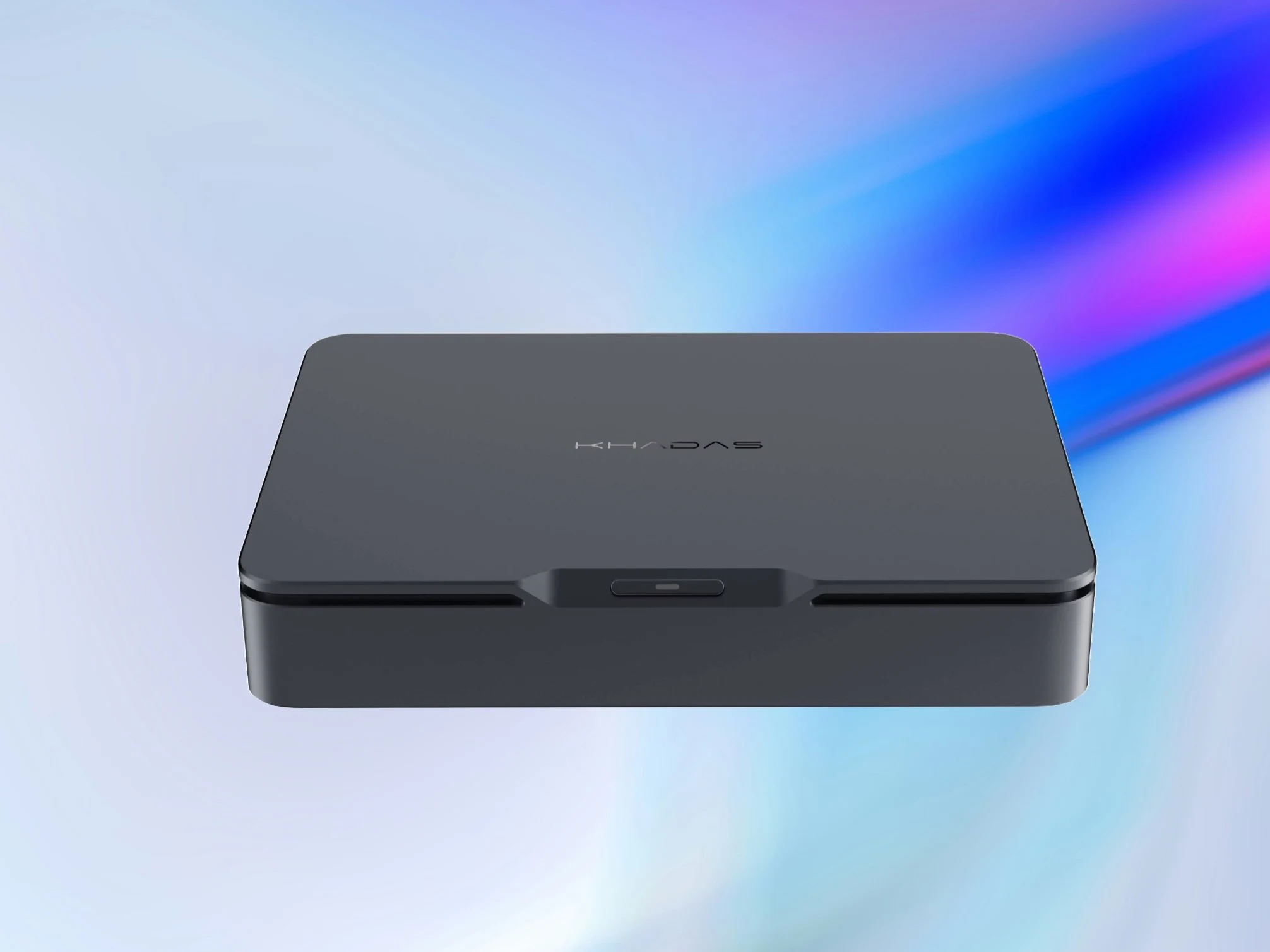
    Khadas has introduced the first-ever mini PC powered by Intel’s Panther Lake series at CES 2026. Named the Khadas Mind Pro, this compact device features a Core Ultra X7 358H APU with a thermal design power (TDP) of 65 W, along with the capability to support up to 64 GB of RAM and 4 TB of storage. Recently, ETA Prime conducted tests on the Khadas Mind Pro using synthetic benchmarks and AAA games, revealing some impressive outcomes.

    Performance Metrics

    In tests for performance, the Core Ultra X7 358H achieved noteworthy scores in Geekbench and Cinebench. The results for single-core and multi-core performance align with previous tests of the Core Ultra X7 358. This indicates that the Khadas Mind Pro’s performance is comparable to the high-end Core Ultra X9 388H model.

    Graphics Capability

    When it comes to graphics, the integrated Arc B390 iGPU of the Core Ultra X7 358H scored 7,564 on the 3DMark Time Spy benchmark, with a GPU score of 6,984. These figures match the top-performing Arc B390 samples recorded in our database, confirming that the 12 Xe-core iGPU operates efficiently within the Khadas Mind Pro.

    Gaming Experience

    As expected from the Arc B390, the Khadas Mind Pro showcases the gaming capabilities of Intel’s X-series Panther Lake APUs. During ETA Prime’s evaluations, the Mind Pro mini PC performed well in various games. Notably, with XeSS 3 Multi-Frame Generation enabled, the Core Ultra X7 358H can run Black Myth Wukong at over 120 FPS at 1080p on high settings, while Cyberpunk 2077 can also exceed 100 FPS with XeSS 3 MFG. A key advantage of XeSS 3 MFG is that Intel’s latency-reducing XeLL technology works effectively, allowing users to enable 4x MFG in supported games without concerns about latency issues.

    Expansion Options

    Additionally, the Khadas Mind Pro can be paired with the Khadas Mind Graphics 2 Dock, which includes a desktop RTX 5060 Ti with 16 GB. This eGPU dock connects to the Mind Pro via the specialized Mind Link PCIe Gen 5 connector. This setup transforms the Mind Pro from a mini PC with a mobile APU into a fully-fledged workstation suitable for gaming, content creation, and AI tasks.

    Khadas is currently taking pre-orders for both the Mind Pro mini PC and the Mind Graphics 2 Dock.

    Source:
    Link


  • Asus ExpertBook Ultra: Fast Performance in a Compact Size

    Asus ExpertBook Ultra: Fast Performance in a Compact Size

    Key Takeaways

    1. Intel’s Panther Lake CPUs were revealed at CES 2026, with performance tests starting to emerge online.
    2. The Asus ExpertBook Ultra with Core Ultra X7 358H shows impressive performance from its integrated Arc B390 GPU, consuming only 60 W to 70 W.
    3. The ExpertBook Ultra outperforms laptops with the GeForce RTX 3050 in benchmarks, nearing the performance of the RTX 4050.
    4. Real-world gaming performance differs from benchmarks, with older games sometimes running better on the RTX 3050, but newer titles favor the Intel GPU.
    5. Intel’s AI features and support for XESS lag behind Nvidia and AMD, affecting performance in certain games.


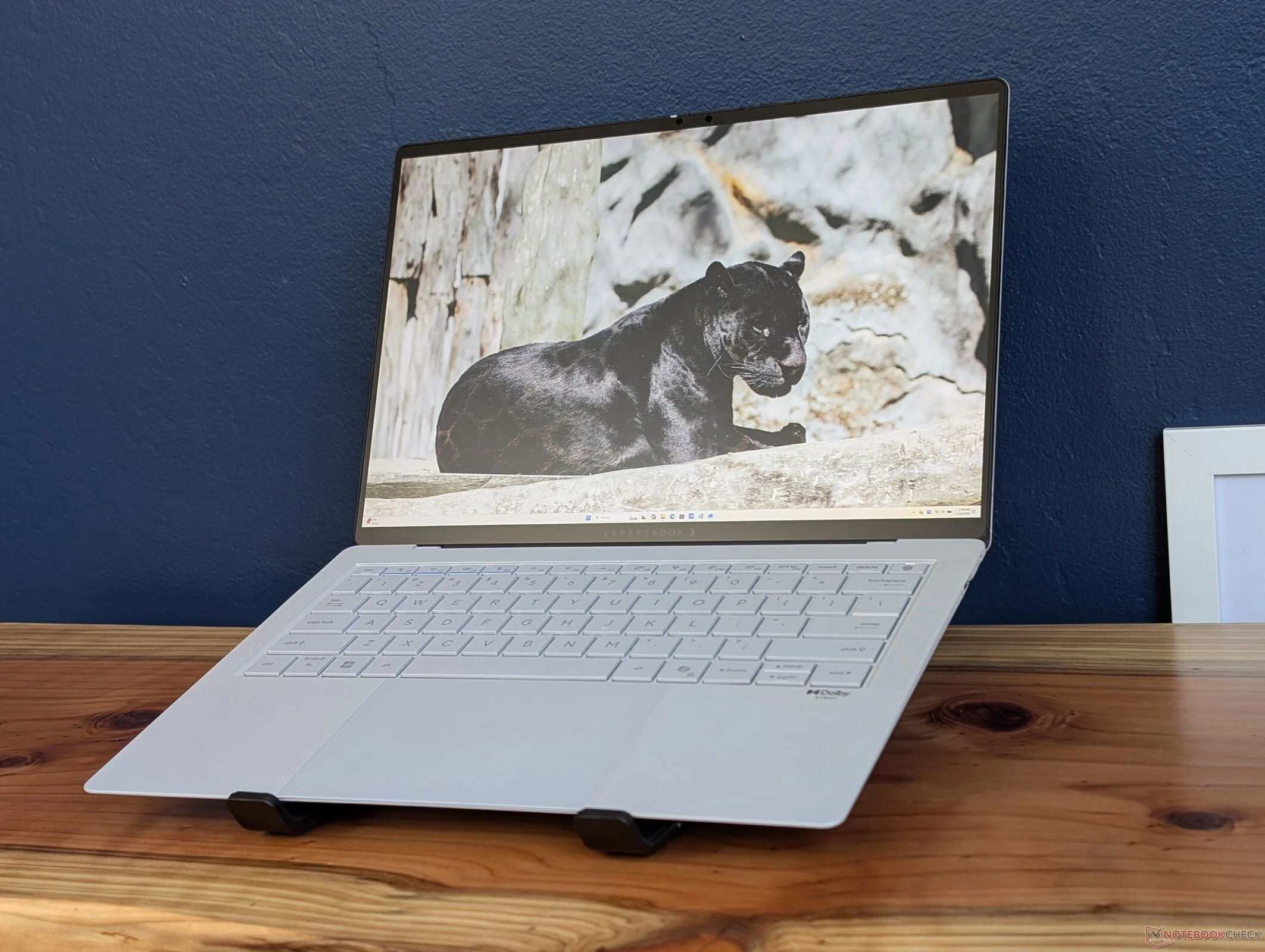
    Intel has revealed its next generation Panther Lake CPUs at CES 2026, and the first official performance tests are starting to surface online. While these chips are not expected to be available for purchase until the second quarter of this year, we got the opportunity to test the Asus ExpertBook Ultra, which features the Core Ultra X7 358H. We were pleasantly surprised by the performance of its integrated Arc B390 GPU, especially considering the laptop’s modest power consumption of just 60 W to 70 W.

    Performance Comparison

    According to the 3DMark benchmarks provided below, the ExpertBook Ultra surpasses laptops equipped with the GeForce RTX 3050, such as the MSI Thin GF63 12UC and the HP Pavilion Plus 16. The difference is significant enough that the Asus model even comes close to challenging the RTX 4050 in various scenarios, as discussed in our latest evaluations.

    Gaming Realities

    However, it’s important to note that synthetic benchmarks may not completely reflect real-world gaming performance. In practice, the ExpertBook Ultra still manages to outperform laptops featuring the RTX 3050, but the margins are narrower. For older games like GTA V or DOTA 2 Reborn, the performance may even be better on the older Nvidia GPU. Yet, for most recent titles like Baldur’s Gate 3 or Cyberpunk 2077, the Intel GPU performs better before any AI upscaling or frame generation techniques are applied.

    AI Features and Support

    When it comes to AI features and frame generation, Intel’s support for XESS still falls behind that of Nvidia and AMD. For example, Arc Raiders currently only supports frame generation for Nvidia and AMD graphics cards, and trying to enable XESS in Forza Horizon 5 led to performance issues based on our experiences.

    In any case, the Asus system is notably lighter and more efficient compared to any RTX 3050 or 4050 option, mainly because it doesn’t rely on a separate chip to closely match or even exceed the performance of the budget Nvidia alternative. For more benchmarks and detailed comparisons, you can check out our in-depth review of the Asus ExpertBook Ultra.

  • Intel Core Ultra X7 358H Slower than 255H, iGPU Impresses

    Intel Core Ultra X7 358H Slower than 255H, iGPU Impresses

    Key Takeaways

    1. Intel has not yet revealed detailed specifications or performance for their Panther Lake CPUs, introduced in mid-October.
    2. The Core Ultra X7 358H performs around 20,000 points in Cinebench R23, but is 8.3% slower than the Core Ultra 7 255H under the same power conditions.
    3. The older Arrow Lake chip scores an average of 17,812 points, suggesting Panther Lake may be slightly more powerful or less so pending further evaluations.
    4. The Core Ultra X7 358H features four performance cores and twelve efficiency cores, with no significant improvements in CPU performance noted.
    5. Intel’s Panther Lake laptops are expected to launch at CES in January 2026, with more performance insights anticipated by then.


    Intel has previously introduced Panther Lake in mid-October, however, they haven’t provided specifics on the CPUs or their performance yet. Following a positive early Geekbench leak for the integrated graphics, the recent benchmark results from Laptop Review reveal how the Core Ultra X7 358H is performing.

    Performance Metrics

    The high-speed chipset achieves approximately 20,000 points in Cinebench R23 while consuming 65 watts of power. Laptop Review indicates that this makes the chip 8.3% slower than the Intel Core Ultra 7 255H under the same power conditions. Interestingly, our benchmark records show that the older Arrow Lake chip has an average score of only 17,812 points. More comprehensive evaluations will determine if Panther Lake is slightly more powerful or less so.

    Benchmark Insights

    Current benchmarks reveal that the Core Ultra X7 358H, which has four performance cores and twelve efficiency cores, does not exhibit significant advancements in CPU performance. The highlight of Intel’s upcoming laptop processors is the Xe3 iGPU featuring twelve compute units, achieving a score of 6,830 in 3DMark Time Spy. This represents a remarkable 72% improvement over the iGPU in the Core Ultra 7 255H.

    Future Launches

    The initial laptops powered by Intel’s Panther Lake are expected to debut at CES in January 2026, and by then, we anticipate more insights regarding the performance and efficiency of Intel’s next-generation laptop processors.

    Source:
    Link