– The Blade 16 2026 shows only modest or negative performance gains over the 2025 model, despite higher CPU and GPU power-rated specs.
– CPU and gaming performance, especially in multi-core workloads and many titles at 1600p, lags behind the 2025 Blade 16; some tasks like Blender/Houdini see 8–13% slower results.
– Power/thermals vary by profile: Custom shows higher temps/power than 2025, but Performance lowers power use and cools better; overall gaming cooling is still competitive.
– Battery life is excellent, with about 17h 20m web browsing (roughly 70% longer than the previous model), though idle power issues were noted in testing.
– Price increases without clear, consistent performance benefits raise questions about the value of upgrading from the 2025 Blade 16.
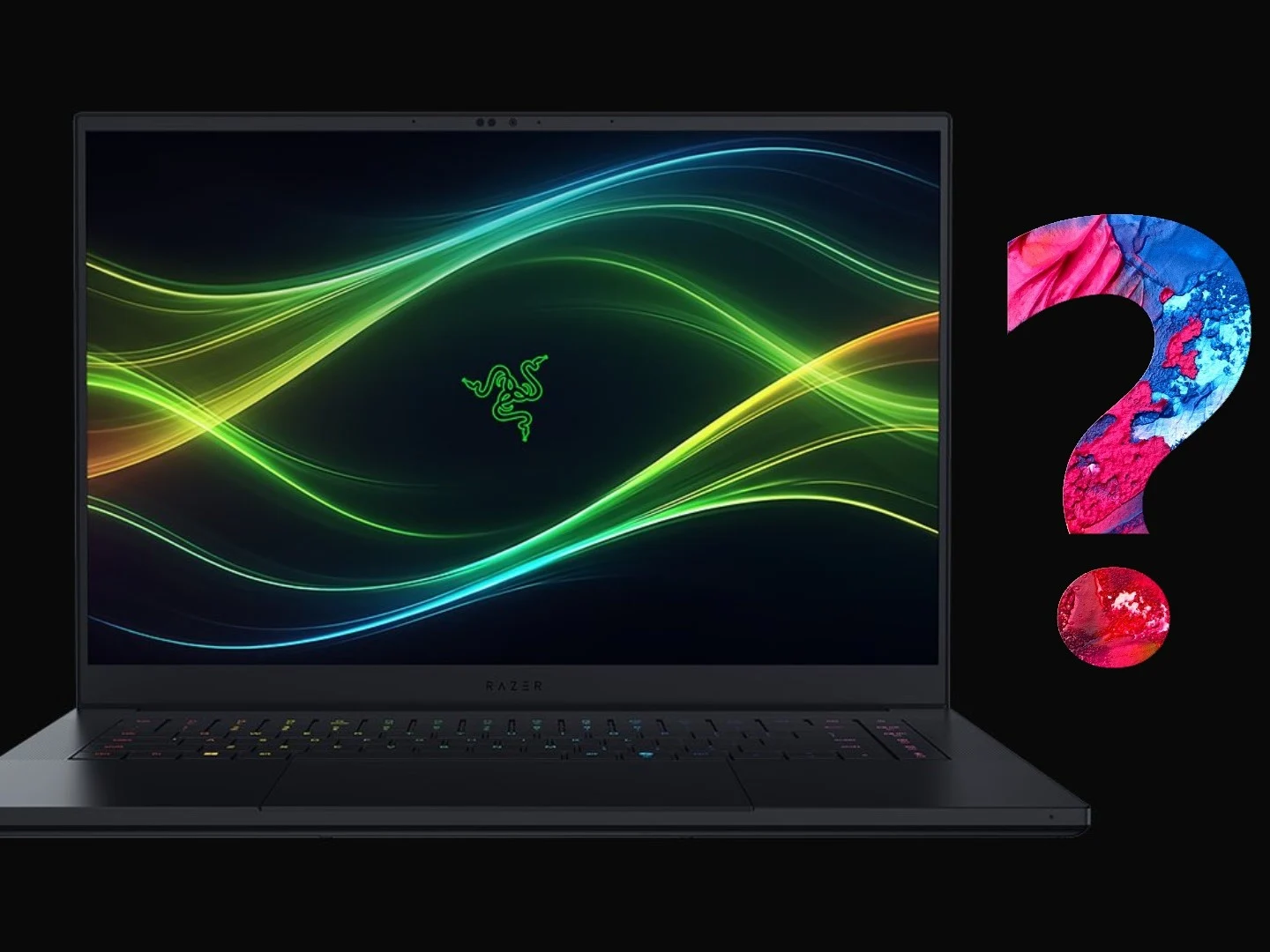
Razer unveiled the latest version of the Blade 16 gaming laptop at GDC back in March. The Razer Blade 16 2026 retains the thin metal chassis of the 2025 version, packs the latest Intel Core Ultra 9 386H CPU, has a brighter 240 Hz OLED panel, and bumps the wattage of the RTX 5090 laptop GPU. However, all of this has come at a notable price increase.
Mixed signals from Hardware Canucks
The Hardware Canucks’ testing shows the Blade 16 2026 may disappoint many Razer fans, as the Blade 16 2026 doesn’t look like a real upgrade compared to the 2025 Razer Blade 16, which did pretty well in their review. The outlet’s main complaints focus on the Core Ultra 9 386H CPU, the gaming performance, and the higher cost. They claim the 2026 model offers slower CPU performance in multi-core workloads than the 2025 Blade 16, which used the AMD Ryzen AI 9 HX 370. In Blender and Houdini, they note an 8% to 13% performance regression for the 2026 model.
Where editing and gaming diverge
In video editing, the Blade 16 2026 beats the 2025 version in Resolve but trails in Premiere Pro. So, whether you consider upgrading depends on the apps you rely on most. Gaming, however, appears to be a letdown for the 2026 variant. Even with a bit more power to the RTX 5090, the new Blade 16 2026 is reportedly slower than the 2025 model in most tested titles at 1600p.
The CPU temperatures tell a curious story. The Blade 16 2026 seems to run hotter and louder than the 2025 model in both “Custom” and “Balanced” profiles. This is notable because the “Custom” profile on the new Blade 16 caps power at 69 W versus 75 W for the 2025 model. The “Performance” profile, on the other hand, shows the 2026 sipping less power at 57 W vs 74 W and staying cooler at 75 C vs 79 C, without any fan noise changes.
Battery life and final take
Surprisingly, the Blade 16 2026 runs cooler and quieter during gaming than the 2025 Blade 16. Since gaming workloads skew toward the GPU, the cooling system might be adequate, but the CPU might still need tweaks. While idle power consumption had some bugs during testing, the Blade 16 2026 delivered strong battery life, lasting 17 hours and 20 minutes in a web browsing test—about a 70% improvement over the previous model.
All in all, the new Blade 16 does have some wins, but Hardware Canucks’ review raises significant questions about real enhancements, or lack thereof, with the Blade 16 2026. The bigger question is why buyers should pay more for hardware that doesn’t clearly boost performance.
- Pricing and specs are highlighted as a key factor in the assessment, with the 2026 model bringing higher costs.
- The review notes mixed results across productivity and creativity workloads, not just gaming.
- Battery life improvements are cited as a strong point, though not enough to justify all the upgrades for some users.
Buyers are advised to weigh the potential gains in display and power against the increased price and mixed performance gains. For those who care most about gaming frames, the 2025 Blade 16 might still be the better value if you’re constrained by cost and want reliable performance at high settings.