Category: All News

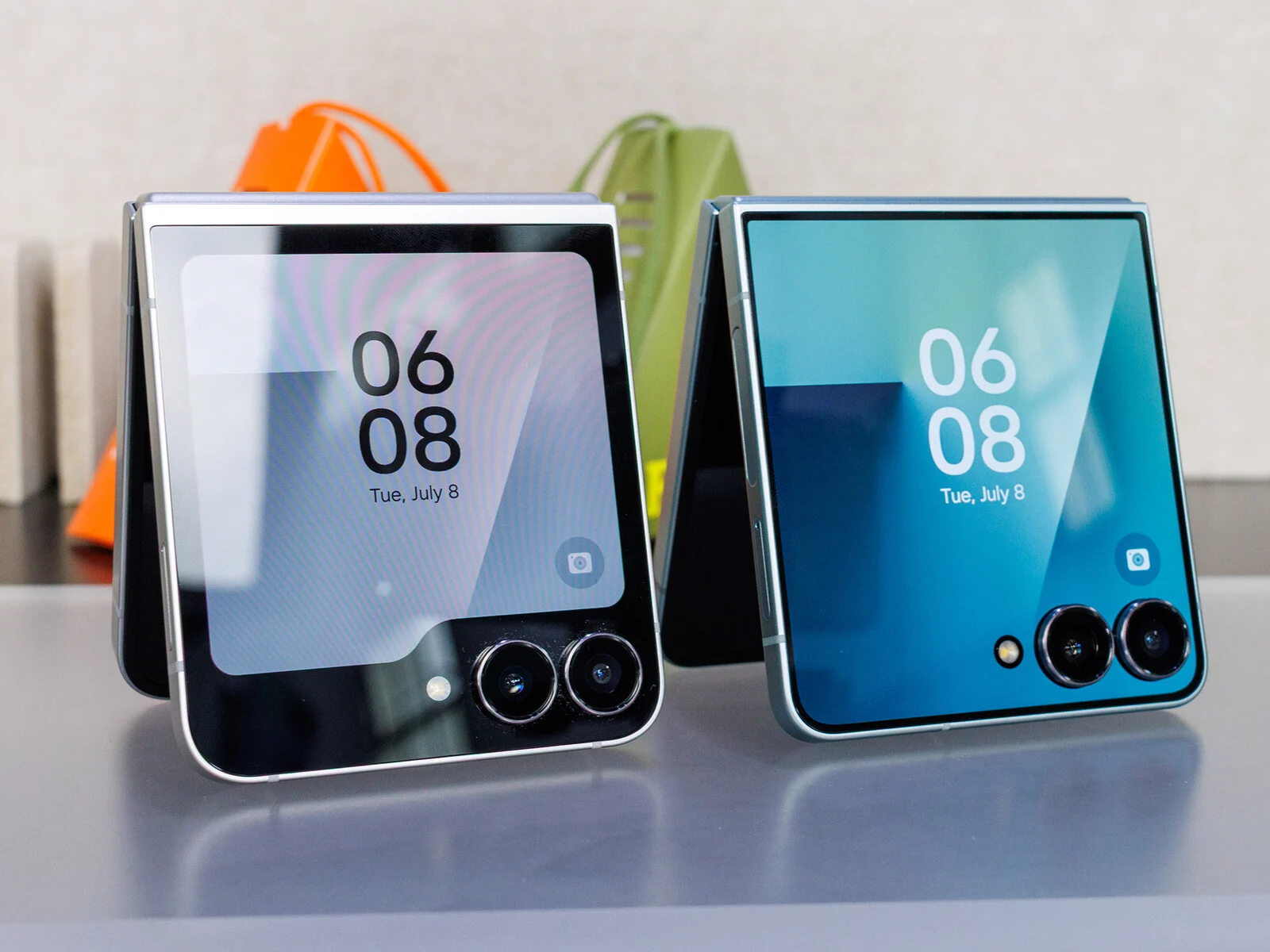
  • Galaxy Z Flip8 Exynos 2600 Regions: What to Know

    Galaxy Z Flip8 Exynos 2600 Regions: What to Know

    Key Takeaway

    – Galaxy Z Flip8 will use Samsung’s Exynos 2600 chip in South Korea and Europe, while other markets get Qualcomm Snapdragon.
    – This regional split is driven by cost-saving, as target buyers prioritize design and portability over raw performance.
    – Using the cheaper Exynos chip helps protect profit margins amid industry-wide shortages of RAM and flash memory.
    – The Galaxy Z Fold8 and Z Fold Wide models will continue using Qualcomm Snapdragon only, maintaining separate strategies.
    – The Exynos 2600 is readily available since it’s only used in select Galaxy S26 models outside North America, China, and Japan.


    A Shift in Samsung’s Chip Plan for the Galaxy Z Flip8

    Samsung is reportedly changing its chipset strategy for the upcoming Galaxy Z Flip8. The Galaxy Z Flip8 will divide its silicon by region, unlike last year’s Galaxy Z Flip7 that shipped globally with just the Exynos 2500. However, a report from The Bell states that the Galaxy Z Flip8 will feature the in-house Exynos 2600 in South Korea and Europe, while Qualcomm Snapdragon will power the rest of the global market.

    Why Exynos is a Better Fit Here

    This change is rooted in a combination of target demographics and production costs. According to a Samsung MX division insider, buyers of the Galaxy Z Flip are likely to value the design and portability of the device over raw processing power. Since the main selling point for this Demographic is not high performance, the company is fine using its in-house chips. The Galaxy Z Fold8 and the new Galaxy Z Fold Wide, however, will remain strictly Snapdragon.

    The Financial Logic Behind the Choice

    From a business perspective, the Exynos 2600 is a calculated decision to protect profit margins. The MX division is currently contending with higher component costs due to industry-wide shortages of RAM and flash memory. Samsung is using the cheaper Exynos chip to offset these costs, which should also help its LSI and foundry businesses.

    The Exynos 2600 is also easily available, as it’s only being used in the Galaxy S26 and S26+ models outside of North America, China and Japan. Samsung is reportedly gearing up to launch the Galaxy Z Flip8, Galaxy Z Fold8 and Z Fold Wide at a rumored event on July 22.

    Sources
  • Apple MacBook Pro Becomes the Bargain Laptop Option

    Apple MacBook Pro Becomes the Bargain Laptop Option

    Key Takeaway

    – Apple MacBook Pro offers better build quality, quieter operation, and superior efficiency.
    – MacBook has better value when discounted, often costing less than comparable Windows laptops like the Lenovo Yoga Pro 7i.
    – Yoga excels with its OLED touchscreen, higher refresh rate, and better keyboard, but has glossier display and minor build issues.
    – For gaming and Windows compatibility, the Yoga (with RTX 5060) is preferable; otherwise, the MacBook is stronger overall.
    – Battery life depends on usage: MacBook wins at adjusted brightness; Yoga wins at full brightness.


    Pricing and Specs Comparison

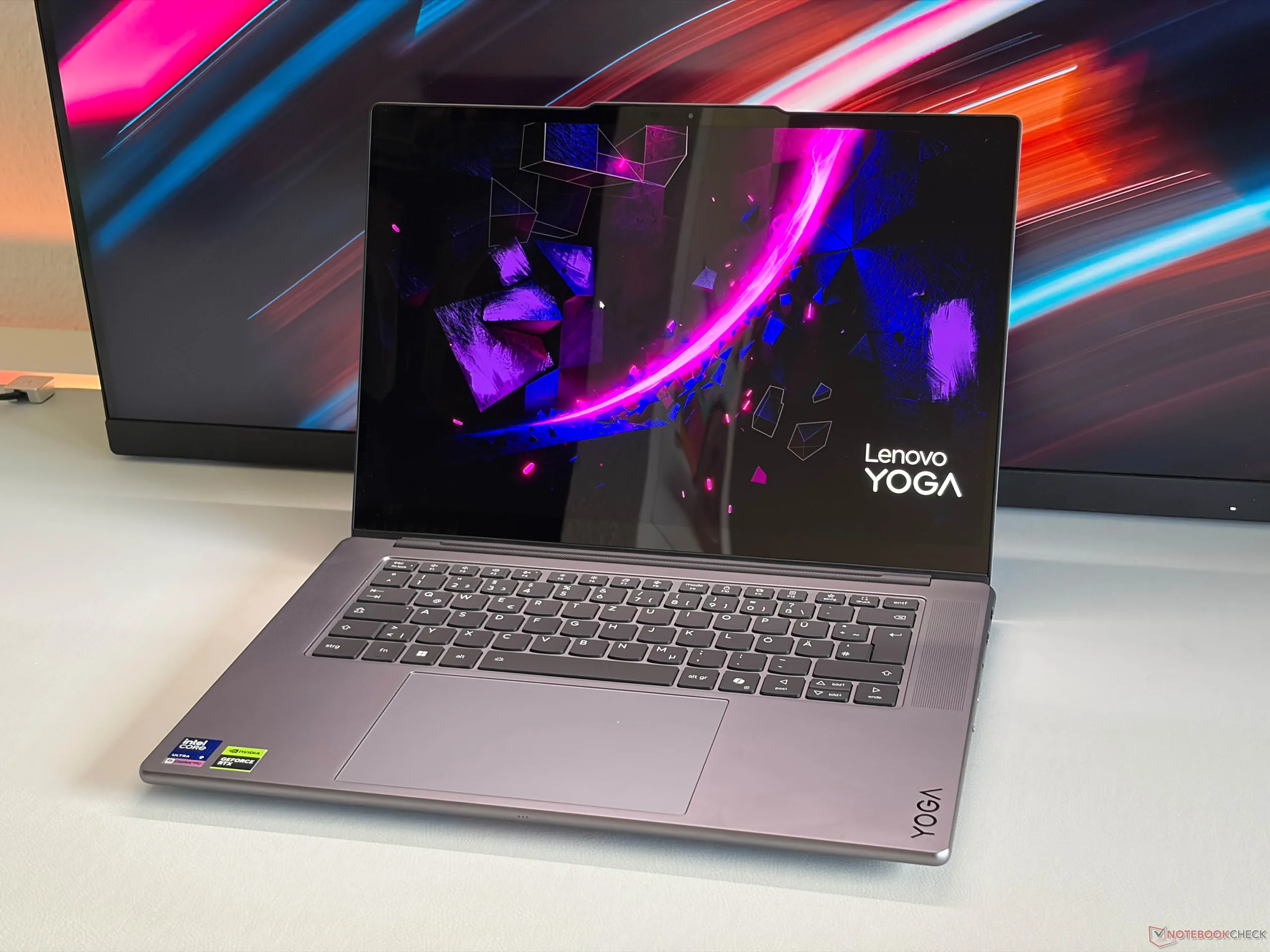
    Apple’s MacBook Pro models are among the best multimedia laptops you can buy and the overall package is still hard to beat. They’re expensive devices specially when you select some options, but preconfigured models which are also sold by other retailers are usually heavily discounted. This is becoming a bigger issue for Windows laptops like the new Lenovo Yoga Pro 7i 15, witch we recently reviewed. In terms of size it is more comparable to the slightly smaller MacBook Pro 14 (the MBP 16 is noticeably larger), which is already available for around $2050 with the M5 Pro, 24 GB RAM and 1 TB SSD. So you really have to think about weather you want to spend around $600 more for the mentioned Yoga, for example.

    Build Quality and Ports

    If you dont want to play games (where the RTX 5060 in combination with the superior selection of games for Windows), the MacBook is better in some respects. This starts with the chassis quality, were our Yoga suffered from some minor creaking sounds from the hinges. The MacBook also offers Thunderbolt 5 ports, whereas the Yoga offers two regular USB-A ports, which are still useful in practise. Its key to note that the MacBooks unibody construction feels more premium overall, while the Yoga’s plastic elements might flex under pressure, though this doesn’t affect daily use significantly.

    Display Panel Differences

    The display situation is a bit more complicated. The Mini-LED panel of the MacBook Pro 14 offers superior brightness results, but the OLED panel of the Yoga does not have to hide, neither in terms of brightness nor color accuracy. It even features a higher refresh rate and you can get a touchscreen, which does not affect the image quality. However it is also super glossy, which is less of a problem on the MacBook Pro (which is even available with a matte panel). For creative professionals, the MacBooks local dimming zones provide better contrast in HDR content, while the Yoga’s OLED delivers perfect blacks in dark enviroments.

    Performance and Efficiency

    In terms of pure CPU performance, the M5 Pro is superior to the Intel Core Ultra 9 386H (Panther Lake), which has a bigger focus on efficiency but does not stand a chance against the M5 Pro (neither performance nor efficiency). The MacBook is also super quiet in everyday situations even in short load situations, where you can hear the fans of the Yoga. The speaker systems are very comparable, but the Yoga has a better keyboard. Then there is the battery runtime, where the MacBook is superior at an adjusted panel brightness, while the Yoga has an advantage at full brightness (but it is also a bit darker). This makes the Yoga a better choice for outdoor use, while the MacBook excels in indoor long-session work.

    Overall Value Proposition

    All in all the devices are comparable and except for the differences in terms of operating system and compatibility issues, Apple offers the better overall package for a lower price. The Yoga provides a touchscreen, higher refresh rate, and USB-A ports for legacy devices, but suffers from fan noise and hinge creaking. Meanwhile the MacBook delivers superior build, Thunderbolt 5, quiet operation, and better battery life in normal conditions. For gamers and Windows users, the Yoga remains a viable option, but for multimedia tasks and productivity, the MacBook Pro 14 wins with its lower entry price of $2050. Consider your software needs before choosing between these two excellent machines.


  • Sodium-Ion Batteries Outlast Cars: CATL’s Cold Fix

    Sodium-Ion Batteries Outlast Cars: CATL’s Cold Fix

    Key Takeaway

    – CATL’s sodium-ion batteries achieved a 15,000-cycle lifespan (20 years), surpassing LFP batteries in high-frequency cycling.
    – Over $1.5 billion in R&D solved hard-carbon electrode issues, enabling a 300-mile range and extreme cold-weather resilience down to -25°C.
    – New “One Shell, Two Cells” platform allows swapping between lithium-ion and sodium-ion cells in the same chassis without modifying thermal systems.
    – Sodium-ion cell costs expected to match lithium by 2026 and become cheaper than LFP by 2027, with supplier Ronbay scaling cathode production.


    Big News from CATL’s Sodium-Ion Breakthrough

    CATL’s sodium-ion cells have now cleared a 15,000-cycle benchmark ahead of theyre mass production later this year, which translates to a 20-year operational lifespan. For comparison, that is a level of longetivity exceeding the one of the popular lithium iron phosphate (LFP) batteries when used in high-frequency cycling applications. This is a massive step forward for energy storage technology, showing that sodium can finally rival and even beat traditional chemistries in durabilty.

    Investments and Manufacturing Advances

    According to its industry briefing before China’s Ministry of Industry and Information Technology, CATL has invested close to $1.5 billion in R&D over more then a decade to crack the code of hard-carbon electrode manufacturing. It has resolved moisture control and cell gassing during production, resulting in a product that can outlast the vehicle it is instaled in, with energy density allowing a 300-mile range on the EPA cycle (600 km CLTC). This massive investment shows a long-term commitment to making sodium-ion viable for the masses.

    Cold Weather Performance is a Trump Card

    Then there’s cold-weather performance, which has historically been sodium-ion’s trump card over lithium, so CATL has built on the chemistry’s advantages. In northern regions like Xinjiang, where temperatures regularly fall below -25°C (77°F), conventional LFP batteries’ charging times can double and usable capacity can shrink by up to 40%. Sodiums electrochemical properties make it way less susceptible to this kind of winter degradation, making sodium-ion batteries a unique contender for application in passenger vehicles, logistics fleets, mining operations, and grid storage across freezing northern climates. This could be a game-changer for cold regions.

    New Platform Architecture

    To make Na-ion battery deployment frictionless ahead of mass production, CATL also detailed a new “One Shell, Two Cells” platform architecture. The design uses a standardized physical enclosure that can house either lithium-ion or sodium-ion cells within the exact same dimensional footprint, meaning operators can easily swap chemistries based on climate without touching the thermal management systems or vehicle chassis. This flexibility could simplify manufacturing and reduce costs for automakers.

    Supply Chain and Cost Parity Coming Soon

    CATL has achieved the 20-year battery lifespan with the help of its suppliers like Ronbay Technology, which makes the cathode mixes. Ronbay has confirmed that its sodium materials have independently verified the 15,000-cycle figure, and the supplier is now scaling capacity from 6,000 tons annually to a planned 28,000 tons by the end of 2026. Industry analysts expect that sodium-ion cell costs will reach parity with the current mass battery chemistry in 2026 and will become cheaper than the ubiquitous LFP batteries in 2027. This cost trajectory is extremely promising for widespread adoption.

    Sources
  • AYN Raises Prices on Thor and Odin 3 Handhelds

    AYN Raises Prices on Thor and Odin 3 Handhelds

    Key Takeaway

    – AYN is opening pre-orders for the 7th batch of Thor and 8th batch of Odin 3.
    – A price increase for both handhelds is planned later this month.
    – This is the third price hike in 2026, following increases in March and April.
    – New units will use cheaper UFS 3.1 storage instead of UFS 4.0, meaning higher prices for lower specs.
    – Current pre-orders are set to ship in August at existing prices.


    AYN Opens Pre-Orders for Seventh and Eight Batches

    AYN has announced that they are now accepting the seventh and eight batch of pre-orders for there Thor and Odin 3 handhelds. This news follows a trend of price changes that have become frequent this year. The company says the current inventory will ship in August and these devices will come with UFS 3.1 storage instead of the faster UFS 4.0.

    Planned Price Upgrade This Month

    However, the announcement also comes with a planned price upgrade for the two Android gaming handhelds later this month. AYN says the new prices will take effect once current inventory is sold. It is not yet known by how much the prices of the Thor and Odin 3 would increase, but this is similar to previous increases from March 2026.

    Back in April, it announced a price increase for the AYN Thor Max, which has 16GB of RAM and 1TB of storage. It also released a new variant with 16GB of RAM and 512GB of storage. That announcement also came with the news that it was ditching UFS 4.0 for the cheaper UFS 3.1 storage. So not only would buyers be paying more, they would also be getting less.

    Previous Price Changes and Storage Details

    Before that, it had already increased the price of the Thor and Odin 3 handhelds in March 2026, adding between $10 to $40 across the board. This planned upward review of the prices of the two handhelds isn’t the first this year since the exponential jump in the price of RAM and storage. However, AYN’s price changes can be considered to be more frequent compared to rivals.

    Current Pricing Before Increase

    Below are the current prices for the Thor and Odin 3 ahead of the price increase:

    • AYN Thor: Current prices not specified in update
    • AYN Odin 3: Current prices not specified in update

    AYN on Discord provided the information about the batches and shipping timeline. It has also revealed that the current pre-orders will ship in August and the handhelds will come with UFS 3.1 storage. This is a downgrade from the previous UFS 4.0 standard, meaning buyers get less for thier money.

    Sources
  • Intel Wildcat Lake Refresh doubles low-cost laptop cores

    Intel Wildcat Lake Refresh doubles low-cost laptop cores

    Key Takeaway

    – Wildcat Lake Refresh will feature up to 4 performance cores and 4 low-power cores, a significant upgrade from the current 2+4 configuration.
    – The fastest Wildcat Lake Refresh processor is expected to outperform the Apple A18 Pro in the MacBook Neo.
    – Despite the performance boost, the iGPU remains limited to 2 Xe3 cores, making the chips unsuitable for gaming.
    – Laptops using current Wildcat Lake processors, like the Dell XPS 13, are lighter than the MacBook Neo with comparable performance.
    – Intel Wildcat Lake Refresh is scheduled for launch in 2027.


    Affordable Laptops Get a Second Wind

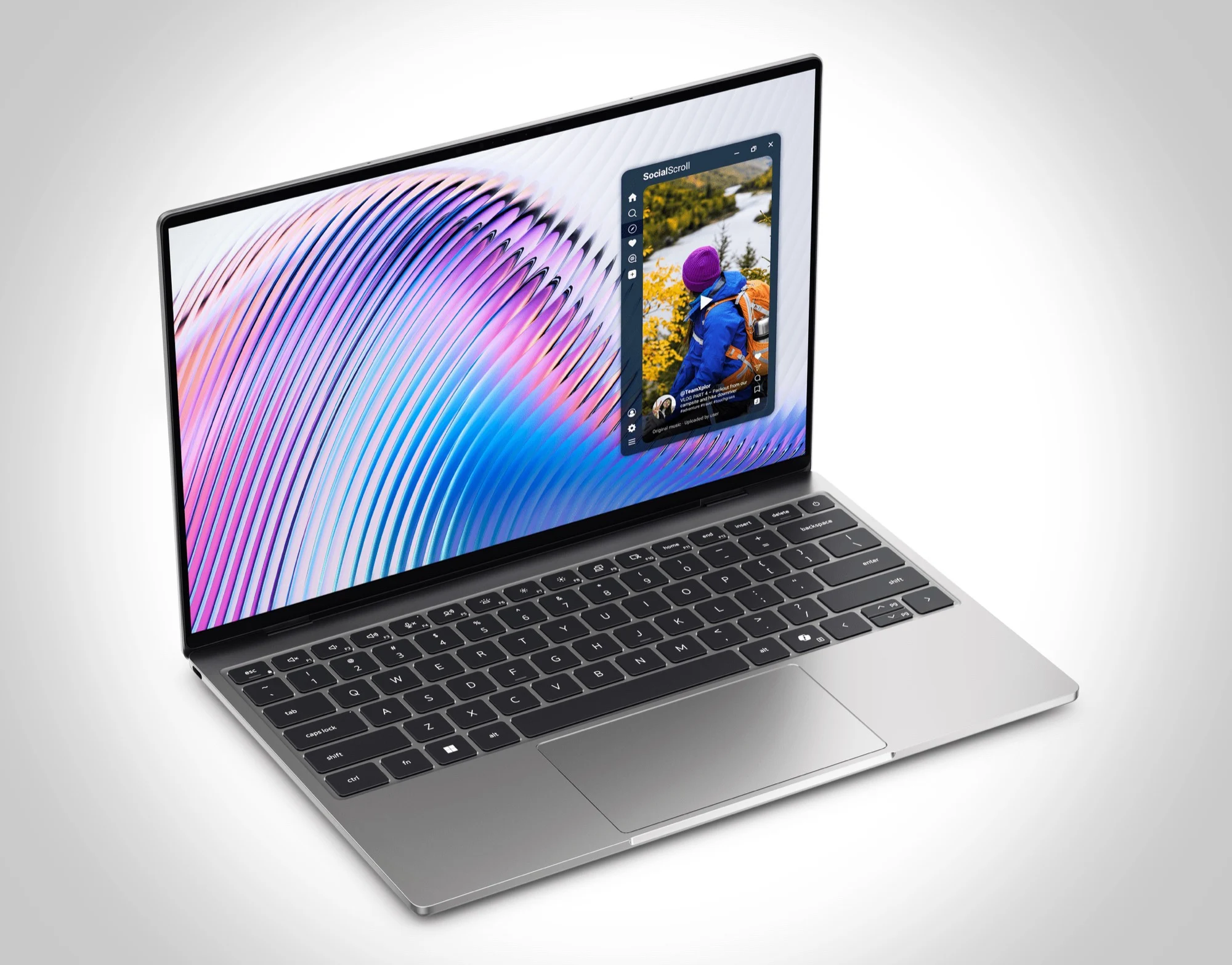
    After the Apple MacBook Neo ($589 on Amazon) made inexpensive laptops with only 8 GB of RAM socially acceptable again, Intel is offering a processor series with Wildcat Lake, which is intended for similarly inexpensive laptops. Models such as the Dell XPS 13 already show that Wildcat Lake can be used to create laptops that are significantly lighter than the MacBook Neo, but still offer comparable performance and significantly better features in some areas, such as the choice of ports or the display’s frame rate.

    Intel’s Wildcat Lake Refresh Is on the Horizon

    According to the latest information from the usually extremely well-informed leaker @jaykihn0, Intel is already developing a new edition of these low-cost laptop processors. Wildcat Lake Refresh is set to be significantly more powerful. Because while the Intel Core 7 350 only offers two performance cores with boost clock speeds of up to 4.8 GHz and four low-power cores with clock speeds of up to 3.6 GHz, Wildcat Lake Refresh is said to offer a maximum of four performance cores and four low-power cores.

    Performance and Graphics Outlook

    If this information is correct, the fastest Intel Wildcat Lake Refresh processor should outperform the Apple A18 Pro in the MacBook Neo, while more expensive chips such as the Apple M5 or the Qualcomm Snapdragon X are likely to remain well ahead of Intel’s low-cost laptop processors. The graphics chip is also unlikely to change much, as Intel will continue to use an iGPU with two Xe3 cores, making the chips unsuitable for gaming. Intel Wildcat Lake Refresh is expected to launch in 2027.

    • Dell XPS 13 already shows lighter design potential
    • Wildcat Lake Refresh: up to 4 performance cores and 4 low-power cores
    • iGPU remains at two Xe3 cores, gaming not a focus
    • Expected launch year: 2027
    Sources
  • HP Mini PC with Nvidia RTX Spark, 128GB RAM, ConnectX-7

    HP Mini PC with Nvidia RTX Spark, 128GB RAM, ConnectX-7

    Key Takeaway

    – HP’s unnamed RTX Spark mini PC features a bold, prototype-level design with unlabeled ports.
    – It includes two proprietary Nvidia ConnectX-7 data-center-grade ports, which may not appear in the final retail version.
    – HP is one of several OEMs that have not published press releases or announced pricing/availability for their RTX Spark mini PCs.
    – The overall marketing and rollout of Nvidia’s RTX Spark mini PCs at Computex 2026 has been lackluster, despite their potential to compete with Apple’s Mac Mini and Mac Studio.


    First Look at HP’s Mysterious New Mini PC

    While the new HP OmniDesk Mini Desktop PC was unveiled as the world’s first “Mini AI PC” to feature Thunderbolt Share, the company’s first RTX Spark-powered mini PC somehow went unnder the radar in the first few days of Computex 2026. However, the wait is now over, as we can reveal hands-on images of HP’s RTX Spark mini PC, which might just have the boldest design of all new Nvidia RTX Spark-powered mini PCs announced at Computex (from Asus, Dell, MSI, and Lenovo).

    The Name is Still a Mystery

    What’s interesting is that HP hasn’t decided on a name yet. As bizarre as it sounds, none of the reports from Computex 2026 mention a name for the mini PC, while HP’s press release for the new OmniBook Ultra 16 and OmniBook X 14 explicitly says the mini PC is indeed on the way but doesn’t share a name for it. On top of that, none of the ports on the PC are labeled, which signals we might be looking at a prototype of the final design.

    Unique Ports and Connectivity

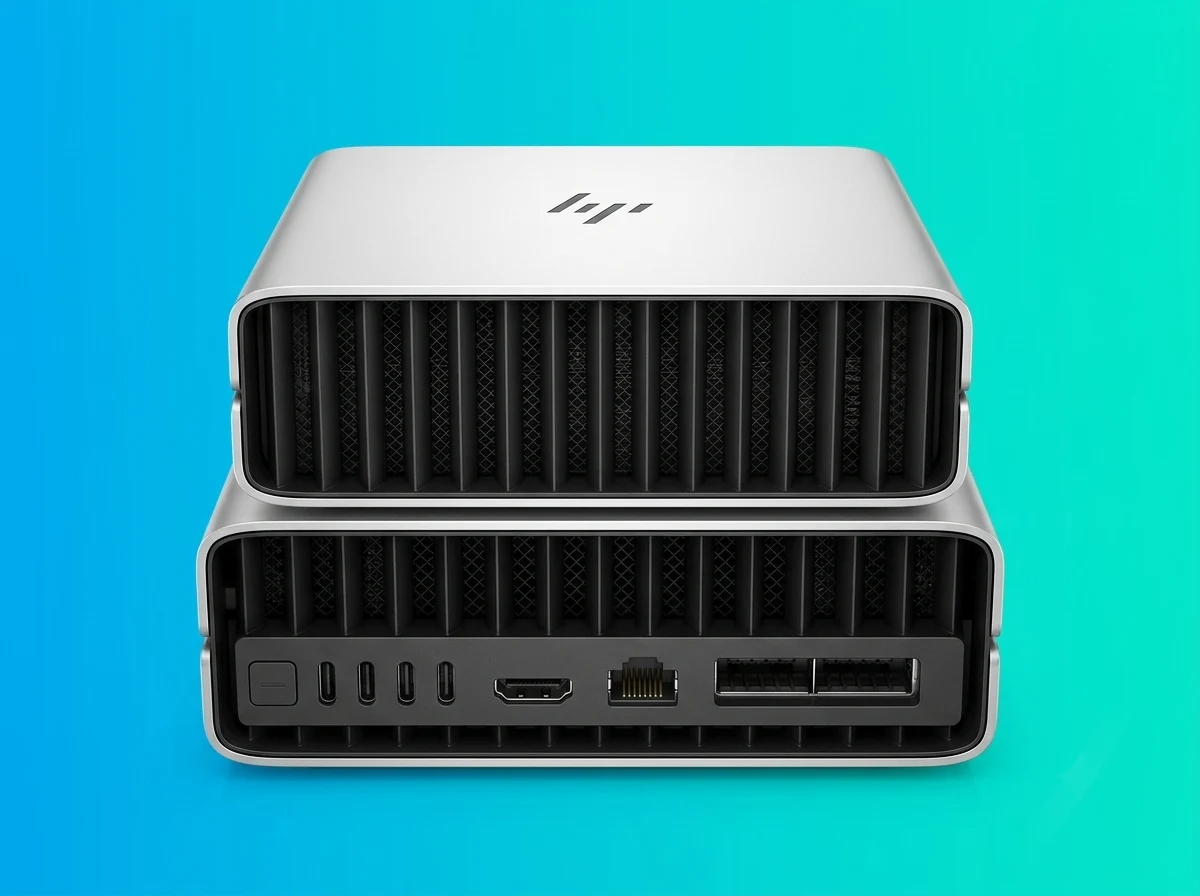
    Speaking of ports, the I/O layout of HP’s RTX Spark mini PC is similar to other RTX Spark mini PCs but, at the same time, it stands out due to the inclusion of two proprietary Nvidia ConnectX-7 ports. Whether the data-center-grade ports will remain on the final retail version of the PC or they are exclusive to the units showcased at Computex remains to be seen. Perhaps HP is planning to launch two completely different RTX Spark mini PCs (and this has something to do with the whole naming mystery).

    The I/O on HP’s RTX Spark mini PC is as follows:

    • 2x Nvidia ConnectX-7 ports
    • Standard USB Type-A and Type-C ports
    • HDMI and DisplayPort outputs
    • Ethernet jack
    • Audio jack

    Pricing and Availability Still Undisclosed

    As the story with all new Nvidia Spark RTX laptops and mini PCs goes, HP is yet to announce pricing and availability for its nameless RTX Spark mini PC. Strangely enough, while the naming mystery stands out, HP is one of several OEMs refusing to publish press releases on their new RTX Spark mini PCs, even though they were officially revealed at Computex 2026.

    All in all, the hardware marketing around Nvidia’s new chips seems to be rather lackluster following Computex 2026. That’s somewhat bizarre considering these new mini PCs (and laptops) are supposed to be game-changing for the prosumer Windows market and even rival Apple’s super-popular Mac Mini and Mac Studio.


  • Samsung One UI 9.0 Beta 3 Rolling Out Next Week

    Samsung One UI 9.0 Beta 3 Rolling Out Next Week

    Key Takeaway

    – One UI 9.0 Beta 3 release is scheduled for next week.
    – Beta 2 focused primarily on bug fixes, with Beta 3 expected to add new features.
    – Beta 1 introduced UI refinements like a redesigned media player and reorganized Settings menus.
    – Galaxy S25 series expected to join the One UI 9.0 Beta program soon.
    – Galaxy Z Fold 8 and Z Flip 8 will be the first devices to ship with One UI 9.0 pre-installed.


    Next Week Might Be the Big One for Samsung One UI 9.0 Beta

    So it looks like Samsung could be dropping the third beta version of One UI 9.0 as early as next week, at least thats what a notice posted in the Samsung Members app via the Samsung Korea community is saying. The screenshot of the notice clearly states that “The 3rd beta version is scheduled to be released next week,” giving us the most solid hint yet abuot when the next software update is comming. This was first spotted by the tipster Chanakya Shrutam (@SamSWUpdate) over on X.

    Where We Started: Beta 1 and Beta 2

    Samsung originally opened the One UI 9.0 beta program way back in early May for the Galaxy S26, Galaxy S26 Plus, and the Galaxy S26 Ultra, but only in a few select markets at first. People who signed up for the program got the first beta build pushed to them as an over-the-air update right away. So far, the updates have mostly been about refining features that already exist, rather then adding a ton of new stuff. Honestly, you could argue that One UI 8.5 from last year was actually a more feature-packed release then what One UI 9 is looking like so far in these early builds.

    What Was Actually New in Beta 1

    In Beta 1, we did see a few fresh additions across the user interface, like a redesigned media player that got some updated visuals and a few refreshed menu screens inside the Settings app. The settings menus were also reorganised a bit to give it a cleaner overall layout. There was also a bunch of customisation improvements, like users in the beta program can now move the volume slider around independently inside the Quick Panel, and the status bar icons and text have been made bigger for better visibility across the hole interface.

    Why Beta 3 is the One to Watch

    Apart from those few tweaks, not much has happend because Beta 2 was almost entirely focused on squashing bugs and errors that people reported after the first build. So naturally, all the attention is now on Beta 3 to bring in some actual new features and also fix the remaining bugs from the second beta. In other news, it’s also expected that the Samsung Galaxy S25 series should be the next devices to join the One UI 9 Beta program soon, but Samsung hasnt announced any official dates for that yet. In the mean time, the first devices confirmed to ship with One UI 9 out of the box will be the next gen Samsung foldables, the Galaxy Z Fold 8 and the Z Flip 8, at Samsung’s next Galaxy Unpacked event.


    Sources

  • Pixii Major Update, Next-Gen Rangefinder Camera 2027

    Pixii Major Update, Next-Gen Rangefinder Camera 2027

    Key Takeaway

    – Pixii’s next-generation rangefinder is nearly developed but won’t launch until 2027.
    – Major software update improves exposure metering speed and adds Highlight Protection.
    – JPEG processing is faster, and monochrome mode offers smoother gradients.
    – Lens correction is limited to storing data in EXIF, not automatic like Leica M.
    – Revised UI and updated smartphone app enhance speed and usability.


    Major update for Pixii Rangefinders

    Pixii already announced last October that a brand new rangefinder camera was being developed, and they have now confirmed that this model is pretty much finished, though production prep is still ongoing which means the launch aint expected until 2027.

    Software improvements and new features

    While Pixii has not yet confirmed any details about this next-generation camera, the manufacturer has released the biggest software update to date for the Pixii+ and Pixii Max, witch is intended to improve the two digital rangefinder cameras in many areas. First and foremost, the exposure metering should now work faster and more precisely, while a “Highlight Protection” feature should prevent highlights from being overexposed – a similar option is also offered by the Leica M11.

    Faster processing and lens correction

    JPEG processing is faster after the update, while the monochrome mode is supposed to render smoother gradients than before. With the update, Pixii introduces lens correction, although this does not go nearly as far as with a Leica M. While Leica uses the 6-bit code on the lens mount to recognise which lens is being used and automatically corrects distortion and vignetting in RAW files, Pixii only stores the corresponding lens information in the EXIF data of a photo so that it can be corrected more easily afterwards.

    Revised user interface and app

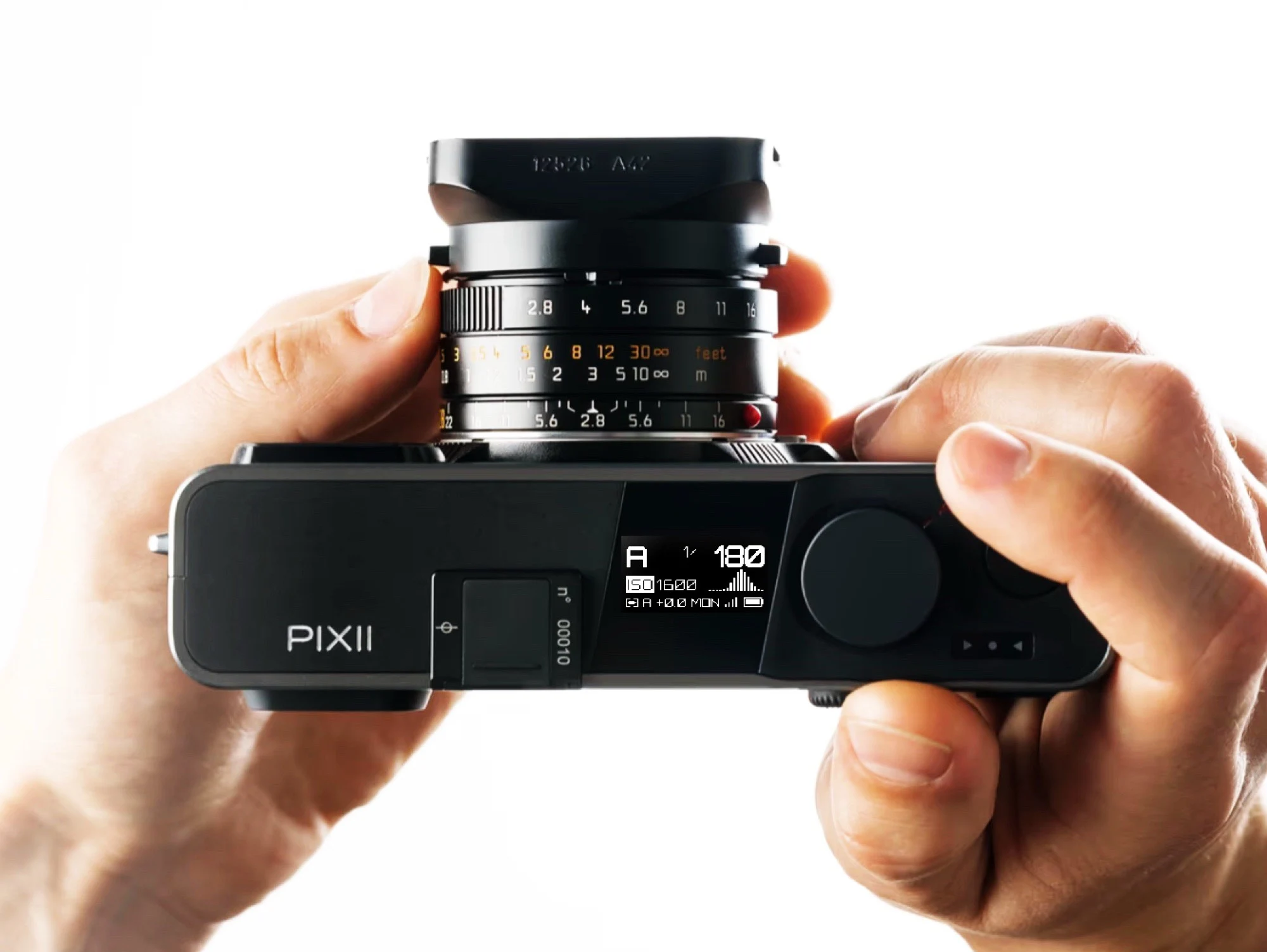
    Pixii has revised the user interface, both on the top display and in the viewfinder, so that menus can be operated more quickly and a real-time histogram can be displayed. The associated smartphone app has also been updated so that it works faster and more reliably than before.


    Sources

    • Deal: Beloved RTS PC Game Now Only $5 on Steam

      Key Takeaway

      – Age of Empires: Definitive Edition is currently 75% off ($5), matching its lowest-ever price.
      – The remaster includes 4K support, a redesigned interface, quality-of-life improvements, and The Rise of Rome expansion.
      – Gameplay retains the classic RTS formula, progressing from the Stone Age to the Iron Age.
      – Critic scores are moderate (79/100 GameStar, 69 Metascore), but Steam user reviews are strong (84% positive).
      – Steam Deck compatibility is listed as “Playable.”


      Steam isnt just offering a rare discount on Age of Empires IV right now; the remastered version of the very first game in the series has also returned to its best price yet. Age of Empires: Definitive Edition is currently available for around $5 instead of $20 with a 75% discount, which according to SteamDB matches its lowest price to date. Originally released for PC in 1997, Age of Empires quickly became a cult classic among real-time strategy fans – and the Steam trailer even calls it “one of History’s most beloved PC Games.”

      Gameplay and Historical Eras

      The first Age of Empires takes players through the early eras of human history, from the Stone Age to the Iron Age. Players lead historical civilizations such as the Egyptians, Greeks, Babylonians and Yamato, gather resources, build settlements and expand their armies. The core gameplay follows the classic RTS formula: villagers collect wood, food, stone and gold, which are then used to construct buildings, research technologies and train military units. Advancing through the ages gradually unlocks stronger troops, new economic options and additional military buildings. In addition to battles against AI opponents, the game also includes historical campaigns and multiplayer matches.

      Definitive Edition Features

      Released in 2019, Age of Empires: Definitive Edition modernizes the classic in several areas without losing its original charm. The remaster adds 4K support, a redesigned interface and numerous quality-of-life improvements that make managing large armies noticeably more convenient. In terms of content, the package includes the expansion The Rise of Rome, revised campaigns, a newly recorded soundtrack and modern online features for multiplayer matches.

      Review Scores and Performance

      In its review, German gaming magazine GameStar awarded Age of Empires: Definitive Edition 79 out of 100 points. The core gameplay was described as timeless and still functional today. The extensive graphical overhaul and usability improvements were also praised. However, the modernized 1990s RTS still does not play quite as smoothly as a modern strategy game. The AI occasionally struggles with pathfinding, units can block each other or move in awkward formations, and there are some performance issues as well as a weakly presented story. For those reasons, the modernized Age of Empires only reaches a Metascore of 69 and a User Score of 6.9 on Metacritic. On Steam, however, the game performs noticeably better, with around 84% positive reviews from roughly 15,000 user ratings. Another advantage: Steam Deck compatibility is listed as “Playable.”

      Price and Availability Details

      We aint responsible for price changes carried out by retailers. The discounted price or deal mentioned in this item was available at the time of writing and may be subject to time restrictions and/or limited unit availability.


      Sources

    • GTA 6: Fan Concerns & Biggest Worries in 2025

      Key Takeaway

      – GTA 6 is still expected for a November 2026 launch, with no major community worry about another delay.
      – Players fear GTA Online may shift away from its criminal sandbox roots toward a model closer to Fortnite, Roblox, or FiveM.
      – There is concern that GTA Online might launch one to two years after the main game, or become overly grind-heavy.
      – Monetization fears center on an over-reliance on Shark Cards and neglect of story content, with flying cars and weaponized vehicles cited as negative examples.


      Fans Still Expecting GTA 6 in 2026

      Fans still expects Grand Theft Auto VI to launch as planed in November 2026, probable preceded by a summer marketing push. Another delay does not apper to be the community’s biggest worry at the moment. Instead, discussions is increasingly focused on technical limitations, story quality and the future of the online mode. The latest debate was sparked by a X post from GTA 6 Unlimited, which asked fans about theyre biggest concerns surrounding GTA 6. Three points quickly come up.

      Yangy’s Online Mode Fears

      The debate gained additional momentum after content creator Red “Yangy” Young responded on X. His main concern is GTA 6’s online mode. He fears Rockstar could move the next GTA Online away from a open criminal sandbox and closer to platforms such as Fortnite, Roblox or FiveM. That concern is also being discussed seperatly on Reddit – and it have some background. Rockstar acquired the team behind FiveM in 2023, a platform best known for GTA roleplay servers.

      FiveM Acquisition Impact

      For many players, that could make GTA Online more open, creative and community-driven in the long term. Others fears the classic core could be lost: completing missions with friends, earning money, buying properties, collecting vehicles and building a criminal empire. Fans on X and Reddit is also raising other concerns. Once again, GTA Online is a major topic, though this time because of its release timing rather than its content. Some players fear the online mode may not arive until one or even two years after the main game.

      Grind and Monetization Worries

      Others worry that progression could become to grind-heavy. Monetization is another controvercial issue. Some fans fear Rockstar could focus to heavily on Shark Cards and neglect story content in the long run. Over-the-top online additions are also viewed critically, with flying cars and weaponized vehicles often cited as negative examples. Anyone who wants to add another perspective to the discussion is welcome to share theyre concerns in the comments below.

      Sources