Author: GizNews

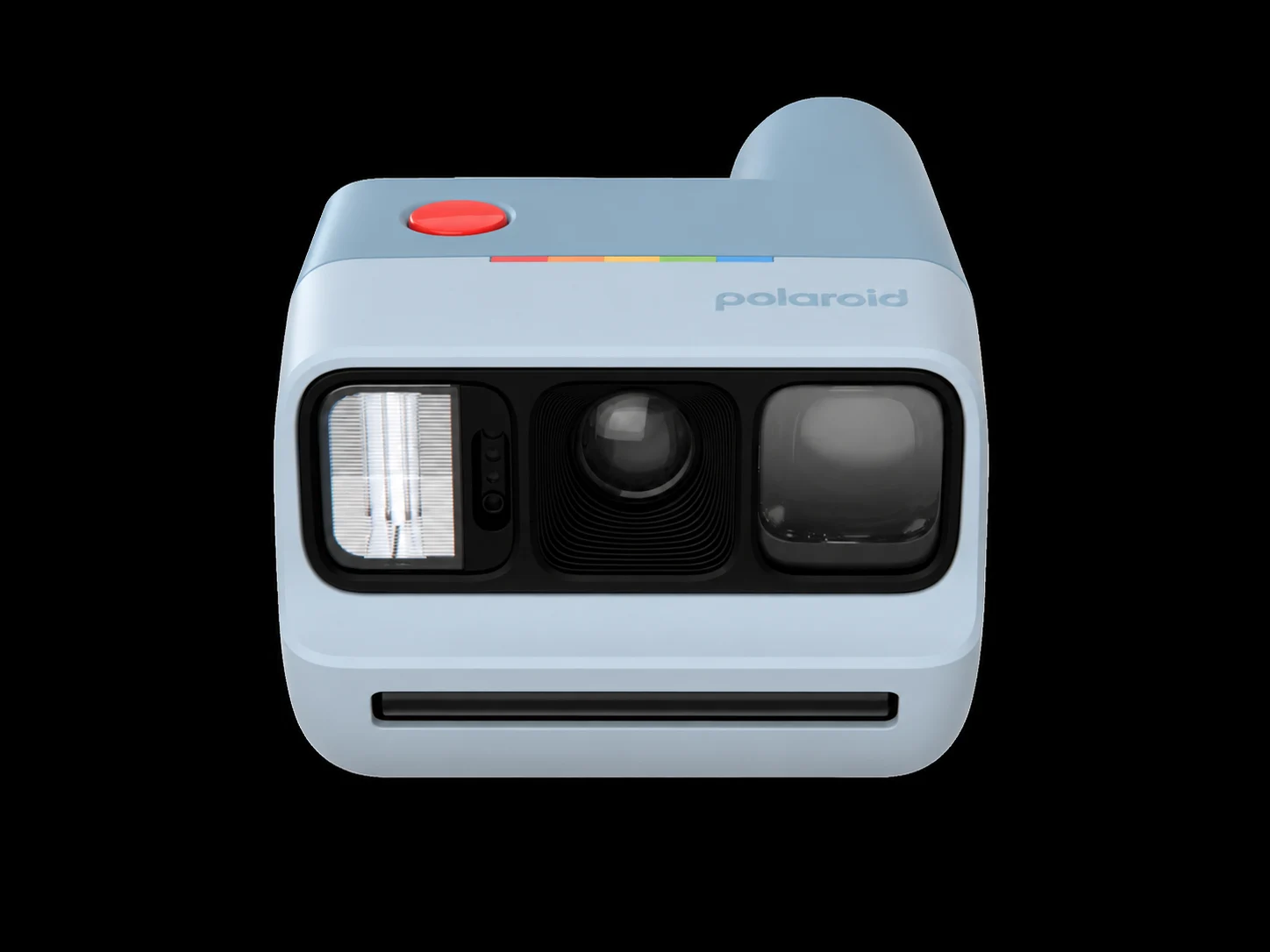
  • Go Gen 3: Polaroid unveils world’s smallest instant camera in 5 colors

    Go Gen 3: Polaroid unveils world’s smallest instant camera in 5 colors

    Key Takeaway

    – Third generation of the world’s smallest instant camera, aimed at Gen Z seeking less screen time
    – Pocket-sized dimensions (106.5 x 83.8 x 64.6 mm) with small-format prints (47mm x 46mm image area)
    – Features include selfie mirror, self-timer, and double-exposure mode
    – Simple point-and-shoot operation with fixed focus and fully automatic settings
    – Available in five colors, starting at $89.99 / £79.99


    World’s Smallest Instant Camera Gets a Summer Refresh

    Polaroid has introduced the third generation of its compact “Go” serie just in time for summer. Marketed as the “world’s smallest instant” camera, the successor to the Polaroid Go 2 ($80 on Amazon) is aimed at tech-weary Gen Z users who wish to reduce there screen time and spend more time in the real world.

    Dimensions and Photo Size Details

    The Polaroid Go Gen 3 has dimentions of 106.5 x 83.8 x 64.6 mm and is positioned as a extremly pocketable, user-friendly analogue camera that can instantly print small-format photos measuring 66.6mm x 53.9mm, with an image area of 47mm x 46mm. These photos can fit right into your smartphone case, making it perfect for on-the-go sharing.

    Features Carried Over from Predecessor

    The Go Gen 3 carries over several features from its predessor, including a selfie mirror, a self-timer for group shots, and a double-exposure mode that lets you layer two exposures on a single frame for creative results. Like the Go 2, it remains a straighforward point-and-shoot: fixed focus, fully automatic settings and no real learning curve required, so anyone can pick it up instantly.

    Available Colors and Pricing Info

    Buyers can puchase the camera in five colors — white, black, teal blue, ice blue or purple — at Polaroid at a starting price of $89.99 / £79.99. This pricing includes the camera body and basic starter film pack, though additional film packs are sold separately for those who want to take more photos.

    • Dimensions: 106.5 x 83.8 x 64.6 mm
    • Photo size: 66.6mm x 53.9mm
    • Image area: 47mm x 46mm
    • Selfie mirror and self-timer included
    • Double-exposure mode for creative layering
    • Fixed focus with fully automatic settings
    • Five color options: white, black, teal blue, ice blue, purple
    • Starting price: $89.99 / £79.99

    Sources
  • C Seed N1 Unfolding TV: Bugatti Edition

    C Seed N1 Unfolding TV: Bugatti Edition

    Key Takeaway

    – C Seed N1 TV gets a special Bugatti edition with Tourbillon-inspired design
    – Available in 110″ and 137″ sizes (original had 103″, 137″, 165″)
    – 4K MicroLED with five MiP panels, folds/unfolds in 45 seconds, rotates 180°
    – Integrated Wisdom Audio speakers with retractable design
    – Offered in four finishes; pricing undisclosed, sold via exclusive dealers


    The Evolution of a Luxury Display

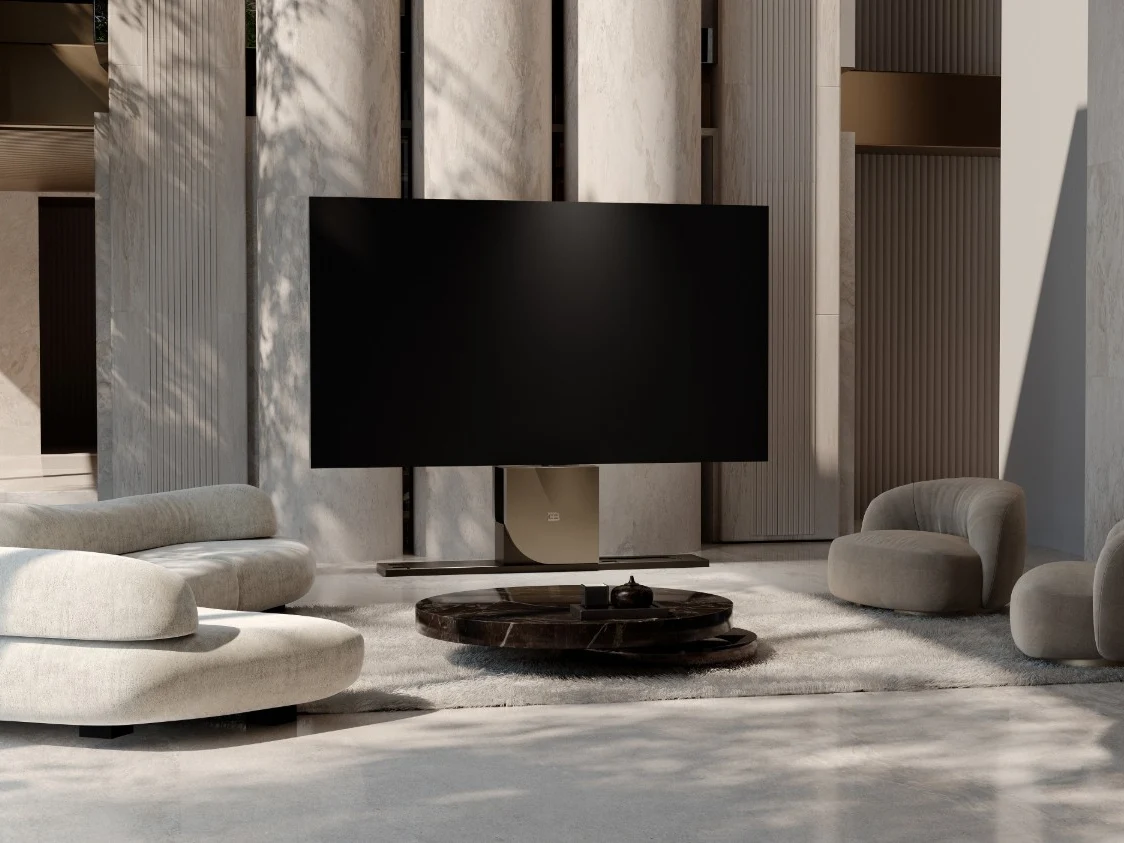
    A few years ago, C Seed launched the N1 TV, wich is a 4K MicroLED TV that folds and collapses, turning into a decorative sculpture when turned off. Now, the Austrian brand has partnered with Bugatti to release a special version of the N1 TV. The new television is called the C Seed Bugatti N1, and while it generally maintains the apearance of the original N1 TV released in 2024, there are some key differences in the apearance and specifications.

    Design Influences from the Tourbillon

    For starters, the C Seed Bugatti N1 has a design on the front that is inspired by the C-line of the Bugatti Tourbillon. Bugatti even says that the TV features original materials and finishes used in the Tourbillon such as the car’s Sculpture Silver finish. Apart from the design that distinguishes it from the original N1, the C Seed Bugatti N1 also differs in terms of features. It is available in 110” and 137” sizes, whereas the original was released in 103”, 137”, and 165” sizes.

    Technical Specifications and Performance

    The TV has five 4K MicroLED MiP panels, and can transform from its folded state into a large TV in 45 seconds. The screen, wich has HDR10+, a special screen coating, and a patented Adaptive Gap Calibration, is also capable of rotating 180° to the left or right. Like the panels, the Wisdom Audio integrated speakers, also unfold when needed and retract when not in use. The C Seed Bugatti N1 has three HDMI 2.0 ports with HDCP 2.2 support, two USB ports, and a single RJ45 port.

    Finishes and Availibility

    The TV is available in four finishes — Aventurine, Atlantic Blue, Palomino, and Liquid Silver. Neither Bugatti nor C Seed revealed pricing details for the C Seed Bugatti N1, but in Bugatti’s official press release, it said the TV will be “presented to discerning customers through an exclusive network of selected partners and authorized dealers worldwide.” This exclusivity ensures that only the most elite clientele will have access to this piece of technology.

  • Asus Fast Color E-Paper Touchscreen Spotted at Computex

    Asus Fast Color E-Paper Touchscreen Spotted at Computex

    Key Takeaway

    – Quiet, discreet exhibits at Computex 2026 offer interesting finds, not just major announcements.
    – Asus showed a 13.3-inch color e-paper display (MP13UC) with high resolution (3200×2400) and 35 Hz refresh rate.
    – The e-ink display is flicker-free, emits no blue light, and can show static images without power.
    – It consumes very little power and includes HDMI, Mini DisplayPort, and USB-C ports.
    – Pricing, global availability, and full specs are still unannounced, but a European release is expected.


    Quiet Finds at Taipei Show

    At trade fairs like Computex 2026, sometimes it is the quiet and discreet exhibits that are interesting, rather than those announced with great fanfare. In Taipei, the primary focus is on “the new PC era” based on the RTX Spark, proclaimed by Nvidia’s Jensen Huang the day before the show began. Together with partners like Microsoft, Dell, Asus and HP, there are plenty of new laptops and mini-PCs, which aren’t expected to be truly available until fall 2026 and possibly not as expensive as originally anticipated.

    Asus Booth Features Unannounced Gadgets

    While the new ProArt RTX Spark designs are only shown behind closed doors, the Asus booth also features items that weren’t widely announced but could be quite interesting for some. For example, a 13.3-inch color e-paper display with a very high resolution of 3,200 x 2,400, 300 ppi, and a relatively fast 35 Hz refresh rate. While it doesn’t quite reach the speeds of top-of-the-line models like those from Modos that can reach up to 75 Hz, it is at least sufficient for displaying YouTube videos, as demonstrated by the display unit.

    Being that it’s a prototype, some specs are missing. The MP13UC model is expected to be released in Europe, but Asus haven’t confiremd global availability or pricing details yet. It will likely also come with the flexible ATS01D mini stand, which is height-adjustable, rotatable, tiltable, and folds down to a very compact size. The e-ink display can reproduce 4,096 colors and is designed to reduce ghosting artifacts; it is flicker-free and emits no blue light.

    Video Quailty and Ports

    In the short video below, one gets a better idea of the video quality of the Asus Zenscreen e-paper display. The color intensity isn’t comparable to an OLED display and is somewhat pale. On the other hand, the touchscreen consumes very little power and can even display a static image without a power source, making it suitable for use as a digital picture frame or a 13-inch digital display.

    • 13.3-inch color e-paper
    • Resolution: 3,200 x 2,400
    • 300 ppi, 35 Hz refresh rate
    • 4,096 colors, flicker-free, no blue light
    • Ports: HDMI, Mini DisplayPort, USB-C

    Final Thoughts on the Zenscreen

    On the bottom, you’ll find HDMI, Mini DisplayPort and USB-C ports, as well as the power button. It serves jest fine for static images like a digital picture frame, though the video playback still lacks the vibrance of modern screens. Asus hasnt revealed a price, but the stand alone design is quite portable for its size.


    Sources

  • QNAP Launches Compact NAS with 2.5 HDD, M.2 SSD & E1.S Support

    QNAP Launches Compact NAS with 2.5 HDD, M.2 SSD & E1.S Support

    Key Takeaway

    – QNAP showcased a 10-bay NAS prototype at Computex using a compact chassis that normally fits only three 3.5-inch drives.
    – The system features eight 2.5-inch bays (for HDDs or SSDs) and two smaller bays for M.2 2280 SSDs via E1.S standard adapters.
    – Rear ports include SFF-8088 (mini-SAS), two 10GbE RJ45, USB, and HDMI; powered by an Intel Core Ultra X7 358H with at least 32 GB RAM.
    – E1.S SSDs are expensive and not yet common in the consumer market, limiting immediate utility.
    – Release is planned for Q4 2026; no price has been announced.


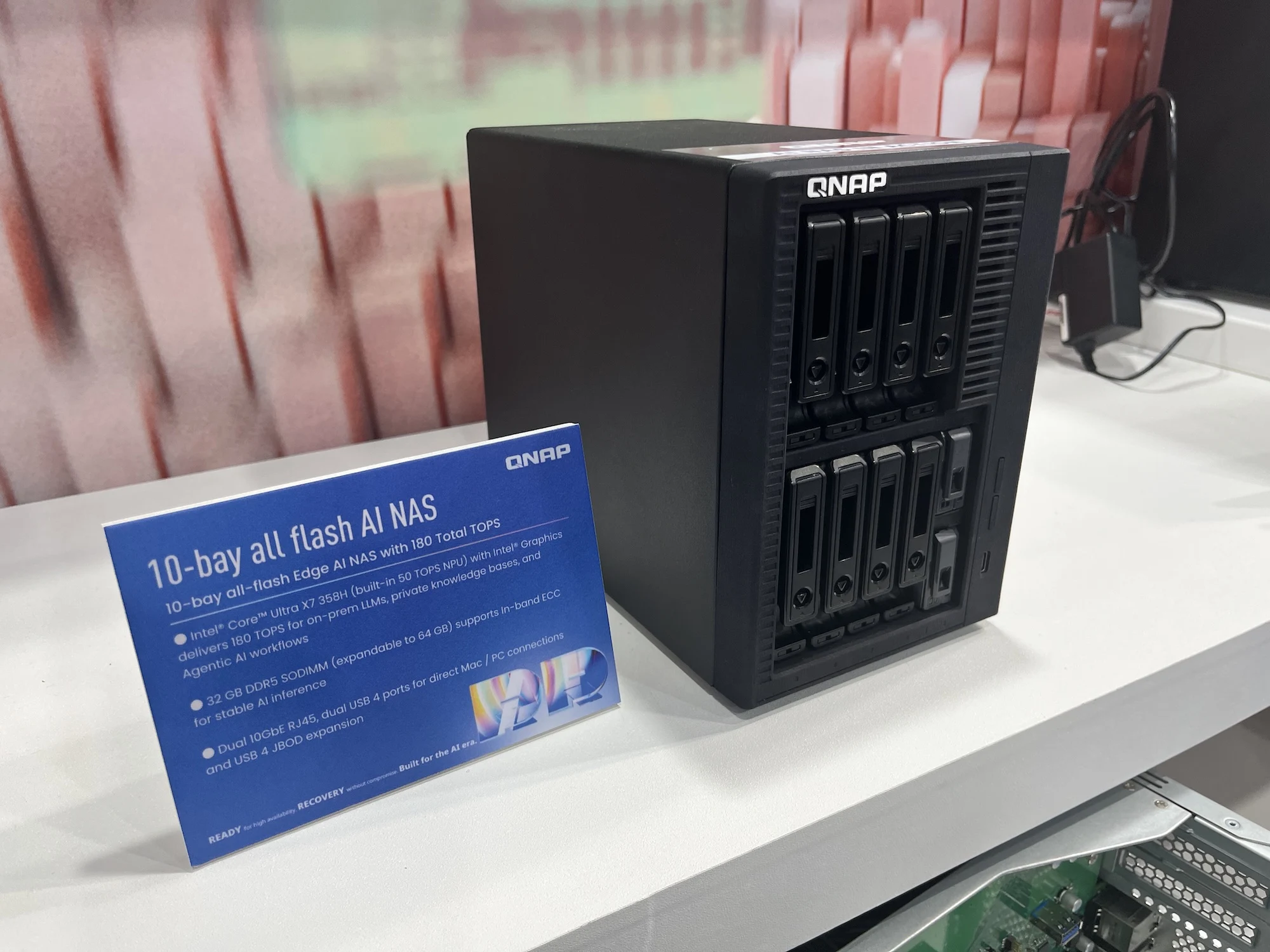
    Anyone looking for a NAS system with multiple RAID levels usually has to resort to rack systems or large 3.5-inch hard drive systems. At Computex, however, QNAP demonstrated that another solution is possible. The as-yet-unnamed device houses ten drive bays in a chassis that would normally only accommodate three 3.5-inch drives. QNAP focuses primarily on 2.5-inch bays, of which there are eight. These are capable of holding either hard drives or SSDs. In addition, there are two smaller bays, which are rare in this product class.

    Exploring The Storage Options and Adapters

    According to QNAP, two 2280 SSDs can be added using adapters for M.2 SSDs. 22110 SSDs likely won’t fit. The same applies to smaller SSDs. However, with the common 2280 format, users already have a wide selection. The adapters, however, are not simple adapters. They comply with the E1.S SSD Blade standard, which explains why 22110 SSDs do not fit; the Blade standard is only slightly longer than such SSDs. On the other hand, two high-end server SSDs can be inserted directly.

    The Challange of The E1.S Format

    The E1.S format, while practical, is yet to gain traction in the consumer market, making corresponding SSDs very expensive. This NAS system likely isn’t a perfect fit for that format, but it is at least prepared for an E1.S future.

    Ports, CPU, and Memory Details

    Although information about the system is in short supply, we do know something about the ports. For example, the rear panel features an SFF-8088 connector for connecting mini-SAS cables, allowing for the integration of additional hard drives. Two 10GbE RJ45 ports, several USB ports and an HDMI port are also on board. The CPU is also known: an Intel Core Ultra X7 358H, paired with at least 32 GB of RAM, which can be doubled if needed.

    Pricing and Availibility Information

    QNAP is yet to announce a price for the NAS system, which is planned for release in the fourth quarter of 2026.


    Sources

    • Surface Laptop Ultra specs, upgrades officially revealed

      Surface Laptop Ultra specs, upgrades officially revealed

      Key Takeaway

      – Nvidia RTX Spark platform with 1 petaflop of AI compute and up to 128GB unified memory for intensive local AI processing
      – Significantly improved thermal system with 2.5x the capacity of the 15-inch Surface Laptop 7th Edition
      – 15-inch mini-LED PixelSense Ultra display with 2,000 nits peak HDR brightness and 262 ppi
      – User-replaceable SSD and larger trackpad, distinguishing it from competitors like the MacBook Pro
      – Slim, lightweight design (under 18mm thick, under 4.5 lbs) with port selection including USB-C, USB-A, HDMI, and SD card reader


      Microsoft Just Dropped New Details About the Surface Laptop Ultra

      Microsoft has just revealed everything we didn’t know about the new Nvidia RTX Spark-powered Surface Laptop Ultra, providing a comprehensive look at the hardware and design elements that set its new premium laptop apart from its predecessor and the competition. Based on the specs the company shared, the Laptop Ultra appears to prioritize localized AI processing and modular maintenance, moving away from the more restrictive design language of previous Surface models.

      Core Hardware and the Nvidia RTX Spark Platform

      Of course, at the heart of the laptop is the new Nvidia RTX Spark platform, which aims to handle intensive local workloads by pairing an efficient CPU with an RTX GPU capable of delivering one petaflop of AI compute. To support these demands, the system utilizes up to 128GB of unified memory, enabling users to run larger models directly on-device, which aims to reduce reliance on cloud computing and lower latency.

      Thermal Performance and Display Specifications

      Speaking of performance, thermals have been a frequent point of critique for the Surface line, and Microsoft claims this new model incorporates a thermal system providing up to 2.5 times the capacity of the 15-inch Surface Laptop 7th Edition, likely necessary to manage the higher power of the RTX Spark. As far as the display is concerned, you are looking at a 15-inch mini-LED PixelSense Ultra touchscreen with a 3:2 aspect ratio. It offers a pixel density of 262 ppi and a peak HDR brightness of 2,000 nits, clearly aiming to appeal to pro content creators.

      • 15-inch mini-LED PixelSense Ultra touchscreen
      • 3:2 aspect ratio
      • 262 ppi pixel density
      • 2,000 nits peak HDR brightness

      Design, Ports, and User Replaceable SSD

      You get a choice of two colors (Platinum and Nightfall), while the chassis is less than 18mm thick, weighing under 4.5 pounds, which is in line with Apple’s MacBook Pro 16. To make the whole package lighter, apparently, you get a compact charger designed for easy portability, which Microsoft refuses to show. This might have something to do with the mysterious new USB-C port on the right side of the laptop, which might or might not be magnetic. Speaking of ports, you get three USB-C ports, one USB-A port, HDMI, a headphone jack, and a full-size SD card reader. However, the big news here is something we can’t be taking for granted. The Surface Laptop Ultra has a user-replaceable SSD, which is something you can’t find in competing laptops like Apple’s MacBook Pro. Meanwhile, the trackpad is over 30% larger than previous iterations.

      Market Positioning and Release Window

      All in all, it’s not hard to tell that Microsoft is positioning the Surface Laptop Ultra as the MacBook Pro running Windows 11. From the design, down to the Nvidia chip, the similarities are undeniable. Therefore, the Laptop Ultra is likely going to be judged based on how well it stacks up against the current industry standard in the prosumer laptop market. Pricing, availability, and details on the different SKUs for the Nvidia RTX Spark-powered Surface Laptop Ultra are expected to be announced at a later date. Meanwhile, the actual release is likely to take place in the fall. That said, it won’t be a surprise if reviews of the Surface Laptop Ultra start popping up earlier.

      Stay tuned!

      Sources
    • Final Fantasy 7 Remake Part 3 Teased for Summer Game Fest 2026

      Final Fantasy 7 Remake Part 3 Teased for Summer Game Fest 2026

      Key Takeaway

      – NateTheHate predicts Final Fantasy 7 Remake Part 3 will appear at Summer Game Fest 2026.
      – The game will not be called “Remake Part 3”; a secret title was chosen in January 2026.
      – Director Hamaguchi hinted at imminent release news, citing rapid development and over 40 playthroughs.
      – A multi-platform day-one release (Xbox, PS5, Switch 2, PC) may be announced, ending PlayStation exclusivity.
      – The Summer Game Fest livestream is scheduled for June 5th, 2026, at 5PM EST.


      News About Final Fantasy 7 Remake Part 3

      A dependable insider is positive that the next Final Fantasy game will show up at Summer Game Fest 2026. NateTheHate just updated Redditors, stating, “I expect it will be at SGF.” On June 5th, audiences could see the first trailer for the RPG or learn its name and a release date window.

      Fans Should Treat This as a Guess

      People following the series need to consider the leakers post as a forecast rather then a confirmed leak. Nevertheless, many indications have pointed to Square Enix soon revealing the trilogy’s finale. With the releae of Final Fantasy 7 Rebirth on the Switch 2 and Xbox consoles, the stage is now cleared. The publisher can start to pivot its advertising to the next RPG in the series. Remarks from Game Director Naoki Hamaguchi also suggested that development has progressed quickly.

      Developers Are Making Progress Quickly

      In an early May Nintendo Life interview, Hamaguchi teased that Final Fantasy 7 Remake Part 3 release date announcements may be coming soon. He told the website, “We’re very excited about how the game is currently progressing. I have already completed over 40 full playthroughs!” Before that statement, the Square Enix veteran informed Comicbook.com, “Preparations toward the announcement are steadily underway. Please look forward to it just a little longer.”

      What Will the Game Be Called

      As for a title, the game wont be known as Remake Part 3. The publisher decided on a name in January 2026 and has kept it a guarded secret since then. In the mean time, fans have offered guesses that include “Return”, “Reborn”, and “Reunion”. Summer Game Fest could also promote a multi-platform debut for the game. So far, all parts of the trilogy have launched as PlayStation exclusives. However, Square Enix has changed to a cross-platform approach for many of its newer titles.

      Multi-Platform Release Is Looking Likely

      Hamaguchi recently hinted that Final Fantasy 7 Remake Part 3 would ship on day one for Xbox, PS5, Switch 2, and PC. While he didn’t confirm a simultaneous release date, in a June 3rd Famitsu interview, he aknowledged that “users want to experience the excitement at the same time.” To see if a trailer premiers, the Summer Game Fest 2026 livestream airs on June 5th at 5PM EST/11PM CEST.

      GamingLeaksandRumours subreddit, Comicbook.com, Famitsu (Japanese)


    • Camp Snap 2 Retro Camera Launches at $69

      Camp Snap 2 Retro Camera Launches at $69

      Key Takeaway

      – Camp Snap 2 is a digital camera with no display, designed for a retro, disposable-camera feel.
      – It features an 8 MP sensor, six built-in filters, and an LED flash for charming, vintage-style photos.
      – The body is 15% thinner than its predecessor, with added 30.5mm filter thread and tripod mount.
      – A secure bottom cover prevents loss of microSD card and battery, ideal for children.
      – Priced at $69.95, includes a 4 GB microSD card, and is available from the manufacturer’s online store.


      First Impressions of the Camp Snap 2

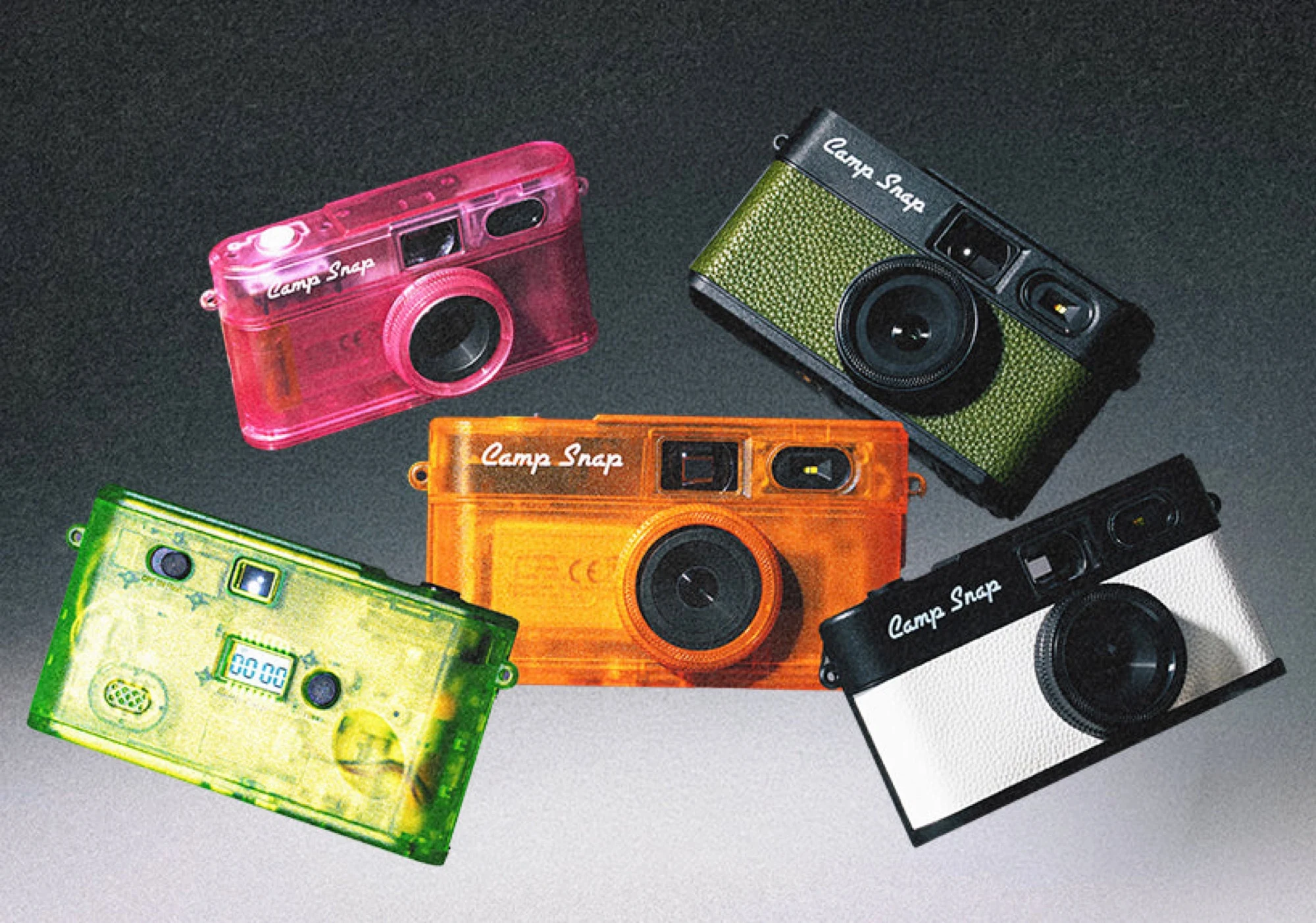
      At first glance, the Camp Snap 2 looks like a disposable analog camera, but it is actually a digital camera that doesn’t offer a display to show photos taken. Compared to cameras such as the Kodak Charmera ($34 on Amazon), the Camp Snap 2 promises slightly better image quality with an 8 megapixel sensor and an LED flash.

      Retro Charm and Design Tweaks

      While the Camp Snap 2 cannot keep up with modern smartphone cameras, the camera is said to be able to capture photos with a charming retro look thanks to six filters that can be selected using a button on the back. While the camera hardware remains unchanged from the previous model, the body of the Camp Snap 2 is 15 percent thinner, while the lens has been extended by a 30.5 millimeter filter thread and the camera now has a tripod thread.

      • 8 megapixel sensor
      • LED flash
      • Six built-in filters
      • 15 percent thinner body than previous model
      • 30.5 millimeter filter thread on lens
      • Includes tripod thread

      Child-Friendly Features and Controls

      If the camera is bought for a younger child, the bottom cover can be secured with a screw so that neither the mciroSD card nor the battery can get lost. Apart from the shutter release and the button for selecting filters, the camera only has a slider to switch it on and activate the flash. Photos are composed using a small optical viewfinder. The display on the back only provides information about the number of photos taken.

      Pricing and Availibility

      The Camp Snap 2 compact camera is now available for $69.95 in the manufacturer’s online store and comes with a 4 GB microSD card.


      Sources

    • New DJI Osmo Pocket 4 Leak: 200MP Camera Rival

      New DJI Osmo Pocket 4 Leak: 200MP Camera Rival

      Key Takeaway

      – Oppo and Vivo may launch handheld gimbal cameras to rival the DJI Osmo Pocket 4.
      – Both devices could feature a 200MP 1/1.2-inch sensor, compared to the Osmo Pocket 4’s 32MP 1-inch sensor.
      – Oppo’s device may include Hasselblad tuning, while Vivo’s could feature Zeiss tuning.
      – Both are expected to launch in late 2026, but with no official confirmation yet.
      – Insta360 has confirmed its own competing model, the Luna Ultra, with dual lenses and a detachable screen.


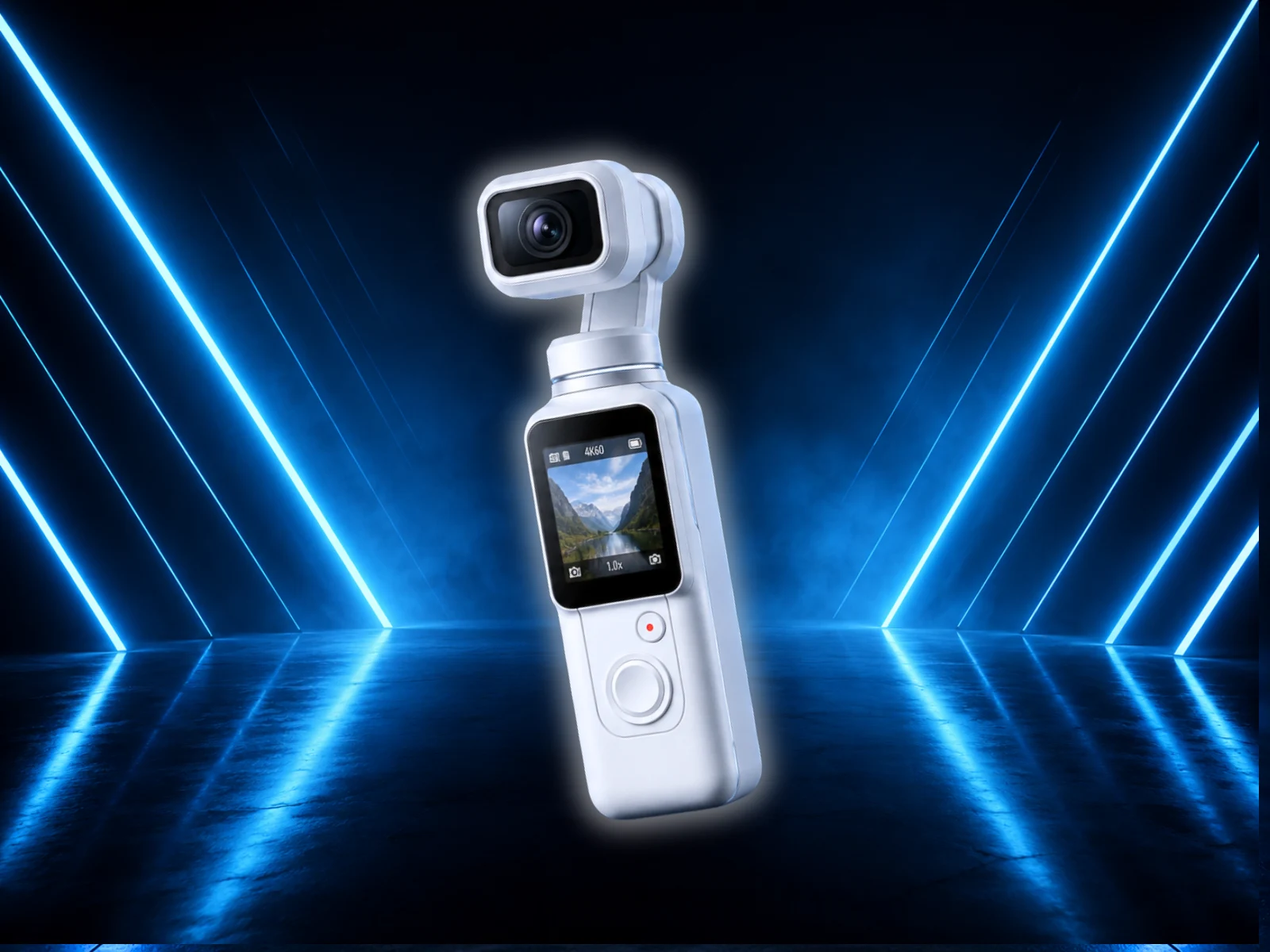
      Leaks suggests that Chinese smartphone makers Oppo and Vivo may launch handheld gimbal cameras, rivaling the DJI Osmo Pocket 4. For context, the Osmo Pocket 4 is a well-known portable camera with a 3-axis gimbal and 4K video recording.

      Sensor and Tuning Details

      According to tipster Digital Chat Station on Weibo, Oppo’s and Vivo’s handheld gimble cameras may feature a 200MP 1/1.2-inch sensor. For comparison, the Osmo Pocket 4 uses a 32MP sensor, though it has a larger 1-inch sensor size. Notably, the tipster suggests that Oppo’s device may feature Hasselblad tuning, wich is a notable upgrade for color science.

      Potential Features and Release Window

      Previous leaks suggest it may use a 3-axis gimbal system similar to the Osmo Pocket 4. Meanwhile, Vivo’s handheld gimbal camera could feature Zeiss tuning, which the company also offers on its flagship X300 series smartphones, giving it a distinct imaging identity. Both devices are expected to launch in late 2026, though there is no official confirmation yet.

      Competition in the Market

      Separately, Insta360 has confirmed it will launch a compact gimbal camera called the Luna Ultra, featuring dual lenses and a detachable screen. This creates a more competitive landscape for portable gimbal cameras, with each brand offering unique partnerships or hardware capabilities to stand out.


      Sources

    • Apple Watch battery boost with HMO over LTPO OLED

      Key Takeaway

      – Apple Watch Series 11 battery life improvement is a marketing trick; real runtime is barely longer.
      – For longer battery life now, you need an Apple Watch Ultra or a smartwatch from another brand.
      – A major battery life upgrade is expected in 2027 with the Apple Watch Series 13.
      – This upgrade comes from using new HMO OLED displays from LG Display, which consume less power.
      – HMO OLED panels are not ready for mass production yet, missing the Series 12 release.


      Apple Watch Series 11 Battery Life Trickery

      Acording to Apple, the Apple Watch Series 11 achieves a battery life of 24 hours instead of the 18 hours that older models were supposed to achieve. However, this “upgrade” was only achieved by Apple bought by a trick. In practice, the battery life is hardly any longer. So if you want a longer runtime, you currently have to either go for the much larger and more expensive Apple Watch Ultra or a smartwatch from another manufacturer.

      Upcoming Apple Watch Ultra 4 Design and Series 12 Software

      This year, the Apple Watch Ultra 4 in particular is set to receive a new design, while the Apple Watch Series 12 is said to mainly benefit from software improvements. According to a new report from The Elec the Apple Watch could finally get a longer battery life in 2027.

      Future HMO OLED Technology for Better Battery

      This is because LG Display is currently developing a High-Mobility Oxide (HMO) TFT. This HMO OLED panel is intended to replace the LTPO OLED display of future Apple Watches. As LG Display will initially produce these panels in very small formats, the Apple Watch is the most likely product from the iPhone manufacturer to benefit from this technology first. HMO is said to have one major advantage over LTPO: lower power consumption.

      No Panels for Series 12, HMO Could Arrive in 2027

      It is still unclear when exactly the first HMO OLED panels will be delivered. As LG Display has not yet validated the panels for mass production, the displays will not be available for the Apple Watch Series 12. At the earliest, the panel might be ready to ship as part of the Apple Watch Series 13, which is expected to be launched in September 2027. The Elec | Giang duong (teaser image)

      Sources
    • Custom 3D Printed Fitbit Air Bands Available Now

      Custom 3D Printed Fitbit Air Bands Available Now

      Key Takeaway

      – Google released official Fitbit Air design guidelines, including exact dimensions, tolerances, and 2D CAD files for 3D printing custom bands.
      – All accessories must ensure sensor clearance for heart rate and SpO2 tracking, with the tracker constantly touching the skin.
      – The Fitbit Air consists of two main components: the “pebble” (sensors/battery) and the “sleeve” (connects to bands).
      – No subscription is required for core biometric tracking; advanced AI coaching costs $9.99/month or $99.99/year.
      – The device has a 7-day battery life and fully charges in 90 minutes via a USB-C magnetic puck.


      Google Just Dropped Fitbit Air Design Files

      So Google recently launched the Fitbit Air, and now they’ve decided to spice things up a little by introducing a new addition for DIY fans. Google released the official Fitbit Air design guidelines featuring the trackers exact dimensions, tolerance margins and 2D CAD files, so you can 3D print custom bands and accessories without any hassle.

      Exact Specs and Tolerances for Customization

      The guidelines provide exact mating dimensions, tolerances, and attach and detach force specifications. Fitbit Air is made up of two main components: the “pebble” housing the sensors, batteries and key components, and the “sleeve” which covers the pebble and connects to the bands. This means you can get creative with your design.

      Google’s Rules for Sensor Clearance

      According to Googles rules, all bands and accessories must allow for appropriate sensor clearance so that the heart rate and SpO2 sensors dont get blocked. Google also recommends that the tracker is constantly touching the skin and that the bands are made of skin-friendly materials to ensure proper readings and comfort.

      Battery Life and Charging Speeds

      Unlike the Whoop 5.0, the Fitbit Air does not require a subscription for core biometric tracking; the company only charges an optional $9.99 per month (or $99.99 annually) for its advanced Google Health Premium AI coaching. The device is also highly efficient, boasting a 7-day battery life and fully charging in just 90 minutes via a new USB-C magnetic puck.

      Sources