Tag: Fitbit Air

  • Custom 3D Printed Fitbit Air Bands Available Now

    Custom 3D Printed Fitbit Air Bands Available Now

    Key Takeaway

    – Google released official Fitbit Air design guidelines, including exact dimensions, tolerances, and 2D CAD files for 3D printing custom bands.
    – All accessories must ensure sensor clearance for heart rate and SpO2 tracking, with the tracker constantly touching the skin.
    – The Fitbit Air consists of two main components: the “pebble” (sensors/battery) and the “sleeve” (connects to bands).
    – No subscription is required for core biometric tracking; advanced AI coaching costs $9.99/month or $99.99/year.
    – The device has a 7-day battery life and fully charges in 90 minutes via a USB-C magnetic puck.


    Google Just Dropped Fitbit Air Design Files

    So Google recently launched the Fitbit Air, and now they’ve decided to spice things up a little by introducing a new addition for DIY fans. Google released the official Fitbit Air design guidelines featuring the trackers exact dimensions, tolerance margins and 2D CAD files, so you can 3D print custom bands and accessories without any hassle.

    Exact Specs and Tolerances for Customization

    The guidelines provide exact mating dimensions, tolerances, and attach and detach force specifications. Fitbit Air is made up of two main components: the “pebble” housing the sensors, batteries and key components, and the “sleeve” which covers the pebble and connects to the bands. This means you can get creative with your design.

    Google’s Rules for Sensor Clearance

    According to Googles rules, all bands and accessories must allow for appropriate sensor clearance so that the heart rate and SpO2 sensors dont get blocked. Google also recommends that the tracker is constantly touching the skin and that the bands are made of skin-friendly materials to ensure proper readings and comfort.

    Battery Life and Charging Speeds

    Unlike the Whoop 5.0, the Fitbit Air does not require a subscription for core biometric tracking; the company only charges an optional $9.99 per month (or $99.99 annually) for its advanced Google Health Premium AI coaching. The device is also highly efficient, boasting a 7-day battery life and fully charging in just 90 minutes via a new USB-C magnetic puck.
    Sources
  • Garmin Cirqa: Is It Worth the Price and Value?

    Garmin Cirqa: Is It Worth the Price and Value?

    Key Takeaway

    – Wearables without screens but with optical sensors are emerging, including offerings from Zepp Health and Fitbit, with Garmin entering the space later.
    – The Garmin Cirqa is likely not a smartwatch replacement limited to workouts; it may resemble an advanced sleep tracker like an upgraded Index Sleep Monitor, focused on passive data collection.
    – Indications about Cirqa’s price and capabilities are uncertain or unreliable, with rumors suggesting a high cost and potential gray-market listings.

    Wearables without a screen but with optical sensors are now available from various manufacturers, including Zepp Health with the Helio Strap and, more recently, Fitbit with the Fitbit Air. That means Garmin is entering the market for this type of wearable relatively late, at least at first glance or under a narrow definition of the device category. In reality, Garmin already offers a smart wristband without a display in the form of the Index Sleep Monitor, though that device is specifically intended for advanced sleep tracking rather than tracking workouts.

    Pricing and speculation

    The features the Garmin Cirqa could or could not offer cannot necessarily be inferred from the leaked price. According to consistent but, of course, not necessarily verifiable statements from Ukrainian users, the leaked price of around $500 is not particularly reliable. The retailer apparently also sells gray-market goods, and products sold in Ukraine are more expensive. It is also unclear whether this is simply some kind of placeholder listing. In fact, even by Garmin standards, the tracker would be exorbitantly expensive.

    Assessment of use and design

    In our view, the Garmin Cirqa is unlikely to be an accessory for a smartwatch and is more likely to be a replacement for one. Since this screenless tracker is worn just like a smartwatch, its positioning does not offer any advantages when recording workout data. Such benefits would be more conceivable if the device were worn on the legs, for example to record running efficiency metrics at a higher quality. We strongly assume that it is essentially an everyday version of the Garmin Index Sleep Monitor, meaning a device with optical sensors as well as a motion sensor. This would allow workouts to be recorded without using a display. That could make sense if a smartwatch is banned in a particular sport or if a larger wearable gets in the way. This can be the case with kettlebell training, for example, since a display may not necessarily survive contact with a kettlebell without damage.


    Sources
  • Garmin CIRQA Leak on Online Store Reveals High Price

    Garmin CIRQA Leak on Online Store Reveals High Price

    Key Takeaway

    – Leak from Ukrainian retailer Stylus Store lists Garmin CIRQA, but retailer leaks/AI-generated images may be placeholders and should be treated cautiously.
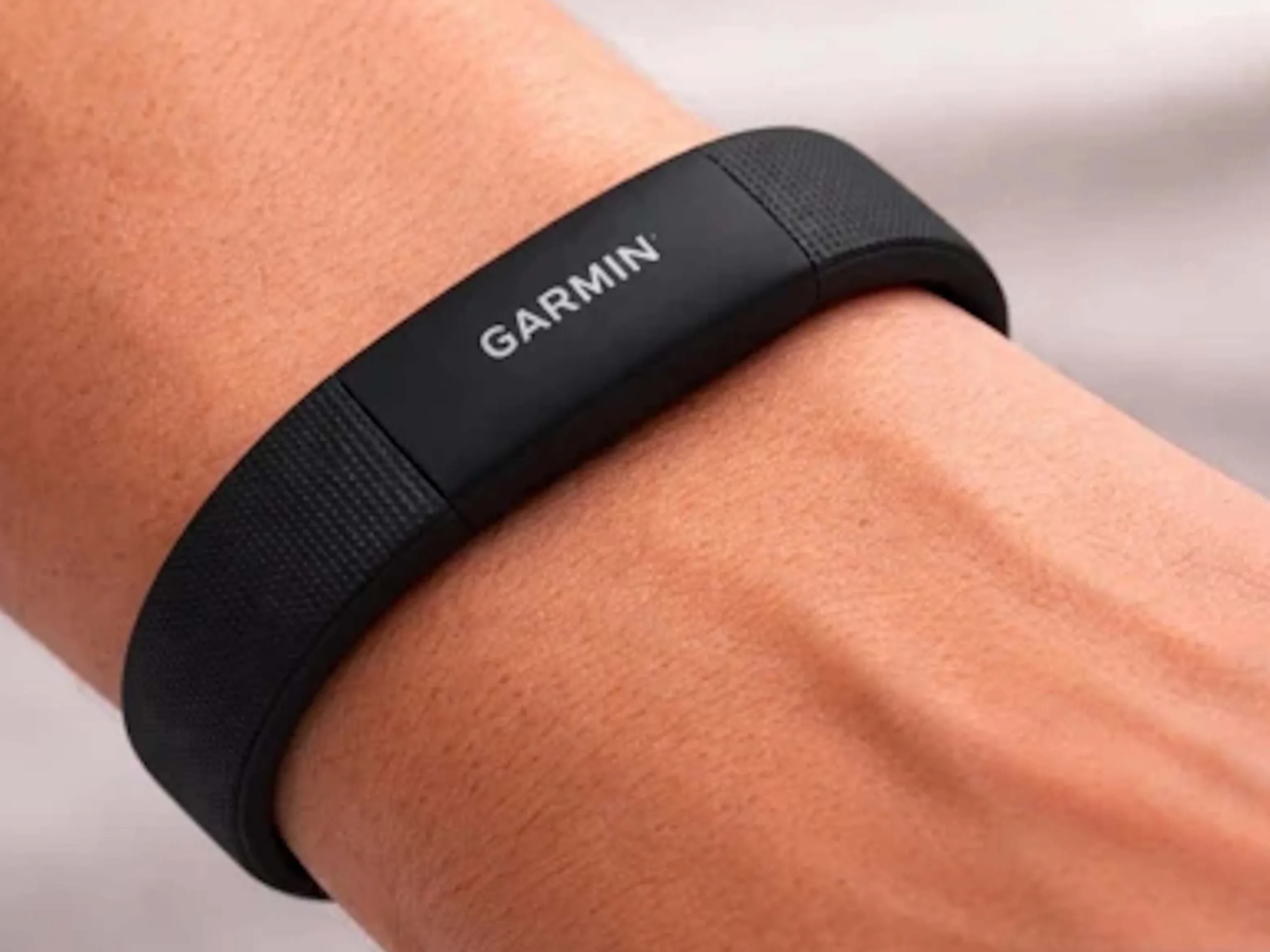
    – Product image shows a simple fabric wristband with a visible sensor unit bearing a Garmin logo (design doesn’t hide the module like Fitbit Air).
    – Listed price is 22,399 UAH (~$509) with a pre-order discount to 19,999 UAH (~$454).
    – If accurate, CIRQA would be far pricier than rivals (Fitbit Air/Amazfit $99, Polar Loop $199; only Whoop’s subscription model is comparably costly).
    – No launch date or feature set is confirmed, so it’s unclear what would justify the high price.

    Over the past few months, several leaks has suggested that Garmin will soon release an alternative to Whoop 5.0 or the new Google Fitbit Air ($99) on the market, and the Ukrainian retailer Stylus Store is already listing Garmin CIRQA, though as usual such retailer leaks should be taken with a pinch of salt since there’s always possibility it could be just a placeholder with an AI-generated product image.

    Retail listing details

    The online store shows a simple fabric wristband with a small sensor unit bearing a clearly visible Garmin logo; if this image actually reflects the final design of Garmin CIRQA, Garmin appears to have chosen a comparatively simple aesthetic that does not let the base unit with the Garmin logo be hidden under the band like Fitbit Air allows, for example — the price on the listing is surprisingly high: the store states a list price of 22,399 UAH ($509), with a pre-order discount the wristband costs 19,999 UAH ($454).

    How it compares

    If those prices are correct Garmin CIRQA will be considerably more expensive than most rivals. Fitbit Air and Amazfit Helio Strap cost $99 each, Polar Loop is offered for $199. Only Whoop MG is even more expensive because a subscription for $359 per year is required to obtain that wristband. So if Garmin is indeed charging around $500 for its fitness wristband without a display, it remains to be seen what features will justify such a high price, and there is still no official launch date known.


    Sources

  • Fitbit Air Launches at $99 for iPhone Users

    Fitbit Air Launches at $99 for iPhone Users

    Key Takeaway

    1. Fitbit Air is an affordable, versatile fitness wearable with a hidden sensor insert, offering up to one week of battery life.
    2. It includes essential health sensors like SpO2, skin temperature, and motion sensors to track sleep, calories, exertion, and steps without requiring a subscription.
    3. Premium AI-driven features such as guided meditations, detailed sleep analysis, and personalized coaching are available through Google Health Premium at an additional cost.
    4. The device is waterproof, compatible with both iPhone and Android, and comes with a free three-month Google Health Premium trial for pre-orders.

    Introduction to Fitbit Air by Google

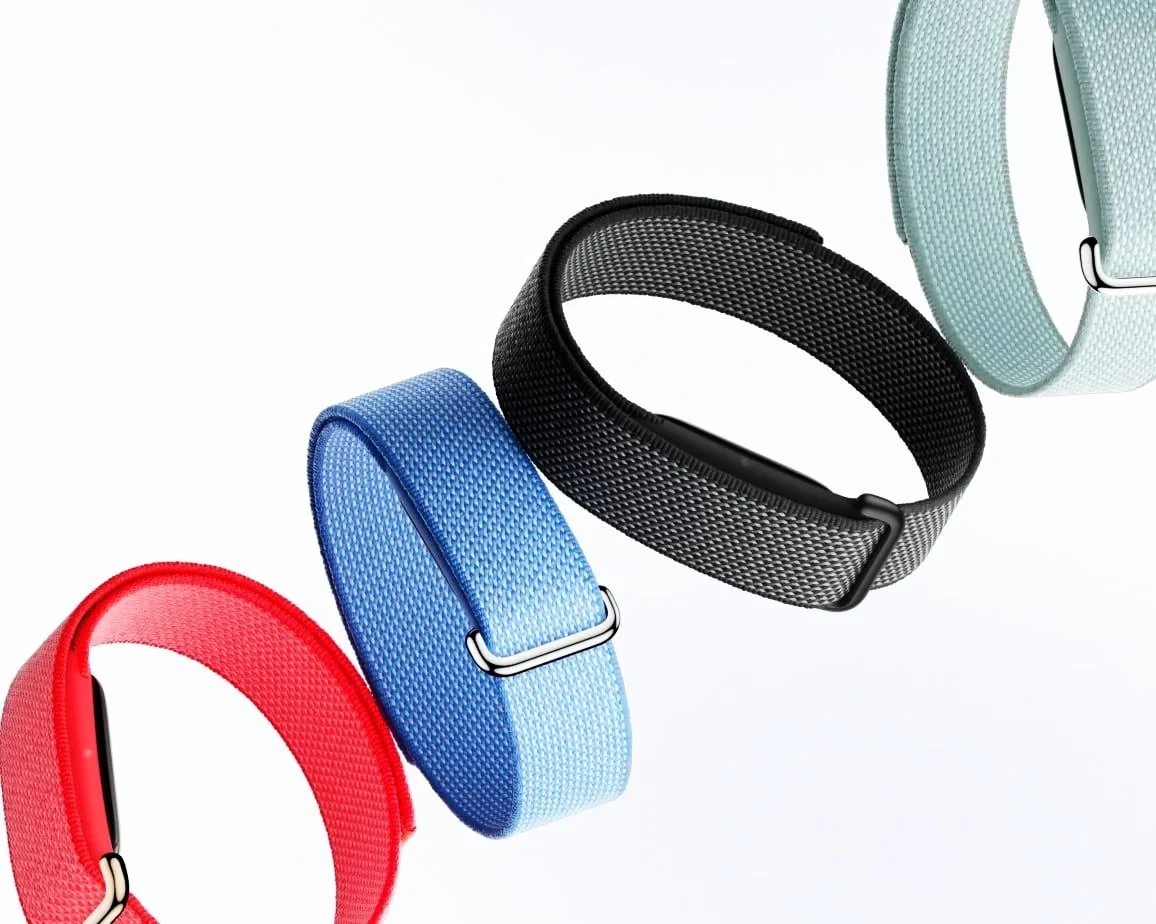
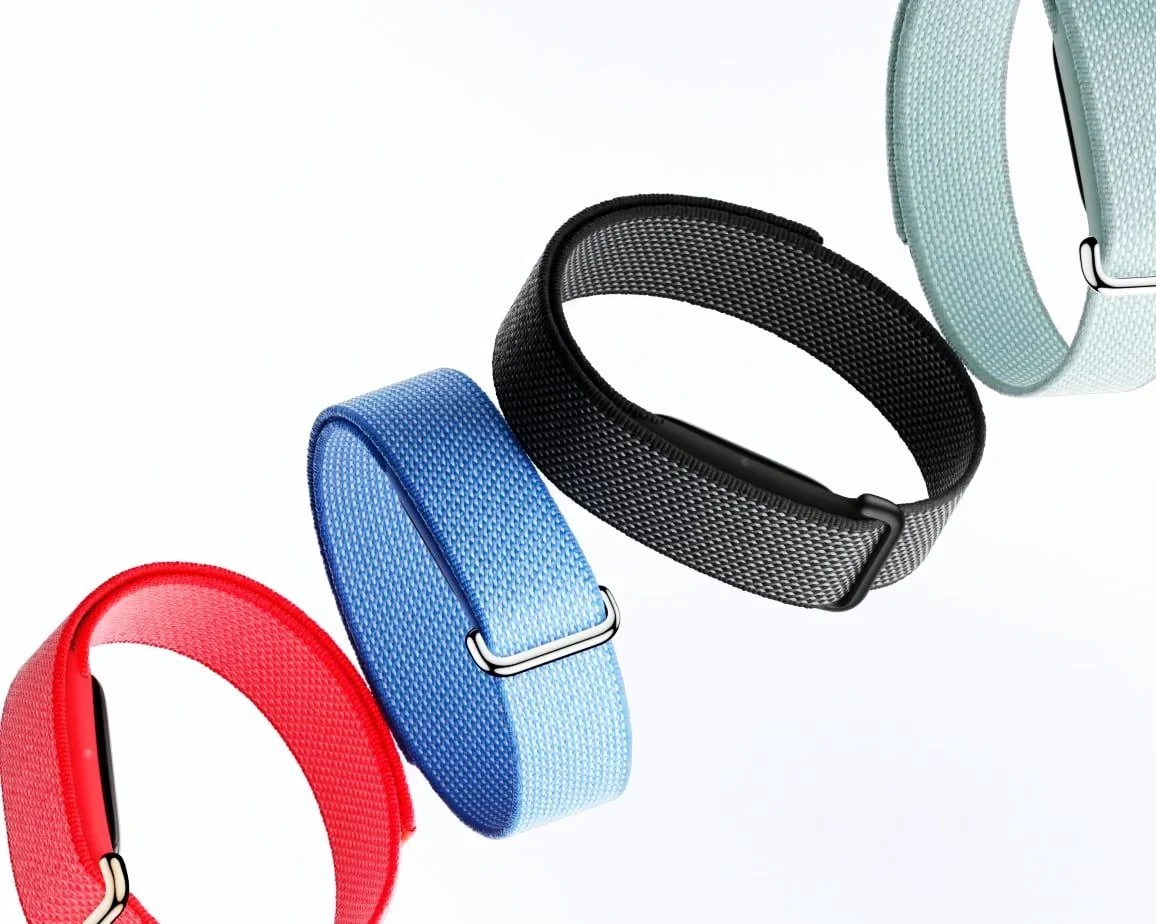
    Google has recently introduced a new fitness wearable called Fitbit Air, which is aimed to compete with other popular devices like Whoop 5.0. It is positioned as an affordable option in the fitness wearable market, similar to the Amazfit Helio Strap. Google offers a variety of bands, including a sporty one made from recycled materials with a velcro fastener, and a more high-end model featuring a stainless steel clasp.

    Design and Features

    The Fitbit Air fits seamlessly into the wristband and is nearly impossible to see from outside. These banded devices manage to pack quite a bit of technology despite their sleek look. Removing the display helps improve battery life, which Google claims can last up to a week even when heart rate is being measured every two seconds. The device is outfitted with various sensors such as an SpO2 sensor, skin temperature sensor, and a 3-axis accelerometer. These sensors are enough to track sleep patterns, calories burned, cardio efforts, and steps, making it a versatile fitness tracker.

    Subscription and Additional Features

    While core features like sleep tracking and heart rate monitoring are accessible without additional costs, some advanced AI-driven features come with a subscription. Google Health Premium is required for guided meditations, detailed sleep insights, and AI-based recommendations, costing an extra $9.99 monthly. An especially intriguing addition is Google’s AI Coach which can automatically generate workout plans and offer exercise tips, aiming to personalize training experience.

    Waterproofing and Pre-Order Details

    Fitbit Air is designed to be waterproof, allowing users to wear it during swimming activities without worry. Currently, it can be pre-ordered from the Google Online Store in several colors including red, turquoise, blue, and black. The retail price is set at $99, with delivery expected by late May. Compatible with both iPhone and Android devices through the new Google Health app, buyers will receive three months of Google Health Premium free with their purchase.


    Sources