
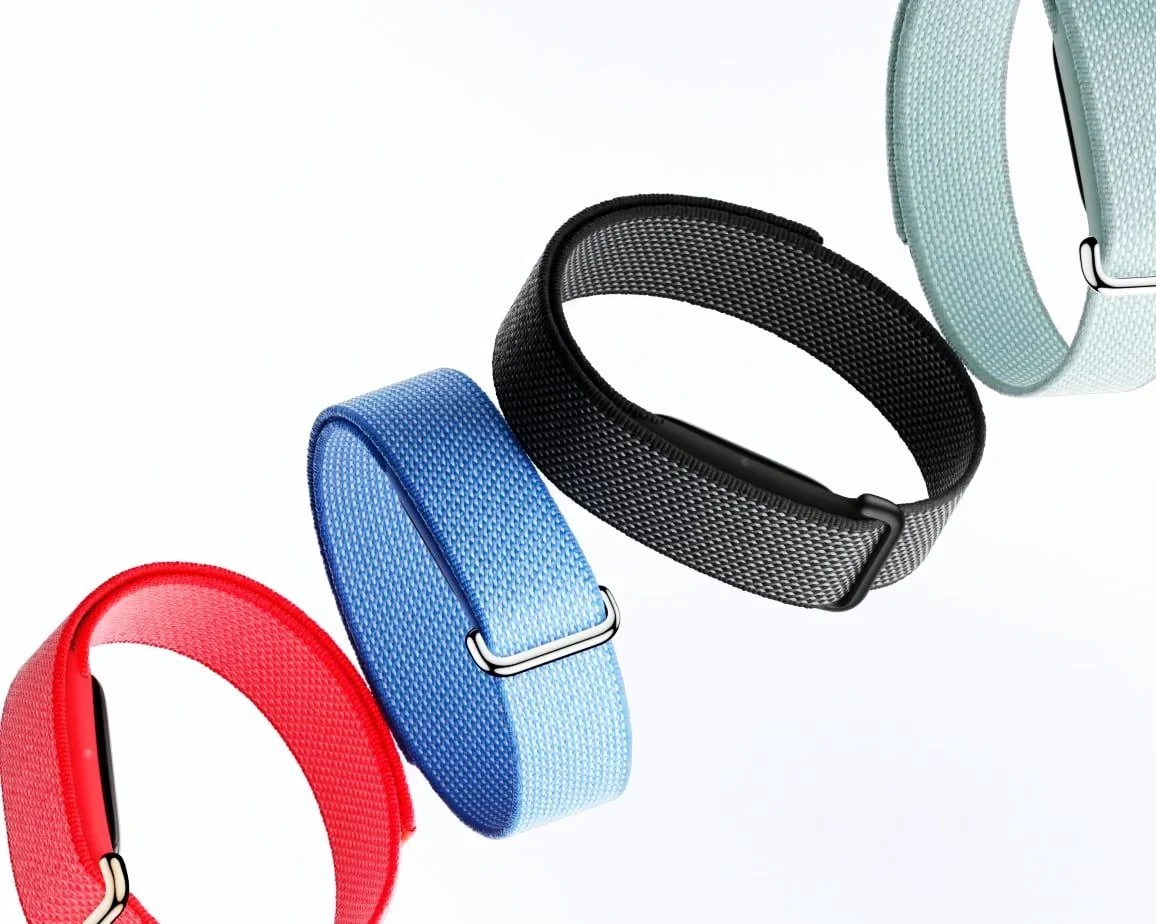
– Google released official Fitbit Air design guidelines, including exact dimensions, tolerances, and 2D CAD files for 3D printing custom bands.
– All accessories must ensure sensor clearance for heart rate and SpO2 tracking, with the tracker constantly touching the skin.
– The Fitbit Air consists of two main components: the “pebble” (sensors/battery) and the “sleeve” (connects to bands).
– No subscription is required for core biometric tracking; advanced AI coaching costs $9.99/month or $99.99/year.
– The device has a 7-day battery life and fully charges in 90 minutes via a USB-C magnetic puck.
Google Just Dropped Fitbit Air Design Files
So Google recently launched the Fitbit Air, and now they’ve decided to spice things up a little by introducing a new addition for DIY fans. Google released the official Fitbit Air design guidelines featuring the trackers exact dimensions, tolerance margins and 2D CAD files, so you can 3D print custom bands and accessories without any hassle.
Exact Specs and Tolerances for Customization
The guidelines provide exact mating dimensions, tolerances, and attach and detach force specifications. Fitbit Air is made up of two main components: the “pebble” housing the sensors, batteries and key components, and the “sleeve” which covers the pebble and connects to the bands. This means you can get creative with your design.
Google’s Rules for Sensor Clearance
According to Googles rules, all bands and accessories must allow for appropriate sensor clearance so that the heart rate and SpO2 sensors dont get blocked. Google also recommends that the tracker is constantly touching the skin and that the bands are made of skin-friendly materials to ensure proper readings and comfort.
Battery Life and Charging Speeds
Unlike the Whoop 5.0, the Fitbit Air does not require a subscription for core biometric tracking; the company only charges an optional $9.99 per month (or $99.99 annually) for its advanced Google Health Premium AI coaching. The device is also highly efficient, boasting a 7-day battery life and fully charging in just 90 minutes via a new USB-C magnetic puck.
Leave a Reply