Tag: wearables

  • Xiaomi Compact Bluetooth Speaker with Built-In Lighting Launches Globally

    Xiaomi Compact Bluetooth Speaker with Built-In Lighting Launches Globally

    Key Takeaway

    – Xiaomi 17T and 17T Pro to replace 15T and 15T Pro, with multiple additional devices likely revealed at the May 28 global launch.
    – Eurozone pricing already confirmed for three new wearables ahead of the event.
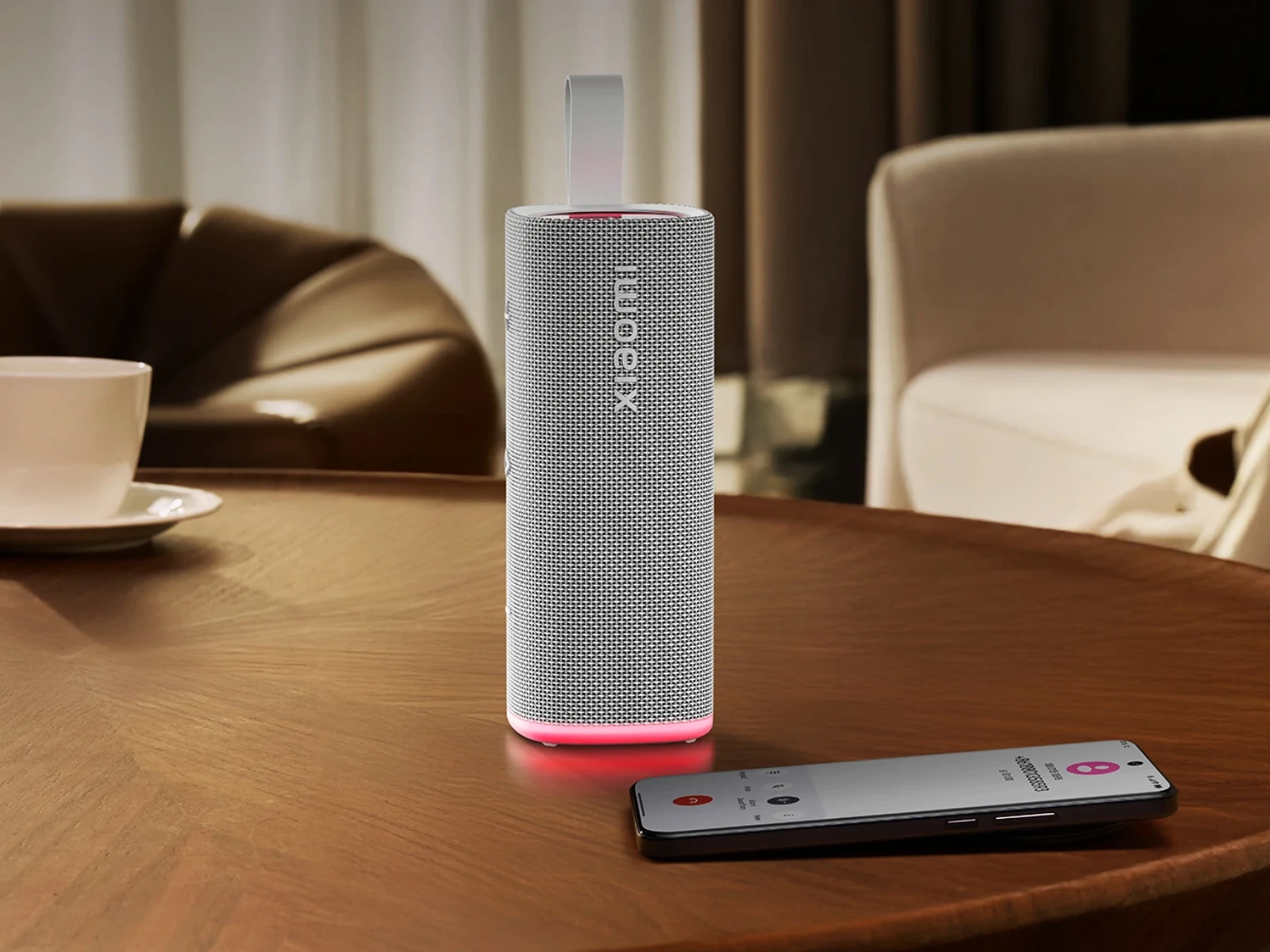
    – Sound Play shown in full on Xiaomi’s site: lighter, more water-resistant than Sound Outdoor, same 2,600 mAh battery, up to 18 W output, 75 Hz–20 KHz frequency response, racetrack speaker, two passive radiators, two lighting zones, and Bluetooth 6.0. Pricing not yet announced.


    Overview of the Upcoming Xiaomi Launch

    Xiaomi will be hosting a new global launch event on May 28. Principally, the event will serve to showcase the Xiaomi 17T and Xiaomi 17T Pro as replacements for last year’s Xiaomi 15T and Xiaomi 15T Pro. Based on the company’s associated microsite, it is preparing to introduce a whole host of other devices too. There is a sense of anticipation, with fans awaiting more concrete specs and pricing as the date approaches, though some bits have already slipped into public view.

    Wearables and Early Confirmations

    Typically, Xiaomi waits until launch day before detailing these new products. However, it has already confirmed Eurozone pricing for three new wearables. Additionally, it has fully detailed the Sound Play on its global website. Visually, the Sound Play closely resembles the existing Sound Outdoor (curr. $52.99 on Amazon). The pair differ in a few important areas, though. The early confirmations hint at a broader ecosystem play, where the wearables and audio accessories are designed to complement upcoming smartphones.

    Sound Play vs Sound Outdoor

    For instance, the Sound Play offers superior water resistance and is about 30% lighter than the Sound Outdoor. Nonetheless, the Sound Play contains the same 2,600 mAh battery as the Sound Outdoor, which Xiaomi rates for up to 14 hours of music playback at 40% volume. This comparison suggests a careful balance between portability and endurance, aiming to appeal to users who need a lighter device without sacrificing listening time.

    Technical Details and Capabilities

    Moreover, the Sound Play delivers up to 18 W of power with a 75 Hz-20 KHz frequency response via a racetrack-style full-range speaker and two passive radiators. On top of that, the new speaker features two lighting zones and supports Bluetooth 6.0 connectivity. While pricing remains unknown for now, more details about the Sound Play can be found on Xiaomi’s website. The technical setup points to a focus on robust audio output and modern wireless standards that should satisfy casual listening and more demanding users alike.
    Sources

  • Xiaomi Unveils Global Wearable with 2000-Nit AMOLED, 21-Day Battery

    Xiaomi Unveils Global Wearable with 2000-Nit AMOLED, 21-Day Battery

    Key Takeaway

    – Xiaomi 17T and 17T Pro launch event slated for May 28 in Vienna; teasers ongoing.
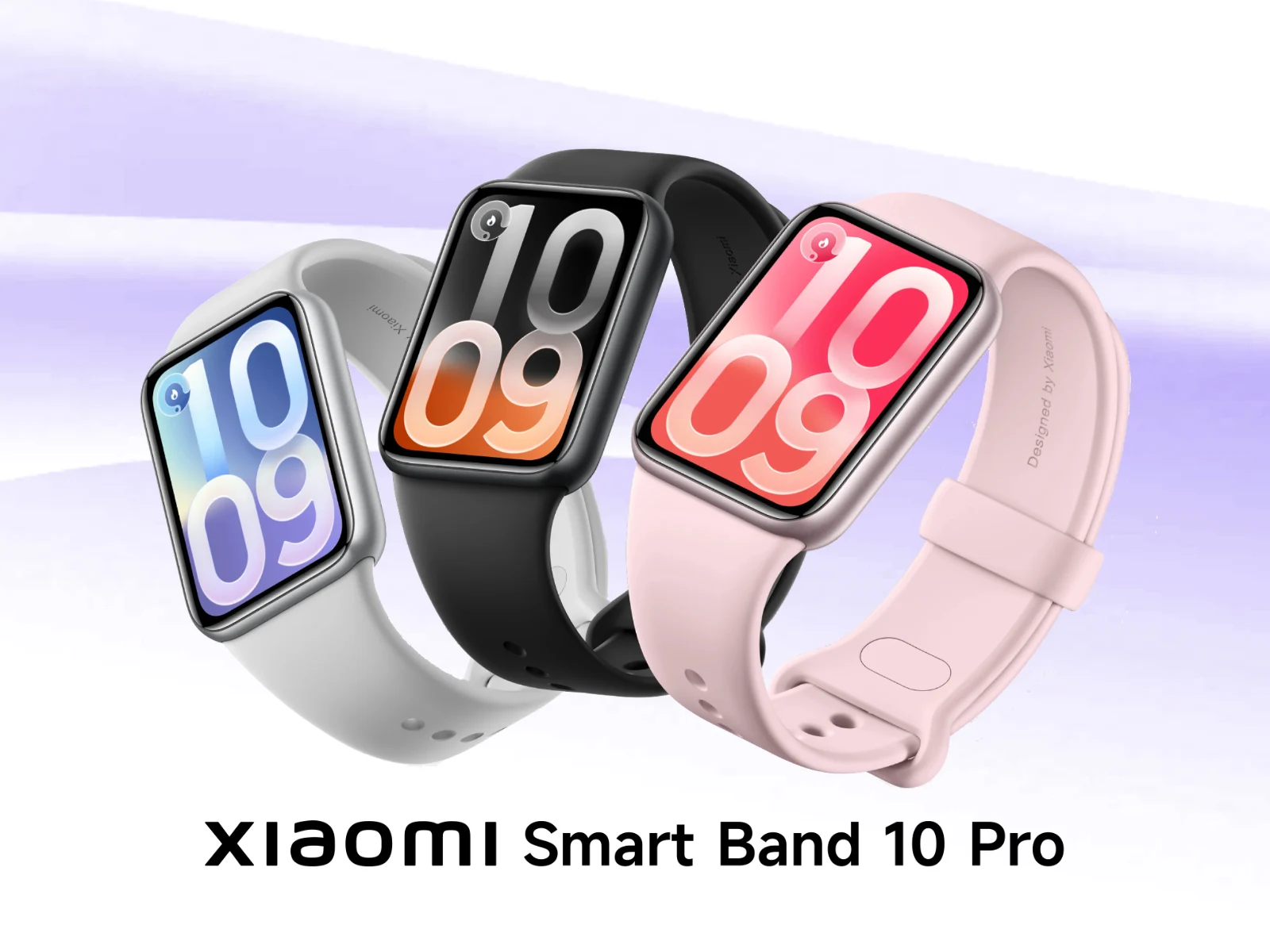
    – Smart Band 10 Pro released outside China (Japan) in multiple finishes with higher prices than Smart Band 9 Pro.
    – Shared hardware across versions: 350 mAh battery (up to 21 days), 1.74-inch AMOLED, 480×336, 60 Hz, 2,000 nits brightness; over 200 watch faces and 150 sports modes.


    Xiaomi Launch and Smart Band 10 Pro Release

    Xiaomi will be hosting a new global launch event on May 28 in Vienna

    the announcement says the event will unveil new devices, and the company has been teasing both the Xiaomi 17T and 17T Pro for weeks now. in the meantime, there is a quieter note: Xiaomi has quietly started selling the Smart Band 10 Pro outside China, expanding its reach beyond its home market. this paragraph keeps a conversational tone and shares the essential timing, while also hinting at the broader product lineup to be shown at the event.

    Smart Band 10 Pro reaches Japan with multiple finishes

    specifically, the Smart Band 10 Pro is available in Japan with choices between Black, Ceramic Edition, Pink, and Silver finishes. at the time of writing, Xiaomi charges at least 12% more for the Smart Band 10 Pro than the older Smart Band 9 Pro, with current pricing around $89 on major retailers. the Ceramic Edition price increases from JPY 10,800 (~$68) to JPY 13,800 (~$87). this paragraph describes pricing and variants in a direct, factual style while noting regional variation.

    All versions share the same core hardware

    however, all versions feature the same underlying hardware. as in China, the Smart Band 10 Pro contains a 350 mAh battery rated for up to 21 days of battery life. also, Xiaomi includes a 1.74-inch AMOLED display that combines 2,000 nits peak brightness with a 480 x 336-pixel resolution and a 60 Hz refresh rate. this paragraph emphasizes hardware parity across markets, using a different voice with emphasis on specs.

    Software features and market status

    moreover, Xiaomi pre-installs over 200 watch faces and 150 sports modes. pricing remains unknown for other markets, though. for context, the fitness tracker debuted less than a week in Xiaomi’s home market. please see our launch article for more details. this sentence notes software as well as the limited information about other regions, maintaining a slightly informal tone and a sense of ongoing coverage.

    Xiaomi


    Sources

  • Oura Ring 5: Price Up, Four Major Upgrades Revealed

    Oura Ring 5: Price Up, Four Major Upgrades Revealed

    Key Takeaway

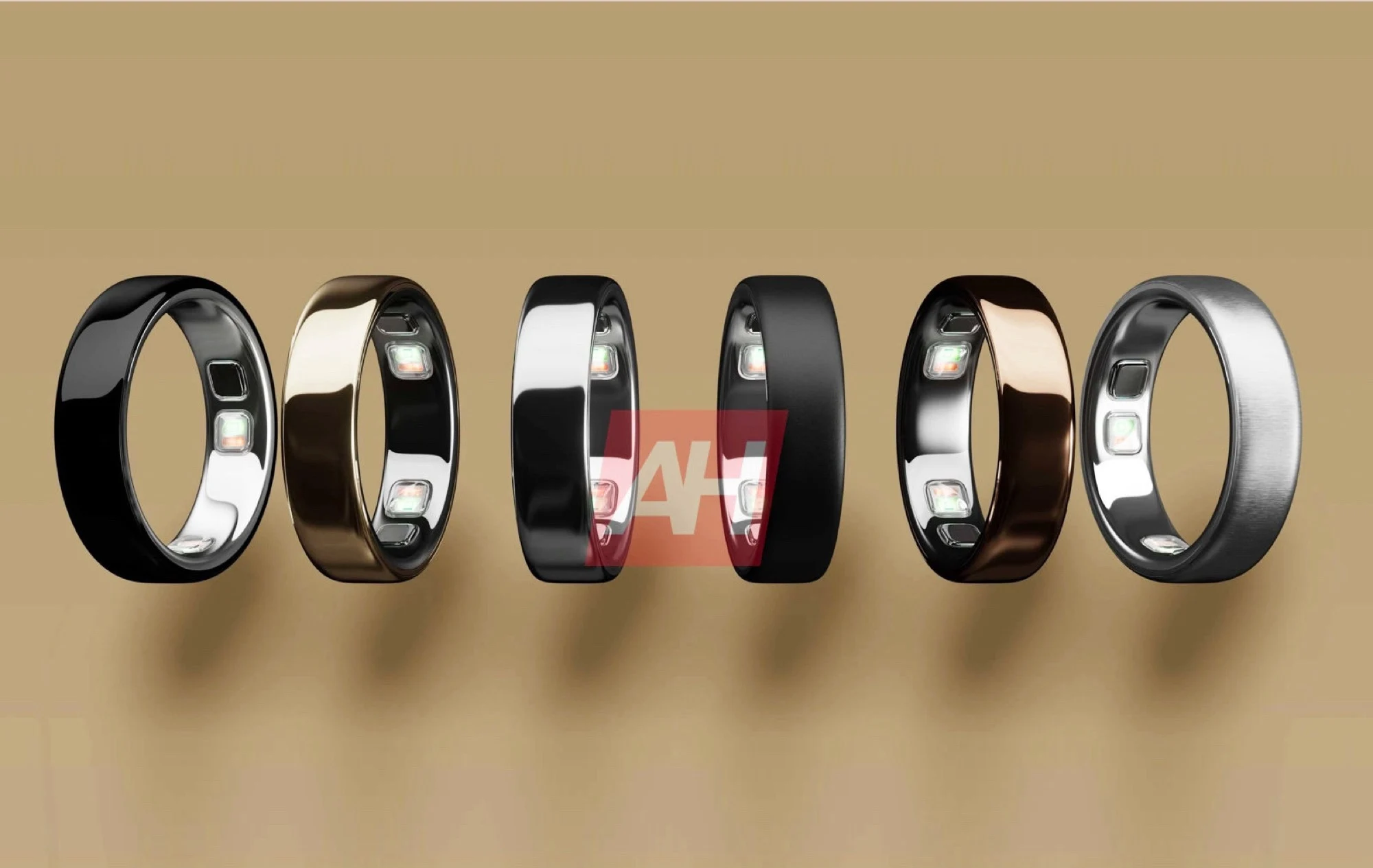
    – Oura Ring 5 officially unveiled May 28 with deliveries starting June 4; price options: $399/€429 (silver/black) and $499/€529 (brushed silver, matte black, gold, rose gold).
    – Thinner body for improved comfort, but with larger sensors for more precise HR, SpO2, and skin temperature measurements.
    – Tracks over 50 health metrics with 40+ third-party app integrations (e.g., Strava) and improved Oura Advisor for personalized recommendations. Battery life 5–7 days.


    According to the latest information from Dealabs the Oura Ring 5 will be officially unveiled on Thursday, May 28, with deliveries scheduled to begin on June 4. The version in silver or black will be available for $399 or €429, a price increase of $50 or €30 compared to the Oura Ring 4 ($349 on Amazon).

    Pricing and early details

    The Oura Ring 5 in brushed silver, matte black, gold or rose gold is said to cost $499 or €529. Oura is said to justify the higher entry-level price with a series of upgrades, starting with a thinner body that is intended to improve wearing comfort. Despite its more compact dimensions, Oura is said to incorporate larger sensors, which should enable more precise measurement of heart rate, blood oxygen saturation and skin temperature.

    Specs and capabilities

    The Oura Ring 5 is said to track over 50 health metrics in total, including sleep, stress, activity and female cycle. Oura integrates over 40 third-party apps, allowing the collected data to be synchronized with Strava, for example. The battery life is said to increase from five to seven days. The most significant innovation, however, is the improved Oura Advisor, an artificial intelligence that evaluates the collected data to give users personalized recommendations to improve their sleep or fitness, for example.

    Sources
  • Garmin Cirqa: Is It Worth the Price and Value?

    Garmin Cirqa: Is It Worth the Price and Value?

    Key Takeaway

    – Wearables without screens but with optical sensors are emerging, including offerings from Zepp Health and Fitbit, with Garmin entering the space later.
    – The Garmin Cirqa is likely not a smartwatch replacement limited to workouts; it may resemble an advanced sleep tracker like an upgraded Index Sleep Monitor, focused on passive data collection.
    – Indications about Cirqa’s price and capabilities are uncertain or unreliable, with rumors suggesting a high cost and potential gray-market listings.

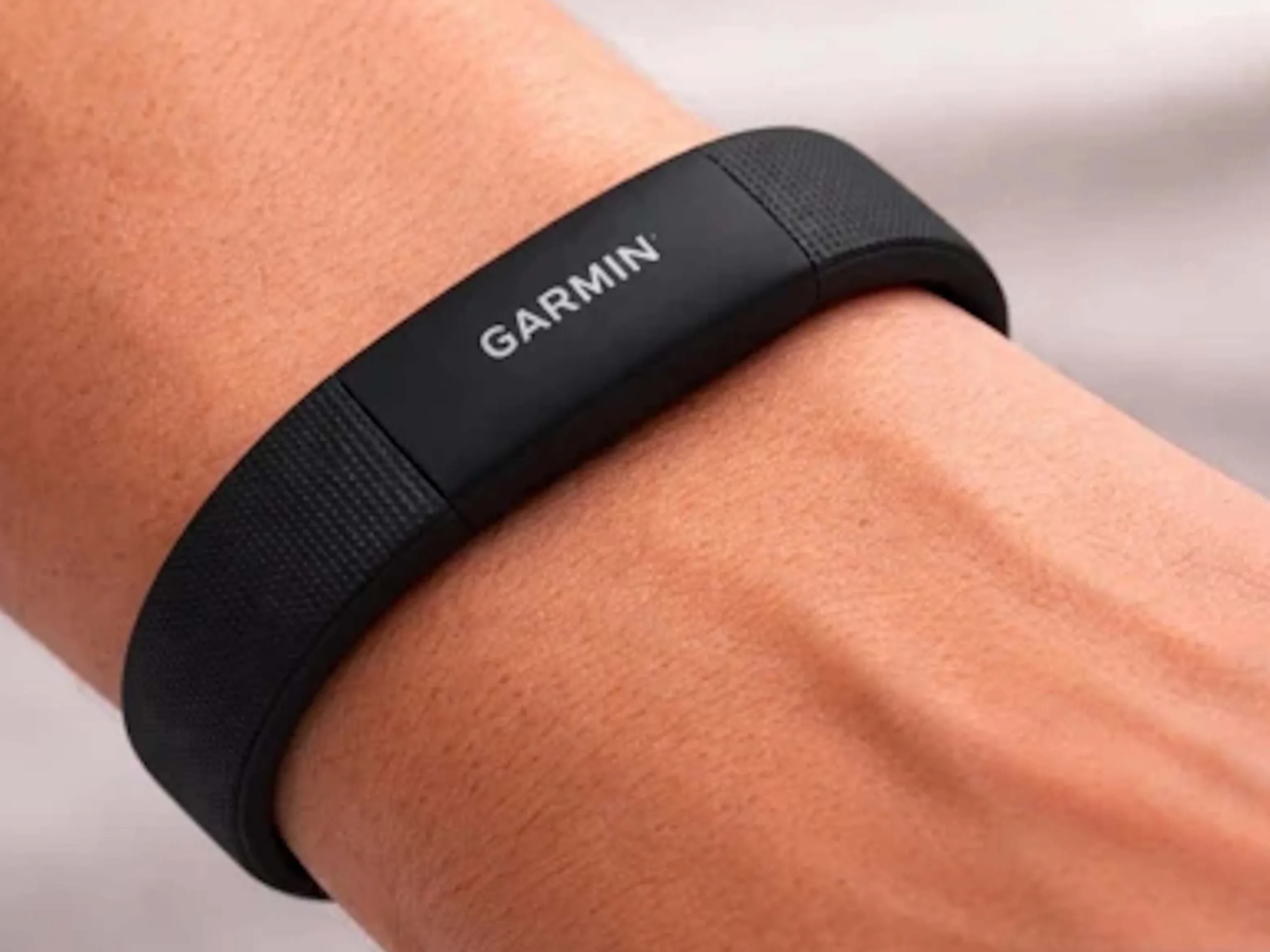
    Wearables without a screen but with optical sensors are now available from various manufacturers, including Zepp Health with the Helio Strap and, more recently, Fitbit with the Fitbit Air. That means Garmin is entering the market for this type of wearable relatively late, at least at first glance or under a narrow definition of the device category. In reality, Garmin already offers a smart wristband without a display in the form of the Index Sleep Monitor, though that device is specifically intended for advanced sleep tracking rather than tracking workouts.

    Pricing and speculation

    The features the Garmin Cirqa could or could not offer cannot necessarily be inferred from the leaked price. According to consistent but, of course, not necessarily verifiable statements from Ukrainian users, the leaked price of around $500 is not particularly reliable. The retailer apparently also sells gray-market goods, and products sold in Ukraine are more expensive. It is also unclear whether this is simply some kind of placeholder listing. In fact, even by Garmin standards, the tracker would be exorbitantly expensive.

    Assessment of use and design

    In our view, the Garmin Cirqa is unlikely to be an accessory for a smartwatch and is more likely to be a replacement for one. Since this screenless tracker is worn just like a smartwatch, its positioning does not offer any advantages when recording workout data. Such benefits would be more conceivable if the device were worn on the legs, for example to record running efficiency metrics at a higher quality. We strongly assume that it is essentially an everyday version of the Garmin Index Sleep Monitor, meaning a device with optical sensors as well as a motion sensor. This would allow workouts to be recorded without using a display. That could make sense if a smartwatch is banned in a particular sport or if a larger wearable gets in the way. This can be the case with kettlebell training, for example, since a display may not necessarily survive contact with a kettlebell without damage.


    Sources
  • Apple Watch Ultra 4: New Design and Sensor Upgrades

    Apple Watch Ultra 4: New Design and Sensor Upgrades

    Key Takeaway

    – Apple Watch Ultra 4 is expected to receive a complete redesign and major sensor upgrades.
    – Design changes are anticipated to be so drastic that Ultra sales could rise 20–30%.
    – Sensor count is expected to double with improved energy efficiency; possible longer battery life.


    Apple Watch Ultra 4 Rumors

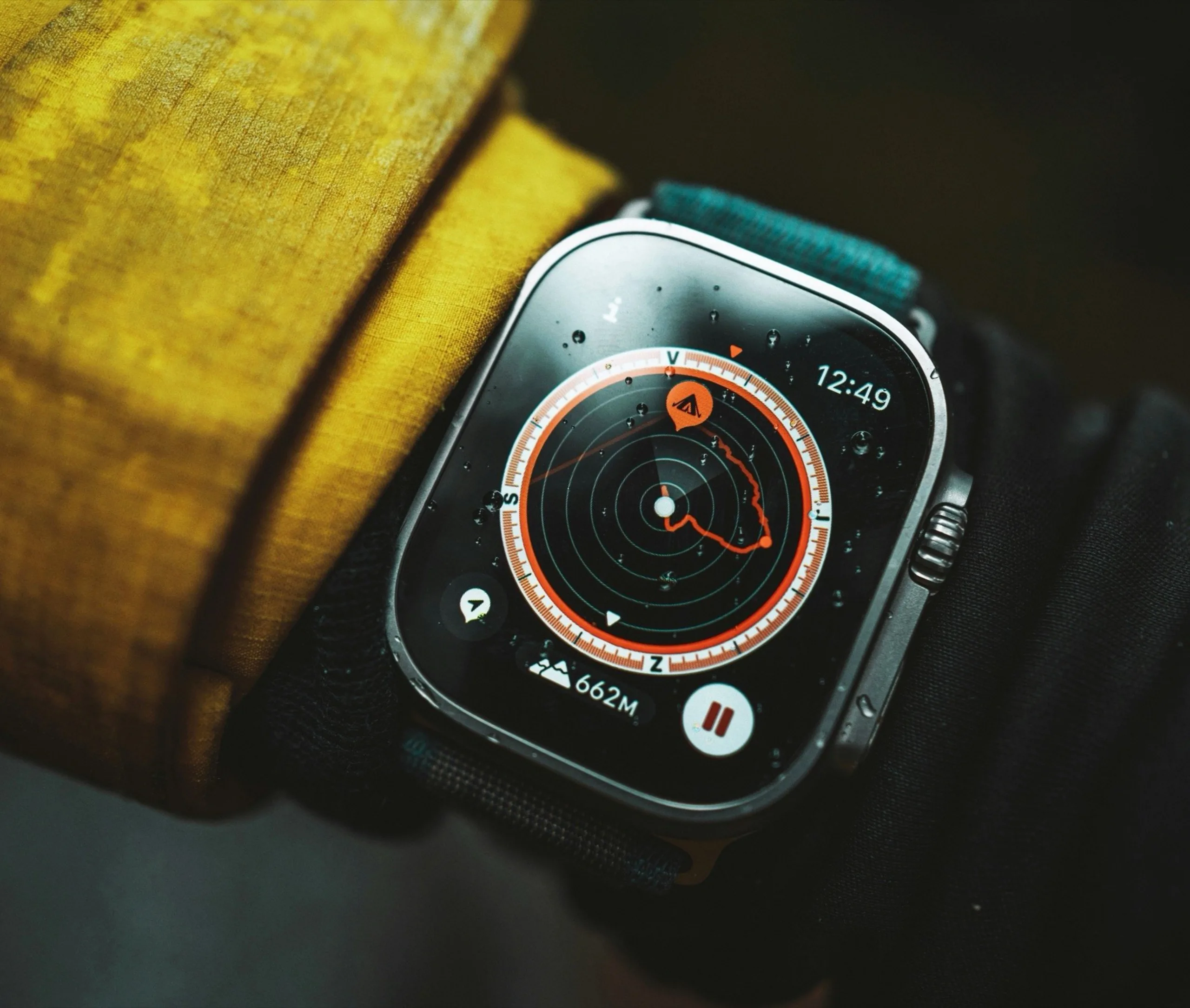
    Bloomberg reported in March that the Apple Watch Series 12 would receive hardly any new features, but a fresh DigiTimes tale suggests that Apple’s flagship smartwatch will indeed get two major upgrades. The report claims the successor to the Apple Watch Ultra 3 ($776 on Amazon) will sport a full redesign, which would mark a notable shift for the high-end line. The source adds nothing concrete about the Ultra 4’s appearance, yet says the drastic changes could spark a 20 to 30 percent bump in sales.

    Design overhaul and sensor ambitions

    For the first time since the original Apple Watch Ultra landed in September 2022, Apple might overhaul the top model’s physique. DigiTimes stays mum on precise visuals for the Ultra 4, but insists the changes are so substantial that demand could surge. On top of the new look, Apple is rumored to push big sensor upgrades, with a plan to double the sensor count and push energy efficiency higher, potentially extending battery life. It remains unclear if Apple will simply add more photodiodes to sharpen data like heart rate and blood oxygen monitoring while burning less power, or if entirely new features are in the cards.

    Health data, efficiency, and expectations

    The chatter hints that higher accuracy for high blood pressure alerts—an improvement tied to watchOS 26 on Series 9 and newer—could arrive, yet a real blood pressure measurement feature similar to Huawei’s Watch D2 seems unlikely this year. Likewise, blood glucose monitoring is not clearly planned, even as Apple is said to be exploring both capabilities. In short, the Ultra 4 could blend improved health sensing with better efficiency, without guaranteeing a full suite of new medical readings in 2024.


  • Samsung Galaxy Z Fold 7 Specs and Marketing Images Leaked

    Samsung Galaxy Z Fold 7 Specs and Marketing Images Leaked

    Key Takeaways

    1. Samsung is set to unveil new wearables and foldables, including the Galaxy Z Flip 7, Galaxy Z Flip 7 FE, and Galaxy Z Fold 7.
    2. Key features of the Galaxy Z Fold 7 include a slim design, larger displays, a 200MP camera, and a Snapdragon 8 Elite chip.
    3. The battery capacity for the Galaxy Z Fold 7 remains at 4,400mAh despite other improvements.
    4. Software enhancements for Galaxy AI and Google Gemini features are expected with the new devices.
    5. Leaked specifications and marketing materials suggest reliable information about the Galaxy Z Fold 7’s features and design.


    Only a few hours are left before Samsung officially unveils its new wearables and foldables. This definitely indicates that a large number of promotional images are flooding the internet, showcasing not only the Galaxy Z Flip 7 and Galaxy Z Flip 7 FE but also the elegant, lightweight Galaxy Z Fold 7. Thanks to the insights from Roland Quandt, we can already get a glimpse of how Samsung intends to market the successor to the Galaxy Z Fold 6 tomorrow. Given the many improvements this time around, this task shouldn’t be too hard.

    Exciting New Features

    One of the standout features is the slim and lightweight design combined with larger displays, making it extremely competitive against devices from Honor, Vivo, Oppo, and Google. Regardless of whether the device is 0.35 or 0.36 inches thick, it holds its own in the market. Additionally, the anticipated 200MP camera and the quicker Snapdragon 8 Elite chip are expected to be included, although the battery capacity remains unchanged at 4,400mAh. Software enhancements are also on the horizon, particularly for Galaxy AI and Google Gemini functionalities such as Now Brief or the Photo Assistant.

    Technical Insights

    As mentioned earlier today, anyone interested in the more technical aspects of the Galaxy Z Fold 7 should check out the leaked specification sheet below. Although it comes from a retailer rather than Samsung directly, it seems to be largely reliable. The marketing text was also leaked yesterday alongside several other specifications and images.

    Source:
    Link


  • Garmin Patent: New Method to Measure Hematocrit and Dehydration

    Garmin Patent: New Method to Measure Hematocrit and Dehydration

    Key Takeaways

    1. Garmin is developing a method to measure long-term blood glucose levels and other health parameters through new patent applications.
    2. The new technique, called pulse spectroscopy, evaluates blood flow non-invasively using electromagnetic radiation.
    3. The patent highlights the use of specific wavelengths (850 nm and 1,000 nm) to assess hematocrit levels in the blood.
    4. Monitoring hematocrit levels is crucial, especially for athletes, as it can indicate hydration status and overall blood composition.
    5. Real-time alerts for fluid intake based on hematocrit measurements could enhance performance monitoring for endurance athletes.


    Garmin’s wearables already track various health metrics, and the company is continually improving its sensor technology. Recently, a patent was published that shows Garmin is exploring a way to measure long-term blood glucose levels. Now, another patent (US-12343124-B2, which might only be found by a manual search here) has come to light, detailing the measurement of even more health parameters. It’s important to note that this is merely a patent application, meaning that the described measurement methods don’t necessarily have to comply with medical device standards, and not every innovation detailed in a patent ends up being sold commercially.

    Exploring Pulse Spectroscopy

    The patent focuses on a technique called pulse spectroscopy, which involves the non-invasive evaluation of blood flow using electromagnetic radiation. As expected, the patent includes a lot of technical drawings, diagrams, and absorption spectra. It also elaborates on how various wavelengths can be utilized to assess different health parameters. A notable innovation here is the application of electromagnetic radiation at wavelengths of 850 nm and 1,000 nm, which can reportedly assess hematocrit levels. This specific measure indicates the ratio of cellular components in the blood, particularly the amount of red blood cells in the total blood volume.

    Importance of Hematocrit Measurements

    This value is important in medical terms and can significantly increase in cases of dehydration caused by insufficient fluid intake. For a company like Garmin, which targets athletes, being able to monitor hematocrit levels could be quite advantageous. It would allow users to receive real-time alerts to boost their fluid intake based on solid data rather than just relying on heart rate or external conditions like temperature. Moreover, it’s common for endurance athletes to show lower hematocrit levels, so tracking this parameter could also give insights into long-term performance improvements.

    Source:
    Link

  • Samsung Advances Non-Invasive Blood Glucose Monitoring for Wearables

    Samsung Advances Non-Invasive Blood Glucose Monitoring for Wearables

    Wearables today, especially those made by Samsung, come with a wide range of sensors. These sensors do more than just track where you are or which way you’re facing; they also monitor health-related data, like heart rates and oxygen levels. Some advanced models even have the ability to record an electrocardiogram. That said, current smartwatches are still not able to accurately measure blood glucose levels. Previously, we looked into the difficulties of monitoring glucose without invasive methods.

    Samsung’s Efforts in Glucose Monitoring

    Samsung is reportedly making strides in this area, putting in significant effort to develop this technology. Dr. Hon Pak, who is the Senior Vice President and leads the Digital Health Team at Samsung Electronics, shared at the Samsung Health Forum in San Jose that the company is working on a non-invasive way to monitor blood glucose. He seemed quite optimistic about the advancements and mentioned that this technique could really change the game if executed properly. Unfortunately, he was unable to disclose further details about how the method works or when it might be available. In a press release, Samsung also explored the role of AI and its potential applications in glucose monitoring.

    Future Applications Beyond Wearables

    While some news sources, like Android Authority, quickly connected this technology to Galaxy wearables, it doesn’t mean it will be a part of those devices right away. Given that Samsung manufactures medical equipment, such as ultrasound machines and CT scanners, there’s a chance this innovation could be applied in larger medical devices and professional environments. Reports suggest that Apple is struggling to make non-invasive glucose monitoring smaller and more practical. Samsung could encounter similar challenges in their development process.

    Source:
    Link

  • Samsung Confirms Premium Galaxy Watch Models

    Samsung Confirms Premium Galaxy Watch Models

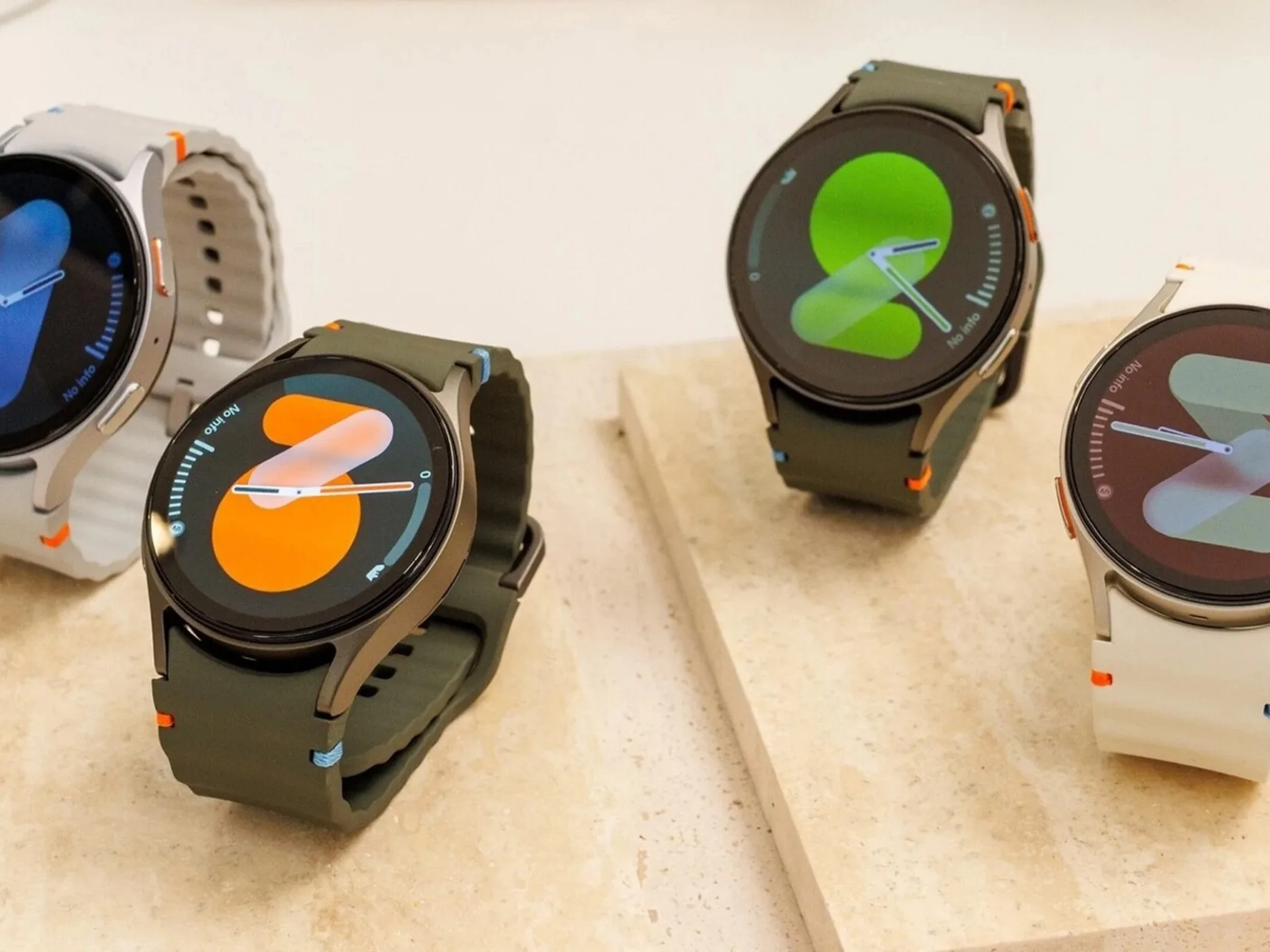
    As per speculations, Samsung is rumored to be expanding its Galaxy Watch lineup by introducing three models instead of the usual two, signaling a strategic shift for the company. This shift is supported by insights from Samsung’s Q1 earnings call announcement. The South Korean tech giant recently disclosed key details regarding its future wearable devices strategy.

    Samsung’s Enhanced Wearables Strategy

    In its press release, Samsung highlighted its intention to enhance the overall Galaxy ecosystem experience by introducing new models and different form factors such as the Galaxy Ring. This emphasis suggests that Samsung may soon unveil additional models within the Galaxy Watch series, although the specific naming conventions are yet to be revealed. Reports suggest that Samsung is developing a more budget-friendly Galaxy Watch tentatively named the Galaxy Watch 4 (2024). Furthermore, there are hints that Samsung might return to a rectangular design for one of the forthcoming models in the Watch 7 series.

    Evolving Towards Premium Galaxy Watch Models

    Samsung’s official statement also hints at the launch of more wearable devices resembling the Galaxy Ring in terms of form factor. The press release mentions that "the company will strive to meet demand for upgrades through the launch of new premium models." This implies that user-requested enhancements are likely to be incorporated into the upcoming premium Galaxy Watch models. While the Galaxy Watch 6 Classic currently serves as Samsung’s premium offering, consumers can anticipate a higher-tier model, possibly named Pro or Ultra, within the upcoming Galaxy Watch 7 series.

    Anticipated Unveiling at Galaxy Unpacked Event

    The Galaxy Watch 7 series, along with the speculated Galaxy Ring, is highly anticipated to make their debut at the upcoming Galaxy Unpacked event scheduled for July 10th.

  • Honor to Launch Band 9 and New Watch with Smartphones on March 18

    Honor to Launch Band 9 and New Watch with Smartphones on March 18

    Earlier this week, Honor made an announcement regarding a forthcoming launch event set for March 18. While the main focus is anticipated to be on the introduction of new smartphones, the company has also confirmed the unveiling of the Honor Band 9 and a fresh Honor Watch during this event.

    The company teased the upcoming wearable debut through the Honor Mall app. The teaser hints that the design of the Honor Band 9 will bear a resemblance to its predecessor, featuring a rectangular dial that seamlessly integrates with the strap. However, details shared by the company regarding the device are limited.

    Honor Band 9 Details

    The fitness tracker has recently obtained certification from the Bluetooth SIG (Special Interest Group), where it is cataloged under model numbers RHE-B39 and RHE-B19. The certification listing also confirms the presence of Bluetooth 5.3 connectivity support for the Band 9.

    Honor Band 9 Features

    Moreover, the Honor Band 9 has been spotted on the device pairing section of the Honor Sports and Health App, described as a "fashionable health bracelet." This suggests that the Honor Band 9 may prioritize design aesthetics and advanced health monitoring features.

    In addition to the Honor Band 9, Honor has hinted at the launch of a new Honor Watch at the upcoming event on March 18. However, specific details about both wearables remain somewhat elusive.

    The lineup of anticipated product launches for March 18 includes:

    • Honor Magic6 RSR|Porsche Design
    • Honor Magic6 Ultimate Edition
    • Honor MagicBook Pro 16
    • Honor Band 9
    • New Honor Watch

    Further insights into the design, functionalities, and pricing of the Honor Band 9 and the new Honor Watch are expected to be disclosed during the official launch event.