Category: EV vehicles

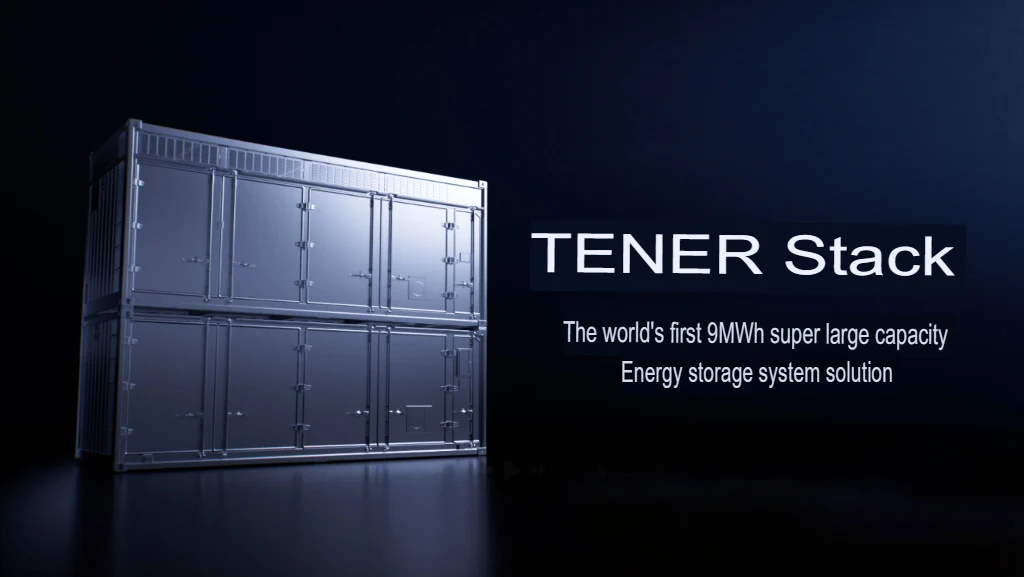
  • CATL Launches World’s First 9 MWh Battery: 5 Years Power, No Degradation

    CATL Launches World’s First 9 MWh Battery: 5 Years Power, No Degradation

    Key Takeaways

    1. CATL has launched the Tener Stack, a 9 MWh energy storage system, enhancing energy density and capacity for large-scale storage solutions.
    2. The Tener Stack maintains a zero capacity degradation warranty for the first five years, similar to its predecessor, the 6.25 MWh Tener system.
    3. The new system allows for significant space savings, utilizing 45% less space and enabling the creation of a standard grid-level 800 MWh energy storage park with fewer containers.
    4. CATL has improved shipping efficiency by reducing costs by 35% through a streamlined loading process and a 2-in-1 design that addresses transportation challenges.
    5. Enhanced safety features include advanced thermal management, gas sensors for rapid response to runaway events, and compliance with the IEEE693 standard for earthquake and storm resilience.


    Contemporary Amperex Technology Limited (CATL), recognized as the top EV battery producer globally with a 38% market share, continues to enhance and innovate its offerings.

    New Innovations in Battery Technology

    Following its introduction of the first commercial sodium-ion battery pack for electric vehicles, which boasts a range of over 300 miles per single charge, CATL has now rolled out a pioneering 9 MWh energy storage system (ESS).

    The latest Tener Stack solution utilizes CATL’s recent advancements in battery chemistry and packaging, which significantly boosts energy density and capacity, fitting into a standard 20-foot energy storage container.

    Previous Milestones

    Approximately one year ago, CATL introduced the world’s first mass-produced energy storage solution with a capacity of 6.25 MWh, named Tener. At that time, it featured a 20% reduction in size and a 30% increase in energy density compared to earlier 20-foot energy storage solutions.

    With the help of CATL’s solid electrolyte interphase and other cutting-edge technologies, the highly reactive lithium in the LFP batteries is safeguarded against oxidation, which prevents thermal runaway and slows down capacity loss. As a result, CATL was able to offer a 5-year zero degradation and a 20-year overall warranty with the Tener system, a first of its kind.

    Introducing Tener Stack

    The new energy storage solution, known as Tener Stack, retains the same zero capacity degradation warranty as its 6.25 MWh predecessor.

    CATL proudly declares, “This is the world’s first mass-produced 9 MWh ultra-large capacity energy storage system solution,” asserting that the company has made significant advancements in system capacity, safety, deployment flexibility, and transportation efficiency, heralding a new era for large-scale storage technology with the Tener Stack.

    With a 9 MWh energy storage capacity, the 20-foot container can supply power to an average single-family home for up to six years, with CATL guaranteeing the cells will not experience capacity degradation for the first five years. Additionally, it has the potential to charge up to 150 electric vehicles, based on the current average battery size. CATL highlighted this capability while showcasing the solution at the Electrical Energy Storage (EES) 2025 expo in Munich, particularly for the typical German household.

    Enhanced Design and Efficiency

    The Tener Stack system employs LFP battery cells, similar to those found in well-known mobile power stations like Anker’s Solix C1000, which is currently on sale for 50% off at Amazon. In this case, CATL has improved space utilization by 45%, resulting in a 50% increase in energy density compared to traditional 6 MWh energy storage solutions.

    This enhancement allows utilities to develop a standard grid-level 800 MWh energy storage park using fewer containers, thus requiring 40% less land for deployment. Moreover, CATL has tackled the logistical difficulties of transporting these heavy LFP battery cells.

    The new Tener system has been designed as two identical half-height units, each weighing just under 36 tons, which is the typical legal limit for heavy shipment ground transport. When they arrive, the units can be combined into a 20-foot container, which is reflected in the “2-in-1” design and the name Tener Stack.

    Cost-Effective Shipping and Safety Features

    CATL has streamlined the loading process by utilizing standard container spreaders and liners, which has reduced shipping costs by 35%. The structural 2-in-1 design also permits the Tener Stack system to be sent to hard-to-reach areas where weight limits for bridges and tunnel heights might be problematic.

    As for safety, CATL highlights the leading thermal management of its LFP batteries, alongside new gas sensors that allow for rapid response to runaway events. The upgraded insulation further enhances fire resistance. The system meets the IEEE693 standard, capable of withstanding a magnitude 9 earthquake or a Category 5 storm.

    To save space and minimize thermal radiation, the thermal management system is positioned at the top of the container. The resultant noise level is maintained at 65 dB from three feet away, making CATL’s Tener Stack ESS suitable for urban environments as well.

    Source:
    Link
  • British Drivers Shift to EVs as Petrol and Diesel Sales Decline

    British Drivers Shift to EVs as Petrol and Diesel Sales Decline

    Key Takeaways

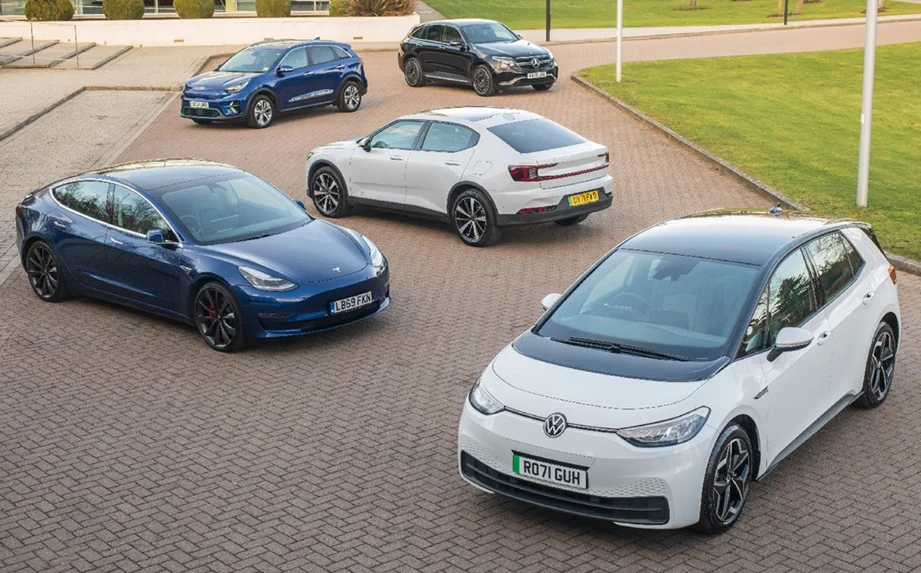
    1. Market share for Battery Electric Vehicles (BEVs) in the UK rose by 7% in April 2025, reaching 20.4% of total vehicle sales.
    2. Electric vehicle registrations surged by 31%, while demand for fossil fuel-powered vehicles decreased by nearly 25%.
    3. Hybrid vehicles now account for one-third of all new car registrations due to the decline in petrol and diesel cars.
    4. The electric van sector grew by over 100% year-on-year, capturing a 7.7% market share amid a contracting total van market.
    5. British motorists are increasingly aware of improved EV charging infrastructure and a wider selection of electric models available.


    Recent data indicate that drivers in the UK are making a significant shift away from petrol and diesel cars. According to the Electric Car Count by New AutoMotive, the market share for Battery Electric Vehicles (BEVs) rose by 7 percent compared to the previous year in April 2025. In that month alone, over 26,500 electric vehicles (EVs) were sold, capturing a 20.4 percent share of the market. Additionally, new registrations for EVs surged by 31 percent during this timeframe.

    Shifting Trends in Vehicle Preferences

    When placed against the current political challenges surrounding sustainability and the ongoing global trade conflicts, these results highlight the growing trust that British drivers have in electric vehicles.

    In contrast, the demand for fossil fuel-powered vehicles has decreased by nearly 25 percent. This decline has benefitted hybrid vehicles, which now represent a third of all new car registrations.

    Electric Vans on the Rise

    The report also emphasized a remarkable growth in the electric van sector, which experienced over 100 percent growth year-on-year, leading to a 7.7 percent market share. This comes at a time when the total van market has contracted by 15 percent, with diesel van sales dropping by 24.5 percent. New AutoMotive attributes the rapid rise in electric vans to business fleet operators recognizing the benefits of reduced operating costs, tax breaks, and the government’s continuation of the plug-in van grant.

    New AutoMotive notes that British motorists are increasingly aware of the advancements in EV charging infrastructure and are drawn to the expanding selection of electric models available when looking for their next vehicle.

    Source:
    Link

  • BYD Tops Tesla Sales in Europe as Vet Crushes Model 3 with Tank

    BYD Tops Tesla Sales in Europe as Vet Crushes Model 3 with Tank

    Key Takeaways

    1. Tesla’s deliveries in Europe have significantly declined, with a 46% drop in Germany and 62% in the UK compared to last year.
    2. Despite overall electric vehicle sales rising by 28% in Europe, Tesla’s market share has fallen, even in strong markets like Norway.
    3. BYD has experienced remarkable growth, with a 750% increase in sales in Germany and over 300% in the UK, surpassing Tesla for two consecutive quarters.
    4. Consumer perception of Tesla is changing, as BYD’s sales figures nearly match Tesla’s in the UK, signaling a shift in preference.
    5. A unique stunt involving a WWII veteran driving a tank over a Tesla Model 3 highlights the declining brand image and market position of Tesla.


    The forecast that BYD will outsell Tesla in electric cars this year appears to be becoming a reality.

    Declining Tesla Shipments

    In Europe, Tesla’s deliveries have hit a several-year low, particularly in key markets like Germany and the UK, even as overall electric vehicle sales are booming. In the first quarter, Tesla attributed this trend to seasonal factors and suggested that demand might be delayed due to the staggered release of their new Model Y and necessary factory shutdowns for updates.

    Now, with Tesla’s sales dropping by 46% in Germany compared to last April and a staggering 62% decline in the UK, that reasoning seems to be losing credibility. Sweden experienced an 80% fall in Tesla sales, France saw a 59% drop, and Spain faced a 36% decrease. Even in Norway, a stronghold for electric vehicles in Europe, Tesla’s share has fallen from 18% to 11%.

    BYD’s Remarkable Growth

    This decline occurs alongside a 28% rise in EV sales across Europe, with VW and BYD making notable gains. BYD’s sales in Germany skyrocketed by 750% compared to last April, despite facing a 10% general import tariff and a 17% specific tariff imposed by the EU. BYD has now surpassed Tesla in electric car sales for two consecutive quarters and is on track to potentially achieve its first full year as the leading electric car manufacturer globally by 2025.

    In the UK, BYD achieved an impressive over 300% increase in sales year-on-year last month, nearly matching Tesla’s sales figures, indicating a significant change in consumer perception of the Tesla brand.

    A Unique Stunt

    To emphasize this shift, a 98-year-old WWII veteran drove a Sherman tank over a Tesla Model 3. The spectacle involved the tank crushing the Tesla’s windshield, flattening its roof and pillars while climbing over the vehicle.

    Interestingly, the Model 3 didn’t end up entirely destroyed by the 30-ton war machine, but it was amusingly converted into a convertible, if only for a brief moment during the tank’s passage.

    Source:
    Link

  • Ford Mustang Mach-E SUV Price Increase Due to Tariff Hikes

    Ford Mustang Mach-E SUV Price Increase Due to Tariff Hikes

    Key Takeaways

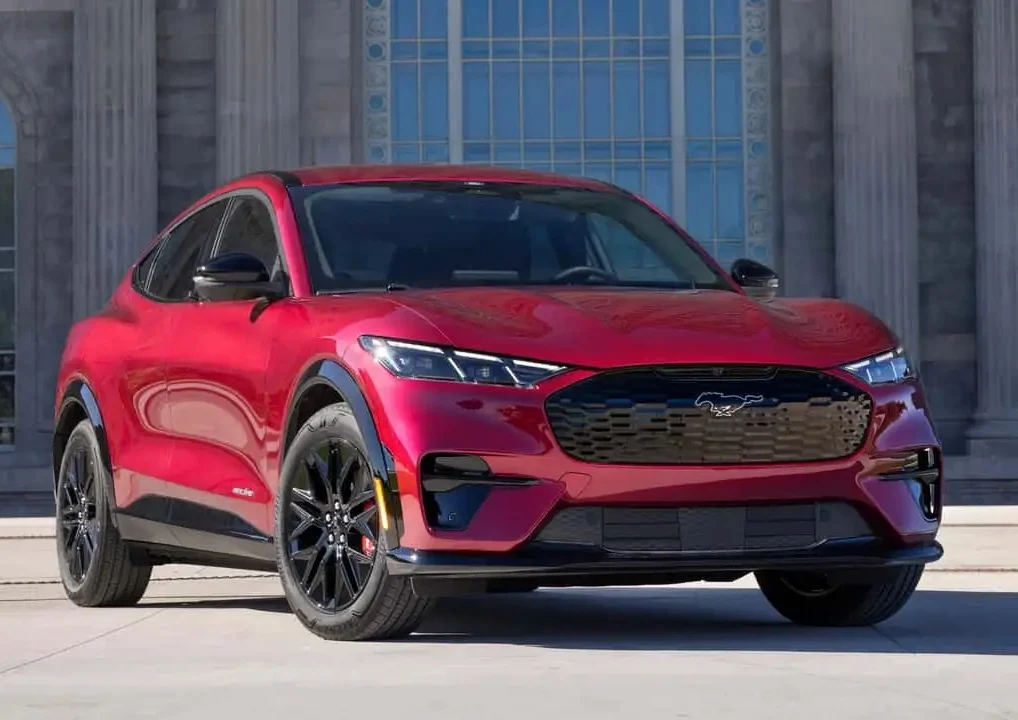
    1. Ford is raising prices on the Mustang Mach-e SUV by $2,000 due to increased tariffs on models made in Mexico.
    2. The price increases will also affect the hybrid Maverick pickup truck and the Bronco Sport SUV, which are also manufactured in Mexico.
    3. Ford plans to absorb some tariff costs instead of passing all of them onto customers, with new prices applying to vehicles assembled after May 2.
    4. Ford is the first major automaker to raise prices in response to import tariffs, which could cost the company $2.5 billion by 2025.
    5. Ford has a lower exposure to import tariffs compared to competitors, with nearly 80% of its U.S. sales produced domestically.


    American drivers who have delayed purchasing the Ford Mustang Mach-e SUV may find themselves facing higher prices. The automaker is applying additional fees to the models it brings in from Mexico to adjust for the tariff increases that President Donald Trump has put into place.

    Price Increases Announced

    Ford has already informed its dealers about the price increases. According to Reuters, the Mustang Mach-e will see an increase of $2,000. Other models impacted include the hybrid Maverick pickup truck and the Bronco Sport SUV, both of which are manufactured in Mexico as well.

    Company’s Response to Tariffs

    Despite the price hikes, a Ford representative stated that the company would cover some of the tariff costs rather than shifting the entire burden onto customers. The revised prices will apply to vehicles assembled after May 2.

    Industry Context

    Ford is the first established carmaker to implement price increases due to the elevated import tariffs. Recently, they disclosed that the ongoing trade conflict could cost the company around $2.5 billion by 2025. However, Ford aims to reduce that impact by up to $1 billion. Meanwhile, local competitor General Motors might face losses ranging from $4 billion to $5 billion.

    Ford has one of the lowest exposures to import tariffs in the American auto industry. It has a significant local production capacity, with nearly 80% of its U.S. sales being manufactured domestically. In contrast, companies like Volkswagen and Hyundai, which import over 60% of their sales, are more vulnerable in the second-largest auto market.

    Source:
    Link

  • Tesla Cancels Cybertruck Range Extender and Issues Full Refund

    Tesla Cancels Cybertruck Range Extender and Issues Full Refund

    Key Takeaways

    1. Tesla has officially discontinued the Cybertruck range extender, previously priced at $16,000.
    2. The Cybertruck’s real-world driving range has faced criticism, with some tests showing less than 100 miles under extreme conditions.
    3. Initial range estimates were adjusted downward, with the maximum range now at 445 miles for the standard model.
    4. Tesla recalled all Cybertrucks made between November 2023 and February 2025 due to rim detachment issues.
    5. Customers who paid a deposit for the range extender are being offered full refunds as Tesla no longer plans to sell the accessory.


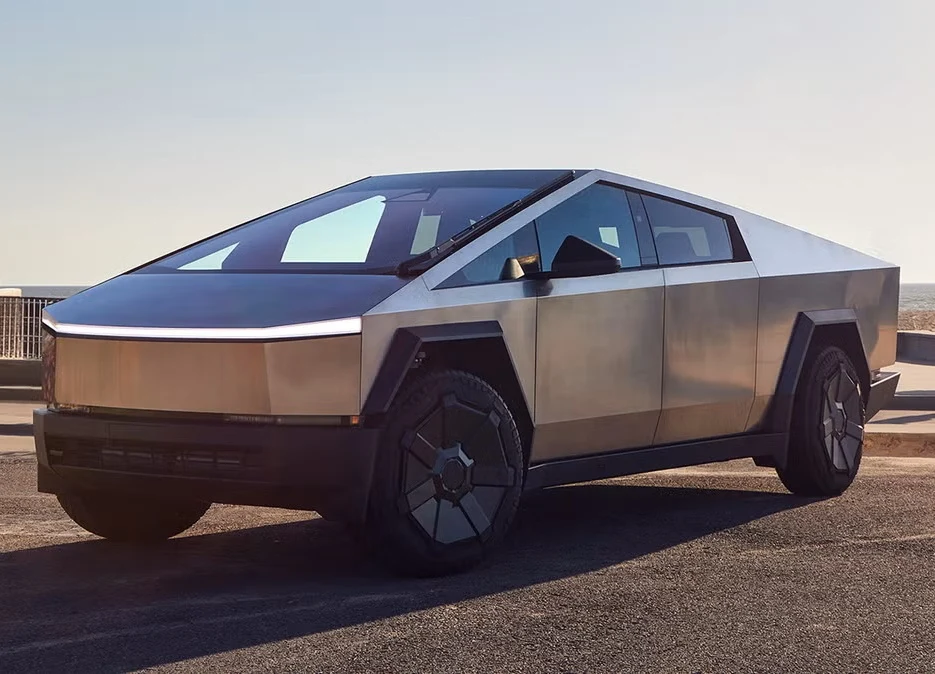
    Tesla has officially stopped providing the Cybertruck range extender, just weeks after it was removed from their website. This expensive add-on, priced at $16,000, was intended to improve the vehicle’s range performance, which has faced criticism.

    Range Performance Issues

    Reviewers have pointed out that the Cybertruck’s actual driving range can be as low as 240 miles under real-world conditions. The range becomes even less when transporting heavier loads or in cold weather. In some extreme tests, the vehicle reportedly managed less than 100 miles.

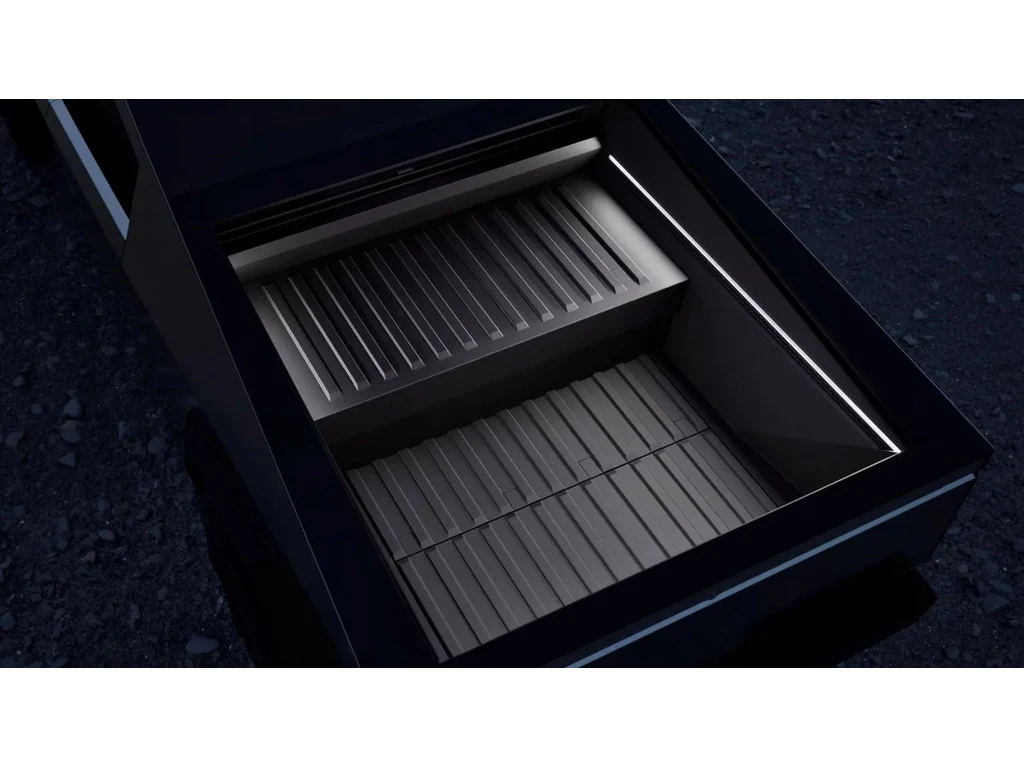
    To tackle these problems, Tesla introduced the modular Cybertruck range extender, which was an extra battery pack designed to fit in the truck’s bed. At first, it was expected to provide ranges of up to 470 miles for the dual-motor Cybertruck and 440 miles for the tri-motor Cyberbeast.

    Adjustments to Ranges

    However, those numbers were later adjusted down to 445 miles for the standard Cybertruck and 415 miles for the Cyberbeast equipped with all-terrain wheels. Compounding these issues, Tesla recalled all Cybertrucks manufactured between November 13, 2023, and February 27, 2025, because of problems with rim pieces detaching.

    Recently, Tesla quietly took the range extender off the online configuration options for the vehicle. It seems that the company has decided to abandon this accessory altogether.

    Customer Communication

    Tesla has begun reaching out to customers who put down a $2000 deposit for the add-on. They are offering full refunds, explaining that they are “no longer planning to sell the Range Extender for Cybertruck.”

    Despite its challenges, the Cybertruck has been recognized for its notable specifications and its off-road capabilities, even if it does not serve as a direct replacement for conventional pickups. The exact reasons behind the cancellation of the accessory remain unclear, and Tesla has yet to provide an official comment regarding this decision.

    Source:
    Link

  • Tesla Model Y: Special APR Financing Rates Available Now

    Tesla Model Y: Special APR Financing Rates Available Now

    Key Takeaways

    1. Tesla is offering a new 1.99% APR financing rate for the 2026 Model Y Long Range AWD, aimed at enhancing affordability.
    2. Monthly payments for the AWD Model Y can start at $603 with a federal tax credit factored into the down payment.
    3. The 1.99% APR financing is available for various loan terms but cannot be combined with Tesla’s $2,000 Loyalty Incentive.
    4. A new Model Y RWD trim is introduced at $4,000 less than the AWD version, but it has a higher standard financing rate of 5.49%.
    5. The RWD variant offers the longest range among Model Y options, and lower APR financing may be introduced for this model in the future.


    After rolling out a 0% APR financing option for the Model 3, Tesla is now enhancing the affordability of the Model Y with a new interest rate offer.

    Financing Details

    While this offer isn’t as enticing as the zero APR available for the Model 3, it’s still significantly lower than the rates applied to the Model S, Model X, or even the Model Y RWD. The new deal features a 1.99% APR financing rate specifically for the 2026 Model Y Long Range AWD. This is available to eligible buyers who have a strong credit rating and requires a minimum down payment, which can be partially covered by the federal tax credit.

    Payment Options

    For the AWD trim of the Model Y, which starts at a price of $50,990 before tax credits, monthly payments can begin at $603 when utilizing the federal subsidy as part of the down payment. This option is available for the longest term of 6 years, but the 1.99% APR promotional rate is also applicable for 36-, 48-, and 60-month terms.

    However, it’s worth noting that this financing offer cannot be combined with the $2,000 Loyalty Incentive that Tesla currently provides to existing Model Y owners. Other promotions or credits from Tesla’s Refer and Earn Program can still be used alongside this new interest rate offer.

    New Model Y RWD Trim

    Tesla has also launched a more affordable Model Y RWD trim, which is priced $4,000 less than the AWD version, but it does not qualify for the 1.99% APR financing rate. Instead, the RWD variant is financed at the standard 5.49% APR, which is why the monthly payment is nearly the same as that of the dual-motor Model Y.

    The RWD trim remains a new offering that delivers the longest range amongst the Model Y options. It’s likely just a matter of time before Tesla decides to introduce lower APR financing options for this more economical Model Y as well.

    Source:
    Link

  • SK On Advances Longevity of Solid-State Batteries for EVs

    SK On Advances Longevity of Solid-State Batteries for EVs

    Key Takeaways

    1. SK On is developing new solid-state battery prototypes aimed at improving resilience and lifespan compared to current electric vehicle batteries.
    2. The lifespan of electric vehicle batteries can now be extended to three times longer than the typical 100 charge cycles.
    3. A new protective layer for lithium-metal anodes was created by using a solution with lithium nitrate, enhancing battery longevity.
    4. Collaboration with Yonsei University revealed that longer curing times for protective layers can improve discharge capacity in polymer solid-state batteries.
    5. A factory for testing these innovative batteries is being built in partnership with Solid Power, expected to be completed by late 2025.


    SK On is a firm that focuses on the creation and production of electric vehicle batteries. They are currently working on two new solid-state battery prototypes that aim to be more resilient than the batteries we have today. A factory dedicated to testing these innovative batteries is under construction in partnership with Solid Power, with an anticipated completion date in the latter half of 2025.

    Improved Battery Lifespan

    Electric vehicles, like the latest Mercedes-Benz CLA, usually see their batteries lose efficiency after around 100 charge cycles. However, researchers at SK On have reportedly managed to extend that lifespan to three times longer.

    Innovative Methods

    To make this happen, the research team attempted to get rid of the protective layer on the lithium-metal anode by placing it in a solution containing lithium nitrate and other compounds. This approach inadvertently created a new, stronger protective layer.

    The development of this new layer, thanks to lithium oxide, enhances the longevity of lithium-metal batteries. SK On has shared these discoveries in the ACS Energy Letters journal (as noted by Chosun Biz).

    Collaboration with Academia

    In addition, SK On along with Yonsei University studied how the lifespan of gel polymer electrolytes correlates with their thermal stability in polymer solid-state batteries. The researchers found that a longer curing time for the cathode’s protective layer leads to a decreased discharge capacity.

    To investigate this further, they cured the protective layers of two batteries for varying lengths of time. The results showed that the battery cured for 20 minutes had a 34% drop in capacity, whereas the one cured for 60 minutes only experienced a loss of 9.1%.

    Source:
    Link

  • Tesla Cybertruck Owners Receive Free One-Year FSD, Autosteer Removed

    Tesla Cybertruck Owners Receive Free One-Year FSD, Autosteer Removed

    Key Takeaways

    1. Tesla is offering Cybertruck owners a complimentary one-year Full Self-Driving (FSD) package, expanding access beyond just the Foundation Series trim.
    2. Owners must sign up for the FSD offer before June 6, 2025, using a special link, and it’s crucial to cancel the subscription afterward to avoid a $99 monthly charge.
    3. Current FSD subscribers may have their expiration dates extended by an additional 12 months, hinting at exclusivity for early adopters.
    4. The Autosteer feature will only be available through the FSD package for Cybertruck owners, meaning non-subscribers will not have access to it.
    5. Autosteer helps keep the vehicle in its lane but requires drivers to remain alert and ready to take control if needed.


    Tesla has reached out to Cybertruck owners with news about its new promotion: a complimentary Full Self-Driving (FSD) for one year. Previously, the FSD was available only on the Foundation Series trim, but now it is being offered to more models.

    Details of the Offer

    This complimentary offer is not the same as the 30-day FSD trial that some Tesla vehicles come with. To take advantage of this one-year deal, Cybertruck owners need to sign up for FSD before June 6, 2025, using a special link provided for activation. It’s important for them to remember to cancel the subscription afterward to prevent an automatic charge of $99 per month once the trial period ends.

    Subscription Extensions

    Some Cybertruck owners who already have an FSD subscription have noted that their expiration dates have been pushed back by an additional 12 months. The way the email was written hints that this promotion may be exclusive to those who adopted early.

    Autosteer’s Future

    An intriguing detail in the communication is regarding the future of the Autosteer feature in Cybertrucks. While Tesla includes this feature in other models, it is not preloaded in Cybertrucks. Owners of the electric pickup may be disheartened to learn that Autosteer will only be available as part of the FSD package. This means that if they do not renew their FSD subscription, they may never get access to Autosteer.

    Autosteer is designed to help keep the car in its lane by recognizing lane markings, the edges of the road, and other vehicles, although drivers need to stay vigilant to regain control if necessary.

    Source:
    Link

  • Tesla Launches Affordable Model Y RWD with Longest Range

    Tesla Launches Affordable Model Y RWD with Longest Range

    Key Takeaways

    1. New Model Introduction: Tesla has launched the Model Y Long Range RWD trim, priced lower than the existing AWD version.

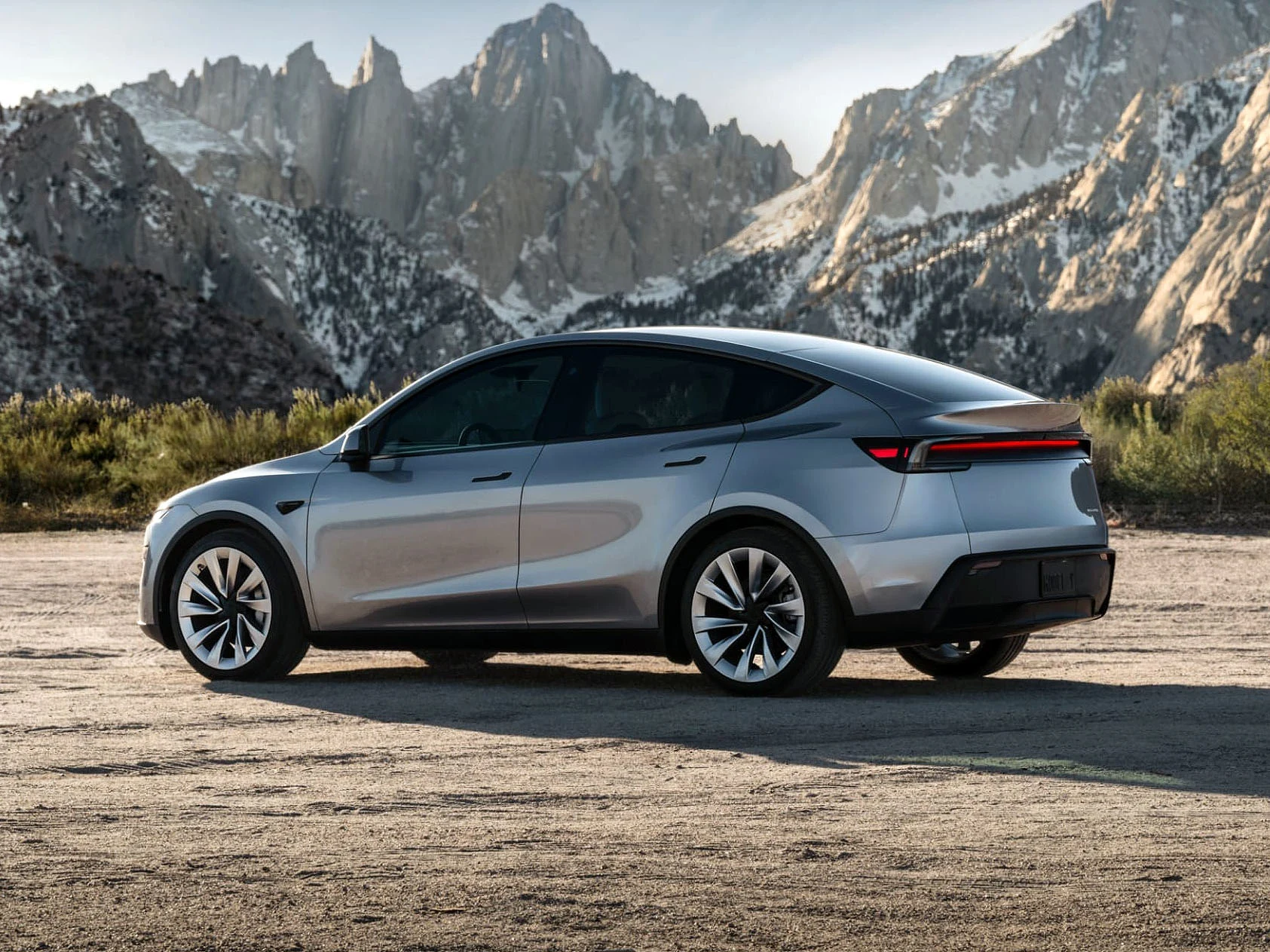
    2. Enhanced Range: The Long Range RWD offers a range of 357 miles per charge, 30 miles more than the AWD model, making it the longest range Model Y to date.

    3. Acceleration Performance: The RWD variant has slower acceleration (0-60 mph in 5.4 seconds) compared to the AWD (4.6 seconds), but the difference is minimal due to its lighter weight.

    4. Identical Features: The RWD model shares the same specifications as the AWD version, including heated seats and acoustic glass windows, but at a lower cost.

    5. Pricing: The starting price for the Model Y Long Range RWD is $44,990, which can be reduced to $37,490 with the federal tax credit.


    Tesla has unexpectedly introduced a new version of the Model Y in its order system, known as the Long Range RWD trim. This trim is priced lower than the only available AWD Model Y, which has been available since the original $60,000 Launch Series edition.

    Not the Smaller Version

    The Model Y Long Range RWD is not the more affordable, smaller version anticipated to arrive later this year, which will feature cloth seats and a smaller battery. Instead, it is simply a single-motor variant of the dual-motor AWD Model Y, lacking an electric drive unit at the front. While this reduces its off-road capabilities and acceleration performance, it lightens the vehicle, enabling it to travel further on a single charge.

    Impressive Range

    As noted, the new Model Y RWD trim boasts the longest range per charge of any Model Y to date. According to Tesla, EPA testing indicates a range of 357 miles, surpassing the existing Model Y AWD record by 30 miles. The earlier Model Y RWD had a smaller LFP battery and was only capable of 260 miles.

    The efficiency gains and aerodynamic improvements from the recent Juniper facelift have propelled the RWD trim to the forefront of the Model Y lineup. It shares the same battery size as its AWD counterpart but is lighter. This setup enables it to add 182 miles of range in just 15 minutes at a Tesla V3/V4 Supercharger, compared to 169 miles for the heavier AWD model.

    Slightly Slower Acceleration

    It goes without saying that the single-motor 2026 Model Y Long Range RWD is a bit slower in acceleration compared to the AWD version. It achieves 0-60 mph in 5.4 seconds as opposed to the 4.6 seconds of the AWD model, but this difference is hardly significant. The lighter weight of the RWD trim means the acceleration difference is under a second, even without the second electric motor.

    Tesla has set the price of this electric motor at exactly $4,000, which is how much less the 2026 Model Y Long Range RWD costs when compared to the AWD version. The starting price for the Model Y RWD is $44,990, which includes 19-inch Crossflow Wheels that contribute to its outstanding range.

    Specifications and Features

    The rest of the specifications for the Model Y RWD are identical to the AWD model. It features heated and ventilated front seats, a heated rear bench that folds automatically, and dual-layer acoustic glass windows that enhance the experience of the 15-speaker sound system, complete with one subwoofer.

    An automatic trunk door and a newly designed quieter suspension system are also included as standard features. This means that for those who do not require AWD, the lower price of the Model Y RWD starts at $37,490, especially if the federal tax credit is applied while it’s still available.

    Source:
    Link

  • Volvo XC70 Returns as Extended-Range Hybrid Electric Vehicle

    Volvo XC70 Returns as Extended-Range Hybrid Electric Vehicle

    Key Takeaways

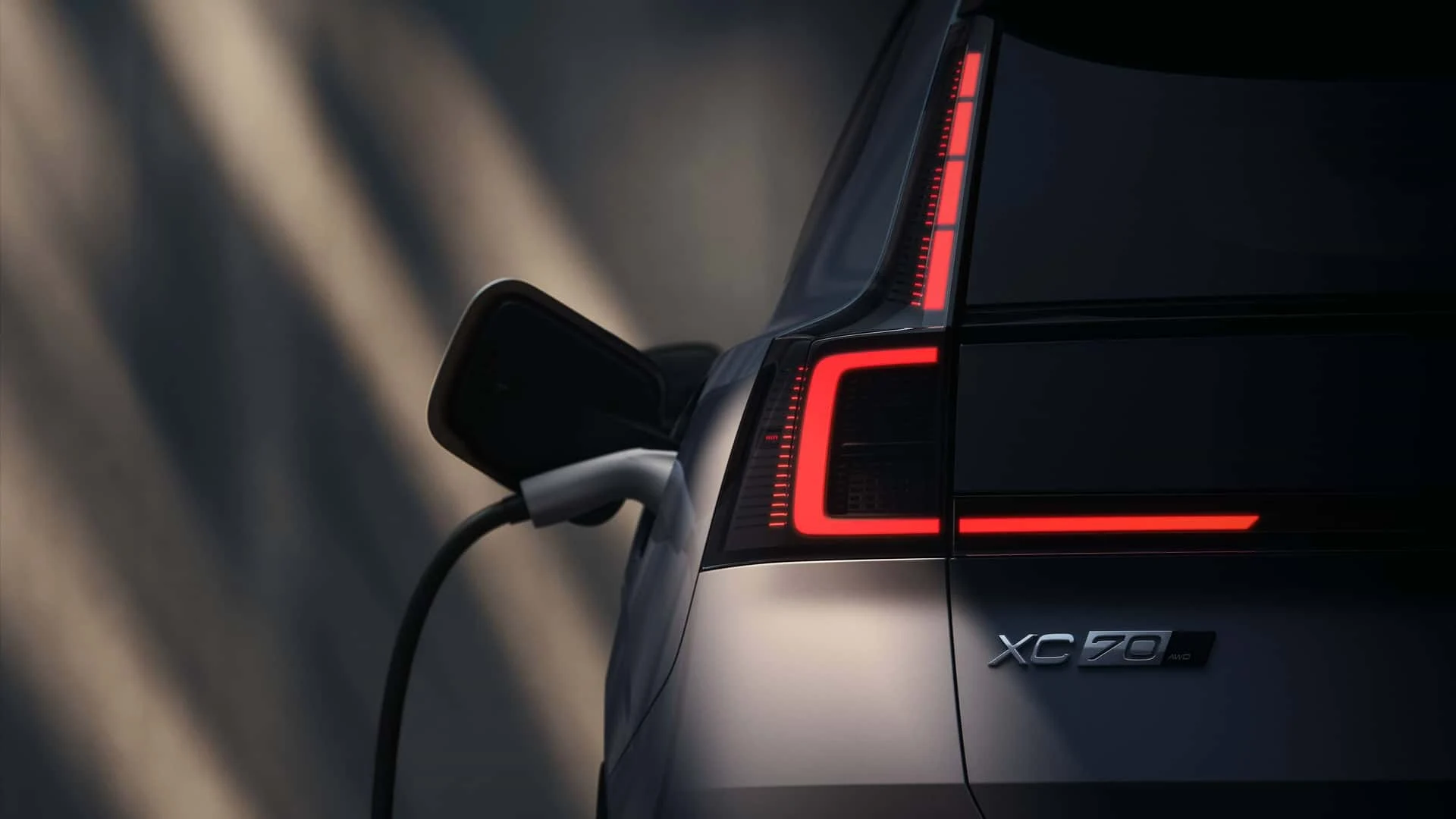
    1. The new Volvo XC70 resembles an SUV rather than a traditional station wagon.
    2. It features non-internal combustion engine (ICE) motors to improve driving range.
    3. The hybrid model can travel up to 200 kilometers (about 124 miles) on battery power alone.
    4. It utilizes Volvo’s latest Scalable Modular Architecture (SMA) for electric vehicles.
    5. The XC70 is set to debut in 2026, potentially starting only in the Chinese market.


    Volvo has launched something that might seem like a throwback with the XC70. However, this latest model doesn’t really resemble the classic station wagon you might expect when you hear that name.

    A New Take on an Old Classic

    Instead, it’s apparent that the ‘new XC70’ fits the mold of an SUV like any other, although it does come with non-internal combustion engine (ICE) motors to enhance its driving range.

    Moreover, the company claims that this new hybrid model can travel up to 200 kilometers (around 124 miles) using only its batteries.

    Advanced Features

    This plug-in variant of the XC70 boasts Volvo’s newest Scalable Modular Architecture (SMA) designed for electric vehicles. At the moment, not much more is known about the specifications of this new Extended Range Electric Vehicle (EREV).

    The Volvo XC70 is set to debut in 2026, but it’s possible that it will initially be limited to the Chinese market at least.

    Source:
    Link