Category: EV vehicles

  • Kia EV4 Electric Sedan Coming to US as Affordable Option

    Kia EV4 Electric Sedan Coming to US as Affordable Option

    Key Takeaways

    1. The 2026 Kia EV4 is the first all-electric sedan aimed at the global market, showcased at the 2025 New York International Auto Show.

    2. Available in three trim levels (Light, Wind, and GT-Line), the EV4 features a front-mounted 150 kW motor and various battery options, with ranges from 235 to 330 miles.

    3. Innovative features include i-Pedal 3.0 for variable regenerative braking, vehicle-to-load (V2L) charging, and a spacious cabin with nearly 30 inches of display supporting Kia’s AI Assistant.

    4. The EV4 will be launched in the US in early 2026, with releases planned for the UK and Australia later in 2025.

    5. While US pricing is not yet announced, it is expected to be more affordable than the EV6, which starts at $42,900.


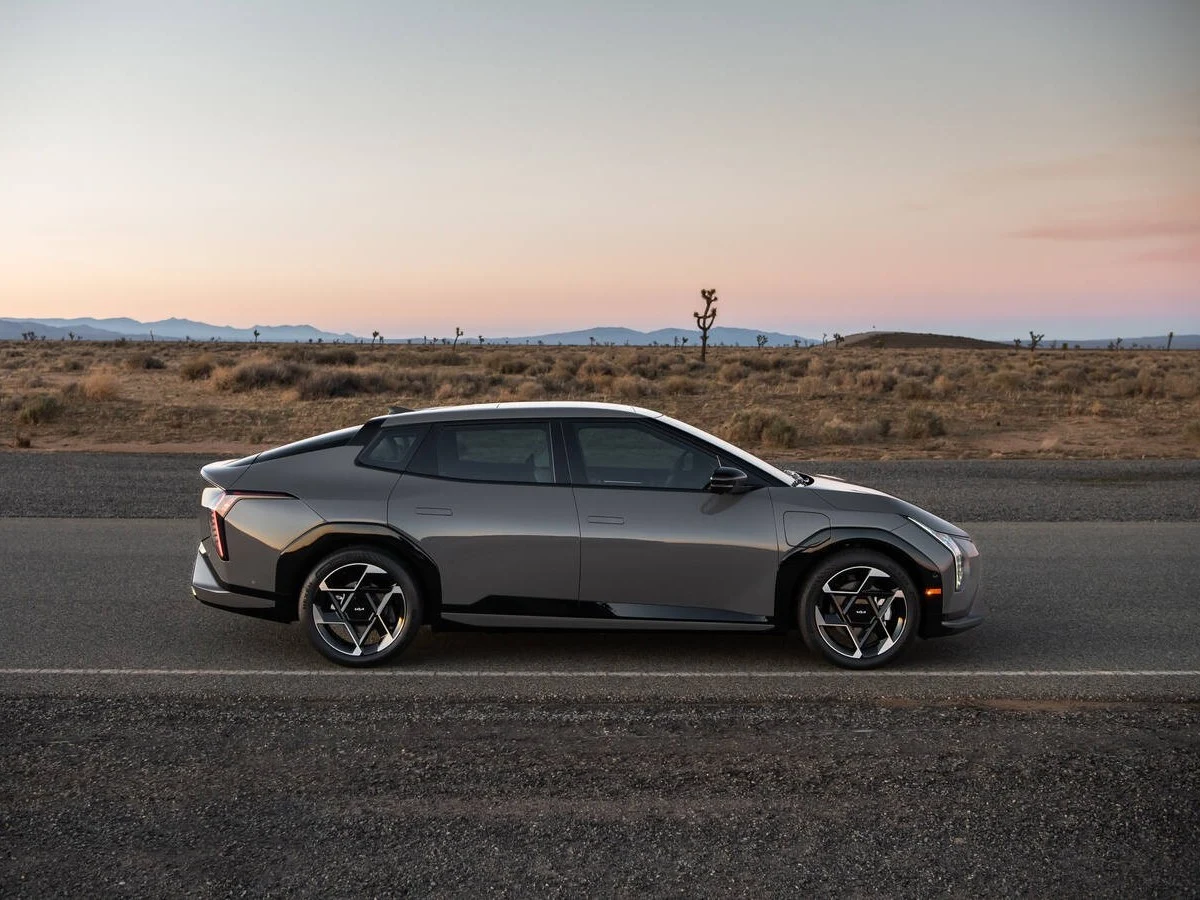
    Kia has recently showcased the 2026 EV4 at the 2025 New York International Auto Show. The automaker asserts that this model is the first all-electric sedan aimed at the global market. The vehicle was seen on American roads and at the Nurburgring racetrack in late 2024, and it has already made its debut in Korea.

    Various Trim Levels Available

    Buyers can select from three different trim levels, all constructed on Kia’s 400V E-GMP platform featuring a front-mounted 150 kW motor. The first option is the Light, equipped with a 58.3 kWh battery, promising an estimated range of 235 miles (~378 km) and fitted with 17-inch wheels. The next variant is the Wind, which boasts a larger 81.4 kWh battery for an estimated range of 330 miles (~531 km). The top-tier GT-Line uses the same battery as the Wind but comes with larger 19-inch wheels. Kia reports that the DC fast-charging using the North American Charging Standard (NACS) port allows for a battery charge from 10% to 80% in about thirty minutes.

    Innovative Features

    A standout aspect of the EV4 sedan is the i-Pedal 3.0 featuring variable regenerative braking, which enables the driver to halt the vehicle completely just by using the accelerator pedal. Additionally, it has vehicle-to-load (V2L) charging capability, allowing users to power devices such as a laptop or light, while the Digital Key 2.0 feature enables car access from a smartphone. Inside, the spacious cabin is designed with nearly 30 inches of display that includes Kia’s AI Assistant and supports both Apple CarPlay and Android Auto. Furthermore, the Advanced Driver Assistance System (ADAS) can automatically modify the set speed under certain circumstances, and it includes features like Lane Following Assist and Remote Smart Parking Assist.

    Anticipated Launch and Pricing

    The 2026 Kia EV4 electric sedan is expected to hit the US market in early 2026, with plans for a release in countries like the UK and Australia later in 2025. The US pricing for this model has not been officially revealed yet, but it is believed to be more affordable than the EV6, which begins at $42,900.

    Source:
    Link

  • Kia EV9 Nightfall Edition Revealed with Boost Feature

    Kia EV9 Nightfall Edition Revealed with Boost Feature

    Key Takeaways

    1. The 2026 Kia EV9 Nightfall Edition features a stylish design with Gloss Black accents and unique 20-inch wheels.
    2. It includes a performance upgrade, boosting torque to 516 lb-ft and enabling 0 to 60 mph acceleration in 4.5 seconds.
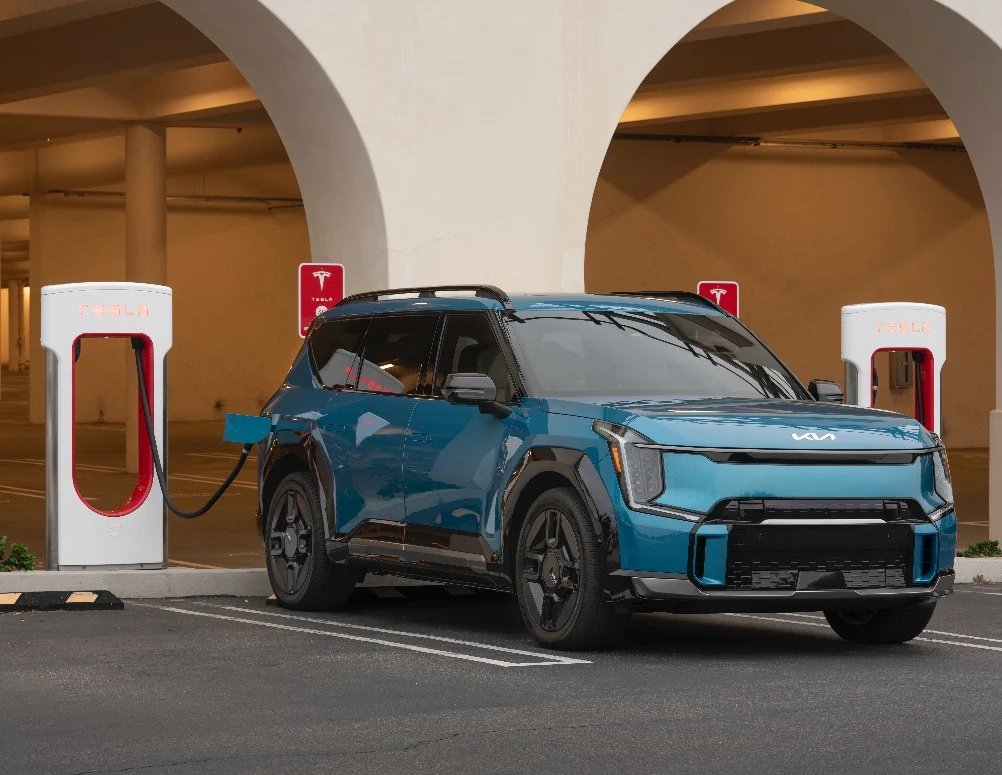
    3. The EV9 Nightfall Edition adopts the North American Charging Standard (NACS) for access to the Tesla Supercharger network.
    4. The vehicle is produced at Kia’s West Point facility in Georgia and qualifies for a $7,500 federal EV tax credit.
    5. The EV9 Nightfall Edition is expected to be available in the US by the end of June, with a starting price estimate of around $69,900.


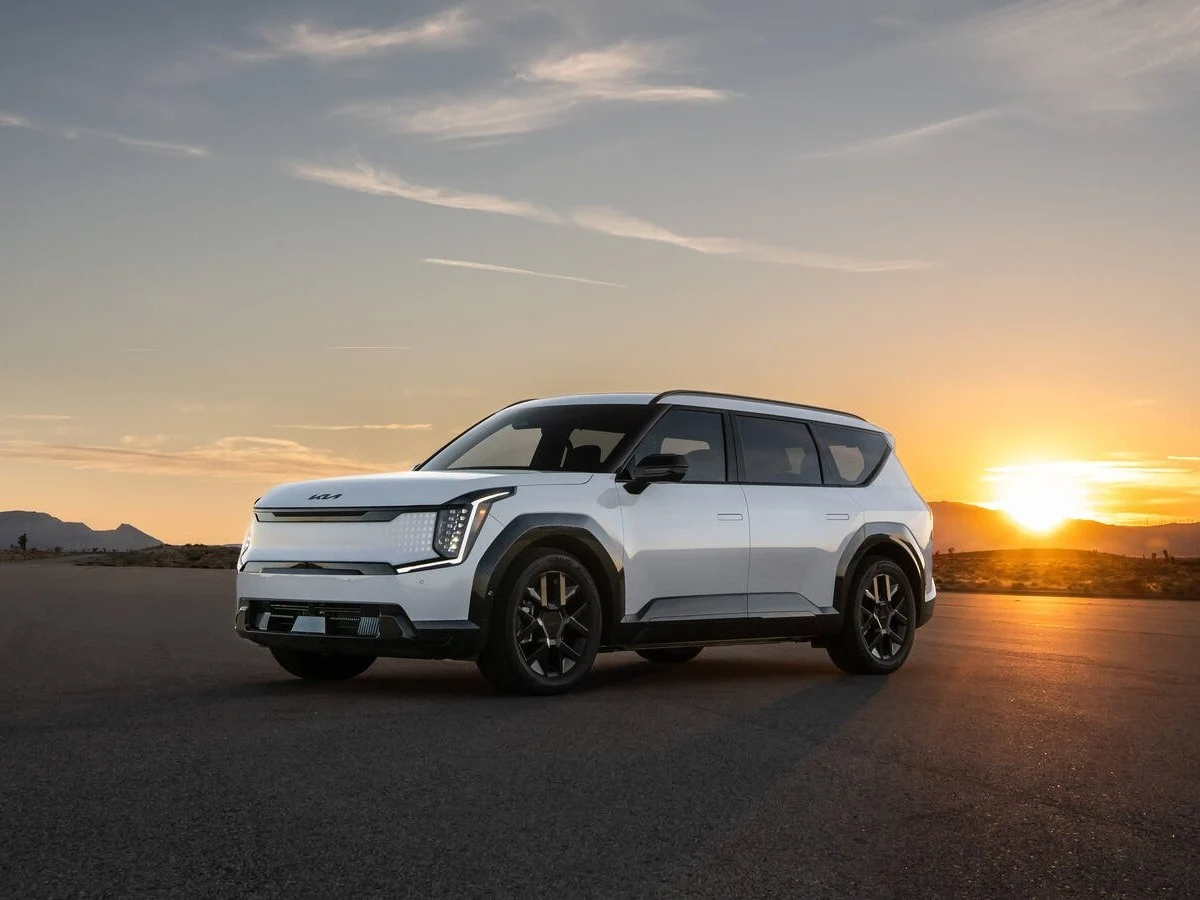
    The 2026 Kia EV9 Nightfall Edition has been launched at the 2025 New York International Auto Show. This edition of the three-row SUV is claimed to present a notably chic design and features a performance boost.

    Stylish Features

    The EV9 Nightfall Edition is offered in the dual-motor Land all-wheel drive (AWD) trim, available in configurations of either six or seven seats. It showcases Gloss Black accents on the front grille, skid plates, and roof rails, along with unique Gloss Black 20-inch wheels fitted with 275/50R-20 all-season tires. Additional unique features include the Roadrider Brown paint and a black interior adorned with real stitching.

    Performance Upgrade

    Furthermore, the new EV9 Nightfall Edition is equipped with the Boost feature, which enhances torque from 443 lb-ft (~600 Nm) to 516 lb-ft (~700 Nm). When combined with the 379 horsepower from the motors, it enables acceleration from 0 to 60 mph (~100 kph) in just 4.5 seconds. This Boost feature is included at no extra cost in this package but can also be bought separately for other EV9 Wind AWD and Land AWD trims. Additionally, the 2026 EV9 adopts the North American Charging Standard (NACS), allowing access to the Tesla Supercharger network for recharging. You can also use Combined Charging System networks, but this will need an optional adapter.

    Manufacturing and Pricing

    Kia mentions that the EV9 sold in the US is produced at its West Point facility in Georgia and qualifies for the $7,500 federal EV tax credit. The 2026 EV9 Nightfall Edition is anticipated to be available in the US by the end of June, although the price hasn’t been disclosed yet. As a ballpark figure, the starting price for the 2025 Kia EV9 Land AWD is set at $69,900.

    Source:
    Link

  • Volkswagen Reveals Next-Gen Concepts for China’s Car Market

    Volkswagen Reveals Next-Gen Concepts for China’s Car Market

    Key Takeaways

    1. Volkswagen plans to expand its car lineup in China with new Extended Range Electric Vehicles (EREVs), starting with a prototype-based model.
    2. The ID. ERA, developed in collaboration with SAIC, features batteries providing a standard range of 300 km and an additional 700 km through a fuel generator.
    3. The ID. EVO, a full-sized all-electric SUV, is launched under the youth-oriented ID.UNYX brand and operates on an 800V system.
    4. The ID. AURA, designed with a notchback style, introduces new electronic architecture and is the first to use the Compact Main Platform (CMP).
    5. Future models are expected to support Level 2++ autonomy by 2026, enabling semi-autonomous driving features like merging and overtaking in China.


    Volkswagen has shared its intentions to expand its car lineup in China with new Extended Range Electric Vehicles (EREVs) soon, starting with a model that could be derived from one of its recent prototypes.

    Collaboration with SAIC

    In collaboration with the renowned OEM SAIC, the ID. ERA features batteries that provide a standard range of 300 kilometers (km, or roughly 184 miles). These batteries are connected to a fuel generator that is capable of extending the driving range by an additional 700 kilometers (approximately 435 miles).

    Introduction of New Models

    This model has been launched together with the ID. EVO, which is the first “full-sized” all-electric SUV created for Volkswagen Anhui’s youth-oriented ID.UNYX brand.

    The vehicle operates on an 800V system and incorporates the new “zonal” electronic architecture similar to that of the ID. AURA. The ID. AURA is designed with a “notchback” style, which is viewed as a budget-friendly sedan, and it is the first to implement the FAW-Volkswagen subsidiary’s Compact Main Platform (CMP).

    Advanced Features and Future Plans

    The company also claims that the ID. AURA will offer an experience reminiscent of Knight Rider, featuring a “smartphone-like” interface along with a possible “humanoid” AI assistant.

    The actual cars based on these three concepts are expected to support Level 2++ autonomy by 2026, permitting them to perform actions like merging and overtaking on their own, though under the supervision of the driver, specifically in China.

    Source:
    Link


  • First Hydrogen-Powered Helicopter Flight: Key Details Revealed

    First Hydrogen-Powered Helicopter Flight: Key Details Revealed

    Key Takeaways

    1. The first piloted flight powered by hydrogen was successfully completed using a modified R44 helicopter by Unither Therapeutics.
    2. The helicopter’s original engine was replaced with two PEM fuel cells, a lithium-ion booster battery, and an electric motor, with the hydrogen tank strategically placed for weight balance.
    3. Managing heat from the fuel cells was a significant challenge, especially during hovering flights, where airflow is limited.
    4. During the test flight, PEM fuel cells provided 90% of energy needs, with the battery supporting demand spikes and retaining 80% charge.
    5. ‘Project Proticity’ aims to develop hydrogen-powered technology further, including plans for an R66 model and exploring liquid hydrogen storage for longer-range missions.


    For a duration of three minutes and 16 seconds, a specially modified R44 helicopter successfully completed the first piloted flight powered by hydrogen. This achievement was announced by Unither Therapeutics, the parent organization of Unither Bioélectronique, marking a significant step forward in this innovative technology.

    Helicopter Modifications

    The test involved a revamped R44 model from Robinson Helicopter Company. The original Lycoming IO-540 piston engine was taken out and replaced with two low-temperature proton exchange membrane (PEM) fuel cells, a lithium-ion booster battery pack, and a MagniX electric motor. The hydrogen tank was cleverly placed beneath the tail boom to optimize weight distribution.

    Overcoming Technical Hurdles

    One of the key challenges faced during this project was the cooling system. In a chat with Vertical Magazine, Mikael Cardinal, who is the VP of Program Management and business development for Organ Delivery Systems at Unither Bioelectronics, mentioned that managing the heat – which accounts for about 50% of the energy produced by the fuel cells – was particularly tricky. This was especially true during hovering flights, which lack the airflow that higher-speed flights provide.

    Robinson Helicopter Company reported that during the test flight, PEM fuel cells met 90% of the energy needs, while the battery played a crucial role in handling spikes in demand and maintained 80% of its charge by the end of the flight.

    Future Developments

    This helicopter is part of ‘Project Proticity,’ a collaboration between the aircraft manufacturer and Unither Therapeutics to further develop this hydrogen-powered technology. The companies are also looking into creating an R66 hydrogen-powered model.

    In addition, Robinson is exploring the integration of a liquid hydrogen storage system. The company believes this could facilitate longer-range missions, as the current tests have been conducted with gaseous hydrogen.

    These helicopters are designed for the purpose of transporting manufactured organ alternatives, showcasing a promising future in medical transportation.

    Source:
    Link

  • CATL to Mass Produce First 300-Mile Sodium-Ion Battery

    CATL to Mass Produce First 300-Mile Sodium-Ion Battery

    Key Takeaways

    1. High Energy Density: CATL’s sodium-ion batteries in the Naxtra series have an energy density of 175 Wh/kg, comparable to lithium iron phosphate batteries.

    2. Extended Range Capabilities: The Naxtra batteries can achieve over 300 miles of range on a single charge, marking a significant advancement for sodium-ion technology in electric vehicles.

    3. Resilience in Extreme Conditions: These batteries maintain capacity for over 10,000 charge cycles and perform well at extremely low temperatures, retaining 90% of charge at -40 degrees Celsius.

    4. Cost and Safety Advantages: Sodium-ion batteries offer lower costs and enhanced safety, as they do not contain flammable materials, reducing the need for reinforced casings.

    5. Mass Production Plans: CATL plans to start mass production of sodium-ion batteries for heavy-duty trucks in June and will begin delivering 300-mile Naxtra packs for electric vehicles by December.


    Battery producers such as BYD and HiNa have begun making sodium-ion batteries aimed at energy storage and smaller vehicles. However, the largest battery manufacturer in the world has surpassed them by revealing its new sodium-ion battery series for passenger electric vehicles, named Naxtra.

    High Energy Density

    The battery packs are constructed with CATL’s next-generation sodium-ion cells, boasting an impressive energy density of 175 Wh/kg. This energy density matches that of today’s lithium iron phosphate (LFP) batteries found in Anker power banks and popular electric cars like the Tesla Model Y, marking a significant advancement for sodium-ion battery technology.

    Extended Range Capabilities

    The Naxtra series features the first sodium-ion battery mass-produced for electric vehicles that can achieve a range of over 300 miles on a single charge. Besides being the first extended-range sodium-ion battery for passenger electric cars, CATL’s Naxtra battery offers all the benefits associated with sodium-ion technology when compared to lithium batteries.

    Resilience in Extreme Conditions

    This new sodium-ion battery maintains its capacity for over 10,000 charge cycles and performs well even in extremely low temperatures. CATL claims that its sodium-ion pack can keep 90% of a minimal 10% charge at -40 degrees Celsius, a challenge that lithium batteries struggle to meet. For instance, preconditioning a lithium battery, which uses its own energy to warm up before charging, is only effective when the charge is above 20%.

    In June, CATL plans to kick off mass production of sodium-ion batteries for heavy-duty trucks, intending to replace lead-acid batteries at half the cost. By December, they will begin sending out the first 300-mile sodium-ion Naxtra packs for customers to integrate into their forthcoming electric vehicle models.

    Cost and Safety Advantages

    While lithium prices have significantly decreased from their 2022 peak and sodium-ion batteries currently do not achieve half the manufacturing costs of lithium cells, sodium-ion chemistry presents various benefits beyond just a lower price point.

    These batteries can retain their capacity for a longer duration and under harsher conditions. A major advantage is their safety; unlike lithium cells with liquid electrolytes, sodium-ion batteries do not contain flammable materials, allowing them to endure various impact, puncture, or fire tests without needing reinforced casing like CATL’s lithium batteries.

    The battery manufacturer has even shared a testing video demonstrating that the Naxtra sodium-ion packs undergo rigorous endurance tests, succeeding impressively, which is promising for the safety of future electric vehicles utilizing the Naxtra sodium-ion battery in case of road incidents.

    Source:
    Link

  • Young Drivers Choose Electric Cars Over ICE, Paying £16,000 More

    Young Drivers Choose Electric Cars Over ICE, Paying £16,000 More

    Key Takeaways

    1. Young drivers in the UK are willing to spend an extra £16,000 for electric vehicles (EVs).
    2. 47% of UK drivers under 25 are interested in driving electric cars, with 31% willing to wait to afford one.
    3. Environmental concerns drive 38% of young drivers to avoid petrol or diesel cars for their first vehicle.
    4. Electric vehicle insurance rates are higher for younger drivers, averaging £1,881 compared to £1,621 for internal combustion engine vehicles.
    5. EV sales in the UK rose significantly, with a 55% increase in 2024, making up 2.5% of total car sales.


    Electric vehicles (EVs) usually have higher price tags than traditional internal combustion engine (ICE) cars. Despite this, younger drivers are enthusiastic about switching to electric. A study conducted by the insurance comparison platform MoneySuperMarket reveals that young car buyers are ready to spend an extra £16,000 to own an electric vehicle.

    Young Drivers’ Preferences

    The survey highlighted that 47 percent of UK drivers under 25 expressed interest in driving electric cars, making up about 31 percent of the total respondents. Additionally, around 31 percent of these young individuals are willing to wait until they can afford an EV before getting behind the wheel. Notably, 38 percent of them cited environmental issues as the reason they would avoid purchasing a petrol or diesel car for their first vehicle.

    Insurance and Costs

    Younger UK drivers also face higher insurance rates for electric vehicles, with the average premium reaching £1,881, compared to £1,621 for ICE vehicles. Moreover, they need to be aware of increased taxation, as the government introduced a vehicle excise duty (VED) on electric cars starting in April 2025. This new tax adds £620 to the yearly expenses associated with operating a new electric vehicle.

    Growth in EV Sales

    On a brighter note, young drivers can take comfort in the rising popularity of electric vehicles in the UK. In 2024, approximately 190,000 electric cars were sold, representing 2.5 percent of total car sales. This marks an impressive 55 percent increase from 2023. The trend shows a growing acceptance of EVs among the younger generation, despite the challenges they face.

    Source:
    Link

  • BYD Wins 200 EV Orders from Dubai Taxi Company

    BYD Wins 200 EV Orders from Dubai Taxi Company

    Key Takeaways

    1. Dubai Taxi Company (DTC) has partnered with BYD to introduce 200 electric BYD Seal taxis.
    2. DTC aims for a fully electric taxi fleet by 2040, supporting Dubai’s goal of net-zero emissions by 2050.
    3. Currently, 86% of DTC’s taxi fleet is eco-friendly, with over 9,000 vehicles in operation.
    4. The BYD Seal can travel up to 600 km on a single charge and has impressive acceleration capabilities.
    5. DTC has previously added electric taxis to their fleet, including 250 in late 2024, and other companies have also introduced Tesla models to their services.


    If you’re thinking about a trip to Dubai, it’s likely you’ll find yourself riding in an electric taxi made by BYD. The Dubai Taxi Company (DTC) has inked a deal with the Chinese electric vehicle manufacturer to provide 200 BYD Seal taxis that run on batteries.

    Aiming for a Green Future

    DTC has set an ambitious goal to have a fully electric taxi fleet by 2040, aligning with Dubai’s broader commitment to achieving net-zero emissions by 2050. Currently, they state that 86 percent of their taxis are eco-friendly. The company operates a fleet of over 9,000 vehicles.

    Impressive Vehicle Specifications

    The BYD Seal is a battery-powered sedan that can travel as far as 600 km on a single charge. It features a cell-to-body design that incorporates the battery into the car’s structure, enhancing both safety and efficiency. Although DTC hasn’t disclosed which model of the Seal they are purchasing, the rear-wheel-drive (RWD) version can go from 0 to 100 km/h in 5.9 seconds. If you’re in a hurry, the all-wheel-drive (AWD) version can do the same in just 3.8 seconds, making it perfect for quick trips between sightseeing spots.

    Progress in Electric Transportation

    Dubai already has taxis that produce zero tailpipe emissions. In late 2024, DTC added 250 electric taxis to their fleet. The largest taxi service, Economic Group Holdings, through its Arabia Taxi division, bought 269 Tesla Model 3s in 2023. Additionally, the Dubai Roads and Transport Authority (RTA) introduced 172 Teslas, which included the Model S, Model X, and Model 3, back in 2017.

    Source:
    Link

  • Camouflaged Tesla Model Y Seen in India Before Launch

    Camouflaged Tesla Model Y Seen in India Before Launch

    Key Takeaways

    1. Tesla is nearing the launch of the Model Y and Model 3 in India, with ongoing certification processes.
    2. A Model Y was spotted undergoing public testing in Mumbai, indicating active preparations for the Indian market.
    3. Tesla has secured showroom locations near Chhatrapati Shivaji Maharaj International Airport in Mumbai and Delhi.
    4. The company is hiring for various roles in India, signaling increased operational activity ahead of launch.
    5. Tesla views India as a key market for recovery following a downturn in global sales.


    Keen observers have recently spotted signs that Tesla is getting closer to launching its products in India. A Reddit user named shameelck shared a picture of a covered Tesla Model Y parked outside a store, but didn’t mention where exactly the sighting took place.

    Certification Progress

    Tesla is currently going through the necessary certification processes to sell the Model Y and Model 3 in the world’s most populous country. In March 2025, the company submitted its eighth test permit.

    Public Testing in Mumbai

    On the platform X (previously known as Twitter), user @ashishpol86 shared two brief videos of a fast-moving Model Y on a highway in Mumbai. The electric SUV was also camouflaged, as Tesla conducts public testing for its vehicles.

    Showroom Developments

    Reports indicate that Tesla has secured locations for showrooms close to Chhatrapati Shivaji Maharaj International Airport in both Mumbai and Delhi. The company is hiring for roles in vehicle service, sales, customer support, and operations. This surge in pre-launch activities follows a meeting between CEO Elon Musk and Prime Minister Shri Narendra Modi earlier this year.

    India represents a significant opportunity for Tesla as it seeks to recover from a downturn in global sales. The company plans to start delivering the Cybertruck in the Middle East by the end of 2025, although the truck is still prohibited in certain European nations.

    Source:
    Link

  • Luxeed R7 Max RWD: SUV with 1000-Mile EREV Range & Huawei Tech

    Luxeed R7 Max RWD: SUV with 1000-Mile EREV Range & Huawei Tech

    Key Takeaways

    1. The Luxeed R7 Ultra AWD features a 1.5T 4-cylinder engine paired with dual Huawei DriveONE motors, offering up to 1,551 km (964 miles) of range.
    2. The Luxeed R7 Max RWD variant achieves a maximum range of 1,673 km (1,039 miles) and accelerates from 0 to 100 km/h in 4.9 seconds.
    3. Both models are part of Huawei’s Harmony Intelligent Mobility Alliance (HIMA) and utilize a 400-volt Tuling platform with a 53.4 kWh battery that charges from 20% to 80% in 15 minutes.
    4. They include advanced features like Huawei’s Qiankun driver assistance systems and HarmonyOS 4, with a 15.6-inch center console display.
    5. The starting prices are 299,800 yuan (around $41,000) for the Max RWD and 319,800 yuan (approximately $44,000) for the Ultra AWD.


    The EREV, or Electric Range Extended Vehicle, combines a traditional internal combustion engine with electric motors to enhance fuel efficiency between stops.

    Luxeed R7 Ultra AWD Features

    The Luxeed R7 Ultra AWD showcases a 1.5T 4-cylinder engine, complemented by dual Huawei DriveONE motors. These motors produce 155 kilowatts (kW), roughly 208 horsepower (hp), for the front and 227 kW (or 304 hp) for the rear. This setup allows the vehicle to achieve an impressive range of up to 1,551 kilometers (km), which is about 964 miles, thanks to its 67-liter (l) fuel tank.

    Performance of the Luxeed R7 Max RWD

    Alongside the Ultra AWD, the Luxeed R7 Max RWD is also introduced, boasting an impressive maximum range of 1,673 km, or about 1,039 miles, on a full tank. This rear-wheel drive variant only features the 227 kW electric motor and can accelerate from 0 to 100 km/h (approximately 0 to 62 mph) in a quick 4.9 seconds. In contrast, the AWD sibling achieves this in 7.4 seconds.

    Innovative Technology and Pricing

    The new R7 models are part of Huawei’s Harmony Intelligent Mobility Alliance (HIMA) program. They are built on the OEM’s 400-volt (V) Tuling platform and feature a substantial 53.4 kW-hour (kWh) battery that can charge from 20% to 80% in just 15 minutes.

    Additionally, both R7 Max RWD and Ultra AWD come with Huawei’s Qiankun driver assistance systems and HarmonyOS 4, which includes a 15.6-inch center console display.

    Huawei and Chery are marketing these vehicles as among the most intelligent, smooth, and powerful EREVs available on Chinese roads. The starting prices are set at 299,800 yuan (approximately $41,000) for the Max RWD and 319,800 yuan (around $44,000) for the Ultra AWD.

    Source:
    Link

  • Affordable Tesla Model Y and Model 3 with Basic Specs Launching Soon

    Affordable Tesla Model Y and Model 3 with Basic Specs Launching Soon

    Key Takeaways

    1. The launch of Tesla’s budget-friendly Model Y in the U.S. has been delayed, with production now aimed for 2026.
    2. Elon Musk hinted at an affordable Tesla model for the U.S. in early 2024, but it’s unclear if it’s the Model Y or a new model like the Model 2.
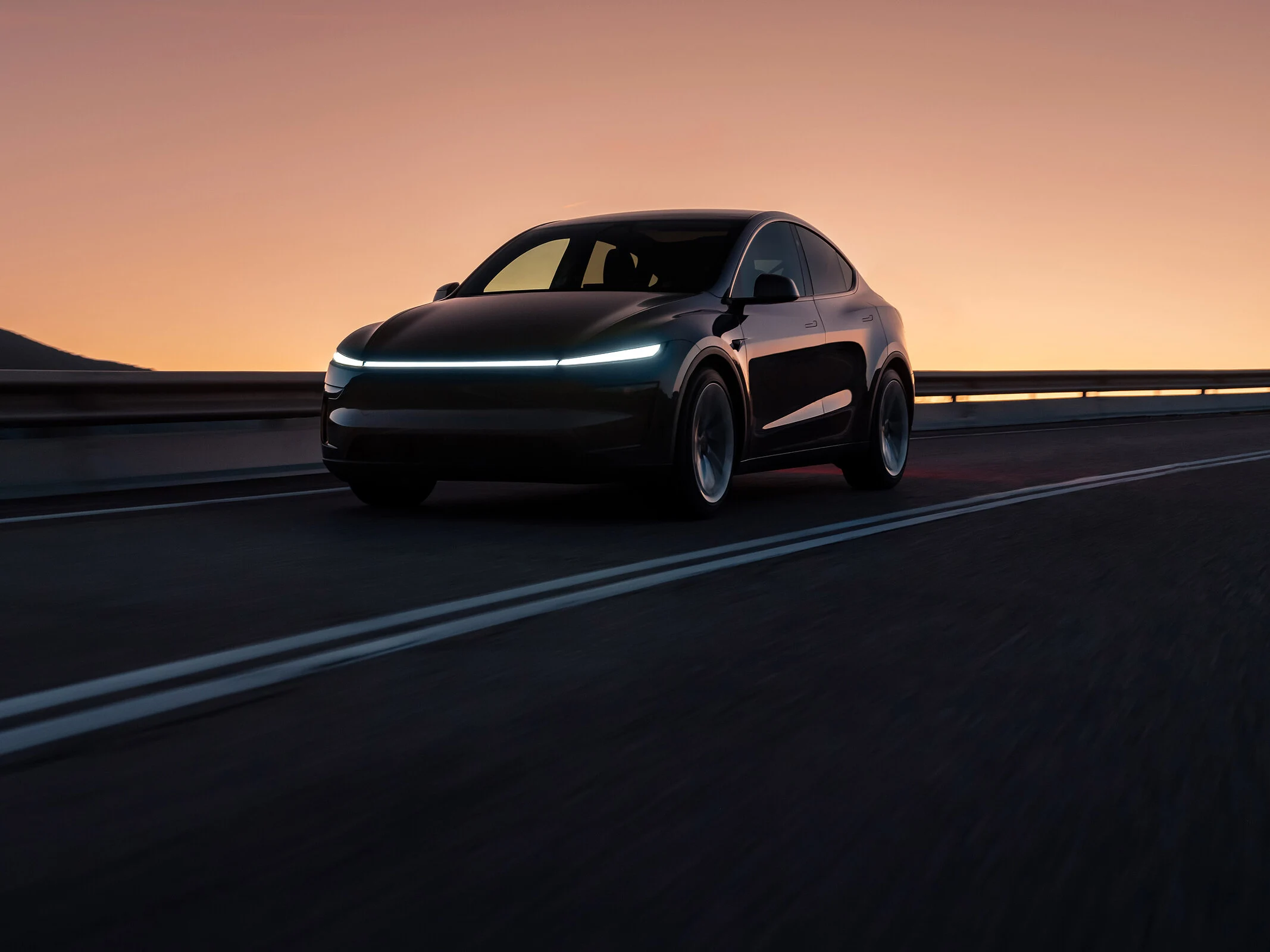
    3. The budget Model Y, referred to as E41, will be a simplified version of the Juniper refresh, potentially lacking premium features.
    4. The starting price for the economical Model Y is expected to be around $40,000, with production costs estimated to be 20% lower than the current model.
    5. Tesla is likely to reveal more details about the Model Y delays during its upcoming earnings announcement.


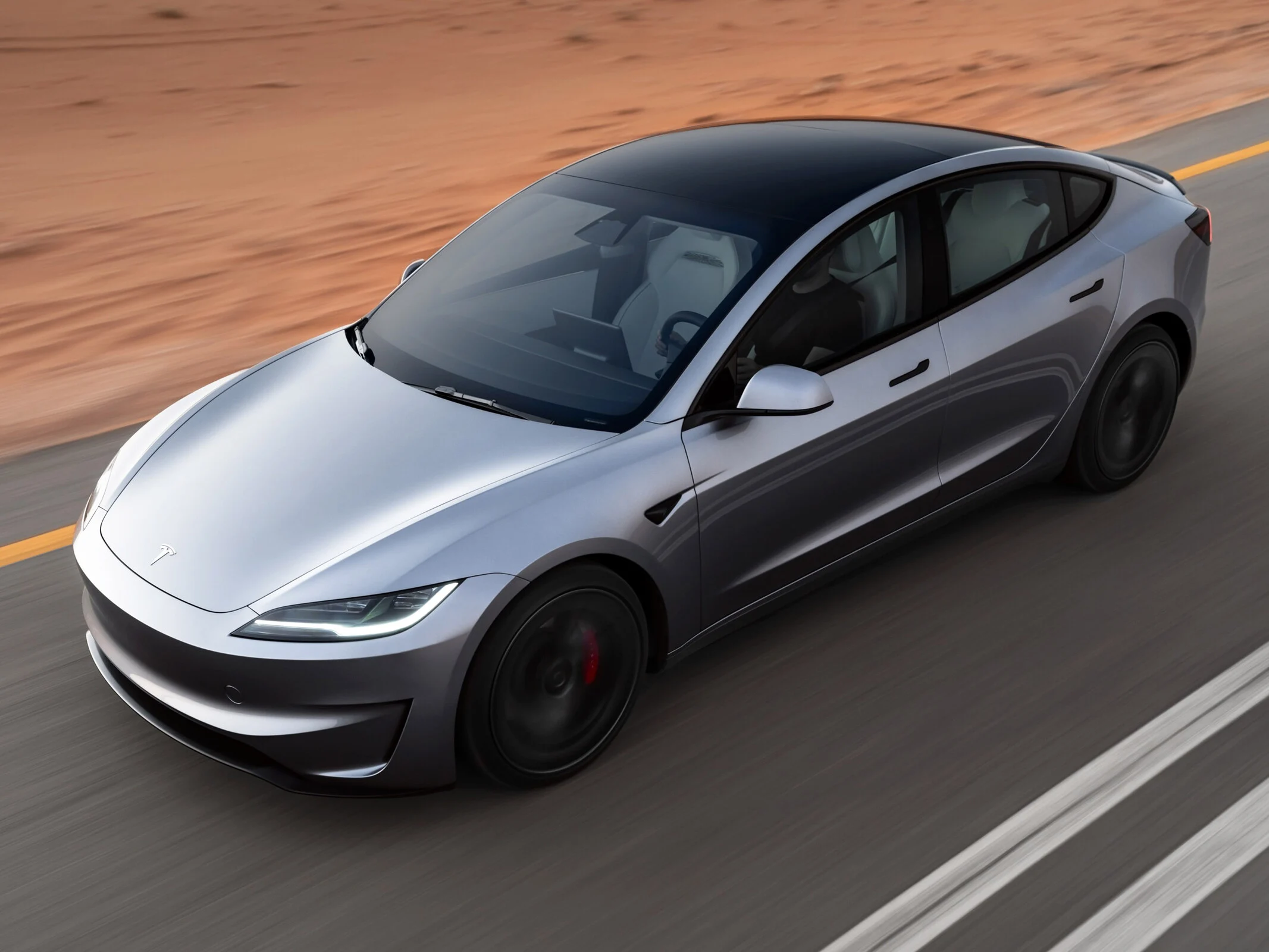
    After the introduction of the more affordable and smaller Model Y, there are reports that the Juniper refresh in China has been pushed back to 2026. It seems that a similar situation might be unfolding for the U.S. model of Tesla’s popular budget-friendly vehicle.

    Though insiders did not confirm if the delay is related to supply chain challenges arising from the tariff conflicts with the White House, they suggest that Tesla’s timeline for the smaller, less expensive version of the Model Y in the U.S. has been pushed back. It appears that Tesla is now aiming to manufacture 250,000 units of this model in 2026.

    Elon Musk’s Comments on the Release

    During the last quarterly earnings call, Elon Musk stated that there is still an affordable Tesla model planned for a U.S. launch in the first half of the year. However, it remains unclear whether he was referring to the more affordable Model Y or another model akin to the Model 2, which has been speculated to look like a smaller version of the Y. Reports indicate that the launch window has shifted to around the holiday season or early next year, coinciding with the launch in China.

    Details on the Cheaper Model Y

    The budget-friendly Model Y, internally referred to as E41, is expected to be a significantly simplified version of the Juniper refresh. Tesla may replicate their strategy with the Cybertruck, offering a basic RWD model that features cloth seating, lacks air suspension, and is missing many other premium features.

    In the past, a similar approach was taken with the Model 3 in Mexico, although those vehicles maintained the same dimensions as the original Model 3 or Cybertruck. Elon Musk has previously stated that the new budget model, once called Model 2, will indeed be “smaller, to be certain.”

    Pricing and Production Costs

    This concept could easily extend to a downsized, simplified Model Y that Tesla plans to sell for considerably less than the Juniper refresh AWD model, which currently retails for over $50,000. The production expenses for the economical Model Y E41 are believed to be 20% lower, potentially allowing it to be priced starting at $40,000 before any federal tax incentives—making it an attractive option for buyers.

    The production strategy for this economical Model Y, likely to feature a single-motor RWD setup, is still uncertain, with the launch leaning towards the holiday quarter or early next year. This timeframe is also when Tesla is expected to unveil a more basic Model 3, which could become its least expensive vehicle.

    Tesla is set to announce earnings next week and may provide additional information regarding the delays surrounding the smaller, more affordable Model Y.

    Source:
    Link