Category: EV vehicles

  • UK Electric Car Options Expand as Driving Ranges Hit New Highs

    UK Electric Car Options Expand as Driving Ranges Hit New Highs

    Key Takeaways

    1. Over 130 fully electric models are now available in the UK, up from 102 last year.
    2. The average battery electric vehicle (BEV) offers around 300 miles of range, an increase from 235 miles last year.
    3. Hybrids can handle most daily trips on electric power alone due to improved battery efficiency.
    4. Budget-friendly electric cars are emerging, contributing to BEVs making up over 20% of new car sales.
    5. The UK automotive market has seen a significant growth in electric vehicle options, with 80% of new cars having an electric variant.


    British drivers looking to switch to electric vehicles might face a unique dilemma: which model to invest their money in. According to the Society of Motor Manufacturers and Traders (SMMT), the UK automotive market has seen a massive surge in electric vehicles (EVs), with 80 percent of all new cars now having an electric variant. This includes battery electric vehicles (BEVs), plug-in hybrids (PHEVs), and hybrids.

    Variety of Choices

    For those interested in EVs, there are over 130 fully electric models available, a rise from 102 just a year ago. In addition, PHEVs and hybrids can be found in 100 and 50 different versions, respectively.

    Improved Driving Ranges

    One of the most thrilling aspects is the enhanced driving ranges, enabling drivers to travel longer distances. The average BEV now offers around 300 miles of range before needing a recharge, which is a notable increase from 235 miles last year. For those opting for premium models, they can expect up to 400 miles on a single charge, surpassing the typical distance driven by a British car owner.

    Efficient Hybrid Options

    Hybrids are also capable of managing most daily trips without relying on petrol or diesel, thanks to their larger battery packs and more efficient engines. Take the Volkswagen Golf eHybrid, for example, which provides 88 miles of electric driving.

    Affordable Electric Cars

    Perhaps the most exciting news is the arrival of more budget-friendly electric cars, which have led BEVs to make up over 20 percent of all new car sales, an increase from 16.9 percent in 2024.

    Source:
    Link

  • Toyota Launches 2026 bZ Woodland SUV: A Rugged Electric Adventure

    Toyota Launches 2026 bZ Woodland SUV: A Rugged Electric Adventure

    Key Takeaways

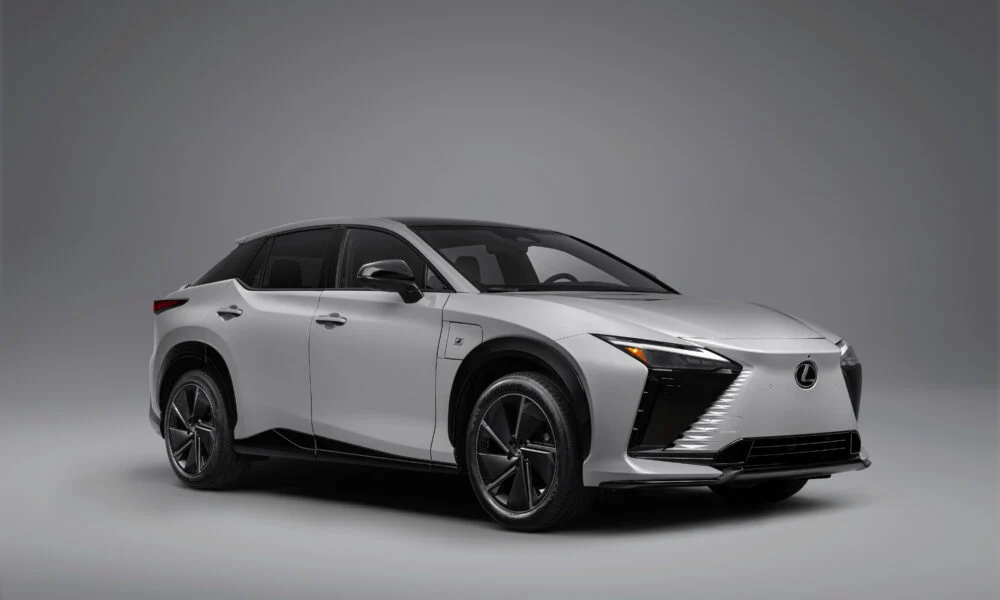
    1. Toyota introduced the 2026 bZ Woodland SUV, its third electric vehicle for the US, designed for outdoor enthusiasts.
    2. The bZ Woodland features all-wheel drive and dual electric motors providing 375 hp, enhancing its off-road capabilities.
    3. It includes a North American Charging Standard (NACS) port, allowing access to Tesla’s Supercharger network, with a charging time of 10 to 80 percent in about 30 minutes and a range of 260 miles.
    4. The SUV is six inches longer than the standard bZ model, with increased ground clearance of 8.3 inches and a towing capacity of 3,500 pounds.
    5. Toyota plans to release the bZ Woodland in early 2026, but pricing details are yet to be announced.


    Toyota is making big strides in electric vehicles, showing off its third EV for the US this week. The company has revealed the 2026 bZ Woodland SUV, which is a tough, all-terrain variant of the bZ model. This new bZ is an upgraded take on the bZ4X SUV, a model that Toyota found challenging to sell.

    Aimed at Outdoor Enthusiasts

    The bZ Woodland is built on the e-TNGA platform, much like the Subaru Outback, and is designed for the outdoor enthusiasts. Toyota includes all-wheel drive as a standard feature, and the vehicle boasts 375 hp from its dual electric motors, providing it with more power than its suburban counterpart.

    Charging and Range Details

    One of the notable features is the North American Charging Standard (NACS) port, which enables the bZ Woodland to utilize Tesla’s Supercharger network. The battery can be charged from 10 to 80 percent in roughly half an hour and has a range of 260 miles on a full charge.

    Enhanced Dimensions and Features

    The bZ Woodland measures six inches longer than the standard bZ model, giving off-road fans extra space for gear in the trunk. Toyota has increased the ground clearance to 8.3 inches as well. For those who love adventure, it comes with standard roof rails, a towing capacity of 3,500 pounds, and optional all-terrain tires. The Toyota X-Mode system is available for drivers wanting better grip on less traveled paths.

    As for the price, there are no details yet, but Toyota anticipates that the bZ Woodland will hit the market in the early months of 2026.

    Source:
    Link

  • US Government to End Start-Stop Emissions Mandate for Vehicles

    US Government to End Start-Stop Emissions Mandate for Vehicles

    Key Takeaways

    1. The government is considering eliminating the start-stop system due to mixed feelings from drivers.
    2. The head of the EPA criticized the system as a way for manufacturers to enhance their eco-friendly image, stating that “everyone hates it.”
    3. Start-stop technology can improve fuel efficiency by 4% to 26%, depending on driving conditions.
    4. The EPA reports average fuel savings of 4% to 5%, while some tests showed up to 26% savings in specific scenarios.
    5. Concerns about excessive wear on vehicle components from the start-stop system are often exaggerated, as it is designed for frequent restarts.


    Drivers who feel mixed about the start-stop system, used by car makers to boost their eco-friendly image, will be pleased to learn that the government is considering getting rid of it entirely.

    The head of the EPA recently stated that the start-stop technology exists mainly for manufacturers to earn a “climate participation trophy,” yet “everyone hates it.” This system is meant to turn off the engine during long periods of idling and then activate it again when the driver accelerates.

    Fuel Efficiency Insights

    According to various testing bodies, a start-stop system can reduce a vehicle’s fuel use by anywhere from 4% to 26%, depending on driving conditions and habits. The EPA claims an average fuel savings of 4% to 5%, while tests conducted by SAE with four different vehicles showed a reduction of up to 26% in fuel consumption when driven in the New York City Cycle (NYCC) scenario.

    Valid Concerns

    While some criticisms of the start-stop system can be argued against, many are entirely reasonable. Currently, approximately 65% of new vehicles come equipped with this technology right from the factory. Concerns about it causing excessive wear on the starter, battery, or engine are often exaggerated, as the system is specifically designed for frequent restarts.

    Source:
    Link

  • SPE Automotive Conference: Eco-Friendly Car Manufacturing Insights

    SPE Automotive Conference: Eco-Friendly Car Manufacturing Insights

    Key Takeaways

    1. Keynote Speaker and Event Details: Casey Putsch will discuss car design with composite materials at the 25th Annual Composites Conference and Exhibition in Novi, Michigan, from September 3-5, 2025.

    2. Carbon Emissions in Car Production: Car manufacturing, including electric vehicles like the Tesla Model 3, produces significant CO2 emissions, emphasizing the need for environmentally friendly alternatives.

    3. Opportunities for Improvement: Putsch highlights that outdated design practices lead to poor material choices, and his prototype Omega showcases how advanced composites can create efficient and eco-friendly vehicles.

    4. Benefits of the Omega Prototype: The Omega achieves over 100 mpg, has lower emissions than the Tesla Model 3, and is lighter due to recyclable composite materials, reducing manufacturing carbon footprints.

    5. Aerodynamic Features for Efficiency: The Omega uses innovative design elements, such as digital cameras instead of mirrors and a Kammback shape, to improve aerodynamics and fuel efficiency.


    Keynote speaker Casey Putsch will talk about how to think about designing cars with composite materials at the 25th Annual Composites Conference and Exhibition. This event will be hosted by the Society of Plastics Engineers in Novi, Michigan, from September 3-5, 2025. People can sign up to attend the ACCE 2025 for a fee of $200 to $800 to discover the newest composite materials for vehicles.

    Carbon Emissions in Car Manufacturing

    Car production and usage release a lot of carbon emissions. For instance, Tesla thinks that the CO2 produced by its Model 3/Y cars ranges from 72 to 116 grams per mile. This figure doesn’t take into account the CO2 from other activities like designing, testing, and selling. Electric vehicles (EVs) can emit less CO2 compared to traditional combustion engine (ICE) cars, especially when looking at popular models such as the Tesla Model 3 in contrast to the Toyota RAV4.

    Opportunities for Improvement

    Putsch has pointed out that outdated design ideas and market pressures have resulted in subpar material selections and vehicle designs that could see major enhancements. He has developed a prototype called the Omega, a two-seater that utilizes advanced composite materials, which “could help in the mass production of chic and affordable vehicles that are energy-efficient and kinder to the environment, even when using standard internal combustion engine technology.”

    The Advantages of the Omega

    The Omega achieves over 100 mpg with a conventional Volkswagen turbo diesel engine, while also producing lower energy generation emissions compared to the Tesla Model 3. The carbon emissions from manufacturing and recycling at the end of the vehicle’s life are also reduced due to the use of lighter composite materials that can be recycled more easily than fiberglass or carbon fiber.

    Moreover, the Omega doesn’t require a battery pack weighing around 1,000 pounds like the Tesla. Intelligent design choices help to lower the vehicle’s weight, such as using seat cushions that are directly attached to the rear bulkhead.

    Aerodynamics and Fuel Efficiency

    Additionally, the Omega features effective aerodynamic designs to enhance fuel efficiency. It incorporates digital cameras instead of side mirrors for better visibility, and its wheel covers are designed as non-rotating, non-vented ‘pizza pans’ to facilitate smoother airflow. The rear of the vehicle employs a Kammback design to minimize drag.

    Source:
    Link


  • Graphene Boosts Lithium-Ion Battery Performance Despite Challenges

    Graphene Boosts Lithium-Ion Battery Performance Despite Challenges

    Key Takeaways

    1. Graphene has exceptional properties that could enhance lithium-ion battery performance by potentially replacing graphite in anodes.

    2. Research suggests that incorporating graphene could increase the energy density of batteries by over 30% and improve charging times.

    3. A stable and economical supply chain for graphene is necessary before widespread adoption in batteries can occur, as current production methods are costly.

    4. There is ongoing interest in graphene-based battery solutions, but technological breakthroughs are still needed for significant advancements.

    5. Various companies are exploring innovative production methods for graphene, aiming to balance high purity with cost-effective manufacturing for broader use in batteries.


    Lithium-ion batteries are presently the leading choice for storing electrochemical energy. Among various materials, graphene stands out due to its extraordinary electronic, mechanical, and chemical characteristics, which make it an exciting option for improving lithium-ion battery performance. These unique traits could allow graphene to take the place of graphite, a different form of carbon, in the anode of these batteries.

    Breakthroughs Still Needed

    Even with notable progress in technology, a significant advancement in graphene-based batteries has not yet occurred. There’s great potential for graphene to significantly boost the energy density of batteries; some research indicates that incorporating graphene into silicon-carbon mixtures could enhance energy density by over 30%. Additionally, graphene may offer quicker charging times and enhanced fast-charging capabilities for lithium-ion batteries.

    Supply Chain Challenges

    Nonetheless, there’s a continuous interest in graphene-based solutions in the battery sector, but Maximilian Stephan, a contributing author, points out the importance of establishing a stable and sufficient supply chain first. Currently, there is no economical manufacturing method available for graphene batteries, and the cost of graphene remains high. However, the authors of the review “Graphene Roadmap Briefs (No. 4): innovation prospects for Li-ion batteries” from the Fraunhofer Institute for Systems and Innovation Research (ISI) remain hopeful about graphene’s potential for commercial success in the battery industry.

    Innovative Production Methods

    Numerous businesses and startups are investigating creative methods to produce graphene using various strategies. For example, some companies focus on high-purity graphene to justify the higher costs associated with premium batteries, while others aim to create affordable production techniques on an industrial scale for this battery type. These developments in material science and manufacturing could eventually position graphene as a crucial element in battery technology.

    Source:
    Link

  • Toyota Launches First EV with NACS Port for Tesla Supercharger Access

    Toyota Launches First EV with NACS Port for Tesla Supercharger Access

    Key Takeaways

    1. Toyota plans to implement Tesla’s North American Charging Standard (NACS) for its electric vehicles starting in 2025, beginning with the 2026 bZ SUV.
    2. The 2026 bZ SUV features a built-in NACS port, achieves over 300 miles per charge, and has a 25% improved range compared to the previous bZ4X model.
    3. Manufacturing costs for the bZ SUV have been reduced by 40% through advanced techniques and the use of LiFePO4 EV batteries.
    4. The 2026 bZ offers enhanced performance with all-wheel-drive variants delivering up to 338 HP, improved interior comfort, and upgraded technology features.
    5. The success of the bZ line in the US market will depend on the pricing details, which will be announced after June.


    Back in 2023, Toyota shared its plans to implement Tesla’s North American Charging Standard (NACS) for its electric vehicles in the US, set to begin in 2025. Now, we see the results in the form of the 2026 bZ SUV.

    Improved Specifications

    The new bZ series comes with a built-in NACS port and boasts significant improvements over the previous bZ4X model that was available in the US.

    With the XLE FWD Plus trim, the latest Toyota bZ can achieve over 300 miles per charge, thanks to its 75 kWh battery, representing a notable 25% enhancement in range.

    Pricing and Manufacturing

    Although Toyota plans to announce the pricing for the 2026 bZ SUV closer to its release in the US, the automaker hinted that it has successfully reduced manufacturing expenses by 40% by utilizing advanced gigacasting techniques and its LiFePO4 (lithium iron phosphate) EV battery.

    In addition to the NACS port granting the bZ access to the entire Tesla Supercharger network in the US, it also features Level 1/2 AC charging through an upgraded 11 kW onboard charger and a dual-voltage charging cable.

    According to Toyota, charging from 10% to 80% now takes just 30 minutes, and new battery preconditioning technology has been introduced to enhance charging efficiency in colder temperatures.

    Performance and Comfort

    The all-wheel-drive variants can deliver up to 338 HP, allowing for a maximum range of 288 miles per charge. The 50% performance boost is accompanied by a more aggressive design.

    Toyota has also focused on the comfort of the interior, providing heated seats and steering wheels as standard features, with vented seats available as an option. A redesigned dashboard includes a larger multimedia display, two wireless charging pads, and a 64-color ambient lighting system to enhance the experience for both drivers and passengers.

    The 2026 bZ addresses concerns from its predecessor by offering increased space for both passengers and cargo. It comes with 42 inches of front legroom and 35 inches in the rear, along with 28 cubic feet of cargo capacity in the trunk.

    Toyota claims that the new bZ line now provides a much improved throttle feel and dynamic suspension performance, featuring its patented Grip Control and X-Mode driving functions that adapt automatically to varying road conditions.

    In summary, Toyota appears to have a strong contender in the electric SUV market in the US with a direct connection to Tesla Superchargers, but its overall success will hinge on the pricing details for the bZ line, which are expected to be revealed after June.

    Source:
    Link

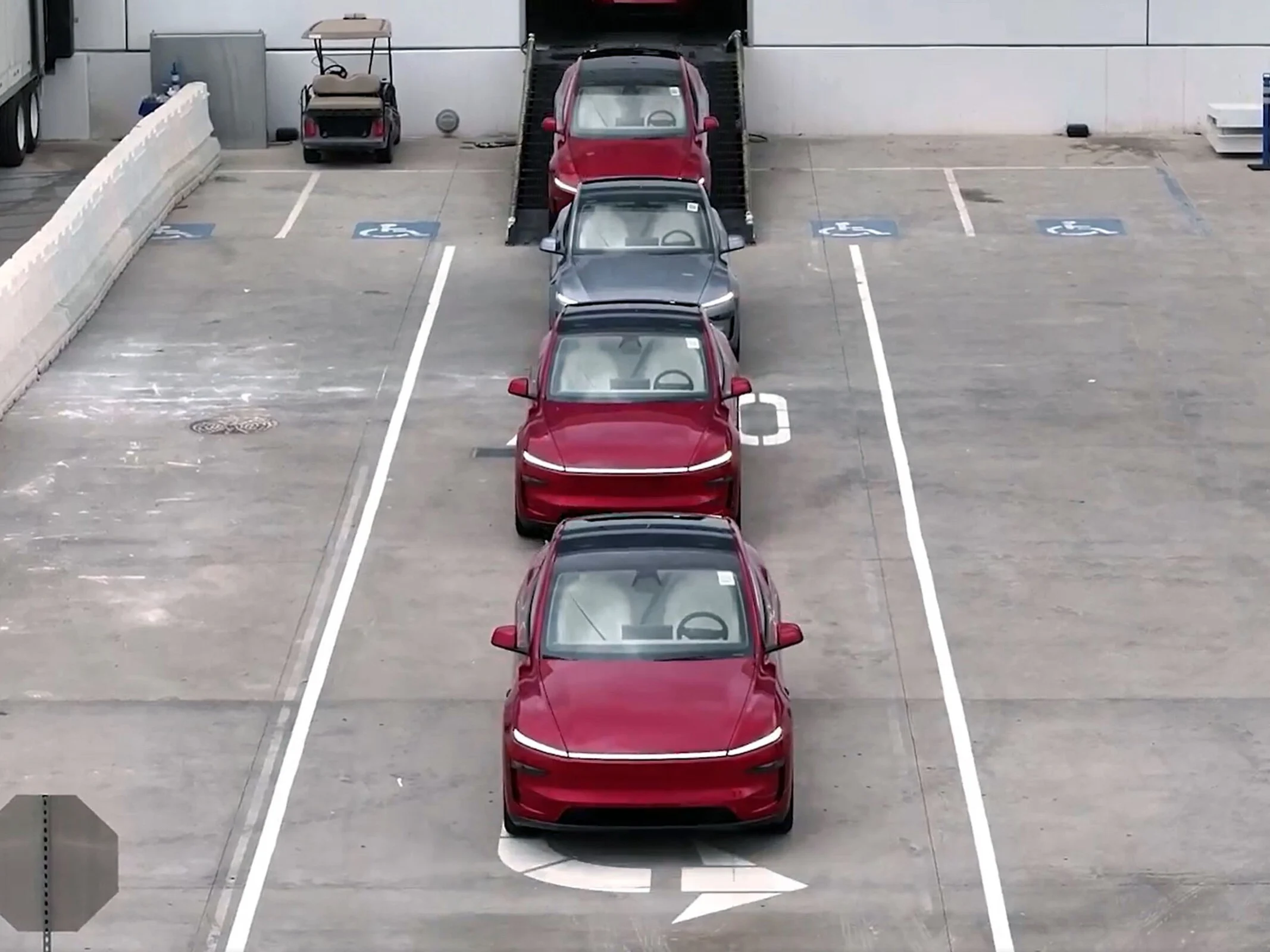
  • Tesla Model Y Price Increase Due to Loss of Federal Tax Credit

    Tesla Model Y Price Increase Due to Loss of Federal Tax Credit

    Key Takeaways

    1. Federal Tax Credit Changes: Proposed legislation may eliminate federal tax credits for electric vehicles starting in 2026, affecting both new and used EV buyers.

    2. Tesla’s Ineligibility: Tesla will not qualify for future federal subsidies due to its high sales volume, impacting pricing and demand for the Model Y.

    3. Increased Costs for Buyers: The removal of tax credits could lead to significant increases in monthly payments for Model Y buyers, with estimates of over $100 to $150 more per month.

    4. Impact on Demand: Without federal tax credits, Tesla may face challenges in maintaining demand for its vehicles, including the Model Y and Cybertruck.

    5. Musk’s Outlook: Elon Musk believes the loss of tax incentives may favor Tesla long-term, but current declines in demand could test this view.


    Tesla might see a surge in Model Y sales later this year, as the options to use federal tax credits for down payments or to lower leasing costs could be ending in 2026.

    Changes in Tax Credits

    The Republican “One Big, Beautiful Bill” tax proposal aims to eliminate the clean energy credits and tax incentives that were part of the Biden administration’s Inflation Reduction Act. This new GOP legislation would reduce some of the tax cuts from Trump’s first term, but it would also cut the federal tax credit for both new and used electric vehicles.

    Starting in 2026, there will be no $4,000 discounts available for used electric cars, and the $7,500 tax credit for new EV buyers will only apply to manufacturers that have sold fewer than 200,000 vehicles to date.

    Tesla’s Situation

    Tesla will not be eligible for the 2026 federal subsidy, given that it is currently the second-largest EV producer globally, just behind BYD, and sells more vehicles than any other electric car maker in the US. So, from January 1, 2026, the new Model Y will not qualify for the $7,500 federal tax credit that it currently benefits from.

    Furthermore, the government plans to remove the $7,500 tax credit for commercial electric vehicles to help fund the extension of the 2017 tax cuts. This change could significantly affect Model Y buyers, as most electric vehicles in the US are leased. If the bill passes, automakers and dealers will need to charge the full MSRP after December 31 instead of passing the commercial EV tax credit to the buyer.

    Pricing Impact

    Currently priced at $44,990 for the base model, this change could lead to over a $100 increase in the monthly payment for the RWD Model Y. The difference in monthly payments for the Model Y AWD, which currently has an attractive APR financing deal, is expected to be around $150 more.

    As a result, Tesla may struggle with demand since none of its vehicles will be eligible for the federal tax credit in the coming year. Even the Cybertruck, which has sales lower than the 200,000 unit limit right now, will not qualify because the bill considers the manufacturer’s total sales.

    The government has been spending around $200 million each month to subsidize the price of the Tesla Model Y and other electric vehicles from different manufacturers, but these subsidies may be ending in 2026.

    Musk’s Response

    Back in November, Elon Musk downplayed the potential loss of EV tax incentives, suggesting it wouldn’t heavily impact Tesla. He remarked, “I guess that there would be some impact, but I think it would be devastating for our competitors.” Musk also mentioned that “long term, this probably actually helps Tesla,” but with the current decline in demand for Tesla vehicles, this assertion may soon be tested.

    To cope with the removal of the federal tax credit, Tesla might need to reduce prices, introduce new models like a rumored cheaper and smaller Model Y, or brace for the expected drop in demand due to the early elimination of these tax credits.

    Source:
    Link

  • Xiaomi’s Carbon Fiber Hood Controversy Sparks Buyer Backlash

    Xiaomi’s Carbon Fiber Hood Controversy Sparks Buyer Backlash

    Key Takeaways

    1. The Xiaomi SU7 Ultra prototype set a new lap record at Nürburgring with a time of 6 minutes and 48.874 seconds, surpassing the Porsche Taycan Turbo GT.

    2. Customers expressed dissatisfaction over misleading descriptions of the carbon fiber hood, which was expected to enhance cooling but was found to be mostly cosmetic.

    3. Xiaomi issued an apology for the confusion regarding the carbon fiber hood and clarified its limited functionality for ventilation.

    4. Buyers of the SU7 who haven’t received their cars can choose between a standard hood or 20,000 loyalty points as compensation.

    5. The safety of the Xiaomi SU7 has been questioned following three fatalities linked to a malfunctioning autopilot system.


    When the Xiaomi SU7 Ultra prototype was shown off at Nürburgring last year, it truly was an event to remember. With a lap time of 6 minutes and 48.874 seconds, it surpassed the previous record held by the Porsche Taycan Turbo GT. Since that moment, Xiaomi has established itself not just in consumer electronics but also in the electric vehicle sector. However, the company has faced multiple challenges in a short time frame as it competes with Tesla.

    Issues with Customer Expectations

    A report from Wallstreet Online reveals that some buyers who ordered the SU7 with a carbon fiber hood feel misled due to a misleading feature description. The official site claims the hood enhances cooling for the front tires and is priced at an additional 42,000 yuan (approximately $5,830).

    Upon further inspection, many customers discovered that the air intakes were merely basic holes with some paneling, and the design closely resembled the standard hood.

    Apology and Options for Customers

    According to the same report, Xiaomi has since revised its stance and issued an apology for the confusing information. The carbon fiber hood is more of a cosmetic feature and provides only “a certain amount of ventilation and heat dissipation.”

    For those who ordered the SU7 but have yet to receive their vehicle, they can opt for either a standard hood or receive 20,000 loyalty points instead. So far, there have been 300 complaints filed. Additionally, the safety of the Xiaomi SU7 has come under scrutiny again after three fatalities occurred in an accident earlier in April linked to a malfunctioning autopilot system.

    Source:
    Link

  • Slate Electric Pickup Truck Hits 100,000 Reservations Milestone

    Slate Electric Pickup Truck Hits 100,000 Reservations Milestone

    Key Takeaways

    1. Slate announced an electric pickup truck that can transform into an SUV for under $20,000, generating 100,000 reservations.
    2. Jeff Bezos, founder of Amazon, supports Slate, having invested in Rivian, a competitor in the electric vehicle market.
    3. The truck will be produced in Indiana, with plans to increase production to 150,000 units annually by 2028.
    4. The modular design allows for customization, including a DIY transformation into a two-door SUV, expected to be available by late 2026.
    5. A $50 refundable deposit is needed to reserve the truck, but final prices may exceed initial advertisements, depending on federal EV tax credit availability.


    Slate recently announced that it can sell an electric pickup truck that can change into an SUV for under $20,000. This idea has caught the attention of many, leading to 100,000 reservations being made for the vehicle.

    Backing by Bezos

    Slate has the support of Jeff Bezos, the founder of Amazon. He was one of the first investors in Rivian, another company that produces electric trucks, SUVs, and vans.

    Production Plans

    The electric vehicle will be produced in Indiana, with Slate aiming to increase production to 150,000 units annually by 2028. They are inviting early adopters to customize their trucks through their website.

    The Slate EV has a modular design, allowing customers to add an optional roof and extra seats to convert it into a two-door SUV. This transformation can be completed either as a DIY task or by professionals at a partnering service center. The truck is expected to be released in late 2026, featuring a standard battery pack that offers a 150-mile driving range.

    Reservation Details

    To reserve the pickup truck, a $50 deposit is required, which is refundable. However, not all reservations are guaranteed to lead to a purchase. For example, Tesla gathered two million pre-orders for the Cybertruck, yet it is currently offering promotions to encourage sales.

    Prospective buyers should keep in mind that the final price may be higher than initially advertised. The low cost relies on the ongoing availability of the federal EV tax credit, which is currently uncertain.

    Source:
    Link

  • UK to Receive £1 Billion Investment for Electric Vehicle Battery Factory

    UK to Receive £1 Billion Investment for Electric Vehicle Battery Factory

    Key Takeaways

    1. £1 Billion Investment: The UK is investing £1 billion in a gigafactory in Sunderland, managed by AESC, to boost electric vehicle production.

    2. Job Creation: The new facility is expected to create around 1,000 jobs and significantly increase battery production capacity.

    3. Financial Support: The investment is backed by the National Wealth Fund and UK Export Finance, with banks providing additional funding.

    4. Strategic Goals: AESC aims to support the UK’s decarbonisation efforts and strengthen the electric vehicle market through local job creation and a sustainable supply chain.

    5. Rising Electric Vehicle Demand: The investment comes at a time when electric vehicles represent 20.4% of the UK automotive market, highlighting growing consumer interest.


    The UK’s move towards electric vehicles has gotten a significant lift with the announcement of a £1 billion investment in a gigafactory. AESC will manage the new facility located in Sunderland.

    Job Creation and Production Capacity

    This plant is expected to create around 1,000 jobs and will produce enough batteries to power 100,000 electric vehicles each year. This increase in output will enhance the UK’s battery manufacturing capacity by six times, making locally produced electric cars more competitive both domestically and internationally.

    Financial Backing and Partnerships

    The investment comes with support from the National Wealth Fund and UK Export Finance, which guarantees up to £680 million. Banks involved in this initiative include Standard Chartered, HSBC, SMBC Group, Societe Generale, and BBVA, while AESC plans to obtain the remaining funds from private lenders.

    Strategic Goals

    Shoichi Matsumoto, the CEO of AESC, remarked: “This investment is a significant step in AESC’s commitment to aiding the UK’s efforts toward decarbonisation and expanding its electric vehicle market. By working closely with our strategic partners, we aim to speed up this transition while creating quality local jobs and establishing a strong, sustainable supply chain.”

    In her remarks, Chancellor of the Exchequer Rachel Reeves stated: “We are taking further and faster steps to enhance our industries’ resilience and promote their growth as part of our Plan for Change. This investment comes right after yesterday’s historic economic agreement with the US, aimed at preserving thousands of jobs in the sector.”

    Growing Demand for Electric Vehicles

    The timing of the investment is crucial as more drivers in the UK are choosing electric cars. By April 2025, electric vehicles accounted for 20.4 percent of the automotive market.

    Source:
    Link