Category: EV vehicles

  • Xiaomi YU7 Beats Tesla Model Y with Largest Battery in Class

    Xiaomi YU7 Beats Tesla Model Y with Largest Battery in Class

    Key Takeaways

    1. Design and Launch: The Xiaomi YU7, a luxury performance SUV, features design elements from the SU7 sedan and will be launched in July in China.

    2. Competitive Pricing: The YU7 is priced around $35,000, making it slightly cheaper than the Tesla Model Y while offering superior specifications.

    3. Performance and Battery: The YU7 boasts the largest battery in its class (up to 101.7 kWh) and outperforms the Model Y in charging speed and range, with the Standard RWD version achieving 518 miles on a single charge.

    4. Acceleration and Features: The powerful YU7 Max variant accelerates from 0 to 60 mph in just 3.2 seconds and includes advanced features like air suspension and a HUD projection for the driver’s display.

    5. Self-Driving Technology: The YU7 will utilize a specialized Nvidia Thor chip for self-driving capabilities, with more details to be revealed closer to its release.


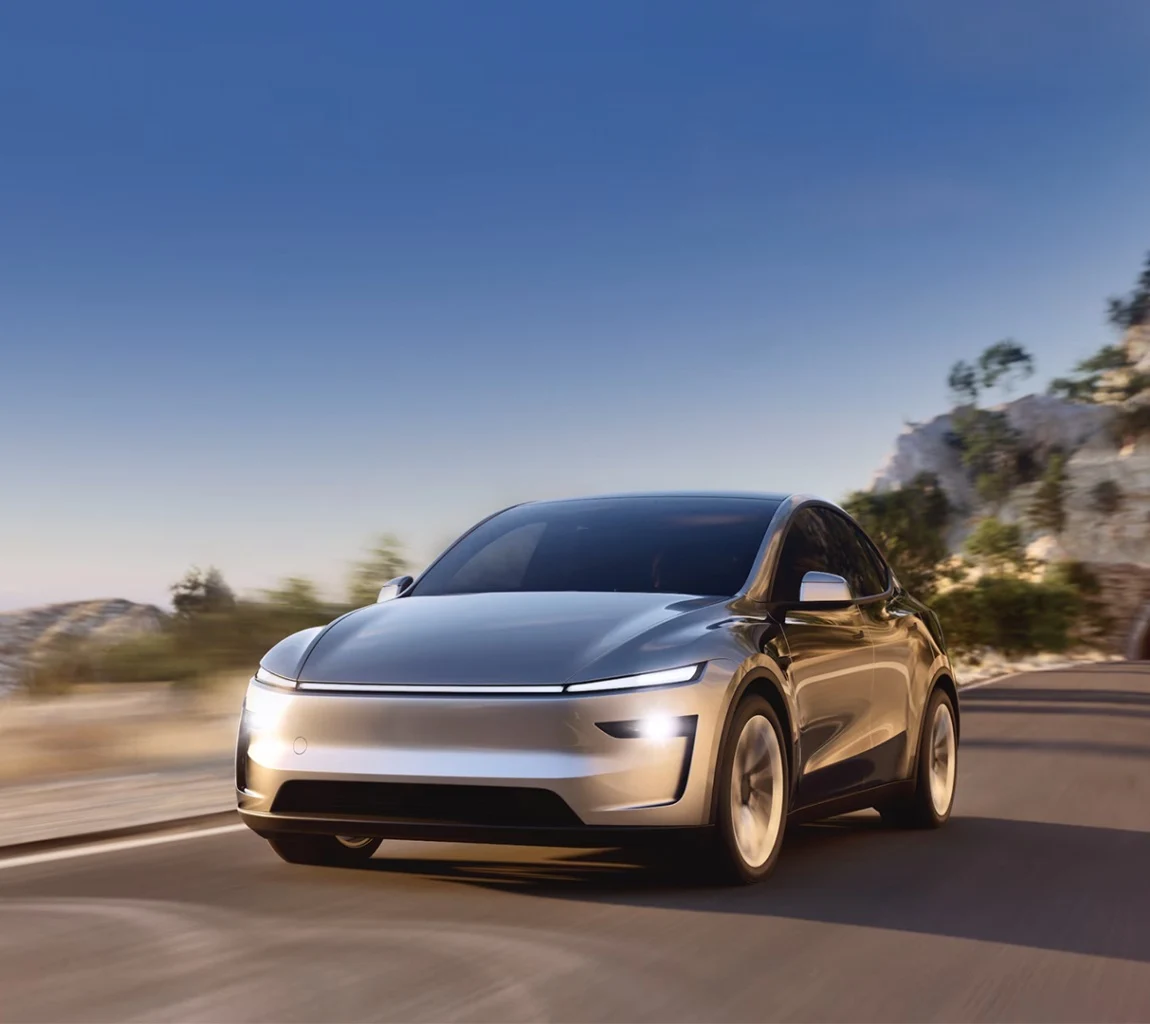
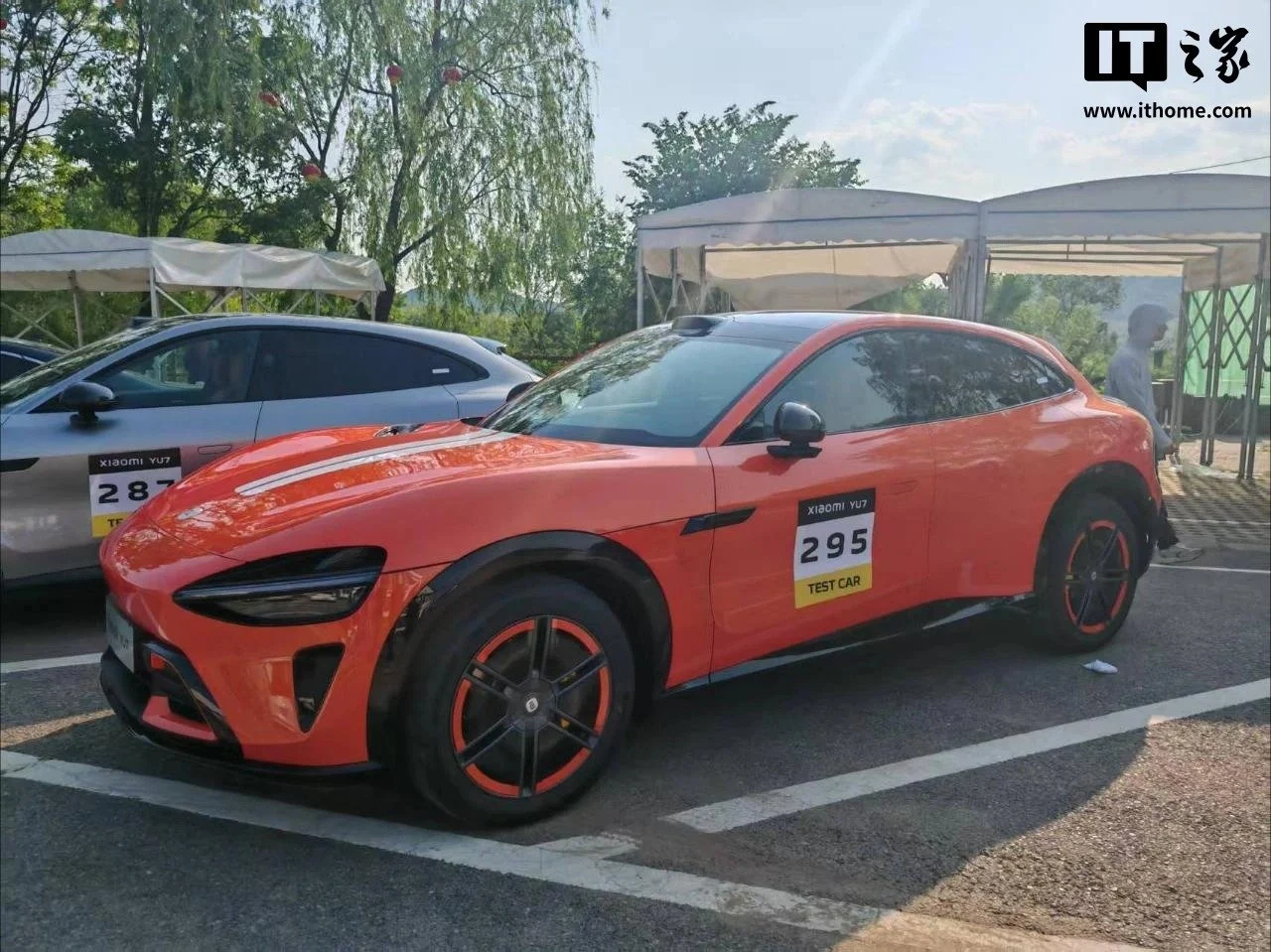
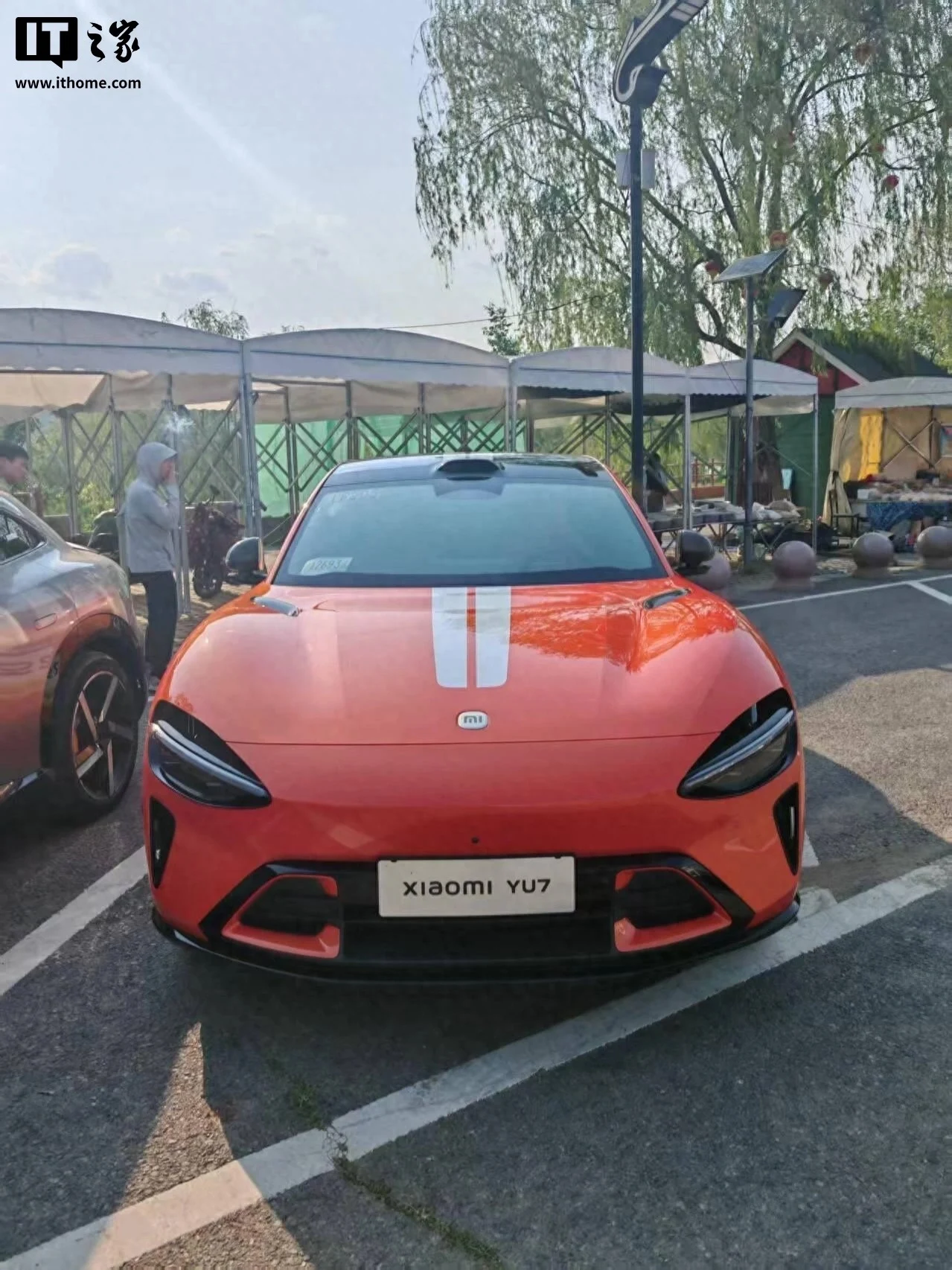
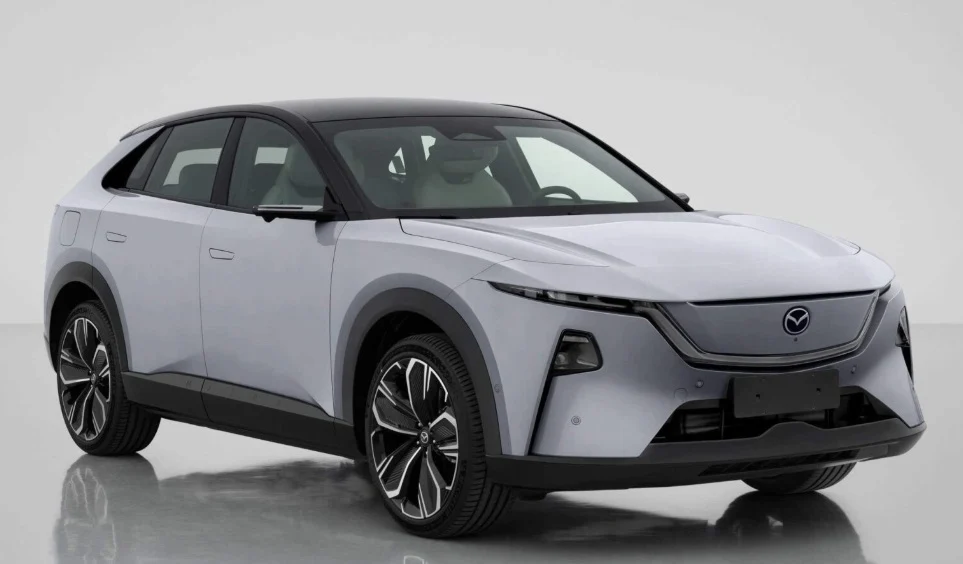
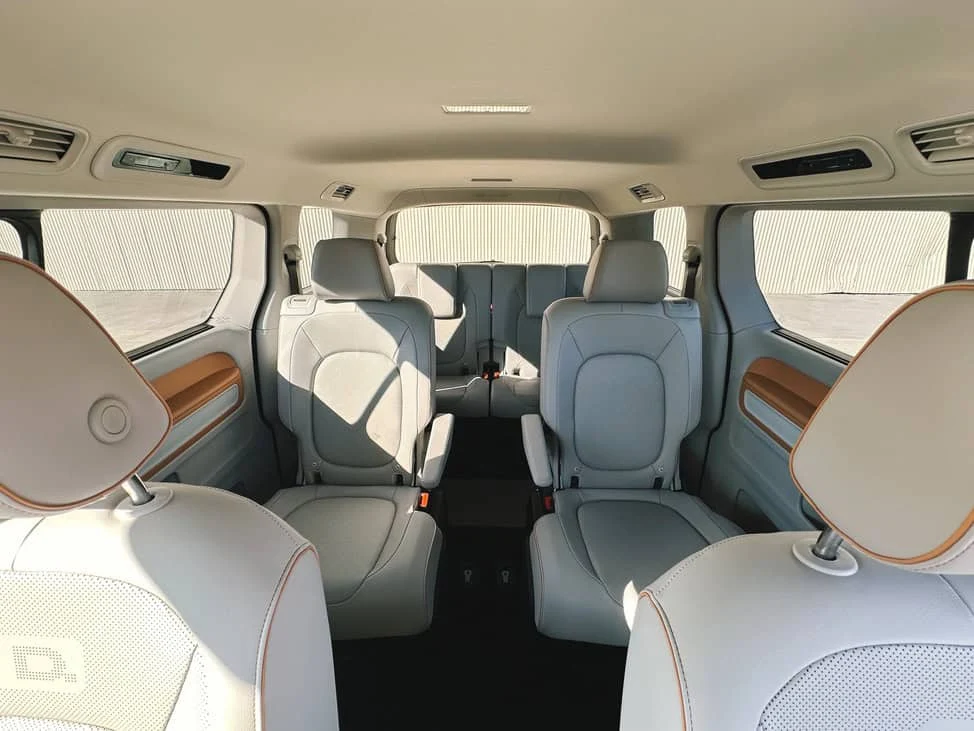
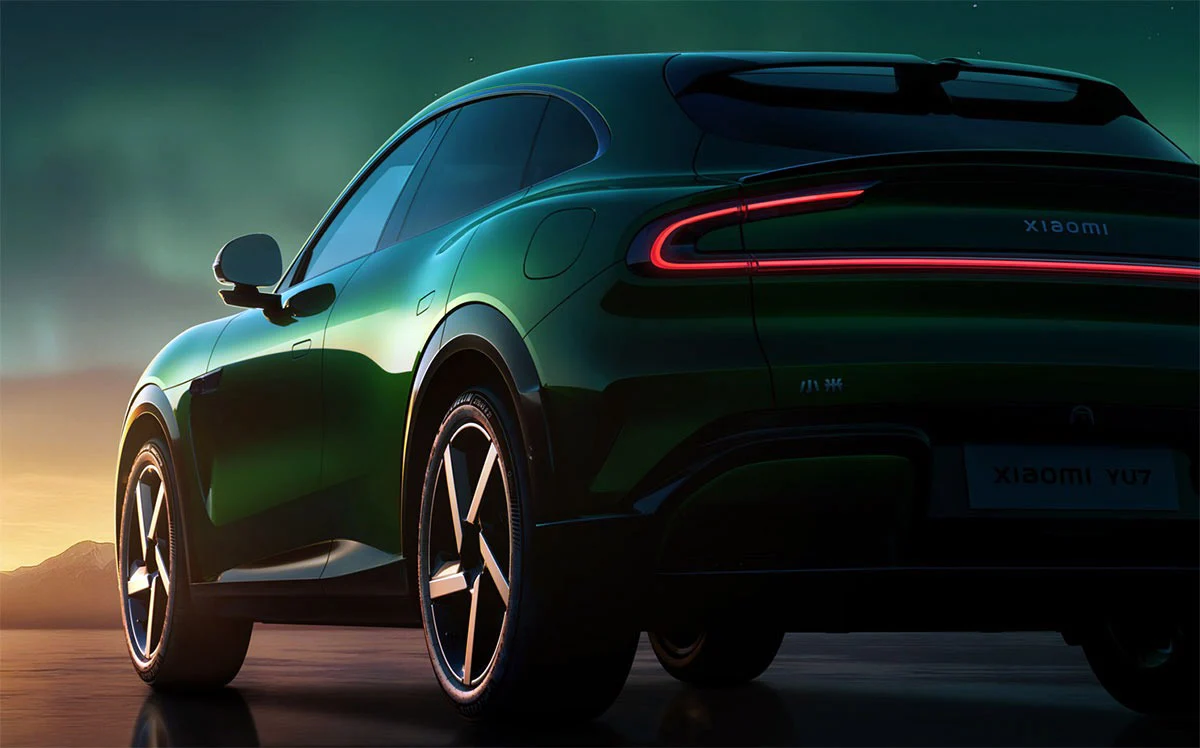
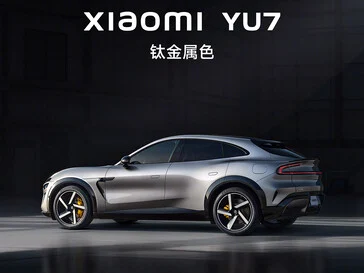
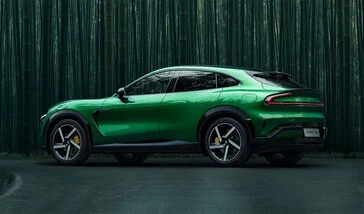
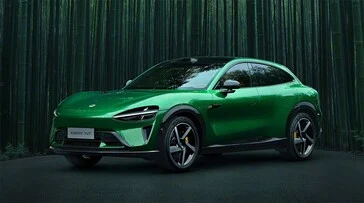
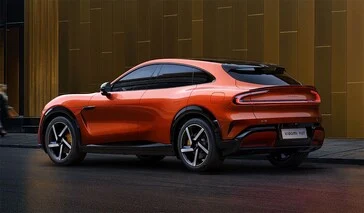
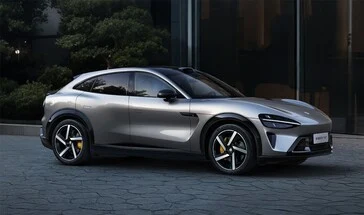
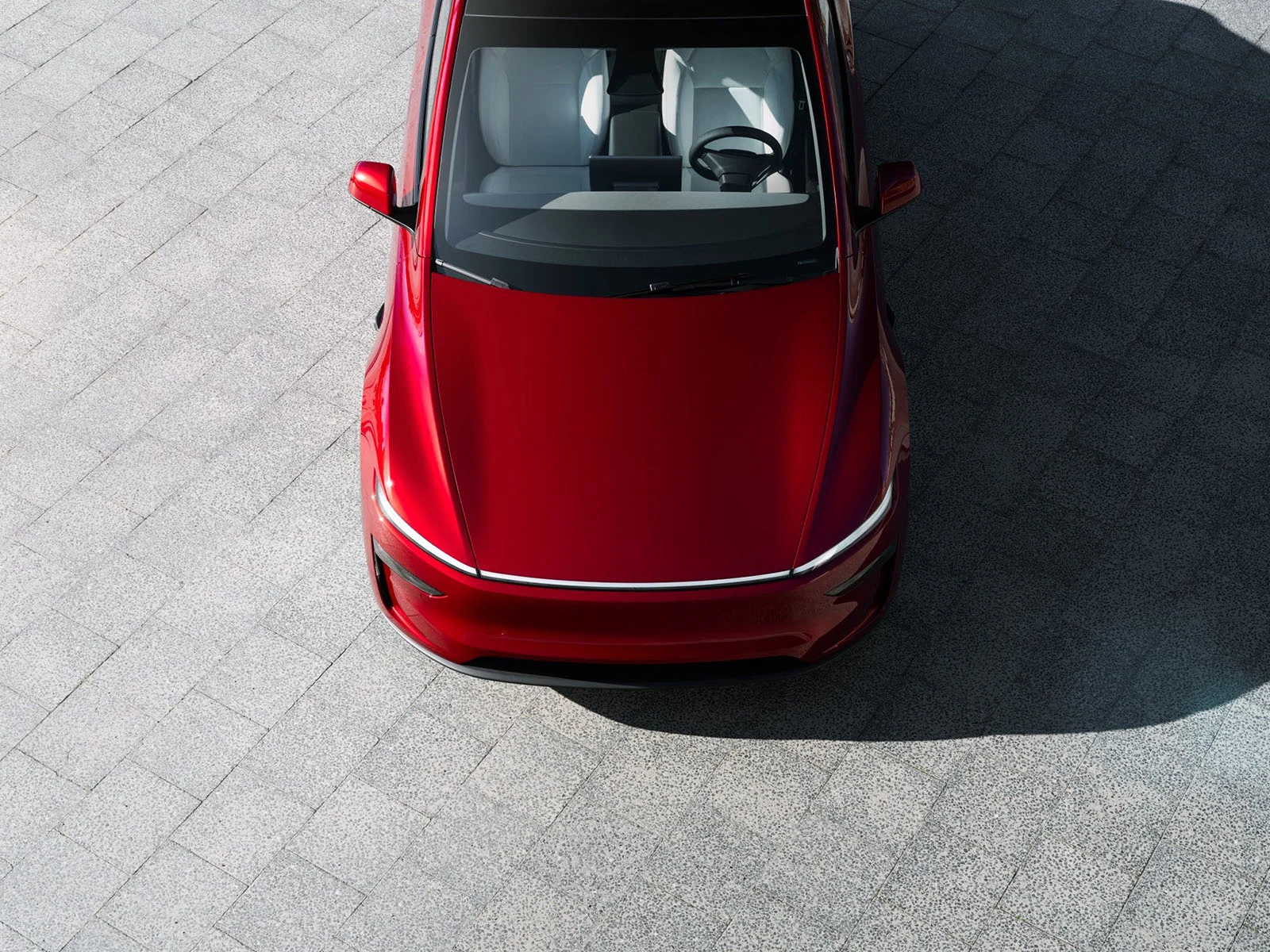
    After revealing the design and interior of its very first electric SUV, Xiaomi has introduced the YU7 crossover, which aims to compete directly with the Tesla Model Y.

    Design and Features

    Called a “luxury performance SUV,” the Xiaomi YU7 borrows design elements from its SU7 sedan predecessor, highlighting distinctive headlights and sleek body lines.

    Xiaomi plans to launch the YU7 in July, making it available for purchase to the public in China.

    Competitive Pricing

    The pricing is set to be quite attractive, as the company’s founder and CEO Lei Jun has built a strong reputation as an entrepreneur, often being compared to Elon Musk of China due to his dedication and affordable products, like the Redmi phone and smartwatch series.

    For example, the Redmi Watch 5 costs less than $50 on Amazon, offering an impressive 18 days of battery life, over 140 workout modes, and Bluetooth calling with dual-mic noise cancellation.

    The Xiaomi YU7 will reportedly start at around $35,000, slightly under the Model Y in China, while outperforming it in various specifications.

    Performance and Specifications

    As anticipated from a contemporary electric SUV from a Chinese brand, the Xiaomi YU7 outshines the Model Y in charging speed by a factor of two, thanks to its 800V powertrain. However, that’s not the only area where it surpasses Tesla’s popular model.

    The YU7 features a much bigger, 96.3 kWh LFP battery for both the Standard RWD and Pro AWD variants, while the top-tier Max version includes a performance ternary battery with a capacity of 101.7 kWh. Lei Jun has stated that the YU7 holds the title of the largest battery in its class, all while being priced competitively.

    Moreover, the Xiaomi YU7 provides a longer range on a single charge compared to the Tesla Model Y, with the Standard RWD version boasting an impressive 518 miles. In contrast, the single-motor Model Y is rated for only 446 miles according to China’s CLTC cycle, as it has a smaller battery.

    The CLTC rating is about 25% more generous than the EPA rating, so a range of 390 miles is a more accurate comparison, which would still exceed the Model Y RWD available in the US. Similarly, the YU7 Pro dual-motor AWD version is rated for 479 miles per charge, while the YU7 Max is equivalent to the Model Y Performance trim.

    Acceleration and Interior Features

    The powerful 690 HP Xiaomi YU7 Max matches the anticipated performance of the 2026 Model Y Performance, accelerating from 0 to 60 mph in just 3.2 seconds, comparable to the new Performance trim that has recently been spotted on a racetrack.

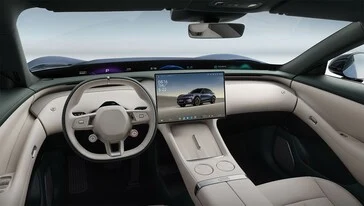
    Additionally, the first Xiaomi SUV is larger than the Model Y and comes equipped with air suspension for enhanced comfort. Inside, the company has eliminated traditional gauge cluster displays, opting for a HUD projection that spans the entire driver’s field of view.

    The self-driving capabilities are managed by a specialized Nvidia Thor chip with 700 TOPS performance. Xiaomi has indicated that they will disclose the full capabilities of the YU7 as the July release date approaches, along with the final pricing for the Standard, Pro, and Max trims.

    Source:
    Link


  • 2026 Model Y Performance Seen Testing at Racetrack Before Release

    2026 Model Y Performance Seen Testing at Racetrack Before Release

    Key Takeaways

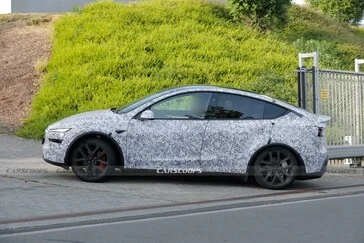
    1. The 2026 Model Y Performance has been spotted testing at the Nürburgring racetrack in Germany, aiming for high-speed performance records.
    2. The Model Y Performance is expected to achieve improved acceleration, with a target of 3.2 seconds from 0-60 mph, compared to its predecessor’s 3.5 seconds.
    3. The SUV will likely utilize a 510 HP drivetrain, up from the previous 470 HP, while being lighter and featuring better aerodynamics.
    4. Design changes include a lower stance and a rear lip spoiler for increased downforce, although the final aesthetic may differ from the current camouflaged prototype.
    5. The prototype is equipped with 21-inch Arachnid wheels from the Model S Plaid, indicating ongoing testing for traction and stability.


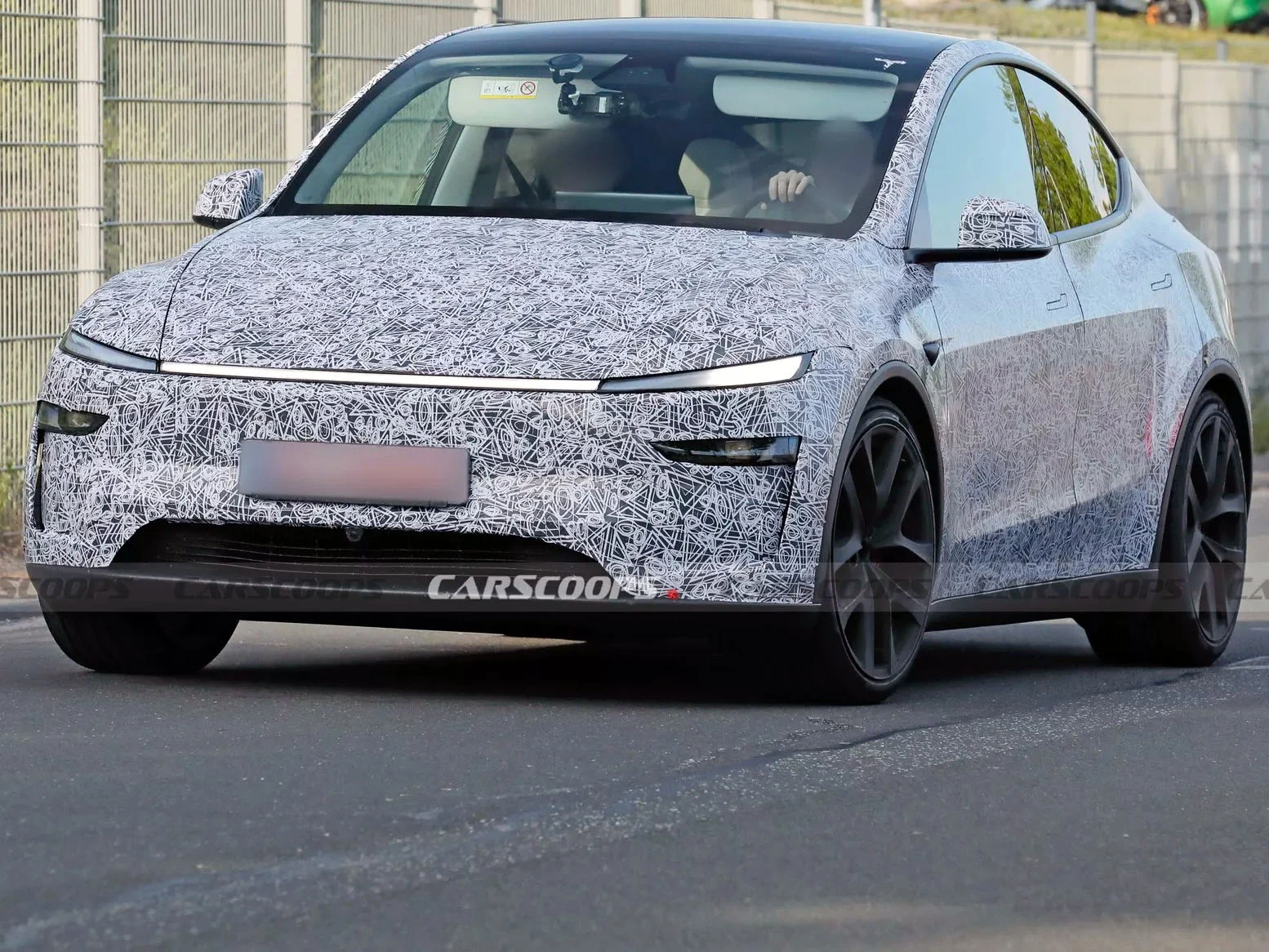
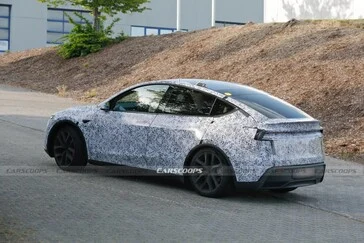
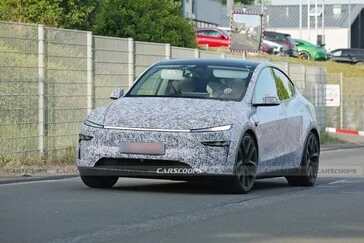
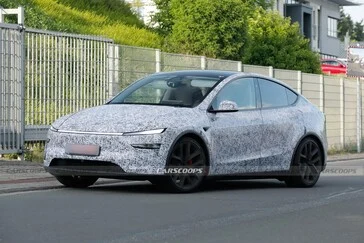
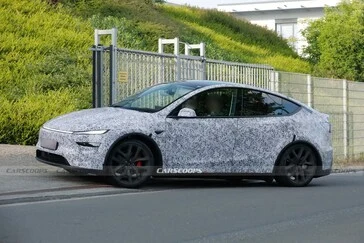
    After being seen testing on American roads prior to the launch of the 2026 Model Y AWD and RWD variants, the high-speed Performance version has now been observed at its rightful place—the famous Nürburgring racetrack in Germany.

    Record-Setting History

    The Nürburgring is where a modified Model S Plaid, equipped with the Track Package, achieved a record lap time of 7:25.231 for its class in 2023, driven by Tom Schwister. It makes sense for Tesla to aim for a similar accomplishment in the electric SUV category.

    Performance Expectations

    While onlookers who noticed the 2026 Model Y Performance, concealed in camouflage at the racetrack, could not track its lap times for clear reasons, it is anticipated that the SUV will have improved acceleration compared to the 3.5 seconds needed for its older version to reach 0-60 mph.

    The expectation rests on a 3.2-second acceleration for the Model Y Performance, likely utilizing the same 510 HP drivetrain found in the Model 3 Performance, an increase from the previous 470 HP, while also being lighter and featuring enhanced aerodynamics.

    Design Details

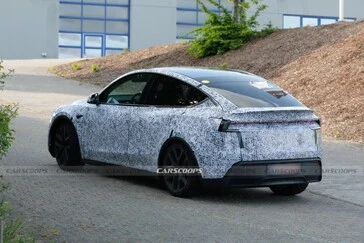
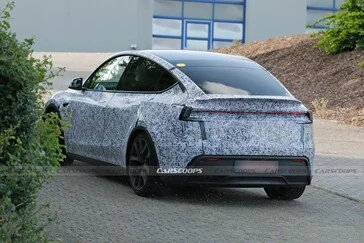
    To support this claim, the new Model Y Performance is designed to sit lower than the standard AWD/RWD versions and is equipped with a rear lip spoiler to boost downforce. However, the sporty front bumper seen on the Model 3 Performance is noticeably absent; the final aesthetic may vary from the camouflaged version currently being tested.

    The 21-inch Arachnid wheels borrowed from the Model S Plaid are present, indicating that this is still an engineering prototype of the Model Y Performance, intended to test traction and stability. There is ample opportunity for the design to become more dynamic before the anticipated launch in the latter half of the year.

    Source:
    Link

  • Elon Musk: Model Y Robotaxi Pilot to Enhance Safety Like Waymo

    Elon Musk: Model Y Robotaxi Pilot to Enhance Safety Like Waymo

    Key Takeaways

    1. Waymo celebrates its ten millionth paid autonomous ride, while Tesla’s robotaxi service is set to launch in June.
    2. Tesla’s pilot program will start with ten Model Y vehicles operating only in the safest areas of Austin, using geofencing similar to Waymo’s approach.
    3. Musk claims Tesla’s AI can adapt quickly to driving situations, but they will still use pre-mapping and geofencing.
    4. Tesla’s Model Y robotaxis will have operators ready to intervene, and training for local first responders has begun.
    5. There is a debate on safety between Tesla’s cost-saving approach and Waymo’s use of LiDAR and extra sensors for enhanced safety.


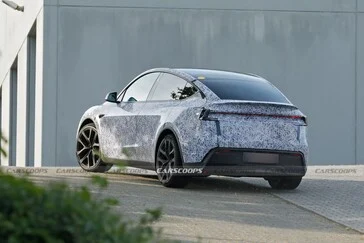
    While Waymo is proud to announce that it has completed its ten millionth paid autonomous ride, Tesla’s CEO, Elon Musk, has stated that their own robotaxi service, set to launch in June, will be very similar.

    Pilot Program Details

    Musk mentioned that the initial rollout will start small, featuring around ten Model Y vehicles. These will only operate in the “safest” parts of Austin, where the pilot will take place. This approach seems to echo the geofencing methods used by Waymo, even if Musk has often criticized their strategy.

    AI and Safety Measures

    During the last earnings call, Musk promoted Tesla’s “generalized” AI system, which he claims can quickly adapt to different driving situations without needing detailed maps like other companies. However, it appears that Tesla will indeed undertake pre-mapping and geofencing.

    “We are actually going to deploy not to the full Austin area, but just the safest parts,” revealed Musk. “So we will geofence it… It’s not going to take intersections unless we are really confident it will do well,” he added.

    Safety Protocols

    Even though the Model Y robotaxis will operate without a driver, there will be operators ready to step in if necessary, similar to Waymo’s setup. Tesla has already begun training Austin first responders and police on how to handle its driverless robotaxis, suggesting that the platform will initially follow a traditional model like others in the industry.

    The key selling point is that Tesla will use standard Model Y vehicles, which are 20%-25% cheaper per unit than the customized Waymo vehicles equipped with LiDAR and additional sensors, according to Musk.

    Different Perspectives on Safety

    However, John Krafcik, Waymo’s former CEO, disagrees, arguing that the cost savings from using Tesla’s vehicles aren’t worth the potential safety risks. He contends that the LiDAR and extra sensors have a “trivial cost-per-mile impact over the useful life of a robotaxi while also providing massive quantifiable safety benefits.”

    In the end, it’s unclear whose approach will prove more successful in the long run, as Tesla prepares to kick off its robotaxi venture next month in Austin with a limited fleet and within a geofenced area.

    Source:
    Link

  • 2026 Toyota RAV4: Enhanced Battery and Electric Range for Daily Use

    Key Takeaways

    1. Enhanced All-Electric Range: The 2026 RAV4’s hybrid technology will offer a 20% increase in all-electric range, achieving 50 miles compared to the previous model’s 42 miles.

    2. All-Hybrid Lineup: The new RAV4 will only feature hybrid or plug-in hybrid options, eliminating the gas-only engine option across all trims.

    3. Fast Charging Capabilities: The RAV4 PHEV will support DC fast charging, allowing a 10% to 80% charge in just 30 minutes, with enhanced home charging options available.

    4. New Control Innovations: The RAV4 will have touch-based A/C controls and the new Toyota Audio Multimedia system, moving towards fully software-defined vehicle capabilities.

    5. Advanced Safety Features: It will debut the Toyota Safety Sense 4.0 system, equipped with updated safety hardware and software, along with new color options for the model.


    The upcoming generation of Toyota’s well-known hybrid technology will be unveiled in the new 2026 RAV4, promising a 20% enhancement in all-electric range compared to the previous version of America’s favorite SUV.

    Enhanced Battery Performance

    With the integration of a bigger battery and silicon carbide in the semiconductors of the front axle, the plug-in hybrid variant of the new Toyota RAV4 is set to achieve a range of 50 miles on electric power alone. This is a significant upgrade from the 42 miles offered by its predecessor, which Toyota aimed to match to the average daily driving distance in the U.S., though it often didn’t quite meet the claimed range.

    Major Changes in the Lineup

    In this newly revamped RAV4, Toyota is making a significant shift in its legendary SUV lineup by eliminating the option for a solely gas-powered engine. Now, every trim of the RAV4 will be either hybrid or plug-in hybrid, which means all will come with a battery and electric motor that enhance their power and driving range.

    The XSE and Woodland versions of the PHEV RAV4 now feature DC fast charging capabilities via a standard CCS port at public charging stations, allowing the battery to recharge from 10% to 80% in just 30 minutes. When charging at home, quicker charging times are possible with devices like the Tesla Universal EV Charger with Dual Plug, thanks to its integrated 11 kW AC charger.

    Pricing and Warranty Information

    The pricing for each trim of the 2026 RAV4 will be revealed closer to its launch in the latter half of the year. However, they will all come with Toyota’s standard warranty of 3 years or 36,000 miles for parts, a 5-year or 60,000-mile powertrain warranty, and an 8-year or 100,000-mile warranty for the hybrid system.

    The improvements in adhesive dampening will provide a quieter interior, along with a smoother ride due to enhanced frame joints and suspension mounting, which will likely be well-received. However, the new digital HVAC controls may not be as popular.

    Control Innovations

    While knobs and physical controls are gaining popularity again, Toyota has opted to implement touch-based A/C controls. They have placed these controls at the bottom of the screen, allowing users to find them more easily using muscle memory, reducing the need to look away from the road.

    Another noteworthy feature of the new RAV4 is Toyota’s Arene development platform, marking the company’s initial move toward fully software-defined vehicles. This platform has enabled the launch of the latest Toyota Audio Multimedia system, complete with an always-on home button and standard support for Apple CarPlay, Android Auto, and dual Bluetooth phone connectivity.

    Safety Features and New Colors

    The 2026 RAV4 will be the first model to incorporate the new Toyota Safety Sense 4.0 system, which comes equipped with updated active safety hardware and software. Additionally, the rugged Woodland trim will now be available in a unique Urban Rock color, alongside new hues like Meteor Shower, Everest, and Storm Cloud for the redesigned 2026 RAV4.

    Source:
    Link

  • Sodium-Based Solid-State Batteries: Faster Charging & Higher Capacity

    Sodium-Based Solid-State Batteries: Faster Charging & Higher Capacity

    Key Takeaways

    1. Researchers at BAM are developing a sodium super-ionic conductor (NASICON) electrolyte to improve solid-state batteries beyond lithium-ion technology.
    2. Switching from graphite anodes to metallic lithium or sodium could increase energy density by up to 40%.
    3. A liquid alkali-metal anode can produce 100 times more power than graphite, but current usage requires high temperatures (250°C).
    4. NASICON materials effectively conduct ions at room temperature and tolerate potassium, but finding alternative stabilizing dopants is essential due to hafnium’s rarity and cost.
    5. Successful development of sodium-based solid-state batteries could lead to safer, faster charging, and more sustainable energy systems for everyday applications and electric vehicles.


    Researchers at the Federal Institute for Materials Research and Testing (BAM) in Germany are rethinking solid-state batteries to surpass the limits of current lithium-ion cells. Their work focuses on a new sodium super-ionic conductor (NASICON) electrolyte, which has the potential to enable quicker charging, longer lifespans, and reduced costs, all while maintaining safety.

    Advancements in Battery Technology

    Traditional lithium-ion batteries use graphite anodes, which can only hold a limited amount of ions. By switching to metallic lithium or the more affordable and abundant sodium, energy density could increase by up to 40 percent. However, solid anodes require a solid electrolyte, and the hard interface between them often creates gaps that render the battery ineffective. A partially liquid anode could address this interface issue, but it must remain stable throughout.

    Breaking New Ground with NASICON

    The team at BAM, directed by visiting researcher Gustav Graeber, has demonstrated that a liquid alkali-metal anode can produce 100 times more power than graphite. Currently, this impressive output is achievable only at around 250°C (482°F). To lower the temperature for practical use, the researchers are incorporating potassium to decrease the anode’s melting point. Unfortunately, most solid electrolytes deteriorate when in contact with potassium, leading to a new challenge for the electrolyte.

    NASICON materials are addressing this challenge effectively. They are capable of conducting ions well at room temperature and can tolerate potassium, especially when enhanced with hafnium. However, hafnium is both rare and costly. Thus, the BAM team is exploring more readily available dopants that could replicate hafnium’s stabilizing properties. The most effective combinations are already being tested and cycled in prototype sodium cells.

    Future Implications

    Should their research prove fruitful, sodium-based solid-state batteries may transition from laboratory settings to everyday applications and electric vehicles. The increased energy density would prolong usage time, while solid electrolytes would enhance overall safety. Quicker charging and a supply chain reliant on abundant sodium instead of rare lithium and cobalt would also make this technology appealing for grid storage, marking a significant yet gradual move towards more sustainable energy systems.

    Source:
    Link

  • 2026 Lexus RZ: Tesla Charging, 300-Mile Range, Simulated Shifts

    2026 Lexus RZ: Tesla Charging, 300-Mile Range, Simulated Shifts

    Key Takeaways

    1. The 2026 Lexus RZ SUV features a longer driving range, with the 350e trim offering up to 300 miles on a single charge.
    2. It introduces a new NACS charging plug, allowing access to Tesla’s Supercharger network and faster charging times.
    3. The RZ is available in three trims: 350e, 450e, and the new 550e F Sport, with varying power outputs and performance specs.
    4. The 550e F Sport has a stronger motor (402 hp) and a 76.96 kWh battery but has a reduced driving range of 225 miles.
    5. The North American version will not include the steer-by-wire system, which is available in the European model, but will feature Toyota’s M Mode for enhanced driving responsiveness.


    Lexus North America has announced the details of the 2026 Lexus RZ SUV, which sees several improvements. It boasts a longer driving range, a new NACS plug, a stronger motor, a quicker AC charger, and simulated gear shifts. However, it seems this updated model will not include steer-by-wire, a feature that is available in Europe.

    Trim Options and Performance

    The RZ will be available in three different trims: the 350e, 450e, and the new 550e F Sport. The 350e offers the best driving range at 300 miles, powered by a 74.69 kWh battery pack. Its FWD drivetrain will deliver 221 hp, which is about 10 percent more than the 2025 model, allowing it to reach 60 mph from a stop in 7.2 seconds.

    Power and Range Trade-offs

    The 450e shares the same battery but comes with an additional electric motor on the rear wheel. This setup offers 308 hp, enabling a 0 to 60 mph sprint in just 4.9 seconds. However, this increased power means a reduced driving range, as it can only manage 260 miles on a full charge.

    Enhanced Features

    The new 550e F Sport features a slightly bigger 76.96 kWh battery and two motors that produce a total of 402 hp. It accelerates from 0 to 60 mph in a mere 4.1 seconds. Nonetheless, potential buyers might see the 225-mile driving range as a considerable trade-off.

    Lexus is also integrating Tesla’s NACS charging system into the 2026 RZ, enabling it to use widely available Superchargers. The SUV can go from 10 to 80 percent charge in under 30 minutes. All trims will feature 11 kW AC charging, which is an improvement from the previous 7 kW in the older models.

    Missing Features

    One notable absence in the North American specifications is the steer-by-wire system, which would have allowed the steering wheel or yoke to control the front wheels without a physical connection. This feature has been confirmed for the European variant.

    However, buyers of the 550e F Sport trim in North America can look forward to Toyota’s M Mode, a virtual gear shift setting that the manufacturer claims will enhance the sportiness and responsiveness of the electric vehicle.

    Source:
    Link

  • Royal Mail Achieves 7,000 Electric Vehicles, Tops UK EV Fleet

    Royal Mail Achieves 7,000 Electric Vehicles, Tops UK EV Fleet

    Key Takeaways

    1. Royal Mail has added its 7,000th electric vehicle (EV) to its fleet, making it the largest electric fleet operator in the UK.
    2. The company plans to expand its EV fleet by adding 1,800 more vehicles and upgrading its charging infrastructure within the next year.
    3. Royal Mail uses 100% renewable energy to charge its electric vehicles at its delivery centers.
    4. It aims for a 50% reduction in emissions by 2030 and net-zero emissions by 2040 as part of its ‘Steps to Zero’ strategy.
    5. Royal Mail is also trialing heavy-duty electric trucks, enhancing its commitment to sustainability in its delivery operations.


    If you’ve ever wished for a greener way to receive your parcels, Royal Mail is quietly making that wish a reality. The company has recently added the 7,000th electric vehicle (EV) to its fleet, with intentions to expand even further.

    Milestone in London

    This milestone vehicle was delivered to the South Lambeth Delivery Office in London, where there are currently 71 EVs in operation. The 6,000th EV was introduced back in January 2025.

    Royal Mail initiated its journey into electric vehicles by purchasing 100 EVs in late 2017. Since then, it has grown to become the largest operator of electric fleets in the UK. Approximately 25% of its delivery centers rely on electric vehicles for their everyday delivery services. The company enhances its sustainability efforts by utilizing 100% renewable energy to charge its electric vehicles right on-site.

    Future Plans for Expansion

    Not content with its current achievements, Royal Mail is aiming to add another 1,800 EVs over the next year, along with a significant upgrade to its charging infrastructure. Approximately half of these new vans will be manufactured locally by Stellantis, which received this order in 2024.

    In addition to its electric vans, Royal Mail is also moving forward with the introduction of its first heavy-duty electric trucks. Two 19-tonne trucks have been provided by Magtec under an £800,000 grant from Innovate UK and are currently in the trial phase.

    Commitment to Sustainability

    Royal Mail has set ambitious goals, aiming for a 50% reduction in emissions by 2030 and achieving net-zero emissions by 2040 as part of its ‘Steps to Zero’ environmental strategy. Alistair Cochrane, the Chief Operating Officer of Royal Mail, expressed excitement about reaching this significant milestone in their journey towards net-zero by 2040. He stated, “Today, we’ve reached a major milestone in our journey to reach Net-Zero by 2040. We’ve solidified our role as the UK’s largest electric delivery fleet, and our investment in 1,800 more zero-emission vans will help us to keep this position going forward. Royal Mail is putting in the extra effort to decarbonize its fleet, which will bring substantial benefits for our postal workers, our customers, and the environment.”

    Source:
    Link

  • Swappable Battery for Trucks: 5-Minute Change & $8,000 Fuel Savings

    Swappable Battery for Trucks: 5-Minute Change & $8,000 Fuel Savings

    Key Takeaways

    1. Tesla users in China are increasingly supporting battery swap technology due to significantly shorter swap times compared to traditional charging.
    2. CATL, the world’s largest battery manufacturer, is expanding its battery swap initiatives, predicting that battery swapping will fulfill a third of all EV charging needs by 2030.
    3. The company is focusing on heavy-duty trucks, expecting a 50% electrification rate in the coming years, and has introduced standardized swappable battery packs for this segment.
    4. CATL plans to build 300 battery swap stations in 2025, aiming for a comprehensive network across major transportation areas in China by 2030.
    5. The new #75 heavy-duty battery pack can be swapped in five minutes, offering significant cost savings for electric trucks over diesel vehicles.


    Tesla users in China have began to show their support for the battery swap idea that companies such as CATL and NIO are using. One Tesla influencer there noted the stark difference in charging times.

    “Another NIO has come and gone, and this time I took the time,” they shared while waiting at a Supercharger near a NIO battery swap area. “It only took 3 mins and 30 seconds from the moment it parked in the bay to finish the swap,” they mentioned, expressing a little envy as it would take at least 40 mins for their Tesla.

    Battery Swap Adoption

    The battery swap idea, first introduced by EV brands like NIO, has now gained endorsement from the world’s largest battery manufacturer, CATL. Initially, it teamed up with NIO to share knowledge about swap stations and powertrains, then created long-lasting battery packs made for swapping, and is now constructing its own swap stations for both passenger and commercial vehicles.

    CATL is really confident in the future of battery swapping, and it has invested in several projects based on its forecast that battery swapping will meet a third of all electric vehicle charging requirements by 2030.

    Heavy-Duty Truck Innovations

    CEO Robin Zeng has mentioned that this vision includes commercial vehicles, such as heavy-duty trucks, where the electrification rate is estimated to hit 50% in the next few years. Currently, more than 30 electric truck models by 12 different manufacturers are utilizing CATL’s Qiji swappable battery chassis, and this number is expected to grow significantly.

    To prepare for the increasing demand for heavy-duty electric trucks, CATL introduced the first standardized swappable battery pack for this category, named #75. This comes after the previously announced #20 and #25 packs for passenger EV swap stations last year.

    Future Plans for Battery Swaps

    The #75 truck battery packs will be used at the swap stations operated by CATL’s subsidiary, Qiji Energy. CATL plans to build 300 of these stations in 2025 alone, with a comprehensive network of truck battery swap stations projected to cover all major transportation areas in China by 2030.

    According to CATL, the new #75 heavy-duty battery pack can be changed in just five minutes at a Qiji station, potentially saving more than $8,000 for every 100,000 km driven compared to a diesel truck.

    While CATL admits that the savings compared to an LPG truck are less significant, they believe the swapping process is more effective. They also note that the volatility in global LPG prices continues to make investing in electric trucks a smart choice.

    Source:
    Link

  • Toyota Unveils 2026 C-HR EV with 338 HP Powertrain

    Toyota Unveils 2026 C-HR EV with 338 HP Powertrain

    Key Takeaways

    1. The 2026 C-HR is a new all-electric vehicle, distinct from the previous internal combustion engine version.
    2. It delivers 338 horsepower and can accelerate from 0 to 60 mph in about five seconds, with a range of 290 miles on a 74.7 kW battery.
    3. The vehicle features all-wheel drive, a North American Charging System port for fast charging, and paddle shifters for enhanced regenerative braking control.
    4. The interior includes a 14-inch touchscreen, digital dashboard, dual wireless charging pads, and offers 25.4 ft³ of cargo space.
    5. The C-HR is expected to be available in US dealerships in 2026, with a tentative starting price around $35,000.


    Toyota has introduced the 2026 C-HR battery electric vehicle (BEV) for the United States market. It’s important to note that this model is distinct from the previous internal combustion engine (ICE) version of the C-HR. The new all-electric variant is described by the company as featuring a “coupe-like SUV profile.” This vehicle boasts all-wheel drive and is built on the brand’s e-TNGA platform.

    Performance and Battery Details

    The 2026 C-HR provides an impressive output of 338 horsepower, with the ability to accelerate from 0 to 60 mph (approximately 100 kph) in about five seconds. The vehicle is equipped with a 74.7 kW lithium-ion battery, offering an estimated range of 290 miles (around 467 km). Additionally, it features a North American Charging System (NACS) port, enabling DC fast charging, which allows the battery to charge from 10% to 80% in roughly 30 minutes at various Level 3 charging stations. Furthermore, paddle shifters on the steering wheel enhance control over regenerative braking, helping to maximize driving range.

    Interior Features

    According to Toyota, the interior of the C-HR boasts a high-quality finish. Accessing the rear cargo area is designed to be hassle-free, providing up to 25.4 ft³ (about 0.72 m³) of storage space behind the rear seats. The vehicle includes a 14-inch touchscreen that integrates the Toyota Audio Multimedia system, alongside a digital dashboard and dual wireless charging pads.

    The 2026 C-HR battery electric vehicle is set to hit US Toyota dealerships in 2026. While the precise pricing details have not yet been disclosed, there are speculations that the starting price might be around $35,000. Additionally, Toyota plans to launch the C-HR+ electric C-SUV in Europe towards the end of 2025.

    Source:
    Link

  • US EV Demand Strong Despite Uncertain Future of Federal Incentives

    US EV Demand Strong Despite Uncertain Future of Federal Incentives

    Key Takeaways

    1. Steady Interest: About 24% of car buyers are “very likely” to choose an EV, with another 35% “somewhat likely,” indicating 60% overall interest in electric cars despite low sales figures.

    2. Limited Sales: EVs accounted for only 7.5% of total vehicle sales in the US during Q1 2025, showing a gap between interest and actual purchases.

    3. Growing Options: An increasing variety of electric models from both traditional and new manufacturers is enhancing consumer interest and choice.

    4. Demographic Variations: Interest in EVs is higher among younger buyers and those in coastal, Democrat-leaning states, suggesting demographic influences on adoption rates.

    5. Uncertain Government Support: Proposed changes to EV tax credits may impact consumer decisions and the overall growth of the electric vehicle market.


    Americans still desire their electric vehicles (EVs) even though there is uncertainty about the country’s leading auto incentive. Data collected by J.D. Power shows that the interest in electric cars has remained steady compared to the previous year.

    Interest Levels in EVs

    The survey found that 24 percent of those looking to buy a car are “very likely” to choose an EV, while around 35 percent consider themselves “somewhat likely” to make the switch. Both figures, which haven’t changed much since 2024, indicate that about 60 percent of Americans are thinking about driving electric cars. Nevertheless, it’s important to recognize that the reality of car buying is different, as EVs represented just 7.5 percent of all vehicle sales in the US during the first quarter of 2025.

    A Wide Variety of Choices

    The increasing number of options is one reason for the ongoing allure of EVs. Today’s car buyers can choose from a broad and growing selection of electric models, ranging from traditional manufacturers to new companies that offer appealing discounts, including on leasing agreements.

    Brent Gruber, the executive director of the research firm, mentioned, “As more EV options hit the market, this should be a positive signal for automakers because it provides them with a chance to establish a presence and attract buyers from other brands.”

    Demographics and Government Support

    Consumers interested in EVs consider products from both mass-market and premium brands, showing an opportunity for brands to attract interest from shoppers who might not have considered them before.

    At the same time, government backing for electric mobility remains uncertain. The current administration has made its views on pro-EV policies clear, with a new bill proposing to eliminate EV tax credits.

    J.D. Power’s survey also highlights the variations in EV adoption among different demographic groups. Buyers from coastal areas and Democrat-leaning states show a greater tendency to choose electric cars, while younger car owners are more inclined toward e-mobility.

    Source:
    Link