Category: Computers

  • Ronald Wayne Left Apple 12 Days After Its Founding

    Ronald Wayne Left Apple 12 Days After Its Founding

    Key Takeaway

    1. Ronald Wayne co-founded Apple but left the partnership shortly after, citing personal risk concerns.
    2. Apple initially focused on selling Wozniak’s Apple-1 computer to hobbyists, before becoming a major consumer electronics company.
    3. Wayne’s departure was due to potential legal and financial liabilities, not a lack of belief in Apple’s potential.

    The Early Days of Apple

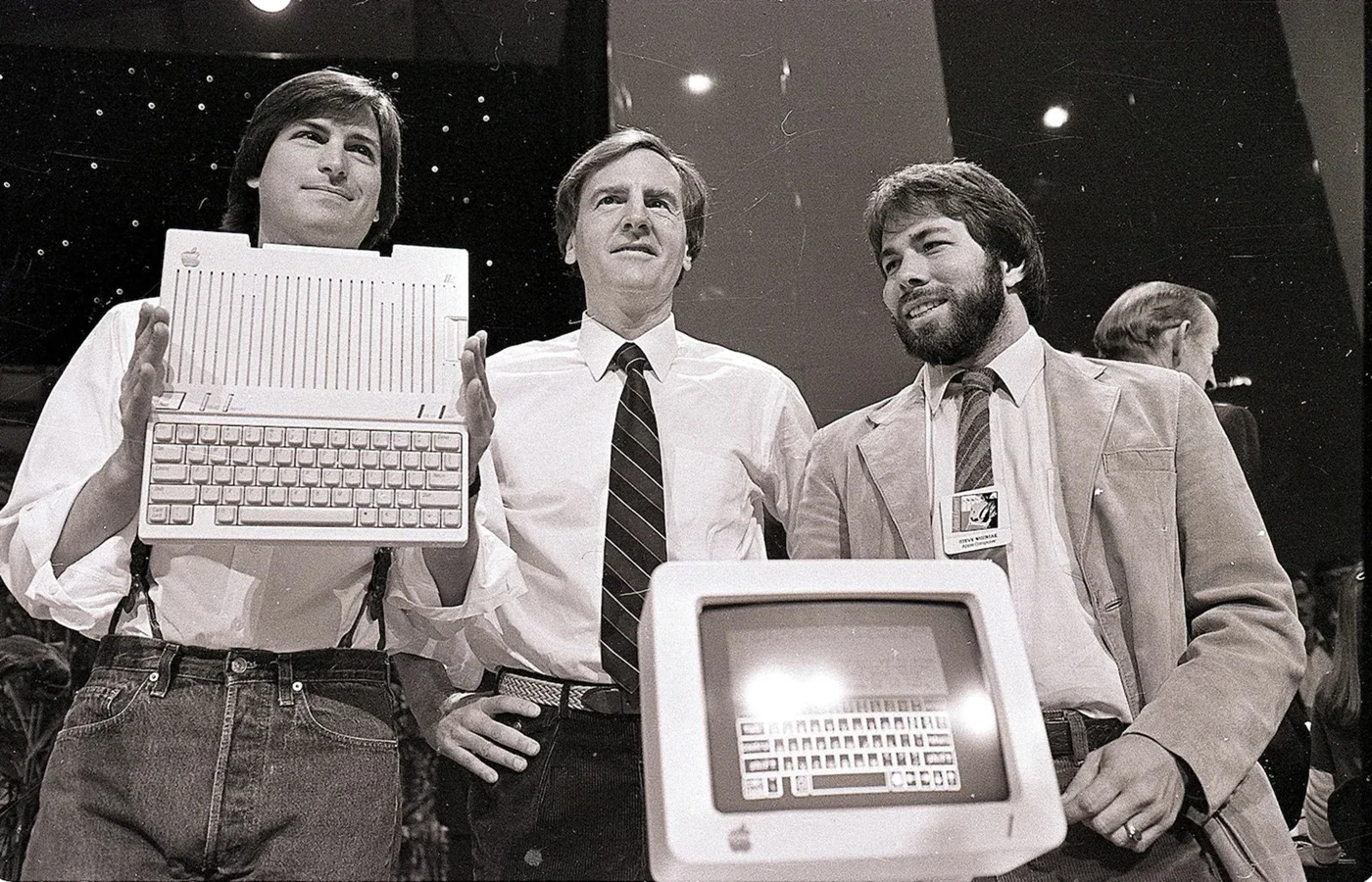
    On April 12, 1976, Apple faced a significant turning point that shaped its future. Ronald Wayne, who had co-founded the company just days earlier with Steve Jobs and Steve Wozniak, decided to leave the partnership less two weeks after its inception. He relinquished his claim in the small startup based out of California, which was then focused on one main project. The company was just a fledgling enterprise, and not yet the tech giant that it is today.

    The Humble Beginnings

    Back then, Apple was not a household name, nor was it the consumer electronics giant it would later become. The company primarily aimed to sell Wozniak’s creation, the Apple-1, a single-board computer meant for hobbyists and electronics enthusiasts. According to the Computer History Museum, Steve Jobs saw an opportunity to turn Wozniak’s innovative design into a profitable venture, especially after The Byte Shop ordered 50 units, a move that played a big part in solidifying their startup efforts. Before long, Apple shifted focus to the more popular Apple II model, vastly expanding their reach.

    Wayne’s Role and Sudden Exit

    Though Ronald Wayne’s short stay at Apple might seem minor in popularity stories, his involvement was more than just a formality. He was an initial partner helping to set the foundation of Apple in a crucial period when Jobs and Wozniak were primarily busy developing their product. His role might have been brief, but it was foundational. The real reason behind his departure was not a lack of faith, but rather about safeguarding himself from potential legal and financial liabilities that could come from the company’s early risky ventures.

    The Financial and Legal Implications

    • On April 12, an amendment was filed that officially removed Wayne as a partner.
    • He agreed to transfer his share in the company for $800, and subsequently received an additional $1,500.
    • This move protected Wayne from the possibility of personal financial exposure if the company encountered debts or legal problems.

    The Significance of That Day

    April 12 stands out in Apple’s history because it marked a pivotal moment. On one side, there was Wozniak’s Apple-1, Jobs’s innate business instinct, and a startup in the very early stages. Conversely, Wayne judged that the personal risk was too high to remain involved. Looking back, it’s a famous “what if” story in tech history, though at that time, it was simply a founder stepping away from a fledgling enterprise that would later evolve into a global titan.

  • Dell Launches New Mini-PC with 1 GbE Optical Fiber Worldwide

    Dell Launches New Mini-PC with 1 GbE Optical Fiber Worldwide

    Key Takeaway

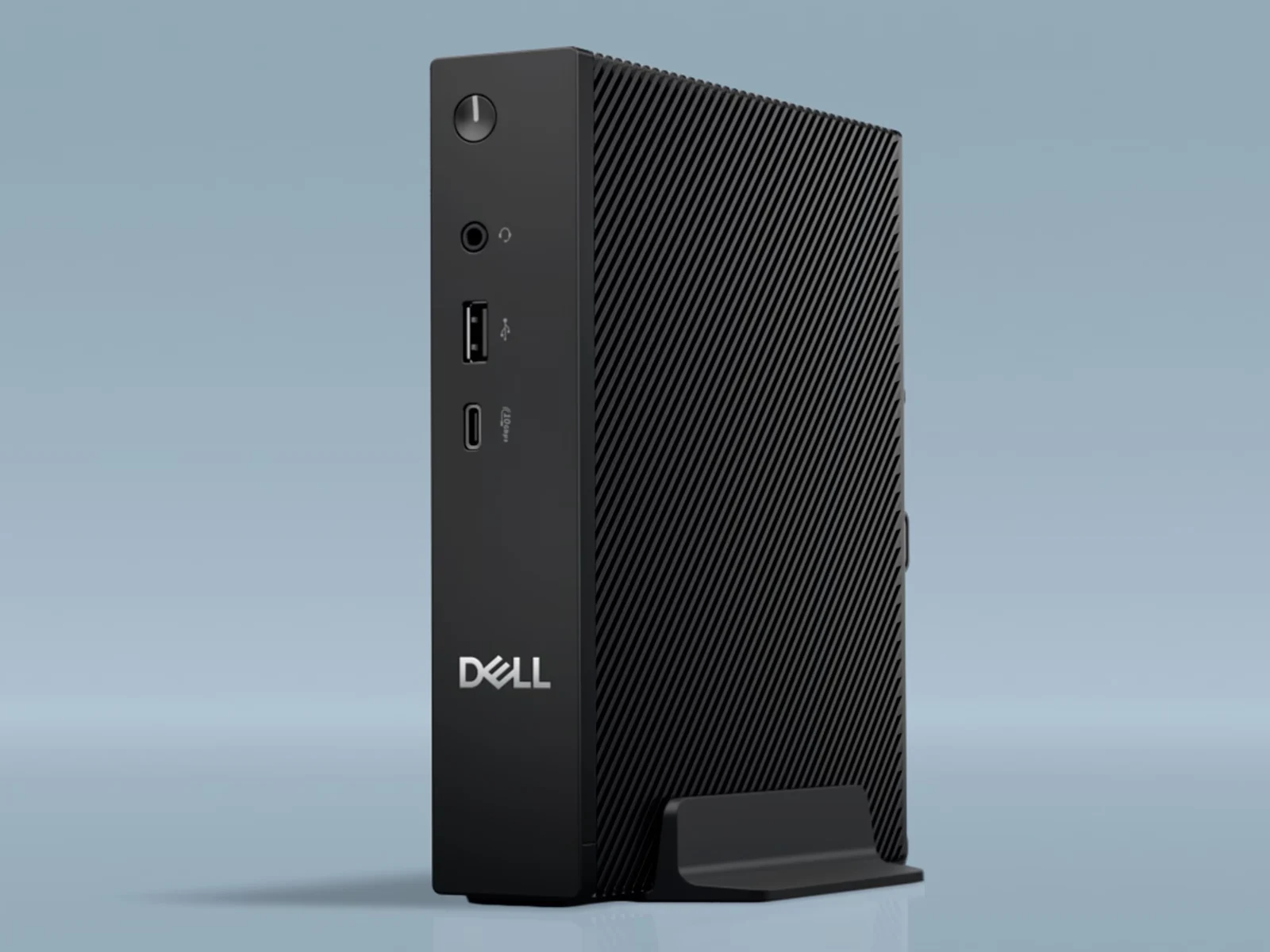
    1. Dell’s Pro Micro Thin Client Q9M1260 features Intel Twin Lake processors with passive cooling, offering a lower-power alternative to previous models.
    2. It includes dual M.2 slots for PCIe or UFS storage and Wi-Fi 6E/7 modules, with configurable port options up to 1 GbE Optical Fiber.
    3. The device is powered via a 65 W USB Type-C port instead of traditional DC power, emphasizing compact and versatile design.
    4. Starts with an N150 processor and 8 GB of DDR5-5600 RAM, with options for higher RAM and more powerful processors like the Core 3 N350.
    5. Pricing ranges from approximately $966 to $1,748 in the US, with regional variations, before additional peripherals.

    Introduction to Dell’s New Thin Client

    Recently, Dell has reintroduced its Thin Client lineup with a new model called the Pro Micro Thin Client Q9M1260. This device is designed to be a more affordable alternative compared to the higher-end QCM1250, which currently costs around $849. The main change in the Q9M1260 is the switch from Intel Arrow Lake processors to Intel Twin Lake chips, that feature a TDP of just up to 7 W. This means the device is optimized for lower power consumption and relies solely on passive cooling methods, without the need for fans or active cooling systems.

    Design and Connectivity Features

    • The casing measures 182 x 178 x 36 mm, making it compact for small office or home use.
    • It features an M.2 2230 slot that supports PCIe Gen 3 or UFS 2.1 storage options for faster data access.
    • There’s a second M.2 2230 slot which can be used for Wi-Fi 6E or Wi-Fi 7 upgrade cards, offering modern wireless connectivity.
    • For expanded port options, the device can be fitted with optional modules, with the maximum being a 1 GbE Optical Fiber port.
    • Instead of a typical DC power plug, it uses a 65 W USB Type-C port, improving flexibility and ease of power supply options.

    Hardware Specifications and Performance

    The base configuration of the Pro Micro Thin Client includes an Processor N150 and 8 GB of DDR5-5600 RAM. It’s worth noting that both the base and upgraded memory configurations operate in single-channel mode, which can impact overall performance under certain workloads. For those seeking higher power, Dell offers configurations with a Processor N250 or Core 3 N350. The Core 3 N350 stands out due to its additional Gracemont E-Cores, providing a significant performance boost, especially in multitasking and demanding applications.

    Pricing and Market Availability

    • The device’s price range in the United States is roughly between $966 and $1,748, depending on configuration choices, not including peripherals like keyboard or mouse.
    • In the UK, the starting price for the Pro Micro Thin Client is about £646.
    • Canada sees prices around CAD 2,147, while in the Eurozone, it can go as low as €731.

    For more information about specs and available configurations, it’s recommended to visit Dell’s official site, where detailed specifications and options are provided for this new Thin Client.


    Sources

  • Framework CEO Warns AI Boom Could End Personal Computing as We Know It

    Framework CEO Warns AI Boom Could End Personal Computing as We Know It

    Key Takeaway

    1. Nirav Patel warns that personal computing could become obsolete due to AI-driven industry practices and rising component costs.
    2. Framework has pioneered repairable, upgradable laptops to empower users and challenge industry norms.
    3. Despite industry shifts, Patel emphasizes the importance of user ownership and control over their devices, vowing to continue advocating for it.

    Tech Industry Warns of Potential End to Personal Computing

    Basically, the founder of Framework, Nirav Patel, is warning the tech world that our beloved personal computers might be heading to an end soon, like he said it in his recent blog post. He shared his concern about how big corporations are making it harder for us to keep and upgrade our devices. The announcement for his Next Gen Event, held in San Francisco on April 21, 2026, was part of his effort to send a message to the industry.

    Framework’s Mission for Repairable Tech

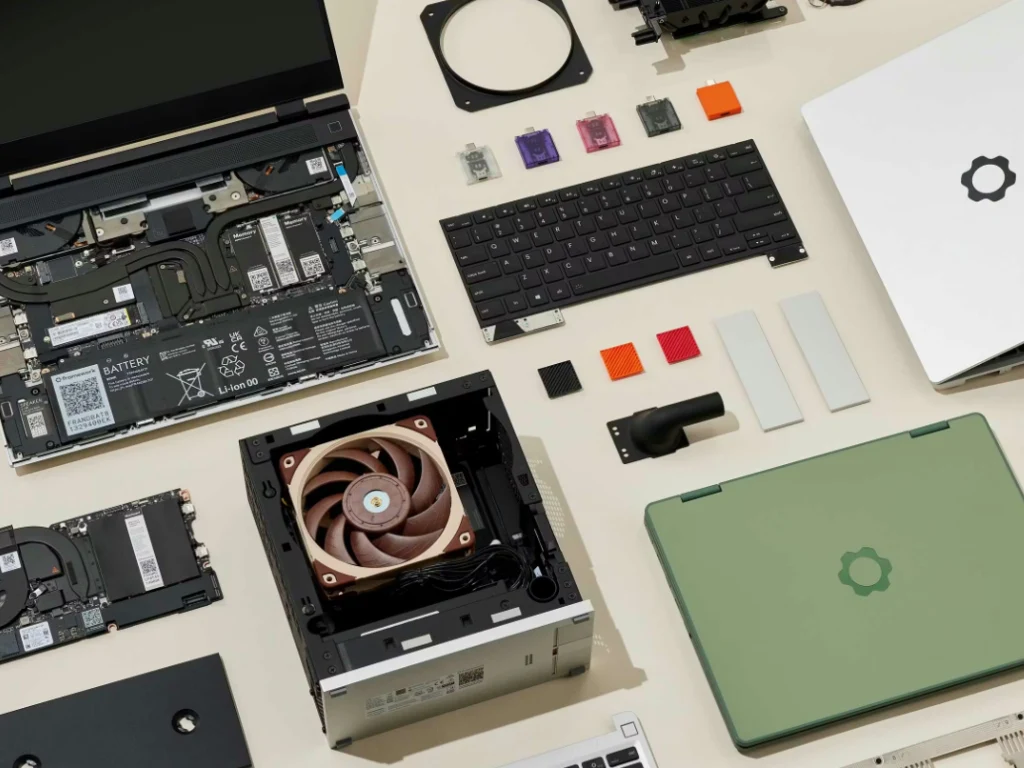
    • Framework has worked hard to build laptops that are repairable, upgradeable, and customizable.
    • Patel emphasizes that these kinds of computers last longer and give power back to users.
    • He thinks that repairability is slowly becoming more common, even among big brands like Apple.

    Challenges and Concerns About the Future

    This is where Patel’s tone turns a bit darker. He mentions that his company’s goal to fix the broken tech industry isn’t quite finished. Despite positive signs, he warns about a possible bleak future where personal computers might become extinct. In his words, the industry is changing in a way that could turn into a “winner-takes-all” situation with AI and server farms gobbling up resources, making PC parts more expensive and less accessible for regular people.

    Rising Costs and Industry Trends

    He points out that prices for RAM, SSDs, HDDs, and chips are climbing so high that most regular consumers can’t afford to upgrade or buy new components anymore. His critical view is that the tech industry is pushing us towards owning less and leasing more, like a self-driving car that handles everything but leaves us with less control. This shift makes the traditional PC feel less like a tool for independence and more like a service that you depend on but can’t truly own.

    Ongoing Fight for Ownership and Control

    Even with his warning, Patel isn’t giving up on the dream of upgradable and repairable computers. Instead, he describes his message as a manifesto—an ongoing pledge to fight for devices that belong to us at a fundamental level. His commitment is to keep building hardware that people can truly own, whether that means installing their preferred OS, modifying hardware as they see fit, or keeping their data locally instead of on distant cloud services.

    Hope for Digital Freedom

    • Patel insists that as long as there’s even one person desiring control over their computing devices, his company will be there to build it.
    • This includes owning and customizing hardware, as well as maintaining data privacy.
    • He ends with a call for persistent effort to ensure a future where digital ownership remains possible for everyone.

    So, despite the grim outlook painted by Patel, his message is clear: the fight for open, repairable, and owner-controlled technology continues. He believes that the spirit of independence in computing must be preserved, even if the industry tries to shift towards centralized, leased solutions.

    Sources
  • 128GB DDR5 RAM Now $4199: Is Memory Shortage Still an Issue?

    128GB DDR5 RAM Now $4199: Is Memory Shortage Still an Issue?

    Key Takeaway

    1. Memory prices, especially DDR5 RAM, are significantly inflated, with some kits priced far above their typical market value due to oversupply and high demand from enterprise sectors.
    2. Retailers like Micro Center still have ample stock, but products are often sold at exaggerated prices, leading consumers to believe industry exploitation occurs despite no actual shortage.
    3. The high prices are linked to sustained demand from AI data centers and enterprise customers, which maintains elevated manufacturing focus on high-bandwidth memory and related hardware.
    4. While some prices for consumer RAM are beginning to stabilize or drop, overall costs may remain high or even increase further due to ongoing enterprise demand and manufacturing trends.

    Memory Prices Skyrocket Despite Plenty of Stock

    Deal hunters who hunt for cheap PC parts at Micro Center are finding that prices for memory chips have shot way up. A Reddit post showed a 128GB DDR5 RAM kit costing a crazy $4199. Even though the shelves are still full, many buyers feel like the industry is taking advantage of them by jacking up the prices beyond reason.

    Overpriced RAM in Retail Stores

    According to Redditor Hell-Diver7, he couldn’t believe his eyes when he checked out a Micro Center store. The guy spotted two sticks of Corsair Vengeance DDR5-6400 RAM, each 64GB, with a price tag that was higher than some top-tier graphics cards. Luckily, those same modules are now cheaper on their website. Still, most of the high-end items in the snapshot have not become any cheaper, fueling frustration among tech enthusiasts who believe they are being ripped off.

    Excess Stock or Inflated Prices? It’s Complicated

    It’s not just a single retailer feeling the heat. Roth_Skyfire, a user from another area, mentioned that there’s loads of RAM still in stock—like hundreds of packs—but they’re all priced way more than they used to be, sometimes five times higher. He added that he doesn’t believe there’s a real shortage of memory, just that the vendors are pushing prices up on goods that no one wants to buy at those levels.

    Rising Costs for Storage Devices

    With manufacturers like Samsung and Micron focused on serving AI data centers, it’s no surprise that SSD prices are also soaring. Even when on sale, a buyer has to shell out around $700 for a 4TB NVMe SSD. Much like the fancy RAM modules, stores aren’t running out of these storage options. They’re simply continuing to price them high, probably because of ongoing demand from institutional buyers.

    Market Trends and Future Expectations

    Many gamers and consumers are speculating that the current oversupply might lead to a collapse in memory prices. Some models of Corsair Vengeance are already selling at more reasonable prices across different shops. Still, if costs stay high, average users may have to keep paying more, at least for the foreseeable future.

    Industry Growth and Demand

    Recent reports suggest that Samsung’s enterprise demand remains very strong. A Korean tech news site revealed that the company has locked in long-term deals at prices about 30% higher than three months ago. As AI companies continue investing heavily, factories are likely to prioritize producing high-bandwidth memory (HBM), keeping supply tight for consumer markets.

    Will Prices Drop or Rise? The Uncertainty Exists

    Some experts believe that any discounts on regular DRAM are only temporary. It’s possible that DDR5 prices could even go higher in the future, especially since many of the memory modules now on shelves were probably produced months ago. Meanwhile, manufacturers are not worried about flagging retail sales because they’re focused on sectors like AI and data centers, which still demand high-end memory solutions.

    Sources
  • MSI Launches 0.55-Liter Mini PC Series with Entry-Level Intel Processors

    MSI Launches 0.55-Liter Mini PC Series with Entry-Level Intel Processors

    Key Takeaway

    1. MSI’s Cubi NUC TWG series features compact, business-oriented mini PCs with both fanless and cooled options.
    2. Powered by entry-level Intel Twin Lake N250 or N150 processors suitable for day-to-day tasks.
    3. The systems include one DDR5 SO-DIMM slot, one M.2 NVMe PCIe Gen 3 slot, and support WiFi 6E and Bluetooth 5.3.
    4. Both models offer triple-display output and come in a small 0.55-liter chassis, with two color options.
    5. Pricing and availability details are yet to be announced.

    Introduction to the New MSI Cubi NUC TWG Series

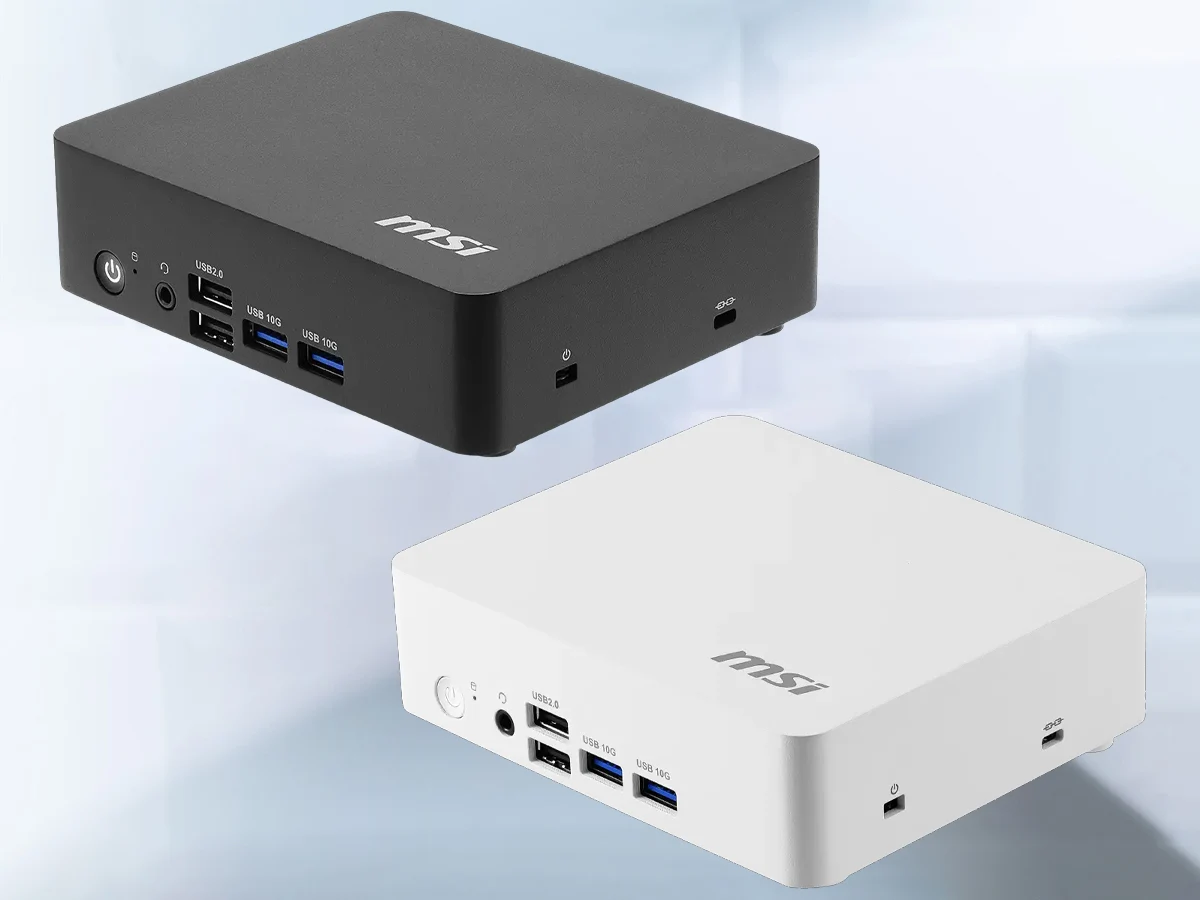
    MSI has rolled out afresh line of tiny PCs branded as the Cubi NUC TWG series that caters mainly to business users. This new range is noted for its sleek, professional designs and compact size. The lineup so far includes two distinct models, one of which, labeled TWG S, is particularly unique due to its fanless build, aiming for silent operation.

    Design and Hardware Overview

    The standard model of the TWG series deploys a traditional fan cooler, which helps manage heat in more demanding conditions. Meanwhile, the TWG S offers a fanless experience, making it ideal for quiet work environments. Both machines operate with Intel’s N250 or N150 processors, derived from the Twin Lake generation—these are basic, entry-level chips perfect for simple, everyday computing tasks instead of intensive workloads.

    Specifications and Expandability

    Although MSI has not detailed all available configurations, it has confirmed that each model includes one DDR5 SO-DIMM slot and an M.2 NVMe PCIe Gen 3 slot. A 1TB Patriot P300 SSD is suggested as typical storage, which currently costs around $156.99. The ports included on both models are sufficient for most office needs, featuring typical connections that support multiple peripherals and displays.

    Connectivity and Form Factor

    One of the standout features of these mini PCs is their small chassis, with a volume of just 0.55 liters, making them perfect for tight desk spaces. They come in two different colors, adding a touch of customization. They also support WiFi 6E, Bluetooth 5.3, and capability for triple-display outputs, which are quite good for professional users needing multiple screens for multitasking.

    Market Position and Availability

    MSI hasn’t yet announced when these small business computers will be available for purchase nor their pricing. Nevertheless, the market already has some similar compact PCs like the Asus NUC 14 Essential, which can be used as reference points for what to expect in terms of performance and cost. These compact machines are typically priced in a range that makes them accessible for most small business budgets.


    Sources

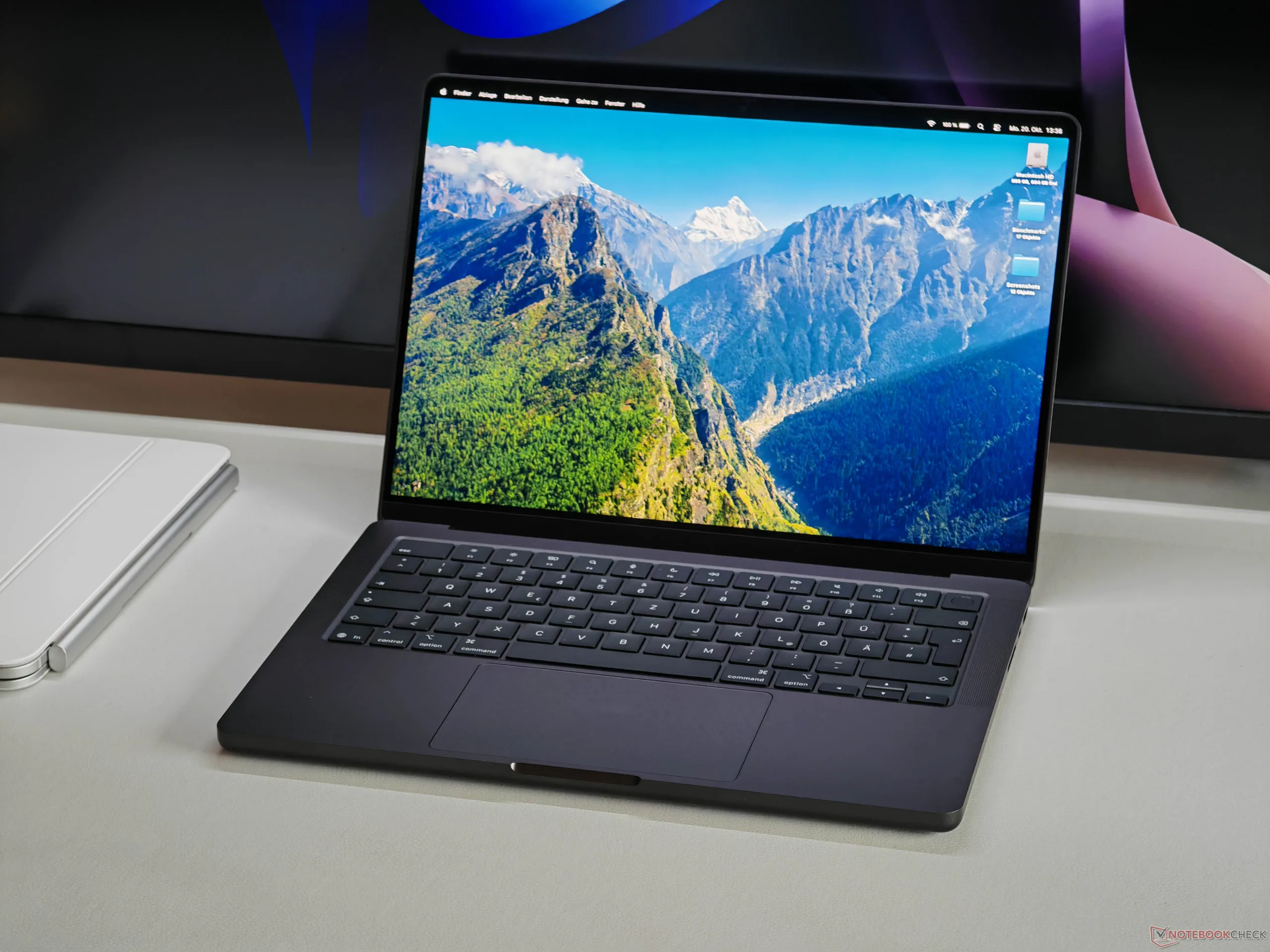
  • Modded MacBook Neo: The Apple Laptop Version You Never Saw

    Modded MacBook Neo: The Apple Laptop Version You Never Saw

    Key Takeaway

    1. The MacBook Neo, powered by the A18 Pro chip, is capable of supporting 1 TB of storage by replacing the original NAND chip.
    2. Upgrading the SSD involved soldering a blank 1 TB NAND chip designed for an iPhone 16 Pro onto the logic board, which successfully recognized and formatted the new storage.
    3. The device uses a NAND-only boot chain, allowing stability and automatic recovery mode even when the NAND is replaced with a blank chip.
    4. Upgrading RAM is impossible due to the PoP design, which stacks RAM on top of the SoC, and no alternative RAM packages are available for this layout.

    Introduction to the MacBook Neo and Its Capabilities

    The MacBook Neo has been a big hit for apple. Even though it is a passively cooled device, it packs the A18 Pro chip that is still very capable for everyday work. When apple introduced the entry-level Neo, the company brought the amazing power efficiency of the A18 Pro SoC into a wallet-friendly laptop. But, it had a strict storage limit of 512 GB officially.

    Shared Components and Storage Potential

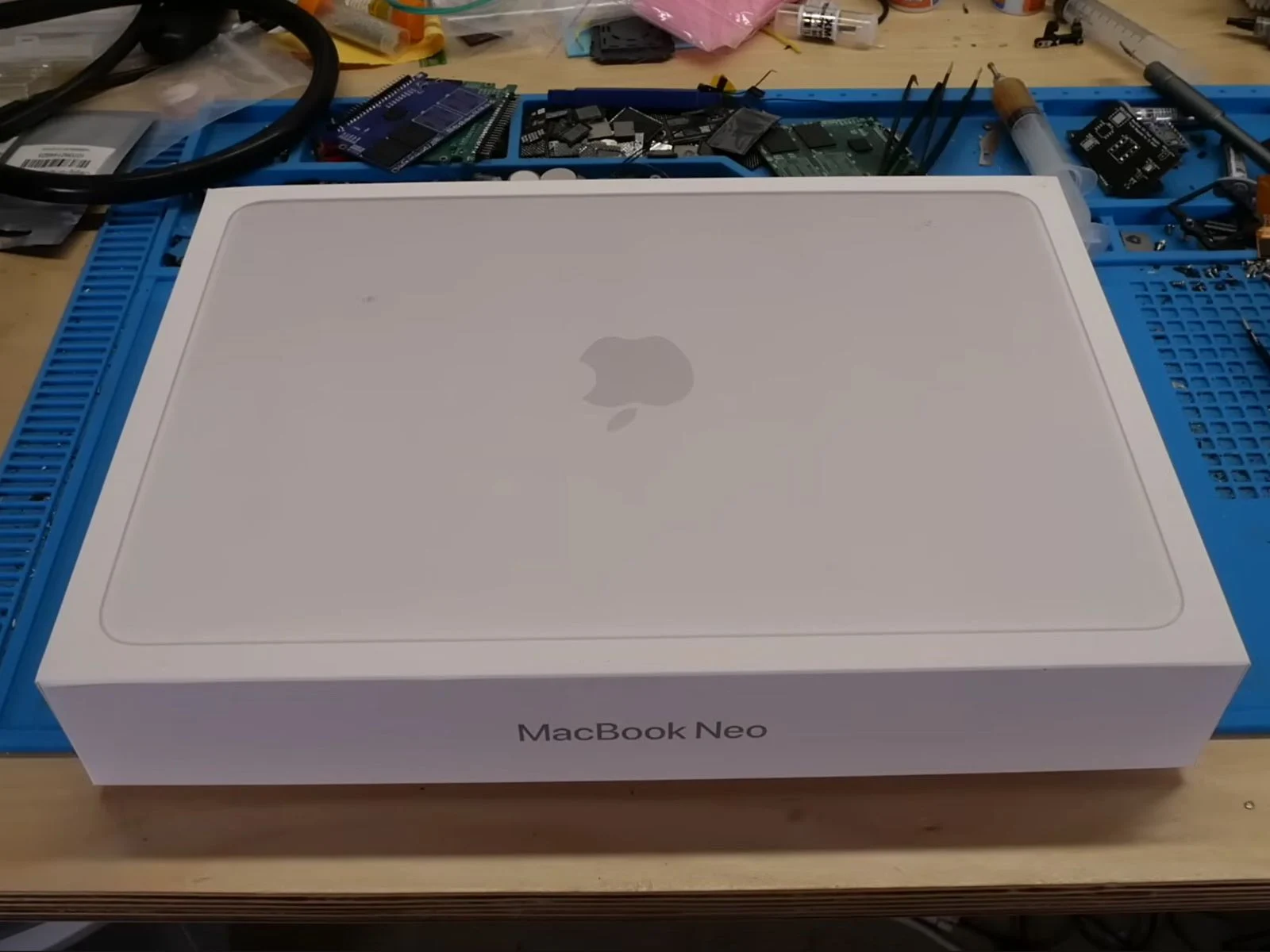
    Since the Neo and the iPhone 16 Pro share the same A18 Pro silicon, and the iPhone supports up to 1 TB storage, some question if the Neo could be upgraded too. To find out, the youtuber dosdude1 took a 1 TB NAND chip meant for iPhone 16 Pro and soldered it onto the Neo’s mainboard.

    Testing the Hardware and Initial Results

    Before starting with soldering and risking the warranty, the YouTuber checked how the Neo performs straight from the box. With a fresh install of macOS 26, it runs just as you’d expected for a machine with Apple Silicon.

    The RAM Limitation and Why It Can’t be Upgraded

    If you’re asking why the 8 GB RAM isn’t getting an upgrade, it’s because of the design of the A18 Pro. It uses a PoP setup, meaning the RAM is stacked right on top of the processor. And with no alternative packs available in this specific layout, RAM upgrades are practically impossible, even with soldering skills.

    Soldering the 1 TB NAND and Final Tests

    The YouTuber also explains that a used NAND from an old iPhone can’t be used, because the new NAND must be blank. Using a JC P15 programmer, they checked the chip and confirmed it was empty and ready to work with macOS.

    After soldering and reassembling, it was found that Neo’s A18 Pro uses a NAND-only boot process. Unlike older Macs that often get stuck with a blank NAND, the Neo stayed stable and quickly entered DFU mode, similar to an iPhone or iPad.

    Successful Upgrade and Performance

    Using Apple’s Configurator with a macOS IPSW file, the YouTuber saw the system detect the new 1 TB drive, format it, and complete the restore without any problem. When checked in macOS, the storage shows 1 TB and speeds in Disk Utility showed around 1700 MB/s — about 200 MB/s faster than the original 256 GB drive.

    Conclusion and Economic Factors

    While the upgrade was successful, the cost is high. Due to the ongoing shortage caused by AI component demands, buying a blank 1 TB NAND chip is very costly now, often over $200, compared to under $100 previously.

    The entire process is shown in the video linked below, where the YouTuber demonstrates the storage upgrade on the MacBook Neo.


    Sources

  • CheckMag 2026 Business Laptops: HP’s ThinkPad Alternatives

    CheckMag 2026 Business Laptops: HP’s ThinkPad Alternatives

    Key Takeaway

    1. The laptop market is anticipated to decline in consumer demand due to rising prices, making business customers the primary focus for manufacturers.
    2. HP’s 2026 business lineup includes refreshed models and a redesigned HP EliteBook X G2, featuring high-quality design and user-removable keyboard.
    3. The new HP EliteBook 6 G2q introduces ARM-based Snapdragon X2 CPUs, marking a significant internal upgrade while maintaining a similar design.
    4. The ZBook series offers specialized workstations with distinct features, including the ZBook X G2i with Nvidia RTX Pro 3000 graphics, targeting lightweight yet powerful professional applications.

    Overview of the New Laptop Market Challenges

    The current situation some what bleak for the laptop market, facing many adversities ahead. Prices are rising, which could make customers, especially consumer ones, less eager to buy new stuff. These customers tend to be very sensitive to price and would instead prefer sticking with their old laptops than upgrading. This shift pushes the focus more towards business buyers, which become most valuable for these companies making laptops.

    Introduction of HP’s 2026 Business Lineup

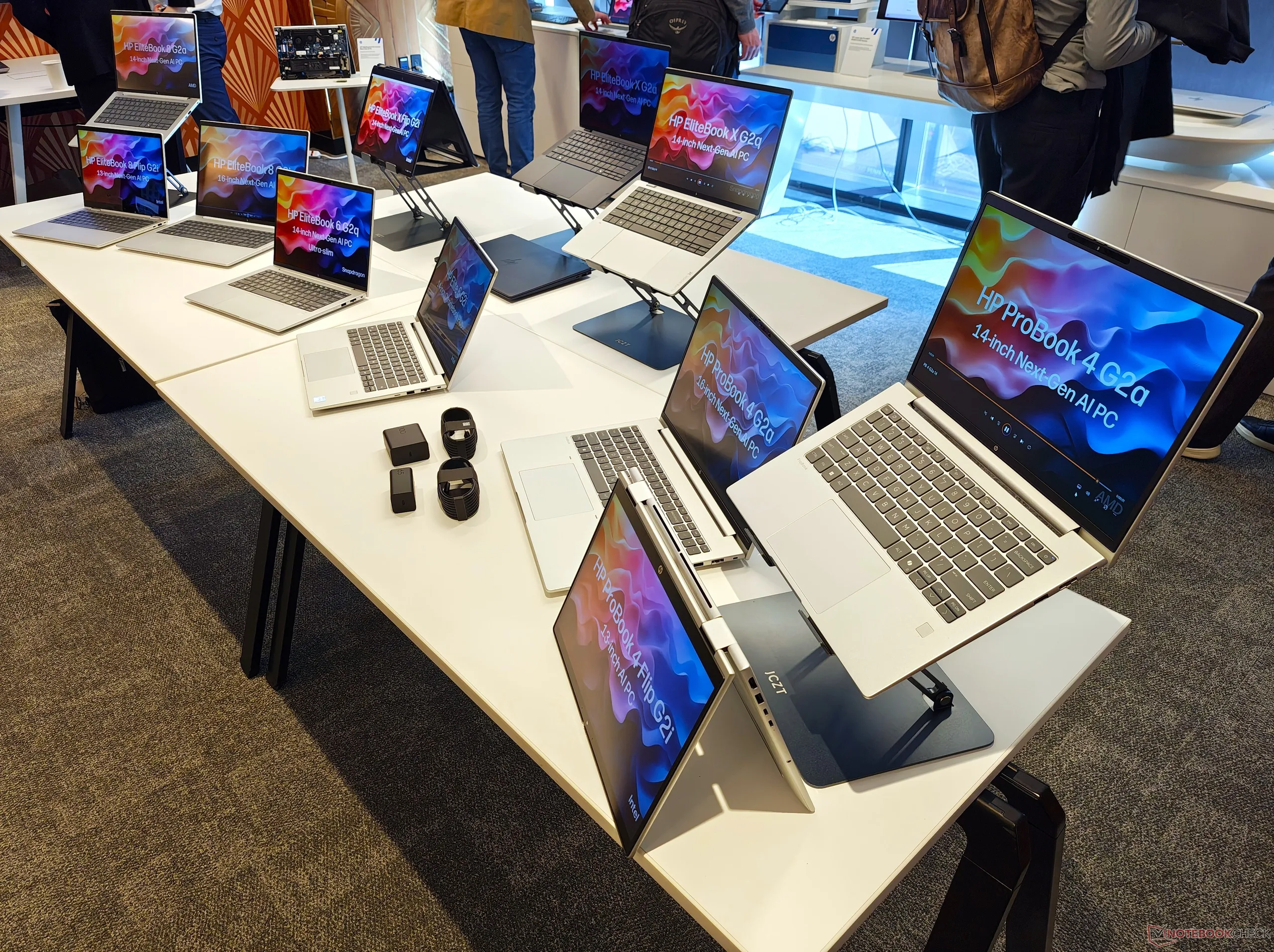
    Recently, HP has rolled out their 2026 lineup targeting business sector, comprising the HP EliteBook, HP ProBook, and HP ZBook series. An event held in New York gave us the chance to check out the latest HP business laptops. Their offerings are quite extensive, with options spanning from affordable models to premium ones.

    Lineup and Design Updates

    In terms of design, most of these laptops are just refreshes of older models, meaning HP reused last year’s looks and features. The standout exception is the HP EliteBook X G2, which was totally redesigned and looks fantastic. You can feel the quality in every part, from the smooth touchpad to the advanced keyboard, which sports a “lattice free” design. This keyboard is user-removable and located at the top, which is pretty convenient. They might even incorporate this design into other EliteBooks in the future, HP mentioned.

    Special Features of the EliteBook 6 G2q 14

    Besides the EliteBook X G2, another key focus is the new HP EliteBook 6 G2q 14, which runs on Snapdragon X2 processors. We have tested these chips, and they are quite unique in the series, being the only ARM-based model in the lineup. While it looks physically similar to previous versions, the internal tech is completely new and exciting for users looking for efficiency and mobility on a budget.

    New ZBook Workstations

    The ZBook series also received fresh updates. These are recognizable by their darker color schemes and are meant for more intensive tasks. The ZBook X G2, for example, cost more but features a different, plastic touchpad, unlike the ZBook 8 G2 which has a glass one, thanks to its association with the EliteBook 8 series. These workstations come in both AMD and Intel versions, suitable for lighter but demanding work.

    Power Under the ZBook Series

    What’s more interesting is the ZBook X G2i that will be offered with the Nvidia RTX Pro 3000 graphics, stepping up from the RTX Pro 2000 of the previous model. With this upgrade, the ZBook X becomes a relatively affordable yet powerful workstation, capable of handling professional workflows with ease.


    Sources

    • Lenovo 13-Inch Laptop with 120Hz Display and 32GB RAM Release

      Lenovo 13-Inch Laptop with 120Hz Display and 32GB RAM Release

      Key Takeaway

      1. Lenovo releases a smaller, lighter version of the IdeaPad Slim 5x (13.3-inch) with a powerful Snapdragon X2 Plus chipset.
      2. The new model features a 54.7 Wh battery with over 28 hours of video playback, supporting fast charging.
      3. It offers a 1200p IPS display with 100% sRGB coverage, 400 nits brightness, and 120Hz refresh rate; a 1600p option exists.
      4. Starting price is approximately £1,050 (€1,230–€1,249), with configurable options for increased RAM and storage.

      New Launch from Lenovo In Europe

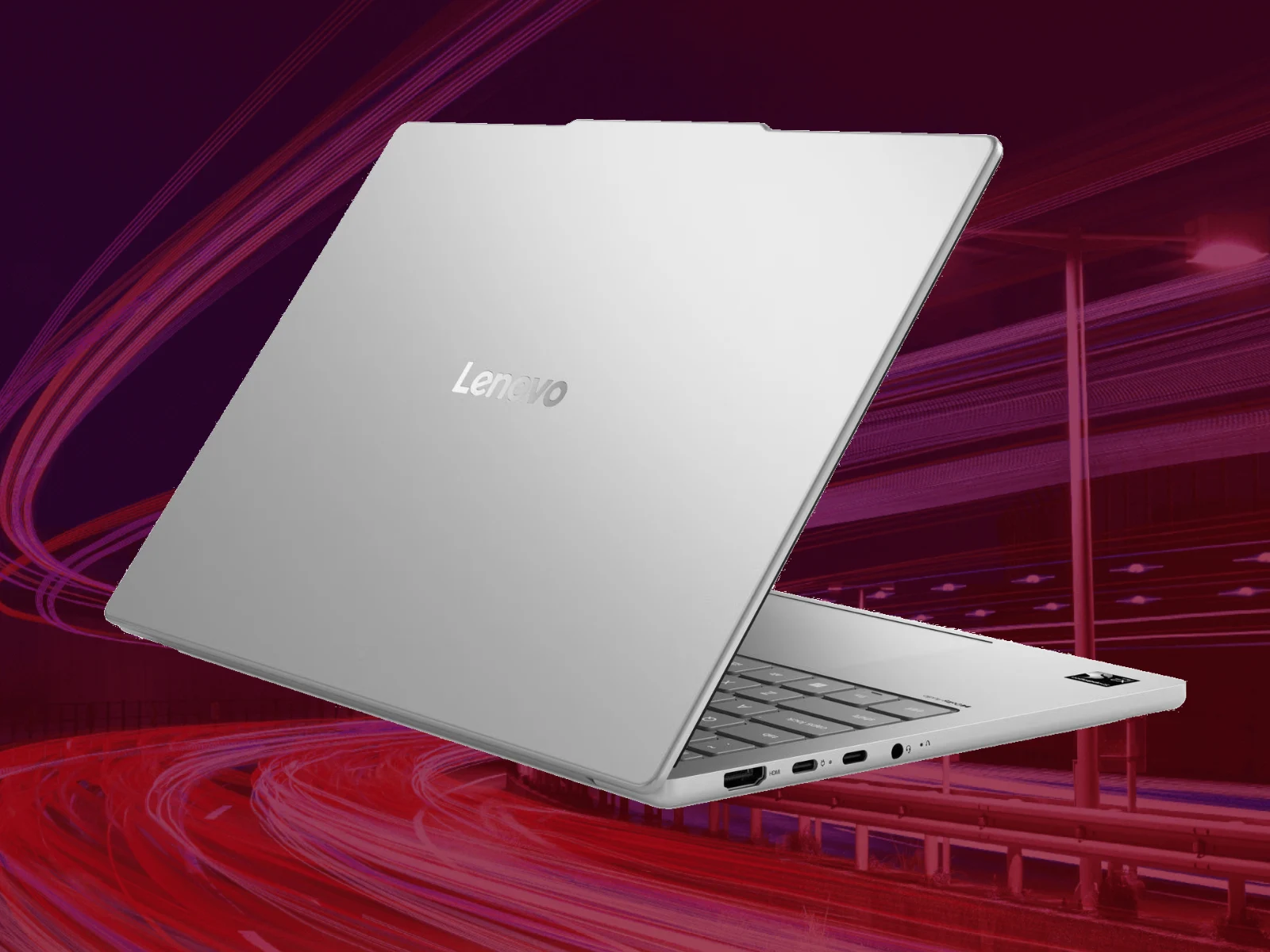
      Lenovo has kinda quietly launched a new version of their IdeaPad Slim 5x on the European market. Initially, they introduced a 15-inch model in North America, but now they added a smaller one. The latest is called the 13Q8Y11, and its dimensions are 295 x 207 x 14 mm with a weight of just 1.19 kg. This makes it a lot smaller and lighter than the previous 14-inch version, which is priced around $775 on Amazon.

      Specifications and Features

      Under the hood, this compact machine packs a Snapdragon X2 Plus X2P-42-100 chipset, featuring 6 Oryon V3 cores, making it quite a powerhouse for its size. It sports a 54.7 Wh battery, capable of supporting a 65 W charger, and Lenovo claims you can get over 28 hours of battery life if you’re watching 1080p videos at 150 nits. For now, the display is limited to a 1200p IPS panel, though Lenovo has hinted at an available 1600p screen option in the future. The current display covers 100% of sRGB with a peak brightness of 400 nits and a refresh rate of 120 Hz.

      Pricing and Market Availability

      The starting price for the new IdeaPad Slim 5x 13Q8Y11 is around £1,050, with prices in the Eurozone fluctuating between €1,230 and €1,249. It comes configured with 16 GB of LPDDR5X-9523 RAM and 512 GB of M.2 2242 SSD storage in every market, but there are upgrade options available for 32 GB of RAM and 1 TB SSD if needed. There has been no official word yet about when it will be available outside of these markets or in other regions.


    • Apple’s OLED Transition May Replace Mini LED in Premium Laptops

      Apple’s OLED Transition May Replace Mini LED in Premium Laptops

      Key Takeaway

      1. Global notebook display shipments are expected to decrease by 5% in 2026 due to rising memory costs.
      2. OLED notebook shipments will grow significantly by 33%, replacing Mini LED tech, which will decline by 43%.
      3. Apple’s adoption of OLED panels for upcoming MacBook Pro models is a major factor driving industry shift towards OLED displays.
      4. Industry will experience a normalization phase with advanced display demand slightly dipping by 1% in 2026, impacted by high component costs.

      The global market for notebook displays is facing some significant challenges, with a expected 5 percent decrease in shipments come 2026, according to new industry reports. This downturn happens after a period of positive growth in 2025, mainly driven by increased costs of key components like memory modules. The rising prices for RAM and SSDs are putting pressure on manufacturers, which force them to either raise prices or rethink their hardware setups to keep their profit margins sustainable.

      Market Trends and Industry Shifts

      In the wider screen market, things are shifting notably. The premium segment particularly will see a big change, with OLED panels expected to see a 33 percent increase in shipments next year. Meanwhile, Mini LED tech is expected to suffer a sharp 43 percent decrease, as brands start to prefer newer, self-emissive screens over the older backlight-based systems. This shift marks a clear move away from traditional display technologies to more advanced, efficient alternatives.

      Impact of Apple and Industry Adoption

      Apple is seen as a key player driving this move towards OLED screens. The tech giant is rumored to be switching its upcoming MacBook Pro models to OLED panels, which would lead to a decline in Mini LED usage within their high-end laptop lineup. Such changes at Apple tend to influence the entire industry, pushing competitors to adopt similar display technologies in a bid to stay relevant and competitive, warns industry watchers.

      Future Outlook and Challenges

      Even with the promising advances in display tech, the report warns that the industry will later enter a phase of stabilization. Overall, the demand for these new, advanced screens might shrink slightly, around 1 percent, in 2026. Despite the innovations, high component costs remain a major obstacle for growth in volume sales. While new hardware cycles and smarter AI software could help maintain some demand in the short run, the high prices still hinder large scale expansion overall.


      Sources

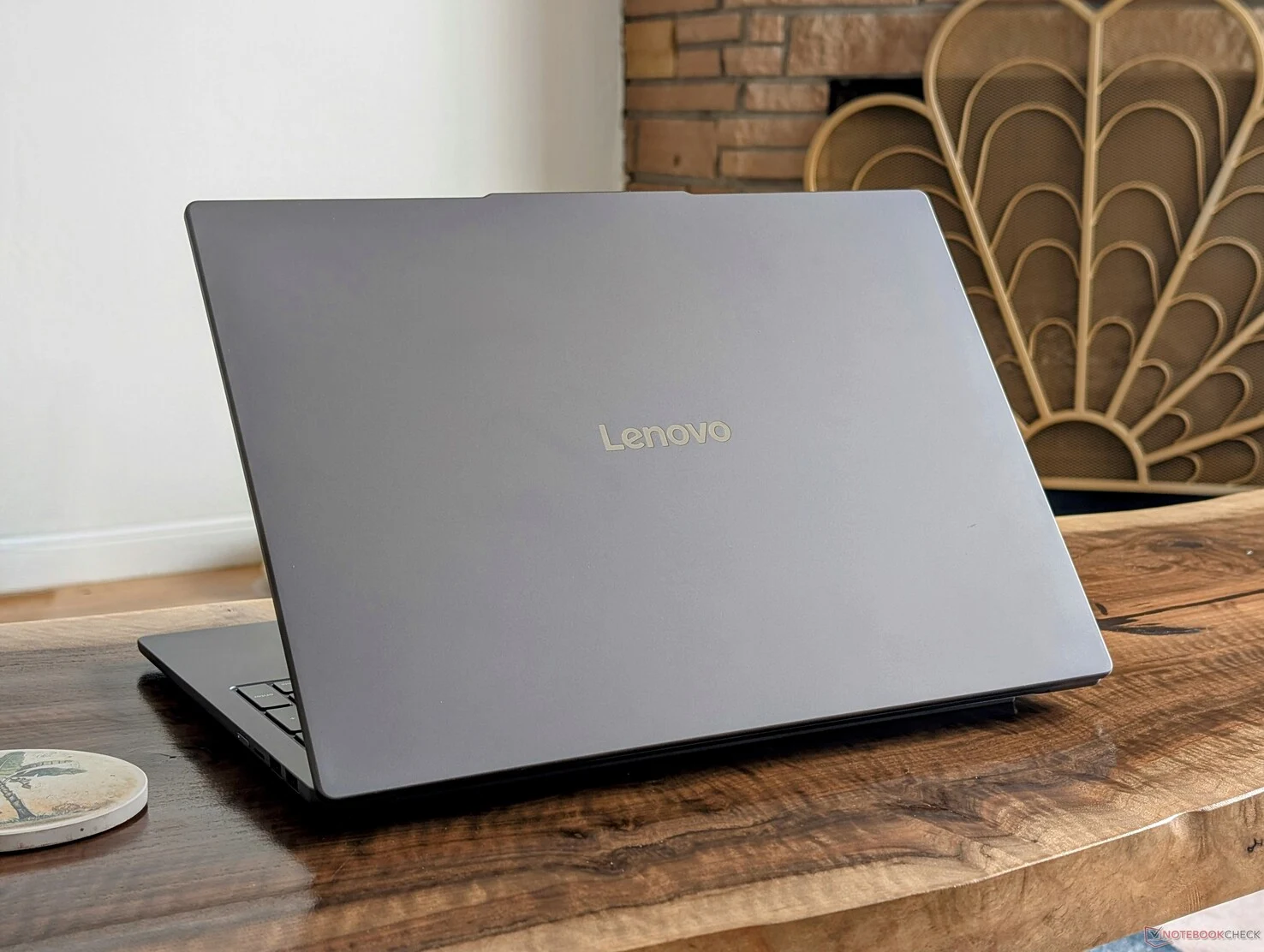
    • 16-inch Lenovo Laptop Deal: $600, 16GB RAM, Twice as Powerful as MacBook Neo

      16-inch Lenovo Laptop Deal: $600, 16GB RAM, Twice as Powerful as MacBook Neo

      Key Takeaway

      1. The Lenovo IdeaPad Slim 16 is available at a 40% discount, priced at $600 for a limited time.
      2. It features an AMD Ryzen AI 7 350 APU, 16 GB DDR5 RAM, and a 512 GB SSD with upgradeability options.
      3. The laptop offers decent performance for daily tasks, but its display has limited brightness and color coverage.
      4. Compared to similarly priced competitors, it provides strong CPU performance and more RAM and storage, though with a less impressive display.

      Looking for a budget friendly laptop that performs well without all the fancy features? The Lenovo IdeaPad Slim 16 is now on sale with a huge 40% discount on their official online store. Now, you can buy this notebook for only $600, but hurry, this deal won’t last for ever!

      Specs and Upgrades

      This version of the IdeaPad Slim 16 comes with a powerful AMD Ryzen AI 7 350 “Gorgon Point” APU paired with 16 GB of DDR5-5600 RAM. Additionally, it includes a quick 512 GB SSD. The great thing about this setup is that both the RAM and storage are upgradeable. The device has dual M.2 slots and dual SODIMM slots, making future upgrades simple and accessible.

      Build and Display

      Based on our thorough review, the overall build quality of this laptop is quite good with no big flaws observed. The 16-inch chassis measures about 18.4 mm or 0.72 inches thick and weighs approximately 4.1 pounds or 1.8 kg. The display has a resolution of 1920 x 1200 with an IPS panel, but unfortunately, it only covers around 57% of the sRGB color space, so colours may look dull. The screen peaks at about 340 nits of brightness, which isn’t really enough for outdoor use on bright, sunny days. It is touch-compatible though, which adds some versatility.

      Performance and Comparison

      The test model we examined was powered by a higher-speed Intel Core i5 210H CPU. The Ryzen AI 7 350 APU is estimated to be roughly 32% faster, competing well with the Core Ultra 5 255H in benchmark tests. While its integrated Radeon 860M graphics aren’t meant for heavy gaming, they can easily handle casual games and light workloads. Day to day tasks should be completed with ease on this machine.

      Market Comparison

      Compared to the similarly priced Apple MacBook Neo, which is powered by the A18 Pro, the Ryzen AI 7 is nearly twice as fast in synthetic benchmarks. Also, the IdeaPad offers twice the RAM and storage capacity. On the downside, the Neo boasts a much better display and appears to be built with a more premium feel. Still, for those who prioritize processing power over visuals, the IdeaPad Slim 16 under $600 provides pretty great value given its specs.

      In conclusion, with this discounted price, the IdeaPad Slim 16 is a solid choice for users needing good CPU performance without concern about display quality. Just keep in mind that prices can change, and availability might be limited depending on where you buy it from.

      Sources