Category: All News

  • Samsung Galaxy Z Flip 8 Gets Satellite, Loses UWB

    Samsung Galaxy Z Flip 8 Gets Satellite, Loses UWB

    Key Takeaway

    – Launch expected end of July alongside Galaxy Z Fold8 and Watch Ultra 2
    – US model (SM-F776U) uses Snapdragon 8 Elite Gen 5 for Galaxy; Europe may get Exynos 2600
    – FCC certification confirms Wi-Fi 7, Bluetooth, NFC, wireless charging, and satellite connectivity (NB-NTN B255)
    – No ultra-wideband (UWB) support on the US model, unlike some previous Galaxy Z Flip variants


    Anticipated Launch and Certification

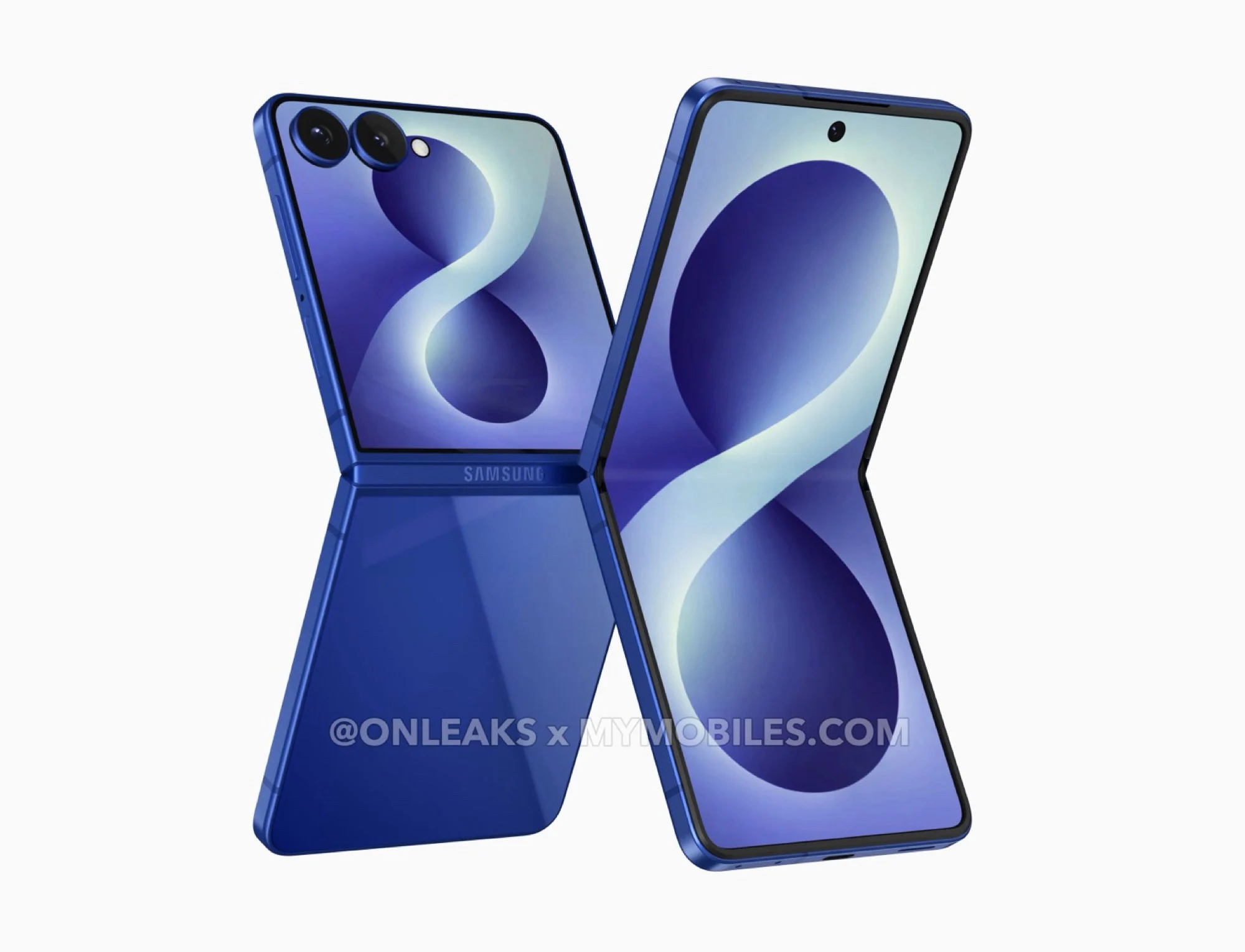
    The Samsung Galaxy Z Flip8 is rumored too be officialy unveiled at the end of July, alongside the Galaxy Z Fold8, the Galaxy Z Fold8 Wide and the Galaxy Watch Ultra 2. The smallest of these three foldable smartphones has now been certified by the FCC, which is a necessary step before it can be sold in the US market.

    US Model Specifications

    The US model carries the model number SM-F776U, and its expected to be equiped with the Qualcomm Snapdragon 8 Elite Gen 5 for Galaxy. Some rumors suggest the European Galaxy Z Flip8 will instead use a Samsung Exynos 2600, which could mean the smartphone would be slightly less powerfull. The FCC certification confirms the US model supports Wi-Fi 7 (802.11be) including the 6 GHz channel, Bluetooth and NFC.

    Charging and Connectivity Features

    Wireless charging and wireless power share are also possible on this device. The integrated 5G modem supports NB-NTN B255, a network band used for communicating with a satellite network. This feature was previously available on the Galaxy Z Flip7, but it was limited to a few regions including the US.

    Missing Ultra-Wideband

    A noticeable absence is the ultra-wideband (UWB) chip. On the Galaxy Z Flip7, only the model sold in South Korea came equiped with UWB, while the Galaxy Z Fold7 was shipped globaly with a UWB chip. Among other uses, UWB allows finding a Galaxy Smart Tag2 more easily by displaying the direction and distance of the tracker.
  • Asus ROG Swift PG34WCDN US: 34-inch 360Hz OLED Monitor

    Asus ROG Swift PG34WCDN US: 34-inch 360Hz OLED Monitor

    Key Takeaway

    – Asus ROG Swift OLED PG34WCDN now available in the US for $1,299.
    – Features Samsung’s new 5th Gen RGB Stripe QD-OLED panel for better text clarity.
    – Specs: 34-inch ultrawide, 3440×1440, 360Hz refresh rate, 1800R curve.
    – Included features: BlackShield coating, 500 nits full-screen brightness, 1,300 nits peak HDR.
    – Connectivity: full-bandwidth DisplayPort 2.1 UHBR20, USB-C with 90W power delivery.


    Its Finally Here

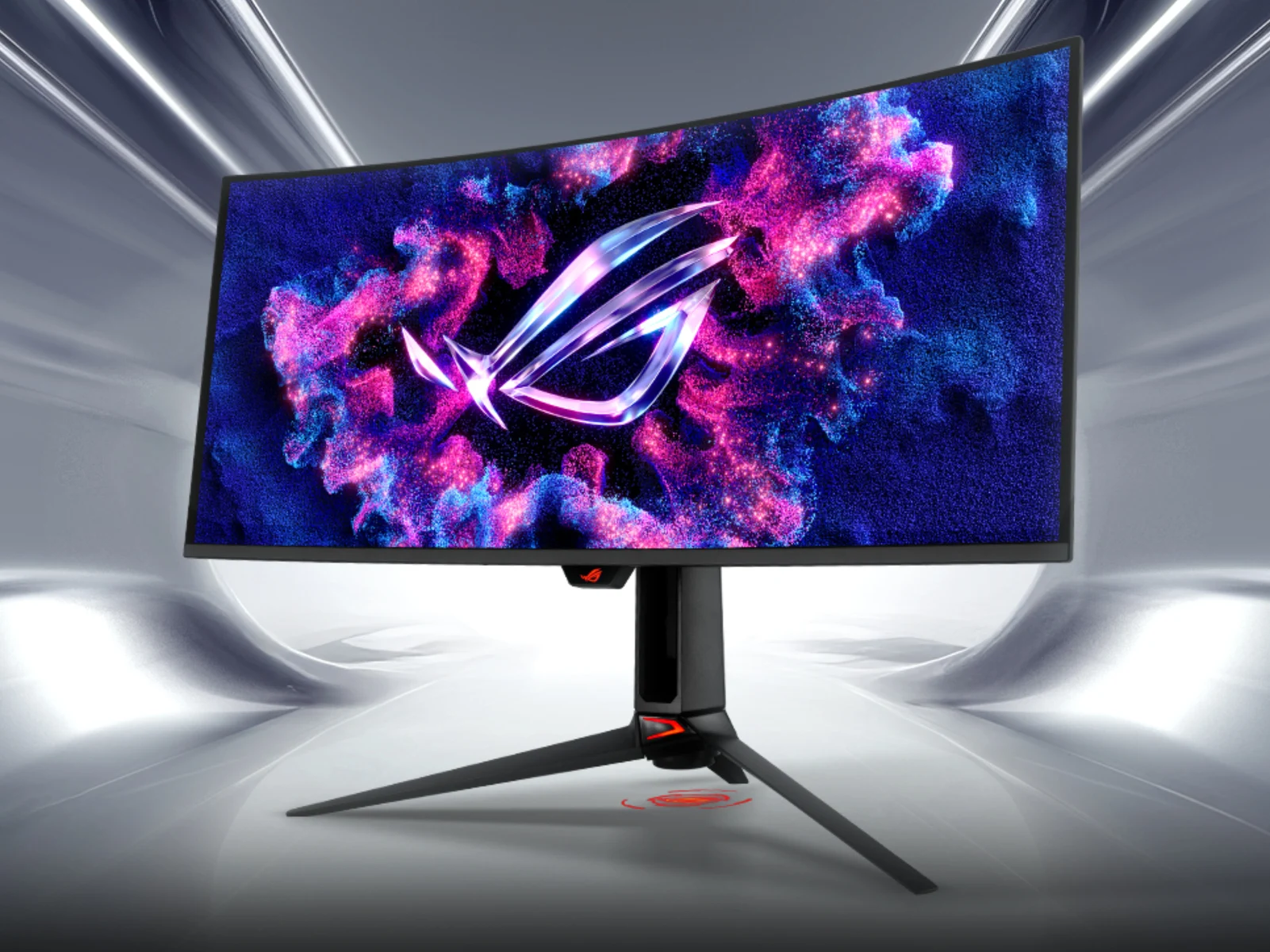
    Months after its CES 2026 unveiling, the Asus ROG Swift OLED PG34WCDN is finally up for grabs in the US. The monitor is now available through Amazon and Newegg for $1,299, joining a small but growing group of displays built around Samsung Display’s latest RGB Stripe QD-OLED panel, a.k.a 5th Gen QD-OLED panel.

    Pricing and Competition Details

    That also makes it one of the most expensive options in the category. For comparison, MSI’s competing MPG 341CQR QD-OLED X36 uses the same panel but is listed at $899.99, though it has yet to reach store shelves.

    Panel Technology and Performance

    As we previously reported, the ROG Swift OLED PG34WCDN pairs a 1800R-curved 34-inch ultrawide panel with a 3440 x 1440 resolution and a 360Hz refresh rate. The biggest highlight here is the underlying 5th Gen QD-OLED panel from Samsung Display. Unlike earlier generations, it uses an RGB stripe sub-pixel layout that reduces color fringing and improves text clarity, addressing one of the biggest complaints about OLED monitors.

    Coating and Brightness Specs

    The monitor also features a new BlackShield coating, which Asus says improves black depth by 40% and offers 2.5X better scratch resistance than previous QD-OLED monitors. That said, this new panel coating is applied by Samsung Display, so it comes standard on all 5th Gen QD-OLED monitors, just different branding. The PG34WCDN is still an impressive showcase for the panel, with up to 500 nits full-screen brightness and 1,300 nits peak HDR brightness.

    Connectivity and Availability

    Elsewhere, the monitor offers full-bandwidth DisplayPort 2.1 UHBR20 connectivity and a USB-C port with 90W power delivery. Other upcoming monitors based on the same RGB stripe QD-OLED panel include the MSI MPG 341CQR QD-OLED X36, Gigabyte MO34WQC36, Acer Predator X34 F3, and HP’s OMEN 34-inch OLED. For now, however, the ROG Swift OLED PG34WCDN is the only model available to buy.


    Sources
  • Google Pixel Watches 2, 3, 4 Get Wear OS 7 Soon

    Key Takeaway

    – Wear OS 7 will be released for Pixel Watch 2, 3, and 4 on June 9, 2026, but not for the first-generation Pixel Watch.
    – Key improvements include roughly 10% longer battery life and replacement of tiles with more versatile Android-style widgets.
    – Standardized workout app UI and multi-headphone music streaming via Google Cast or Bluetooth are new features.
    – Watch face optimizations aim to reduce development effort for creators.


    Google’s Latest Update Drops Sooner Than Expected

    Google Wear OS 7 was anounced in mid-May. At the launch, Google only confirmed that the update would be released for the Pixel Watch “later this year”, without publishing a schedule or a list of compatible smartwatch models. The release could now take place surprisingly quickly, as Verizon has already published a changelog with a release date of June 9, 2026.

    Which Models Get The Update And What It Includes

    The update is listed for the Pixel Watch 2, the Pixel Watch 3 and the Pixel Watch 4 ($309 on Amazon), but not for the first-generation Pixel Watch, which was launched in 2022. Wear OS 7 therefore supports similarly old smartwatch models such as Apple watchOS 27. As usual, Verizon’s changelog is sparse – the update is said to include Wear OS 7, the latest security patch and performance improvements.

    Battery Life And Interface Changes Are Key

    Wear OS 7 is a moderate update, but there are a few significant improvements on board. First and foremost, Google promises around 10 percent longer battery life. Full-screen tiles are replaced by Widgets which look and function almost exactly like Android widgets. This should not only make them more versatile and interactive than tiles, it should also make it much easier for app developers to port an Android widget to Wear OS.

    Workout Apps, Music Streaming, And Watch Faces

    Google also wants to standardize workout apps by making the user interface of features such as heart rate measurement or music playback available to third-party apps. Wear OS 7 allows music to be streamed to multiple headphones via Google Cast or Bluetooth. Watch face optimizations are intended to reduce the development effort.


    Sources

  • Garmin Gear Tracking: Track Distance, Hours & Lifespan

    Garmin Gear Tracking: Track Distance, Hours & Lifespan

    Key Takeaway

    – New gear tracking feature for Garmin Edge cycling computers tracks distance, hours, and days of use for items like shoes, bikes, and components.
    – Automatic logging during activities with alerts when gear approaches end of lifespan to prevent injuries and costly repairs.
    – Replacing components at regular intervals reduces risk of accidents from material fatigue (e.g., tires, drivetrain).
    – Cost savings possible, especially for drivetrains: replacing a stretched chain early is cheaper than damaging an expensive cassette.
    – Components are added and managed in Garmin Connect, where maintenance intervals can be set; some users report unclear instructions.


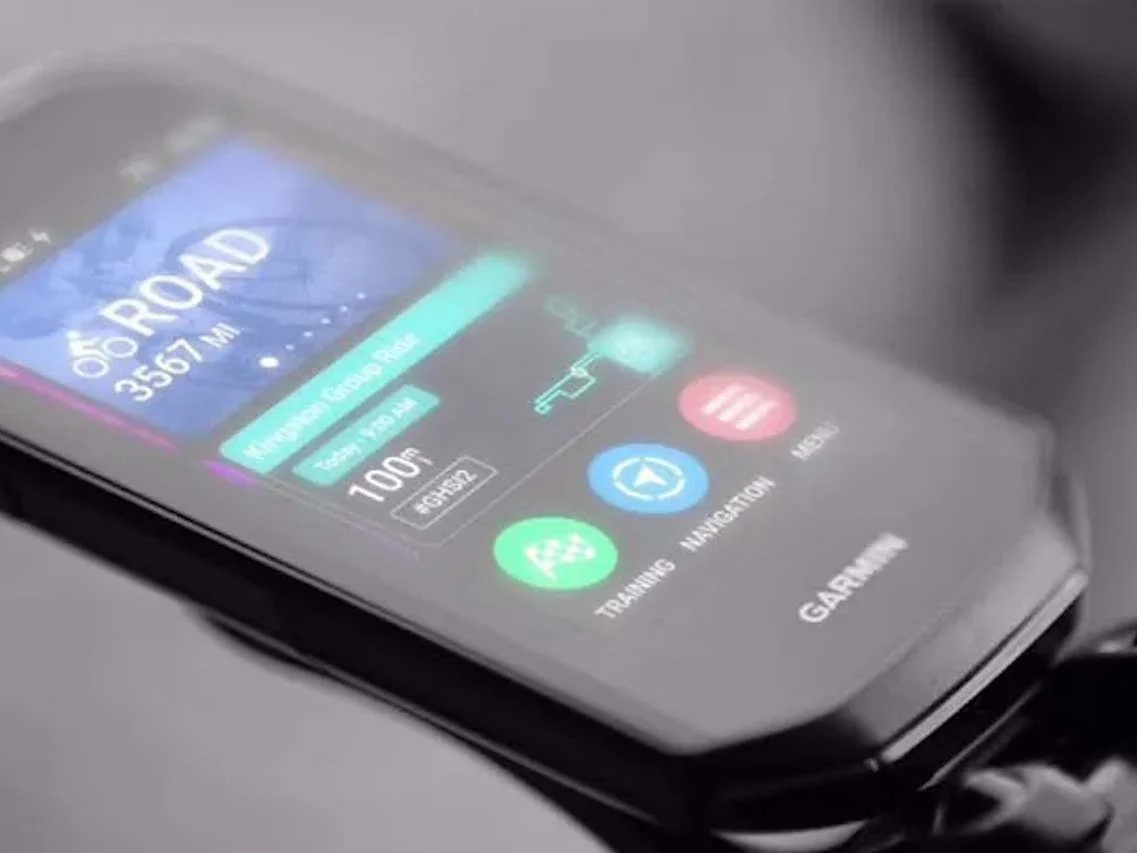
    Garmin offers not only various smartwatches but also cycling computers. These Edge cycling computers support features such as navigation and can be used for real-time training management. Garmin is now rolling out a new feature to these cycling computers, namely gear tracking, which tracks the distance, hours and days of use of your gear, such as running shoes, bikes and individual components. Gear usage is automatically logged during activities, with alerts when items approach the end of their lifespan, helping users stay ahead of injuries and costly repairs.

    Maintenance Benefits and Cost Factors

    In the best-case scenario, this can even decrease the risk accidents if tires or drivetrain components are replaced or serviced at regular intervals, thus reducing the likelihood of component failure due to material fatigue. There is also a cost factor that can have a significant impact, particularly on the drivetrain: a stretched chain damages the cassette. On high-end derailleurs in particular, cassettes are considerably more expensive than a chain. With cheaper drivetrains, however, it can be acceptable to ride the entire drivetrain until it wears out.

    How the Feature Works and User Feedback

    The components can be simply added to Garmin Connect. Maintenance and replacement intervals can also be set there. According to user reports, the feature is already working, though one user has complained about the communication and lack of instructions.

    Sources
  • Garmin Fenix: How to Access External Efficiency Metrics

    Key Takeaway

    – Garmin’s ecosystem is not fully open, restricting third-party sensor pairing for metrics like running efficiency.
    – A developer successfully sent ground contact time and vertical oscillation data to a Garmin Fenix via ESP32/nRF52832, recognized as native data.
    – The project relied on Claude AI as a coding assistant, highlighting AI’s value for tasks requiring specialized knowledge (e.g., Bluetooth Low Energy).
    – A basic understanding of technology remains necessary despite AI assistance.
    – The open-source GitHub project could enable future DIY sensor development within Garmin’s platform.


    Garmin’s Ecosystem and Its Limits

    Garmin provides a comprehensive ecosystem but it is not entirely open, even though certain steps have been taken to make it more accessible. For example, users cannot just pair any sensor with a Garmin smartwatch to display metrics such as running efficiency. This might be less relevant for end users, but potentially significant for makers who want to experiment with custom hardware.

    DIY Sensor Success With ESP32

    A programmer has now successfully sent data to a Garmin Fenix using an ESP32 or nRF52832 chip, which the Fenix smartwatch recognised as native data. Specifically, these are running efficiency metrics, namely ground contact time and vertical oscillation. Sample data was used for this, not actual data collected by a fully functional DIY sensor, but it still shows real promise.

    Development Process and Claude’s Role

    Both the detailed Reddit post and the two blog entries are definitely worth reading, as they also explain how the development process unfolded. Sam Dumont used Claude as a tool and, by his own account, needed this assistance because he lacks expertise in Bluetooth Low Energy and reverse engineering, though he has been familiar with the Garmin platform and its quirks since 2020. The post demonstrates how Claude can apparently be put to good use in programming as a technically savvy colleague who critically examines one’s own ideas and may offer new approaches. According to Dumont, however, a basic understanding of technology is still necessary for such projects.

    Future Potential for Makers

    Of course, it remains unclear to what extent this project will be adopted by other developers. In the long run, the project, which Sam Dumont also shared via GitHub, could certainly open up opportunities for other makers to create their own sensors that work with Garmin devices.

    • Garmin ecosystem is not fully open for third-party sensors
    • ESP32 and nRF52832 chips used to mimic native data
    • Metrics include ground contact time and vertical oscillation
    • Development relied on Claude AI for Bluetooth expertise
    • GitHub project could enable future maker innovations
    Sources
  • Apple MacBook Ultra: macOS 27 Touchscreen Support

    Apple MacBook Ultra: macOS 27 Touchscreen Support

    Key Takeaway

    – macOS 27 beta includes touchscreen support via Sidecar, adding credibility to MacBook touchscreen rumors.
    – Rumored “MacBook Ultra” may feature a new design with OLED touchscreen, thinner body, and punch-hole/dynamic island.
    – Expected to launch with Apple M6 Pro or M6 Max chips, between September 2026 and spring 2027.
    – Touch gestures like pinch-to-zoom and hover replacement via finger movement are now supported in macOS 27.
    – Official Apple confirmation is still pending, but the evidence strengthens speculation of a higher-priced, next-gen MacBook Pro.


    Rumors have been circulating for many months according to which the next-generation MacBook Pro will have a new design and an OLED touchscreen, and will be marketed under the name “MacBook Ultra” – at a higher price than the current MacBook Pro. Apple has not yet officially commented on these rumors. However, the first beta version of macOS 27 already contains a reference to this touchscreen support.

    Sidecar and Touchscreen Functionality in macOS 27

    If an iPad is connected wirelessly to a Mac via Sidecar, it is possible to operate macOS 27 via the tablet’s touchscreen. In macOS 26, you still had to use a mouse or trackpad to do this. It is not only possible to scroll through lists and select menu items, but simple gestures such as pinch to zoom are also supported. To simplify the selection of items, the finger can be moved over a list to highlight menu items as a replacement for the hover function of the mouse pointer.

    Credibility and Specs of the MacBook Ultra

    Although this new feature is not a definitive confirmation that a MacBook with a touchscreen is actually planned, it does lend credibility to the rumors. The MacBook Ultra will be offered with either Apple M6 Pro or M6 Max. Rumors suggest that Apple will give the notebook a completely new design, featuring a thinner body and a punch-hole or dynamic island instead of a notch. The OLED touchscreen is to be offered with a diagonal of 14.3 inches or 16.3 inches. The launch is expected between September 2026 and spring 2027.

    Sources
  • 8BitDo Forza Xbox Charging Dock with Free Battery

    8BitDo Forza Xbox Charging Dock with Free Battery

    Key Takeaway

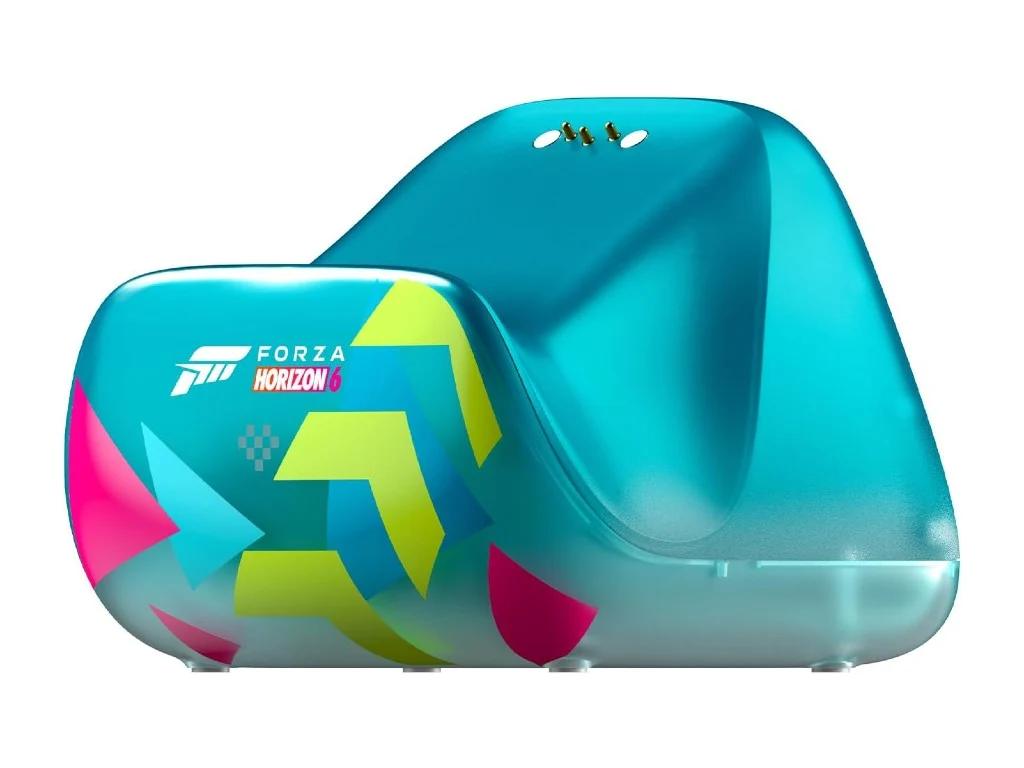
    – Forza Horizon 6-themed 8BitDo charging dock now available to buy
    – Fully charges Xbox controller in 3 hours with amber-to-white LED indicator
    – Includes 1,100mAh rechargeable battery, gray Forza battery door, and USB-C cable
    – Features adjustable LED brightness and a storage compartment
    – Priced at $34.99 on 8BitDo’s eShop and Amazon US, £31 on Amazon UK


    8BitDo Drops New Forza Dock

    Back in April, 8BitDo annouced a Forza Horizon 6-themed accessory for the Xbox Wireless Controller. The accessory, which is a charging dock, was available to pre-order following the announcement. Now, more then a month later, it is available to buy alongside wider availability.

    Officially Named and Compatible

    Officially called the 8BitDo Charging Dock for Xbox Wireless Controllers – Forza Horizon 6 Limited Edition is a magnetic charging dock for the Xbox wireless controllers for the Xbox Series S|X including the Xbox Wireless Gaming Controller Forza Horizon 6 Limited Edition.

    Charging Speeds and LED Features

    The dock will fully charge your Xbox controller in 3 hours. When fully charged, the LED charging indicator will change from amber to white. There’s a likelihood you’ll charge your controller just before bed, and if you have the dock on your nightstand, you can adjust the brightness of the charging LED using the button next to the USB-C port.

    Additional Items Included

    In addition to being a charging dock, it also comes with a 1,100mAh rechargeable battery, a gray Forza-branded battery door for your Xbox controller, and a USB-C cable. The 8BitDo Charging Dock for Xbox Wireless Controllers – Forza Horizon 6 Limited Edition also has a storage compartment where you can keep the spare battery, battery door, and other small accessories.

    Pricing and Availibility Options

    Priced at $34.99, the 8BitDo Charging Dock for Xbox Wireless Controllers – Forza Horizon 6 Limited Edition is available to buy now from 8BitDo’s eShop. It is also available to buy on Amazon US for the same $34.99 price, and on Amazon UK for £31.

    Sources
  • Destiny 2 Final Update Out; Destiny 3 Petition Hits 370K

    Destiny 2 Final Update Out; Destiny 3 Petition Hits 370K

    Key Takeaway

    – Monument of Triumph update causes player surge, exceeding 148,000 concurrent users and causing server/login issues.
    – Petition for Destiny 3 surpasses 370,000 signatures as fans push for franchise continuation.
    – Destiny 2 ends live-service updates but will still receive stability hotfixes.
    – Player count now surpasses Bungie’s new title, Marathon, which peaked at 88,000 players.


    Final Update Brings Players Back In Droves

    The final update for Destiny 2 is here, and players have joined en masse to show how much they love/loved the game. As the petition for Destiny 3 crosses 370,000, players want to show Bungie that they’re still not done with the franchise, after nine years. The player count has also surpassed Marathon’s, leading to server issues.

    Monument of Triumph Goes Live

    Monument of Triumph is the aptly named final update for Destiny 2, which went live today. Fans jumped in, and as of writing, there are over 148,000 people playing the game. According to Insider Gaming, some users were facing issues when trying to log in due to the influx of players. Even SteamDB crashed at one point trying to keep up with the player count. It seems to be stable now, but the player count is still rising.

    Emotional Goodbyes and Marathon’s Impact

    A lot of Destiny 2 fans have shared emotional experiences and goodbyes following Bungie’s announcement from late May. While the game will stop receiving live-service updates, i.e., no new content, Bungie will still release hot fixes for the stability of the game. The studio reportedly shifted its focus to Marathon and decided to end service for Destiny 2. The former has seen a peak of about 88,000 players since launching three months ago.

    SteamDB, Insider Gaming, Change.org

  • Oppo Global Phone Leaks With Snapdragon Chipset

    Oppo Global Phone Leaks With Snapdragon Chipset

    Key Takeaway

    – Global Oppo Reno 16 uses Snapdragon 7 Gen 4 with 12GB RAM.
    – Geekbench scores: 1,240 single-core, 3,994 multi-core.
    – Chinese variant features Dimensity 8550 Super, 200MP camera, 6,700mAh battery.
    – Global version may have downgraded chipset and battery versus Chinese model.
    – No official global release date confirmed yet.


    Oppo’s Mid-Range Offering Gets a Performance Glimpse

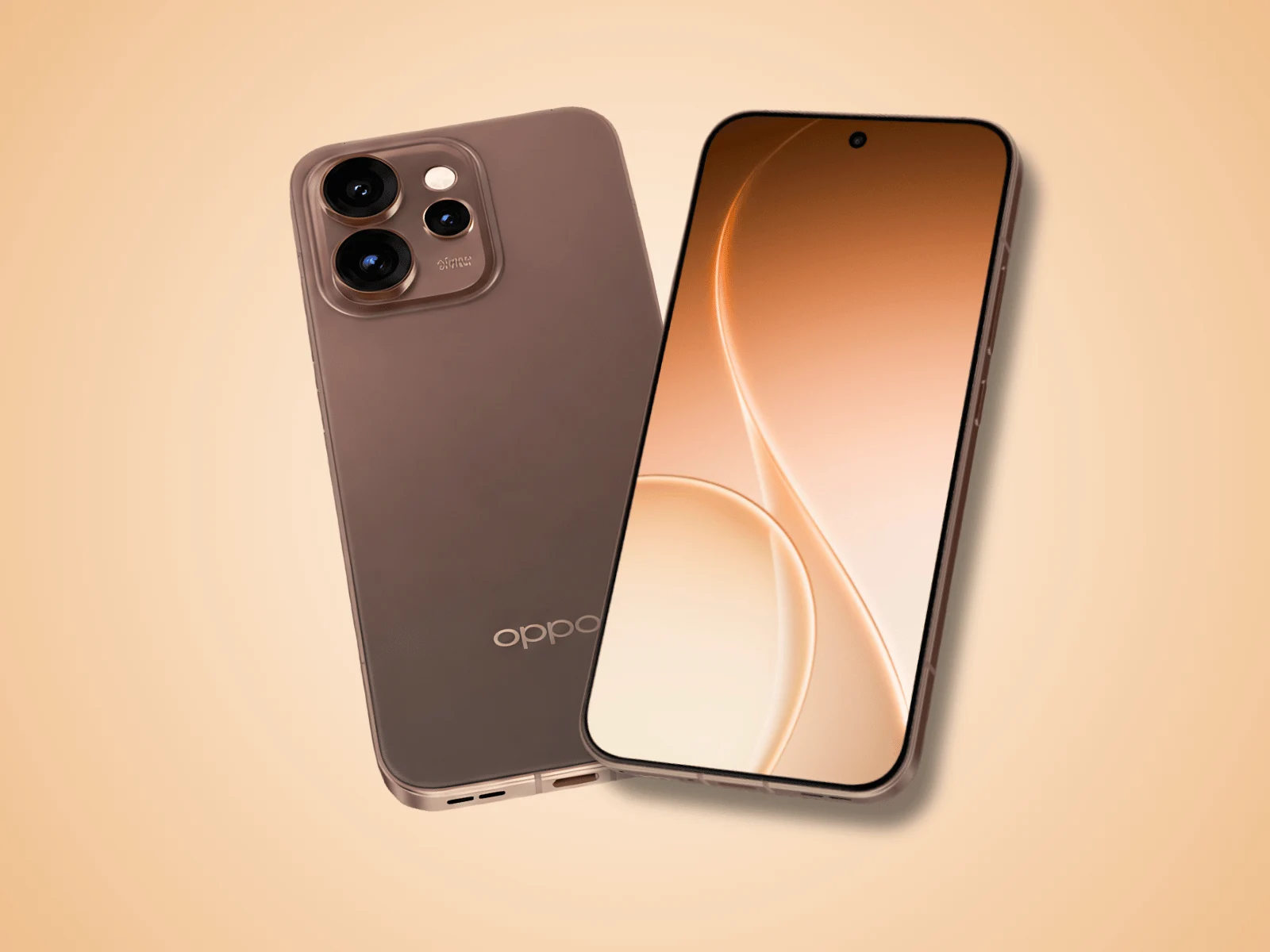
    The Oppo Reno series is a mid-range lineup of smartphones. Oppo launched the Reno 16 series for the Chinese market in May 2026 with two models: the standard Reno 16 and the Reno 16 Pro. These devices aim to offer strong features at a competative price point.

    Global Model Surfaces on Benchmark Database

    The Reno 16 series is also expected to launch in the global market. Previously, the global Reno 16 Pro secured multiple regulatory certifications across Asia, Europe, and the Middle East. Now, the standard Reno 16 has reportedly surfaced on Geekbench, revealing its early performance details. This gives us a sneak peek at what potential buyers might anticipate.

    Specifications and Test Scores

    The global Reno 16 model carries the model number “CPH2865” and is powered by the Snapdragon 7 Gen 4 with 12GB of RAM. For context, the Snapdragon 7 Gen 4 is a mid-range processor based on a 4nm process, found in phones including the Nothing Phone (4a) Pro. The Reno 16’s global variant scored 1,240 and 3,994 points in single-core and multi-core CPU tests, respectively. These scores suggest decent everyday performance for most users.

    • Processor: Snapdragon 7 Gen 4
    • RAM: 12GB
    • Single-core Score: 1,240
    • Multi-core Score: 3,994

    Chinese Variant Packing a Different Chipset

    On the other hand, the Chinese variant of the Reno 16 uses the MediaTek Dimensity 8550 Super chipset. It features a 6.3-inch AMOLED display, a 200MP main camera, and a 6,700mAh battery. The phone starts at CNY 3,499 (~$516) for the 12GB/256GB storage configuration. Interestingly, this version offers a completly different internal setup compared to its global sibling.

    Potential Downgrades for the Global Version

    So far, there is no official confirmation regarding the global release of the Reno 16 series. A previous leak also suggested that the global Reno 16 Pro may feature a downgraded chipset and reduced battery capacity compared to its Chinese counterpart. If this pattern hold true for the standard model, international buyers might recieve a less powerful device. The benchmark was discovered via a tip from @yabhishekhd on X.


    Sources

  • Nomad Launches AirTag Wallet Card & MagSafe Charger in Stellar Orange

    Nomad Launches AirTag Wallet Card & MagSafe Charger in Stellar Orange

    Key Takeaway

    – Nomad releases “Stellar Orange” limited editions of the Stand One and Tracking Card Pro, matching the iPhone 17 Pro’s color.
    – The Tracking Card Pro is credit-card-sized, waterproof (IPX7), and traceable via Apple’s “Find My” app with 16-month battery life.
    – The Stand One is a 25W Qi2 charger that also charges other devices via a second coil, priced at $135.
    – The Tracking Card Pro Limited Edition costs $39, same as standard colors; the Stand One costs $10 more than standard versions.


    Nomad Adds Orange to Two Accesories

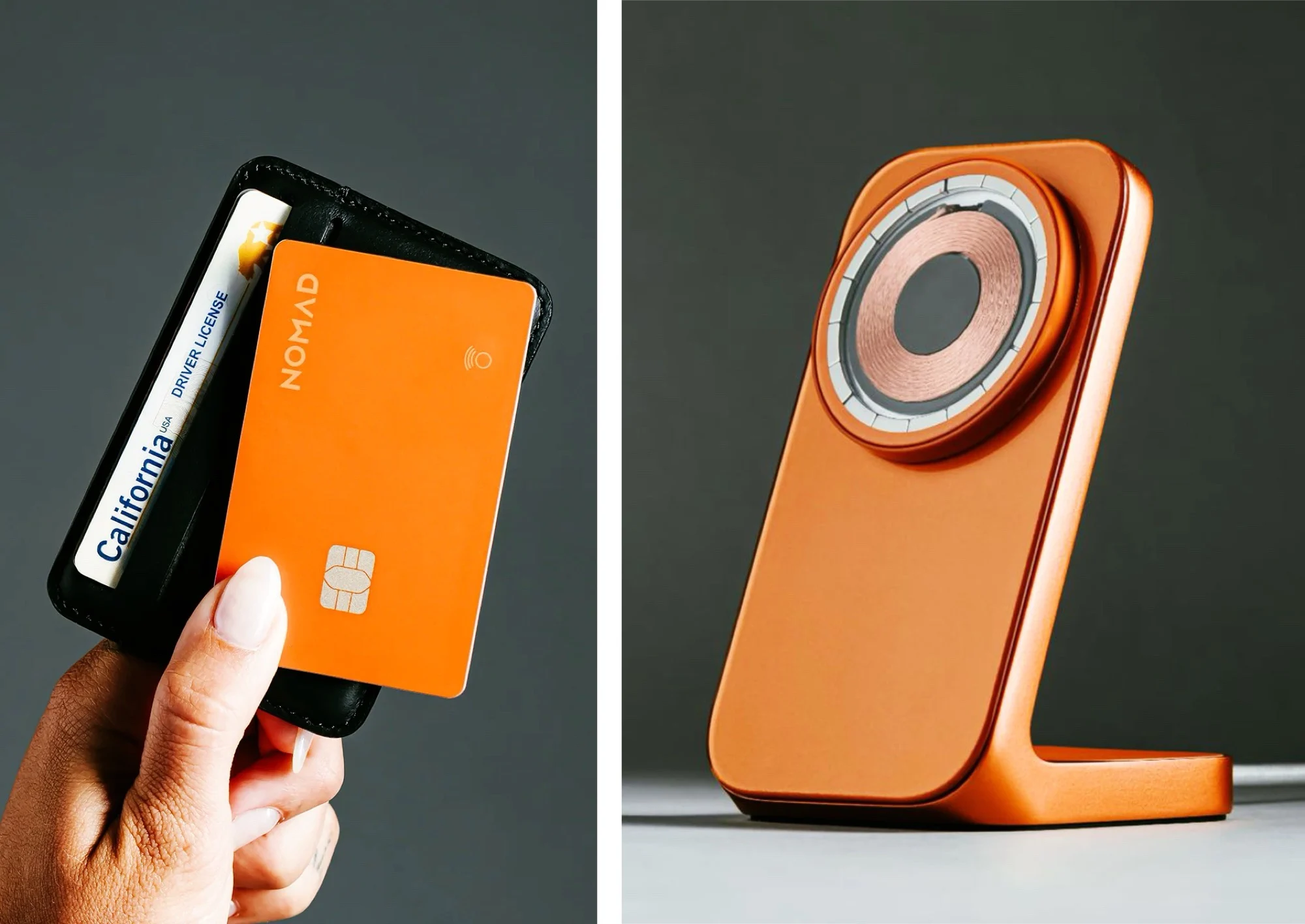
    Nomad picks up on the orange of the Apple iPhone 17 Pro and offers two of it’s most popular products in the same colour. Measuring 85 x 54 millimetres, the Nomad Tracking Card Pro is roughly the same size as a credit card, even if it is slightly thicker at 2.5 millimetres. Thanks to this format, the Nomad Tracking Card Pro should fit easily into a standard wallet.

    The AirTag-Like Card Details

    Just like a Apple AirTag ($29 on Amazon), the card can be tracked down via Apple’s “Find my” app if it is lost. The card weighs 15 grams. The housing is IPX7 certified and therefore waterproff. The chip marks the position of the Qi charging coil, which can be used to charge the integrated battery, with Nomad advertising a battery life of 16 months.

    Stand One Qi2 Charger Specifications

    The Nomad Stand One is a Qi2 charger that can charge compatible smartphones with up to 25 watts. The base accomodates a second Qi charging coil so that, for example, can charge Apple AirPods Pro. The Limited Edition not only features an aluminum housing with an orange finish, but also a transparent glass cover in front of the Qi charging coil. Nomad includes a 2-meter USB-C cable, but a matching 40-watt USB-C power adapter must be purchased seperately.

    Pricing Details for Both Accessories

    The Nomad Stand One in the “Stellar Orange” Limited Edition is now available for $135 in the manufacturers online store and therefore costs $10 more then the same product in silver or black. The Nomad Tracking Card Pro Limited Edition is available for $39 and therefore costs the same as the white or black versions.

    • Nomad Tracking Card Pro: $39
    • Nomad Stand One: $135
    • Both include Limited Edition orange color
    • Stand One requires separate 40W USB-C adapter