Tag: OLED touchscreen

  • Apple MacBook Ultra: macOS 27 Touchscreen Support

    Apple MacBook Ultra: macOS 27 Touchscreen Support

    Key Takeaway

    – macOS 27 beta includes touchscreen support via Sidecar, adding credibility to MacBook touchscreen rumors.
    – Rumored “MacBook Ultra” may feature a new design with OLED touchscreen, thinner body, and punch-hole/dynamic island.
    – Expected to launch with Apple M6 Pro or M6 Max chips, between September 2026 and spring 2027.
    – Touch gestures like pinch-to-zoom and hover replacement via finger movement are now supported in macOS 27.
    – Official Apple confirmation is still pending, but the evidence strengthens speculation of a higher-priced, next-gen MacBook Pro.


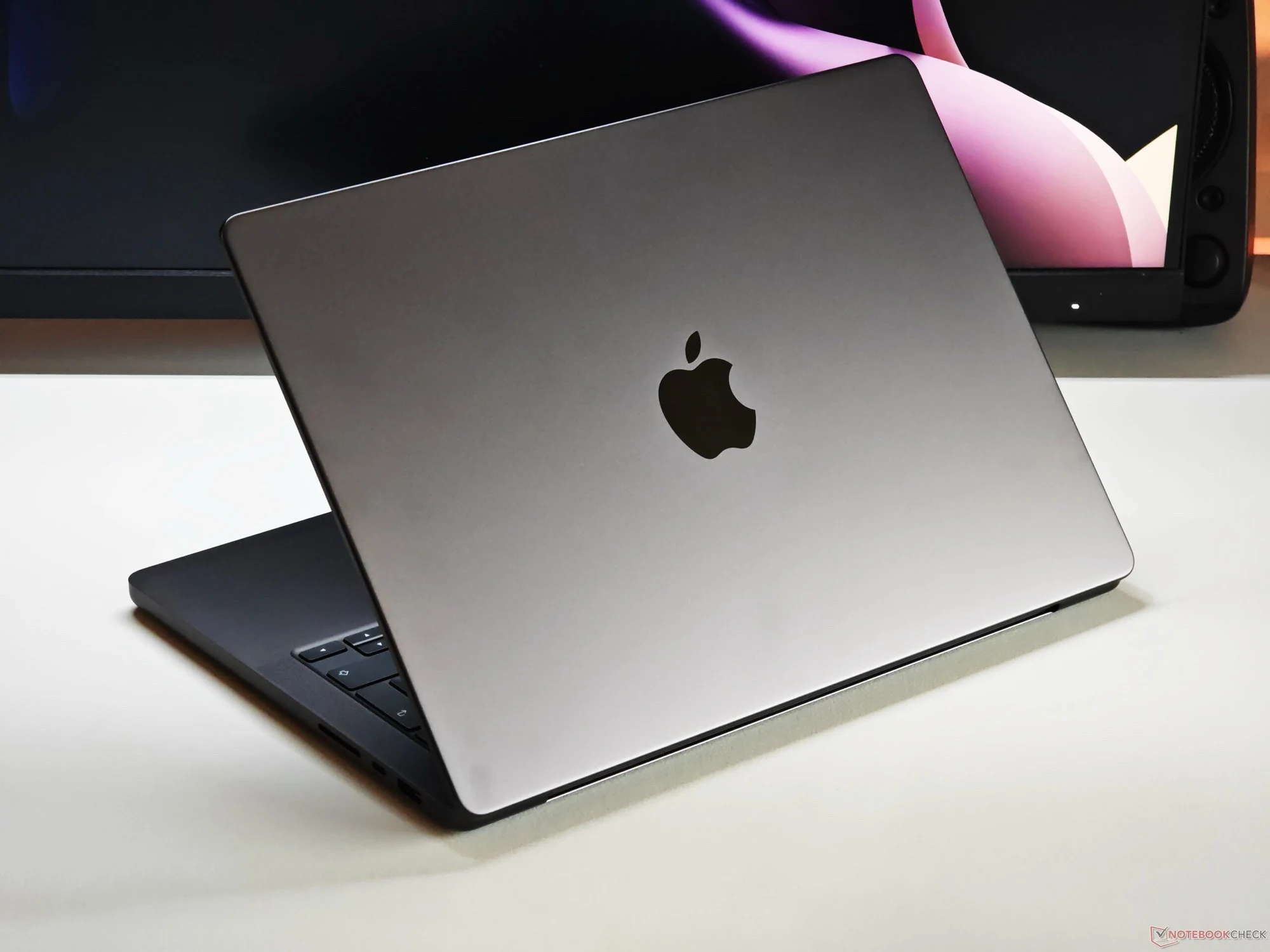
    Rumors have been circulating for many months according to which the next-generation MacBook Pro will have a new design and an OLED touchscreen, and will be marketed under the name “MacBook Ultra” – at a higher price than the current MacBook Pro. Apple has not yet officially commented on these rumors. However, the first beta version of macOS 27 already contains a reference to this touchscreen support.

    Sidecar and Touchscreen Functionality in macOS 27

    If an iPad is connected wirelessly to a Mac via Sidecar, it is possible to operate macOS 27 via the tablet’s touchscreen. In macOS 26, you still had to use a mouse or trackpad to do this. It is not only possible to scroll through lists and select menu items, but simple gestures such as pinch to zoom are also supported. To simplify the selection of items, the finger can be moved over a list to highlight menu items as a replacement for the hover function of the mouse pointer.

    Credibility and Specs of the MacBook Ultra

    Although this new feature is not a definitive confirmation that a MacBook with a touchscreen is actually planned, it does lend credibility to the rumors. The MacBook Ultra will be offered with either Apple M6 Pro or M6 Max. Rumors suggest that Apple will give the notebook a completely new design, featuring a thinner body and a punch-hole or dynamic island instead of a notch. The OLED touchscreen is to be offered with a diagonal of 14.3 inches or 16.3 inches. The launch is expected between September 2026 and spring 2027.
    Sources
  • Lenovo Yoga Slim 7 Ultra 14 Aura: Lightest Laptop with Core Ultra X7 but Some Drawbacks

    Lenovo Yoga Slim 7 Ultra 14 Aura: Lightest Laptop with Core Ultra X7 but Some Drawbacks

    Key Takeaway

    1. The Lenovo Yoga Slim 7 Ultra Aura is significantly lighter than the Dell XPS 14 but has a more fragile build and limited SSD upgrade options.
    2. It runs louder under load due to a less dense cooling system, although both models are quiet during web browsing or streaming.
    3. While offering similar performance and display quality, the Lenovo’s design compromises include softer speakers and slightly reduced battery life.

    Lightweight Design of the Yoga Slim 7 Ultra Aura

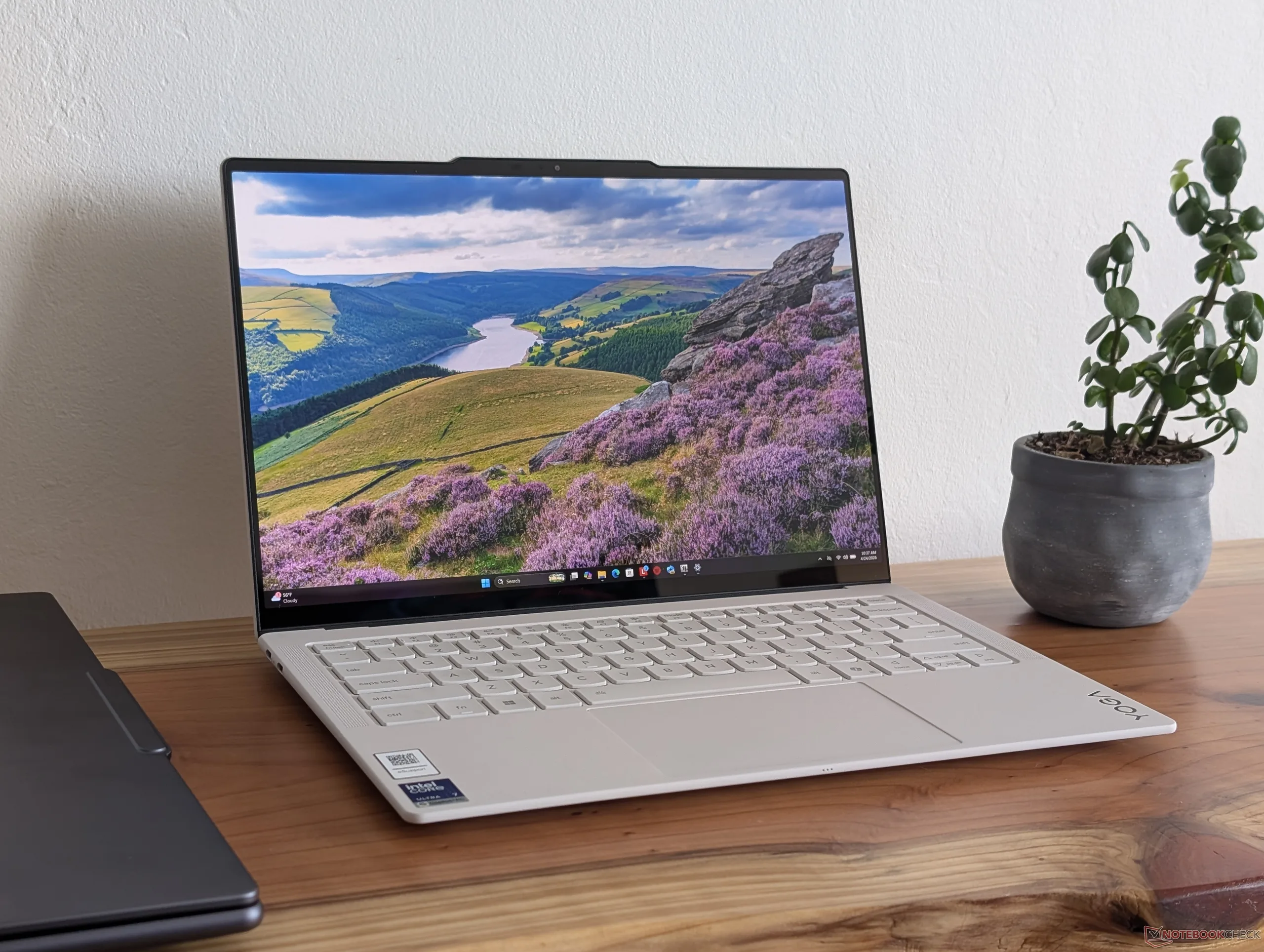
    Lenovo’s Yoga Slim 7 Ultra Aura are designed to be as portable as possible, and it clearly shows in the weight. It weighs significantly less than the Dell XPS 14, over 500 grams lighter. This significant weight cut means it’s easier to carry around, but come with its own set of drawbacks. The chassis, made out of thinner alloy, feels a lil bit more fragile and can flex more when pressure is applied. It might not be as sturdy as the heavier, more solid Dell XPS, but it still pretty much looks and feels nice overall.

    Performance and Cooling Concerns

    When using either of these laptops for everyday browsing or video streaming, they stay pretty quiet. But, when intense tasks like gaming or 3D rendering happen, the Yoga Slim 7 Ultra Aura tend to get louder quicker. During a 3DMark 06 test, the Dell reached just below 31 dB(A), while the Yoga hit close to 45 dB(A). This is mostly because the Ultra Aura has a lighter cooling system so the fans spin faster to keep the temperature down. This makes a big difference when you’re pushing the system for gaming or heavy use.

    Upgrade Limitations and Additional Features

    • Users should pay close attention because the Yoga Slim 7 Ultra Aura only supports smaller SSDs, specifically M.2 2242 or SSDs up to 42 mm long, to keep weight down.
    • Meanwhile, the Dell XPS 14 allows you to upgrade to longer M.2 2280 SSDs or SSDs up to 80 mm long, offering more flexibility for upgrades.

    Though the ultra-light structure feels a bit fragile, it doesn’t seem cheap, but its delicacy means it’s easier to warp or bend when pressure is applied. Also, the speakers on the Yoga aren’t as strong and the battery life may not last as long as the Dell. But, considering the big weight advantage and nearly similar performance and display quality, many could view these downsides as acceptable trade-offs for portability.

    Sources
    • Apple MacBook Ultra with OLED Touchscreen: Costlier, Not Pro Replacement

      Apple MacBook Ultra with OLED Touchscreen: Costlier, Not Pro Replacement

      Key Takeaways

      1. Apple plans to unveil a new MacBook Pro, rumored to be called MacBook Ultra, in fall 2026 with a fresh design.
      2. This new model will not replace the recently announced MacBook Pro featuring the Apple M5 Pro and M5 Max.
      3. The MacBook Ultra is expected to be a costlier option, potentially increasing prices by around 20%.
      4. The starting price for the 14-inch MacBook Pro with Apple M6 Pro could be $2,639, while the top-tier model might reach $4,319.
      5. New features may include an OLED touchscreen, a punch-hole design replacing the notch, and Face ID for secure login.


      Rumors have been going around for several months that Apple plans to unveil a new MacBook Pro ($1,724 on Amazon) in the fall of 2026. This model is said to feature a fresh design, marking the first change since the introduction of the MacBook Pro with Apple M1 Pro and M1 Max back in October 2021. Bloomberg has now reported for the first time that this upcoming model will not be a replacement for the recently announced MacBook Pro featuring the Apple M5 Pro and M5 Max.

      A New Offering

      Instead, this new device is expected to be launched as a costlier option. Bloomberg’s Mark Gurman suggests that Apple might brand this notebook as a MacBook Ultra to clearly distinguish between the two product lines. The not-so-great news is that this MacBook Ultra is projected to come at a much higher price than the existing MacBook Pro. Bloomberg notes that a price hike similar to that seen with the iPad Pro could occur when the top-tier tablet was upgraded from an LCD to an OLED display, implying a potential increase of around 20 percent.

      Pricing Insights

      This means that the most affordable 14-inch MacBook Pro with the Apple M6 Pro would start at $2,639, while the model featuring the Apple M5 Max could reach a staggering $4,319. For the 16-inch version, the starting prices would be $3,239 and $4,679, respectively. As always, it’s wise to take these early price rumors with a grain of salt. In exchange for the higher cost, it’s rumored that buyers may receive an OLED touchscreen for the first time on a Mac. Apple is also said to be replacing the notch with a punch-hole design and adding a Face ID module, allowing secure login to macOS through facial recognition.

      Bloomberg’s report suggests some exciting features.

      Source:
      Link


    • MSI Prestige 13: Intel Panther Lake & OLED in 1kg Laptop

      MSI Prestige 13: Intel Panther Lake & OLED in 1kg Laptop

      Key Takeaways

      1. Introduction of Panther Lake Processors: The first laptops with Intel’s Panther Lake processors will be revealed at CES in January.

      2. Redesigned Aesthetics: The new MSI Prestige models feature a more advanced rounded design, with a new groove in the metal casing for improved Wi-Fi antenna placement.

      3. Lightweight Build: The laptops are made from a magnesium-aluminum alloy, with weights under 1 kg for the Prestige 13, 1.4 kg for the Prestige 14, and 1.6 kg for the Prestige 16.

      4. OLED Touchscreen: MSI plans to include an OLED touchscreen that supports stylus input, which is rare in the laptop market.

      5. Enhanced Display and Battery Life: The OLED display is expected to provide high frame rates and bright visuals, while the Panther Lake processors may offer battery life of up to 24 hours.


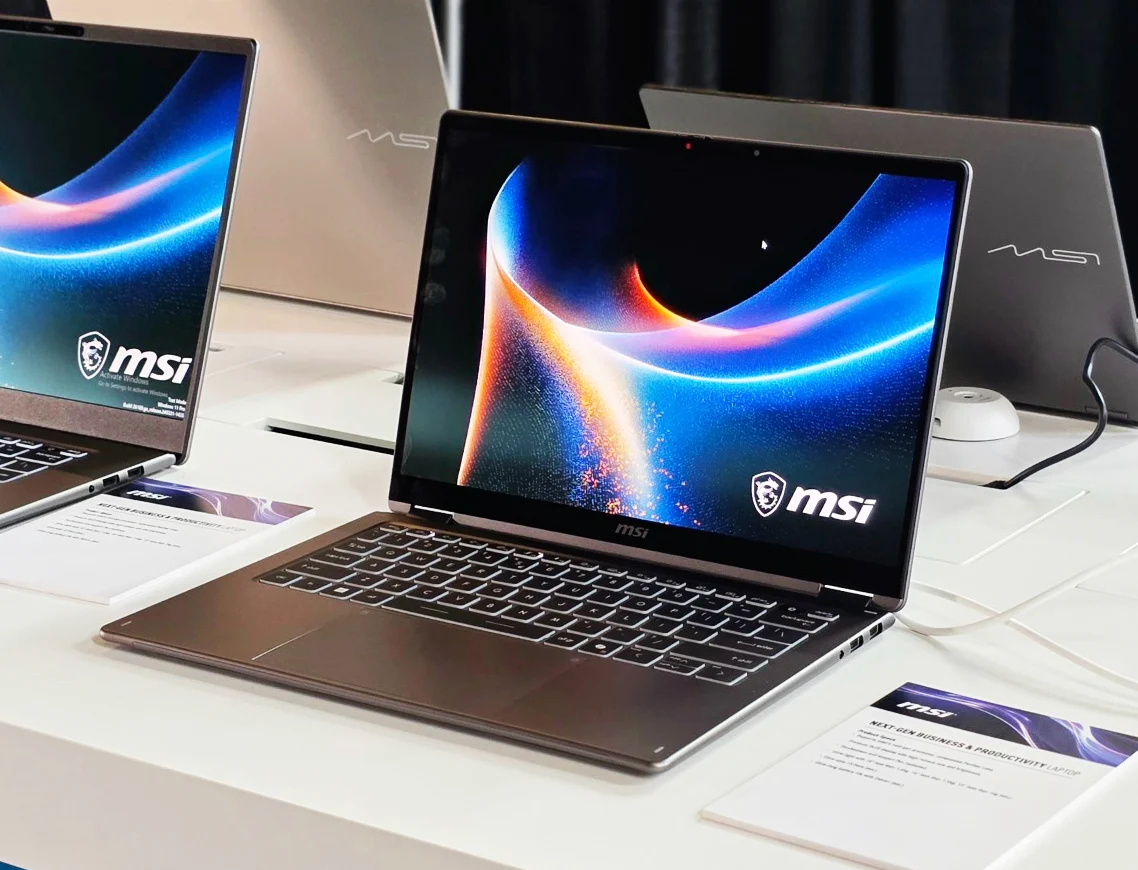
      The first laptops featuring Intel’s Panther Lake processors are set to be revealed at CES in January. YouTuber ETA Prime recently had a chance to preview the new MSI Prestige line. Although MSI hasn’t finalized the specs yet, the video showcases some intriguing features, starting with the overall design.

      Exciting Design Changes

      The current MSI Prestige 13 AI Evo sports a straightforward, angular design, but the upcoming models appear more advanced, with a significantly rounded case. They’ve also added a new groove in the metal casing at the front, likely intended for Wi-Fi antennas. The large trackpad and backlit keyboard remain consistent with the previous generation.

      Lightweight Construction

      Reportedly, the chassis is crafted from a magnesium-aluminum alloy, contributing to its lightweight nature. MSI claims that the new Prestige 13 weighs under one kilogram, the Prestige 14 is anticipated to be around 1.4 kilograms, and the Prestige 16 is expected to be about 1.6 kilograms. All three models maintain a thickness of 13.9 millimeters. MSI plans to include an OLED touchscreen that supports a stylus, which is quite uncommon in the laptop market.

      Impressive Display and Performance

      The OLED display is expected to deliver high frame rates and bright visuals, though MSI hasn’t provided any additional specifics yet. The Panther Lake chips are anticipated to enhance GPU performance significantly, as well as offer a battery life of up to 24 hours. Of course, the actual usage time will vary based on how the device is used and the brightness settings. More details about the next-generation MSI Prestige series will likely emerge during CES in January.

      Source:
      Link


    • MateBook 14 Launches: Mid-Range Laptop with 3:2 OLED Touchscreen

      MateBook 14 Launches: Mid-Range Laptop with 3:2 OLED Touchscreen

      Key Takeaways

      1. Wiko collaborated with Huawei on the Hi MateBook 14, featuring similar designs but with unique elements like round-shaped keys.
      2. The laptop has a sleek metal body, built-in fingerprint sensor, weighs 1.32 kg, and is 14.5 mm thick.
      3. It boasts a 3:2 OLED touchscreen display with a resolution of 2,880 x 1,920 pixels, 120 Hz refresh rate, and 450 nits peak brightness.
      4. Powered by an AMD Ryzen 7 H 255 processor and integrated Radeon 780M graphics, it offers up to 15 hours of video playback and includes a 1 TB SSD with 16 GB or 32 GB RAM options.
      5. The Hi MateBook 14 will launch in China starting at ¥4,999 (about $702), with international availability details yet to be announced.


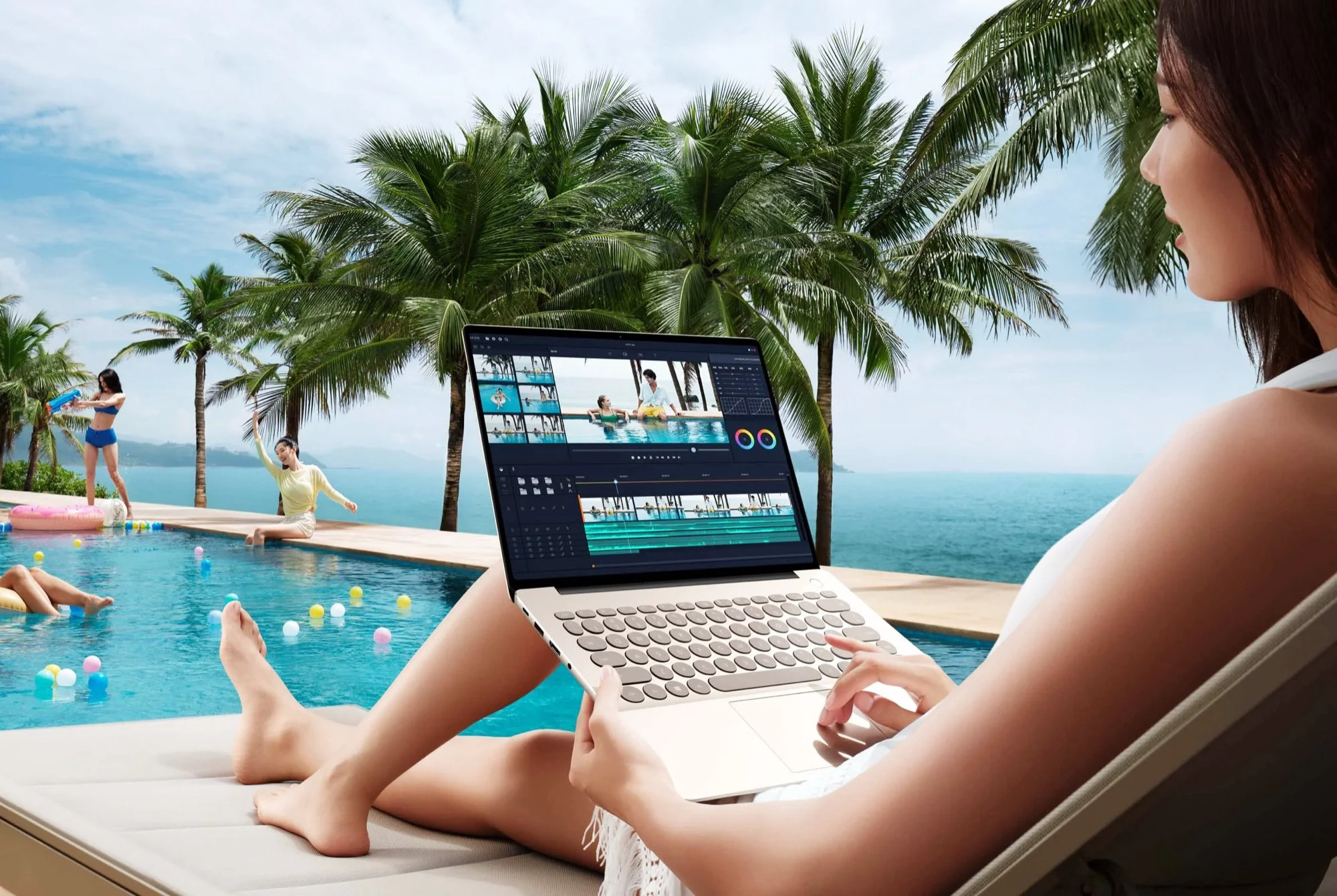
      Wiko seems to have worked closely with Huawei again on the Hi MateBook 14, as there are clear similarities with Huawei’s laptop designs and branding. However, Wiko has added some distinctive features to the Hi MateBook 14, including a keyboard with round or pill-shaped keys instead of the usual rectangular ones.

      Design and Build

      This laptop features a metal body and comes with a built-in fingerprint sensor located in the power button, all while being quite portable at only 14.5 mm (0.57 inches) thick and weighing 1.32 kg (2.9 lbs). One impressive aspect in this price range is the display: the 3:2 OLED touchscreen boasts a resolution of 2,880 x 1,920 pixels, a refresh rate of 120 Hz, and a peak brightness of 450 nits, along with a PWM frequency of 1,920 Hz to reduce noticeable flicker.

      Performance and Specifications

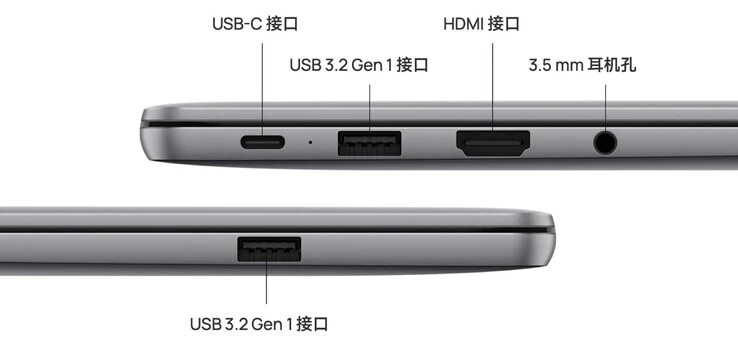
      Inside, the Hi MateBook 14 runs on an AMD Ryzen 7 H 255 processor, which has eight Zen 4 performance cores that can boost up to 4.9 GHz, along with integrated AMD Radeon 780M graphics. It comes with a sizeable 70 Wh battery, allowing the laptop to reportedly provide up to 15 hours of local video playback per charge. Wiko includes a 1 TB SSD in the device, with memory options of either 16 GB or 32 GB. In terms of ports, the laptop has a USB-C port, two USB-A ports (5 Gbit/s), an HDMI port, and a 3.5 mm headphone jack.

      Availability and Pricing

      The Wiko Hi MateBook 14 is expected to first launch in China, with a starting price of ¥4,999 (approximately $702). Details regarding pricing and availability in other countries are still pending, though some may consider direct import if they are interested in purchasing the device.

      Source:
      Link


    • New MacBook Pro M6 Details: OLED Screen and Dynamic Island Revealed

      New MacBook Pro M6 Details: OLED Screen and Dynamic Island Revealed

      Key Takeaways

      1. Apple introduced the 14-inch MacBook Pro M5, with M5 Pro and M5 Max models expected early next year.
      2. The new MacBook Pro will feature a lighter and thinner design, with a punch hole replacing the notch and possibly incorporating a Dynamic Island feature.
      3. An advanced tandem OLED touchscreen may be included, along with a new hinge design to stabilize the display during touch.
      4. The upcoming MacBook M6 is anticipated to be priced several hundred dollars higher than previous models and is expected to launch late in 2026 or early 2027.
      5. Current pricing for the 14-inch MacBook Pro M4 Pro starts at $1,999, with Apple pausing further touchscreen developments to assess the reception of the new MacBook Pro.


      Apple revealed the 14-inch MacBook Pro M5 on Wednesday, with plans for the M5 Pro and M5 Max models to be launched early next year. Meanwhile, the anticipated Apple M6 laptop is expected to debut late in 2026 or early 2027, which is generating a lot of excitement. A recent report from Bloomberg has shared several new insights regarding Apple’s upcoming flagship laptop.

      New Design Features

      The most significant change is that the MacBook Pro will feature a brand-new design, marking the first update since the M1 version came out in 2021. Reports suggest that the new laptop will be lighter and thinner. Instead of the notch, a punch hole will be introduced, and this area may be used for a Dynamic Island feature. Similar to the Apple iPhone 17, this section could display information like timers or currently playing music.

      Touchscreen Innovations

      What’s particularly fascinating is the potential inclusion of an advanced tandem OLED touchscreen on the MacBook Pro, which would be a first for the Mac range. A newly designed hinge may stop the display from moving when touched with a finger. Bloomberg mentions that the new MacBook M6 might also be priced several hundred dollars higher than its predecessors.

      Current Pricing Context

      To give some context, the existing 14-inch MacBook Pro with the Apple M4 Pro has a starting price of $1,999, while the 16-inch model starts at $2,499. Reports indicate that Apple is not working on any other Macs with touchscreen capabilities and is instead pausing to observe the reception of the MacBook Pro before making further decisions about the MacBook Air and iMac.

      Source:
      Link


    • Samsung Galaxy Book5 Pro 14 OLED Panel Lags Behind Rivals

      Samsung Galaxy Book5 Pro 14 OLED Panel Lags Behind Rivals

      Key Takeaways

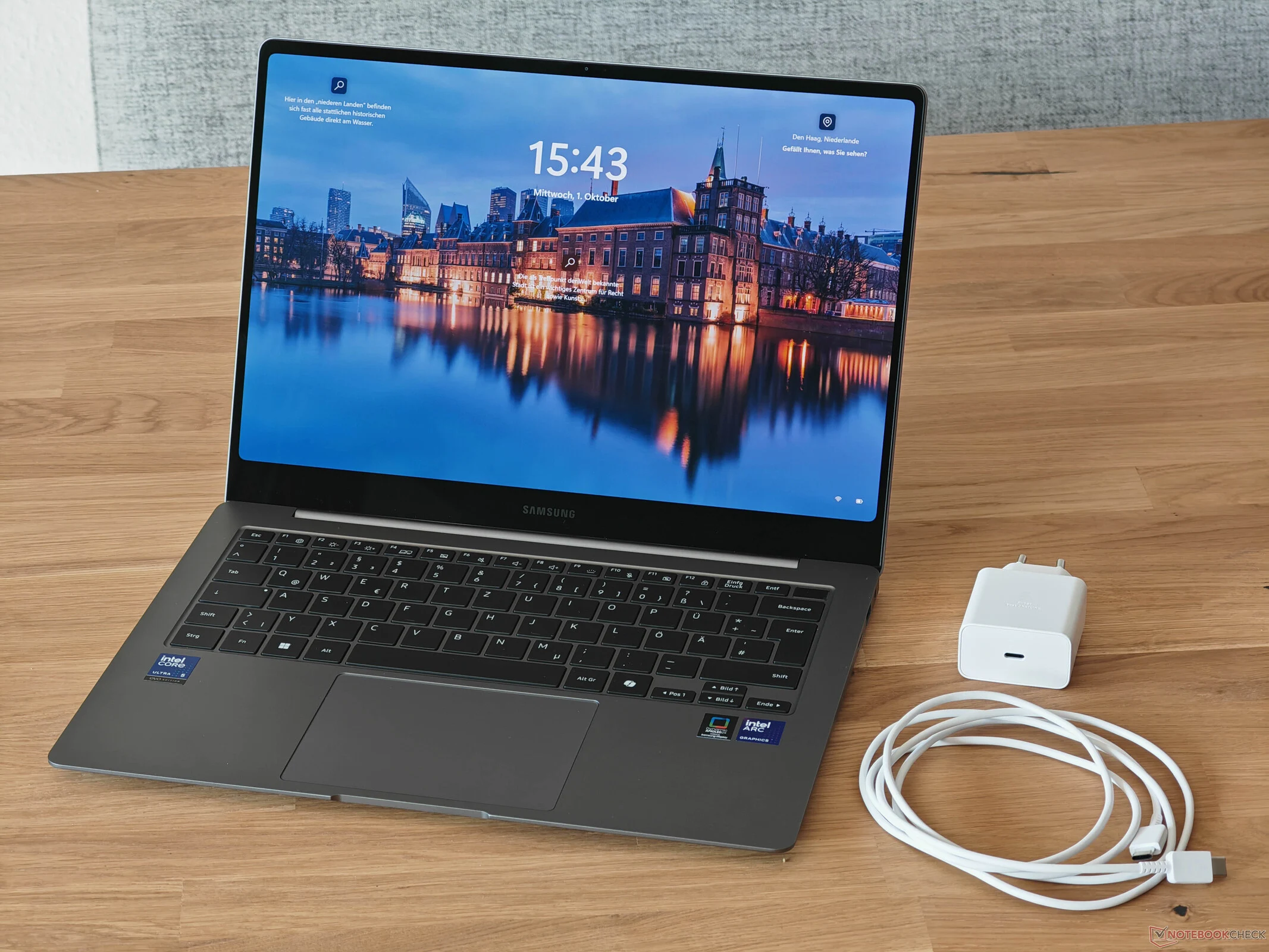
      1. The Samsung Galaxy Book5 Pro 14 features an impressive OLED touchscreen with a resolution of 2880 x 1800 pixels, offering sharp visuals and vibrant colors.

      2. The display has a high refresh rate of 120 Hz, ensuring fluid movements and providing various color profiles for P3 and sRGB color spaces.

      3. The maximum HDR brightness of 530 nits is lower than many competitors, which often achieve peak brightness levels exceeding 1,000 nits.

      4. PWM flickering at a low frequency of 240 Hz may cause discomfort for sensitive users, while competitors offer higher flicker frequencies and smaller amplitudes.

      5. Despite being a leading OLED supplier, Samsung’s Galaxy Book5 Pro 14 falls short in display performance compared to rival models.


      We recently took a closer look at the Samsung Galaxy Book5 Pro 14, which features an OLED touchscreen boasting a resolution of 2880 x 1800 pixels. The display quality remains impressive, showcasing sharp visuals, vibrant colors, and deep blacks. Even on lighter surfaces, there’s no noticeable graininess, which can often be a drawback with touchscreens. Additionally, the high refresh rate of 120 Hz ensures that movements appear fluid, and it offers various color profiles for the P3 and sRGB color spaces.

      Brightness and HDR Performance

      However, there are two areas where Samsung seems to lag behind its competitors: brightness levels, particularly in HDR content, and PWM flickering. While the standard brightness of 400 nits is acceptable, the maximum HDR brightness of around 530 nits is quite low, especially when many rivals achieve double that figure. Lenovo has stepped up its OLED offerings this year, with even budget models like the Yoga Slim 7 14 G10 featuring OLED panels that reach peak brightness levels exceeding 1,000 nits. Similarly, Honor’s MagicBook Art 14 includes a high-resolution OLED display that outperforms the Galaxy Book5 Pro 14 in nearly every aspect.

      PWM Flickering Concerns

      Another important issue is PWM flickering, which may cause discomfort or headaches for some users. The OLED display on the Galaxy Book5 Pro 14 flickers at a relatively low frequency of 240 Hz with a noticeable amplitude, which could be problematic for sensitive individuals. On the other hand, manufacturers like Lenovo excel in this area, offering higher flicker frequencies (over 1 kHz) and significantly smaller amplitudes.

      Despite being one of the leading OLED suppliers, it is surprising that the pricey Galaxy Book5 Pro 14 does not come with a superior display.

    • Honor MagicBook Art 14 2025 Brightness: 1600 nits vs 740 nits

      Honor MagicBook Art 14 2025 Brightness: 1600 nits vs 740 nits

      Key Takeaways

      1. The MagicBook Art 14 2025 features updated Intel Arrow Lake processors and a redesigned keyboard.
      2. The OLED touchscreen boasts a high refresh rate of 120 Hz and a peak brightness claim of 1600 nits.
      3. Achieving the claimed peak brightness requires enabling HDR mode and using compatible content, which may not be typical for laptops.
      4. The review found a maximum brightness of around 740 nits, which is lower than expected compared to other OLED models.
      5. Despite the brightness limitation, the display maintains excellent image quality, color accuracy, and no screen-door effect.


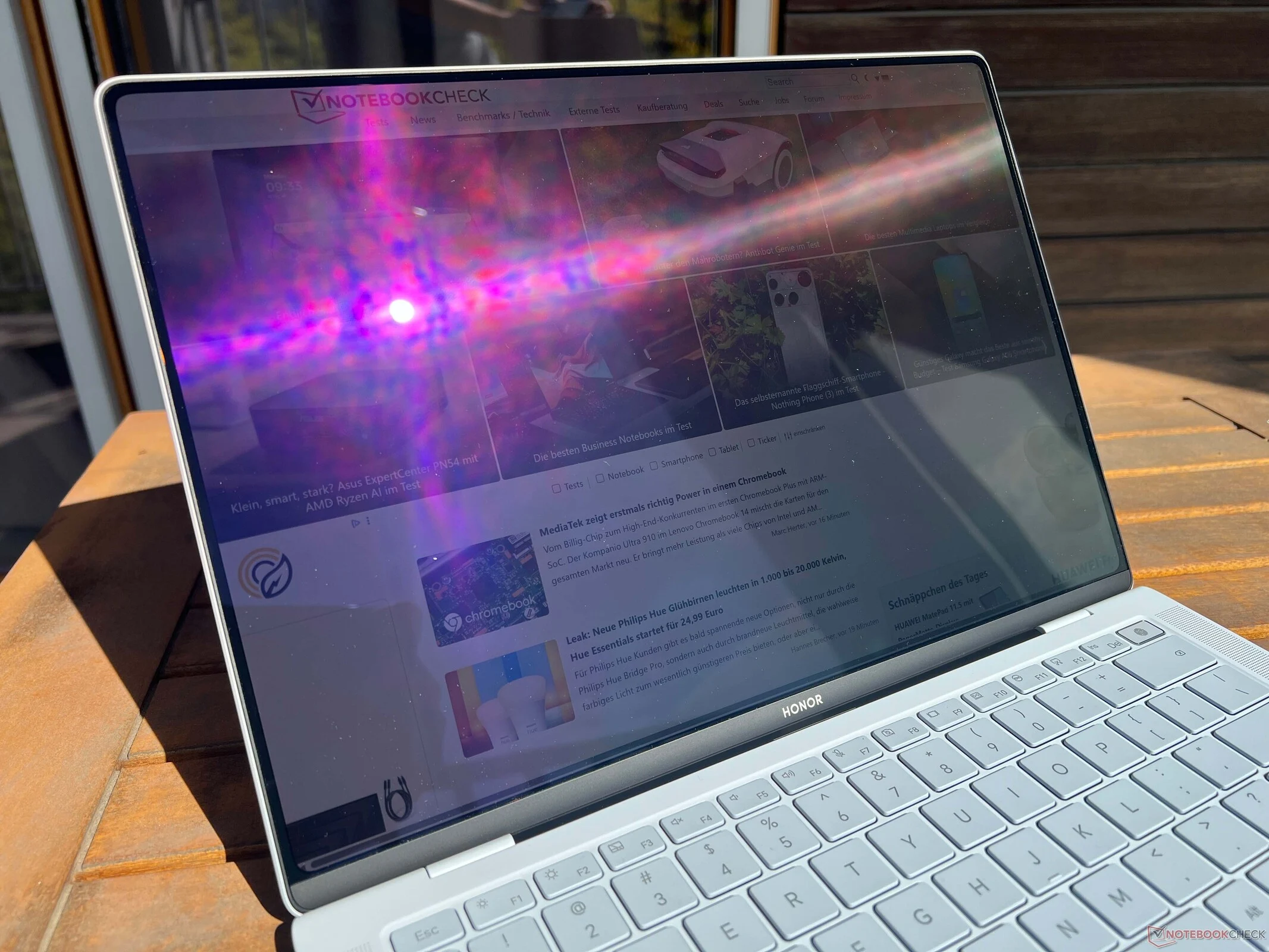
      The MagicBook Art 14, known for its sleek design, has received a refresh for 2025. Now, it comes with the latest Intel Arrow Lake processors and a revamped keyboard. The OLED touchscreen, which boasts a resolution of 120 Hz, was already impressive last year, and Honor asserts that its peak brightness has notably increased to a remarkable 1600 nits, despite the other specifications remaining the same. Typically, such brightness levels in laptops are found only in Mini-LED or Tandem OLED displays.

      Brightness Specifications

      The manufacturer outlines the peak brightness scenario in the technical specifications, but the details are somewhat vague. To access the maximum brightness, users need to enable HDR mode and utilize compatible HDR content, or ensure that the brightness sensor is turned on. This behavior is familiar to smartphone users, who can achieve higher brightness levels outdoors. Yet, this is not the norm for laptops. We attempted to reach the claimed peak brightness, but unfortunately, we were unsuccessful. We experimented with various settings, including the automatic brightness feature in Windows and a dynamic backlight option in Honor’s PC Manager software. Despite placing the laptop in direct summer sunlight and trying different external light sources to mimic bright conditions, we could only achieve a maximum brightness of around 740 nits.

      Performance Assessment

      While this is certainly not a poor outcome, many displays, such as Lenovo’s current OLED models, often hit peak brightness levels of 1,000-1,100 nits. Even though our review model didn’t meet the promised peak brightness, it doesn’t detract from the overall image quality, which remains superb with 120 Hz and precise color profiles. We even managed to enhance the color accuracy further with our calibration (the calibration profile is available for free download in our review). There’s no screen-door effect on bright backgrounds, and the DC dimming at 120 Hz with a very low amplitude is unlikely to cause any problems. For more details, check out our complete review of the new Honor MagicBook Art 14 2025.