
Tag: PWM flickering

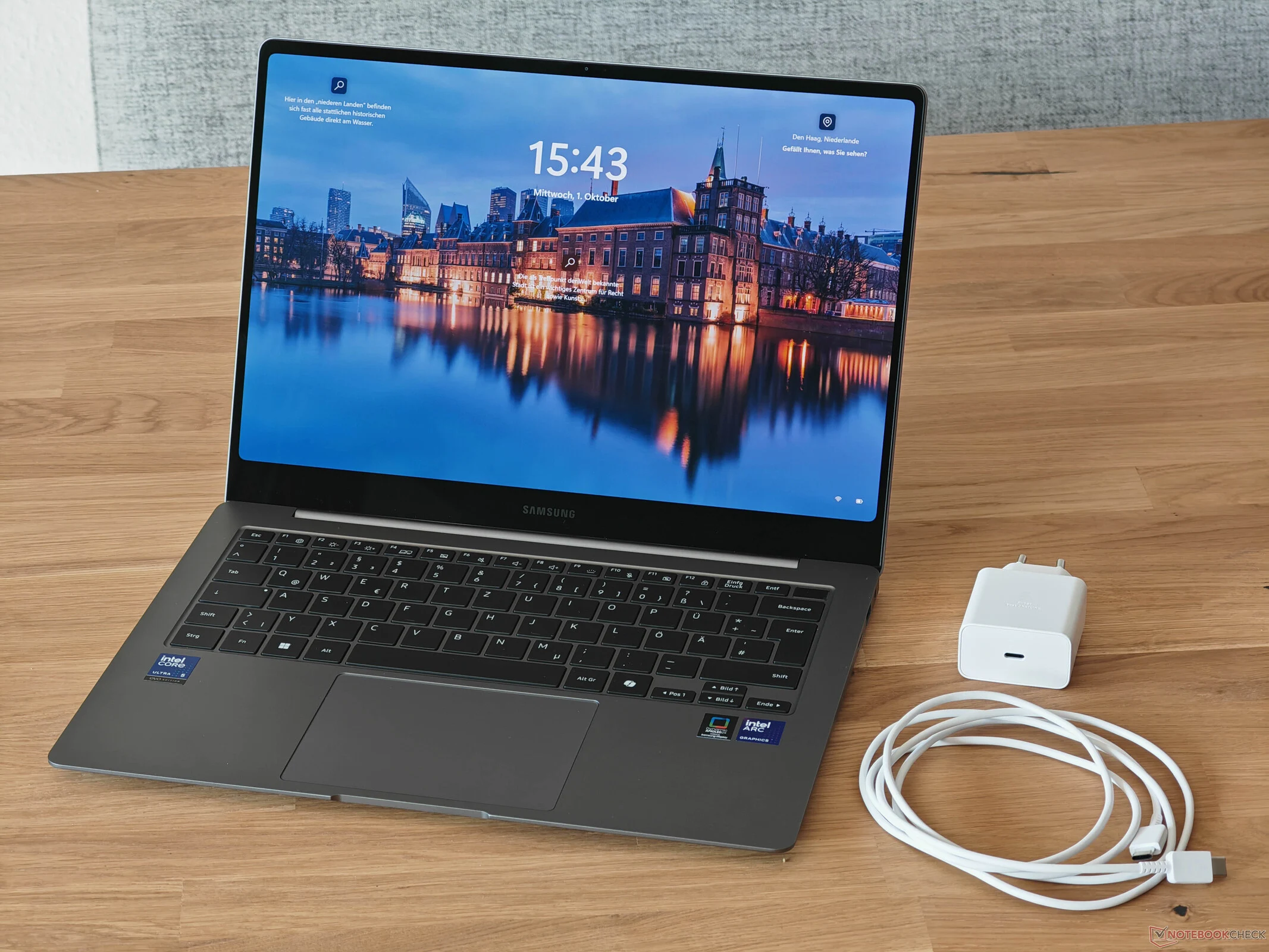
  • Samsung Galaxy Book5 Pro 14 OLED Panel Lags Behind Rivals

    Samsung Galaxy Book5 Pro 14 OLED Panel Lags Behind Rivals

    Key Takeaways

    1. The Samsung Galaxy Book5 Pro 14 features an impressive OLED touchscreen with a resolution of 2880 x 1800 pixels, offering sharp visuals and vibrant colors.

    2. The display has a high refresh rate of 120 Hz, ensuring fluid movements and providing various color profiles for P3 and sRGB color spaces.

    3. The maximum HDR brightness of 530 nits is lower than many competitors, which often achieve peak brightness levels exceeding 1,000 nits.

    4. PWM flickering at a low frequency of 240 Hz may cause discomfort for sensitive users, while competitors offer higher flicker frequencies and smaller amplitudes.

    5. Despite being a leading OLED supplier, Samsung’s Galaxy Book5 Pro 14 falls short in display performance compared to rival models.


    We recently took a closer look at the Samsung Galaxy Book5 Pro 14, which features an OLED touchscreen boasting a resolution of 2880 x 1800 pixels. The display quality remains impressive, showcasing sharp visuals, vibrant colors, and deep blacks. Even on lighter surfaces, there’s no noticeable graininess, which can often be a drawback with touchscreens. Additionally, the high refresh rate of 120 Hz ensures that movements appear fluid, and it offers various color profiles for the P3 and sRGB color spaces.

    Brightness and HDR Performance

    However, there are two areas where Samsung seems to lag behind its competitors: brightness levels, particularly in HDR content, and PWM flickering. While the standard brightness of 400 nits is acceptable, the maximum HDR brightness of around 530 nits is quite low, especially when many rivals achieve double that figure. Lenovo has stepped up its OLED offerings this year, with even budget models like the Yoga Slim 7 14 G10 featuring OLED panels that reach peak brightness levels exceeding 1,000 nits. Similarly, Honor’s MagicBook Art 14 includes a high-resolution OLED display that outperforms the Galaxy Book5 Pro 14 in nearly every aspect.

    PWM Flickering Concerns

    Another important issue is PWM flickering, which may cause discomfort or headaches for some users. The OLED display on the Galaxy Book5 Pro 14 flickers at a relatively low frequency of 240 Hz with a noticeable amplitude, which could be problematic for sensitive individuals. On the other hand, manufacturers like Lenovo excel in this area, offering higher flicker frequencies (over 1 kHz) and significantly smaller amplitudes.

    Despite being one of the leading OLED suppliers, it is surprising that the pricey Galaxy Book5 Pro 14 does not come with a superior display.
  • Google Pixel 10 Pro Display Upgrade to Reduce Eye Strain

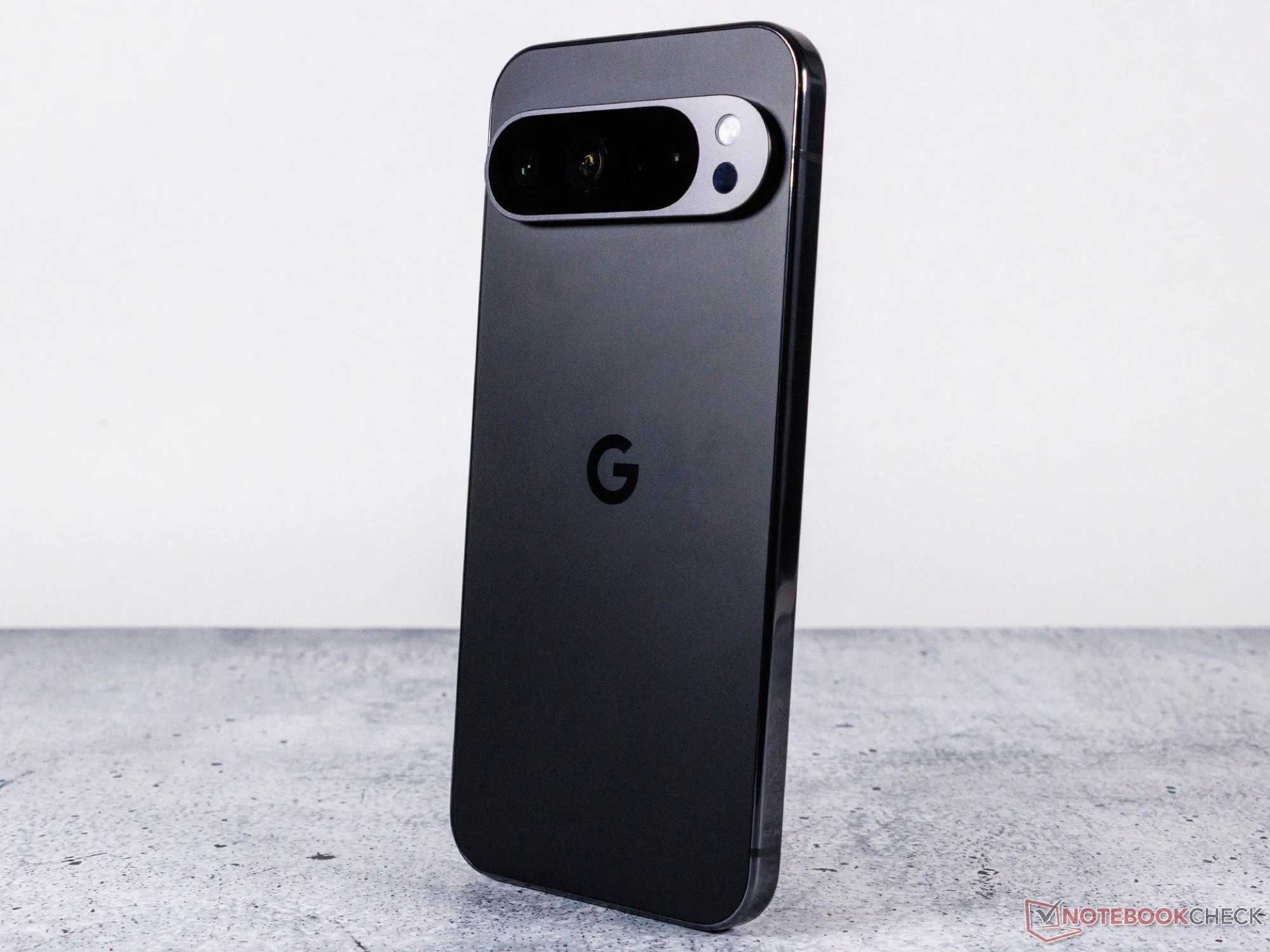
    Google Pixel 10 Pro Display Upgrade to Reduce Eye Strain

    Key Takeaways

    1. Chinese smartphone brands like Xiaomi and OnePlus use high PWM frequencies over 2,000 Hz to eliminate visible flickering in AMOLED screens.
    2. The Google Pixel 9 has a noticeable PWM frequency of 120 Hz, causing discomfort for some users, while the Pixel 9 Pro’s display flickers at 240 Hz.
    3. The flicker amplitude on the Pixel 9 is 22.2%, which can lead to severe headaches for sensitive users.
    4. Google plans to address flickering issues in upcoming updates and potentially improve the PWM frequency in future models.
    5. The upcoming Pixel 10 series may feature displays with higher PWM frequencies or DC dimming to reduce flickering, though it could affect peak brightness.


    Chinese smartphone brands like Xiaomi and OnePlus are leaning towards very high PWM frequencies that go beyond 2,000 Hz. This helps to stop visible flickering in their AMOLED screens. On the other hand, users of the Google Pixel 9 (around $599 on Amazon) still have to deal with a more noticeable PWM frequency of 120 Hz. Our tests also showed that the Pixel 9 Pro’s display flickers at a slightly elevated 240 Hz.

    Flickering Issues

    This flickering can cause discomfort, particularly in the lower-priced Pixel 9 model, which has a flicker amplitude of 22.2%. Those who are sensitive to such issues may suffer from severe headaches after looking at screens with PWM flickers for long periods, while others might not even notice it. Google has recognized this problem and mentioned to AndroidCentral that users can look forward to updates later this year.

    Potential Solutions

    It remains uncertain if Google can enhance the PWM frequency on current Pixel phones via a software update. Nonetheless, the company’s announcement hints that the upcoming Pixel 10 series could come with displays that have less flickering. By using higher PWM frequencies or DC dimming, Google might be able to lessen or completely remove flickers. Another option could be a special display mode designed to minimize screen flickers, but this may result in lower peak brightness on some devices. All in all, these changes indicate that the Pixel 10 series may finally address the concerns of users who are sensitive to PWM flickering.

    Source:
    Link