
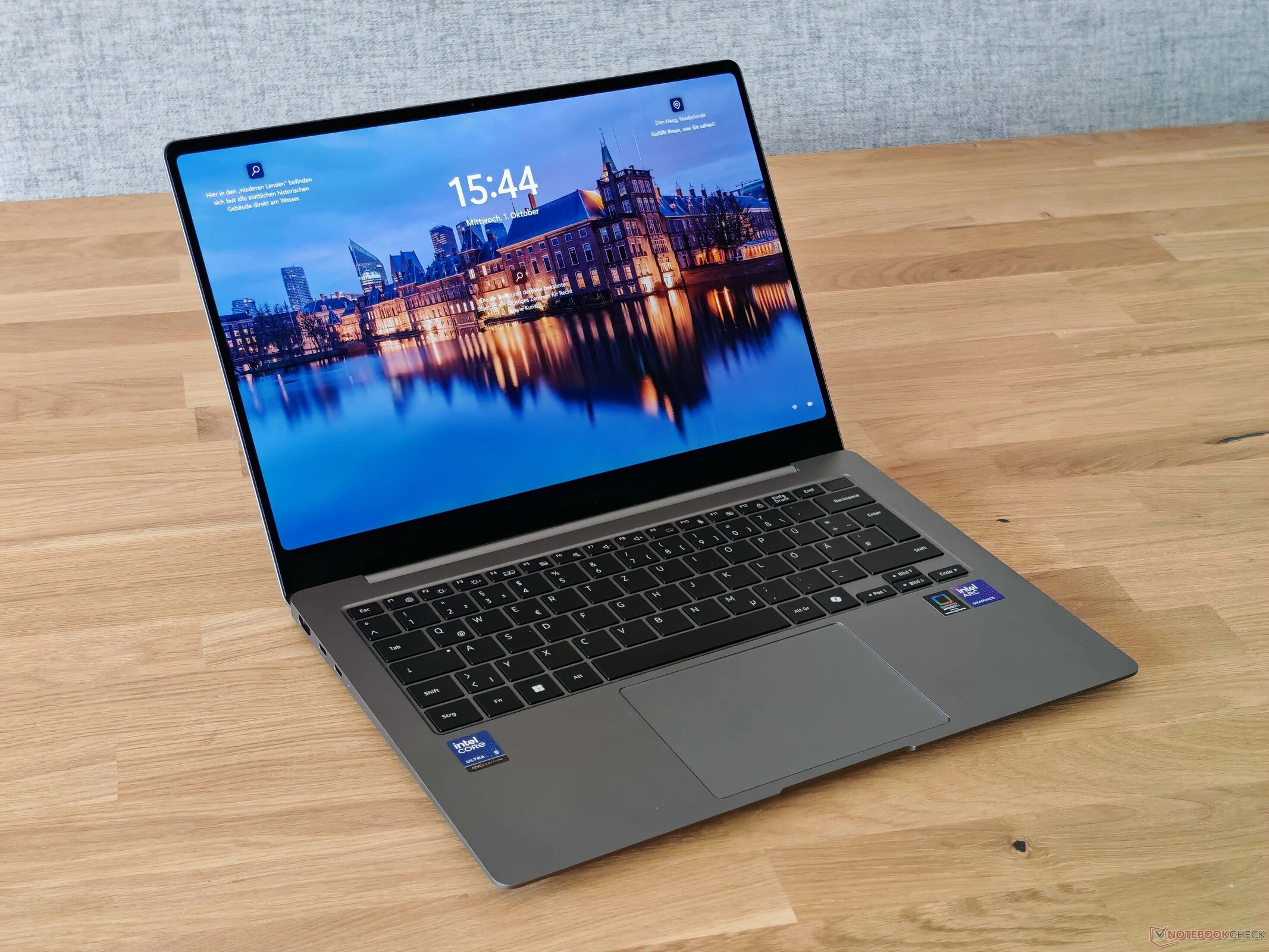
Tag: Samsung Galaxy Book5 Pro 14

  • Samsung Galaxy Book5 Pro Review: Is €1699 Too High for Specs?

    Samsung Galaxy Book5 Pro Review: Is €1699 Too High for Specs?

    Key Takeaways

    1. High Starting Price: The Galaxy Book5 Pro 14 starts at €1,699, which is €250 more than a similarly equipped MacBook Air M4.

    2. Performance Comparison: The MacBook Air offers better performance with a faster processor, longer battery life, and passive cooling compared to the Galaxy Book5 Pro.

    3. Display and Connectivity: The Galaxy Book5 Pro features a 120 Hz OLED display and superior connectivity options like Wi-Fi 7.

    4. Price vs. Upgrades: Upgrading to a more powerful variant with Core Ultra 7 258V, 32 GB RAM, and 1 TB SSD costs an additional €600, which seems unjustifiable.

    5. Market Pricing Trends: Prices for the Galaxy Book5 Pro have started to drop, with some units available for under €1,500, indicating a need for Samsung to improve the product or lower prices to increase sales.


    Samsung’s Galaxy Book5 Pro 14 is a sleek ultrabook designed for daily use. With a starting price of €1,699, the entry-level model is rather pricey, especially given its hardware specs that include the compact Intel Core Ultra 5 226V (Lunar Lake), 16 GB of RAM, and a 512 GB SSD. This price tag is €250 higher than a similarly equipped Apple MacBook Air M4. In a head-to-head comparison, the MacBook Air offers a superior overall package, featuring a faster processor, passive cooling, and a longer battery life. Nevertheless, the Galaxy Book5 Pro does have some perks like a 120 Hz OLED display and superior connectivity options such as Wi-Fi 7.

    Pricing Concerns

    For those looking for more power, there’s a variant with the Core Ultra 7 258V that comes with 32 GB of RAM and a 1 TB SSD, but this bumps the price up to €2,299. Paying an extra €600 for just 16 GB more RAM and an additional 512 GB of SSD storage seems unreasonable and is hard to justify.

    Performance and Competition

    While the Galaxy Book5 Pro 14 isn’t a poor device, it still falls short compared to its competitors. We’ve previously reported on some drawbacks of the OLED screen, such as its relatively low brightness and low-frequency PWM flickering. Competing models, like the more affordable Yoga series from Lenovo, perform better in this area. Additionally, the Galaxy Book5 Pro lags behind in battery life. Although the Lunar Lake processor has enhanced performance, many rivals can last several hours longer, particularly when brightness is optimized.

    The market has already begun to lower prices somewhat, and our review unit is currently available for under €1,500. While this is still a significant amount of money, Samsung needs to either improve their laptop or lower the price to boost sales. For more details, check out our full review of the Galaxy Book5 Pro 14.
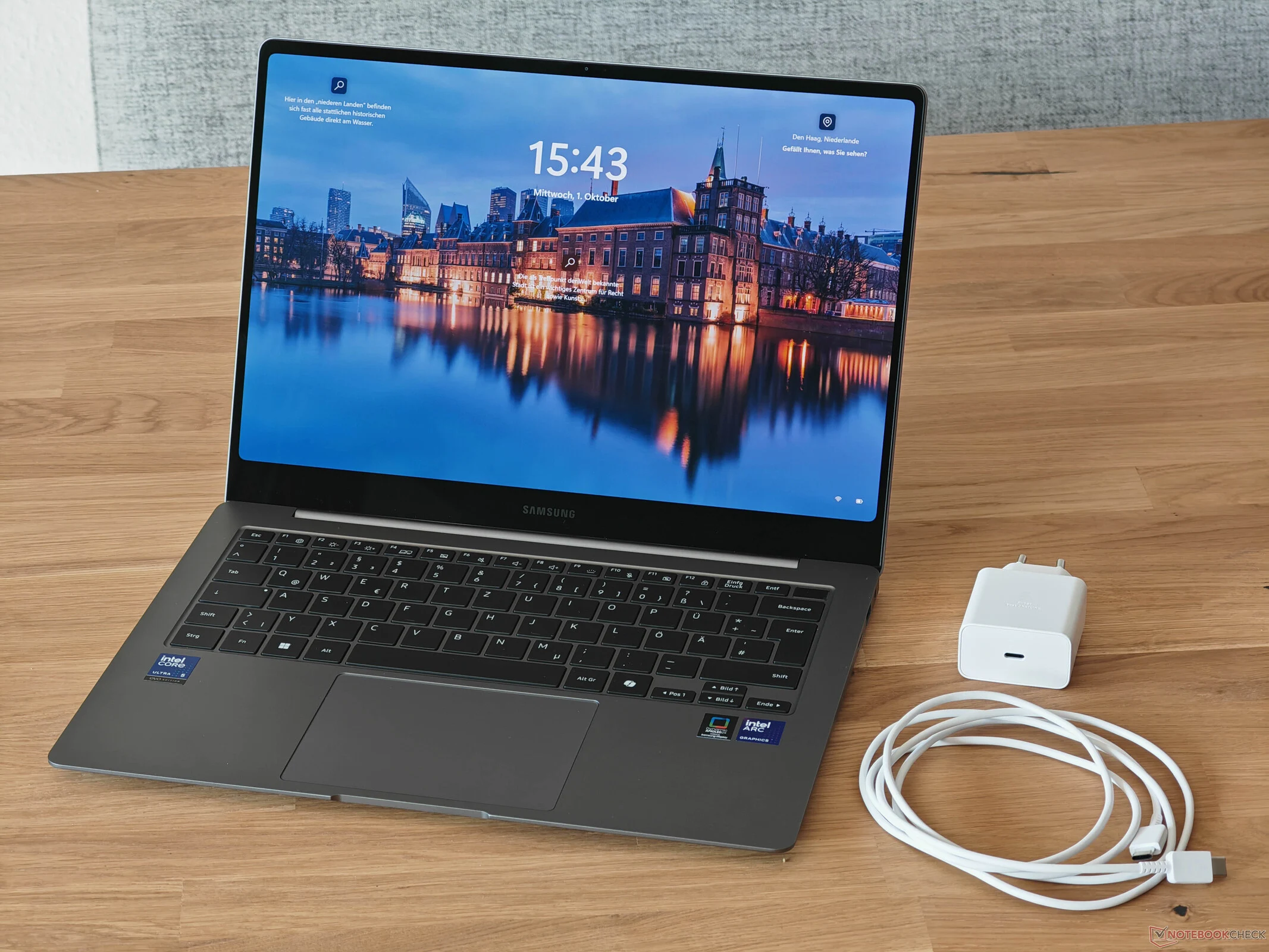
  • Samsung Galaxy Book5 Pro 14 OLED Panel Lags Behind Rivals

    Samsung Galaxy Book5 Pro 14 OLED Panel Lags Behind Rivals

    Key Takeaways

    1. The Samsung Galaxy Book5 Pro 14 features an impressive OLED touchscreen with a resolution of 2880 x 1800 pixels, offering sharp visuals and vibrant colors.

    2. The display has a high refresh rate of 120 Hz, ensuring fluid movements and providing various color profiles for P3 and sRGB color spaces.

    3. The maximum HDR brightness of 530 nits is lower than many competitors, which often achieve peak brightness levels exceeding 1,000 nits.

    4. PWM flickering at a low frequency of 240 Hz may cause discomfort for sensitive users, while competitors offer higher flicker frequencies and smaller amplitudes.

    5. Despite being a leading OLED supplier, Samsung’s Galaxy Book5 Pro 14 falls short in display performance compared to rival models.


    We recently took a closer look at the Samsung Galaxy Book5 Pro 14, which features an OLED touchscreen boasting a resolution of 2880 x 1800 pixels. The display quality remains impressive, showcasing sharp visuals, vibrant colors, and deep blacks. Even on lighter surfaces, there’s no noticeable graininess, which can often be a drawback with touchscreens. Additionally, the high refresh rate of 120 Hz ensures that movements appear fluid, and it offers various color profiles for the P3 and sRGB color spaces.

    Brightness and HDR Performance

    However, there are two areas where Samsung seems to lag behind its competitors: brightness levels, particularly in HDR content, and PWM flickering. While the standard brightness of 400 nits is acceptable, the maximum HDR brightness of around 530 nits is quite low, especially when many rivals achieve double that figure. Lenovo has stepped up its OLED offerings this year, with even budget models like the Yoga Slim 7 14 G10 featuring OLED panels that reach peak brightness levels exceeding 1,000 nits. Similarly, Honor’s MagicBook Art 14 includes a high-resolution OLED display that outperforms the Galaxy Book5 Pro 14 in nearly every aspect.

    PWM Flickering Concerns

    Another important issue is PWM flickering, which may cause discomfort or headaches for some users. The OLED display on the Galaxy Book5 Pro 14 flickers at a relatively low frequency of 240 Hz with a noticeable amplitude, which could be problematic for sensitive individuals. On the other hand, manufacturers like Lenovo excel in this area, offering higher flicker frequencies (over 1 kHz) and significantly smaller amplitudes.

    Despite being one of the leading OLED suppliers, it is surprising that the pricey Galaxy Book5 Pro 14 does not come with a superior display.