Key Takeaways
1. NASA is implementing a blockchain system to protect critical flight data, including flight plans and aircraft registration details.
2. Blockchain technology enhances security by creating a decentralized database, reducing the risk of unauthorized access or data alteration.
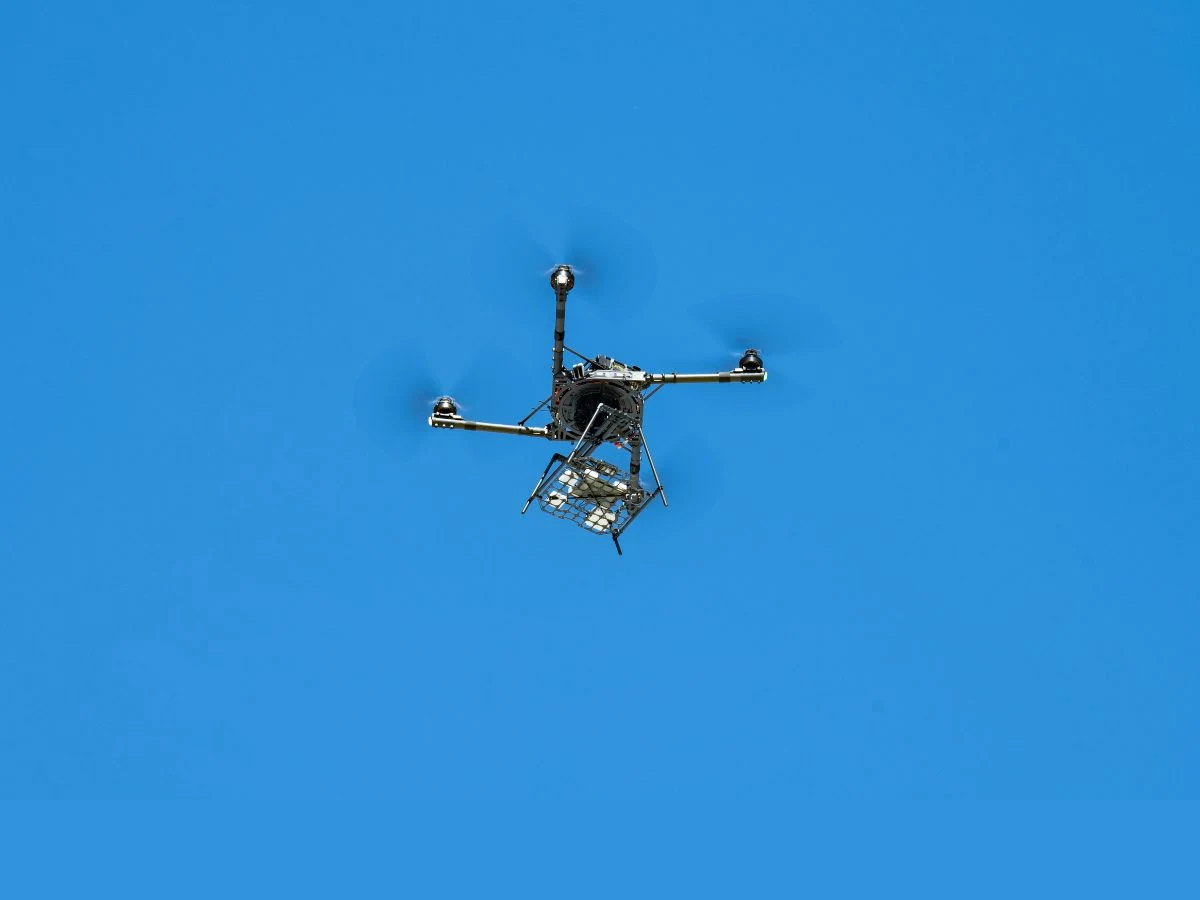
3. A team of researchers tested the blockchain system on an Alta-X drone, successfully simulating real-world flying scenarios.
4. The tests indicate that the blockchain framework can improve security for airspace operations.
5. NASA aims to adapt this technology for high-altitude operations and Urban Air Mobility initiatives while continuing to learn from initial tests.
Cyber criminals are becoming more intelligent. However, NASA is managing to stay ahead of them. They have created a blockchain system designed to protect flight data. This flight data consists of flight plans, aircraft registration details, and telemetry information. It’s essential to safeguard this data to ensure the safety of airspace operations.
Enhanced Security Measures
While existing protection systems have been effective at securing flight data, blockchain technology provides even greater safety. Essentially, blockchain acts as a shared, decentralized database. This means that no single entity has control over the data. Each update is logged, validated, and can only be seen by authorized users. Consequently, the risk of unauthorized access or alteration to flight data is significantly lowered.
Testing the New System
The group of researchers involved in the project tested the blockchain technology on an Alta-X drone, which was equipped with a computer, radio, GPS, and battery. This drone setup allowed them to recreate real-world flying scenarios, including a separate ground station. Their experiments showed that the blockchain system can indeed improve security for airspace operations.
NASA is optimistic that their blockchain framework and cybersecurity measures can be adapted for high-altitude operations above 60,000 feet and for Urban Air Mobility initiatives. Still, NASA researchers plan to keep learning from this initial test as they prepare for its use in future air vehicles.
Source:
Link