
Key Takeaways
1. The US government shutdown is causing disruptions for various organizations, including NASA, which may jeopardize the Juno mission.
2. The Juno probe, launched in 2011, has provided critical information about Jupiter and its moons since entering orbit in 2016.
3. Juno’s mission was extended until September 30, 2025, but uncertainty about funding due to the government shutdown threatens its future.
4. Scientists are pushing for an extension of Juno’s mission to ensure continuity for future missions, like Europa Clipper, set to launch in 2030.
5. Running space missions requires significant funding and personnel, making NASA’s ability to make decisions independently challenging, especially amid political disapproval.
Due to the ongoing shutdown of the US government, numerous infrastructures and businesses are facing disruptions. NASA is one of the organizations impacted, having to reduce its operations, which might jeopardize a crucial mission.
Juno’s Mission History
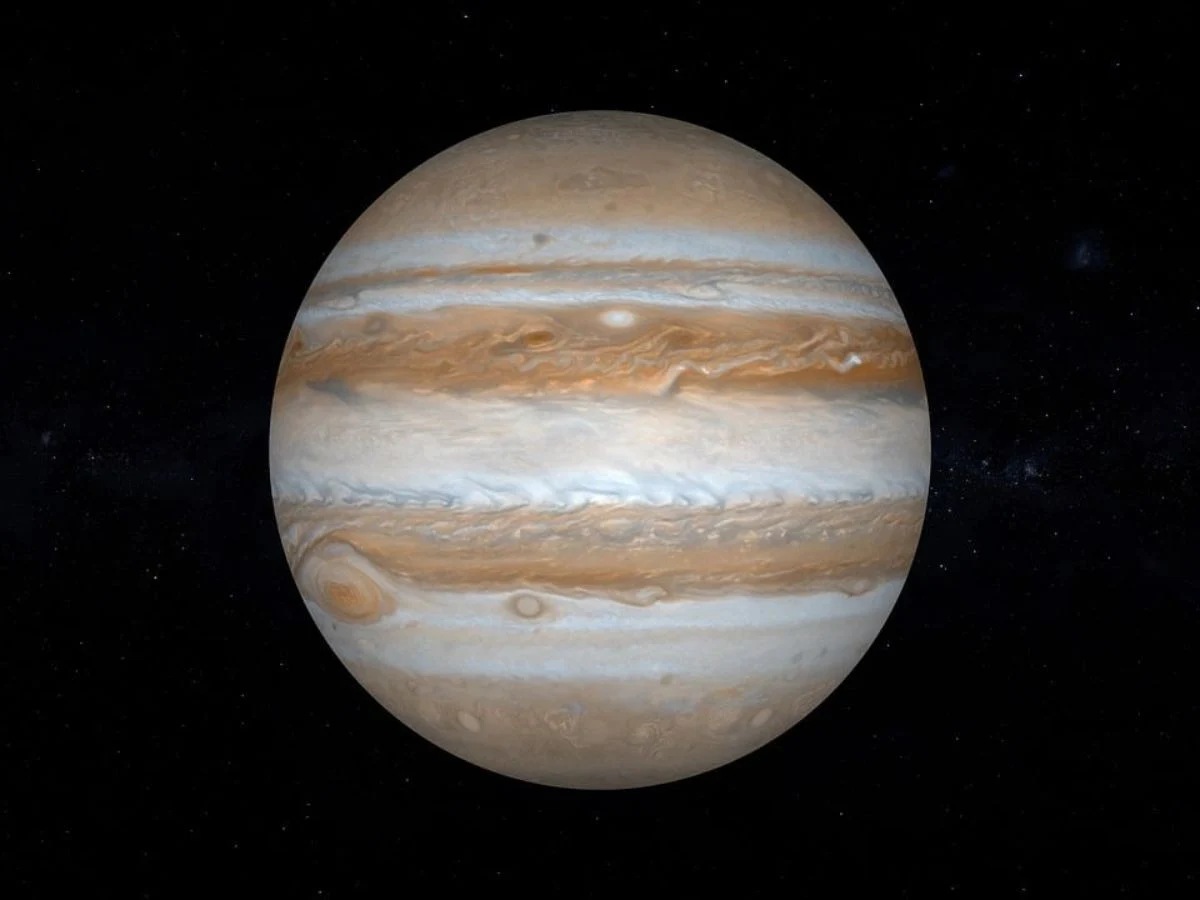
This situation directly involves the Juno probe, which was launched back in 2011 and has been in orbit around Jupiter since 2016. Throughout its time, Juno has offered astronomers and scientists a vast amount of vital information, especially regarding the atmosphere of the largest planet in our solar system, as well as insights into the moons that orbit it.
Mission Extension and Shutdown
A key aspect of the Juno probe is its remarkable durability. Its mission was extended until September 30, 2025, enabling ongoing observations that yield important findings. However, with the government shutdown that began on October 1, 2025, NASA finds itself uncertain about the future of this mission.
This creates a significant issue, as Juno has enhanced our understanding of both our solar system and the Jovian system. Moreover, it has played a role in the initiation of several other missions, including Europa Clipper, which is anticipated to arrive at its target in 2030.
Future of Juno’s Mission
In light of these circumstances, some scientists are advocating for an extension of Juno’s mission until that time, so that a successor can be ready to take over immediately after. Nevertheless, as reported by Space.com, NASA cannot make this decision independently.
Moreover, running a space mission requires substantial financial investments, along with the personnel who need to oversee the probe and analyze the gathered data. Lastly, it is important to note that Donald Trump has also expressed his disapproval of NASA’s space initiatives, which could raise concerns about the future of such missions.
Source:
Link

Leave a Reply