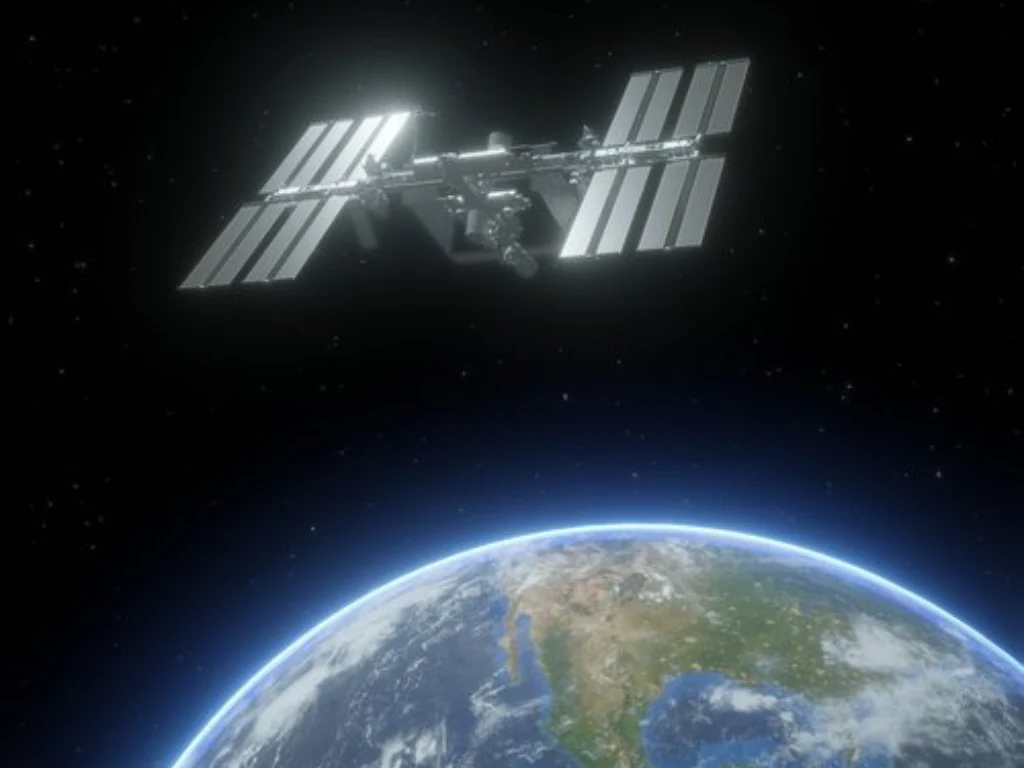
Tag: NASA

  • Crew-11 Reaches International Space Station After Launch Delay

    Crew-11 Reaches International Space Station After Launch Delay

    Key Takeaways

    1. NASA’s SpaceX Crew-11 launched on August 1, 2023, after a weather delay, using the Dragon spacecraft and Falcon 9 rocket.
    2. The Dragon spacecraft docked with the ISS about 15 hours post-launch, with hatches opening shortly thereafter.
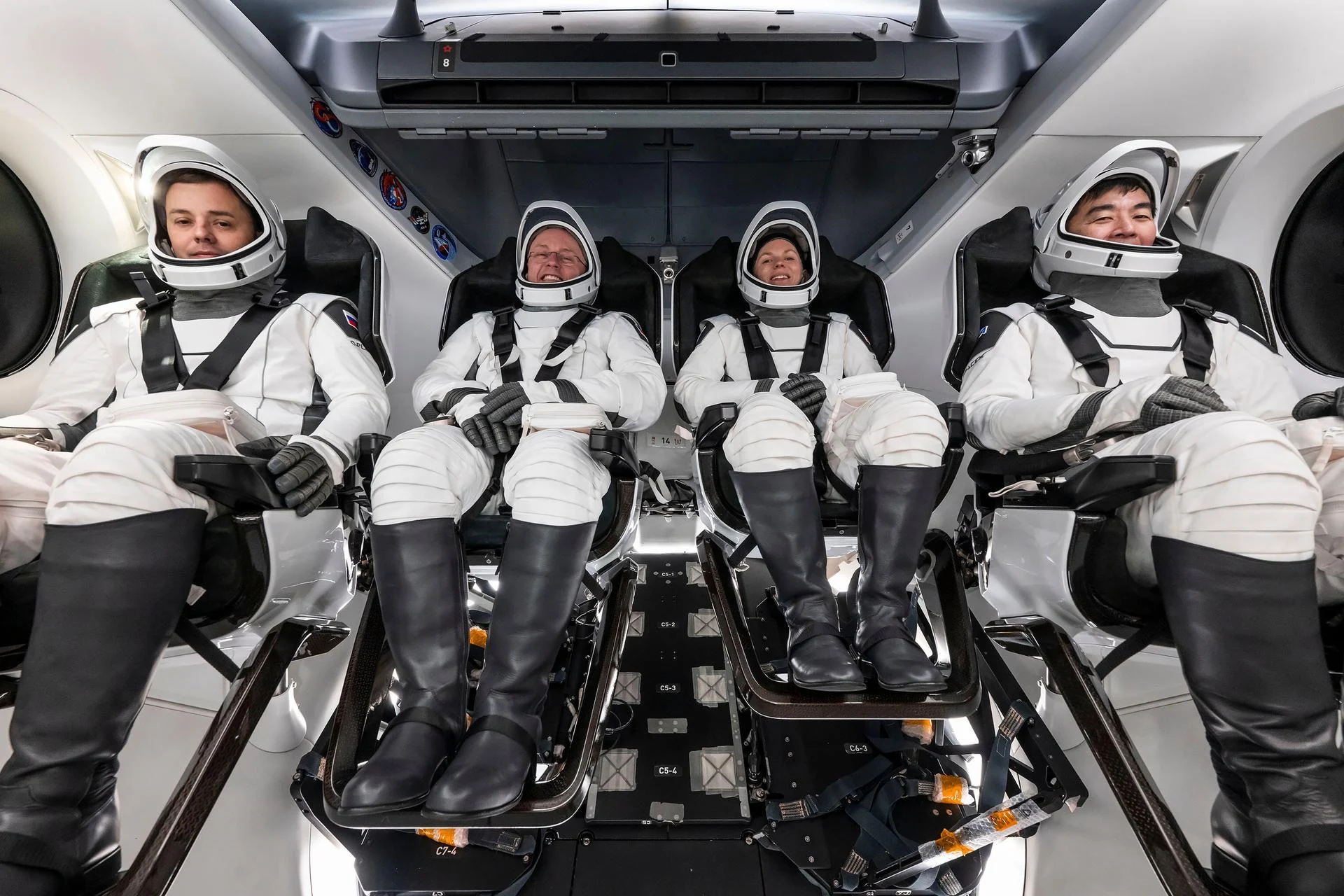
    3. Crew-11 members include NASA’s Zena Cardman and Mike Fincke, JAXA’s Kimiya Yui, and Roscosmos’ Oleg Platonov, who will conduct various scientific experiments in microgravity.
    4. Key experiments involve simulating lunar landings, studying astronaut vision protection, and researching plant cell division and bacteria-fighting viruses.
    5. The mission supports NASA’s goal of establishing a permanent human presence on the Moon, as part of the Commercial Crew Program in partnership with private companies.


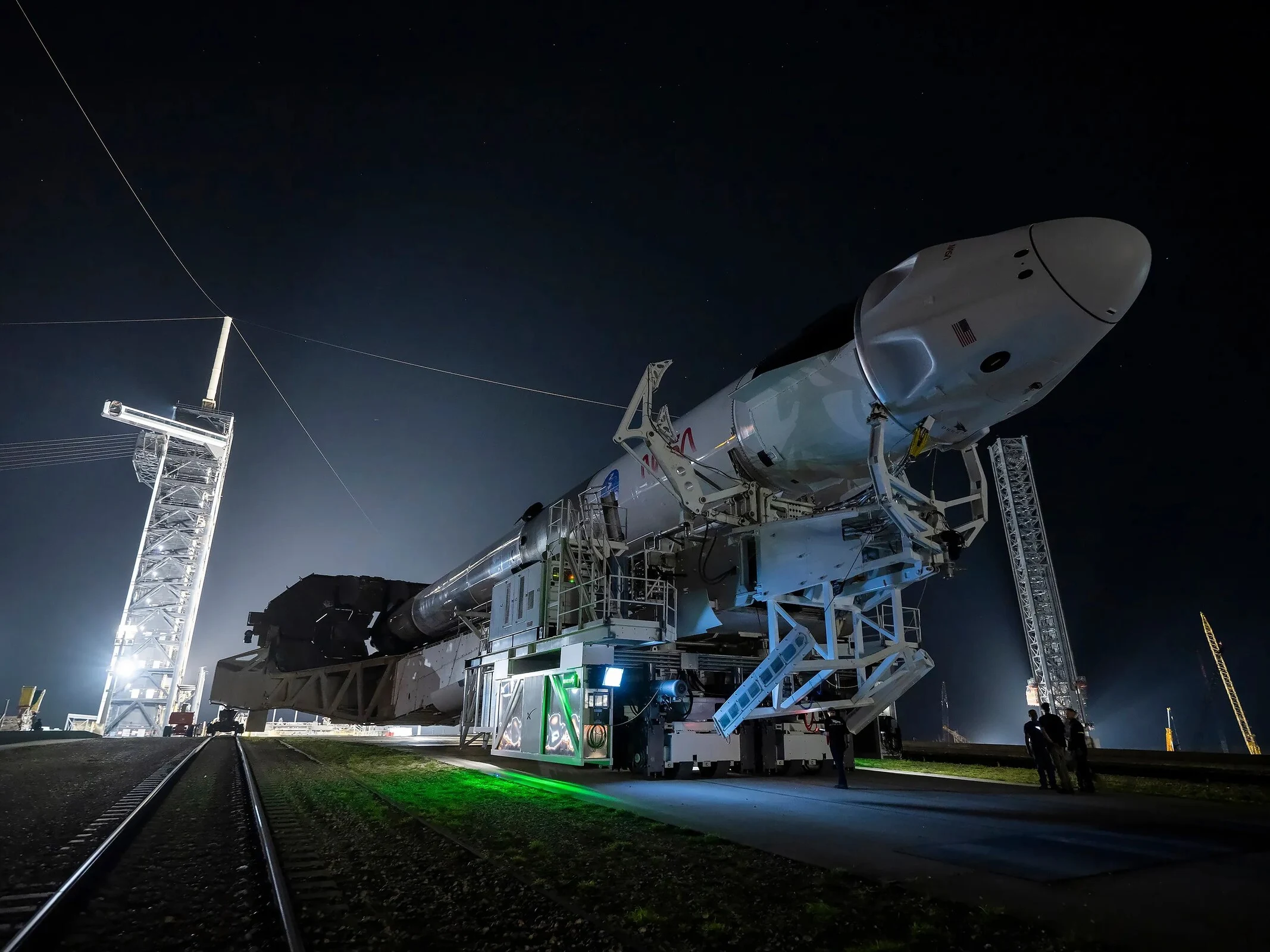
    NASA’s SpaceX Crew-11 took off at 3:43 PM UTC on Friday using the Dragon spacecraft, launched by a SpaceX Falcon 9 rocket. The initial launch was planned for Thursday, July 31, but was delayed because of bad weather.

    Arrival at the ISS

    Approximately 15 hours post-launch, Dragon successfully docked with the space-facing port of the ISS’s Harmony module. It docked at 6:27 AM UTC on Saturday, and the hatches were opened at 7:46 AM UTC.

    Crew Members and Their Tasks

    Onboard Crew-11 are NASA’s Zena Cardman and Mike Fincke, JAXA’s Kimiya Yui, and Roscosmos’ Oleg Platonov. While aboard the ISS, Crew-11 will conduct experiments that aim to benefit both deep space missions and everyday life.

    Their assignments include simulating lunar landings, investigating protect methods for astronauts’ vision, and contributing to research within NASA’s Human Research Program. They will also study how microgravity impacts plant cell division and the effectiveness of bacteria-fighting viruses. Additionally, the crew plans to conduct experiments to create more human stem cells and produce nutrients on demand.

    Future of Space Exploration

    NASA’s SpaceX Crew-11 mission represents a crucial step towards establishing a permanent human presence on the Moon. In partnership with leading American companies, NASA aims to continue this mission with Artemis in 2026. — Sean Duffy, Acting NASA Administrator

    This mission is part of NASA’s Commercial Crew Program, which collaborates with private enterprises to ferry astronauts to the ISS. This partnership enables increased research opportunities and lays the groundwork for future missions that will go beyond low Earth orbit.

    Source:
    Link


  • NASA Installs Powerful Sunblock with 427°F Temperature Difference

    NASA Installs Powerful Sunblock with 427°F Temperature Difference

    Key Takeaways

    1. The Nancy Grace Roman Space Telescope aims to discover around 100,000 cosmic explosions and evidence of the earliest stars.
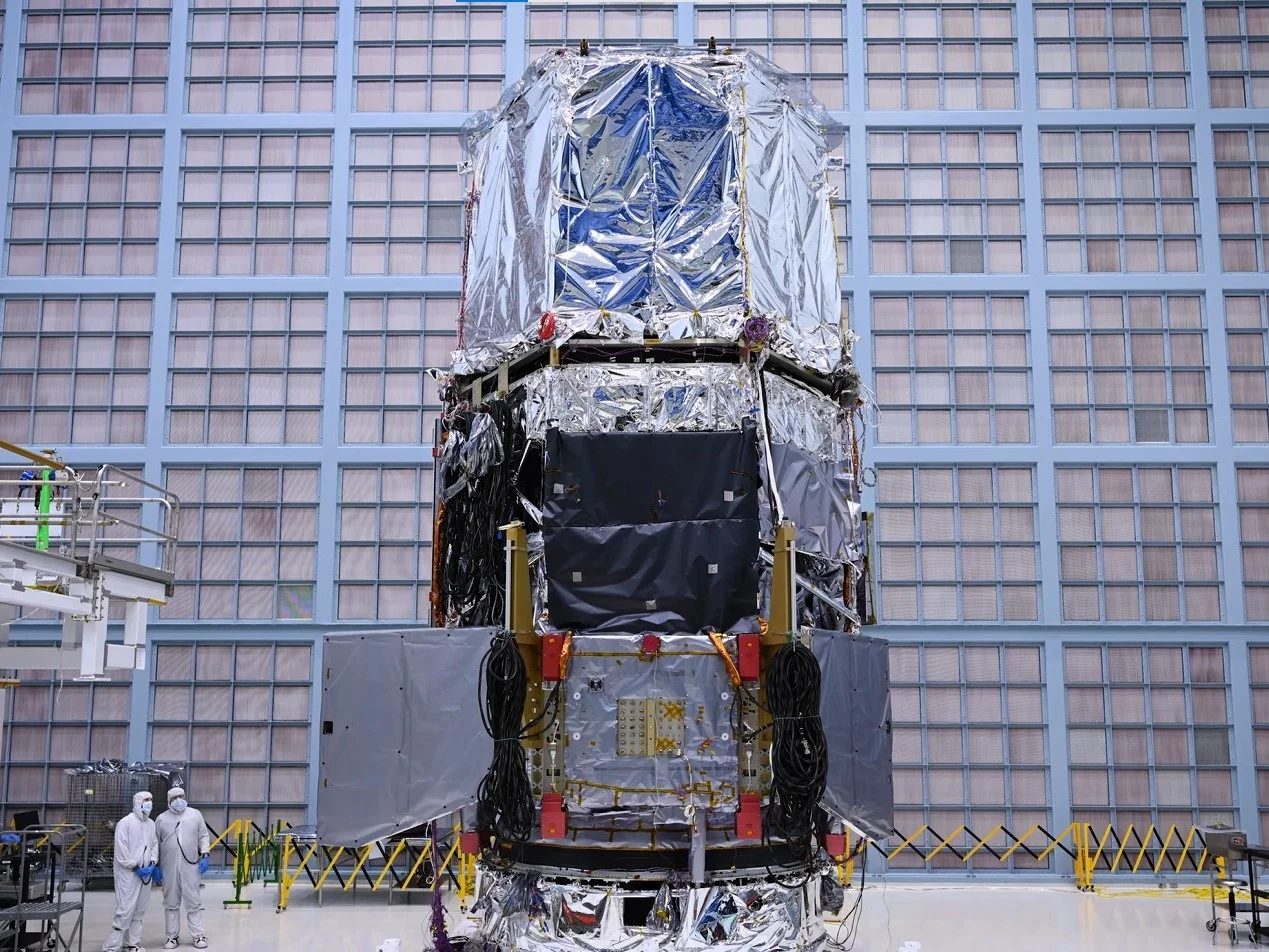
    2. It has been equipped with two sunshields, called the Lower Instrument Sun Shade, to protect its instruments from solar heat and light.
    3. The sunshields consist of two panels, the Solar Array Sun Shield and the Deployable Aperture Cover, each measuring 7 × 7 feet and 3 inches thick.
    4. The lightweight design of the sunshields minimizes heat transfer, keeping the inner temperature extremely low while the outer side can reach high temperatures.
    5. The telescope is set for a launch between fall 2026 and May 2027, with a 70-day thermal vacuum test planned to ensure functionality in space-like conditions.


    NASA has reached another significant point in putting together the Nancy Grace Roman Space Telescope. This telescope is anticipated to uncover about 100,000 cosmic explosions and proof of the earliest stars. Recently, it has been fitted with two sunshields. These sunshields, known collectively as the Lower Instrument Sun Shade, are designed to shield the telescope’s delicate instruments from the heat and light of the Sun. This protection is essential since strong solar radiation could interfere with the telescope’s capability to pick up faint infrared signals from the universe.

    Details of the Sunshields

    The two panels that form the sunshield are named the Solar Array Sun Shield and the Deployable Aperture Cover. Each panel measures roughly 7 × 7 feet (2.13 × 2.13 m) and has a thickness of 3 inches (7.62 cm). Conrad Mason, an aerospace engineer at NASA Goddard, likens them to “giant aluminum sandwiches,” as their design consists of metal sheets on the top and bottom, sandwiching a lightweight honeycomb core in the middle.

    Lightweight Design and Thermal Protection

    Thanks to its clever design, the sunshields are both light and strong. The materials used help to minimize heat transfer, keeping the inner side at temperatures as low as −211° F (−135 °C), even while the side facing the Sun can reach up to 216 °F (102.22 °C). Each panel is covered with a special polymer film, featuring 17 layers on the side exposed to the Sun and one layer on the other side.

    Upcoming Tests and Launch Plans

    The sunshade will be folded away for launch and will deploy about an hour post-launch. Roman’s inner segment is now prepared for a 70-day thermal vacuum test, during which engineers and scientists will evaluate the complete functionality of the spacecraft, telescope, and its instruments under conditions that mimic space. With everything proceeding smoothly, NASA aims to launch Roman as soon as the fall of 2026, but definitely no later than May 2027.

    Source:
    Link

  • NASA Tests Supersonic Parachutes for Safe Mars Landings

    NASA Tests Supersonic Parachutes for Safe Mars Landings

    Key Takeaways

    1. NASA’s EPIC project successfully tested a flexible sensor on a parachute to measure strain during descent.
    2. The flight test confirmed that the sensors provided crucial data without disrupting parachute performance.
    3. Developing effective sensor technology involved evaluating 50 candidates and conducting extensive ground tests.
    4. Analyzing flight data will guide future steps and partnerships for improved parachute reliability.
    5. NASA is also exploring advanced technologies for safer exploration and air taxi travel.


    NASA researchers are working on new methods to better understand the behavior of supersonic parachutes when landing payloads. The agency’s EPIC project recently finished a successful flight test using a flexible sensor that measures the strain on a parachute canopy during its descent.

    Successful Flight Test

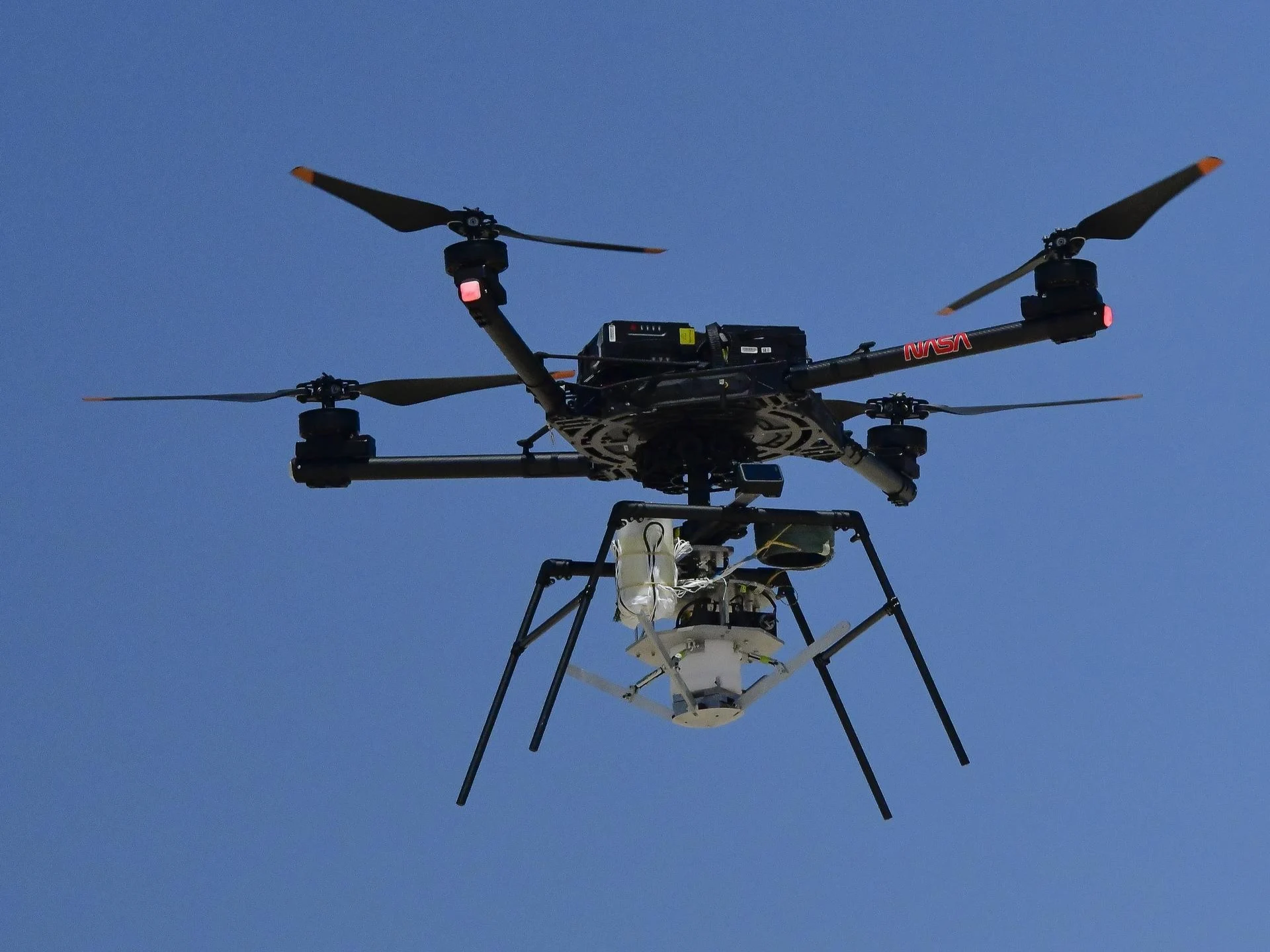
    This test occurred in June and involved a drone launching a capsule that released a parachute equipped with the innovative strain sensors. The EPIC team at NASA’s Armstrong Flight Research Center confirmed that the sensors performed as expected, providing crucial data without disrupting the parachute’s inflation or flight. This real-world information is vital for enhancing the computer models that engineers depend on to create more reliable parachutes for delivering rovers and other scientific tools to Mars.

    Advancements in Sensor Technology

    The recent flight test builds on an earlier stage of the project that was focused on developing the sensor technology. The initial difficulty for the EPIC team was to find a sensor that could stretch along with the parachute fabric and to determine how to attach it to the canopy’s thin and slippery material.

    After examining 50 possible candidates, the team chose the three most promising commercially available sensors for further evaluation. They proceeded to conduct a series of ground tests, including pull tests and “bubble” tests that mimic the 3D stretching of an inflating parachute, to confirm the sensors’ effectiveness before advancing to flight.

    Future Steps and Goals

    Reviewing the flights will assist us in deciding the next steps. We are talking with potential partners to create a framework to gather the data they are interested in exploring. — Matt Kearns, current project manager for EPIC.

    The team is now preparing to analyze the flight data and perform additional temperature tests, aiming to develop a robust system that guarantees safer and more reliable landings as we enter a new era of exploration.

    NASA is presently engaged in numerous tests, particularly focusing on an americium-based nuclear power technology that will support exploration further from Earth. Additionally, NASA is conducting tests aimed at ensuring safer air taxi travel, which will pave the way for the development and acceptance of air taxis.

    Source:
    Link

  • NASA’s New Telescope to Spot 10x More Ia Supernovae Than JWST

    NASA’s New Telescope to Spot 10x More Ia Supernovae Than JWST

    Key Takeaways

    1. NASA’s Nancy Grace Roman Space Telescope will launch by May 2027 for a two-year High-Latitude Time-Domain Survey, observing a large area of space every five days for 30 hours.
    2. The telescope is expected to discover around 27,000 type Ia supernovae, significantly increasing past findings and aiding in measuring cosmic distances.
    3. Research from the survey will provide insights into dark energy, with the potential to identify type Ia supernovae dating back 11.5 billion years.
    4. The survey may confirm the existence of “pair-instability” supernovae from the universe’s first massive stars.
    5. The Roman telescope is anticipated to uncover various cosmic phenomena, including 60,000 core-collapse supernovae and other unexpected discoveries.


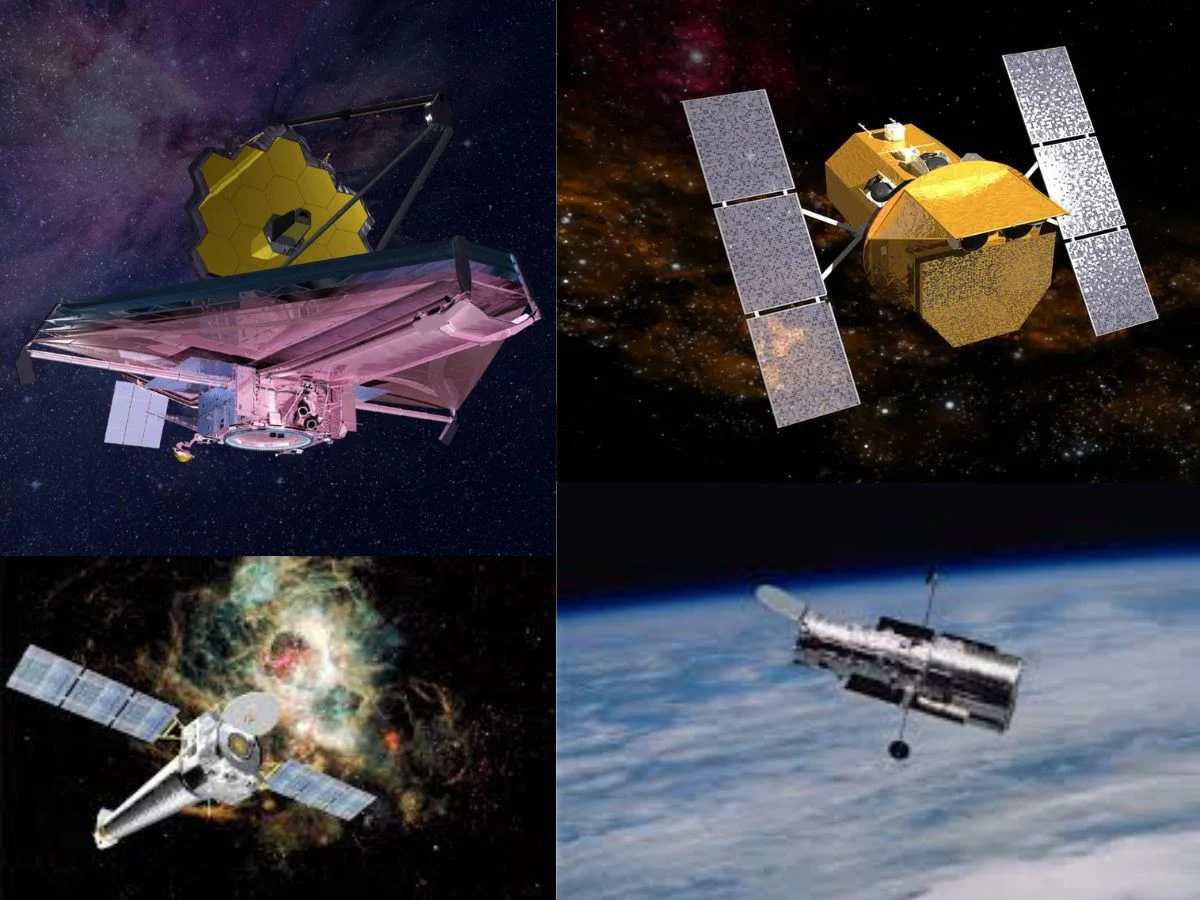
    NASA’s Nancy Grace Roman Space Telescope is set to launch by May 2027. It will carry out an observation project called the High-Latitude Time-Domain Survey. This survey will involve 30-hour observations of a significant area in space, repeated every five days for two years. By stitching these observations together, scientists aim to create time-lapse videos that showcase various dynamic events in the cosmos.

    Focus on Supernovae

    One of the key events scientists want to investigate is supernovae, particularly type Ia supernovae. According to simulations of the High-Latitude Time-Domain Survey, the telescope is expected to find around 27,000 type Ia supernovae. This is a huge increase, potentially ten times more than what all past surveys have found combined.

    Type Ia supernovae are categorized as standard candles, which are celestial objects that help astronomers measure distances to their host galaxies. By analyzing the distance and the amount of light shift, scientists can gauge how fast the universe has expanded at different times.

    Insights into Dark Energy

    This research provides insights into dark energy, the enigmatic force believed to be driving the universe’s expansion. The Roman telescope could identify an astonishing number of these type Ia supernovae dating back as far as 11.5 billion years, offering unprecedented views.

    In addition to type Ia supernovae, the survey might also confirm the existence of “pair-instability” supernovae. These are incredibly powerful explosions thought to originate from the universe’s first stars—massive giants that were hundreds of times larger than the sun and left no remnants.

    Anticipating Surprises

    NASA’s Roman telescope is also expected to discover a variety of other cosmic phenomena in large quantities, including around 60,000 core-collapse supernovae, 40 tidal disruptions, 90 superluminous supernovae, and several kilonovae. “We’re definitely expecting the unexpected,” remarked Rebekah Hounsell, an assistant research scientist at NASA. This reflects the mission’s potential to revolutionize our understanding of the cosmos.

    Source:
    Link

  • NASA SpaceX Crew 11 and Rocket Ready for Upcoming Launch

    NASA SpaceX Crew 11 and Rocket Ready for Upcoming Launch

    Key Takeaways

    1. NASA’s SpaceX Crew-11 mission team has arrived at Kennedy Space Center for their upcoming launch.
    2. The four astronauts will undergo quarantine and complete preflight tasks before heading to the International Space Station.
    3. This mission features first-time space travelers Zena Cardman and Oleg Platonov, alongside more experienced astronauts.
    4. The SpaceX Falcon 9 rocket with the Dragon crew capsule has been positioned at Launch Complex 39A.
    5. The Crew-11 launch is part of NASA’s Commercial Crew Program and is scheduled for July 31 at 4:09 PM UTC.


    The final steps are being set for NASA’s upcoming astronaut launch. The international team for the agency’s SpaceX Crew-11 mission touched down at the Kennedy Space Center in Florida on Tuesday, just a few days after their rocket was transported to the launch pad.

    Crew Arrival

    The four astronauts — NASA’s Zena Cardman and Mike Fincke, JAXA’s Kimiya Yui, and Oleg Platonov from Roscosmos — arrived at the launch site after a two-hour flight from Houston. They are now going to spend the next few days in quarantine and finish preflight tasks before heading to the International Space Station. This mission marks the first journey into space for Cardman and Platonov, the second for Yui, and the fourth for veteran astronaut Fincke.

    Rocket Preparation

    At the same time, the spacecraft that will take them to space is already set up. On Sunday, the SpaceX Falcon 9 rocket, with the Dragon crew capsule attached, was moved to Launch Complex 39A and positioned vertically. The astronauts will be flying aboard the Dragon spacecraft, which has previously completed five missions, including the first private astronaut flight to the space station.

    Mission Details

    This flight represents the 11th crew rotation mission NASA has carried out under its Commercial Crew Program. The launch is scheduled for no earlier than 4:09 PM UTC on Thursday, July 31. This event will happen just a day after the launch of NASA-ISRO’s new satellite NISAR, which is set for tomorrow, July 30.

    Source:
    Link


  • NASA Tests Air Taxi Model for Safety Standards

    NASA Tests Air Taxi Model for Safety Standards

    Key Takeaways

    1. NASA is crash-testing a full-sized electric aircraft model to enhance safety in the air taxi sector.
    2. The tests aim to produce public data to help manufacturers design safer aircraft and support FAA safety regulations.
    3. The aircraft features energy-absorbing technologies similar to car crumple zones to protect passengers during crashes.
    4. The drop test mimicked FAA certification scenarios, with the aircraft released at a 10-degree twist.
    5. Successful validation of computer models during the tests will aid the industry in better assessing aircraft designs, with findings to be publicly shared.


    NASA scientists are working on creating a secure air taxi sector by crash-testing a full-sized electric aircraft model. On June 26, at Langley Research Center, a team let the aircraft fall from a height of 35 feet (10.67 meters) to observe how its unique, lightweight materials react during impact.

    Supporting Advanced Air Mobility

    This experiment is an essential part of NASA’s goal to aid the growing advanced air mobility sector. By producing public data on how well the aircraft withstand crashes, the agency hopes to assist manufacturers in designing safer models and to aid the Federal Aviation Administration (FAA) in establishing the safety rules necessary for certification.

    Enhancing Safety Regulations

    “We are demonstrating aspects of a crash and how new energy-absorbing technology can strengthen the aircraft,” said Justin Littell, the test lead. These experiments will contribute to the creation of safety regulations for advanced air mobility vehicles, ultimately resulting in improved designs.

    The test was structured to be quite demanding. The team released the aircraft with a 10-degree twist or yaw, mimicking a particular certification scenario required by the FAA. The model had energy-absorbing subfloors, akin to crumple zones found in cars, which compressed as expected to help safeguard the passenger area.

    Validating Predictions

    Post-drop, researchers noted that the material failures they recorded closely aligned with their predictions from computer models. This successful confirmation of their simulations will assist the entire industry in assessing aircraft designs more effectively. NASA plans to make all data and findings from the test accessible to the public, fostering further research and development before these innovative vehicles take to the skies over populated areas.

    Source:
    Link

  • AI-Powered Satellite Completes Space Mission Autonomously

    AI-Powered Satellite Completes Space Mission Autonomously

    Key Takeaways

    1. AI is becoming integral in daily life and space missions, exemplified by NASA’s autonomous satellite.
    2. The Dynamic Targeting technology allows the satellite to analyze cloud coverage and make decisions on image capturing.
    3. The satellite can skip taking pictures when the sky is cloudy, conserving time, bandwidth, and storage.
    4. This advancement leads to more usable data, improving scientists’ ability to monitor natural disasters.
    5. AI in space missions enhances data collection and analysis, potentially revolutionizing scientific observations and responses.


    Artificial intelligence is rapidly evolving and has become an integral part of various aspects of daily life. But it doesn’t stop there—AI is also making its mark in space. A recent mission, led by NASA, showcased a satellite that operated entirely autonomously, marking a significant leap in technology.

    Advancements in Technology

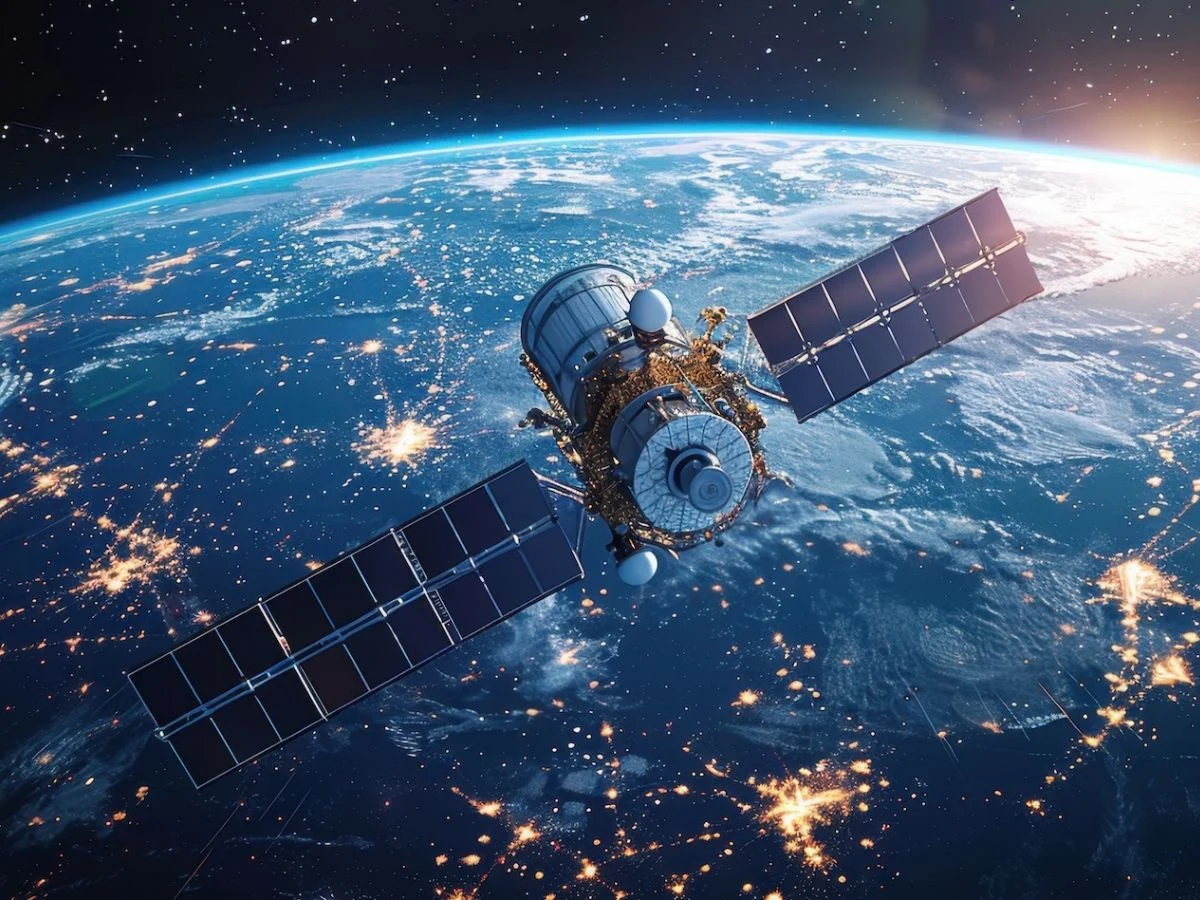
    The technology known as Dynamic Targeting was utilized by NASA’s Jet Propulsion Laboratory (JPL) in early July. This innovative approach was integrated into a satellite, roughly the size of a briefcase, created by Open Cosmos. It also featured a machine learning processor designed by Ubotica.

    During this impressive mission, the satellite moved to scan 500 kilometers ahead of its original orbit to take an image. After capturing the photo, Ubotica’s AI stepped in to analyze it and assess the cloud coverage.

    Decision-Making in Action

    Based on the analysis, the satellite had two choices. If the sky was clear, it would rotate back to take a more detailed picture of the Earth’s surface. Conversely, if the sky was filled with clouds, it would skip taking pictures to conserve time, bandwidth, and storage space.

    Although we are still far from having spacecraft that can navigate autonomously at high speeds in space, this advancement is a substantial step forward for scientists. As Ben Smith from JPL puts it, “If you can be smart about what you’re taking pictures of, then you only image the ground and skip the clouds. This technology will help scientists get a much higher proportion of usable data.”

    Implications for Research

    Currently, scientists must sift through many images sent from satellites because they are programmed to capture numerous shots, even those that may not be useful. Therefore, this significant advancement in AI has the potential to assist scientists in monitoring natural disasters, such as wildfires or eruptions, more swiftly than existing satellite technologies allow.

    In conclusion, the use of artificial intelligence in space missions is paving the way for more efficient data collection and analysis, which could revolutionize the way scientists observe and respond to critical events on Earth.

    Source:
    Link

  • NASA Tests Americium Nuclear Power for Deep Space Missions

    NASA Tests Americium Nuclear Power for Deep Space Missions

    Key Takeaways

    1. NASA has historically used plutonium-238 for radioisotope power systems in space exploration.
    2. The potential of americium-241 as a new fuel source for nuclear power systems is being tested with the University of Leicester.
    3. The project utilizes a free-piston Stirling converter, which enhances energy generation by reducing wear and tear compared to traditional engines.
    4. Collaboration between NASA and the University of Leicester has facilitated successful testing of the americium-241 heat source simulators.
    5. The tests showed that the new Stirling generator design can maintain electrical power during converter failures, indicating its reliability for deep space missions.


    For many years, NASA has been looking into the vastness of space using systems that rely on radioisotope power. These nuclear power systems create electricity for spacecraft and scientific devices by harnessing the heat that comes from the natural decay of radioactive substances.

    A New Fuel Source

    NASA has primarily used radioisotope plutonium-238 (in the form of plutonium oxide) as its main fuel source. But the idea of utilizing americium-241 has been on the table for quite a while. Now, with the help of the University of Leicester, NASA is making strides to test americium-241 and see its potential.

    Innovative Technology

    The project revolves around a free-piston Stirling converter, which is designed to change radioisotope heat into electrical energy. Unlike conventional engines that depend on crankshafts, the Stirling converter uses pistons that move freely within the engine. This unique setup reduces wear since it doesn’t depend on piston rings or rotating parts. Consequently, the converter is capable of generating more energy over extended periods, which is essential for more ambitious deep space missions.

    The testing arrangement involved input from both partners. The University of Leicester provided heat source simulators and generator housing, while NASA Glenn’s Stirling Research Lab contributed the test station, converter hardware, and additional equipment. The testing platform was operated by two electrically heated americium-241 heat source simulators, which matched the dimensions of actual ones.

    Promising Outcomes

    The test produced positive results. One notable advantage of the testbed design, as observed during the trials, is its capability to maintain electrical power even if there is a failure in the Stirling converter. This significant finding suggests a promising future for the Americium-Radioisotope Stirling generator, positioning it as a reliable energy solution for prolonged deep space exploration endeavors.

    NASA, alongside the U.S. Department of Energy, continues to advance its research in this area, paving the way for future innovations.

    Source:
    Link

  • US-India Satellite Accurately Detects Landslides and Ice Surfaces

    US-India Satellite Accurately Detects Landslides and Ice Surfaces

    Key Takeaways

    1. NISAR is a joint satellite project by NASA and ISRO, set to launch on July 30 or later.
    2. The satellite enhances natural hazard monitoring by detecting small land movements, aiding in disaster management.
    3. NISAR will provide valuable data on climate change effects, particularly in Antarctica, and monitor global ecosystems.
    4. Its capabilities will improve disaster response, particularly for hurricanes and floods, by operating in all weather conditions.
    5. The satellite’s dual-radar system will support agricultural management by monitoring crop growth and soil moisture levels.


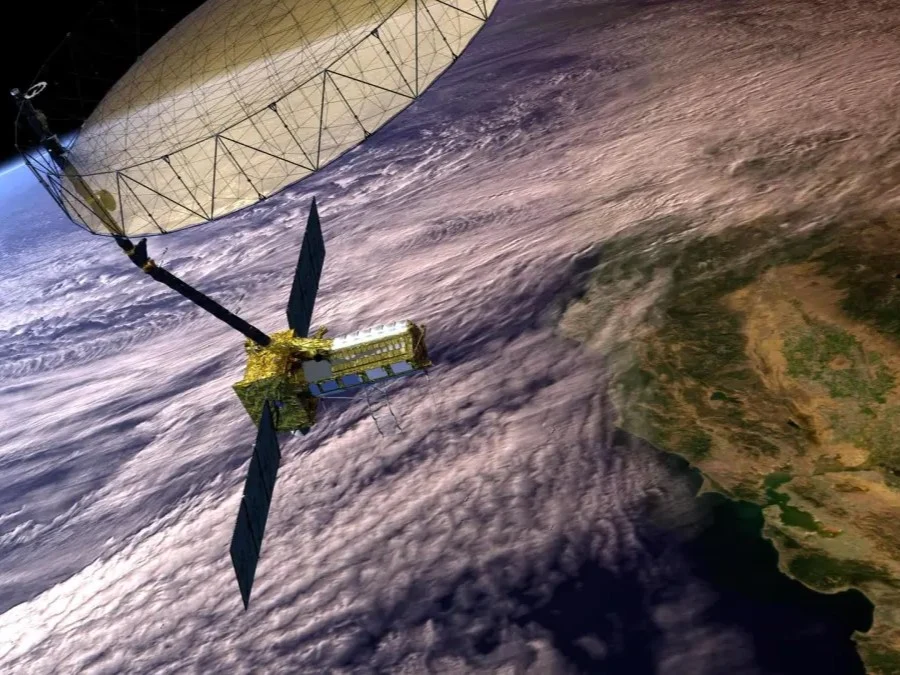
    A new satellite, aimed at observing Earth, is the result of a significant partnership between NASA and the Indian Space Research Organization (ISRO). This satellite, named NISAR, is expected to launch on July 30 or later. It aims to tackle major issues in disaster management, agriculture, and climate science by providing a detailed 3D view of the planet’s landscapes and ice, with the ability to detect changes as small as fractions of an inch.

    Enhancing Natural Hazard Monitoring

    NISAR’s key goal is to gather data that could potentially save lives by improving the way natural hazards are monitored. The satellite is equipped with a sophisticated radar system that can identify small land movements, which might indicate a volcanic eruption or landslide is on the horizon. This information will also assist managers in evaluating the safety of important infrastructure such as dams and levees by spotting any dangerous land shifts in the vicinity.

    Understanding Climate Change Effects

    In addition to its other roles, NISAR will serve as a groundbreaking instrument in studying climate change impacts. It is poised to provide exceptional coverage of Antarctica, enabling researchers to monitor the rate at which glaciers and ice sheets are diminishing. With the capability to scan the Earth twice every 12 days, the satellite will compile a comprehensive record of alterations to forests, wetlands, and permafrost around the globe, delivering crucial data for tracking global ecosystems.

    Impact on Disaster Response and Food Security

    The mission of NISAR is also expected to influence disaster response and food security directly. Its ability to penetrate clouds and rain, regardless of the time of day, will help teams respond more effectively to hurricanes and floods. Moreover, the satellite’s dual-radar system is specifically designed to observe crop growth and soil moisture levels, which could enhance agricultural management and food supply predictions.

    NASA’s collaboration with ISRO on this project marks a significant milestone in the field of Earth observation, promising to deliver essential insights for a variety of critical applications.

    Source:
    Link

  • NASA Seeks Witnesses After Possible Asteroid Crash on Saturn

    NASA Seeks Witnesses After Possible Asteroid Crash on Saturn

    Key Takeaways

    1. An astronomer captured a potential asteroid impact on Saturn on July 5, creating a large burst of light.
    2. NASA is seeking witnesses to confirm the impact, as it may vanish quickly due to Saturn’s gas composition.
    3. Impacts on gas giants like Saturn are rare; the chance of a significant one is about once every 3,125 years.
    4. Astronomers who observed Saturn during a specific time on July 5 are encouraged to share their findings with NASA.
    5. If verified, this would be the first documented observation of such an event on Saturn, offering valuable data for scientists.


    Many cosmic events happen out in space, and some can vanish in an instant. Right now, there’s a potential asteroid impact on Saturn that has led NASA to call for witnesses.

    The Origin of the Discovery

    The whole thing kicked off when astronomer Mario Rana snapped a picture on July 5 and shared it with the Planetary Virtual Observatory & Laboratory (PVOL). In this shot, it looks like an object had a violent collision with Saturn, creating a rather large burst of light. This is quite astonishing, as such impacts are very rare. In fact, the chance of an object larger than one kilometer hitting Saturn is just one in 3,125 years!

    NASA’s Request for Observations

    Because of the significance of this cosmic event, NASA is requesting witnesses. An impact on a gas giant like Saturn can disappear quickly due to its makeup. This is different from rocky planets like Earth, where signs of impacts can linger for millions of years. It’s worth noting that gas giants are prime targets for asteroids. Their enormous mass gives them a strong gravitational force, drawing many objects towards them.

    Calling All Astronomers

    Astronomers who were watching Saturn on July 5 between 09:00 and 09:15 UT are encouraged to share their observations with NASA. This will help in studying the impact more closely and confirming its occurrence officially.

    If this event is verified, it would mark the first time such an observation has been documented on this gas giant. Although smaller impacts happen frequently each year, the number of impacts seems to be similar to that of Earth, which experiences about 8,000 impacts annually. Therefore, with fresh data from amateur astronomers, scientists could gain invaluable insights into this phenomenon on a gas planet.

    Source:
    Link