
Key Takeaways
1. OCO-2 and OCO-3 missions are at risk of ending due to federal budget decisions, not technical issues.
2. Both satellites monitor carbon dioxide levels and provide important data on global photosynthesis and plant growth.
3. Keeping the satellites operational costs about $15 million annually, with over $750 million already spent on their design and launch.
4. NASA is considering shutting down the missions despite their ongoing value for climate information, as indicated by a 2023 review.
5. The Trump administration’s proposed budget for FY2026 includes significant cuts, raising concerns about the future of these critical missions.
Two NASA satellite missions, known as OCO-2 and OCO-3, could be ending soon. This isn’t because they are broken, but due to decisions made about the federal budget. Both of these missions are part of the Orbiting Carbon Observatory program, and they were designed to monitor carbon dioxide levels in the atmosphere of Earth. In addition, they have given us surprising information about plant growth by collecting global photosynthesis data. A wide range of users, from researchers to the Department of Agriculture, rely on these satellites to keep track of greenhouse gases and the health of crops.
Budget Concerns
According to NPR, keeping both satellites operational costs around $15 million each year. However, over $750 million in public funds have already been spent on their design and launch. Also, a failed launch in 2009 added to the overall expenses of the program.
Even though they are valuable for science, recent moves by the Trump administration are raising alarms. Reports from inside NASA indicate that there are discussions about “Phase F” plans, which detail how to shut down these missions. If one of the satellites, which is a stand-alone unit in orbit, is turned off, it would burn up upon reentry. Scientists argue that these missions continue to provide essential climate information and should not be ended too soon.
Future of the Missions
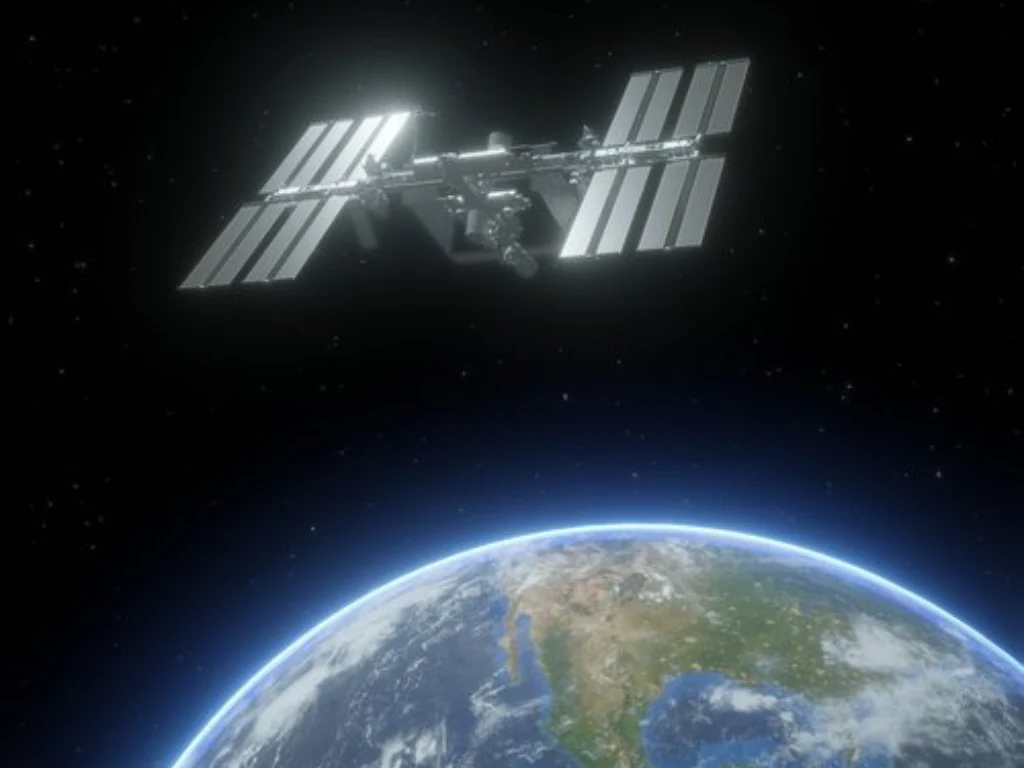
NASA has already reached out to private companies and universities to take charge of the OCO-3 unit that is currently on the International Space Station. However, experts say that while the private sector is increasingly involved in Earth observation efforts, many of these projects still depend on significant public funding.
Funding for the missions has been provided by Congress through September 2025, but the future looks quite grim. A review conducted by NASA in 2023 suggested that the missions should continue for at least another three years. Nonetheless, the proposed FY2026 budget from the Trump administration includes substantial cuts, leading to accusations of overreach from officials like Russ Vought at the OMB.
Awaiting Clarification
There has been no formal explanation from the administration so far, so we will need to wait to learn why missions that are still offering valuable climate data might be shut down.
Source:
Link
Leave a Reply