Key Takeaways
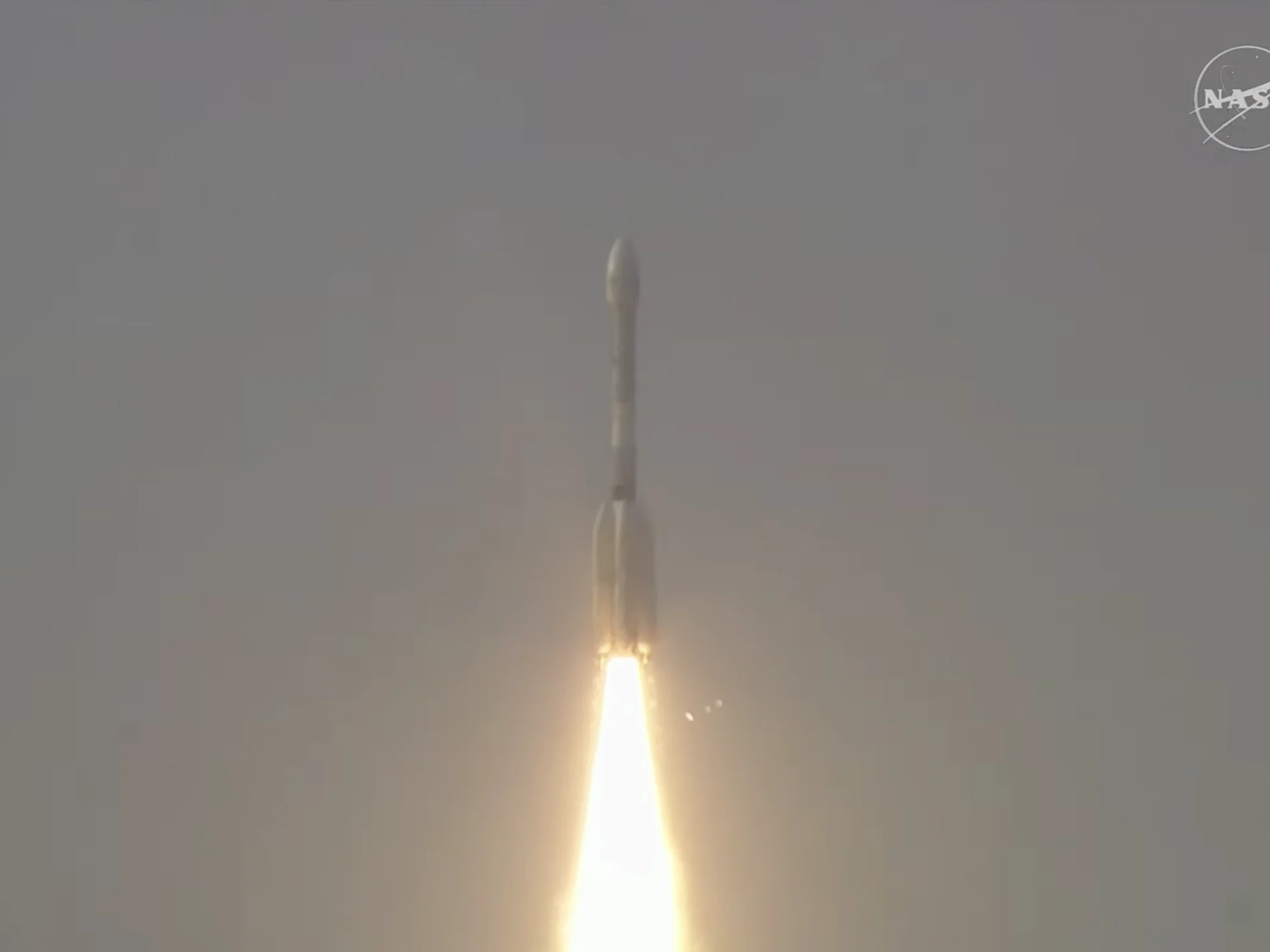
1. NISAR was launched on July 30 from Satish Dhawan Space Centre in India, equipped with advanced radar to create detailed 3D images of Earth’s surface.
2. The satellite features a dual payload combining L-band and S-band systems to measure various surface attributes like moisture, texture, and movements.
3. NISAR will help researchers understand natural disasters, monitor infrastructure, and support emergency responders during events like hurricanes and floods.
4. The satellite is designed for a long-term mission, expected to orbit for at least three years and scan land and ice surfaces twice every 12 days.
5. This mission marks the first collaboration between NASA and ISRO for Earth observation, enhancing global scientific understanding and international cooperation.
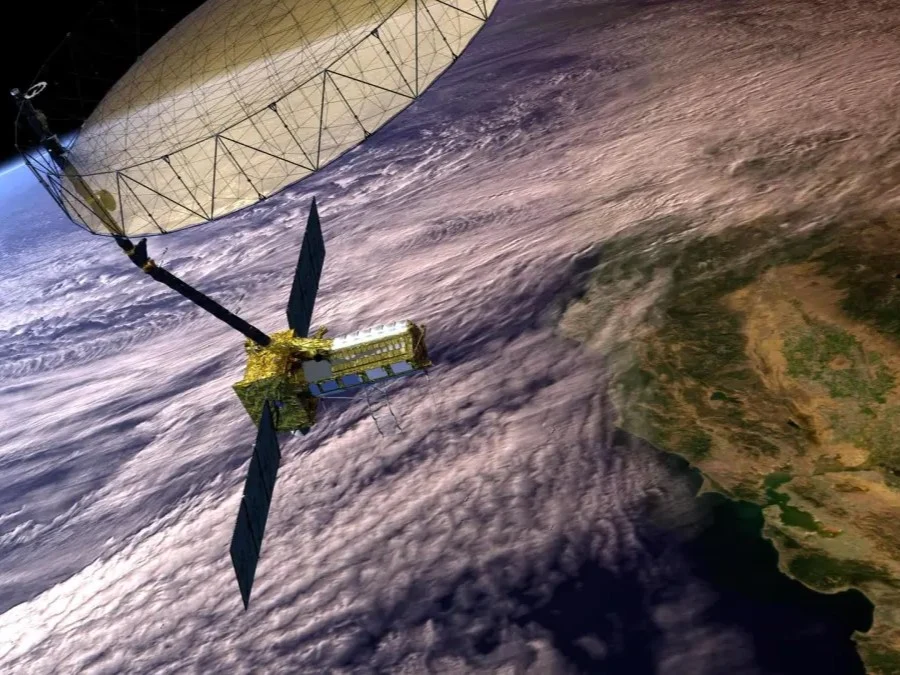
NASA-ISRO Synthetic Aperture Radar (NISAR) was launched on July 30 from Satish Dhawan Space Centre in Sriharikota, Andhra Pradesh, India. This satellite is equipped with an advanced radar system that will create dynamic, three-dimensional images of the Earth’s surface with remarkable clarity.
Innovative Dual Payload
The main structure of the satellite houses engineering systems along with a unique dual payload. It combines a 10-inch (25-centimeter) wavelength L-band system with a 4-inch (10-centimeter) wavelength S-band system, which are each designed to identify various surface attributes. Each system’s signal is specifically tuned to measure different features — including moisture levels, surface texture, and movements occurring on the Earth’s exterior.
Enhancing Scientific Understanding
The information collected by NISAR will assist researchers in gaining better insights into the processes related to natural disasters and major events. It will also help in monitoring infrastructure like dams, bridges, and roads. Furthermore, NISAR’s imaging capabilities will be beneficial for emergency responders dealing with hurricanes, floods, and storm surges. The satellite will provide global observations of changing ice sheets, melting glaciers, and thinning sea ice, while also illuminating the effects of deforestation, wildfires, and melting permafrost on the carbon cycle.
Long-Term Orbit Mission
NISAR is expected to orbit the Earth for a minimum of three years, scanning almost all land and ice surfaces twice every 12 days. This mission marks the first collaboration between NASA and ISRO on hardware designed for Earth observation, and it promises to greatly enhance our understanding of the planet.
NASA and Jet Propulsion Laboratory are closely involved in this groundbreaking initiative, aiming to push the boundaries of what we know about our planet’s systems and changes. The collaboration represents a significant step forward in international cooperation for scientific exploration.
Source:
Link