
Key Takeaways
1. AI is becoming integral in daily life and space missions, exemplified by NASA’s autonomous satellite.
2. The Dynamic Targeting technology allows the satellite to analyze cloud coverage and make decisions on image capturing.
3. The satellite can skip taking pictures when the sky is cloudy, conserving time, bandwidth, and storage.
4. This advancement leads to more usable data, improving scientists’ ability to monitor natural disasters.
5. AI in space missions enhances data collection and analysis, potentially revolutionizing scientific observations and responses.
Artificial intelligence is rapidly evolving and has become an integral part of various aspects of daily life. But it doesn’t stop there—AI is also making its mark in space. A recent mission, led by NASA, showcased a satellite that operated entirely autonomously, marking a significant leap in technology.
Advancements in Technology
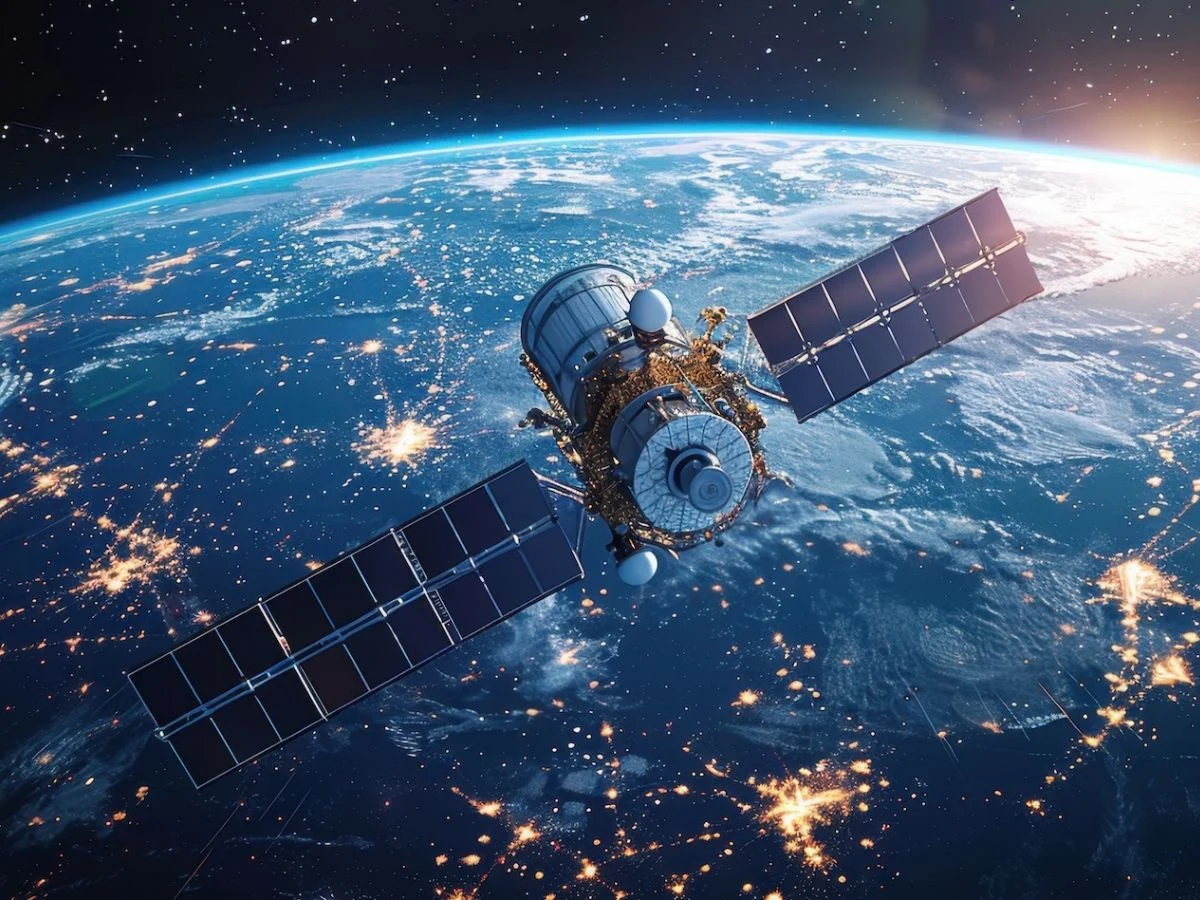
The technology known as Dynamic Targeting was utilized by NASA’s Jet Propulsion Laboratory (JPL) in early July. This innovative approach was integrated into a satellite, roughly the size of a briefcase, created by Open Cosmos. It also featured a machine learning processor designed by Ubotica.
During this impressive mission, the satellite moved to scan 500 kilometers ahead of its original orbit to take an image. After capturing the photo, Ubotica’s AI stepped in to analyze it and assess the cloud coverage.
Decision-Making in Action
Based on the analysis, the satellite had two choices. If the sky was clear, it would rotate back to take a more detailed picture of the Earth’s surface. Conversely, if the sky was filled with clouds, it would skip taking pictures to conserve time, bandwidth, and storage space.
Although we are still far from having spacecraft that can navigate autonomously at high speeds in space, this advancement is a substantial step forward for scientists. As Ben Smith from JPL puts it, “If you can be smart about what you’re taking pictures of, then you only image the ground and skip the clouds. This technology will help scientists get a much higher proportion of usable data.”
Implications for Research
Currently, scientists must sift through many images sent from satellites because they are programmed to capture numerous shots, even those that may not be useful. Therefore, this significant advancement in AI has the potential to assist scientists in monitoring natural disasters, such as wildfires or eruptions, more swiftly than existing satellite technologies allow.
In conclusion, the use of artificial intelligence in space missions is paving the way for more efficient data collection and analysis, which could revolutionize the way scientists observe and respond to critical events on Earth.
Source:
Link
Leave a Reply