
Key Takeaways
1. NASA’s EPIC project successfully tested a flexible sensor on a parachute to measure strain during descent.
2. The flight test confirmed that the sensors provided crucial data without disrupting parachute performance.
3. Developing effective sensor technology involved evaluating 50 candidates and conducting extensive ground tests.
4. Analyzing flight data will guide future steps and partnerships for improved parachute reliability.
5. NASA is also exploring advanced technologies for safer exploration and air taxi travel.
NASA researchers are working on new methods to better understand the behavior of supersonic parachutes when landing payloads. The agency’s EPIC project recently finished a successful flight test using a flexible sensor that measures the strain on a parachute canopy during its descent.
Successful Flight Test
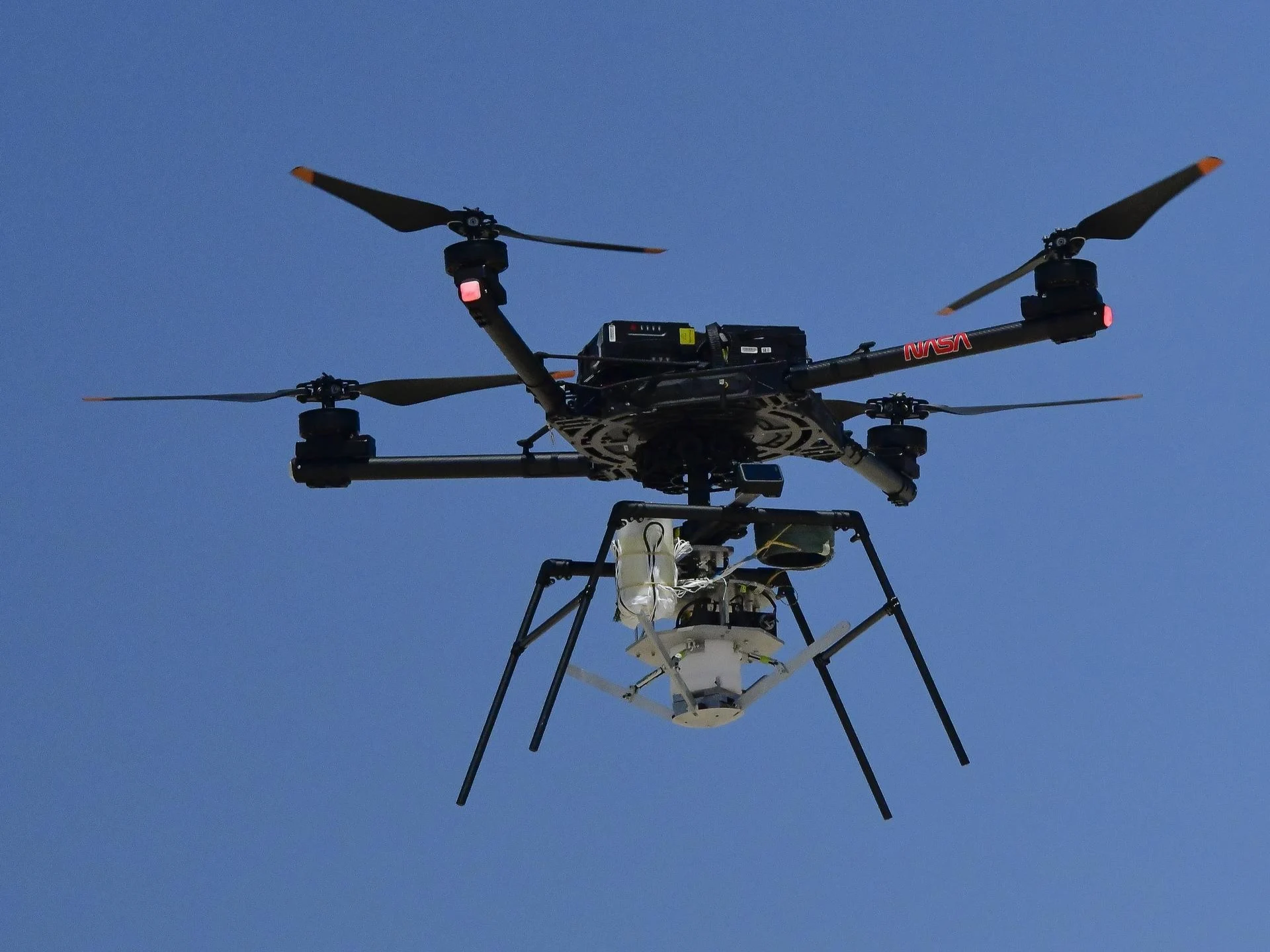
This test occurred in June and involved a drone launching a capsule that released a parachute equipped with the innovative strain sensors. The EPIC team at NASA’s Armstrong Flight Research Center confirmed that the sensors performed as expected, providing crucial data without disrupting the parachute’s inflation or flight. This real-world information is vital for enhancing the computer models that engineers depend on to create more reliable parachutes for delivering rovers and other scientific tools to Mars.
Advancements in Sensor Technology
The recent flight test builds on an earlier stage of the project that was focused on developing the sensor technology. The initial difficulty for the EPIC team was to find a sensor that could stretch along with the parachute fabric and to determine how to attach it to the canopy’s thin and slippery material.
After examining 50 possible candidates, the team chose the three most promising commercially available sensors for further evaluation. They proceeded to conduct a series of ground tests, including pull tests and “bubble” tests that mimic the 3D stretching of an inflating parachute, to confirm the sensors’ effectiveness before advancing to flight.
Future Steps and Goals
Reviewing the flights will assist us in deciding the next steps. We are talking with potential partners to create a framework to gather the data they are interested in exploring. — Matt Kearns, current project manager for EPIC.
The team is now preparing to analyze the flight data and perform additional temperature tests, aiming to develop a robust system that guarantees safer and more reliable landings as we enter a new era of exploration.
NASA is presently engaged in numerous tests, particularly focusing on an americium-based nuclear power technology that will support exploration further from Earth. Additionally, NASA is conducting tests aimed at ensuring safer air taxi travel, which will pave the way for the development and acceptance of air taxis.
Source:
Link
Leave a Reply