Key Takeaways
1. NASA successfully launched the R5-S7 CubeSat on November 28 using a SpaceX Falcon 9 rocket.
2. R5-S7 features affordable subsystems and shorter development schedules for quicker deployment.
3. It is the first R5 satellite to perform a unique proximity operations maneuver for tasks like inspecting or repairing objects in orbit.
4. The R5 series aims to demonstrate lower-cost spacecraft design and significantly reduce development time from years to months.
5. R5-S7 was launched alongside three other CubeSats and additional satellites as part of the SpaceX Transporter-15 rideshare mission.
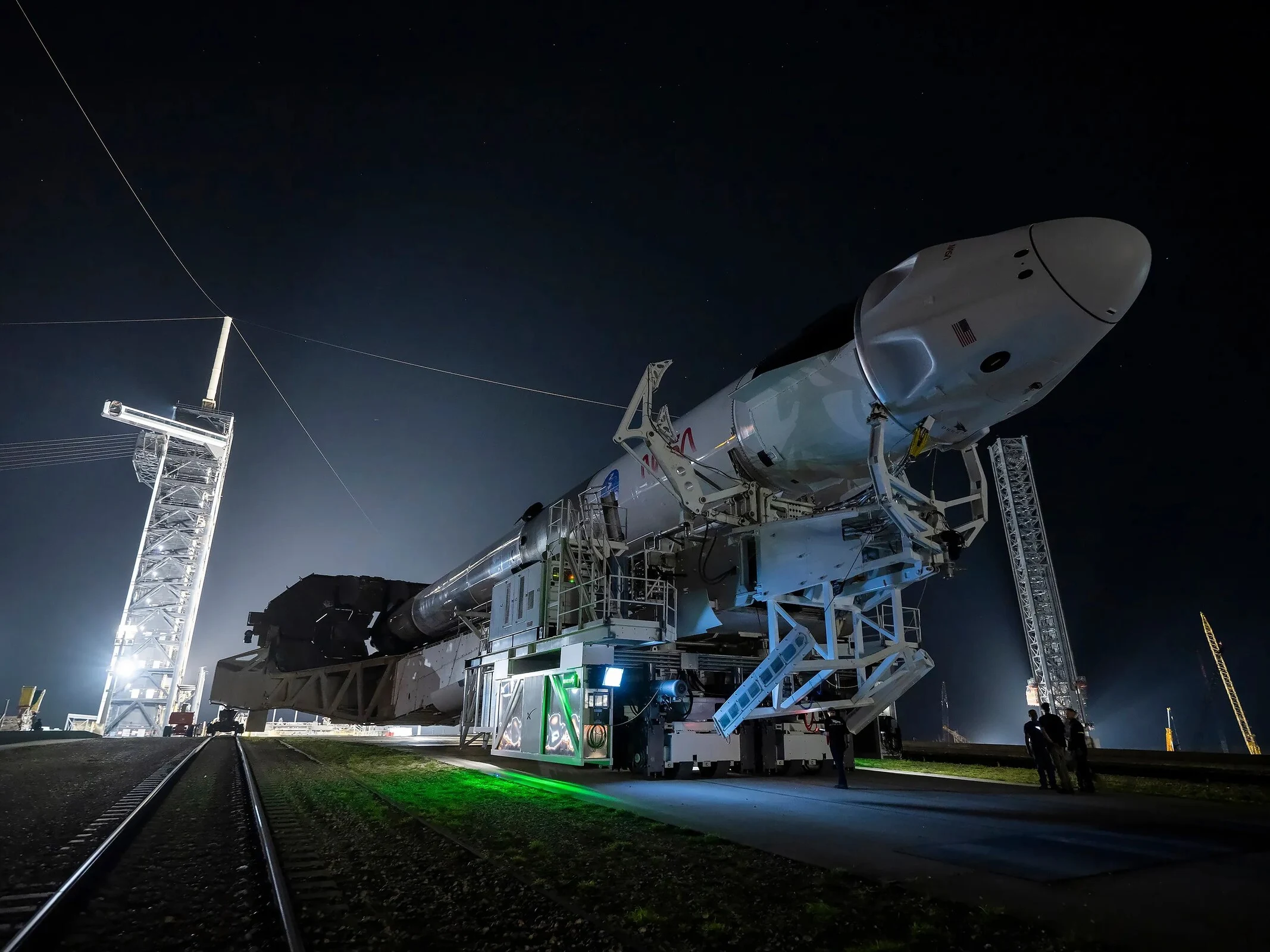
On November 28 at 6:44 PM UTC, NASA successfully launched the R5-S7 (Realizing Rapid, Reduced-cost high-Risk Research project Spacecraft 7). This CubeSat was sent into space on a commercial rideshare mission using a SpaceX Falcon 9 rocket.
Details About R5-S7
R5-S7 is one of the CubeSats in the R5 series. It utilizes commercial off-the-shelf components and features more affordable subsystems. Moreover, it adheres to shorter development schedules, allowing for quicker deployment.
Proximity Operations Maneuver
This particular satellite is notable for its programming, which includes a unique proximity operations maneuver — making it the first R5 satellite to attempt this. The maneuver involves controlled movements close to another object and is set to initiate right after R5-S7 separates from the launch vehicle. This capability is crucial for future missions that might involve tasks like inspecting, repairing, or constructing structures in orbit.
NASA’s Goals with the R5 Series
With the R5 series, NASA’s goal is to demonstrate that designing spacecraft can be done at a lower cost and to significantly shorten the time frame from years to just a few months. R5-S7 was launched together with three other CubeSats funded by NASA. The SpaceX Falcon 9 rocket also deployed several additional satellites during this mission, all part of the SpaceX Transporter-15 rideshare initiative.
Source:
Link