
Key Takeaways
1. The International Space Station (ISS) is a key facility for scientific research that benefits both space and Earth applications.
2. NASA and Northrop Grumman are sending experiments to the ISS using the Cygnus XL spacecraft.
3. Research on microgravity aims to improve drug treatments for diseases by enhancing crystal quality for pharmaceuticals.
4. Semiconductor crystals grown in space may lead to better-performing devices, and experiments on UV light’s effects on bacterial biofilms will be conducted.
5. The Cygnus XL spacecraft is scheduled to launch on September 14 using a SpaceX Falcon 9 rocket.
The International Space Station (ISS) serves as a hub for scientific research beneficial for both space and terrestrial applications. NASA, in collaboration with Northrop Grumman, is gearing up to send another set of experiments to this orbiting facility. The Cygnus XL spacecraft from Northrop Grumman is set to transport the necessary supplies for these studies.
Advancements in Medicine
A key research initiative for this mission focuses on improving treatments for cardiovascular, immunologic, neurodegenerative diseases, and cancer. Researchers plan to explore how microgravity impacts the crystal formations of drug compounds. It’s anticipated that the unique conditions of microgravity will lead to the development of larger and more uniform crystals for pharmaceuticals.
Having better quality crystals could enhance the effectiveness of drug therapies. The research team intends to utilize these space-grown crystals to cultivate additional crystals back on Earth. Although there have been previous studies on this, this investigation aims to evaluate the technique’s efficiency on a significantly larger scale.
Semiconductor Research and More
In addition to the aforementioned studies, the spacecraft will also carry out research on semiconductor crystals. Studies have indicated that semiconductor crystals grown in space yield devices with superior performance metrics.
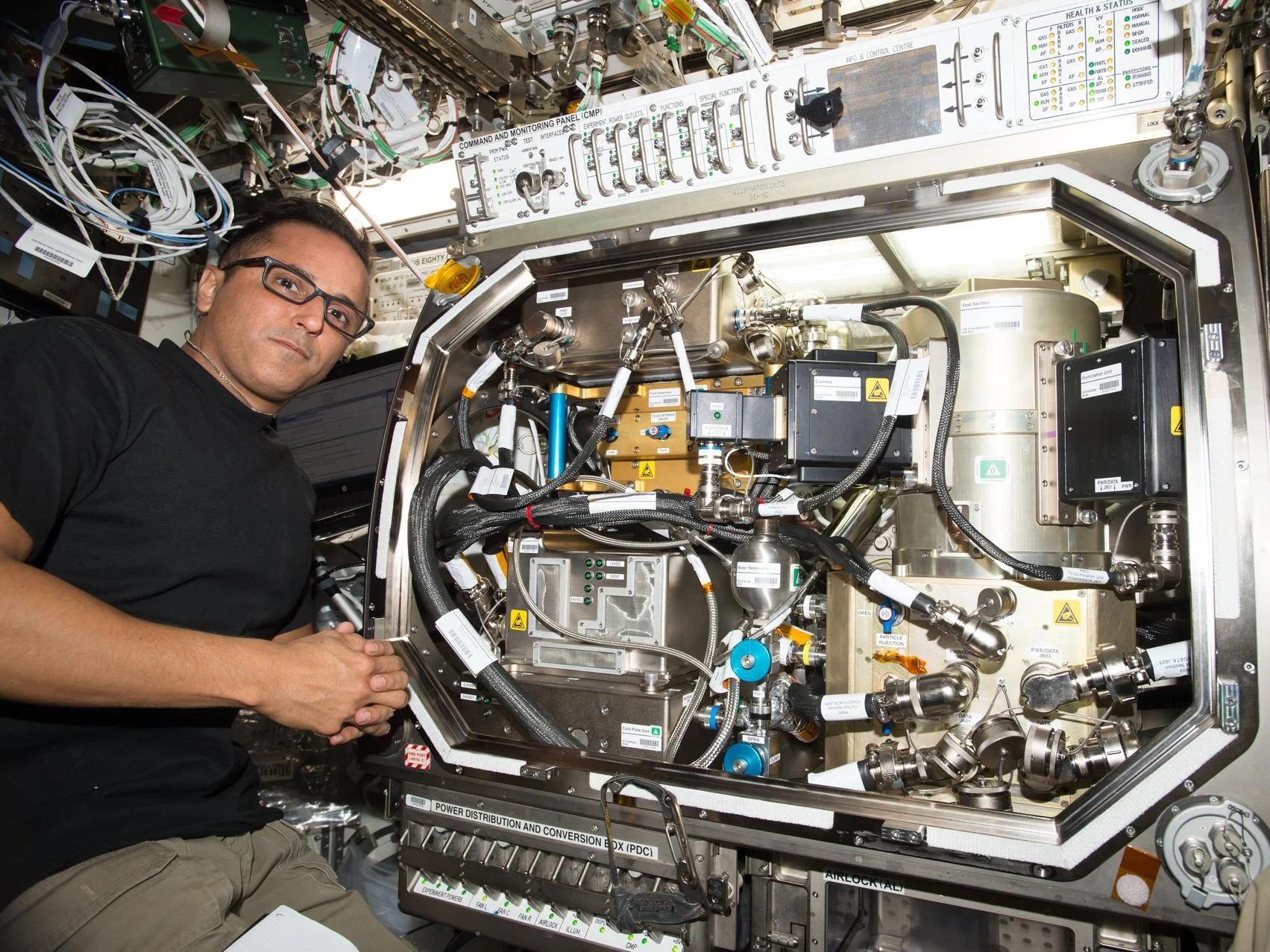
Moreover, the Cygnus XL spacecraft will transport experiments designed to assess how microgravity affects the ability of UV light to eliminate bacterial biofilms. Another vital experiment included in this mission is the Zero Boil-Off Tank Noncondensables (ZBOT-NC), which will explore the use of inert gases as a protective barrier in spacecraft fuel tanks. This method is expected to manage fuel tank pressure in microgravity effectively, thereby reducing unnecessary propellant loss that current methods tend to cause.
Source:
Link
Leave a Reply