
Key Takeaways
1. Westerlund 1 is a youthful super star cluster located about 12,000 light-years away in the constellation Ara, with a mass of 50,000 to 100,000 solar masses.
2. It is one of the largest super star clusters in the Milky Way and the closest to Earth.
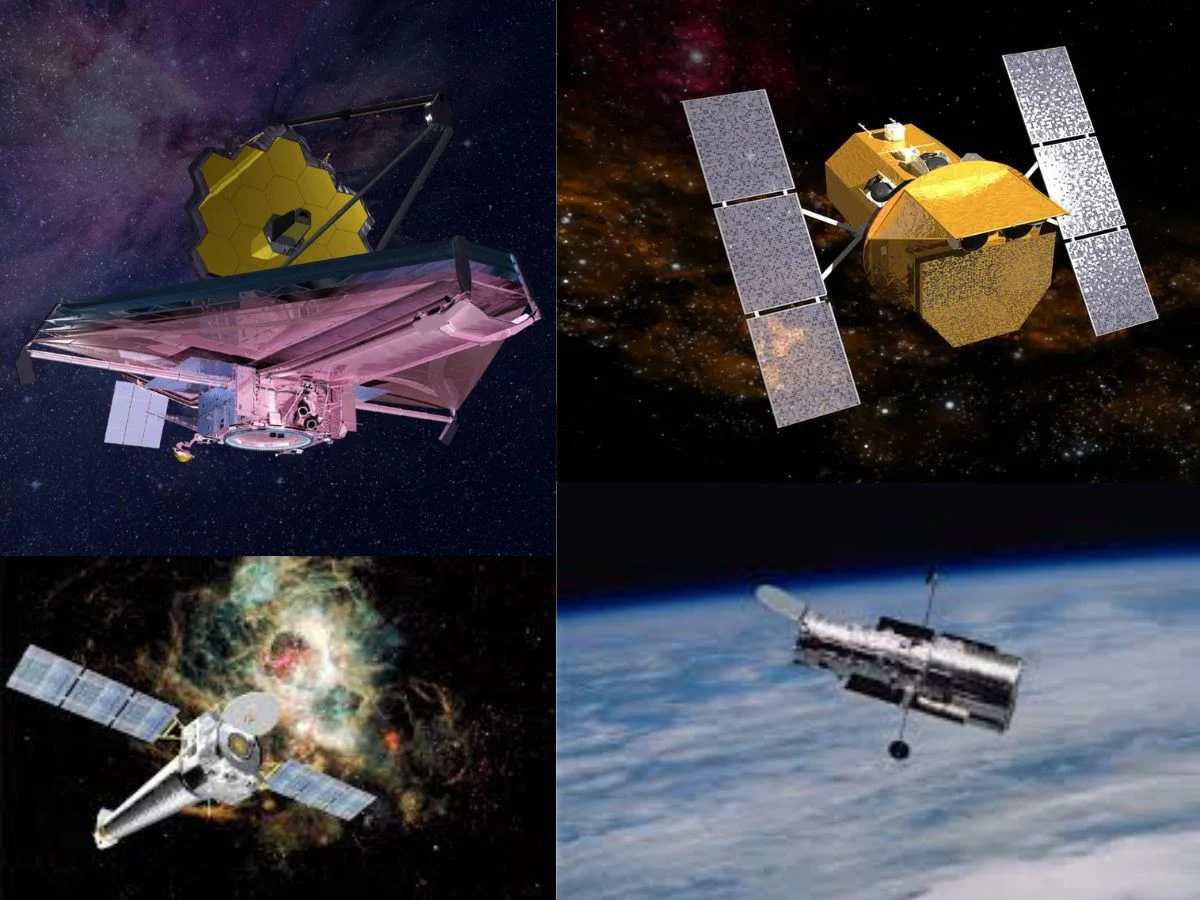
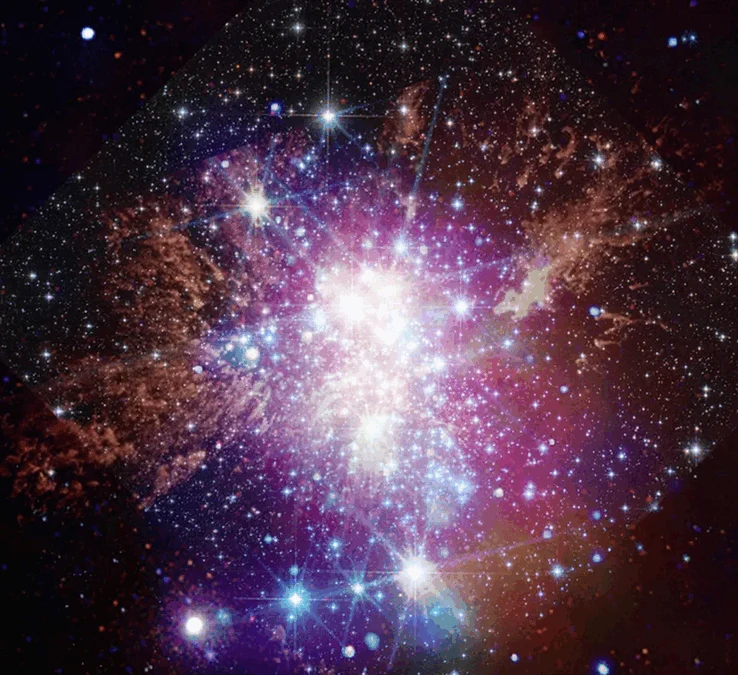
3. New imagery combines X-ray data from Chandra, infrared data from Webb, and optical data from Hubble, revealing various colors representing different types of data.
4. The imagery shows many stars, with large stars appearing bright and smaller ones as faint dots, surrounded by hot gas clouds.
5. Mottled golden clouds indicate areas of cooler dust and gas where new stars are forming, showcasing ongoing stellar formation.
Westerlund 1 is a youthful star cluster situated approximately 12,000 light-years away in the southern constellation Ara, also known as the Altar. It has an estimated total mass ranging between 50,000 and 100,000 solar masses, which classifies it as a “super star cluster.”
Characteristics of Super Star Clusters
Super star clusters are characterized by a large number of stars, often tens of thousands, packed closely together. Among these, Westerlund 1 is recognized as one of the largest super star clusters in the Milky Way and is notably the closest one to our planet.
Stunning New Imagery
A fresh image of Westerlund 1 incorporates X-ray data from Chandra, infrared data from Webb, and optical data from Hubble. The data from Chandra is represented in shades of pink, blue, purple, and orange, while Webb’s infrared information is depicted in yellow, gold, and blue. Hubble’s visuals are displayed in cyan, gray, and light yellow.
The imagery reveals a multitude of stars within the cluster, showcasing both the brighter, larger stars and smaller stars that appear as faint dots. Surrounding these are purple clouds, indicating hot, high-energy gas.
Formation of New Stars
Additionally, mottled golden clouds can be seen, signifying cooler dust and gas where new stars are formed. This image was made public on July 23, 2025, as part of a new series that combines data from Chandra with various other telescopes.
Source:
Link
Leave a Reply