Tag: James Webb Space Telescope

  • James Webb Telescope Maps 3D Auroras on Uranus for First Time

    James Webb Telescope Maps 3D Auroras on Uranus for First Time

    Key Takeaways

    1. The James Webb Space Telescope (JWST) created a 3D map of Uranus’s auroras, enhancing our understanding of this phenomenon.
    2. Uranus has a unique magnetosphere that is misaligned with its rotation axis, making it one of the most peculiar in the solar system.
    3. JWST’s Near-Infrared Spectrograph (NIRSpec) allowed astronomers to analyze Uranus’s atmosphere and energy balance in unprecedented detail.
    4. The telescope confirmed that Uranus’s upper atmosphere is cooling, with an average temperature of around 426 kelvins (150 degrees Celsius).
    5. Future discoveries from JWST are expected to deepen our knowledge of ice giants and their mysteries.


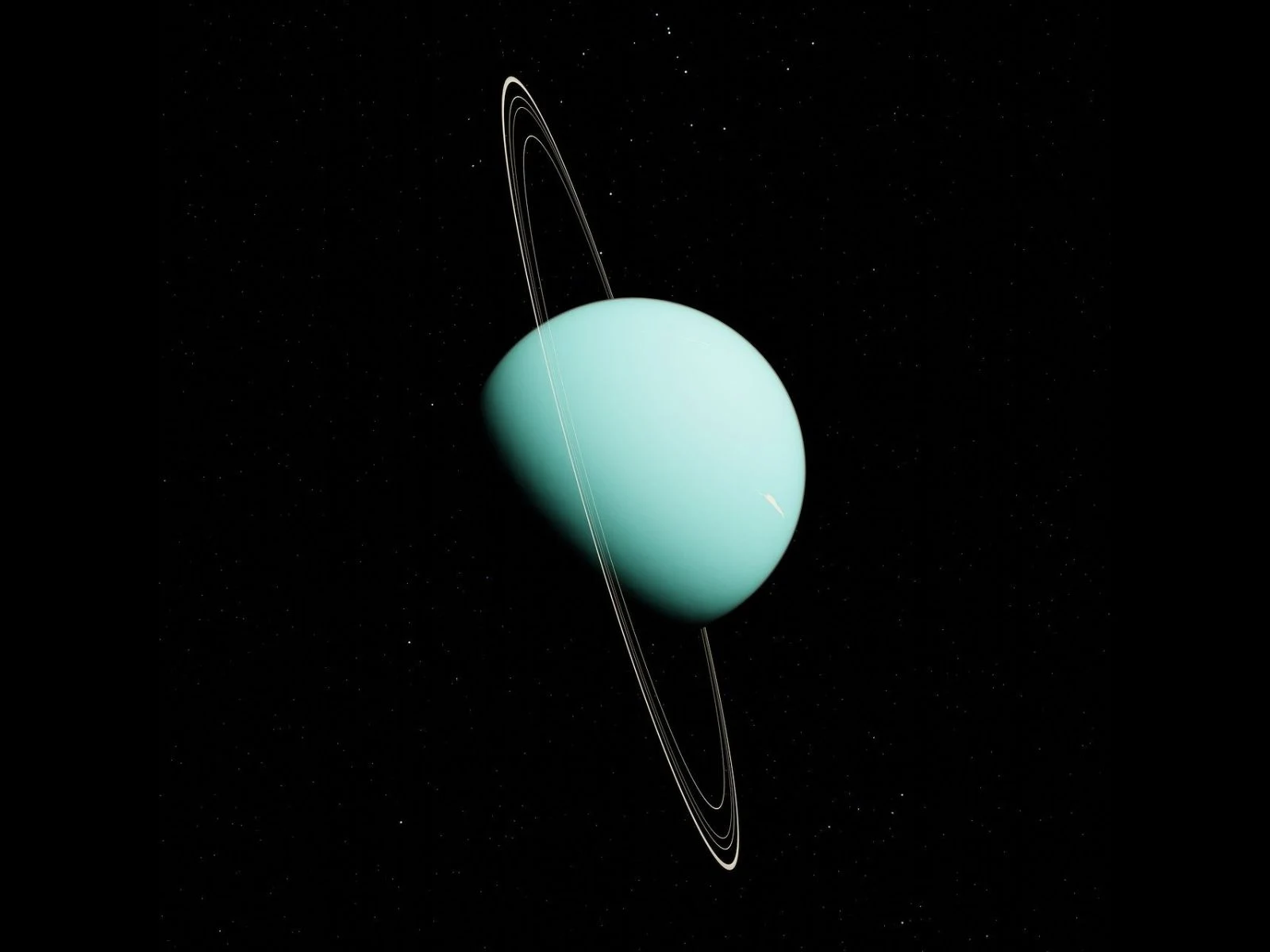
    The James Webb Space Telescope is a crucial instrument for astronomers, equipped with tools that achieve incredible results. Recently, it successfully created a 3D map of Uranus’s auroras, allowing scientists to examine this phenomenon with enhanced accuracy.

    Unique Magnetosphere

    Paola Tiranti, a researcher from Northumbria University in the UK, noted in a press announcement that Uranus possesses one of the most peculiar magnetospheres in the solar system due to it being misaligned with the planet’s rotation axis.

    Using the Near-Infrared Spectrograph (NIRSpec) of the James Webb Space Telescope, astronomers were able to analyze its rotation, marking a significant advancement in the field. Paola Tiranti elaborates:

    “By revealing Uranus’s vertical structure in such detail, Webb is helping us understand the energy balance of the ice giants. This is a crucial step towards characterizing giant planets beyond our solar system. This is the first time we’ve been able to see Uranus’s upper atmosphere in three dimensions. With Webb’s sensitivity, we can trace how energy moves upward through the planet’s atmosphere and even see the influence of its lopsided magnetic field.”

    Temperature Trends

    While the images captured illustrate auroras near Uranus’s poles, the James Webb Space Telescope has also validated a trend initially discovered by Voyager 2. Launched on August 20, 1977, as part of the Voyager project, it passed by Uranus in 1986 and found that the planet’s upper atmosphere was cooling, a finding now confirmed by JWST:

    “The team measured an average temperature of around 426 kelvins (about 150 degrees Celsius), which is lower than values recorded by ground-based telescopes or previous spacecraft.”

    Future Discoveries

    As a result, examining this planet could assist astronomers in gaining a better understanding of ice giants and unraveling the enigmas that surround them. Additionally, this telescope is poised to uncover more secrets in the near future.

    Source:
    Link


  • Hubble Space Telescope Captures Clear Image of Egg Nebula

    Hubble Space Telescope Captures Clear Image of Egg Nebula

    Key Takeaways

    1. The Hubble Telescope, despite the rise of the James Webb Space Telescope, continues to play a key role in astronomical research.
    2. The Egg Nebula is the youngest and nearest nebula discovered, located about 1,000 light-years from Earth.
    3. Hubble has captured its clearest image of the Egg Nebula, merging data from observations made in 1997, 2003, 2012, and recent times.
    4. The latest image reveals twin beams moving in circular arcs, suggesting gravitational interactions with hidden companion stars.
    5. The Egg Nebula is in a pre-planetary stage, providing a unique opportunity for astronomers to study its early life cycle and related nebulae questions.


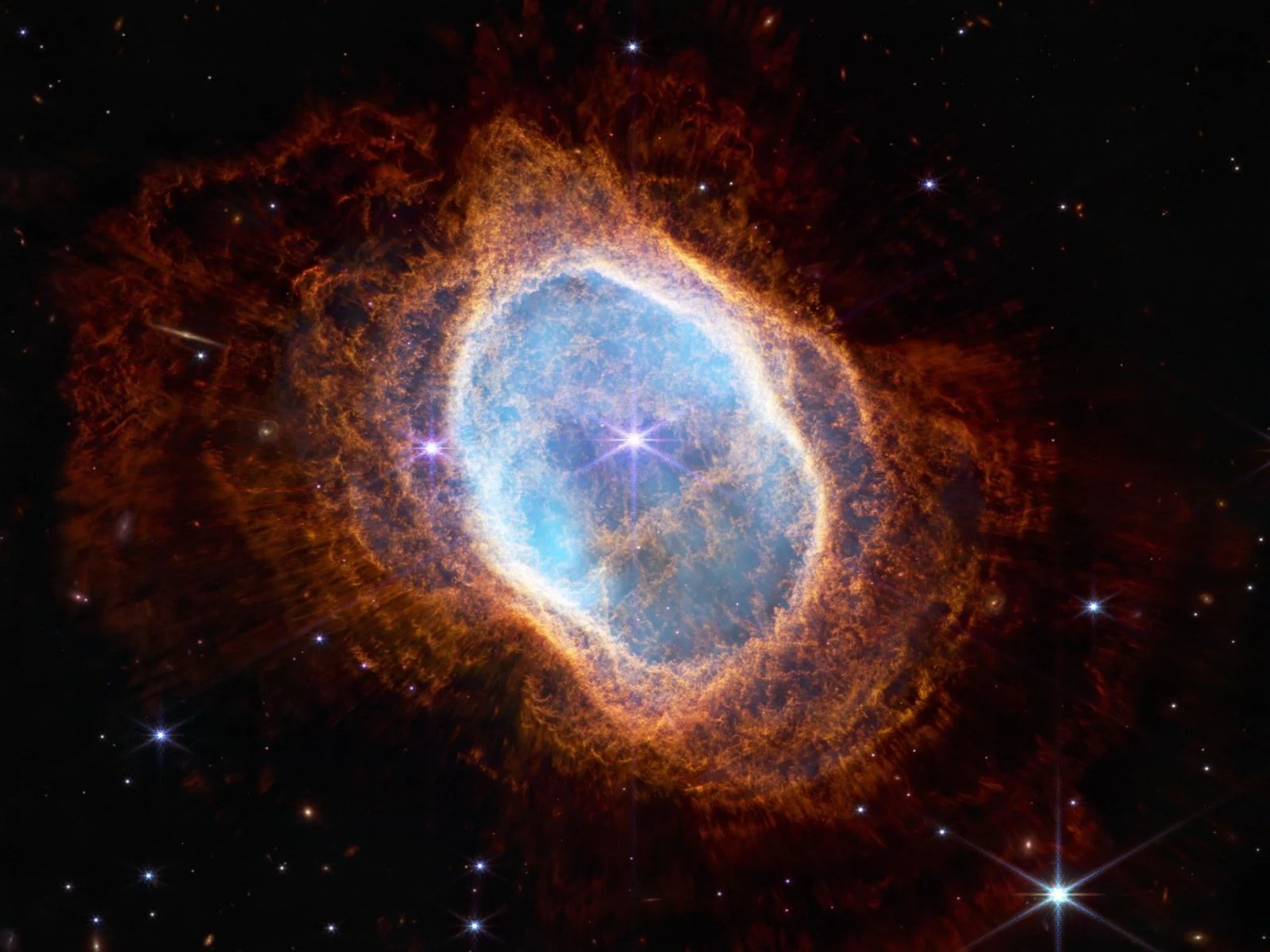
    Since it first appeared in 1990, the Hubble Telescope has helped astronomers to uncover numerous secrets of the universe. Although the James Webb Space Telescope is considered to be more effective, Hubble still plays a significant role in research. Recently, it has captured the clearest image yet of the Egg Nebula.

    Unique Location of the Egg Nebula

    Situated around 1,000 light-years away from our planet, the Egg Nebula is recognized as the youngest and nearest nebula that has ever been found. A key aspect of this formation is that it exists in the early stages of its life cycle. To get such a clear image, it’s worth mentioning that Hubble previously observed this nebula in 1997, 2003, and again in 2012. The latest results came from merging the 2012 image with more recent observations.

    Astonishing Details Revealed

    Looking closely at this latest image, which is the most detailed we’ve seen, we can spot twin beams on either side of the star, moving through circular arcs. Moreover, astronomers suggest that the shapes and motions of these beams indicate gravitational interactions with companion stars that remain hidden within the nebula.

    Thus, the Egg Nebula is currently in a transitional phase known as the pre-planetary stage, which only lasts a few thousand years. This unique opportunity may allow astronomers to gain a deeper understanding of this phase and also to explore certain questions related to nebulae.

    Source:
    Link


  • NASA Finds Massive Galaxy Cluster 2 Billion Years Earlier Than Expected

    NASA Finds Massive Galaxy Cluster 2 Billion Years Earlier Than Expected

    Key Takeaways

    1. JADES-ID1 is a newly discovered galaxy cluster existing about one billion years after the Big Bang, making it a significant find.
    2. It is classified as a protocluster, still in the early stages of formation, and is two billion years younger than the previously known earliest protocluster.
    3. JADES-ID1 has an incredible mass of approximately 20 trillion times that of the Sun, raising questions about its rapid formation.
    4. The discovery was made using the James Webb Space Telescope and the Chandra X-ray Observatory, which identified 66 potential galaxies and a vast cloud of hot gas.
    5. Scientists believe JADES-ID1 will evolve into a massive galaxy cluster over billions of years, similar to those found closer to Earth.


    When we look at a cosmic object, the distance helps us understand how far back in time we are seeing it. Recently, scientists discovered a galaxy cluster that is still in its early formation stages, existing only about one billion years after the Big Bang. This galaxy cluster is named JADES-ID1, as it was identified during the JWST Advanced Deep Extragalactic Survey (JADES). The results of this research were shared in the journal Nature.

    An Early Discovery

    JADES-ID1 is still in the process of formation, so it’s called a protocluster. Prior to this, the earliest known protocluster that emitted X-rays was detected around three billion years after the Big Bang. Therefore, finding JADES-ID1 two billion years earlier is really remarkable.

    Massive Formation

    What’s fascinating is that JADES-ID1 has a mass that is approximately 20 trillion times greater than that of our Sun. Researchers are now curious about how something so large could have formed so rapidly.

    The discovery was made through observations from both the James Webb Space Telescope and the Chandra X-ray Observatory. When they examined JADES-ID1, two key characteristics confirmed it was a protocluster. First, Webb detected at least 66 potential galaxies bound together by gravity. Second, Chandra found that these galaxies were enveloped in a vast cloud of hot gas.

    Future of JADES-ID1

    Scientists predict that over billions of years, JADES-ID1 will develop from a protocluster into a massive galaxy cluster, similar in mass to those we observe closer to Earth.

    Source:
    Link


  • James Webb Telescope Finds Little Red Dots: Supermassive Black Holes?

    James Webb Telescope Finds Little Red Dots: Supermassive Black Holes?

    Key Takeaways

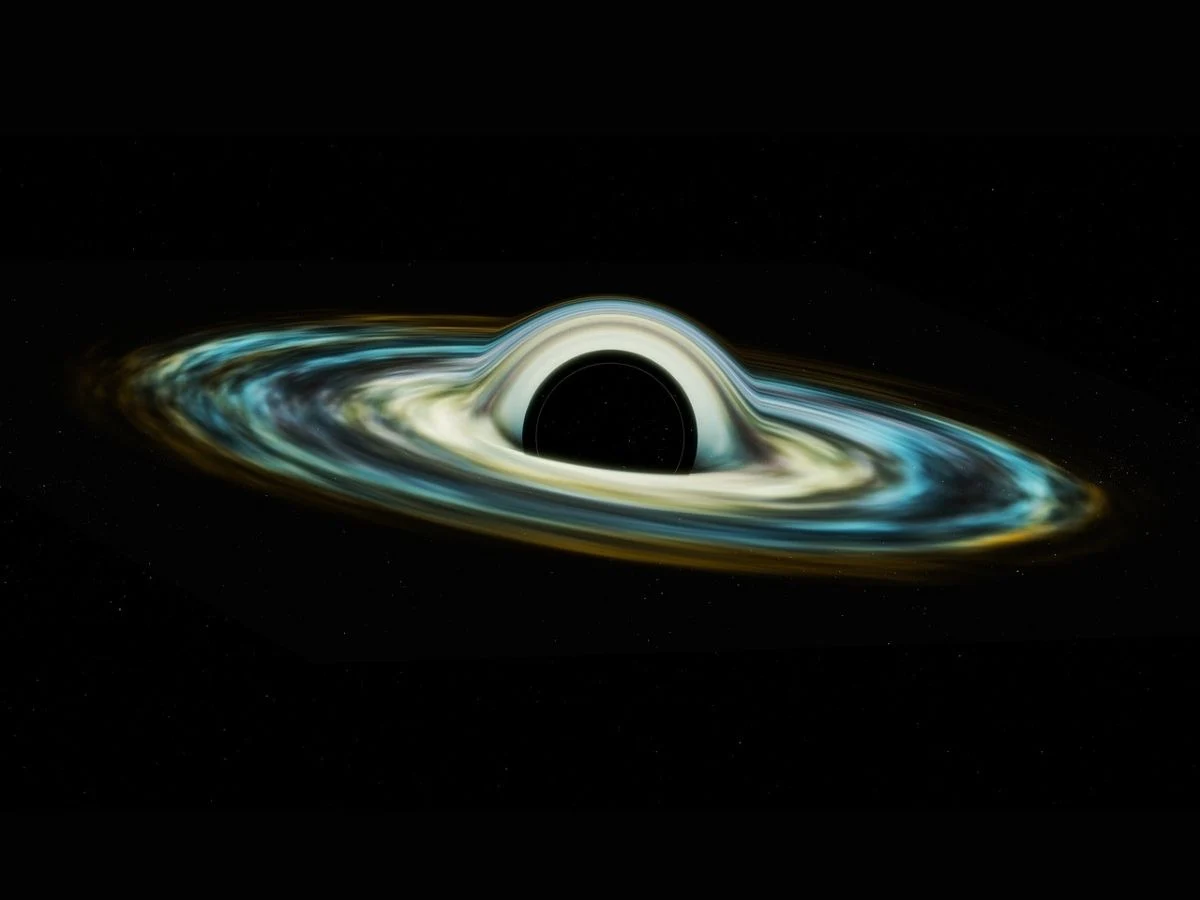
    1. The James Webb Space Telescope has observed small red dots that may be supermassive black holes.
    2. These red dots appeared less than a billion years after the Big Bang and faded around two billion years later.
    3. There are competing theories about the nature of these dots, with some suggesting they are galaxies and others proposing they are supermassive black holes.
    4. The red dots shine with brightness equivalent to 250 billion suns, and their gas moves at speeds of 1,080,000 kilometers per hour.
    5. Future research is needed to better understand the origins of supermassive black holes in the early universe.


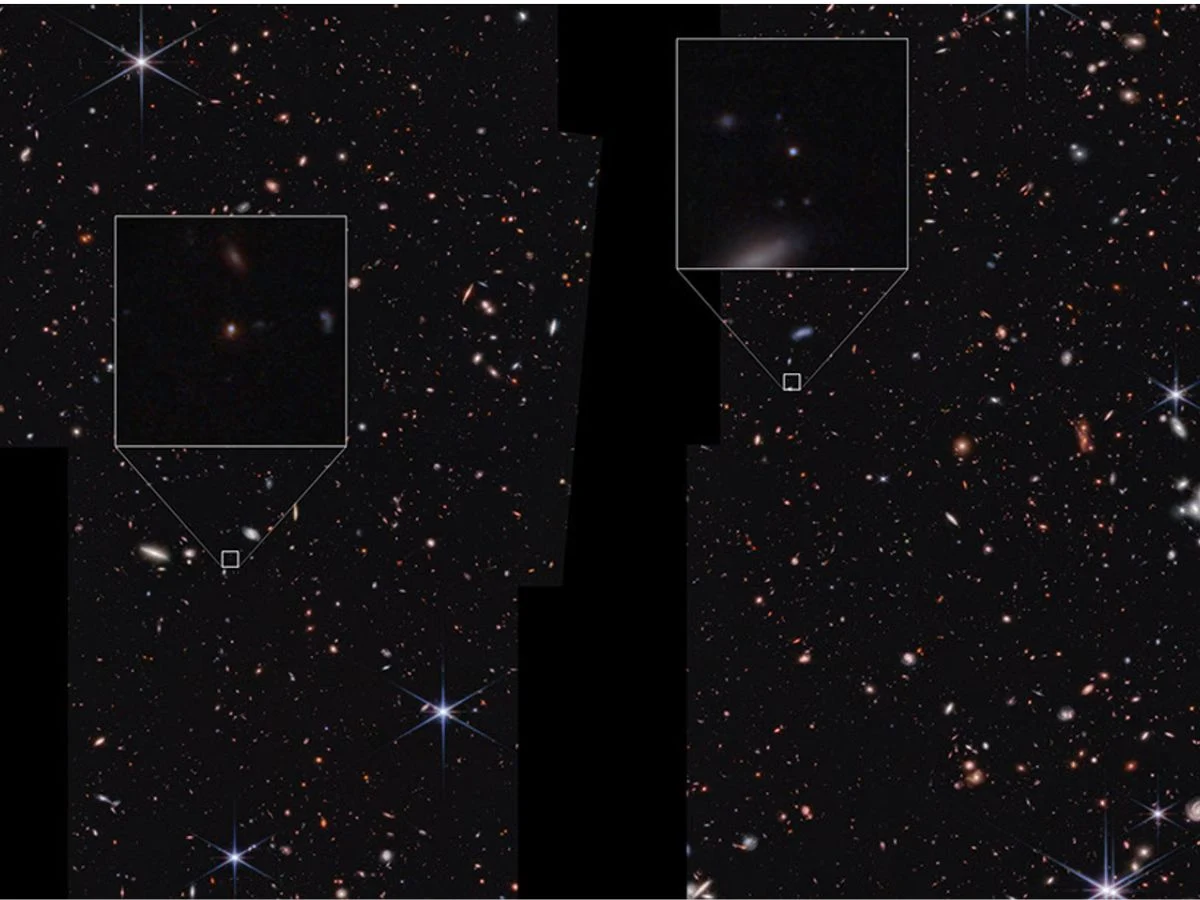
    Although we gain new insights about space on a daily basis, numerous enigmas still remain unresolved. This is true for the small red dots observed by the James Webb Space Telescope. A recent investigation suggests that these could be supermassive black holes.

    Astronomical Discoveries

    In 2022, astronomers made significant findings regarding these phenomena. Vadim Rusakov, the main author of the research and a scientist at the University of Manchester, reported that these red dots emerged less than a billion years following the Big Bang before fading away after around two billion years.

    Understanding the Enigma

    Despite this intriguing discovery, the exact nature of these dots is still unclear, leading to several proposed theories. Some researchers think they might be galaxies filled with stars, which could account for their reddish hue. Others, however, propose that these might indeed be supermassive black holes.

    Recent studies indicate that these red dots shine as brightly as 250 billion suns, despite being smaller, lending credence to the latter theory. By studying the light from these dots, scientists have estimated that the gas within these formations is moving at a speed of about 1,080,000 kilometers per hour (which is roughly 671,080 miles per hour). They also calculated the mass of these black holes to be between 100,000 and 10 million times that of our Sun.

    The Future of Research

    Thus, this finding could provide crucial insights into how supermassive black holes came into existence in the early universe. Continued research will be necessary in the near future to uncover further mysteries.

    Source:
    Link


  • NASA’s Webb Discovers Unclassified Strange Objects in Space

    NASA’s Webb Discovers Unclassified Strange Objects in Space

    Key Takeaways

    1. Nine peculiar galaxies were discovered in James Webb Space Telescope archives, exhibiting unique characteristics that defy existing classifications.
    2. These galaxies have a point-like appearance similar to quasars, but are too faint for such classification and display narrow spectral lines.
    3. The galaxies are too distant to be stars from our own galaxy, highlighting their uniqueness.
    4. Astronomers theorize that these galaxies may represent an earlier phase of galaxy formation not previously observed.
    5. Further identification of similar objects is needed to explore deeper questions about the initiation of galaxy formation.


    While sifting through the archives of the James Webb Space Telescope, a group of astronomers stumbled upon nine peculiar galaxies. These galaxies showcase a blend of characteristics that have never been observed before. Due to their unique traits, they cannot be classified into any existing categories. The astronomers have drawn a comparison between these galaxies and platypuses, which are known for their unusual mix of features.

    Unique Appearance of Galaxies

    The common trait among these nine galaxies is their point-like appearance. This is similar to quasars, but these particular objects are too faint to be classified as such. The spectral data revealed narrow lines that are not characteristic of quasars. Although narrow-line galaxies do exist, they do not present themselves as point-like sources. Additionally, these nine strange objects are too distant to be stars within our own galaxy.

    Theories Behind the Discovery

    Astronomers propose a possible explanation for these peculiar galaxies. They suggest that what Webb has captured may represent an earlier phase of galaxy formation than has previously been observed. If this hypothesis holds true, this finding could encourage astronomers to pursue answers to more profound questions, such as “What initiates the process of galaxy formation?” However, to delve deeper into this mystery, astronomers would need to identify more similar objects for further investigation.

    Source:
    Link


  • James Webb Space Telescope Discovers 13 Billion-Year-Old Supernova

    James Webb Space Telescope Discovers 13 Billion-Year-Old Supernova

    Key Takeaways

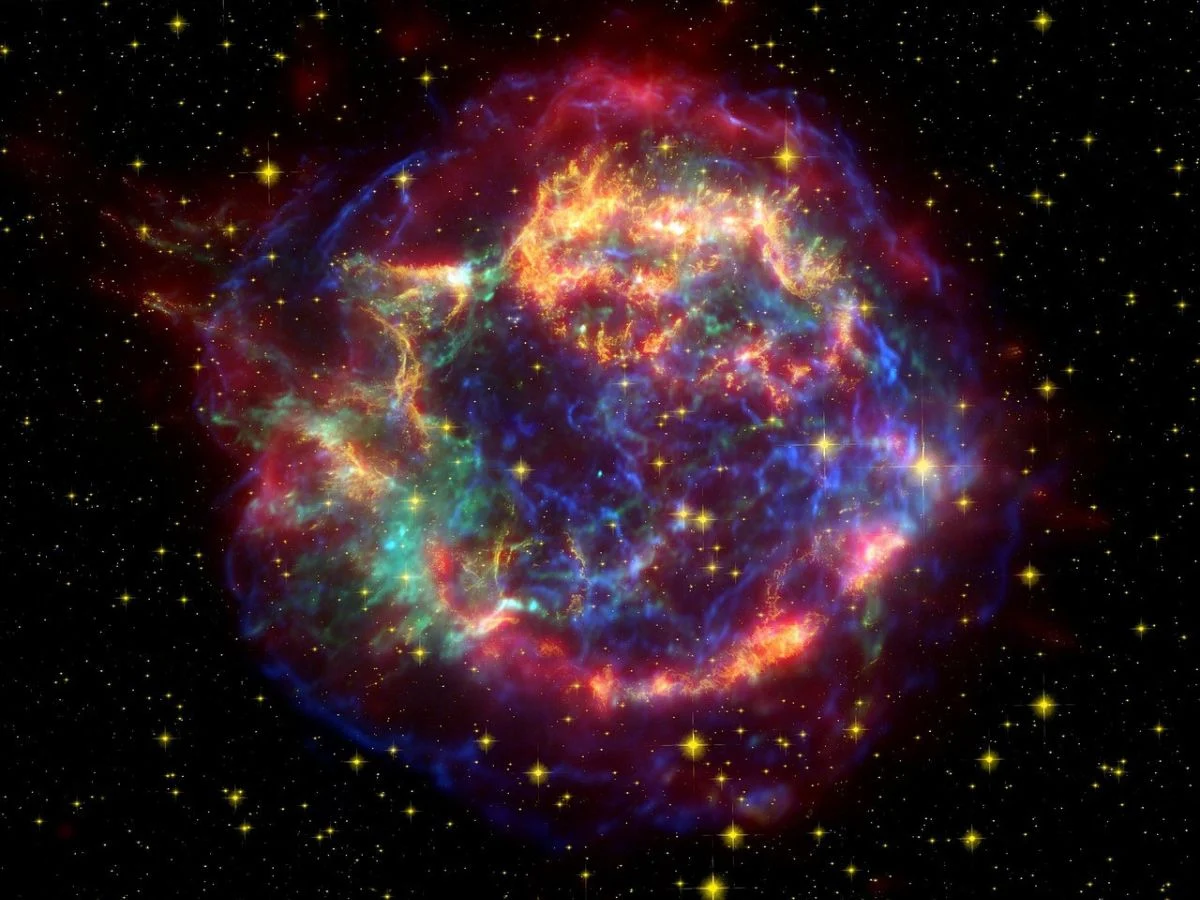
    1. The James Webb Space Telescope (JWST) has made a groundbreaking discovery of the oldest supernova ever observed, known as GRB 250314A.
    2. The discovery followed a timeline where the SVOM satellite detected a gamma-ray burst, and subsequent observations were made by the Neil Gehrels Swift Observatory and the Nordic Optical Telescope.
    3. The Very Large Telescope estimated the supernova’s age to be 13 billion years, occurring just 730 million years after the universe’s formation.
    4. JWST’s Near-Infrared Camera revealed that the supernova resembles those found in today’s universe, providing insights into the evolution of stars.
    5. Observations of the galaxy containing the supernova suggest it is similar to other galaxies from the same early period, highlighting the scarcity of heavy elements at that time.


    The James Webb Space Telescope is changing how we observe and understand the universe with its advanced tools. It has already revealed some amazing structures in space, but it has recently made an even bigger find: the oldest supernova ever observed.

    Discovery Timeline

    This remarkable discovery is part of a sequence of events. In March 2025, the SVOM satellite picked up a strong gamma-ray burst in space. An hour and a half later, the Neil Gehrels Swift Observatory also spotted this burst, enabling astronomers to pinpoint and analyze the event.

    Observations from Other Telescopes

    After that, the Nordic Optical Telescope situated in the Canary Islands recorded a weak light signal from the gamma-ray burst. This was before the Very Large Telescope could estimate the age of the supernova, which took place 13 billion years ago.

    Then, the James Webb Space Telescope employed its Near-Infrared Camera to study this supernova, showcasing remarkable details. Thanks to this technology, astronomers learned that the supernova known as GRB 250314A resembled those seen in today’s universe, but from an earlier time.

    Understanding the Context

    Moreover, they could observe the galaxy that housed this star, giving them insights into the environment surrounding the supernova. Emeric Le Floc’h from CEA Paris-Saclay in France remarked:

    “Webb’s observations indicate that this distant galaxy is similar to other galaxies that existed at the same time.”

    This finding is a record for the James Webb Space Telescope, as the previous oldest supernova was found in a universe that was 1.8 billion years old. In contrast, this latest discovery happened merely 730 million years after the universe’s formation, during an era when heavy elements were still scarce.

    Source:
    Link


  • Supermassive Black Hole Discovered Growing Fast in Early Universe

    Supermassive Black Hole Discovered Growing Fast in Early Universe

    Key Takeaways

    1. Scientists studied the galaxy CANUCS-LRD-z8.6 and its massive black hole using data from the James Webb Space Telescope, focusing on a time just 570 million years after the Big Bang.

    2. The Near-Infrared Spectrograph (NIRSpec) on the Webb telescope helped isolate the faint light from the galaxy and identify elements indicating an actively consuming black hole.

    3. The supermassive black hole in CANUCS-LRD-z8.6 is unusually large for such an early stage in the universe’s history.

    4. The mass of the supermassive black hole does not align with the mass of the stars in the galaxy, challenging existing theories about the relationship between black holes and their host galaxies.

    5. The findings enhance understanding of black holes and their formation, with plans for further observations using ALMA and the Webb telescope.


    A group of scientists utilized information from the James Webb Space Telescope to investigate the galaxy CANUCS-LRD-z8.6 and its massive black hole. They managed to examine this galaxy during a very early phase of the universe, just 570 million years following the Big Bang.

    Advanced Observations

    Employing Webb’s Near-Infrared Spectrograph (NIRSpec), the researchers were able to isolate the dim light coming from this remote galaxy. The telescope’s features also allowed them to identify crucial spectral elements that hinted at the existence of a black hole that was actively consuming material.

    Surprising Findings

    Through their observations, the team found that the supermassive black hole located in CANUCS-LRD-z8.6 was remarkably large. It’s unusual to see such a massive black hole formed at such an early point in the universe’s history.

    The Webb telescope also played a significant role in uncovering the characteristics of the galaxy itself. They managed to calculate the total mass of the stars within the galaxy. Oddly, the mass of the supermassive black hole didn’t correspond with the mass of the stars in the galaxy.

    Challenging Existing Theories

    Earlier research has indicated a connection between the size of supermassive black holes and their host galaxies. However, the black hole in CANUCS-LRD-z8.6 seemed to challenge this idea, as it was expanding at a quicker rate than its surrounding galaxy.

    This discovery is enhancing the present comprehension of black holes and their formation processes. The findings were shared in Nature Communications. The research team intends to explore their findings further and plans to conduct more observations of the galaxy with the Atacama Large Millimeter/submillimeter Array (ALMA) and the Webb telescope.

    Source:
    Link


  • James Webb Telescope Finds Life’s Frozen Ingredients in Distant Galaxy

    James Webb Telescope Finds Life’s Frozen Ingredients in Distant Galaxy

    Key Takeaways

    1. NASA’s James Webb Space Telescope (JWST) detected frozen organic molecules around a young star in the Large Magellanic Cloud, 163,000 light-years away.
    2. The discovery was made while studying ST6, a protostar, using the JWST’s Mid-Infrared Instrument (MIRI).
    3. This marks the first time the JWST has identified essential life elements outside the Milky Way galaxy.
    4. The findings provide insights into the chemical complexities of star formation regions in different galaxies.
    5. Preliminary analyses suggest the presence of glycolaldehyde, a potential precursor to RNA-related sugars.


    A recent discovery in space has completely amazed astronomers. NASA’s James Webb Space Telescope (JWST) has detected frozen organic molecules in the most unexpected place: surrounding a young star in a far-off galaxy.

    Discovery of Organic Molecules

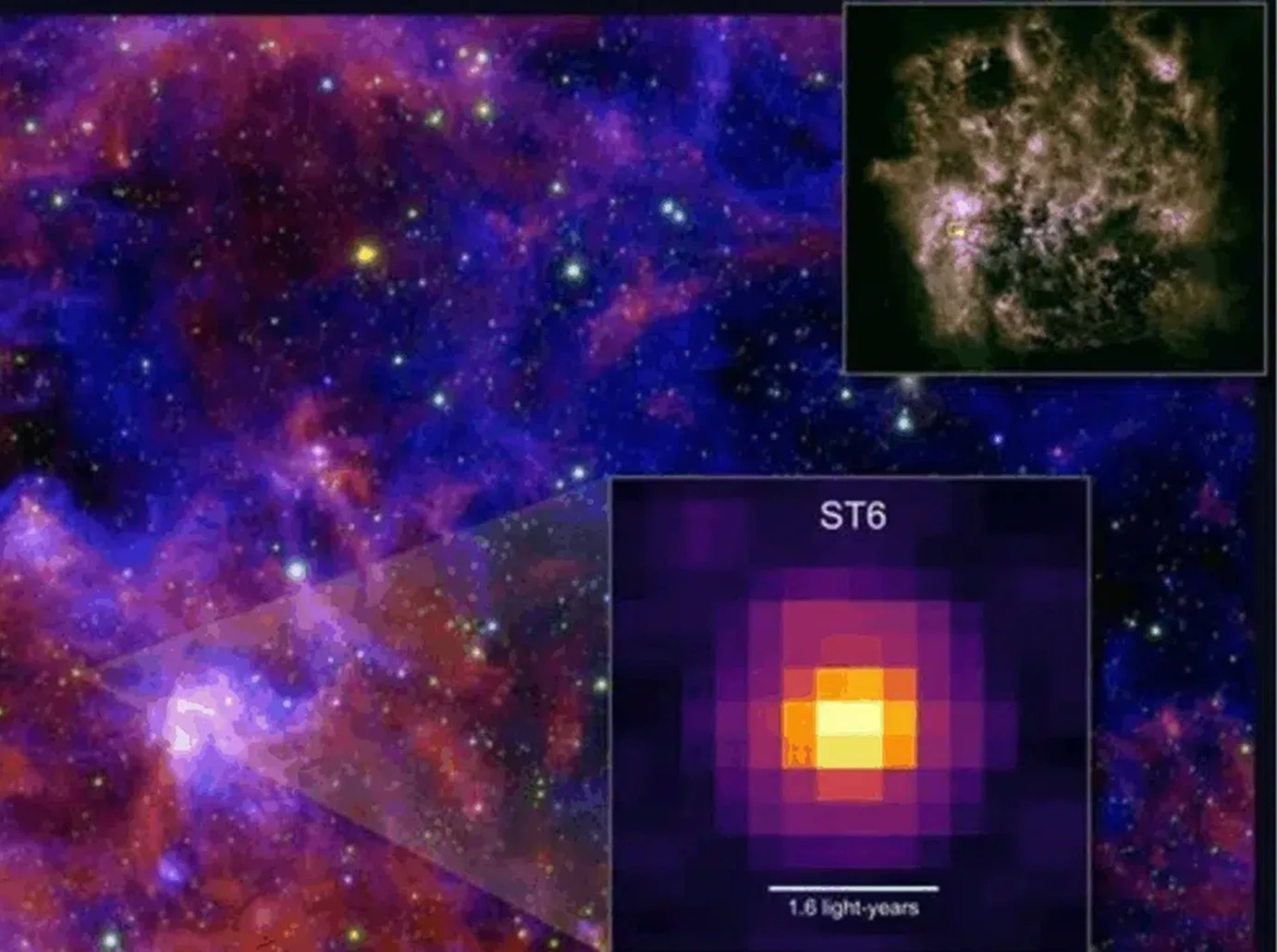
    The scientists were exploring ST6, a protostar (a star in its very early formation stage), when they stumbled upon these carbon-based compounds. This ‘young’ star is located in the Large Magellanic Cloud (LMC), a dwarf galaxy situated 163,000 light-years from our planet.

    Research and Techniques Used

    The study was led by Marta Sewilo from the University of Maryland. Using the JWST’s Mid-Infrared Instrument (MIRI), the team uncovered complex organic molecules (COMs, or carbon-bearing molecules containing more than six atoms) within interstellar ice. These findings were close to the Tarantula Nebula, which is known for being a prolific factory for star formation.

    Importance of the Findings

    The discovery of COMs marks a significant achievement for the JWST. This is the first occasion the space telescope has identified the essential elements for life outside our Milky Way galaxy, as previous findings were restricted to within our galaxy.

    The carbon-based compounds present an opportunity to expand our knowledge about the chemical intricacies of areas where stars are formed. Researchers can also examine how molecular chemistry evolves under varying conditions in different galaxies. Early analyses have even hinted at the existence of glycolaldehyde, which could be a precursor to ribose, a sugar that is vital for RNA.

    Source:
    Link


  • Auroras Found on Starless Exoplanet Outside Our Solar System

    Auroras Found on Starless Exoplanet Outside Our Solar System

    Key Takeaways

    1. The James Webb Space Telescope discovered auroras on the exoplanet SIMP-0136, located about 20 light-years away.
    2. SIMP-0136 is unique as it does not orbit a star and is classified as a brown dwarf.
    3. The planet has a strong magnetic field, allowing auroras to form without a nearby star.
    4. Researchers observed temperature differences in the atmosphere, with warmer conditions at higher altitudes.
    5. Future observations will aim to reveal more about SIMP-0136 and uncover additional unusual phenomena.


    Launched in 2021, the James Webb Space Telescope is still making exciting new discoveries. Just recently, this incredible tool found a phenomenon known on Earth—the northern lights—on a planet outside our own solar system.

    Discovery of Auroras on SIMP-0136

    This fascinating phenomenon is happening on SIMP-0136, an exoplanet that is about 20 light-years from us and is quite unique. It’s important to mention that this planet doesn’t orbit a star and has previously been categorized as a brown dwarf.

    Given the enigma of this celestial body, researchers from Trinity College Dublin turned to the James Webb Space Telescope to observe changes in the brightness of the planet. To their surprise, they found auroras present in its atmosphere. Generally, auroras form when a planet orbits a star, but this case is different.

    A Strong Magnetic Field

    The scientists noticed that SIMP-0136 has a very strong magnetic field, which enables the formation of these auroras even without a star nearby. Additionally, they found that the atmosphere is warmer at higher altitudes compared to the surface. They were able to detect temperature differences of less than 5 °C, indicating that these auroras actually heat part of the atmosphere. They also confirmed that the clouds on this planet are made of silicate.

    More observations are necessary to uncover all the secrets of SIMP-0136. There’s no doubt that more unusual phenomena will be found in the upcoming months.

    Future Observations

    Astronomy and Astrophysics will continue to explore these new frontiers, pushing the boundaries of our understanding of the universe.

    Source:
    Link


  • ESA’s Plato to Explore 200,000 Planets with 26 Cameras

    ESA’s Plato to Explore 200,000 Planets with 26 Cameras

    Key Takeaways

    1. Plato is a new spacecraft by the European Space Agency (ESA) designed to find planets that may host life.
    2. It features 26 sensitive cameras to observe stars similar to our Sun in the habitable zone, where conditions are right for liquid water.
    3. The spacecraft detects exoplanets by monitoring changes in star brightness as planets transit in front of them.
    4. Plato will study starquakes to gather information about star age and structure, observing over 200,000 stars during its mission.
    5. The launch of Plato is scheduled for December 2026, with final assembly and testing currently underway at the European Space Research and Technology Centre (ESTEC).


    Scientists have been looking for planets that could host life. Many missions, like the James Webb Space Telescope, have helped in this quest. Now, the European Space Agency (ESA) is advancing this effort with a new spacecraft called Plato.

    The Technology Behind Plato

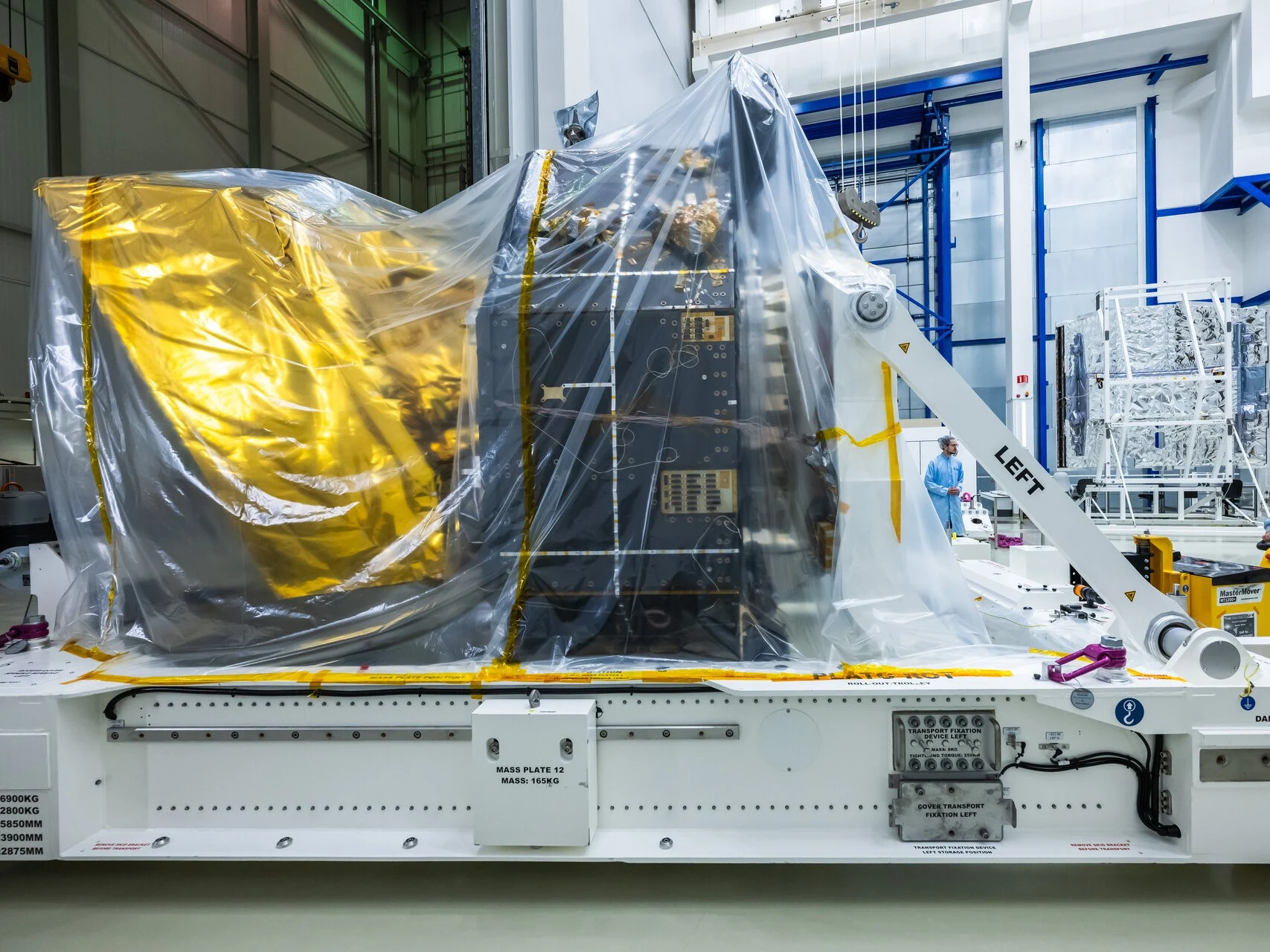
    Plato is a spacecraft with 26 highly sensitive cameras. Its mission is to find planets that orbit stars similar to our Sun, specifically in what is called the habitable zone. This area, often referred to as the “Goldilocks region,” is neither too close nor too far from a star. In this zone, temperatures are just right for liquid water to exist on a planet’s surface.

    Observing Stars and Discovering Exoplanets

    The spacecraft’s 26 cameras will focus on these Sun-like stars to detect even the slightest changes in their brightness. When a planet transits in front of a star, the star’s light dims momentarily. This is the method scientists plan to use with Plato to identify exoplanets, which are those planets that exist outside our solar system.

    Studying Starquakes and More

    Since Plato’s cameras will monitor the same area for at least two years, it will also look into starquakes. This research will give scientists valuable information about a star’s age and its internal structure. Plato aims to observe over 200,000 stars during its mission.

    Plato is set to launch in December 2026. It has recently reached the European Space Research and Technology Centre (ESTEC), where engineers will finalize its assembly by attaching the combined sunshield and solar arrays module. Following this, Plato will go through a series of tests to confirm its readiness for space.

    Source:
    Link