
Tag: Supermassive Black Holes

  • James Webb Telescope Finds Little Red Dots: Supermassive Black Holes?

    James Webb Telescope Finds Little Red Dots: Supermassive Black Holes?

    Key Takeaways

    1. The James Webb Space Telescope has observed small red dots that may be supermassive black holes.
    2. These red dots appeared less than a billion years after the Big Bang and faded around two billion years later.
    3. There are competing theories about the nature of these dots, with some suggesting they are galaxies and others proposing they are supermassive black holes.
    4. The red dots shine with brightness equivalent to 250 billion suns, and their gas moves at speeds of 1,080,000 kilometers per hour.
    5. Future research is needed to better understand the origins of supermassive black holes in the early universe.


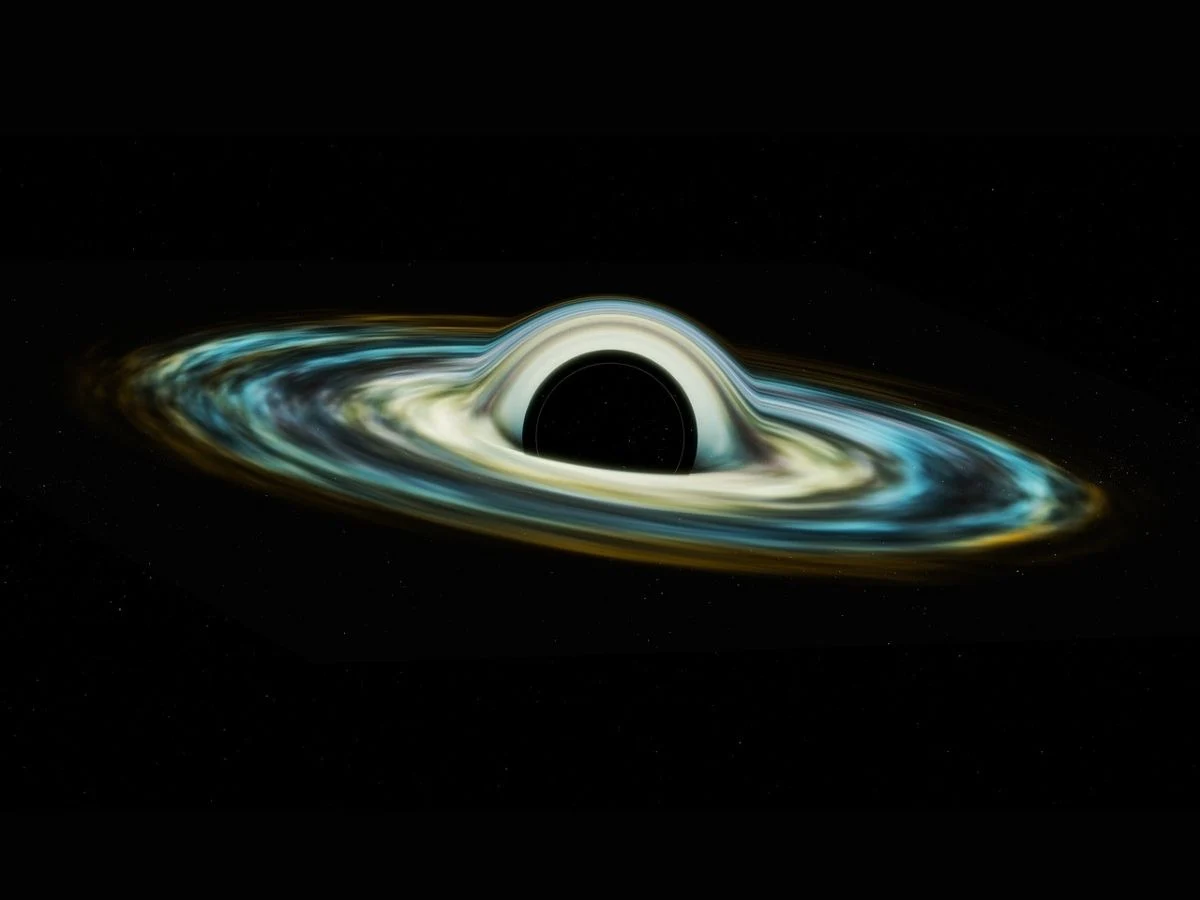
    Although we gain new insights about space on a daily basis, numerous enigmas still remain unresolved. This is true for the small red dots observed by the James Webb Space Telescope. A recent investigation suggests that these could be supermassive black holes.

    Astronomical Discoveries

    In 2022, astronomers made significant findings regarding these phenomena. Vadim Rusakov, the main author of the research and a scientist at the University of Manchester, reported that these red dots emerged less than a billion years following the Big Bang before fading away after around two billion years.

    Understanding the Enigma

    Despite this intriguing discovery, the exact nature of these dots is still unclear, leading to several proposed theories. Some researchers think they might be galaxies filled with stars, which could account for their reddish hue. Others, however, propose that these might indeed be supermassive black holes.

    Recent studies indicate that these red dots shine as brightly as 250 billion suns, despite being smaller, lending credence to the latter theory. By studying the light from these dots, scientists have estimated that the gas within these formations is moving at a speed of about 1,080,000 kilometers per hour (which is roughly 671,080 miles per hour). They also calculated the mass of these black holes to be between 100,000 and 10 million times that of our Sun.

    The Future of Research

    Thus, this finding could provide crucial insights into how supermassive black holes came into existence in the early universe. Continued research will be necessary in the near future to uncover further mysteries.

    Source:
    Link


  • NASA Discovers Findings That Challenge Modern Astronomy Foundations

    NASA Discovers Findings That Challenge Modern Astronomy Foundations

    Key Takeaways

    1. Researchers challenge the idea that almost every galaxy has a supermassive black hole at its core based on new findings.
    2. Data from the Chandra X-ray Observatory shows that many smaller galaxies lack indicators of supermassive black holes.
    3. The absence of X-ray signals from smaller galaxies suggests that only about 30% of them may contain supermassive black holes.
    4. The study indicates that supermassive black holes likely started out large, rather than forming from smaller black hole mergers.
    5. These findings could impact the upcoming LISA mission’s ability to detect gravitational waves from black hole mergers.


    For many years, researchers have thought that almost every galaxy has a supermassive black hole located at its core. However, a team of astronomers has questioned this idea in a study they released in the Astrophysical Journal. They conducted their research using data collected from the Chandra X-ray Observatory.

    Chandra’s Observations

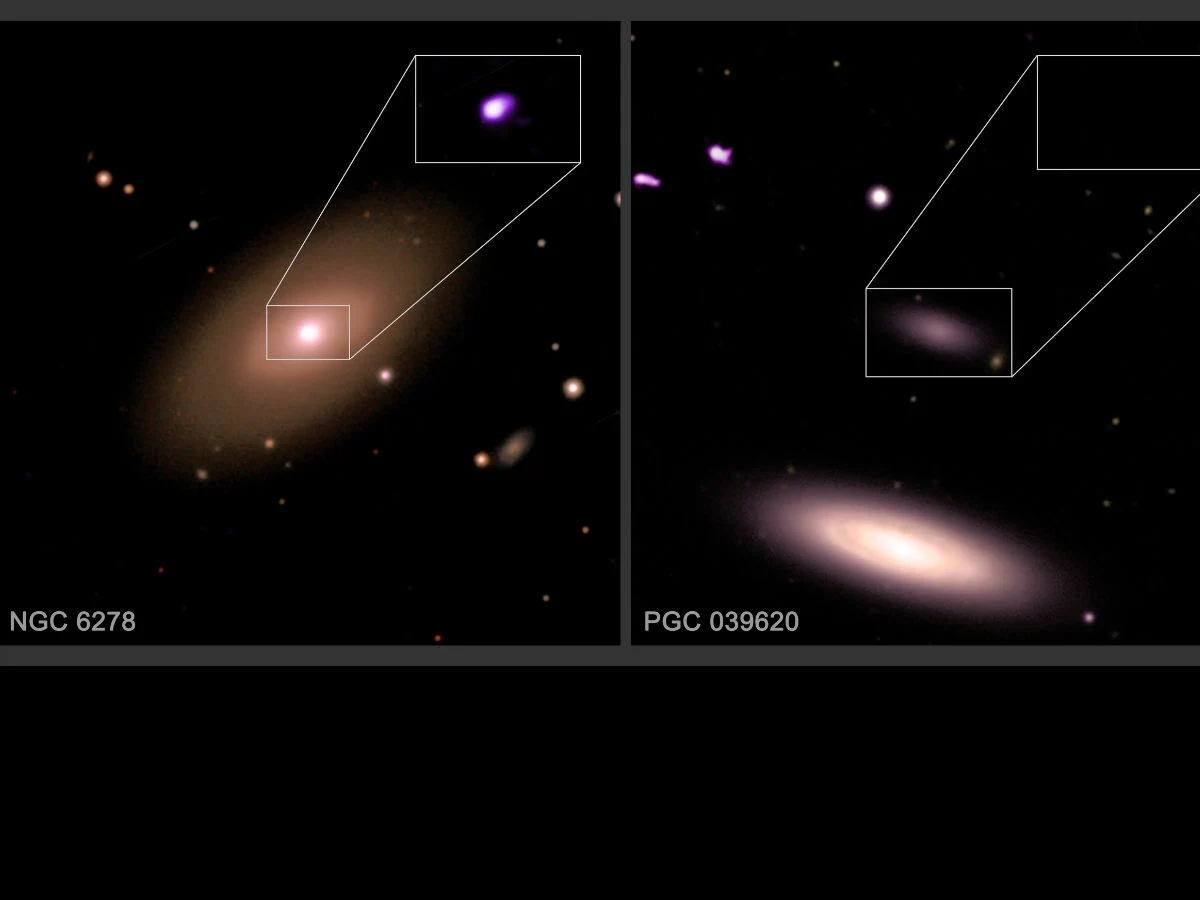
    Chandra has been observing different galaxies for over twenty years. In this time span, it has studied 1,600 galaxies, ranging from those that are more than 10 times the mass of our Milky Way to much smaller ones. Upon examining the data, the astronomers found that a significant number of smaller galaxies did not display any indicators of a supermassive black hole at their center.

    Lack of X-ray Signals

    When matter falls into supermassive black holes, it produces X-rays, which is what Chandra is designed to detect. However, the astronomers noticed that the signals received from smaller galaxies were less frequent. They suspect this shortfall is linked to the likely absence of supermassive black holes in these smaller galaxies.

    According to their findings, the astronomers estimate that only about 30% of small galaxies probably have supermassive black holes. If this is correct, it could help shed light on how supermassive black holes actually come into existence. The results suggest that these black holes started out large, implying they did not form from the merger of smaller black holes.

    Implications for Future Research

    This research might also influence the upcoming Laser Interferometer Space Antenna (LISA) mission. This mission aims to detect gravitational waves, which are produced during black hole mergers. If there are fewer supermassive black holes in smaller galaxies, it could mean there are fewer mergers and, consequently, fewer gravitational waves for LISA to pick up.

    Source:
    Link