
Tag: early universe

  • Hubble Reveals Dwarf Galaxy 23 Million Light-Years Away

    Hubble Reveals Dwarf Galaxy 23 Million Light-Years Away

    Key Takeaway

    – ESO 490-017 is a dwarf irregular galaxy only 12,000 light-years across, significantly smaller and fainter than the Milky Way.
    – Its weak gravity causes stars to be loosely dispersed, resulting in a poorly defined structure.
    – These galaxies contain fewer heavy elements, creating an environment similar to that of the early universe.
    – Studying dwarf galaxies like ESO 490-017 helps scientists better understand the early universe and poorly understood celestial phenomena.


    Hubble’s Latest Cosmic Snapshot

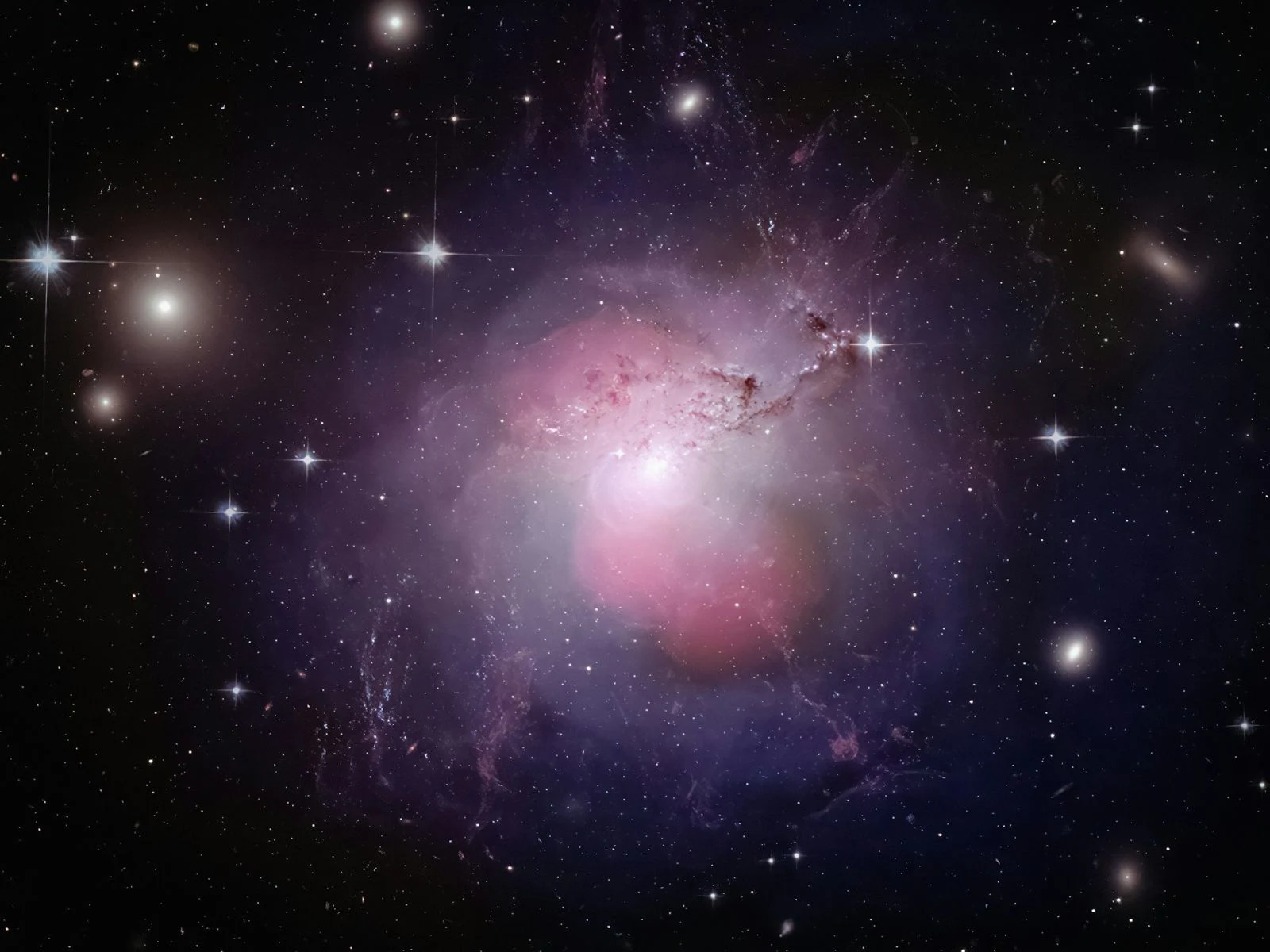
    Since 1990, the Hubble Space Telescope has been staring into the void, letting scientist’s study a whole bunch of celestial objects. Recently, this here telescope managed to capture a real striking image of a dwarf galaxy, which is located about 23 million light-years from our own planet Earth.

    The Odd Little Galaxy Called ESO 490-017

    Known as ESO 490-017, this dwarf irregular galaxy has a composition and structure that’s very interesting, dispite its small size. Indeed, it only measures about 12,000 light-years in diameter, while the Milky Way’s diameter is around 100,000 light-years, and it is also very faint, making it hard to see with normal telescopes.

    • Diameter: 12,000 light-years
    • Distance: 23 million light-years
    • Luminosity: Very low
    • Gravity: Weak

    Why Its Structure Matters

    In addition, the structure of this galaxy is not clearly defined, as you can clearly see in the image that was captured. As a result, its weak gravity allows stars to move around freely inside the galaxy with almost no restriction. Finally, its low luminosty is also directly linked to its gravity, since the stars aren’t concentrated in one single place but are instead dispersed all over the place.

    Unremarkable But Actually Interesting

    However, even though this galaxy might look unremarkable on the surface, it is actually very interesting for astronomers. These kind of structures contain fewer heavy elements then spiral galaxies do, and their environment is quite similar to that of the early universe before everything changed. Thus, by discovering and studdying these celestial objects, researchers will be able to better understand this mysterious period of the universes history.

    A Peek Into the Early Universe

    This will also allow them to better study celestial phenomenons that are still very poorly understood by modern science. The data obtained from such faint galaxies helps us fill in gaps about how stars formed back when the cosmos was young. Every new observation brings us a little bit closer to solving the biggest mysteries of space and time. Its a fascinating field of study that keeps giving us surprises.

    Sources

  • James Webb Telescope Finds Little Red Dots: Supermassive Black Holes?

    James Webb Telescope Finds Little Red Dots: Supermassive Black Holes?

    Key Takeaways

    1. The James Webb Space Telescope has observed small red dots that may be supermassive black holes.
    2. These red dots appeared less than a billion years after the Big Bang and faded around two billion years later.
    3. There are competing theories about the nature of these dots, with some suggesting they are galaxies and others proposing they are supermassive black holes.
    4. The red dots shine with brightness equivalent to 250 billion suns, and their gas moves at speeds of 1,080,000 kilometers per hour.
    5. Future research is needed to better understand the origins of supermassive black holes in the early universe.


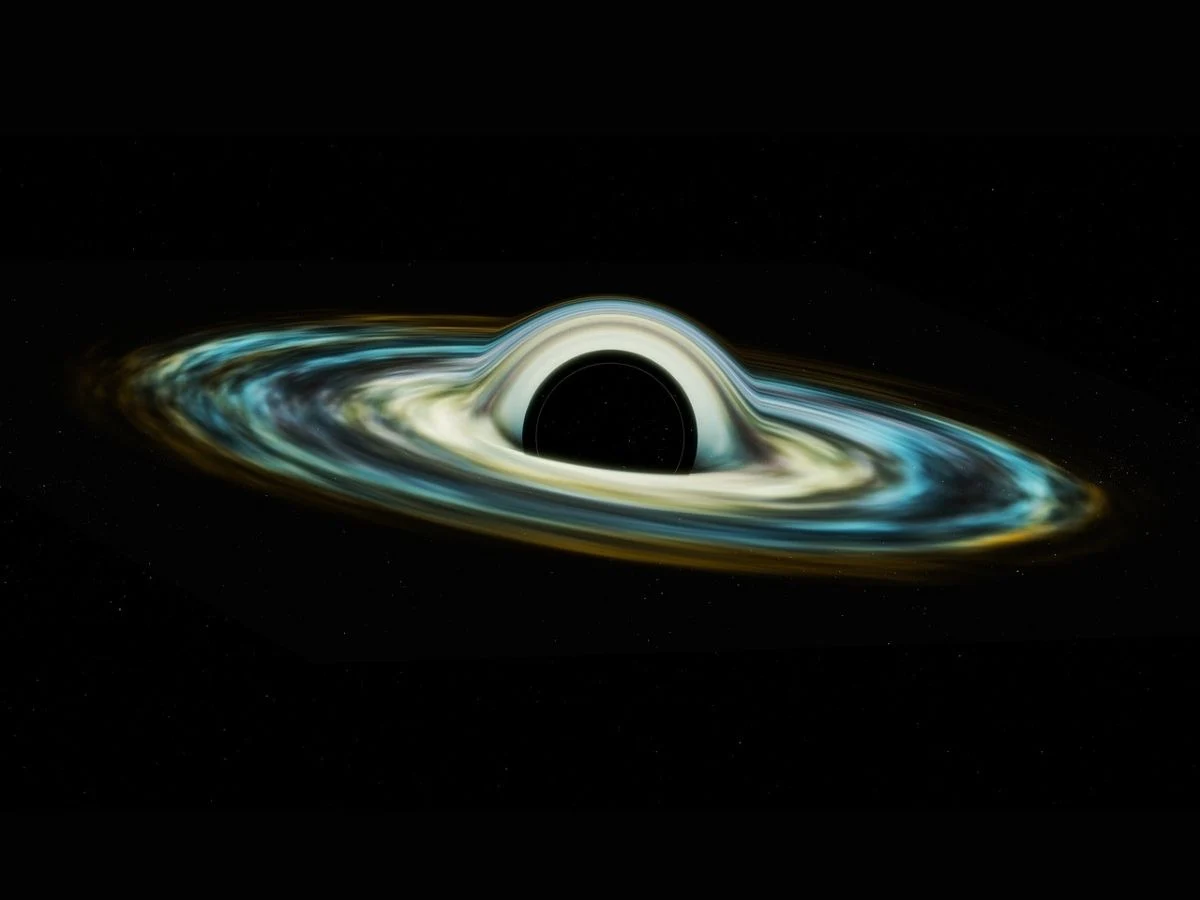
    Although we gain new insights about space on a daily basis, numerous enigmas still remain unresolved. This is true for the small red dots observed by the James Webb Space Telescope. A recent investigation suggests that these could be supermassive black holes.

    Astronomical Discoveries

    In 2022, astronomers made significant findings regarding these phenomena. Vadim Rusakov, the main author of the research and a scientist at the University of Manchester, reported that these red dots emerged less than a billion years following the Big Bang before fading away after around two billion years.

    Understanding the Enigma

    Despite this intriguing discovery, the exact nature of these dots is still unclear, leading to several proposed theories. Some researchers think they might be galaxies filled with stars, which could account for their reddish hue. Others, however, propose that these might indeed be supermassive black holes.

    Recent studies indicate that these red dots shine as brightly as 250 billion suns, despite being smaller, lending credence to the latter theory. By studying the light from these dots, scientists have estimated that the gas within these formations is moving at a speed of about 1,080,000 kilometers per hour (which is roughly 671,080 miles per hour). They also calculated the mass of these black holes to be between 100,000 and 10 million times that of our Sun.

    The Future of Research

    Thus, this finding could provide crucial insights into how supermassive black holes came into existence in the early universe. Continued research will be necessary in the near future to uncover further mysteries.

    Source:
    Link