
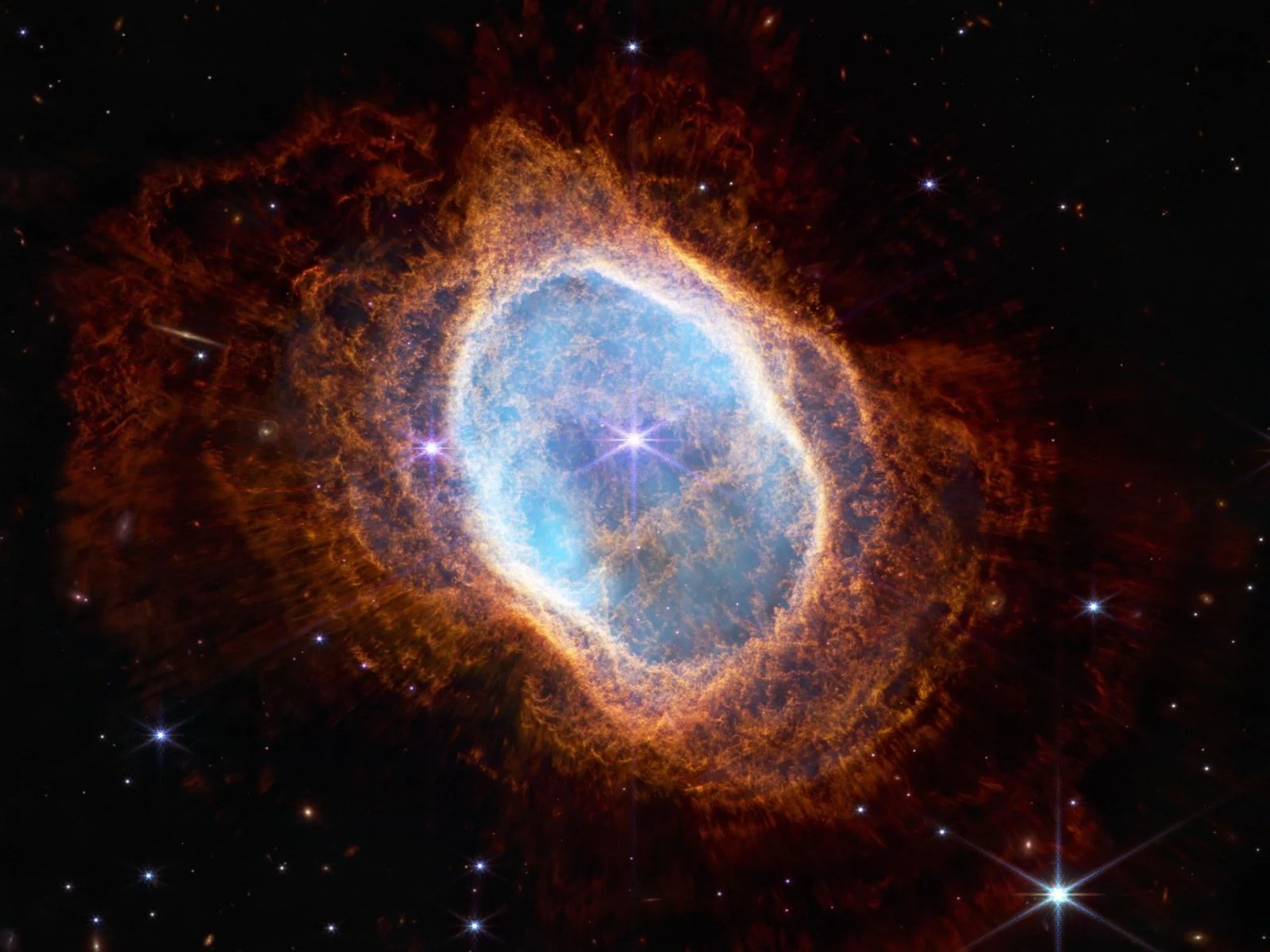
Key Takeaways
1. The Hubble Telescope, despite the rise of the James Webb Space Telescope, continues to play a key role in astronomical research.
2. The Egg Nebula is the youngest and nearest nebula discovered, located about 1,000 light-years from Earth.
3. Hubble has captured its clearest image of the Egg Nebula, merging data from observations made in 1997, 2003, 2012, and recent times.
4. The latest image reveals twin beams moving in circular arcs, suggesting gravitational interactions with hidden companion stars.
5. The Egg Nebula is in a pre-planetary stage, providing a unique opportunity for astronomers to study its early life cycle and related nebulae questions.
Since it first appeared in 1990, the Hubble Telescope has helped astronomers to uncover numerous secrets of the universe. Although the James Webb Space Telescope is considered to be more effective, Hubble still plays a significant role in research. Recently, it has captured the clearest image yet of the Egg Nebula.
Unique Location of the Egg Nebula
Situated around 1,000 light-years away from our planet, the Egg Nebula is recognized as the youngest and nearest nebula that has ever been found. A key aspect of this formation is that it exists in the early stages of its life cycle. To get such a clear image, it’s worth mentioning that Hubble previously observed this nebula in 1997, 2003, and again in 2012. The latest results came from merging the 2012 image with more recent observations.
Astonishing Details Revealed
Looking closely at this latest image, which is the most detailed we’ve seen, we can spot twin beams on either side of the star, moving through circular arcs. Moreover, astronomers suggest that the shapes and motions of these beams indicate gravitational interactions with companion stars that remain hidden within the nebula.
Thus, the Egg Nebula is currently in a transitional phase known as the pre-planetary stage, which only lasts a few thousand years. This unique opportunity may allow astronomers to gain a deeper understanding of this phase and also to explore certain questions related to nebulae.
Source:
Link
Leave a Reply