Key Takeaways
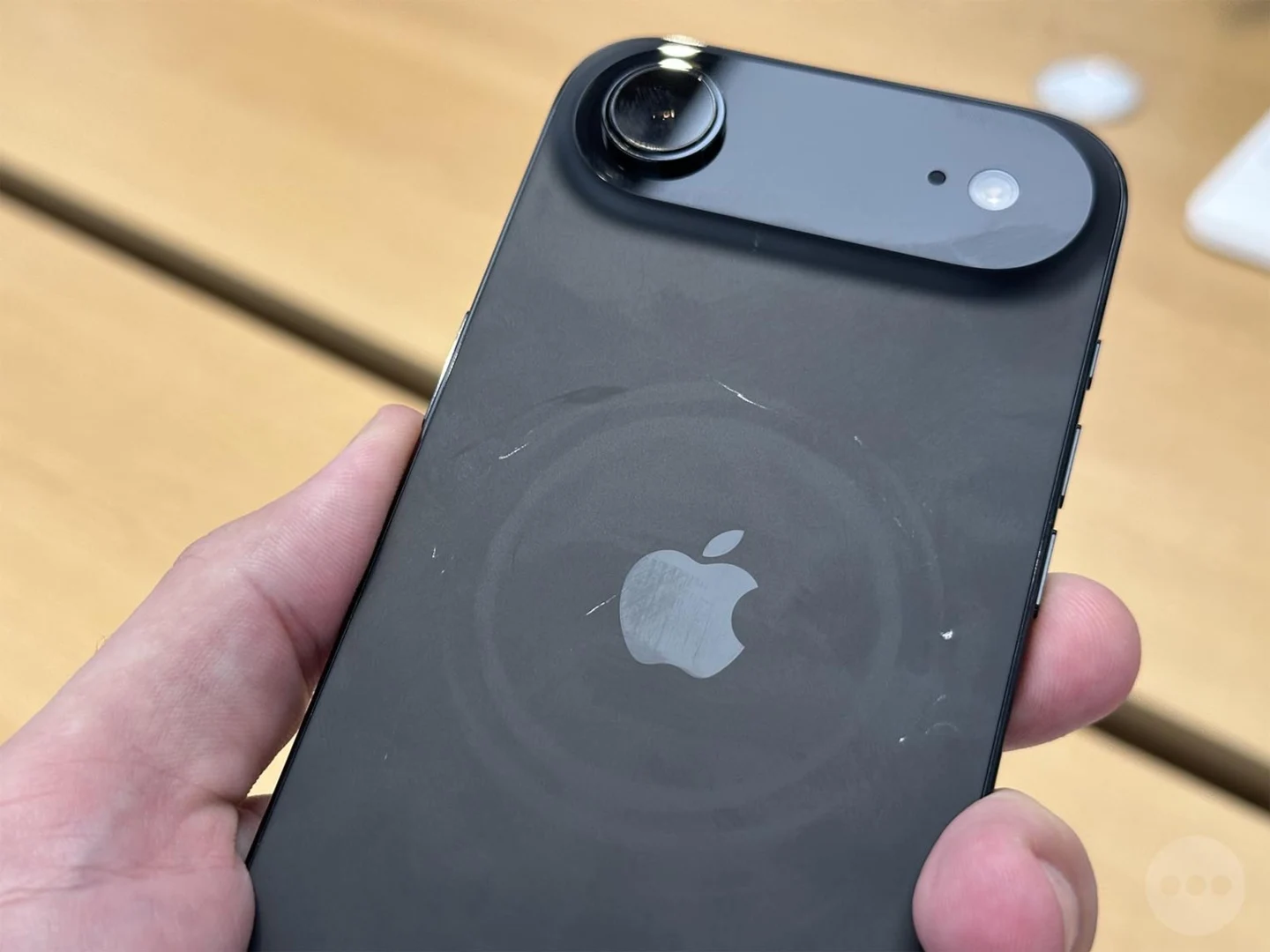
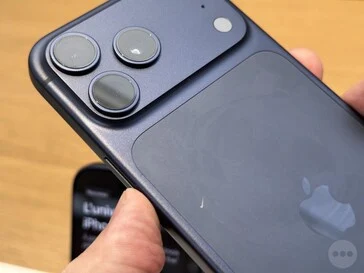
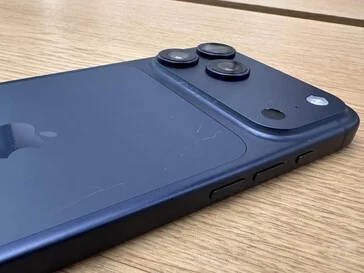
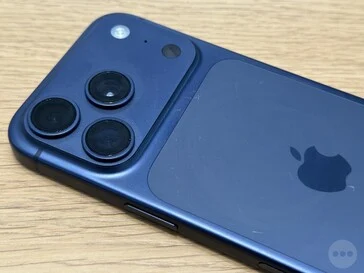
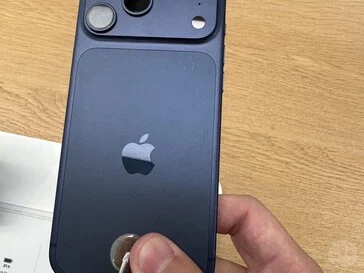
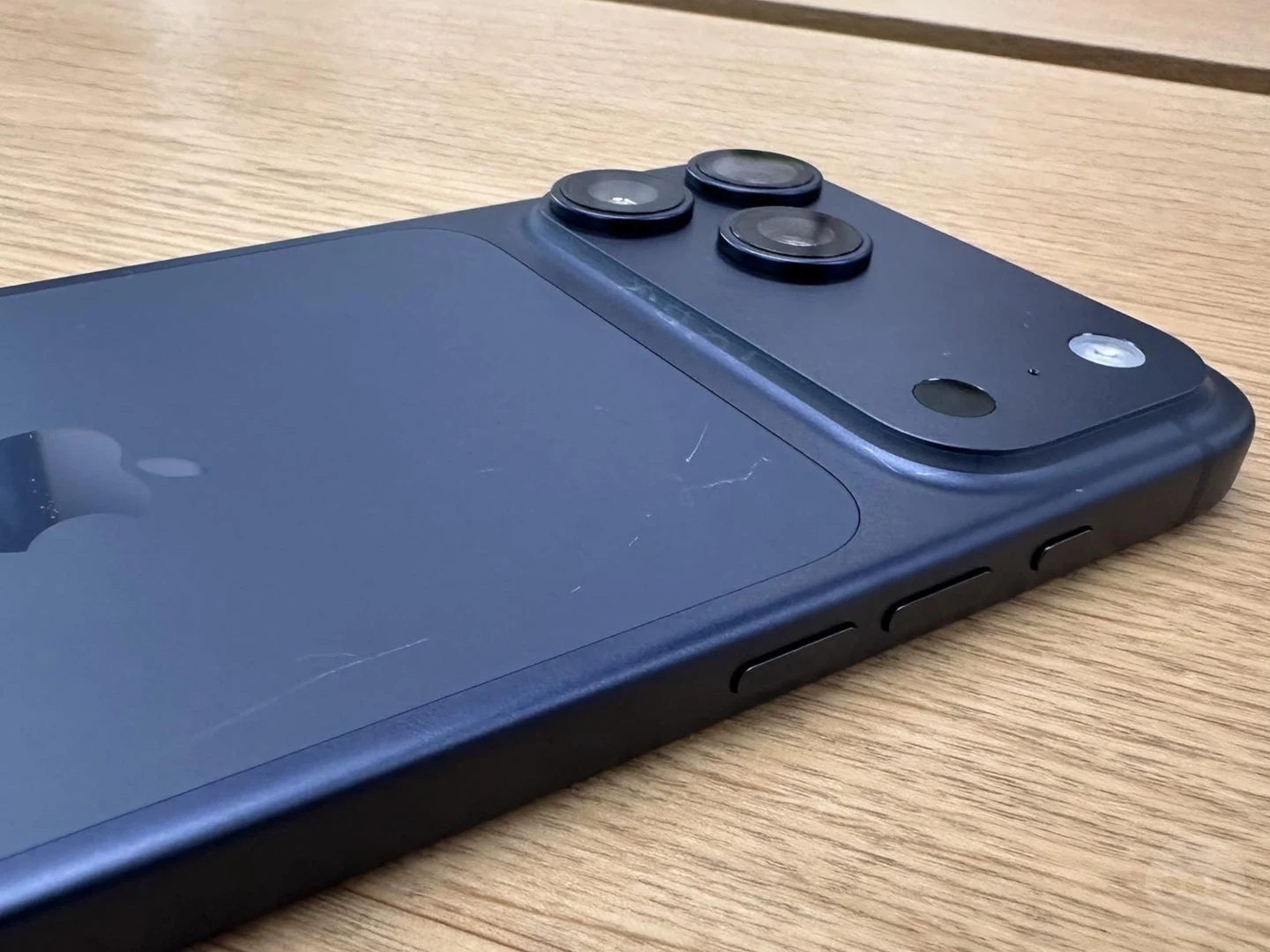
1. Many display units of the iPhone 17 series were found with marks due to handling by customers, raising concerns about durability.
2. Apple clarified that the marks are not scratches but residue from worn MagSafe stands used in stores, which can be cleaned off.
3. Other iPhone models, like the iPhone 16 series, also showed similar marks from MagSafe stands, prompting Apple to work with retailers on solutions.
4. Apple acknowledged that the camera plateau edges on the iPhone 17 Pro are prone to wear, similar to other anodized aluminum products.
5. Despite reports of scratches on the iPhone 17 Pro and Pro Max, Apple maintains that the devices are designed to withstand wear, although the aluminum paint is still susceptible to damage.
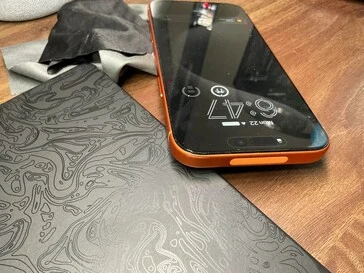
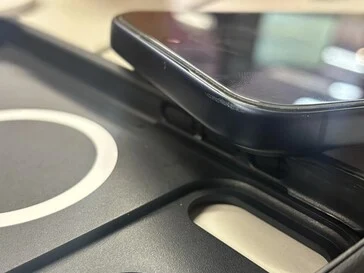
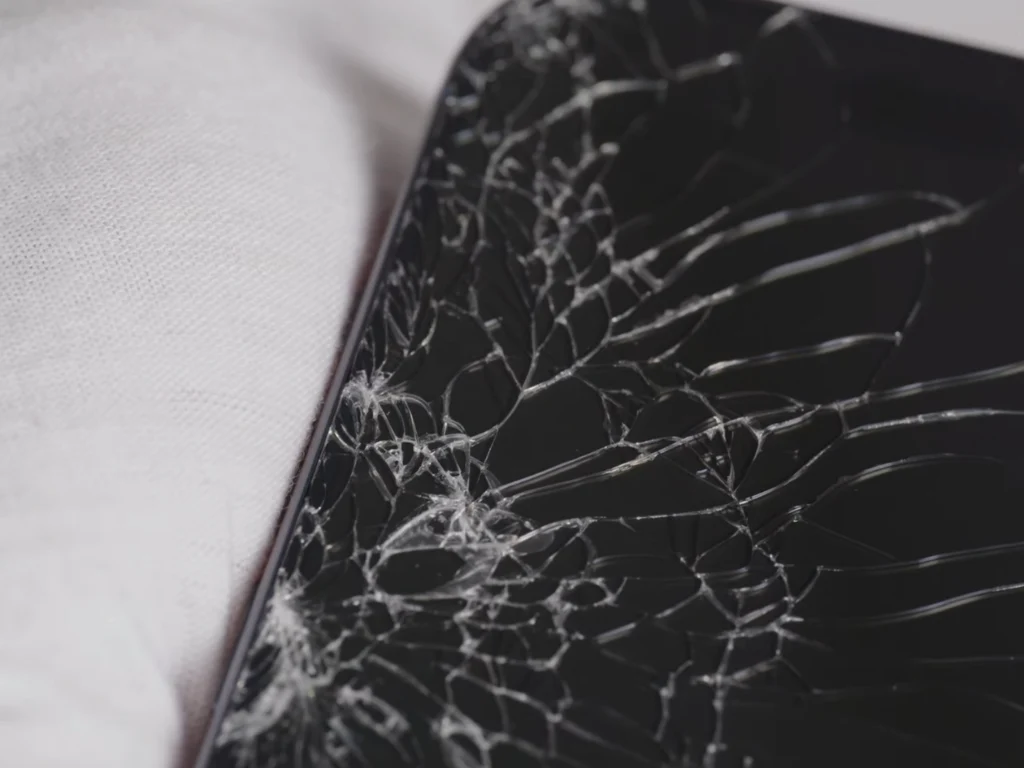
Shortly after the iPhone 17 series was released, many display units in stores worldwide were found to have scratches and marks on their backs. These units were handled by a variety of customers, some more roughly than others, leading to concerns about the durability of the devices and Apple’s choice to use aluminum for its Pro models. In response to these worries, Apple has stated that the marks seen on these units are not actually scratches.
Explanation of the Wear
According to a report from 9to5Mac, after consulting with Apple, it was revealed that the visible imperfections were due to worn MagSafe stands. Some retailers had used these stands to showcase the new iPhones, which apparently caused “material transfer” onto the phones. Apple asserts that these marks were not scratches but rather residue from the stands that can be easily cleaned off.
Other Models Affected
The report indicates that other iPhone models, including the iPhone 16 series, were similarly affected by the MagSafe stands. Apple is currently working with retailers to resolve these issues.
Camera Plateau Concerns
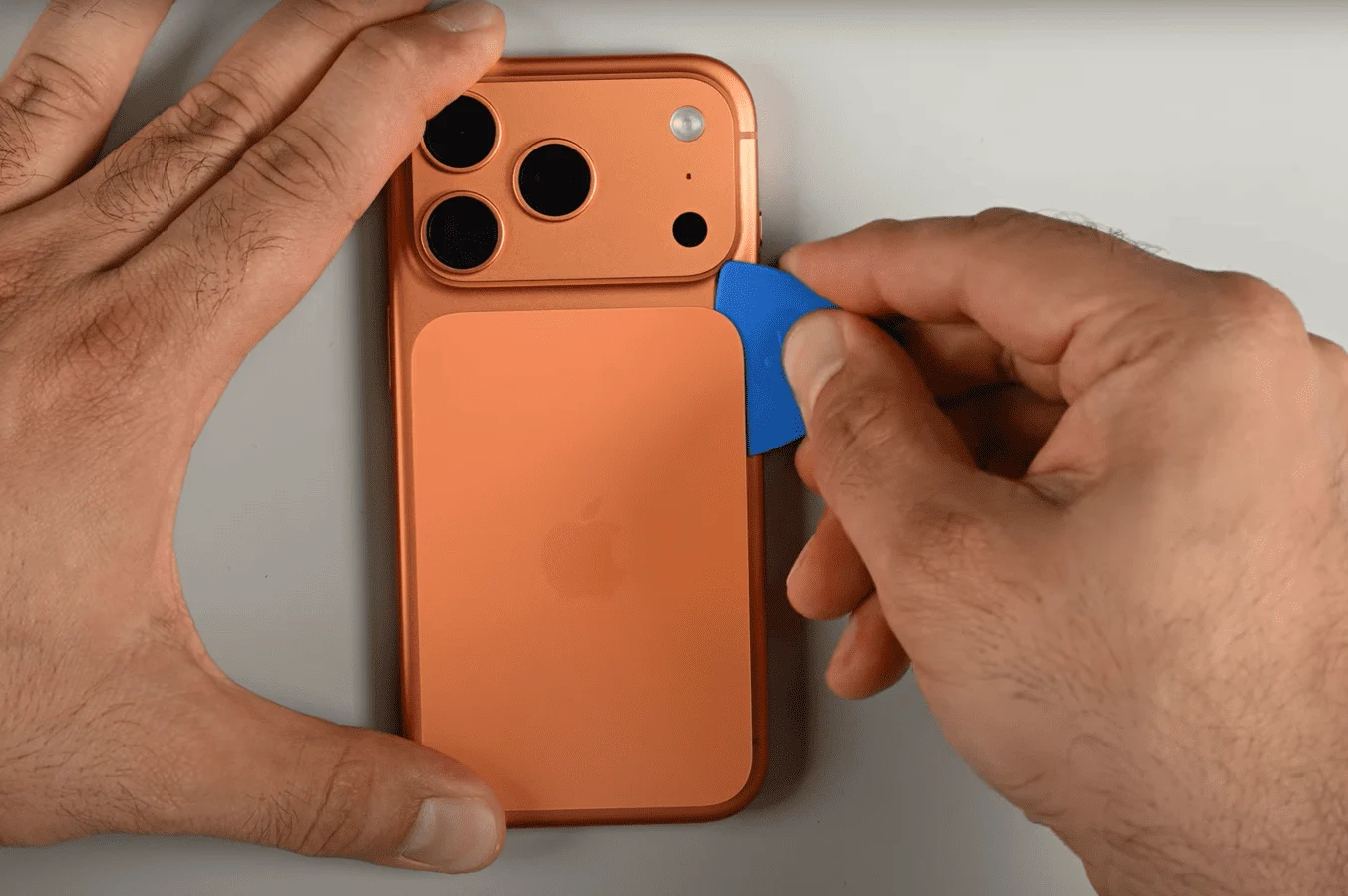
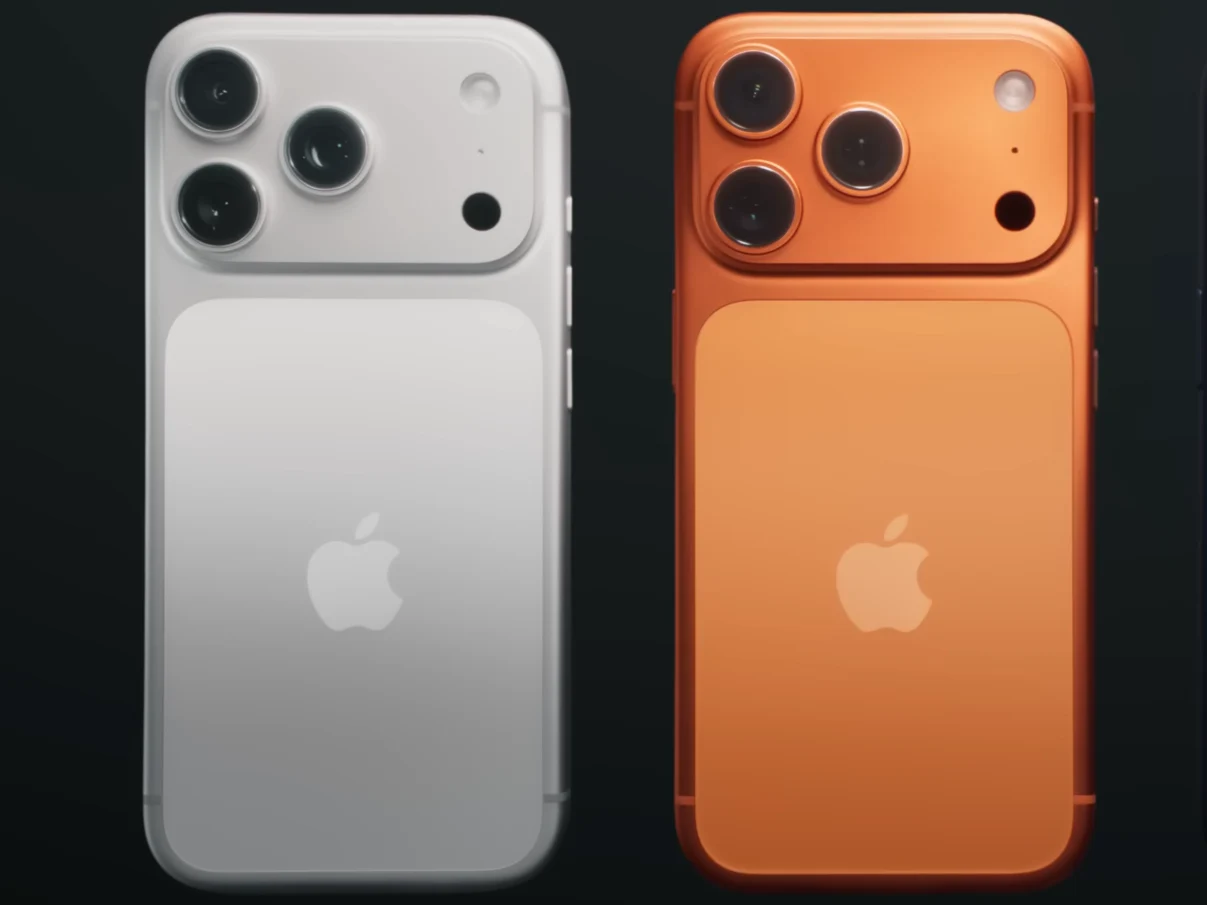
Regarding the iPhone 17 Pro’s camera plateau edges, which JerryRigEverything pointed out as particularly vulnerable to scratches, Apple claims they are designed like “anodized aluminum cases on other Apple products” and will naturally experience wear over time.
From the information available, Apple appears to dismiss the idea of “scratchgate,” despite numerous user reports of visible scuffs and scratches on the iPhone 17 Pro and Pro Max models. Although the display is more scratch-resistant and the glass on the back of the Pro models is tougher, the paint on the aluminum body appears to be susceptible to scratching. A recent report highlighted that even when using cases, the iPhone 17 Pro and Pro Max were developing dents and scuffs.
Source:
Link